AsiaFebruary 20198 min read
7 Favorite Must-Visit Places in Myanmar (With Photos & Maps)
In short
We spent 12 days in Myanmar in December 2018, road-tripping by chauffeur-driven rental car through Yangon, Loikaw, Kakku, Inle Lake, Mandalay, Bagan and Naypyidaw. It became one of the favorite stops on our round-the-world trip, for its temples, floating villages and warm welcome. Total cost for our family of four: 2,872,000 MMK, about 1,849 USD at 2018 rates.
- Dates
- 2018-12-14 to 2018-12-26
- Number of days
- 12
- Cities we visited
- Yangon, Loikaw, Inle Lake, Mandalay, Bagan, Naypidaw
- Inbound
- From Thailand by plane
- Outbound
- To Cambodia by plane
- Mode of transport
- Rental car
- Distance travelled (car & foot)
- 2215 km
- Number of photos taken
- 5300 (442 per day)
- Currency
- The Myanmar Kyat (1 USD = 1553 MMK)
We spent 12 days in Myanmar in December 2018, road-tripping by chauffeur-driven rental car from Yangon to Loikaw, Kakku, Inle Lake, Mandalay, Bagan and Naypyidaw. Here are our 7 favorite stops, our full budget, and what to know before you go.
Myanmar was one of the countries that most appealed to us before we started our world tour. This country, which leans more toward tradition than modernity, has an incredible charm and completely won us over. The pictures we had in our minds became reality, and time seemed to stand still during the 12 days we spent there.
2026 update: Myanmar has been under military rule since the army seized power in a coup on February 1, 2021. As of 2026, Canada’s government advises against all travel to Myanmar because of the ongoing armed conflict and civil unrest (travel.gc.ca). Check your own government’s travel advisory before planning a trip. The account below describes our visit in December 2018, before the coup.
The Must-Visit Places in Myanmar
Yangon
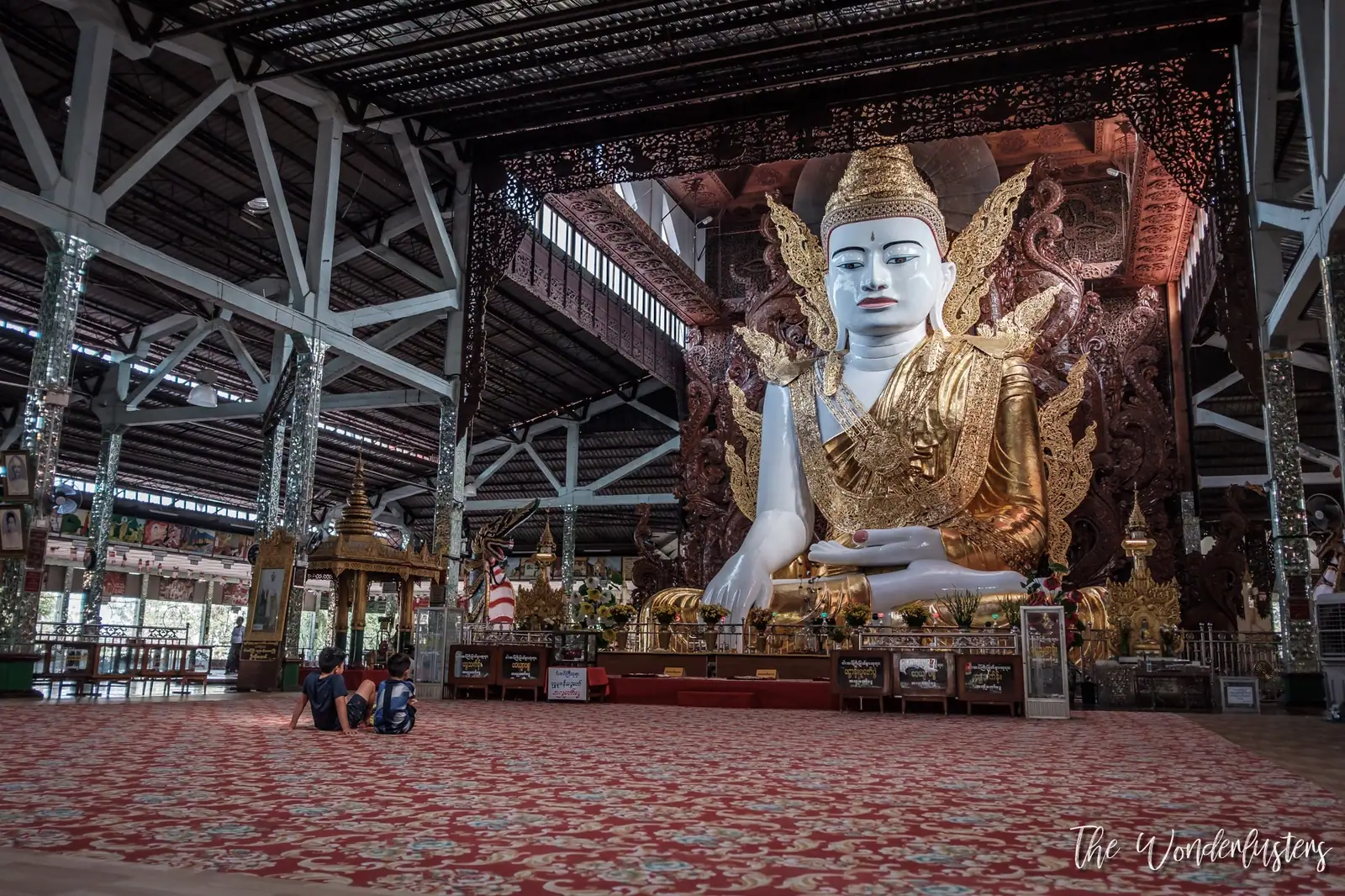
The arrival in Yangon was quite agitated. The day before in Bangkok, Jessica had picked up a tummy ache from eating too much spice. We made a quick visit to the hospital with a diagnosis of gastritis and a “big” bill equivalent to 16 US dollars, including medication. While she was resting, I took the opportunity to tour the former Burmese capital (Naypyidaw having replaced Yangon in 2005) with the boys. We slowly began by meeting the impressive Buddha of Ngar Htat Gyi, from the top of its 13.9m in a sitting position.
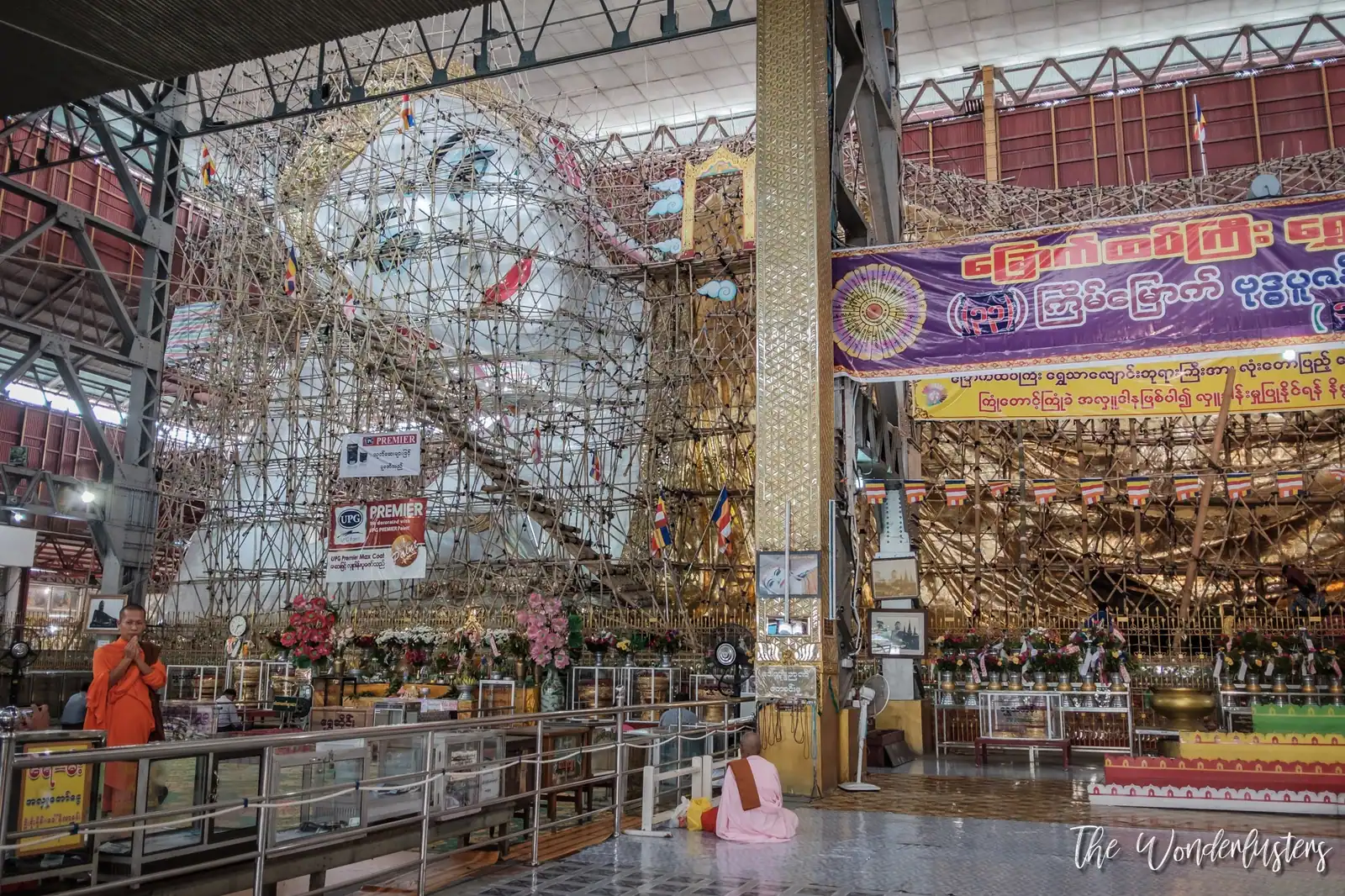
Just across the street is Chauk Htat Kyi, a 66-metre long reclining Buddha! It was under renovation, but it was still impressive.
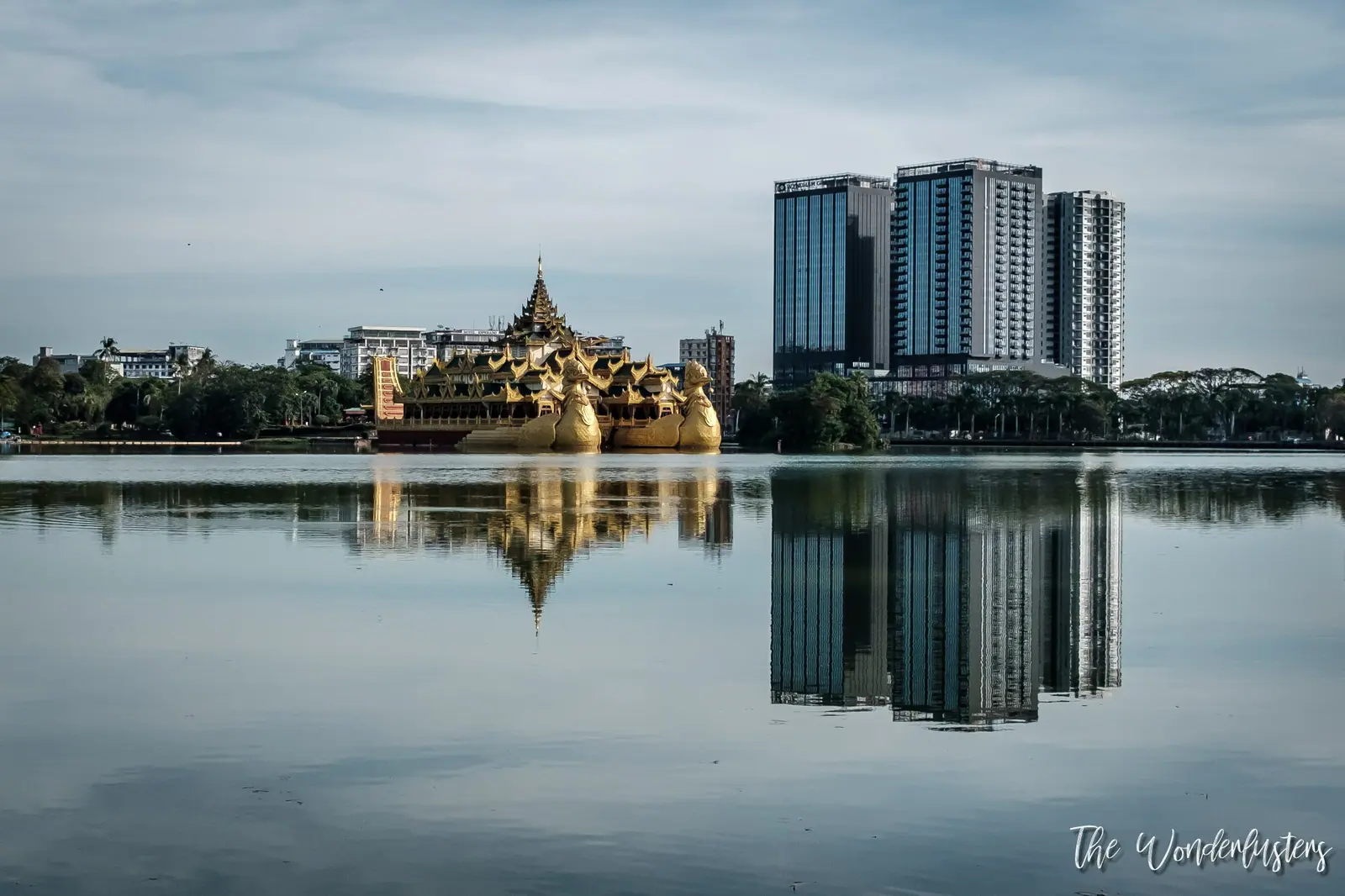
On Lake Kandawgyi lies the imposing Karaweik, a concrete replica of a royal barge that houses a restaurant.
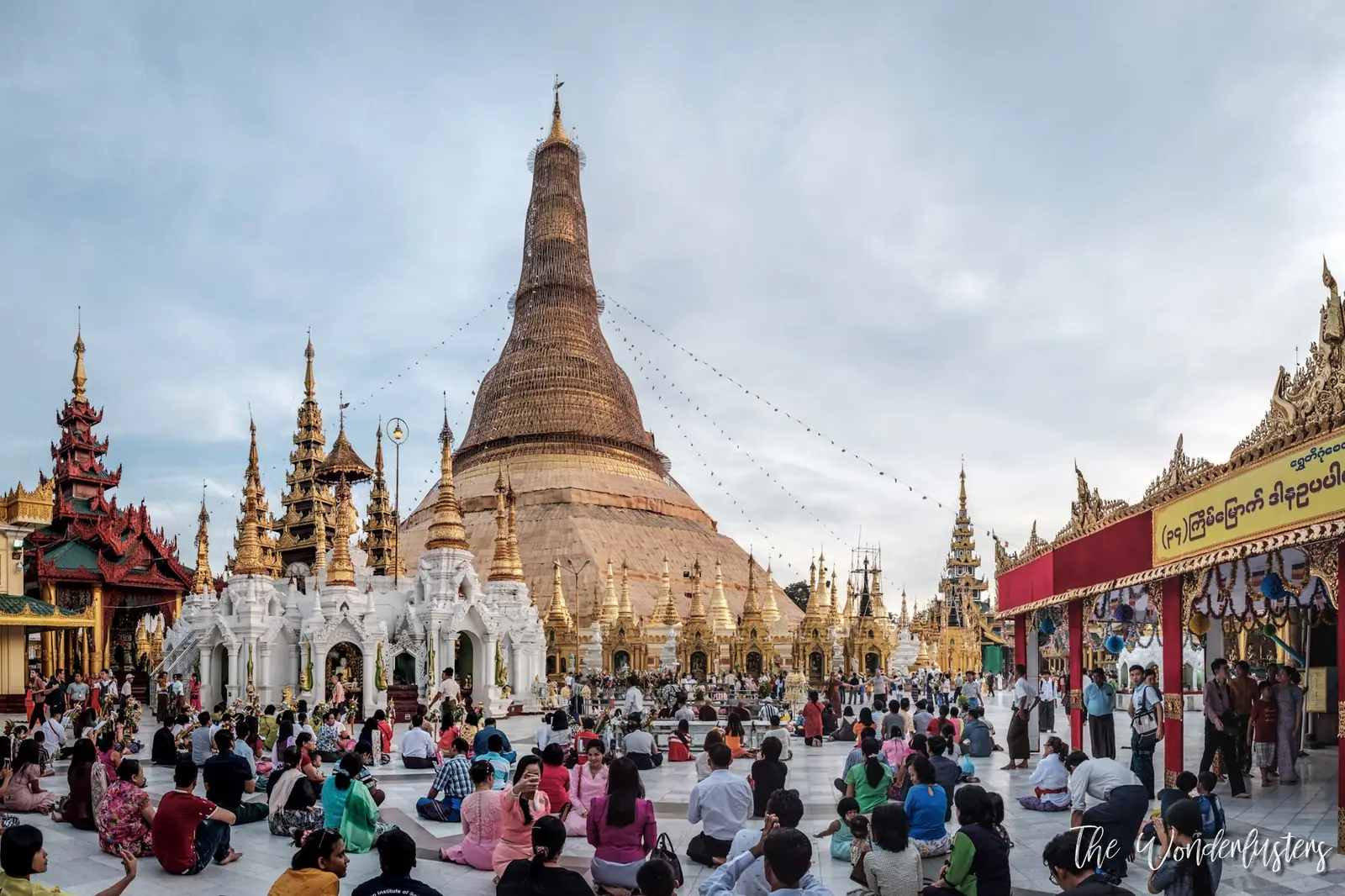
The major attraction of Yangon is the Schwedagon Pagoda. This sacred Buddhist landmark houses a remarkable stupa that contains relics of 4 ancient Buddhas, including 8 hairs of the Gautama Buddha, the one who brought Buddhism into being. The stupa is covered with gold leaves, with weigh estimates ranging from 9 to 60 tons! However, since it was being renovated, it did not shine as brightly as it should have. What a pity!
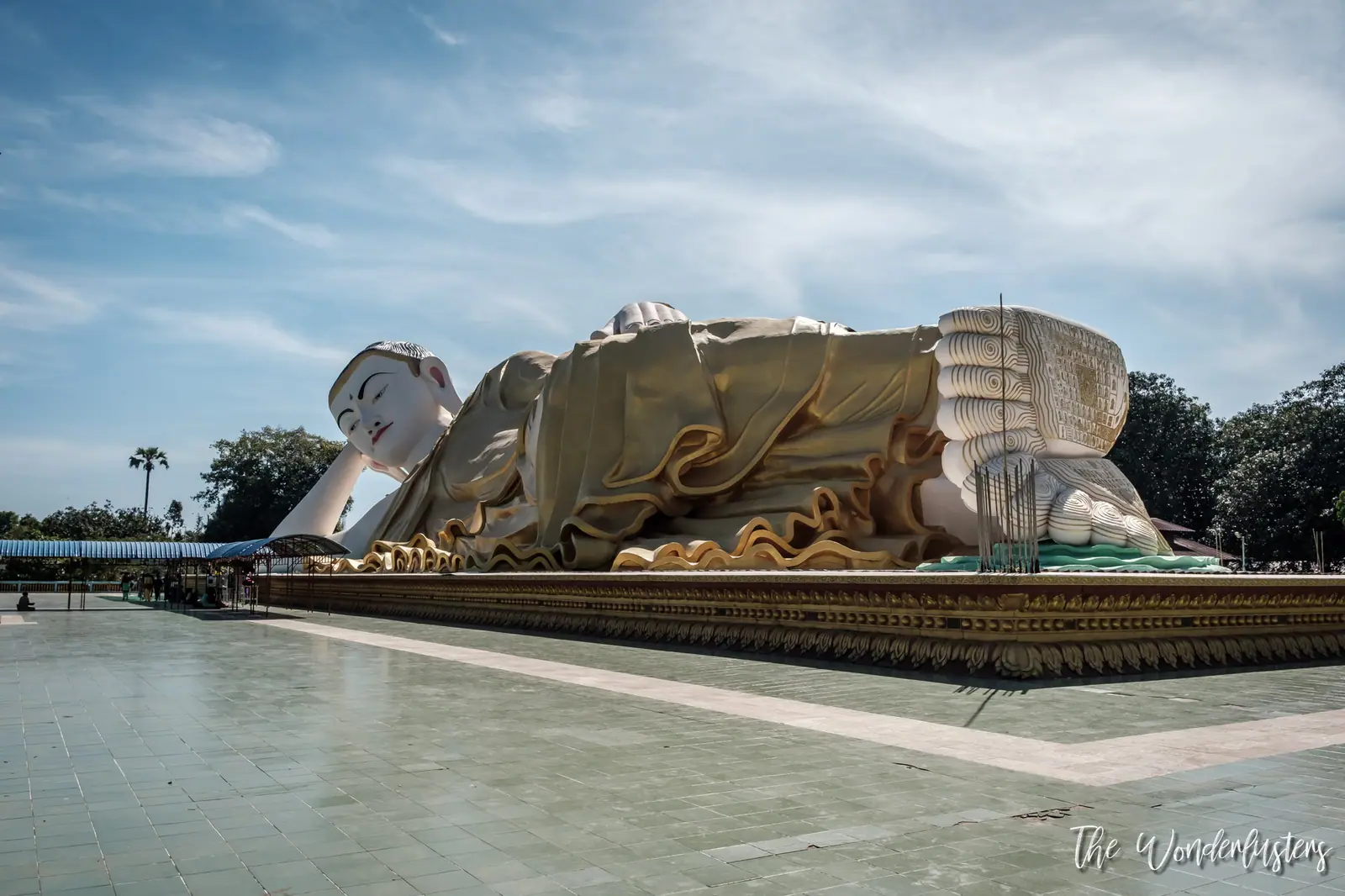
At the beginning of our road-trip, we made a first stop in Bago, where we were able to admire some huge Buddhas. Burmese people definitely love to make things big!
Loikaw
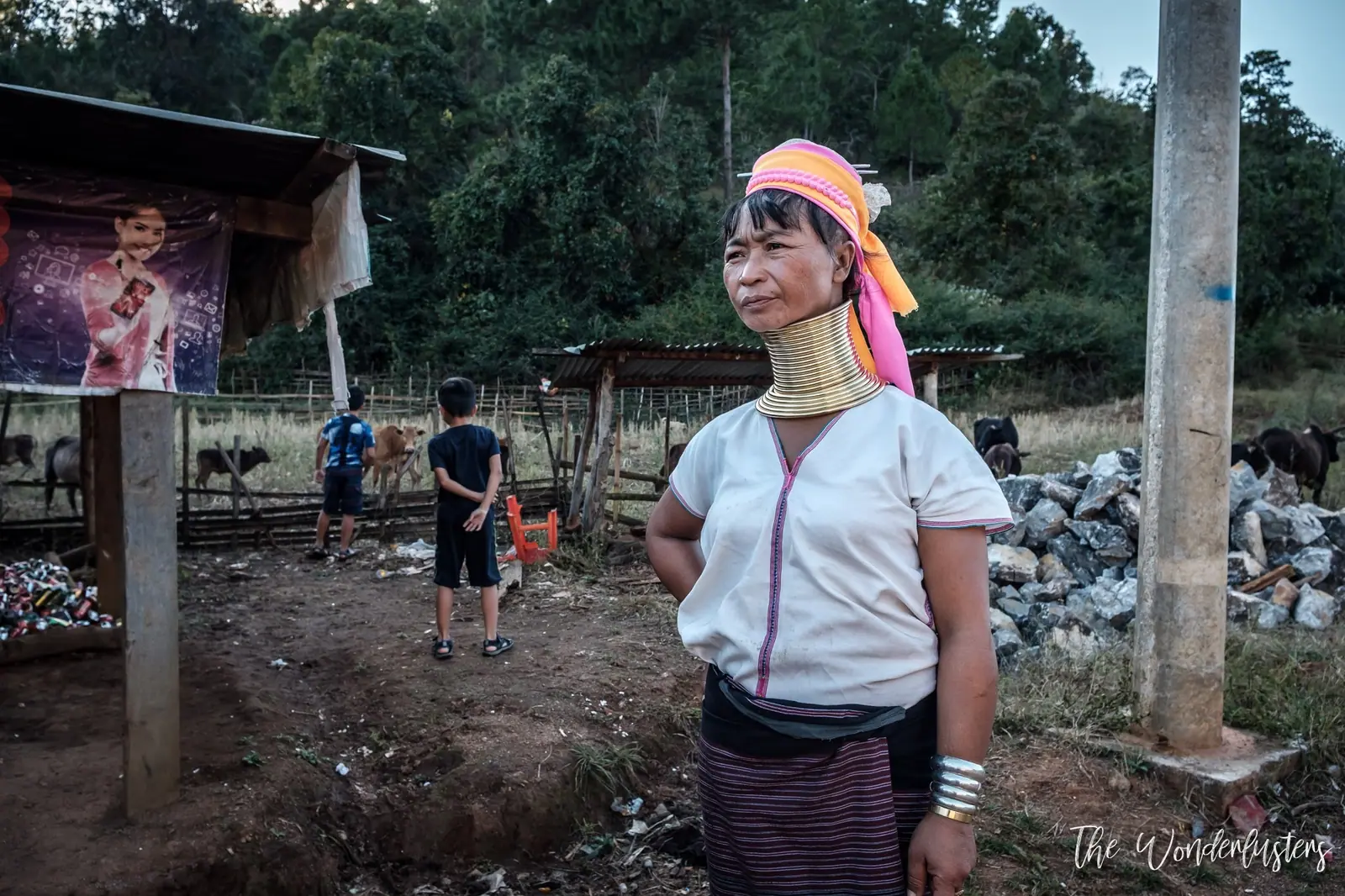
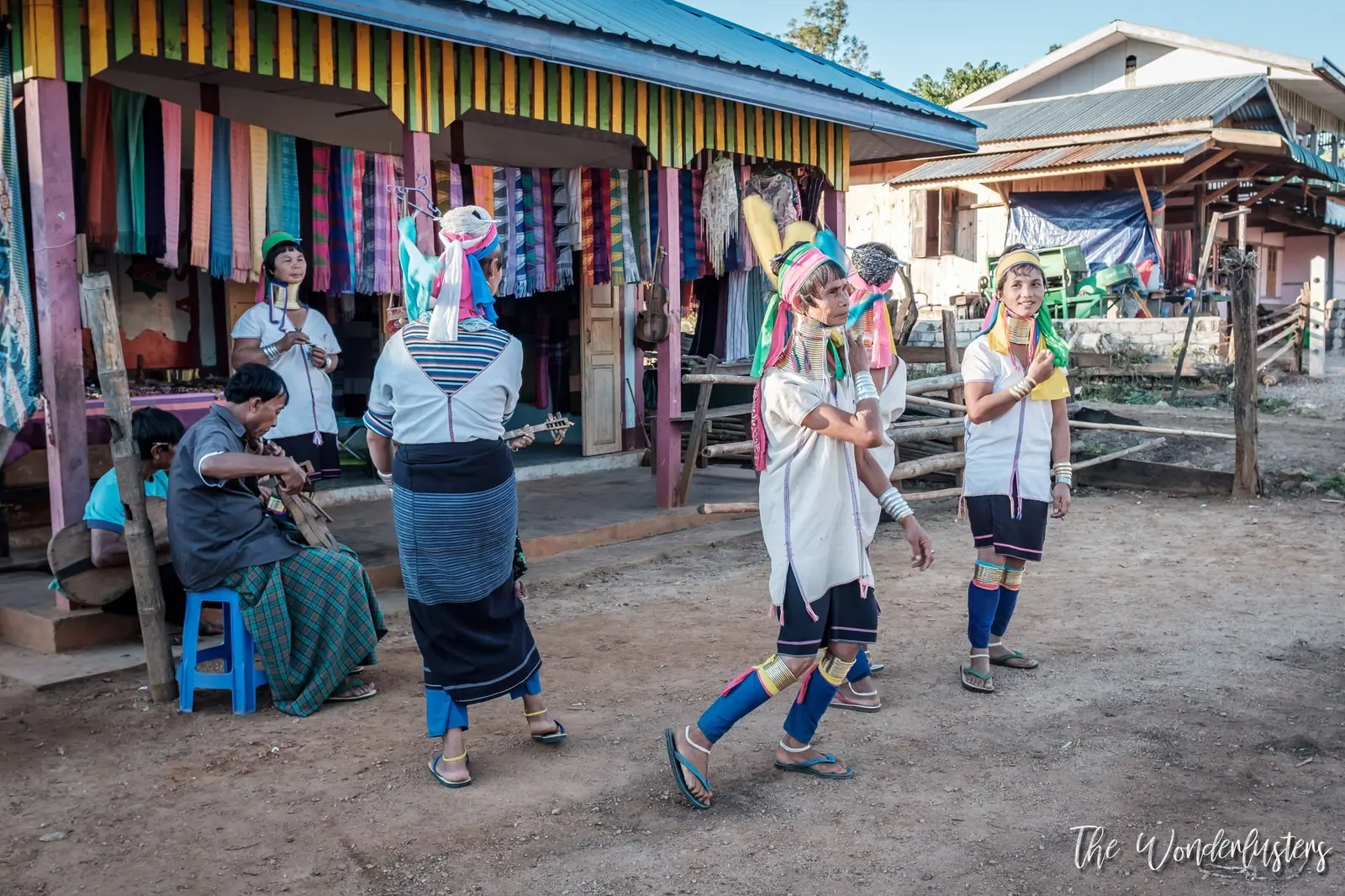
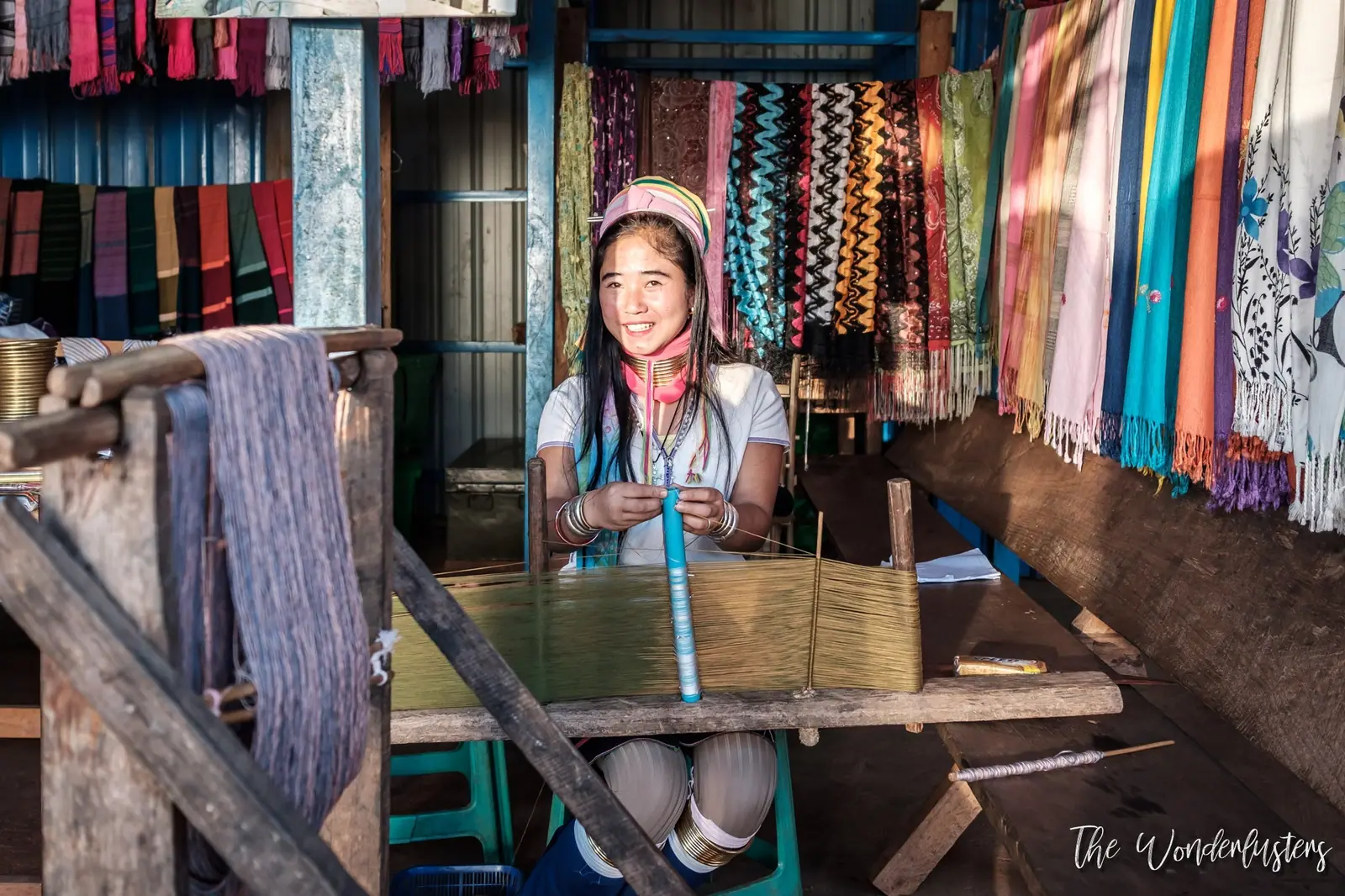
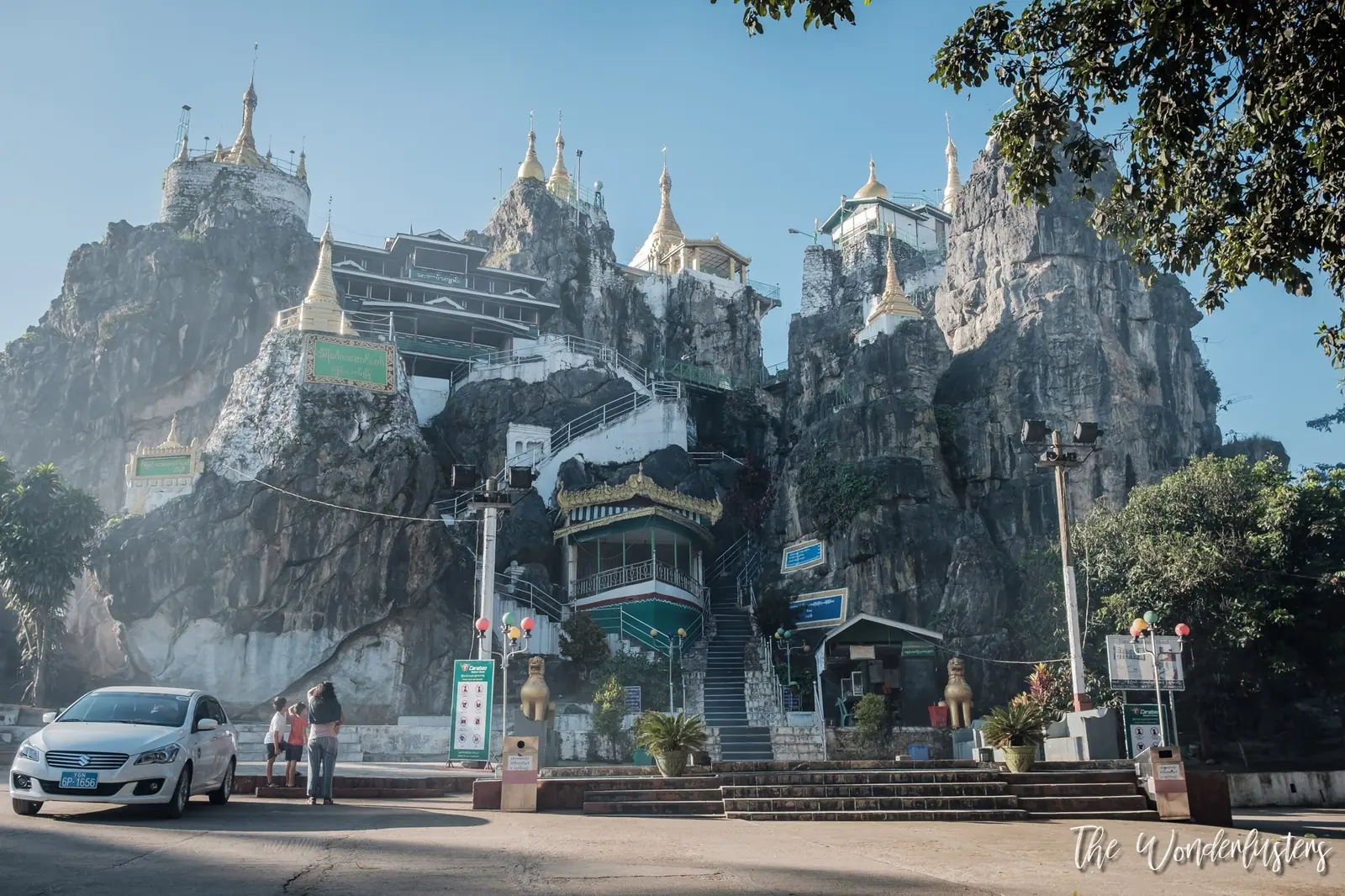
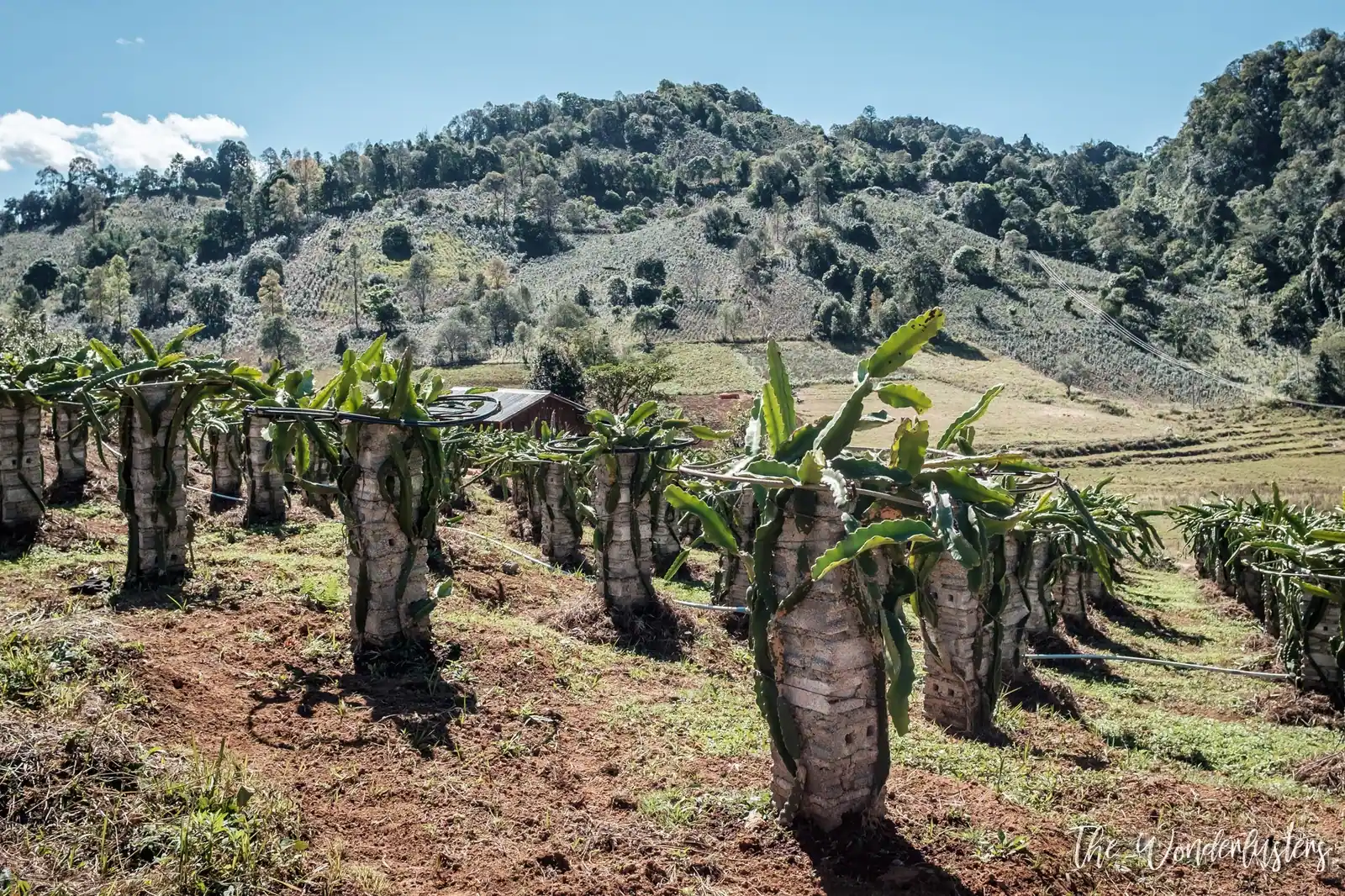
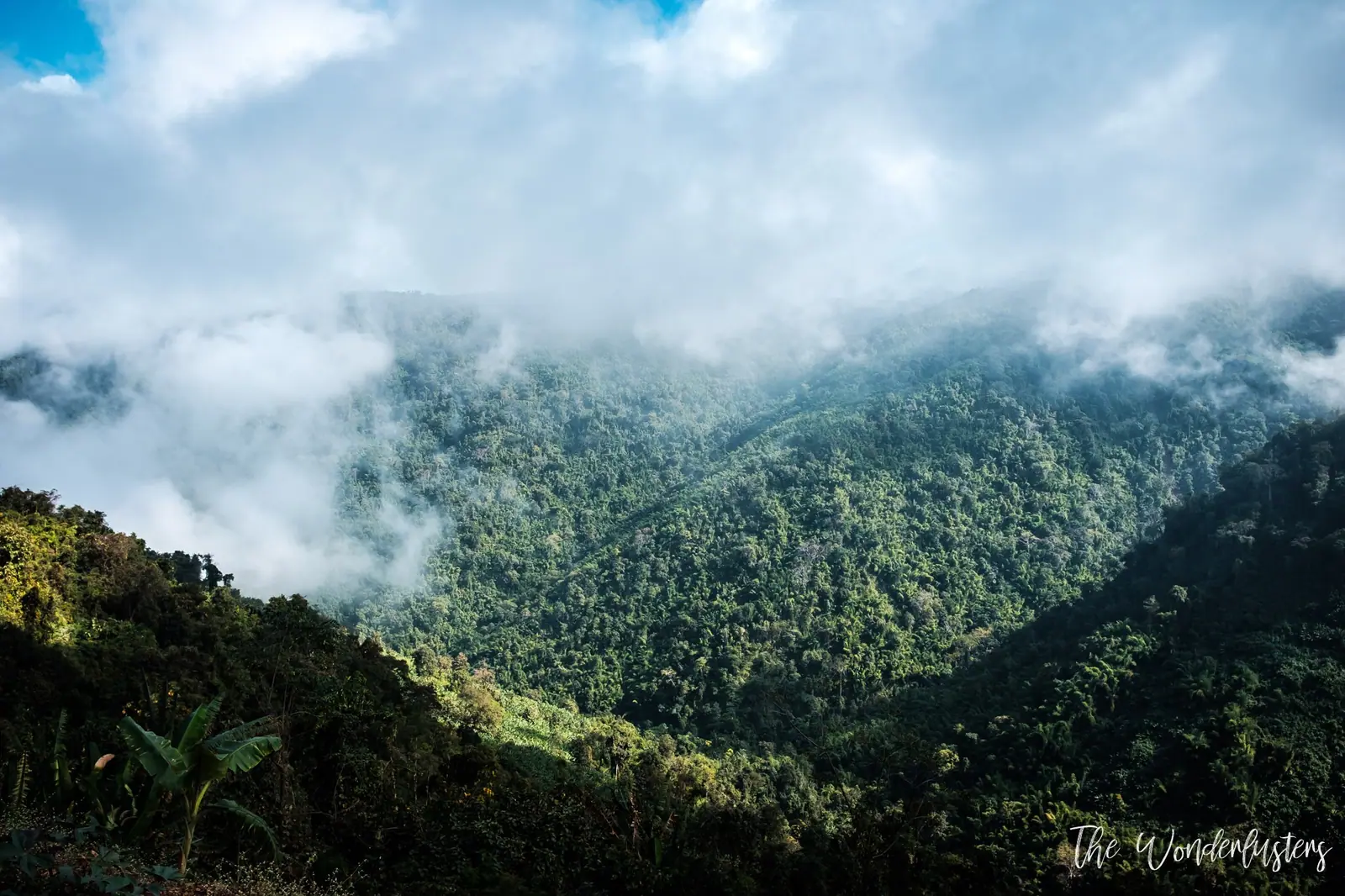
If I tell you “giraffe woman”, does it sound familiar? The Kayans are an ethnic minority from the Shan and Kayah regions of eastern Myanmar. Among a handful of Kayans, women are recognizable by the rings they wear around their necks, giving them an elongated appearance. Although they can also be found in northwest Thailand and in various more touristic regions of Myanmar, they are mainly exhibited there as fairground animals to be admired and photographed. We did not feel comfortable in these conditions, so we decided to meet these people in their region of origin, that is, in a more respectful environment, where these women can to some extent have a certain sense of dignity. So, we took the winding and laborious roads of the remote regions of eastern Burma, all the way to Pan Pet, near Loikaw, in Kayah State, where we met them.
Kakku
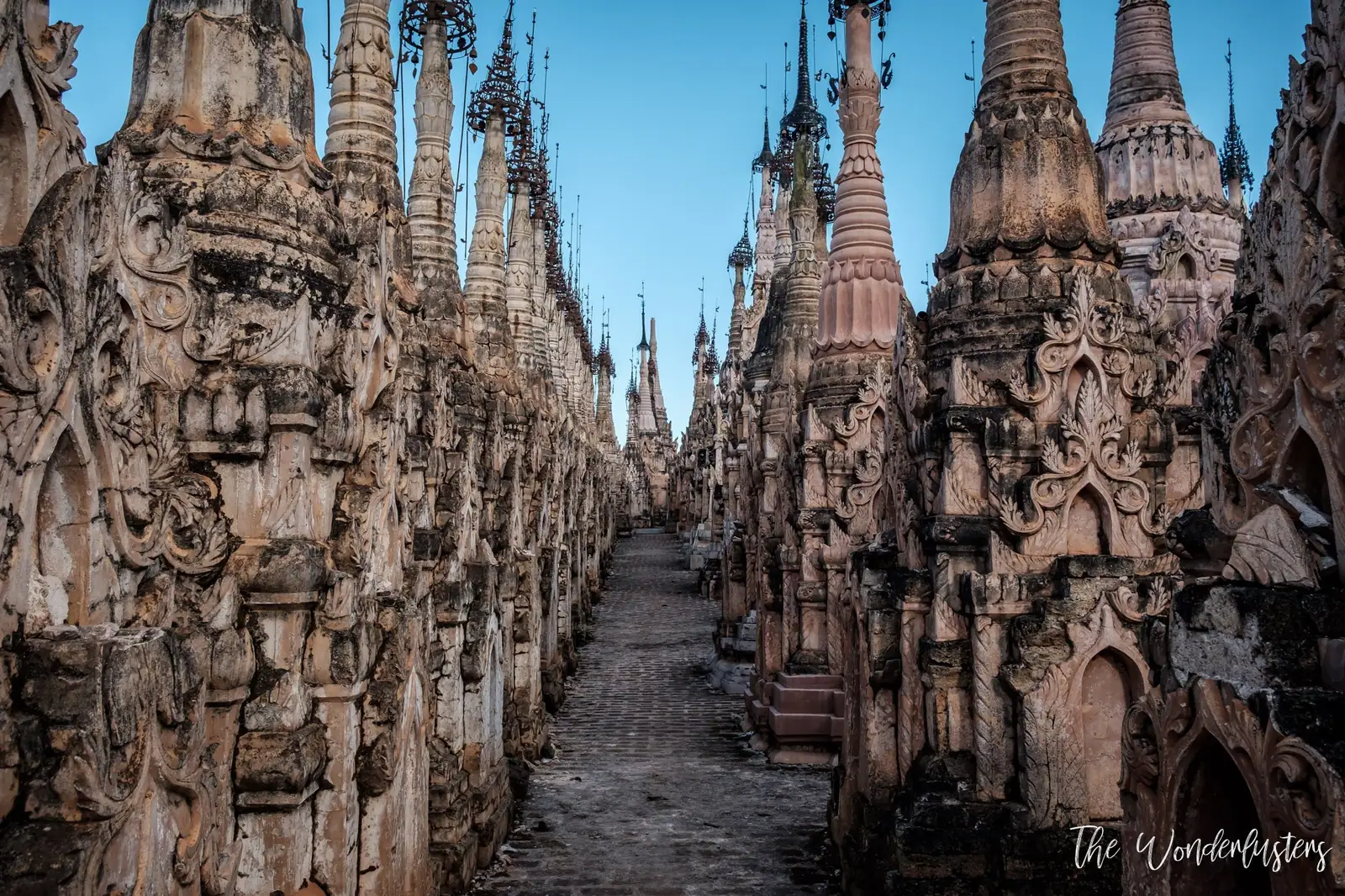
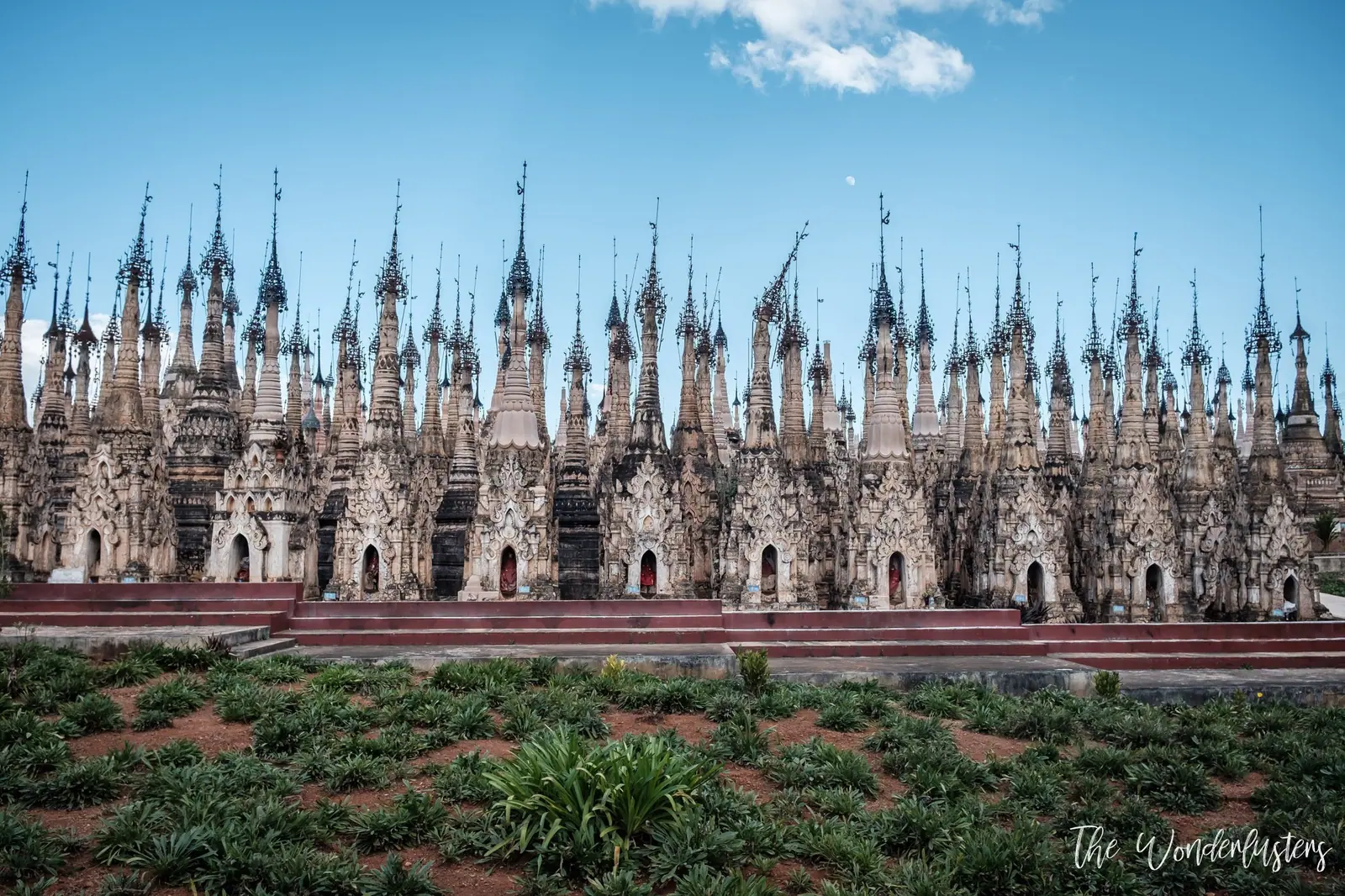
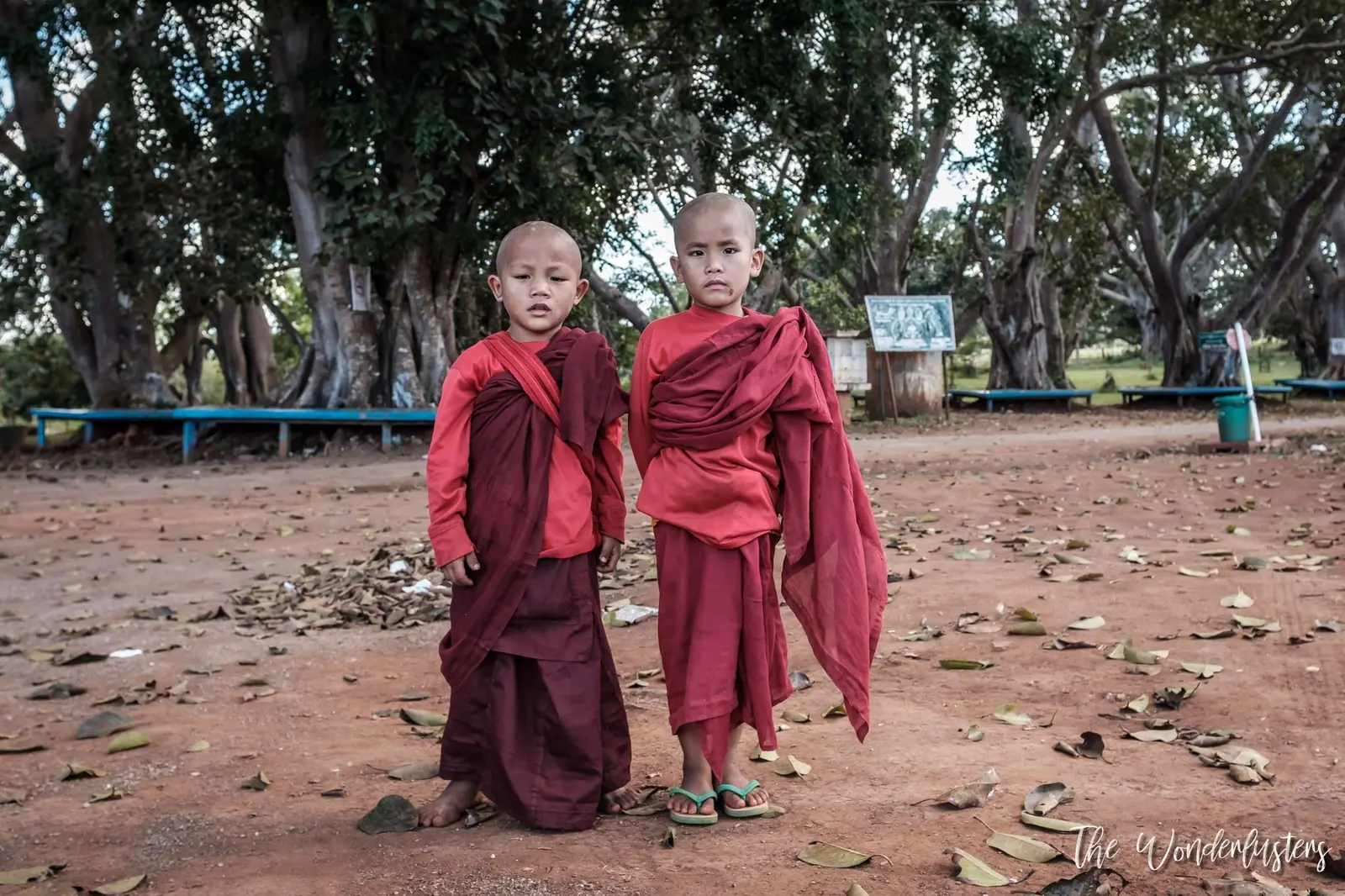
Before we headed to Lake Inle, a stop in Kakku was a must! This enchanting site on the grounds of the Pa-O ethnic group is home to nearly 2500 pagodas, whose bells ring as the wind blows.
Inle Lake
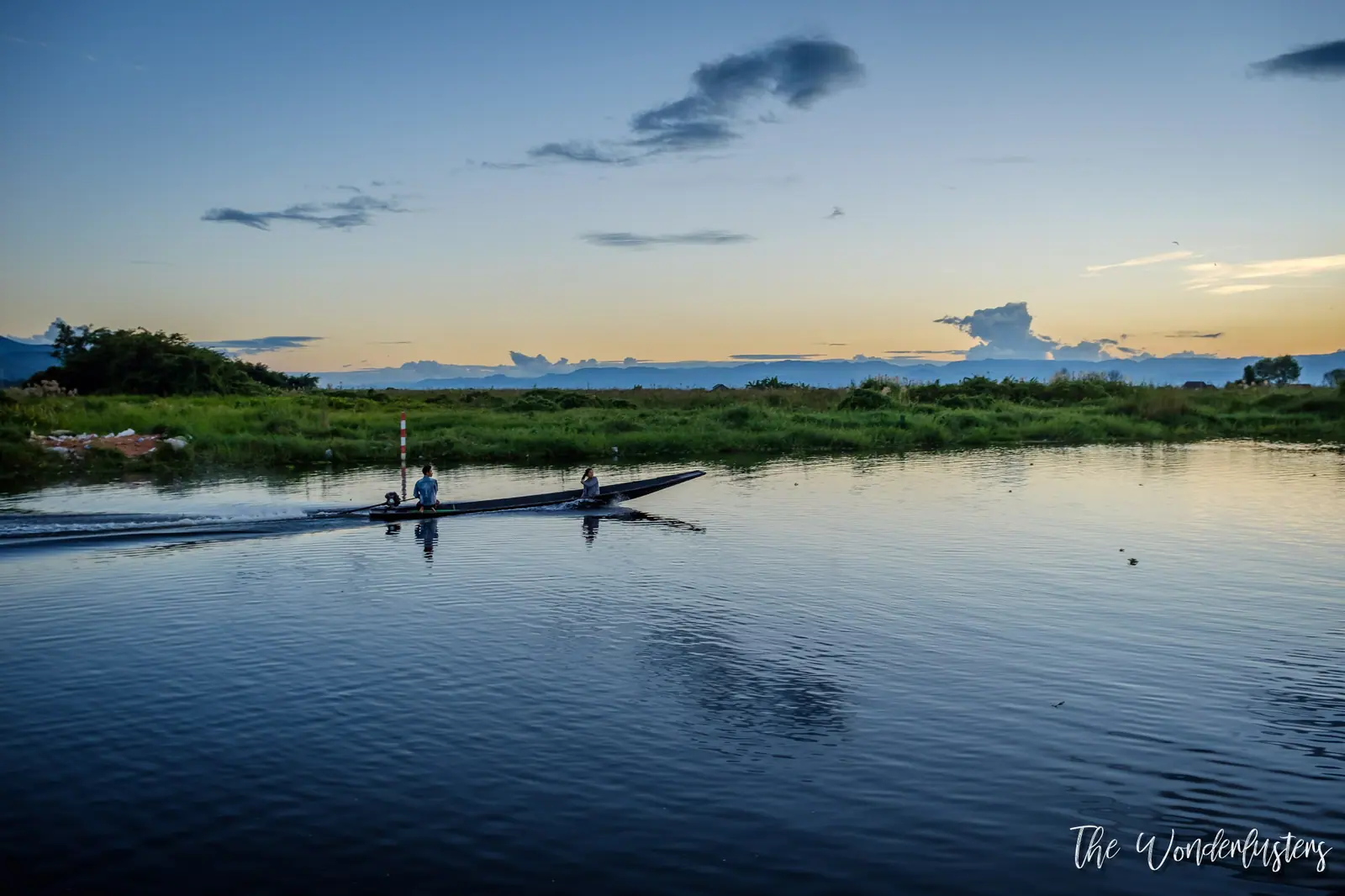
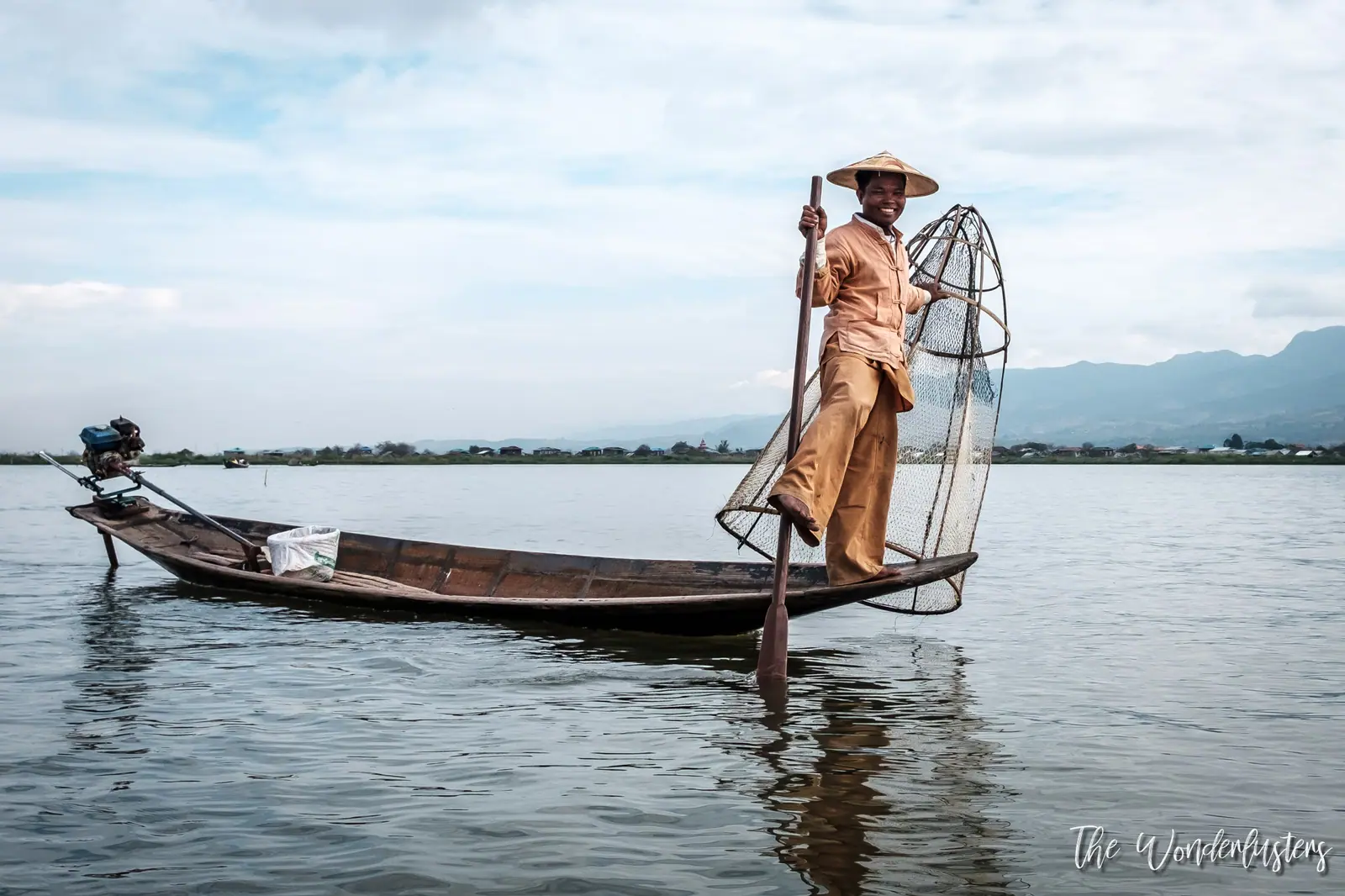
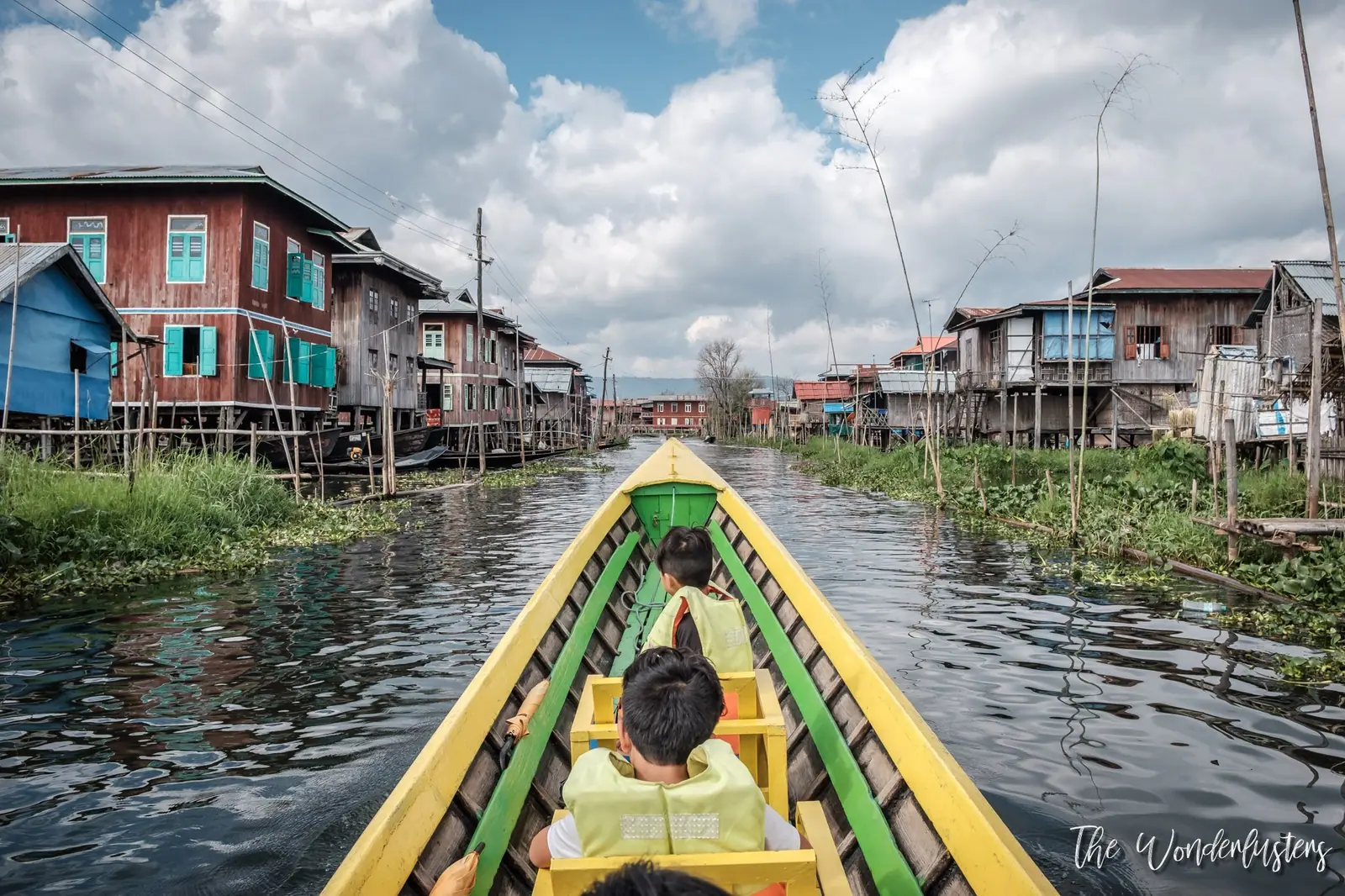
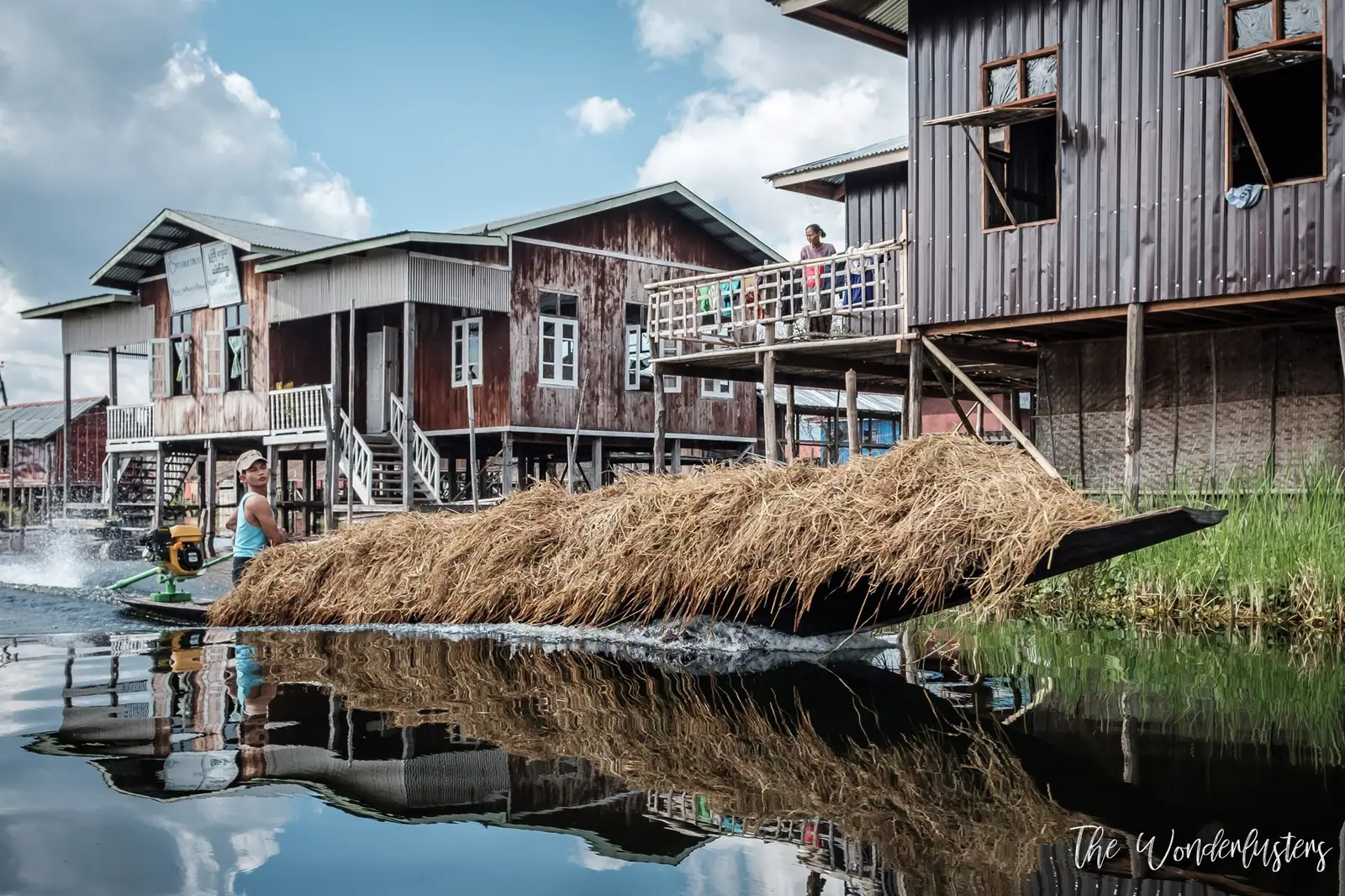
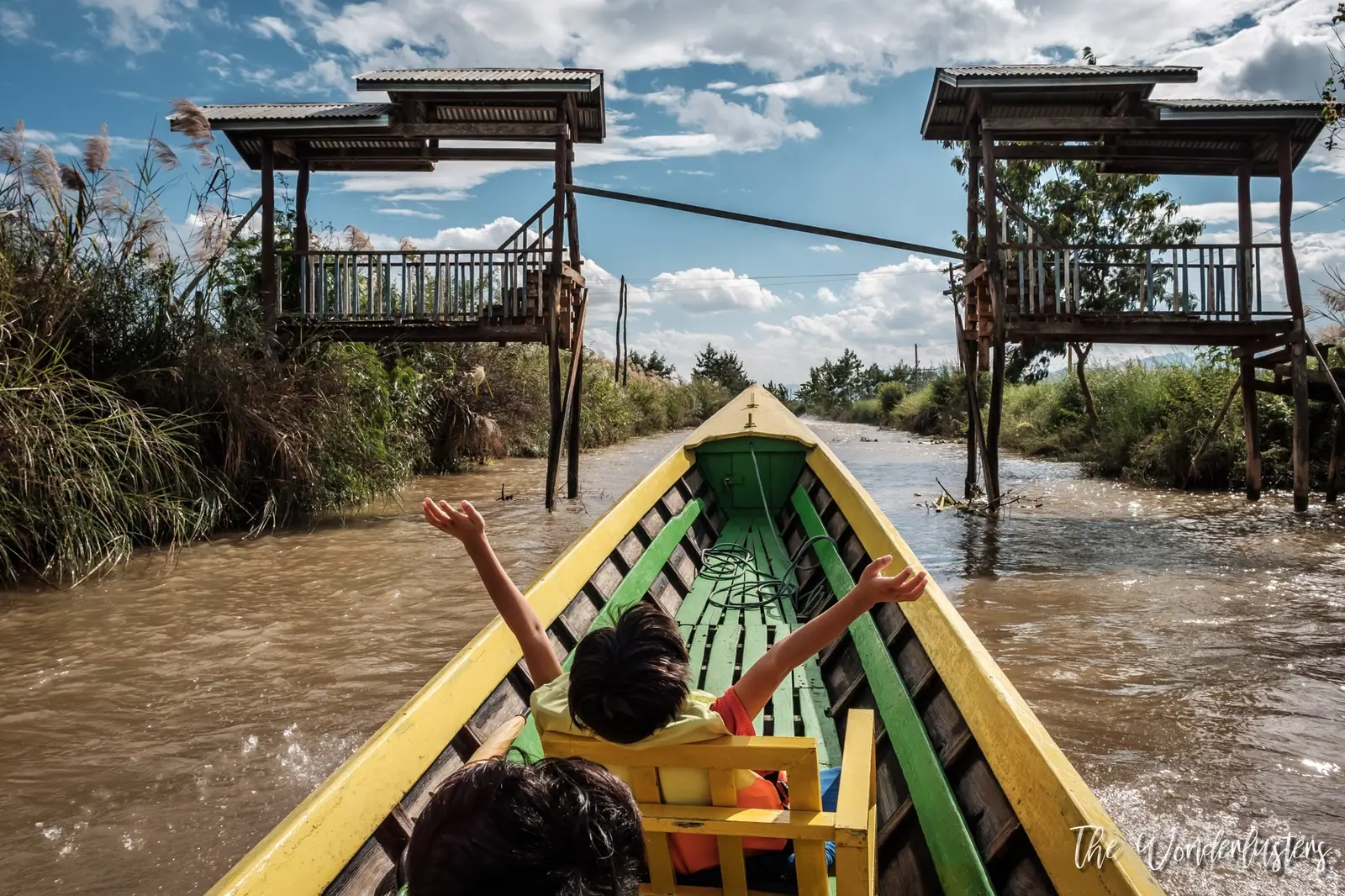
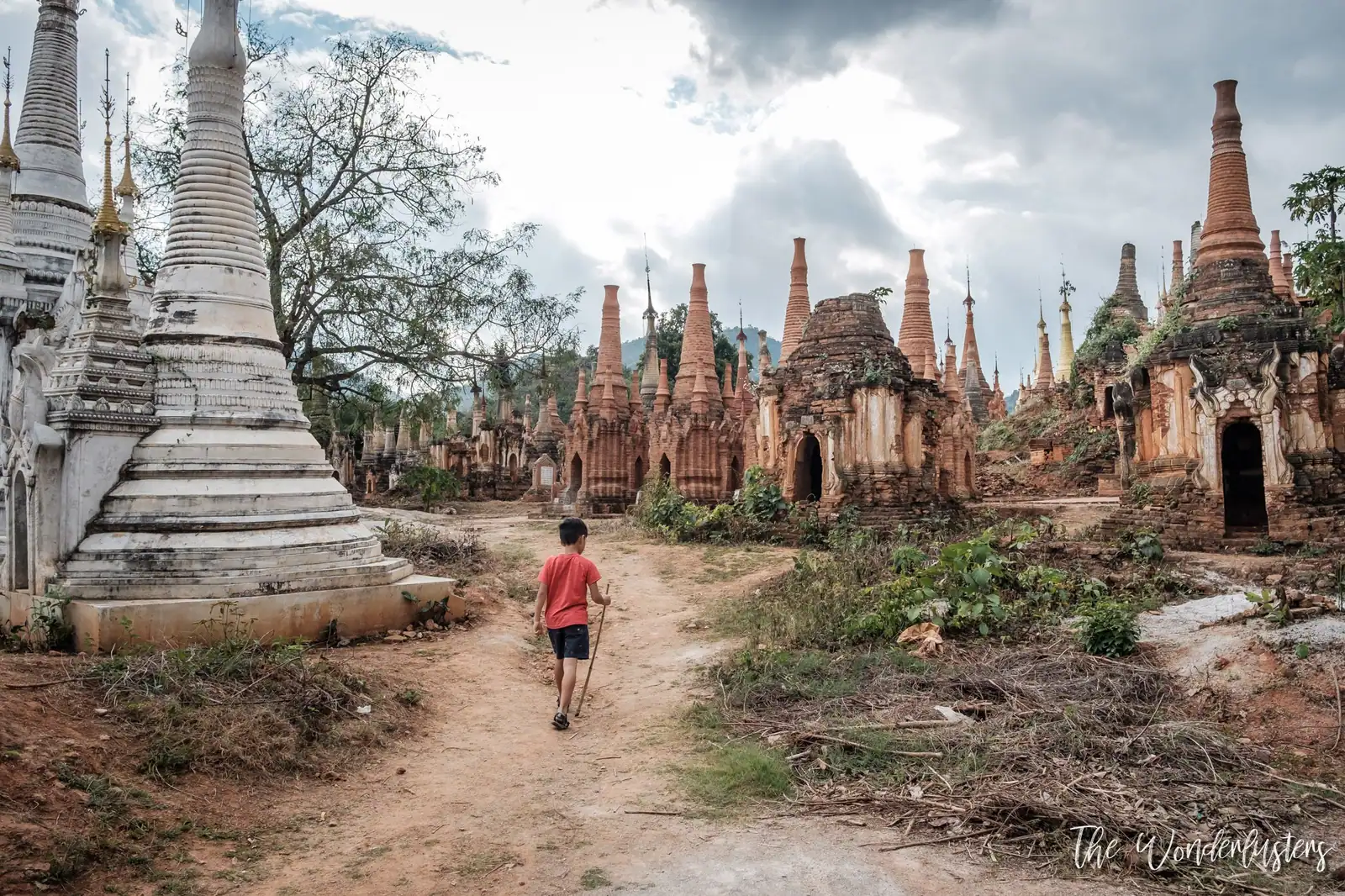
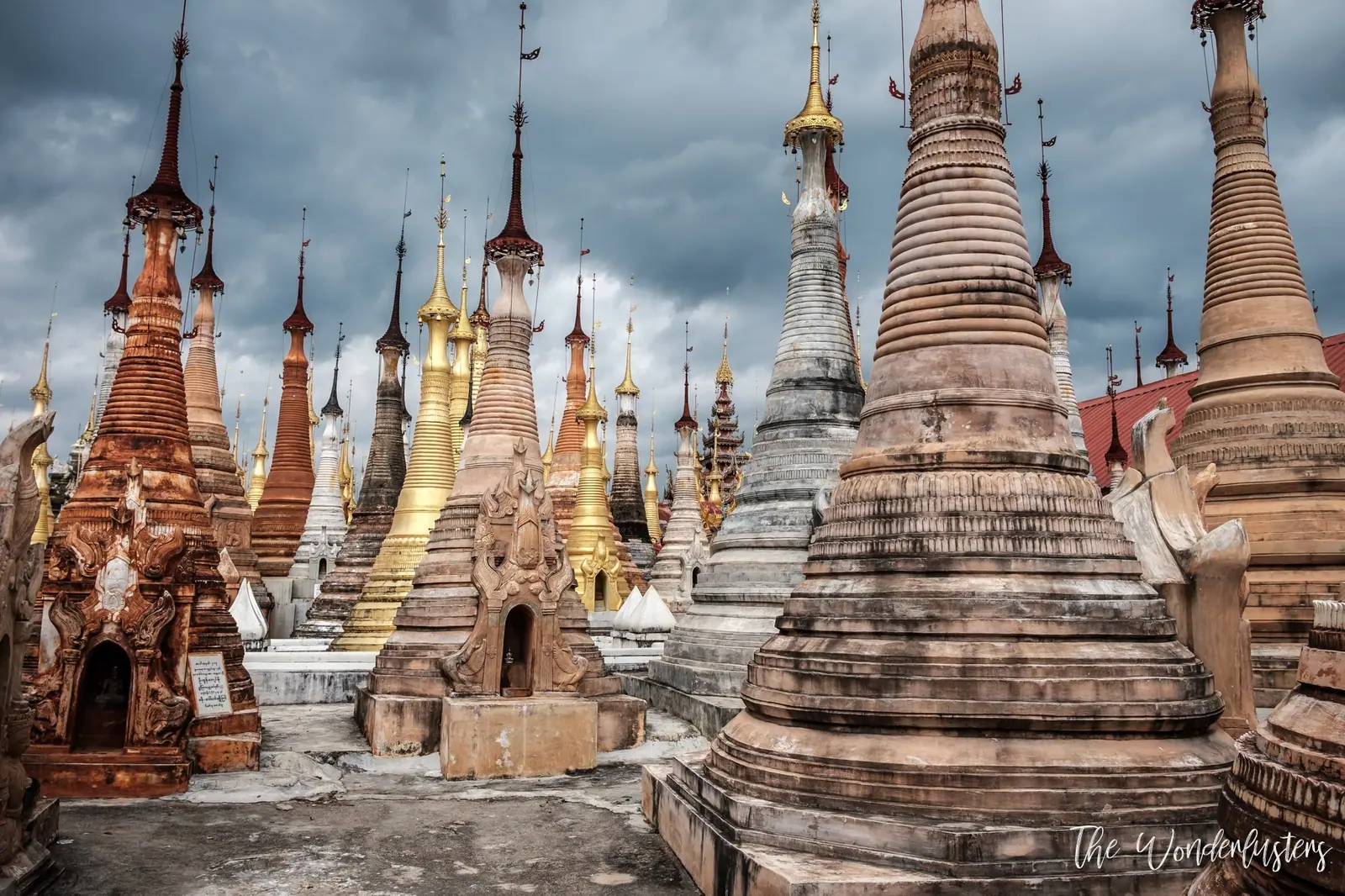
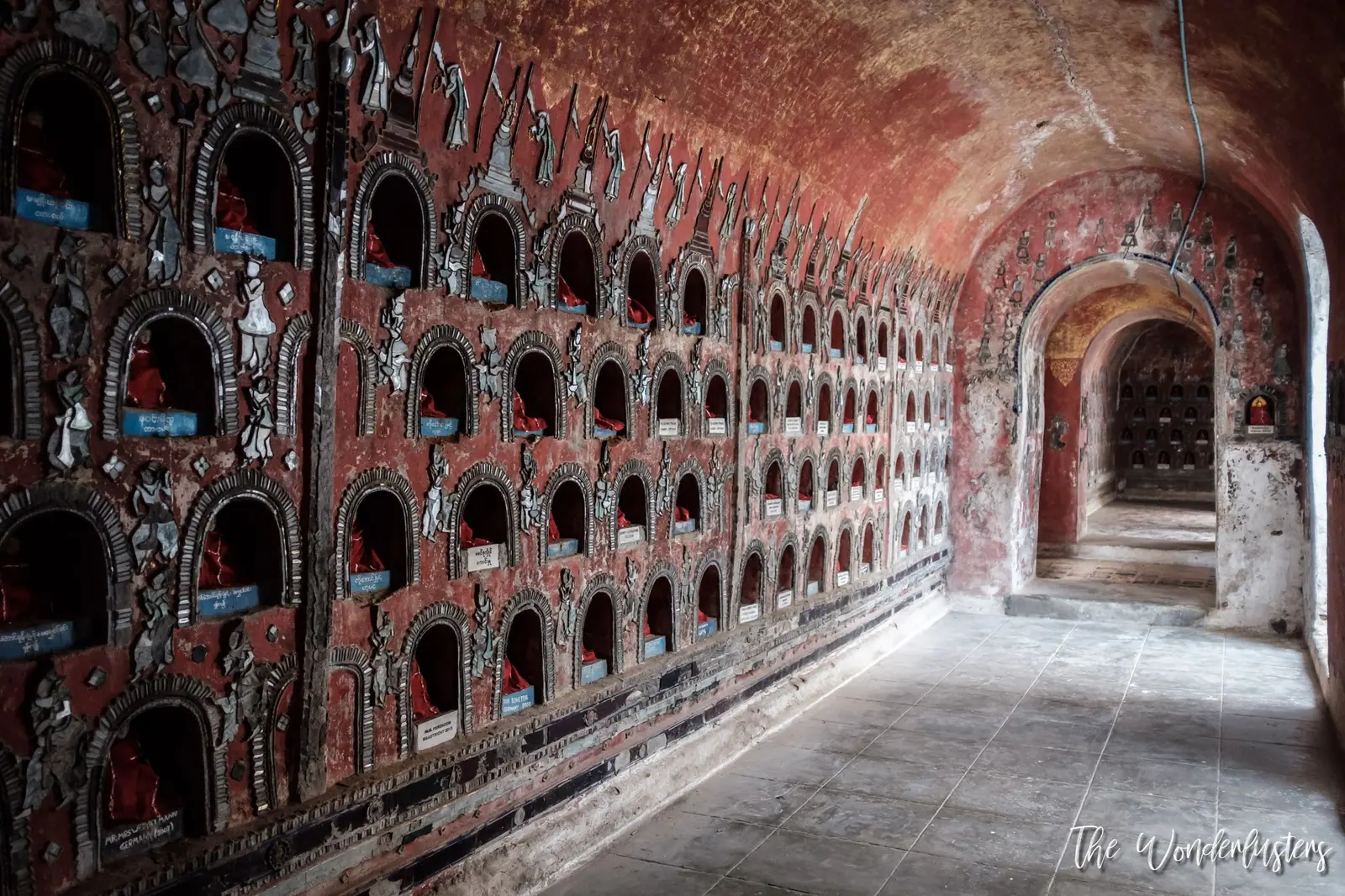
Inle Lake is one of the major attractions in Myanmar, but I couldn’t figure out why until I set foot there. It’s simply because it’s one of the most picturesque places in the country! We took a full day boat ride on the lake. In addition to the acrobat fishermen who pose for the postcard photos of the area, we were able to walk around the villages and floating gardens located around the lake, and thus to witness the unusual lifestyle of these inhabitants who exclusively use their boats to get around and perform their daily activities. This day on the water allowed us to see the craftsmen of the lake at work, as well as to visit Indein and its hundreds of pagodas, a site that reminded us of Kakku. No surprise, because both sites were built by the same ethnic community, the Pa-O!
Mandalay
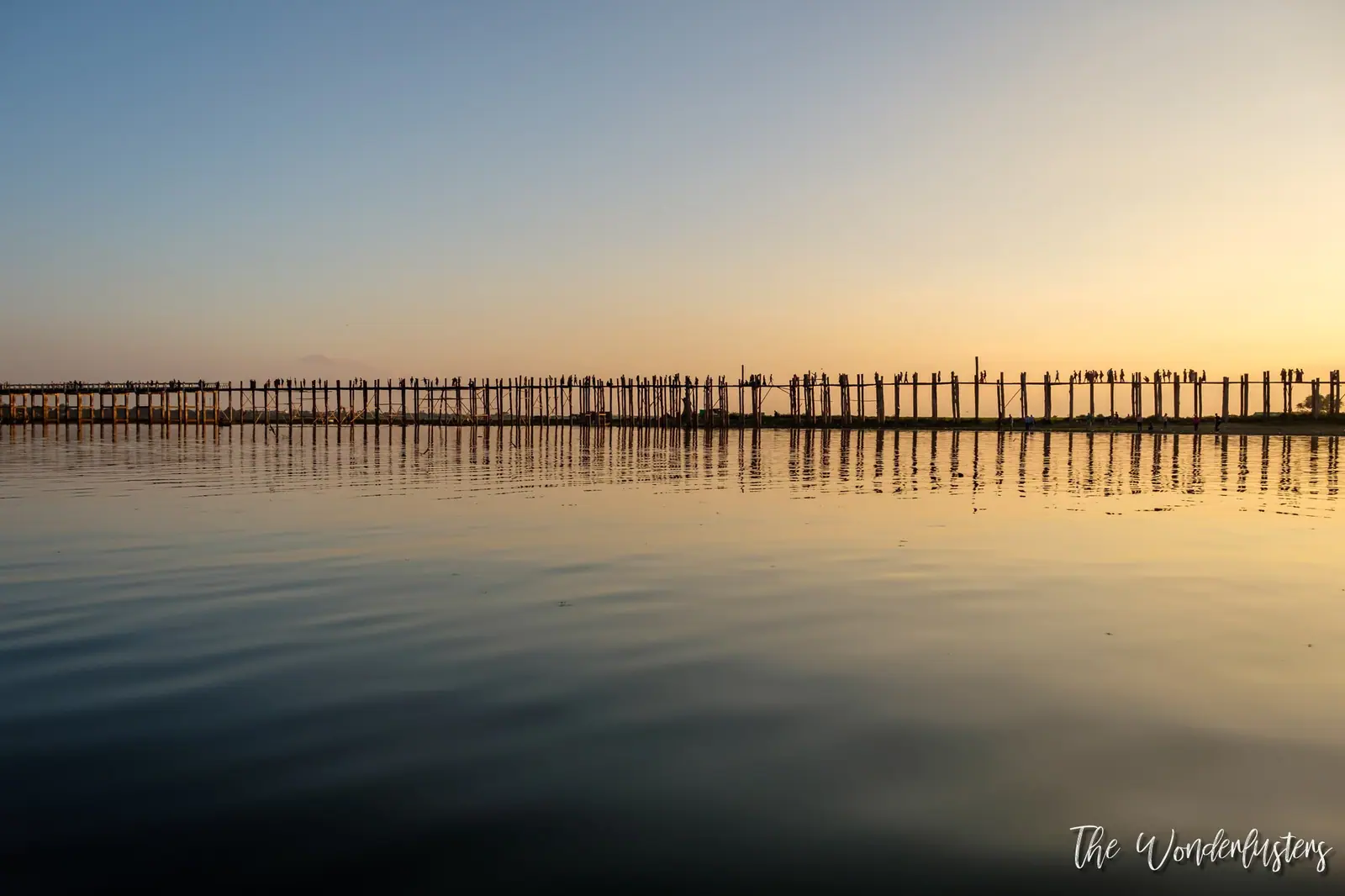
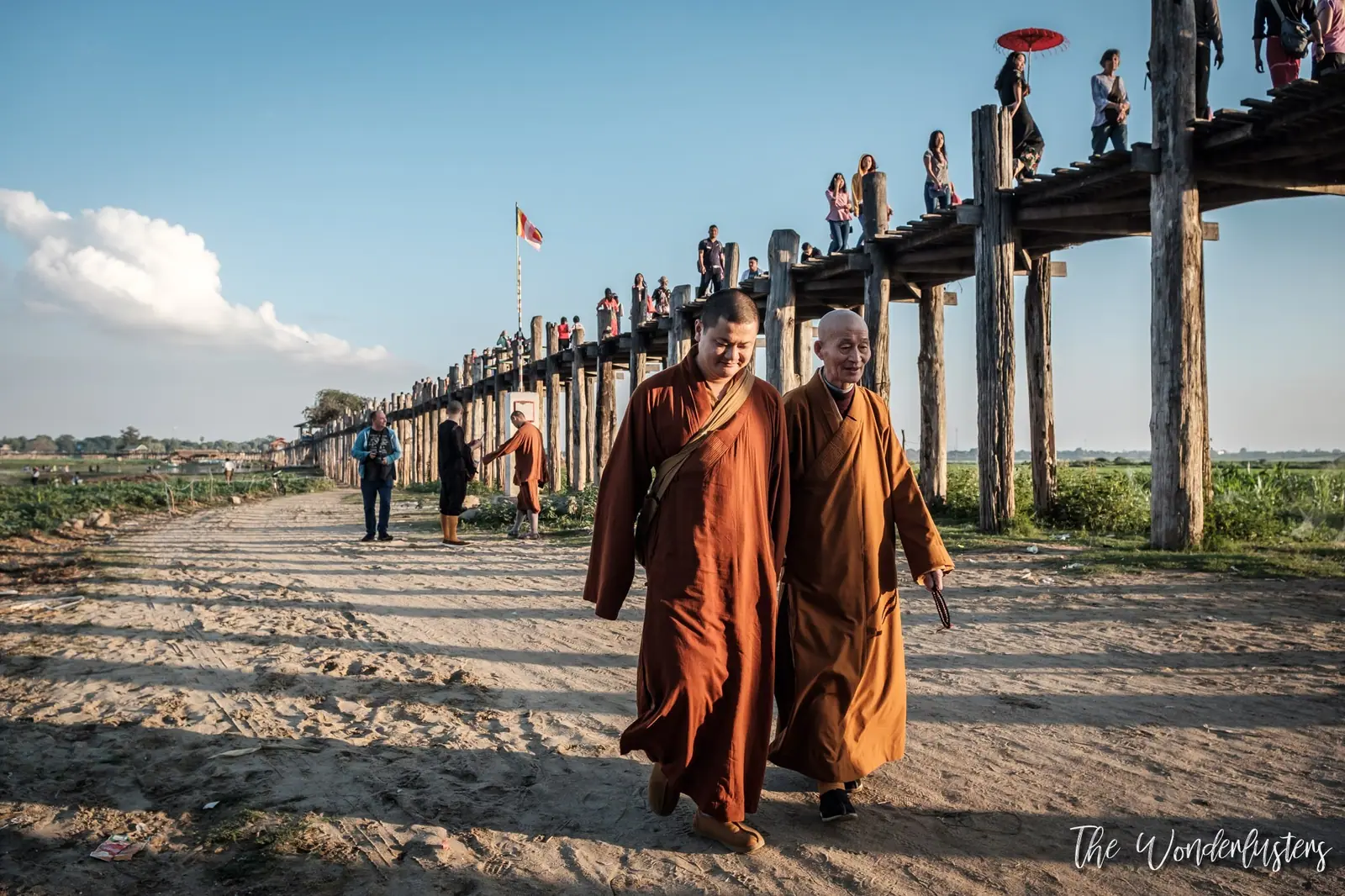
Mandalay is the former royal capital of Burma and the country’s second largest city. We were able to admire the famous U Bein bridge, which crosses a lake over 1200 meters, being the longest teak bridge in the world. We rented a boat to watch the sunset over the lake, which turned out to be a wonderful experience!
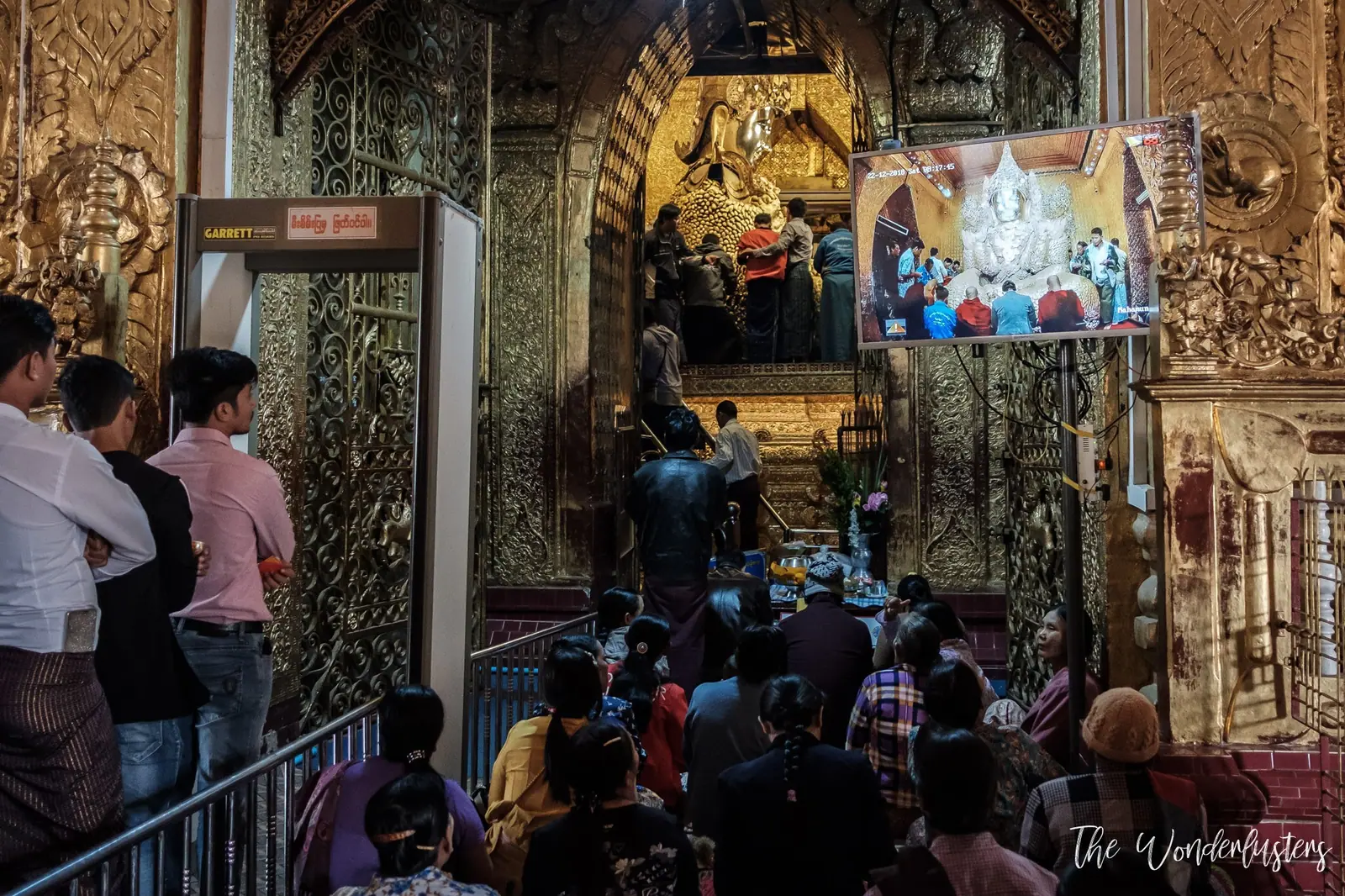
The Mahamuni Pagoda is a sacred Buddhist landmark for Burmese people. It contains a Buddha on which the pilgrims stick gold leaves, to such an extent that the lower part of its body is no longer distinguishable.
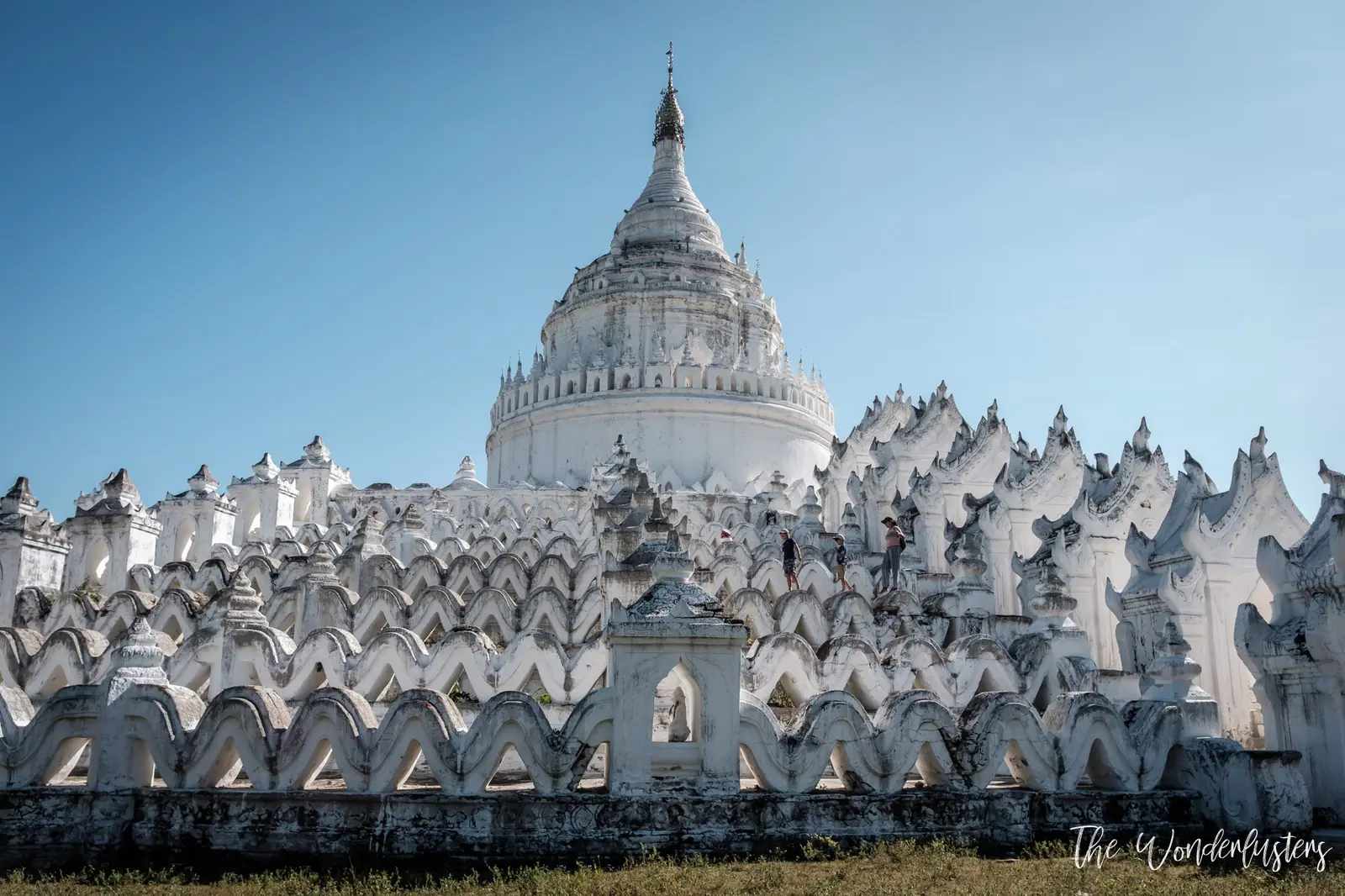
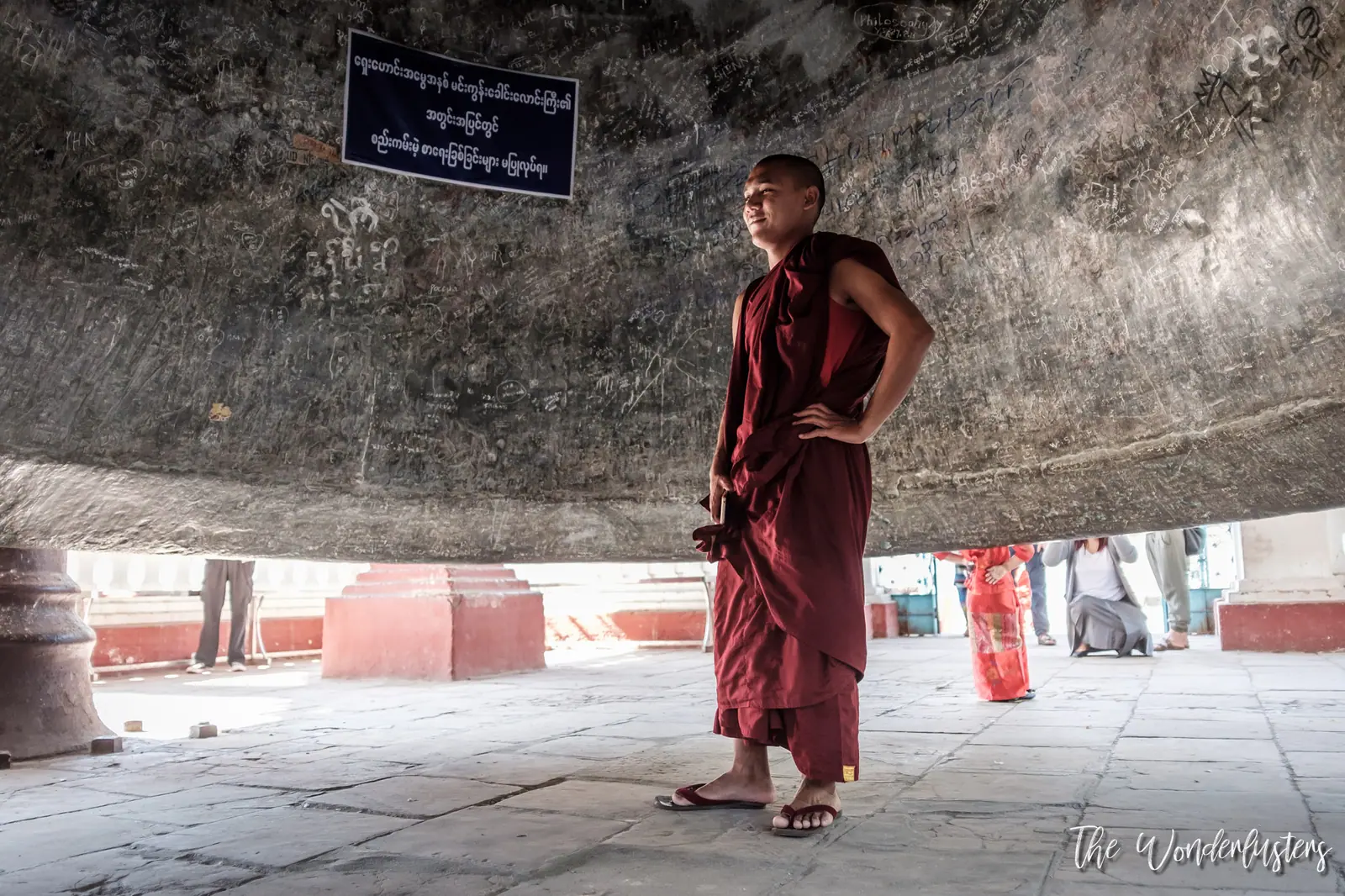
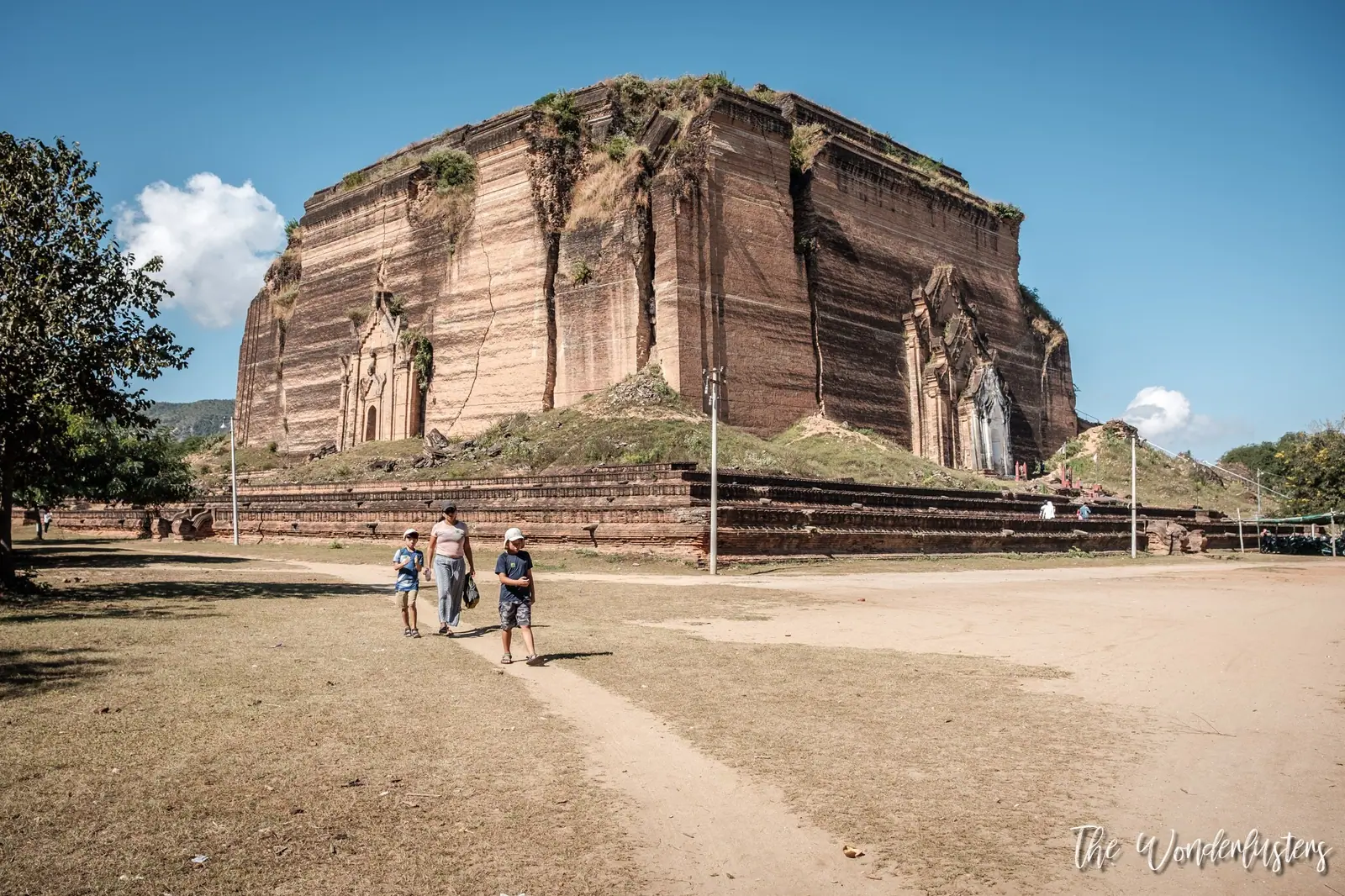
On the west bank of Mandalay lies Mingun. We were able to admire the Pahtodawgyi, a massive stupa that remained unfinished, but nevertheless impressive because it holds the record for the largest stack of bricks in the world! We also rang the world’s second largest bell, weighing 90 tons. This bell was cast to be hung on top of the unfinished stupa. In the vicinity is also the Mya Thein Tan pagoda, white and very photogenic!
Bagan
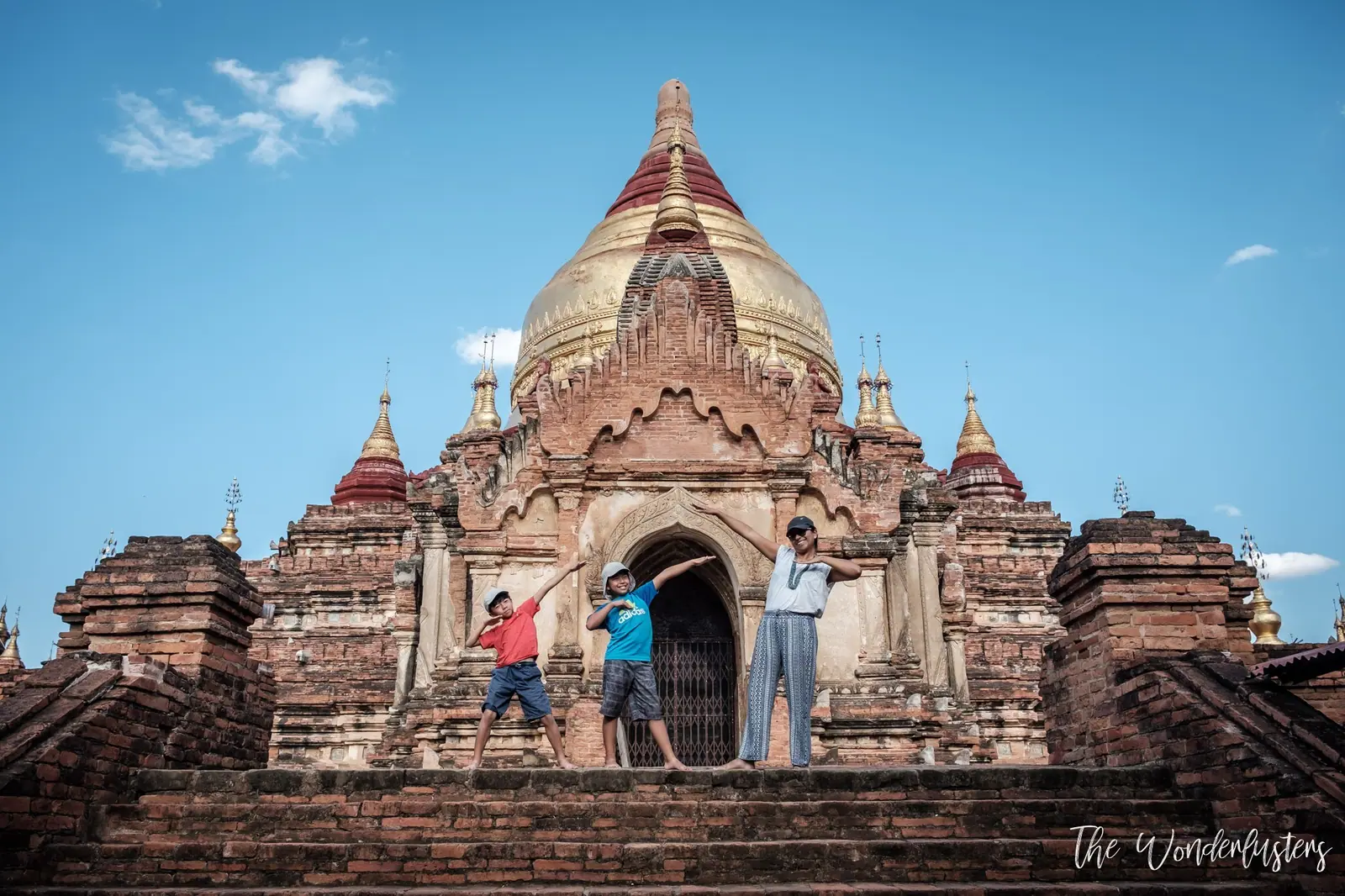
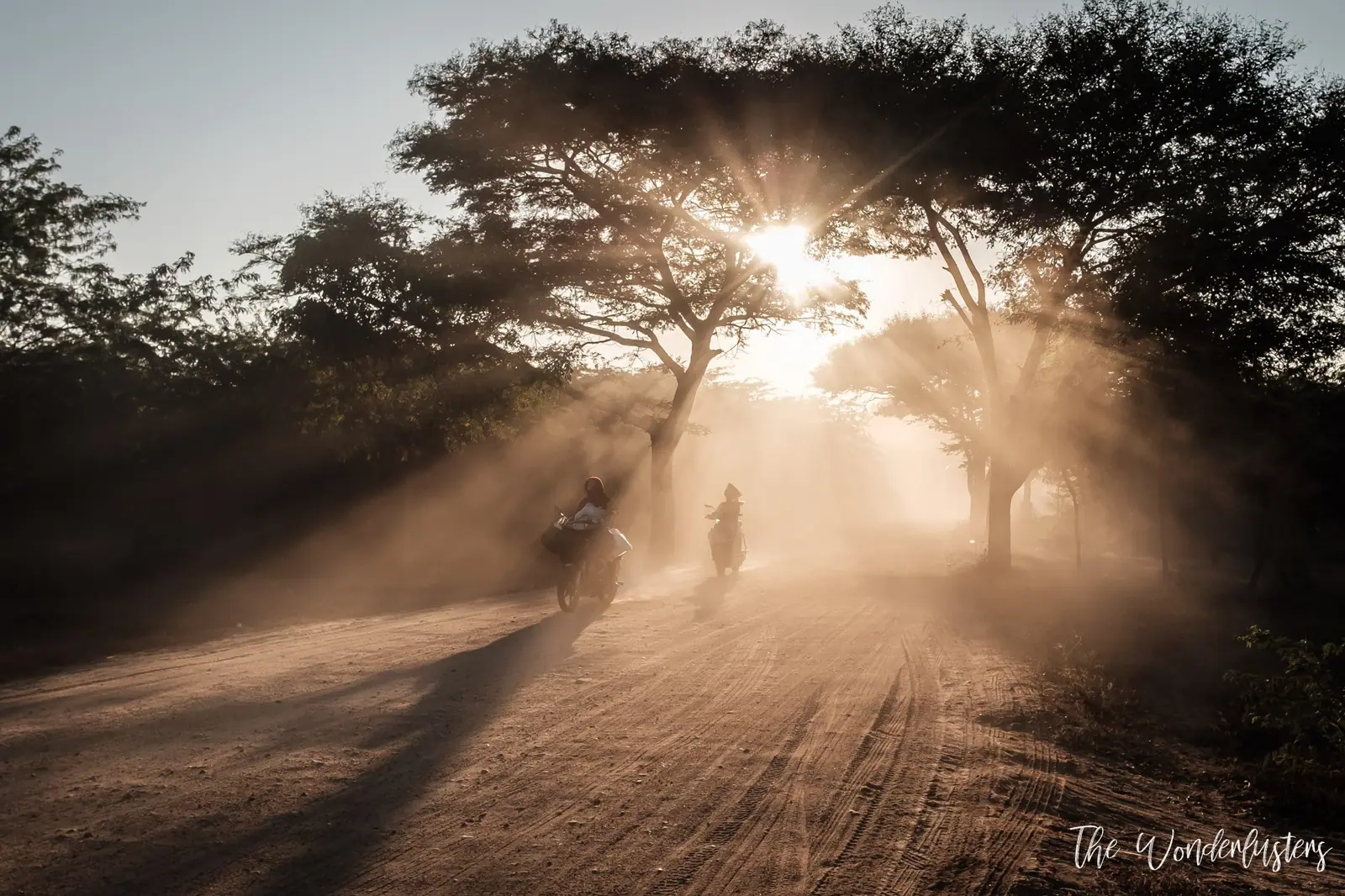
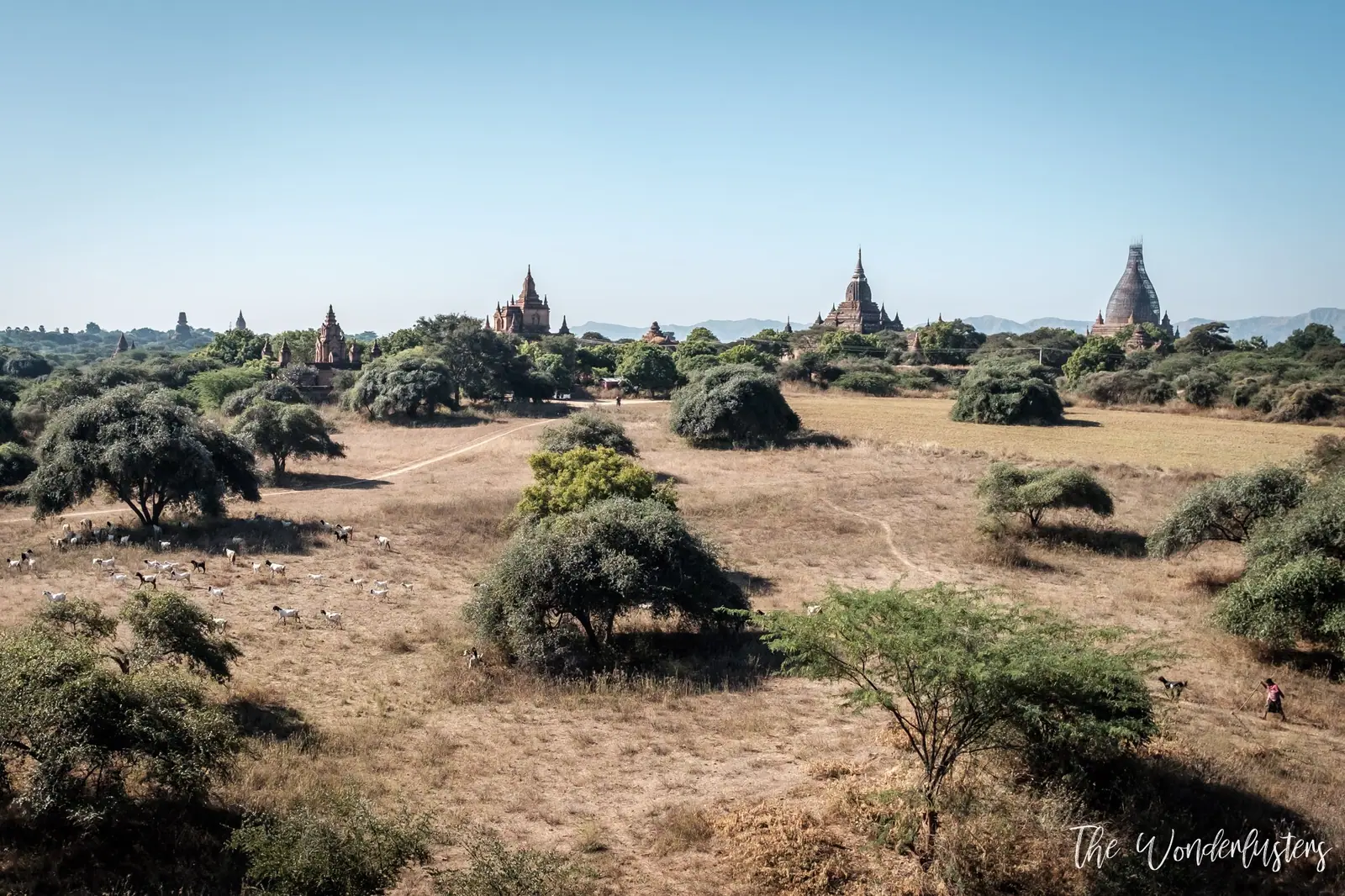
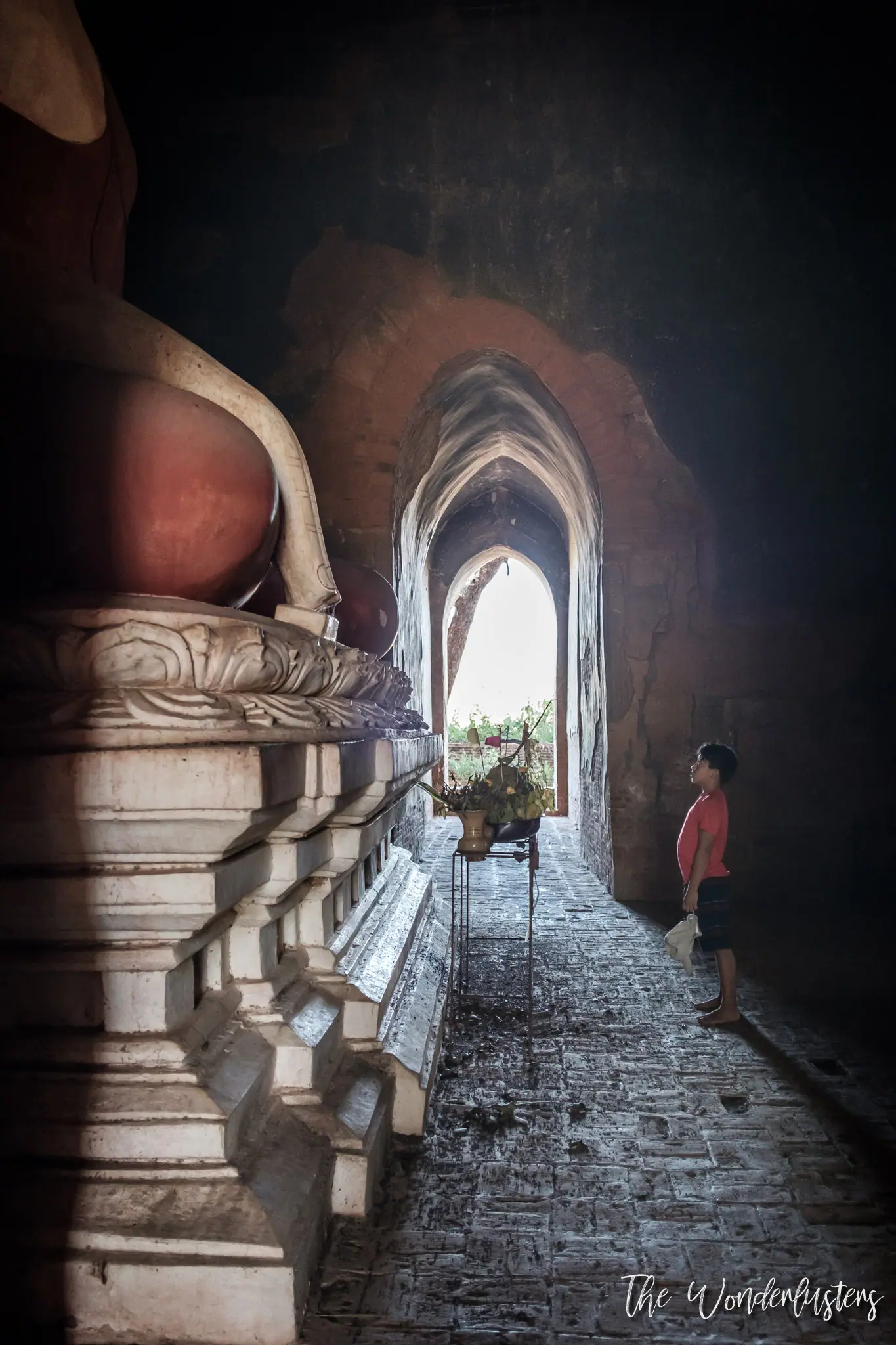
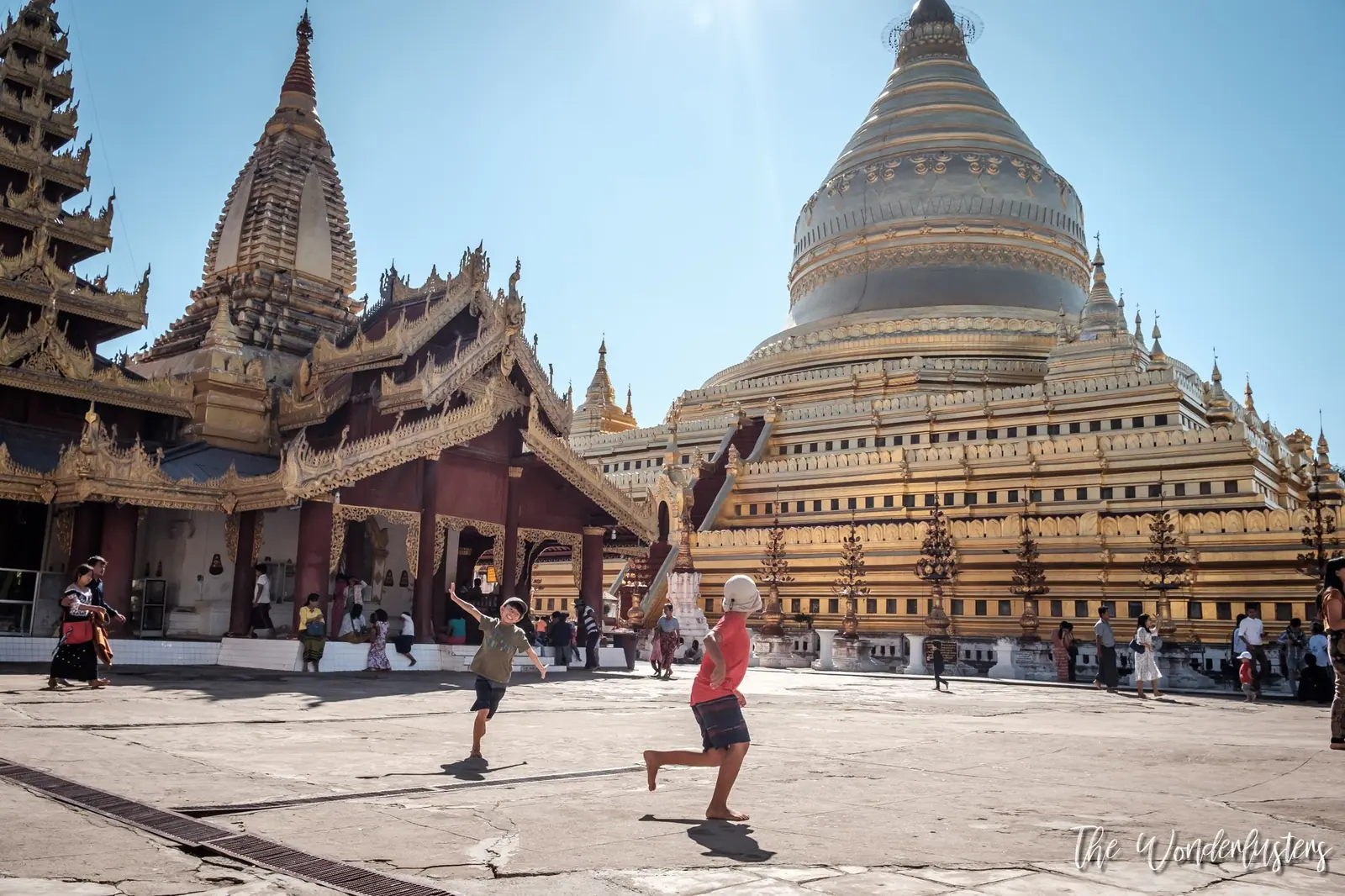
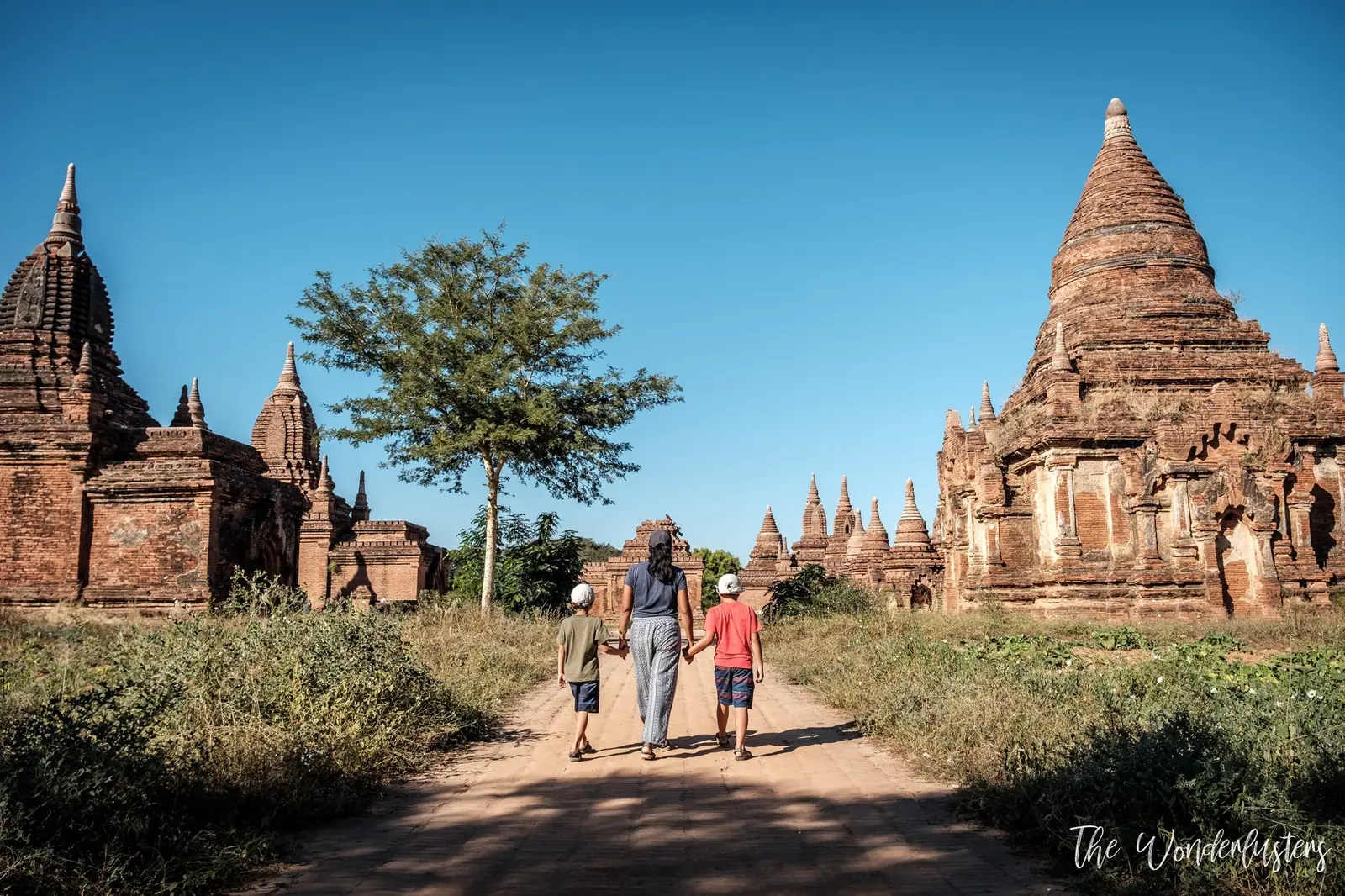
From the 9th to the 13th century, Bagan was the capital of the kingdom of Pagan, the first Burmese empire. During its prime, the Bagan plain boasted more than 10,000 pagodas, but the erosion of the river that crosses it and the many earthquakes have washed away almost all of them. There are only 2200 left on the site today. Nevertheless, the site remains magical and regardless of the direction in which your eyes are turned, you are almost guaranteed to see a pagoda.
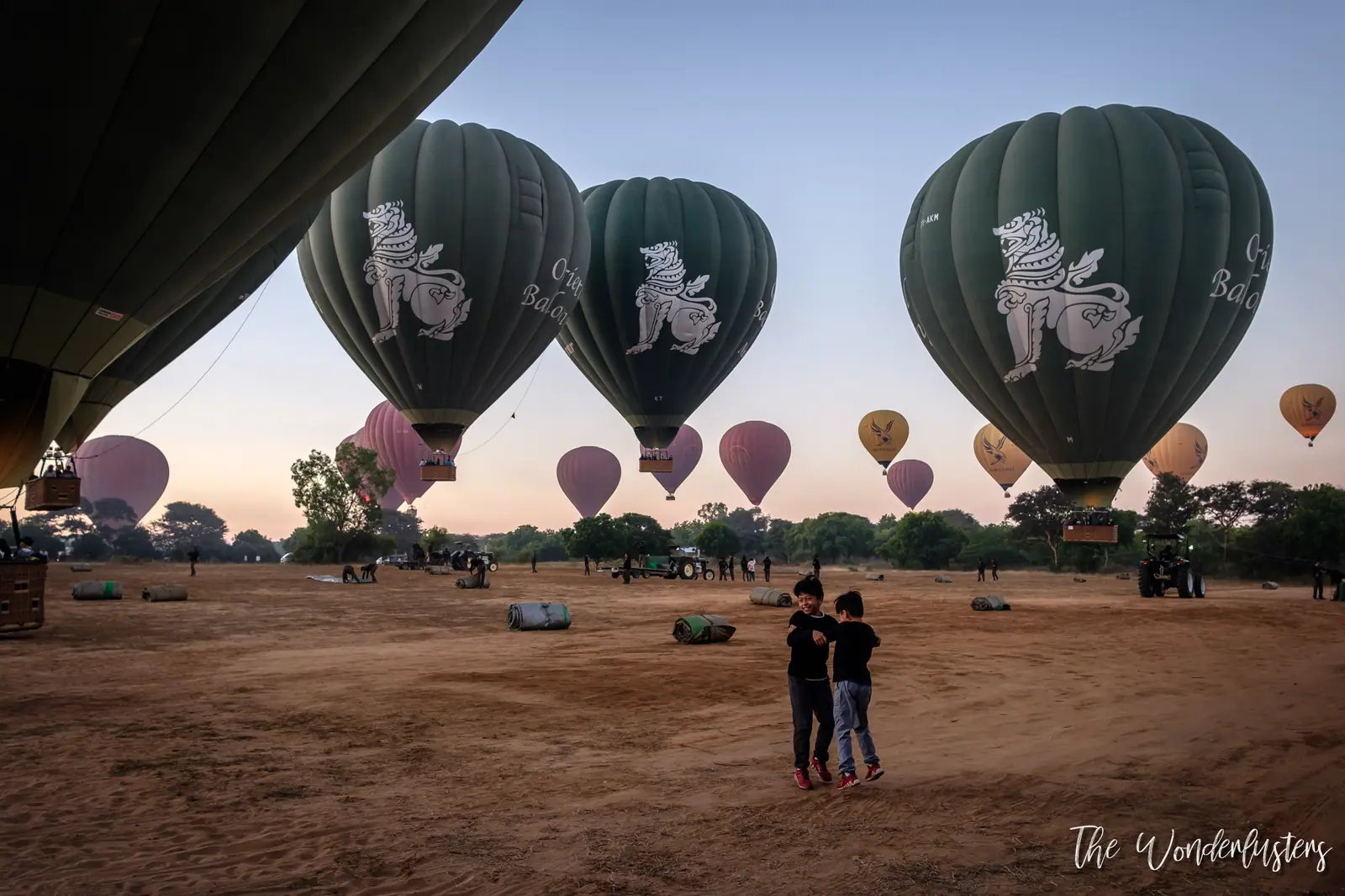
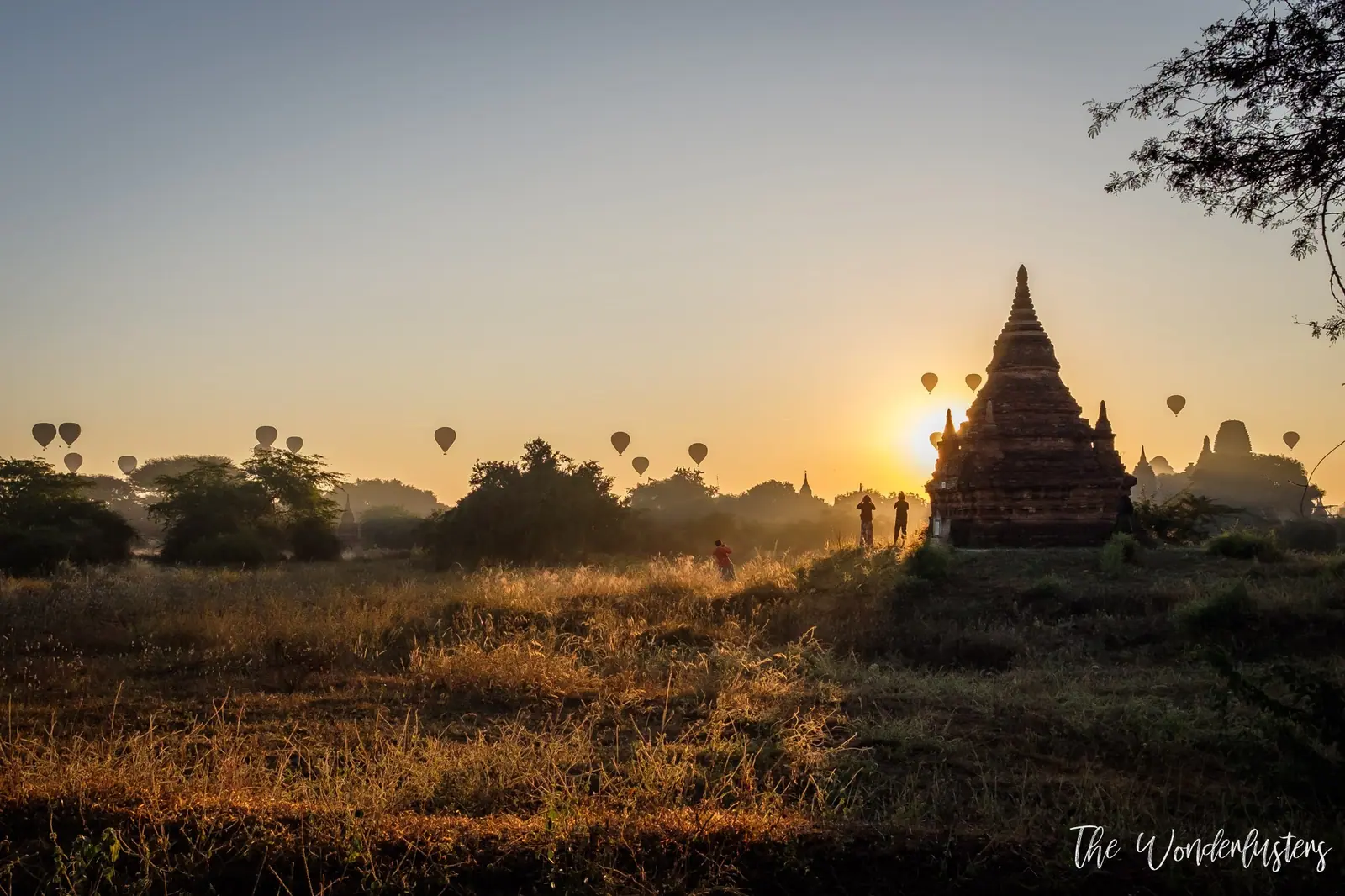
Every morning, about fifteen hot-air balloons usually take off to embellish Bagan’s horizon. Before leaving the site, we got up early to see them. We counted 24! It was not nearly as much as the 150 of Cappadocia, but it was still a magical moment for Mateo and Luka who were rejoicing at the look of it!
Naypyidaw
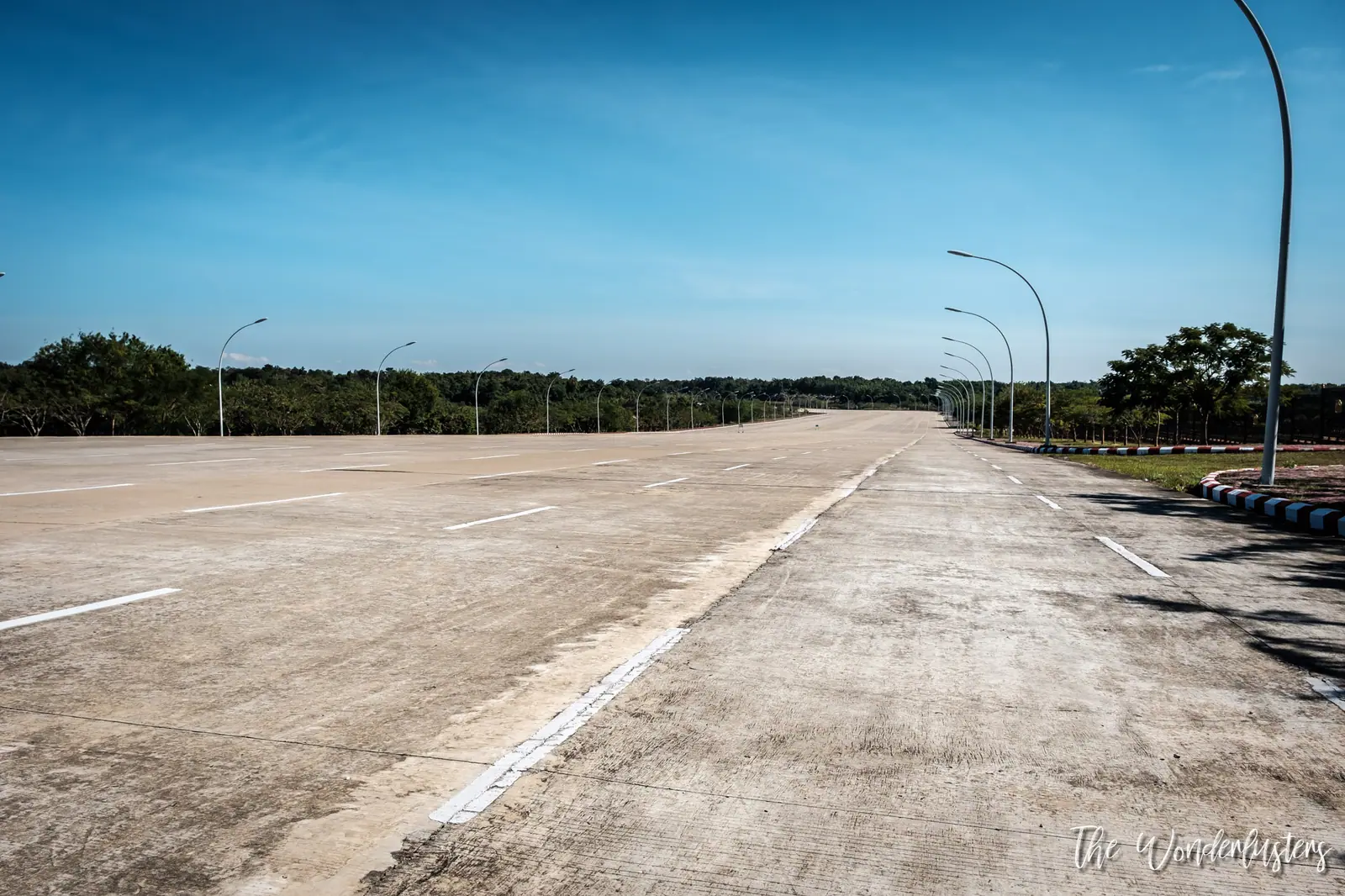
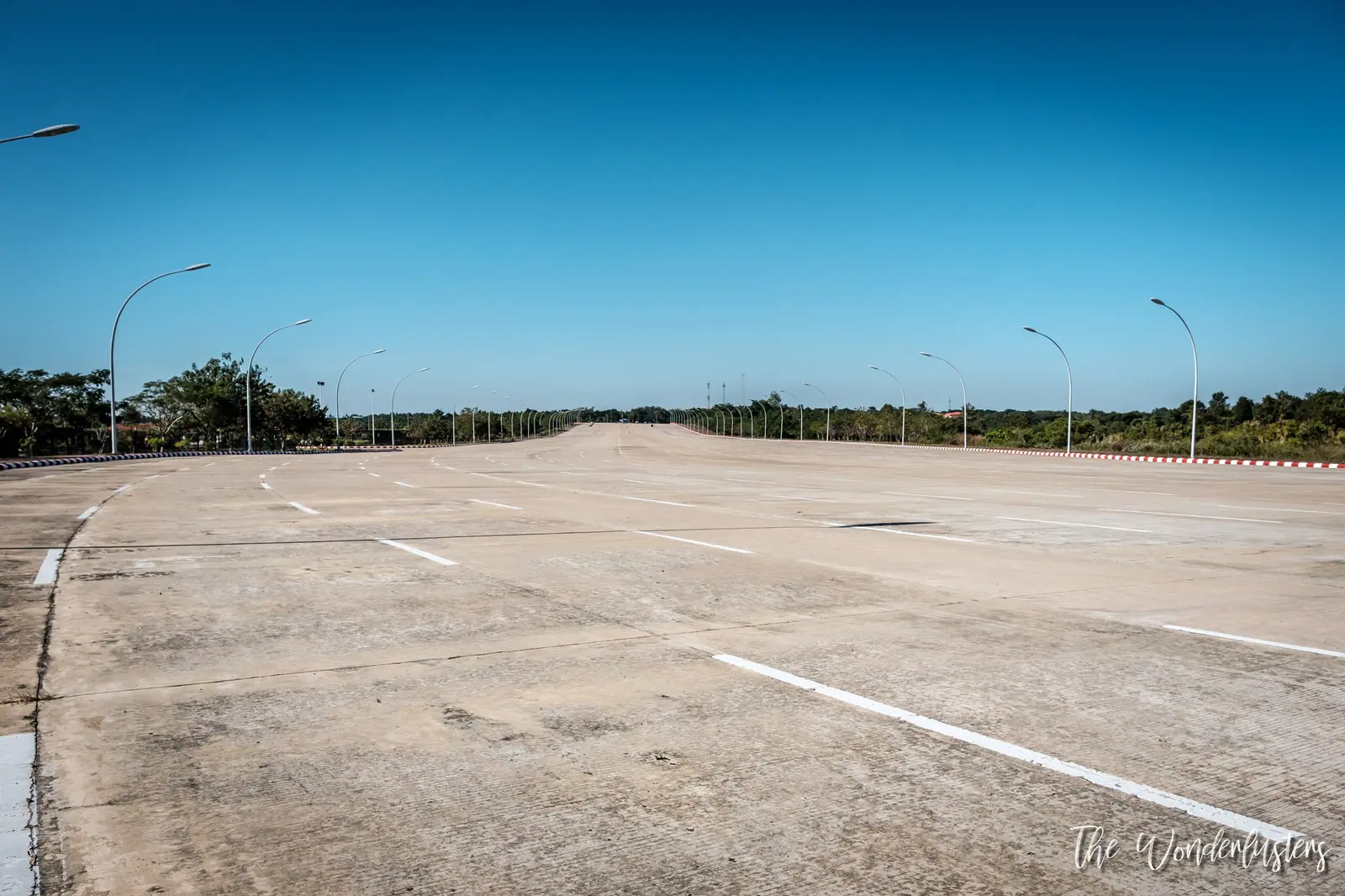
Among the great oddities of this world, here is Naypyidaw, the new capital and ghost town of Myanmar, which was built from scratch about ten years ago by the Burmese army to install its government in it. It has a safari park, a zoo with an air-conditioned penguin habitat and 4 golf courses. The only thing this city lacks is a population! As we walked along its wide boulevards, bordered by luxurious hotels, shopping malls and villas, we felt more like we were in the suburbs of Los Angeles than in the very heart of Myanmar. The city’s main arteries are 4-lane avenues on each side. There is even one with 10 lanes per direction with a total of 20 lanes! And with a traffic flow of one car per minute at rush hour, traffic jams are not a common occurrence!
In 2005, the military junta moved the capital from Yangon to Naypyidaw, in the heart of the country, as a strategic location to protect itself from the population uprisings and potential invasions. The core area of the city, which includes the parliament, ministries and army headquarters, is a city within the city, surrounded by high fences with black iron bars. The 20-lane highway is the one that runs beside the Burmese Parliament. It was supposedly designed to allow emergency aircraft landing, in the event of an insurrection!
How to Plan a Trip to Myanmar
Itinerary
After landing in Yangon where we spent 2 nights, we embarked on a memorable road trip in a chauffeur-driven rental car. Our itinerary can be summarized as follows: Bago, Taungoo (1 night), Pan Pet, Loikaw (1 night), Kakku, Inle Lake (2 nights), Kalaw, Mandalay (2 nights), Mingun, Bagan (2 nights), Naypyidaw, and Yangon (2 nights).
Money
As in many countries, the American currency is king in Myanmar. Although it is becoming easier to access cash through automated teller machines, we preferred to avoid unpleasant surprises by purchasing brand new US dollars in Thailand before travelling there. But be careful, you won’t be able to exchange your old green bills over there, unless they look brand-new! All notes will be checked and cross-checked, and a wrinkled, folded or worn note will not be accepted. Also have your passport handy when converting your currencies. Myanmar people don’t skimp on money!
Accommodation
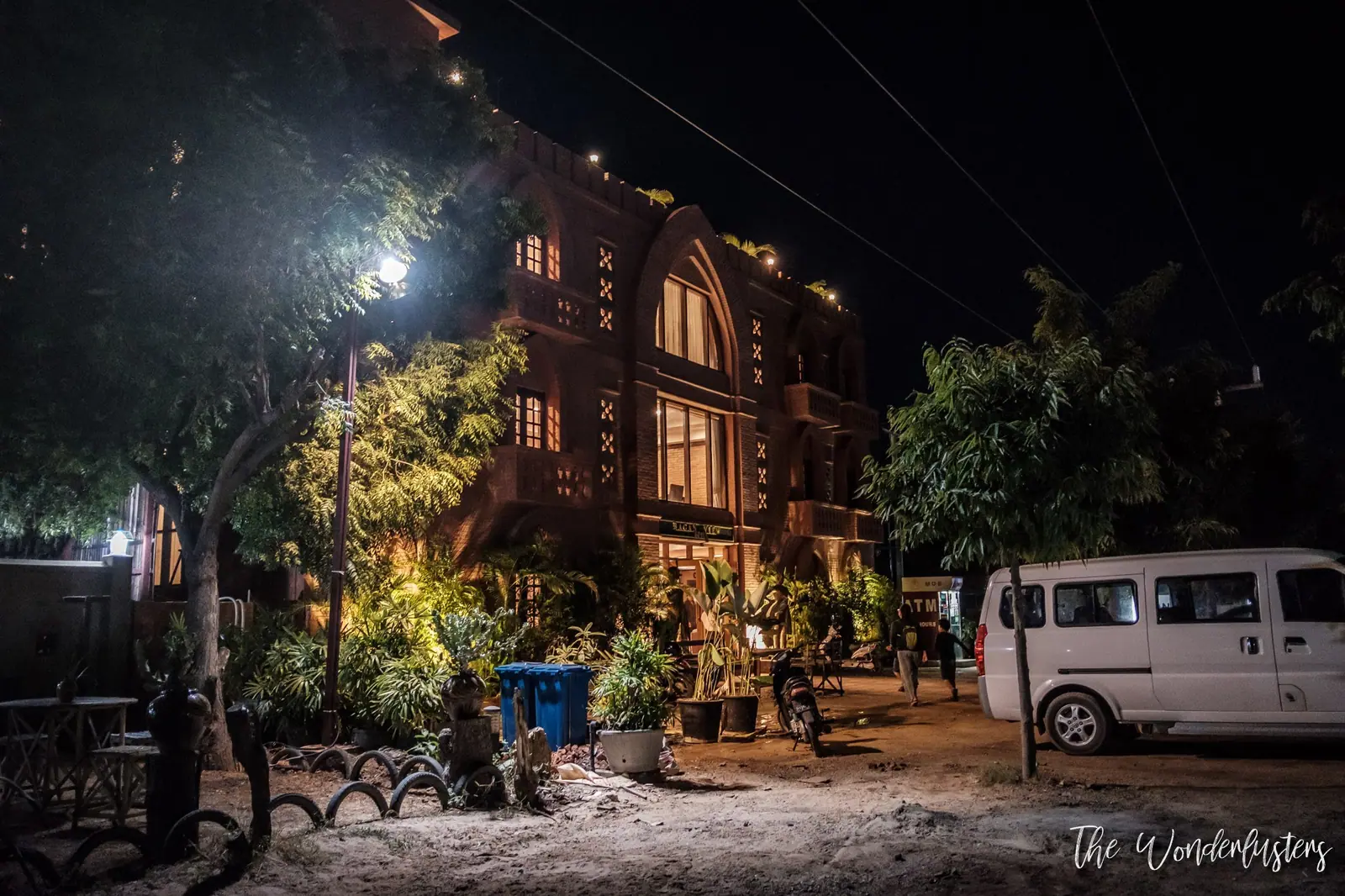
During our 12 days in Myanmar, we slept in 7 different hotels, all with breakfast included, and all booked and paid in advance on Booking or Agoda.
Transportation
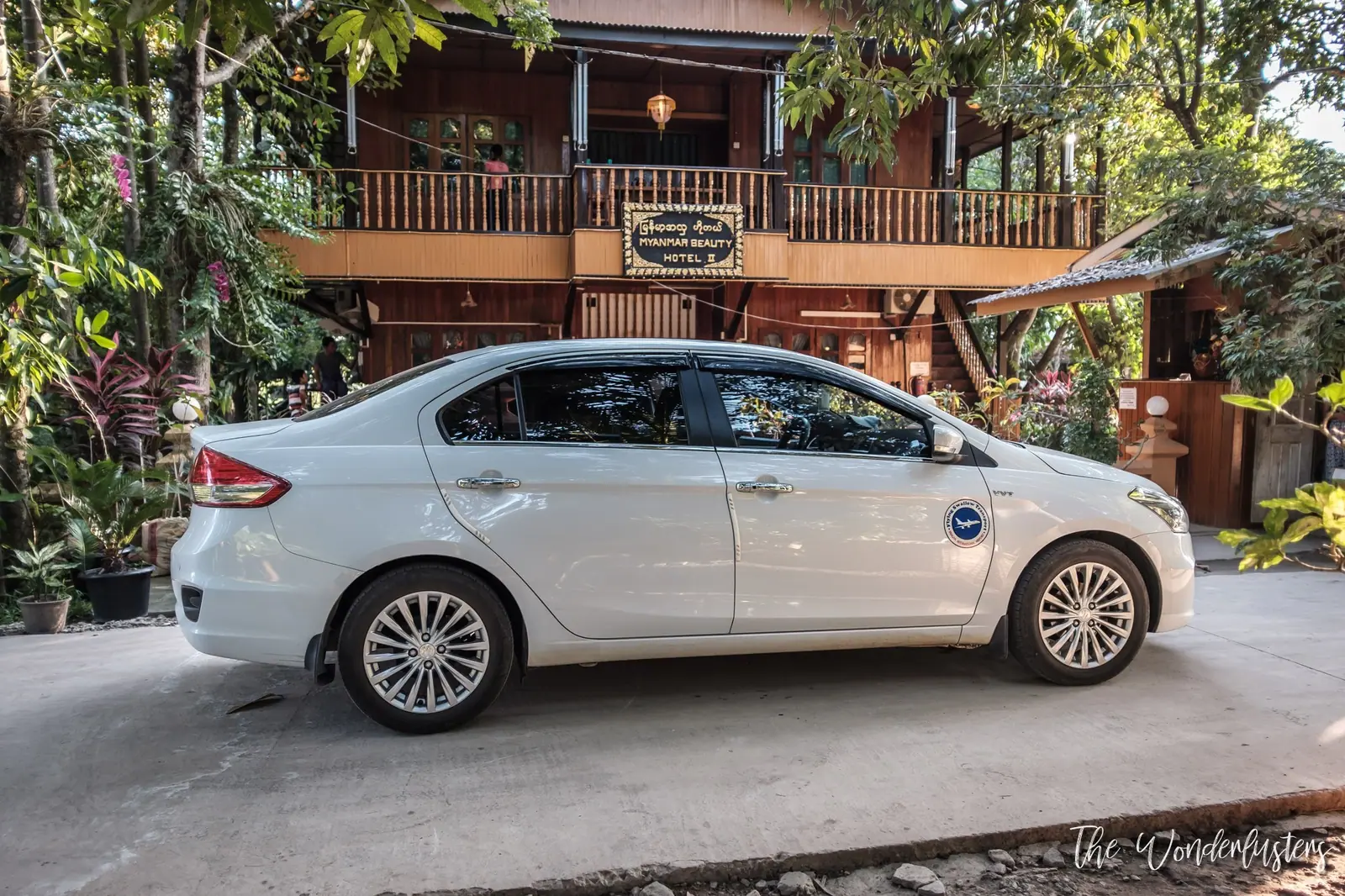
We traveled the country with the 2018 Suzuki Ciao from our driver.
Food
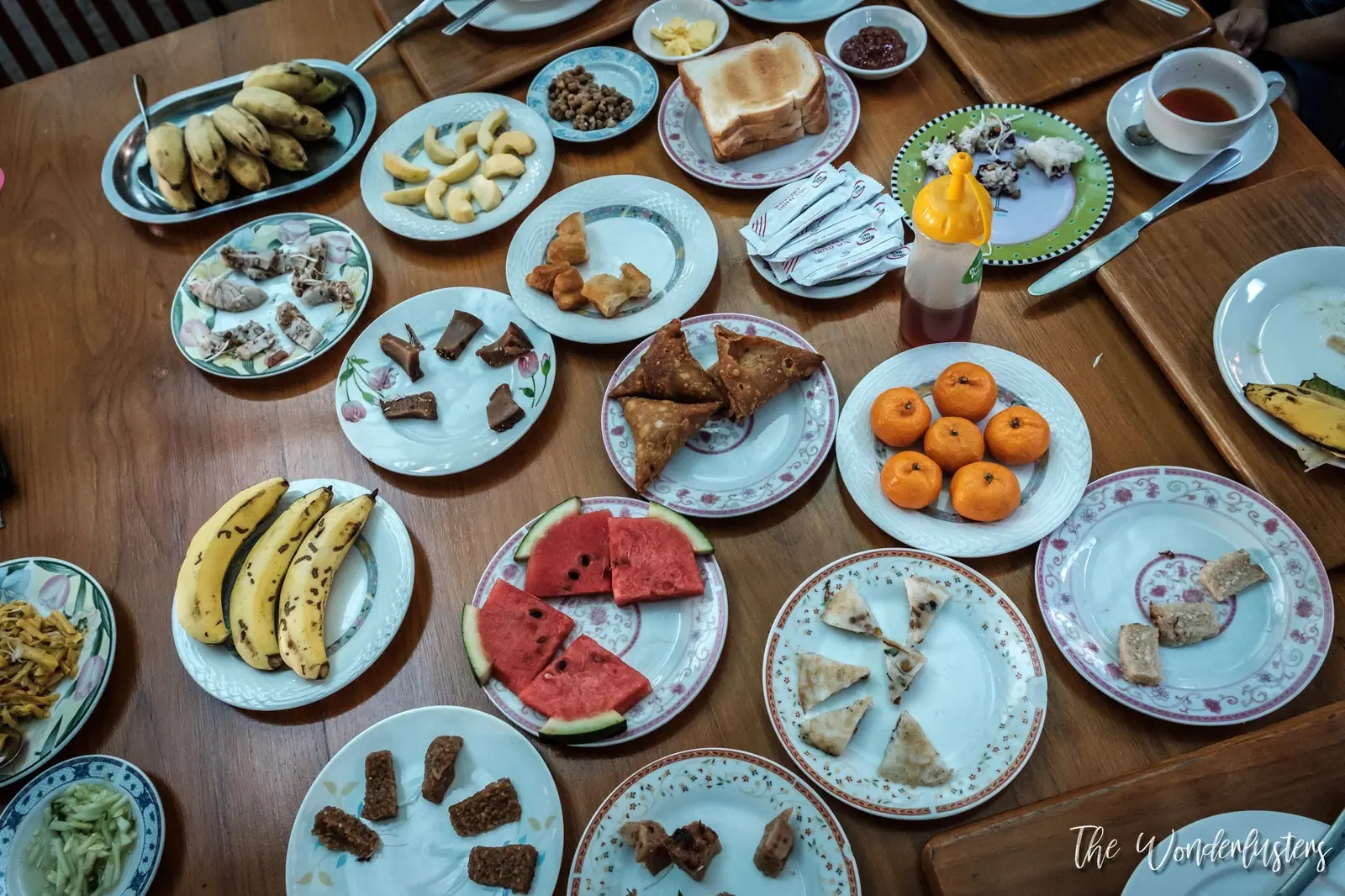
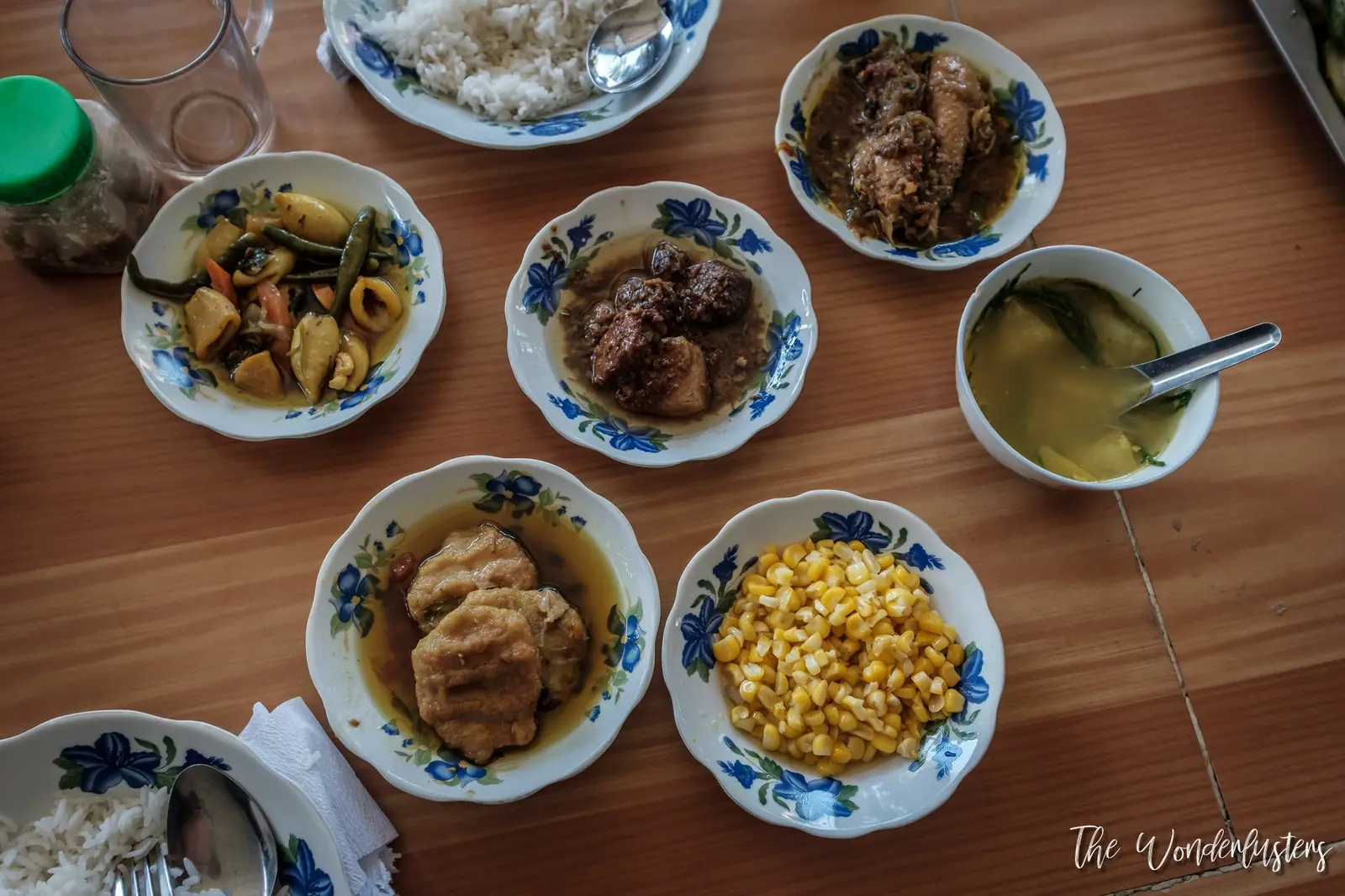
In Myanmar, the dishes are generous, very cheap and of a very acceptable quality.
How Much Does a Trip to Myanmar Cost?
At 750 USD for 8 days, the rental of a car with a chauffeur significantly increased our expenses. As for the rest, we can say we got what we paid for. The cost of our stay for our family of 4 was:
- 2872000 MMK (1,849 USD);
- 239000 MMK (154 USD) per day;
- 60000 MMK (39 USD) per person and per day.
Amounts were paid in kyats. US-dollar equivalents use the average exchange rate during our trip (December 14–26, 2018): 1 USD = 1,553.03 MMK.
In detail:
| Expense Category | Amount Spent |
|---|---|
| Flight and Visa | 523000 MMK (337 USD) |
| Accomodation | 628000 MMK (404 USD) |
| Transport (including gas) | 1204000 MMK (775 USD) |
| Food | 340000 MMK (219 USD) |
| Medical | 25000 MMK (16 USD) |
| Activities | 152000 MMK (98 USD) |
| Total | 2872000 MMK (1,849 USD) |
Conclusion
We knew that Myanmar would seduce us, but to that extent, we would never have imagined it! We had been on a lot of road-trips, but I can say that few times have we experienced as much emotion as when travelling to the remote regions of this country.
See you soon for our next adventures in Cambodia!
Questions travellers ask
How many days did you spend in Myanmar?
We spent 12 days in Myanmar, from December 14 to 26, 2018, road-tripping from Yangon to Loikaw, Kakku, Inle Lake, Mandalay, Bagan and Naypyidaw.
How much does a trip to Myanmar cost?
For our family of four, 12 days in Myanmar cost 2,872,000 MMK (about 1,849 USD at 2018 rates), or roughly 60,000 MMK (39 USD) per person per day, including a chauffeur-driven rental car, accommodation, food and activities.
What are the must-visit places in Myanmar?
Our favorites were Yangon (Shwedagon Pagoda), the Kayan villages near Loikaw, the pagodas of Kakku, Inle Lake, Mandalay (U Bein Bridge), the temples and hot-air balloons of Bagan, and the oddity that is Naypyidaw.
How did you get around Myanmar?
We traveled the whole route with a chauffeur-driven rental car, which turned out to be our single biggest expense at about 750 USD for 8 days.
What currency do you need in Myanmar?
US dollars are widely used alongside the kyat. We bought crisp, unworn US bills in Thailand before crossing the border, since creased, folded or old notes are often refused.