AsiaApril 201912 min read
3 Weeks in Japan: Itinerary, Food and Budget
In short
We spent 20 days in Japan in spring 2019 - 9 nights in Tokyo, 5 in Kyoto and 6 in Osaka, with day trips to Himeji and Nara. Cherry blossoms, temples, reliable public transport and a Kobe beef splurge made it one of the favorite stops on our round-the-world trip. Total cost for our family of four: 469,300 JPY, about 4,209 USD at 2019 rates.
- Dates
- 2019-03-29 to 2019-04-18
- Number of days
- 20
- Cities we visited
- Tokyo, Kyoto, Osaka, Himeji, Nara
- Inbound
- From Vanuatu by plane
- Outbound
- To Taiwan by plane
- Mode of transport
- Subway, city buses
- Distance travelled (excluding flights)
- 1290 km
- Number of photos taken
- 8800 (440 per day)
- Currency
- The Japanese Yen (1.00 USD = 112 JPY)
We spent 20 days in Japan in spring 2019: 9 nights in Tokyo, 5 in Kyoto and 6 in Osaka, with day trips to Himeji and Nara. It cost our family of four 469,300 JPY (about 4,209 USD at 2019 rates), and it became one of the favorite stops on our round-the-world trip. Here is our itinerary, our budget, and what we loved most.
Japan was the country I dreaded most before we left, because of its hermetic culture and its customs and rules of conduct that you don’t encounter anywhere else. We were wrong to worry: orientation is easy, the food is excellent, the cost of living is reasonable compared to other developed countries, and the Japanese people we met were humble, courteous and honest.
Highlights of a 3-Week Japan Itinerary
Cherry Blossoms in Bloom
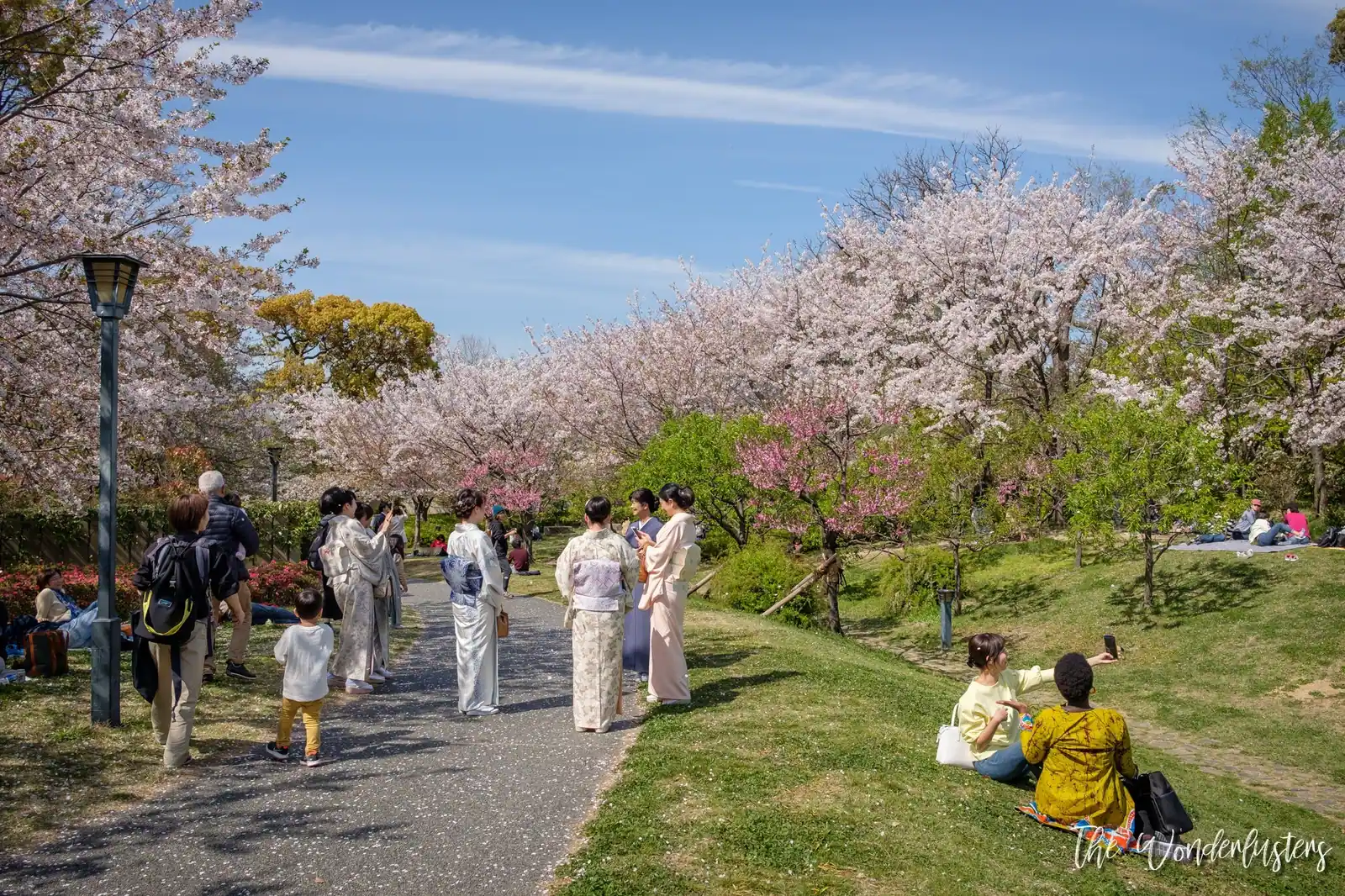
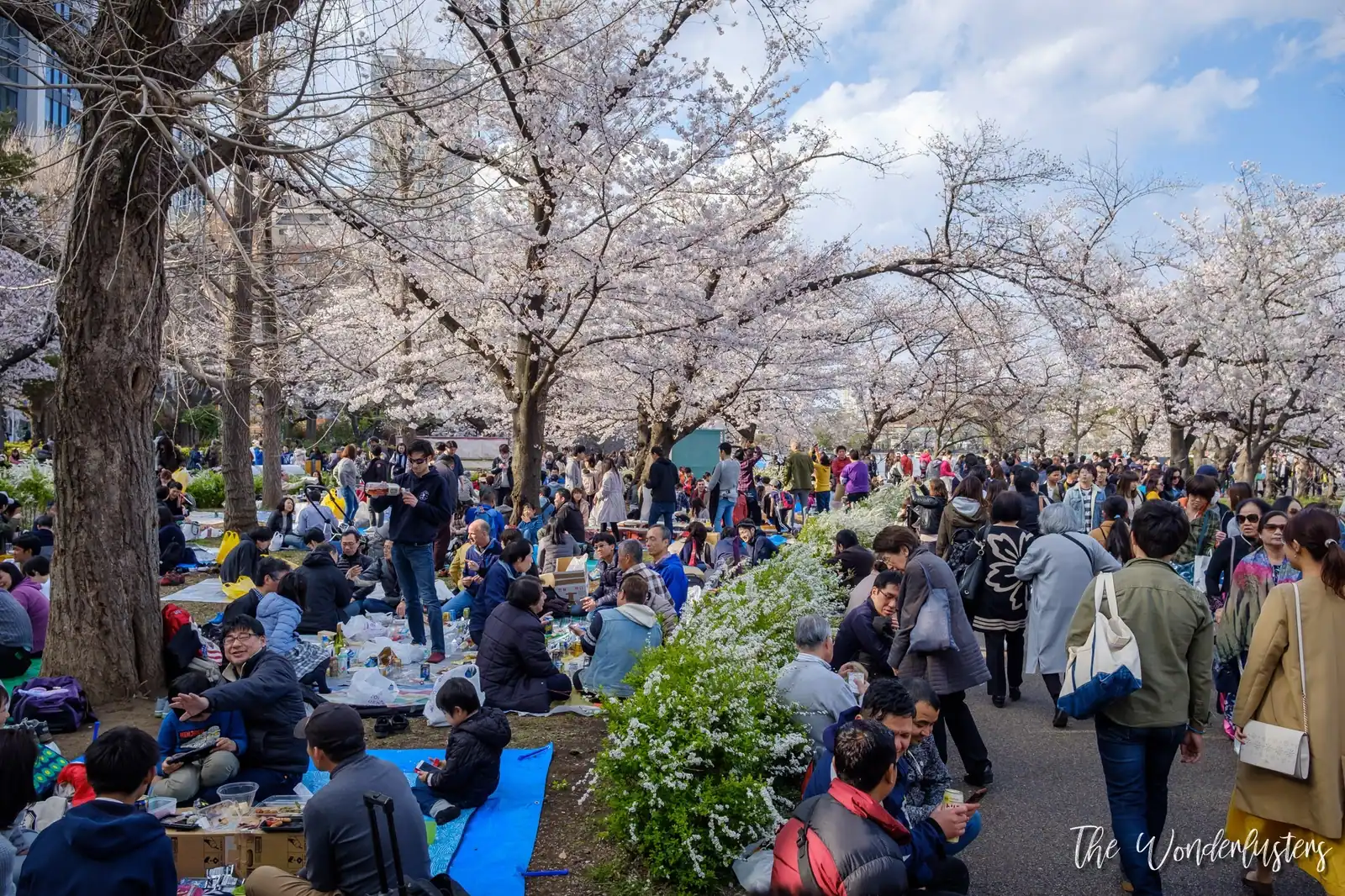
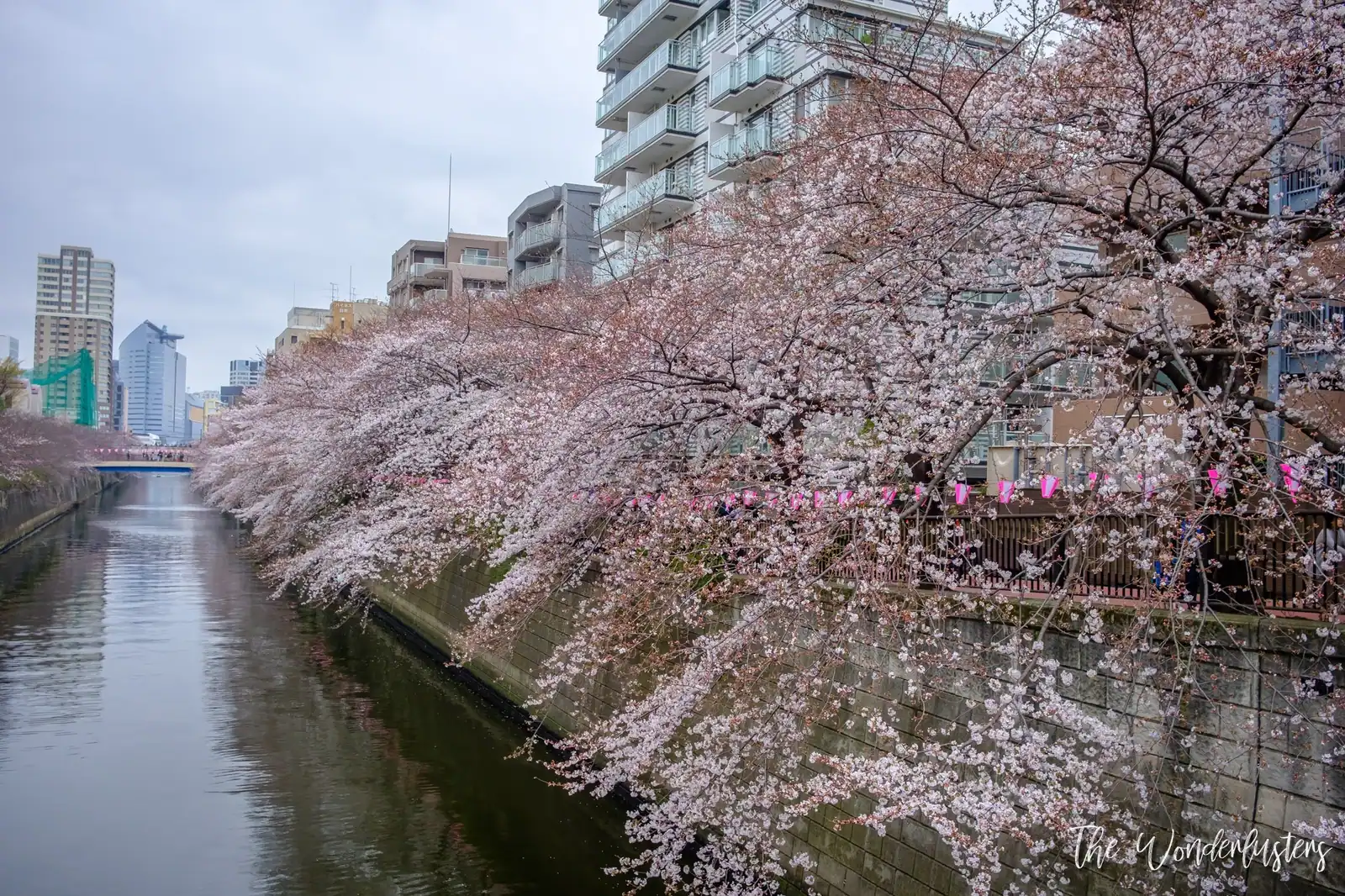
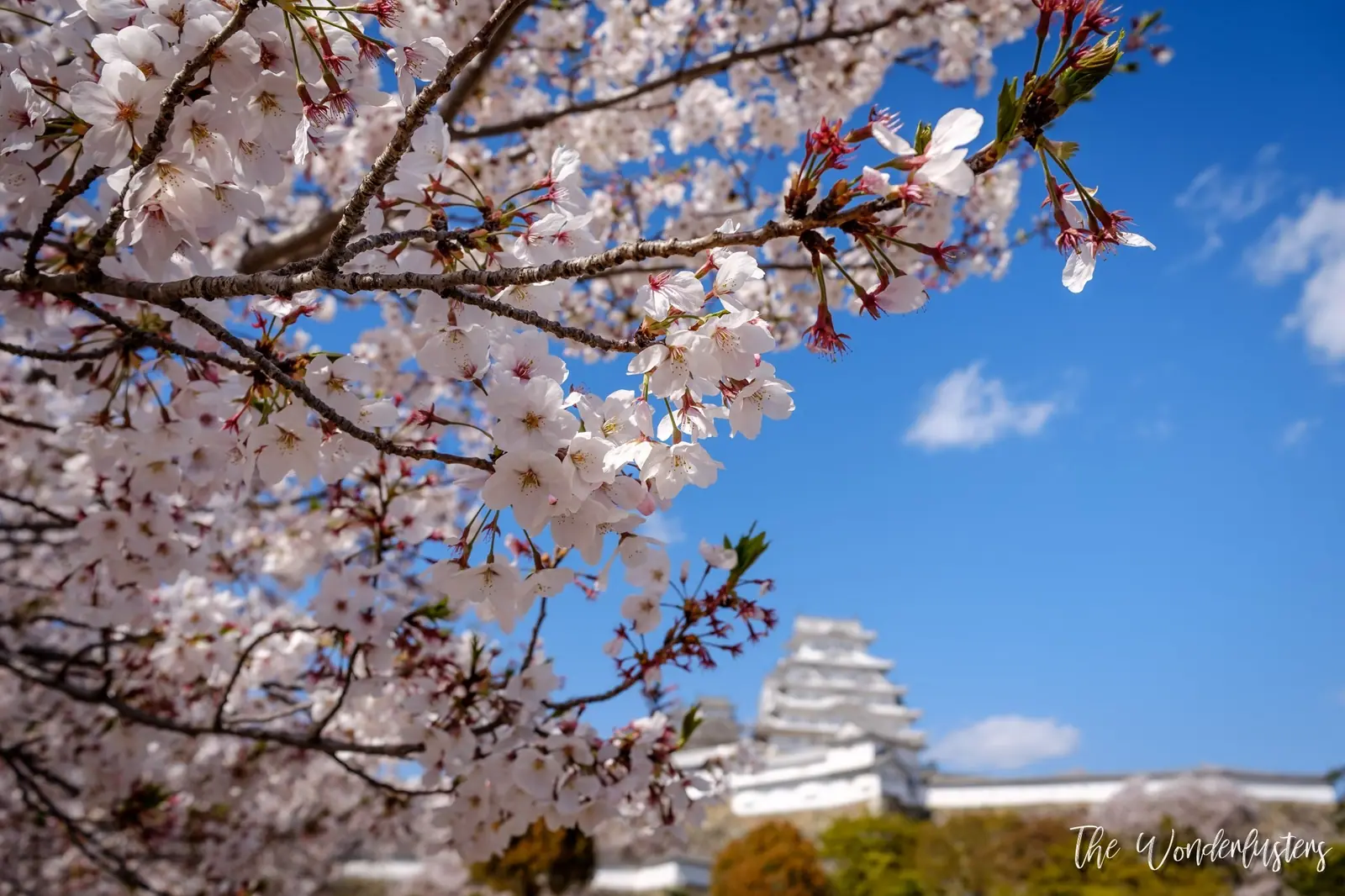
The only downside of visiting Japan in April is that it is still a little chilly during the day, so pack gloves and a hat. It’s a small price to pay: we never would have wanted to miss the spectacular blossoming of sakuras (Japanese cherry trees) at this time of year. All over Japan, to mark the arrival of spring during the Hanami season, people head to the parks with family and friends for a picnic under the sakuras.
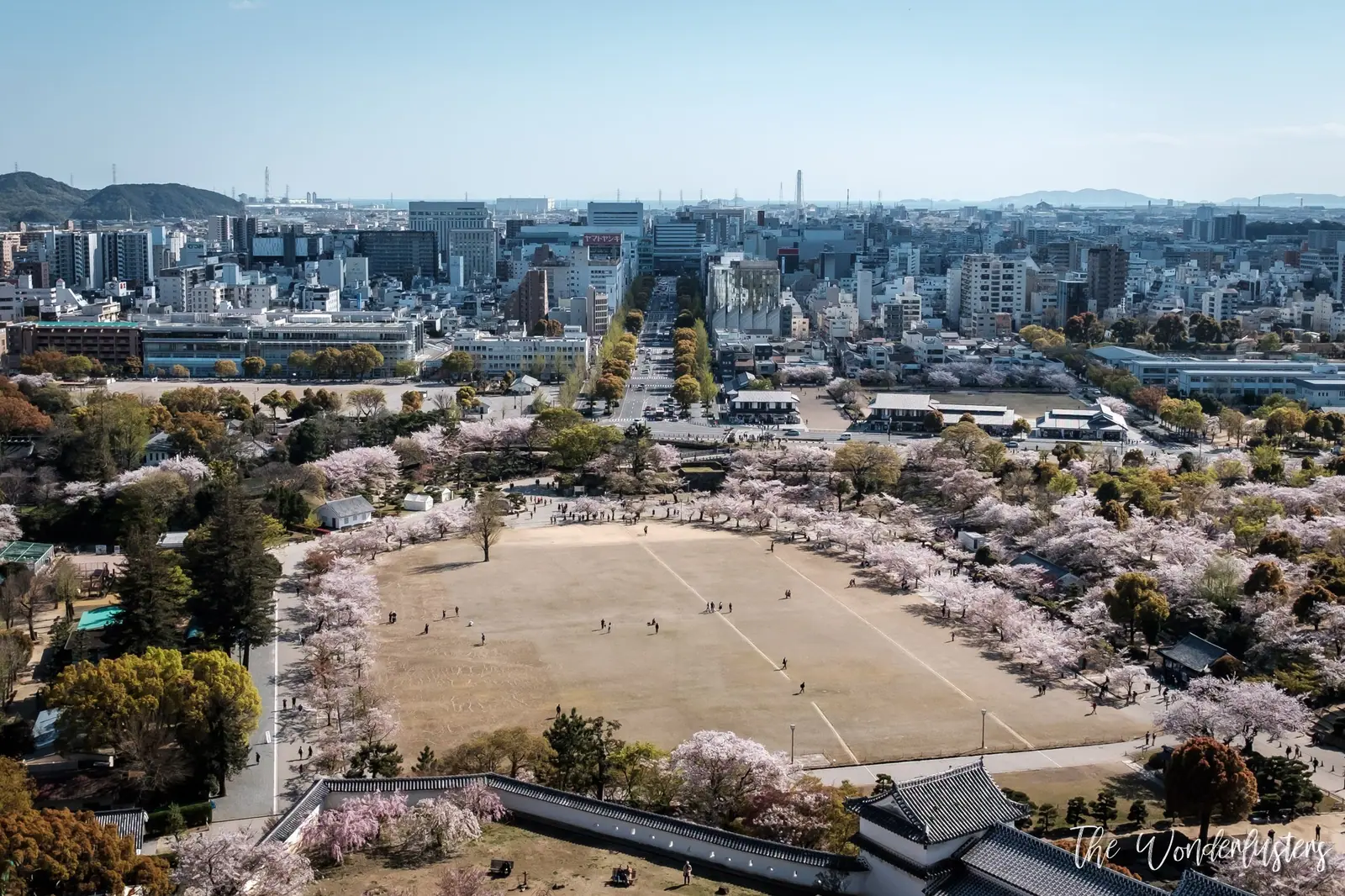
The flowering was a little late this year, so we got to enjoy these flowering trees for the entirety of our 20 days in Japan, whether in Tokyo, Kyoto, Osaka, Himeji or Nara.
Tokyo
Tokyo won us over. Tokyoites, and Japanese people in general, carry a calm and composure we had rarely seen. Whether on the street, in the subway or in any public place, no one complains, no one raises their voice, and everyone waits their turn. Without fuss, and with a disconcerting simplicity, people stop at a Shinto or Buddhist temple, perform a small purification ritual, and continue their day as if nothing had happened. In this megalopolis of 42 million inhabitants — the largest urban agglomeration in the world — the only tired or tense faces we noticed belonged to foreigners, never to locals.
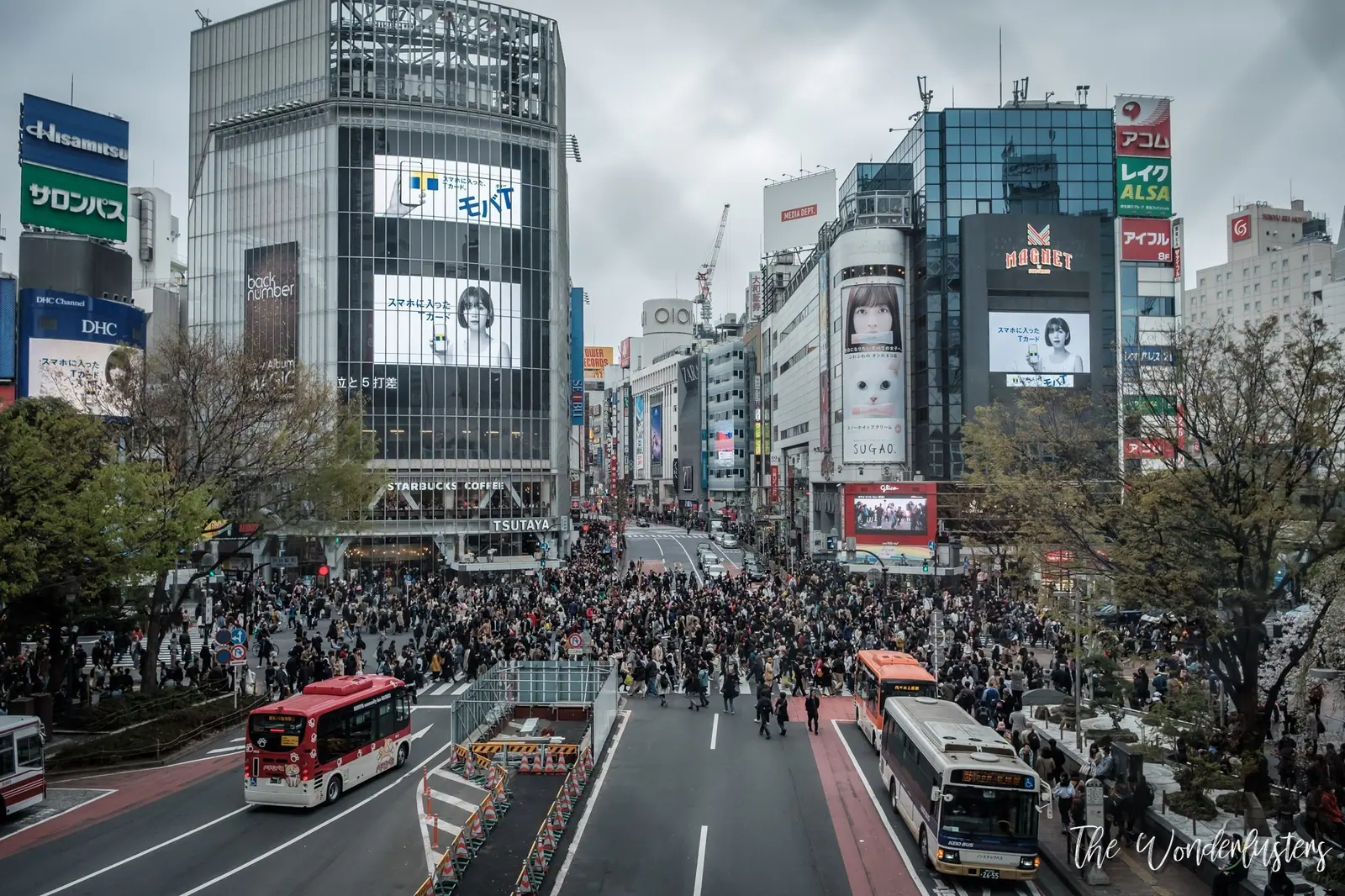
Like any tourist, we didn’t want to miss the Japanese capital’s classic sights, starting with Shibuya, where we joined thousands of other pedestrians crossing the world’s busiest intersection.
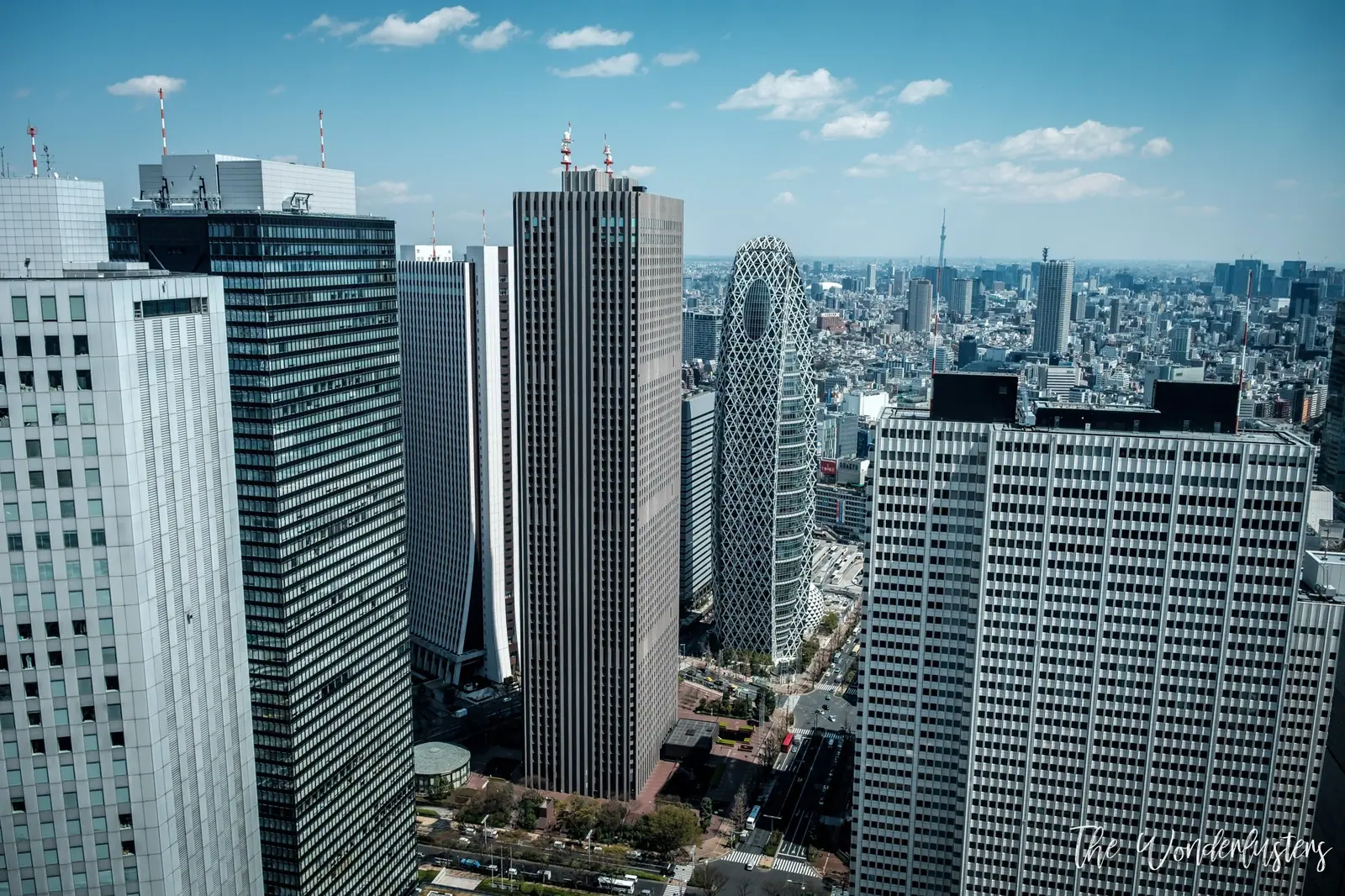
We went up to the observatory of the Tokyo Metropolitan Government headquarters, from which you can admire the vastness of the megalopolis. We could even see Mount Fuji in the distance.
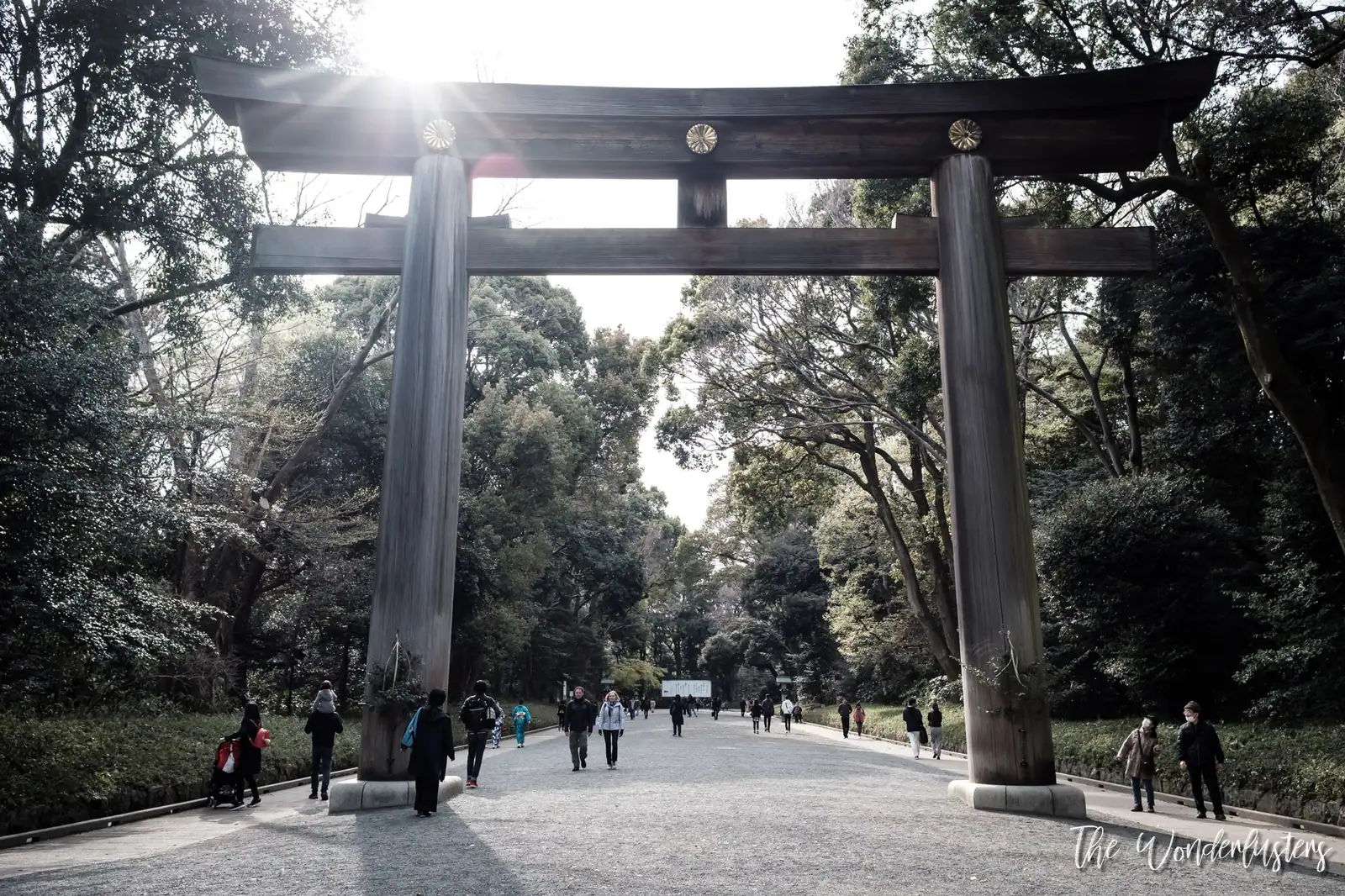
Meiji Jingu, a huge Shinto shrine, celebrated its 100th anniversary in 2020. It is a haven of peace in the middle of the city.
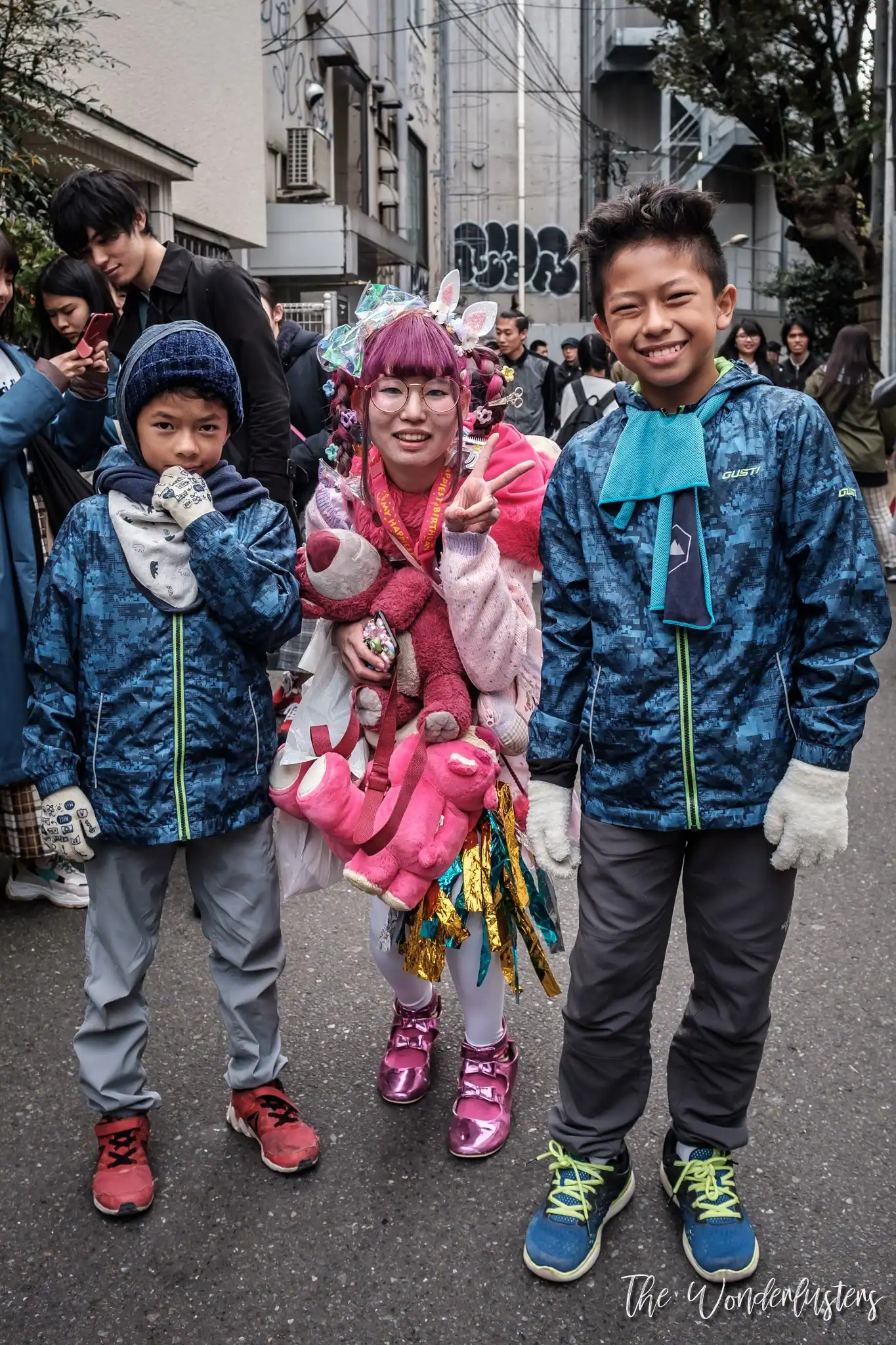
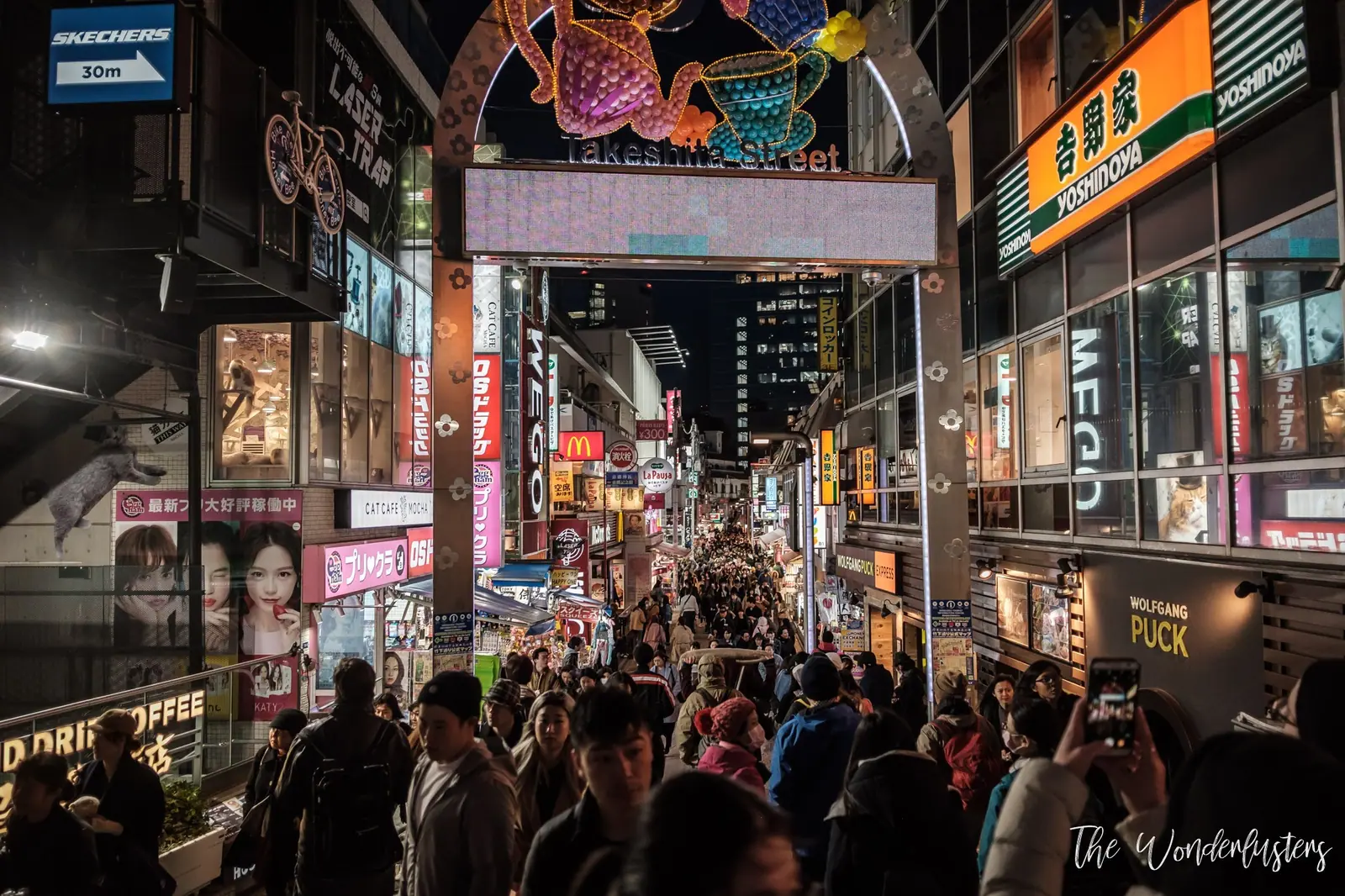
Harajuku has long been the district of fashion, rock and more generally of the avant-garde. Today, the district is mostly occupied by teenage Lolita fashion enthusiasts, or fans of cosplay, mangas and video games.
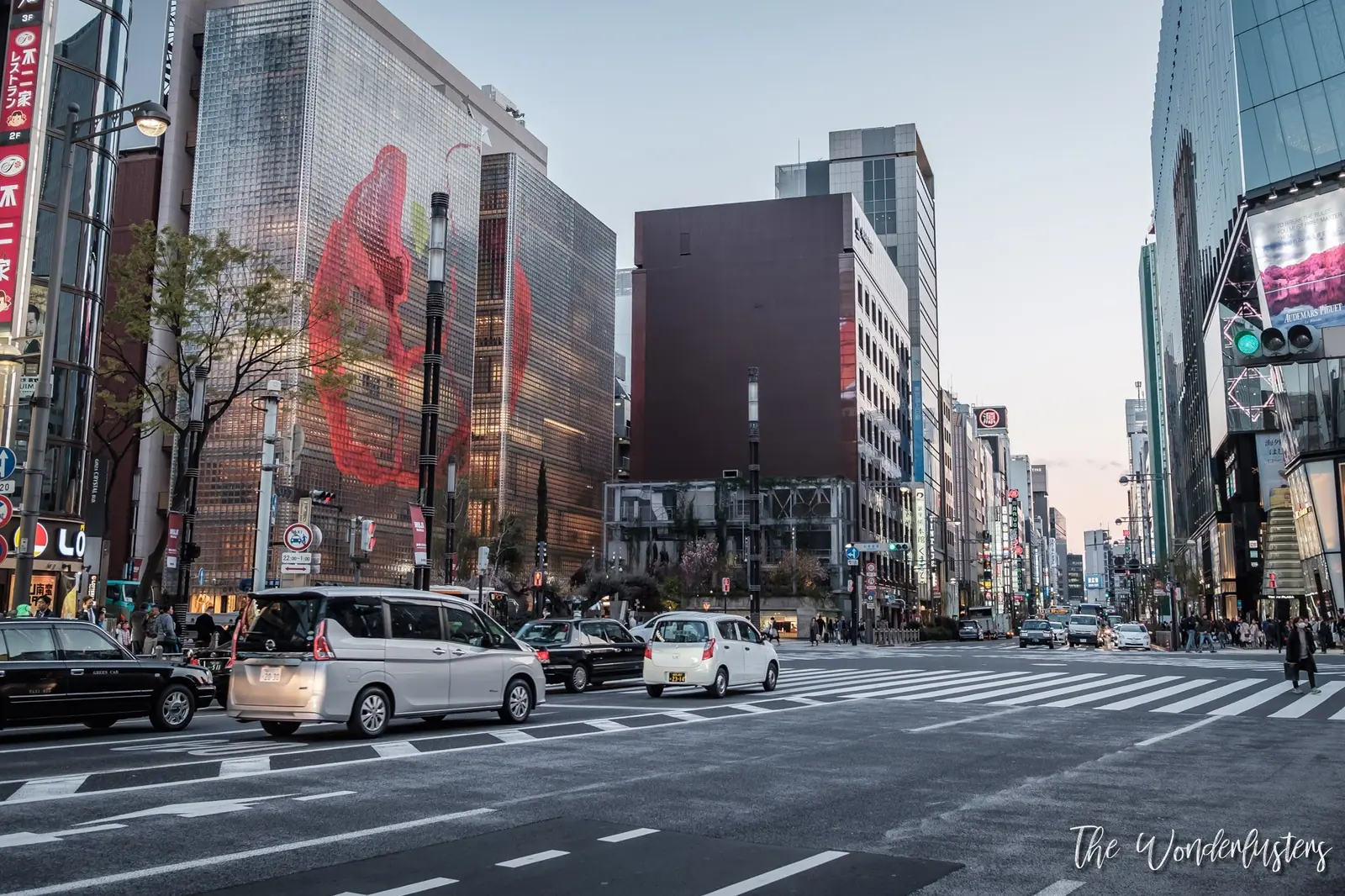
Ginza is the ultimate Japanese luxury district, where the greats of international fashion (Prada, Louis Vuitton, Gucci, Dior and others) rub shoulders with the giants of Japan (Sony, Ricoh, Seiko, Nissan, Yamaha, etc.). Many travelers avoid these chic neighborhoods; we like walking the same sidewalks as the wealthy. We appreciate the craftsmanship around a diamond at Tiffany’s, the fine timepieces of a Rolex, the cut of a Prada dress (Jessica), or a Leica camera (me).
The famous Tokyo Tower is a modern take on the Eiffel Tower. Less imposing than the original, it is still impressive.
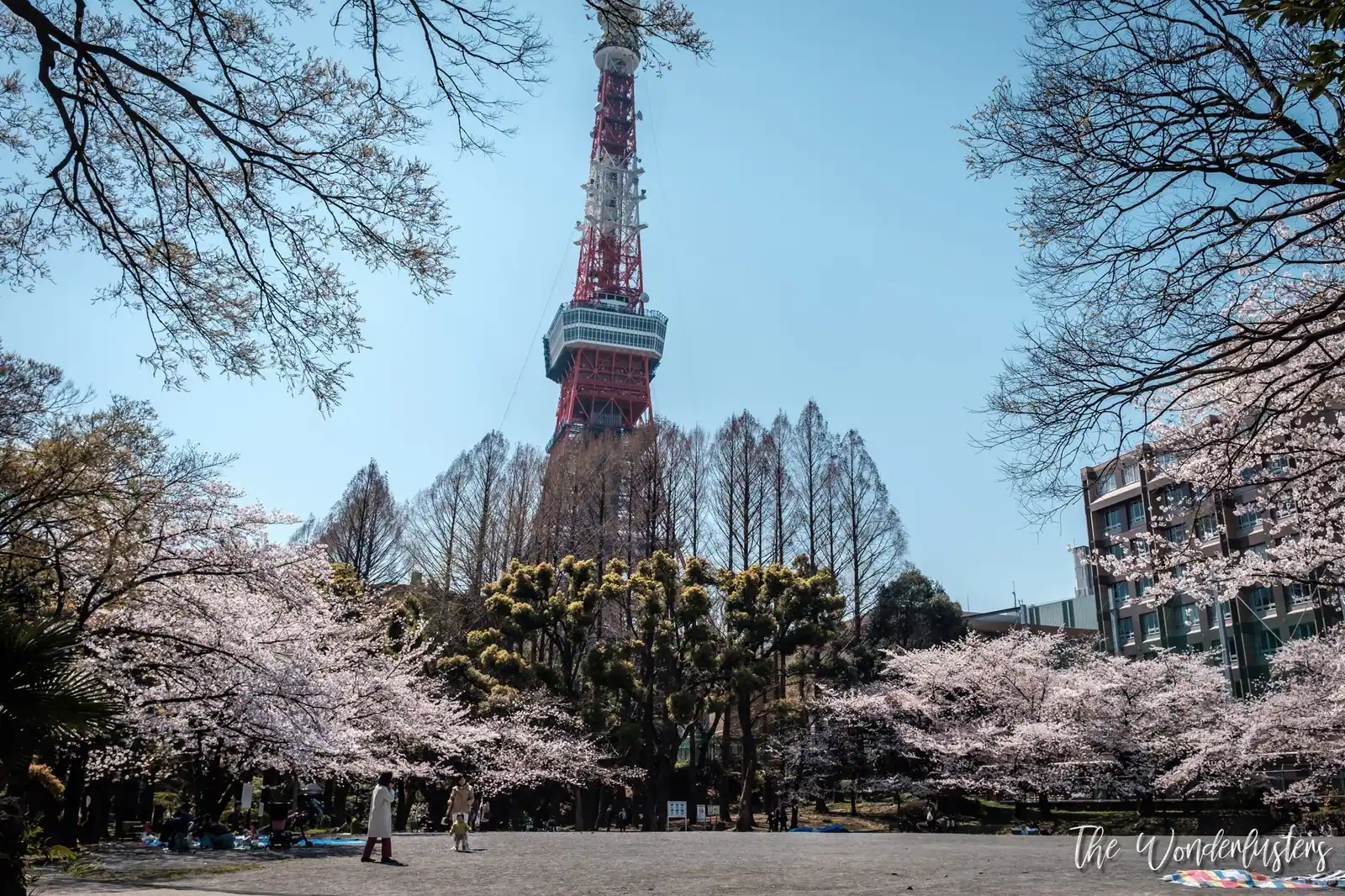
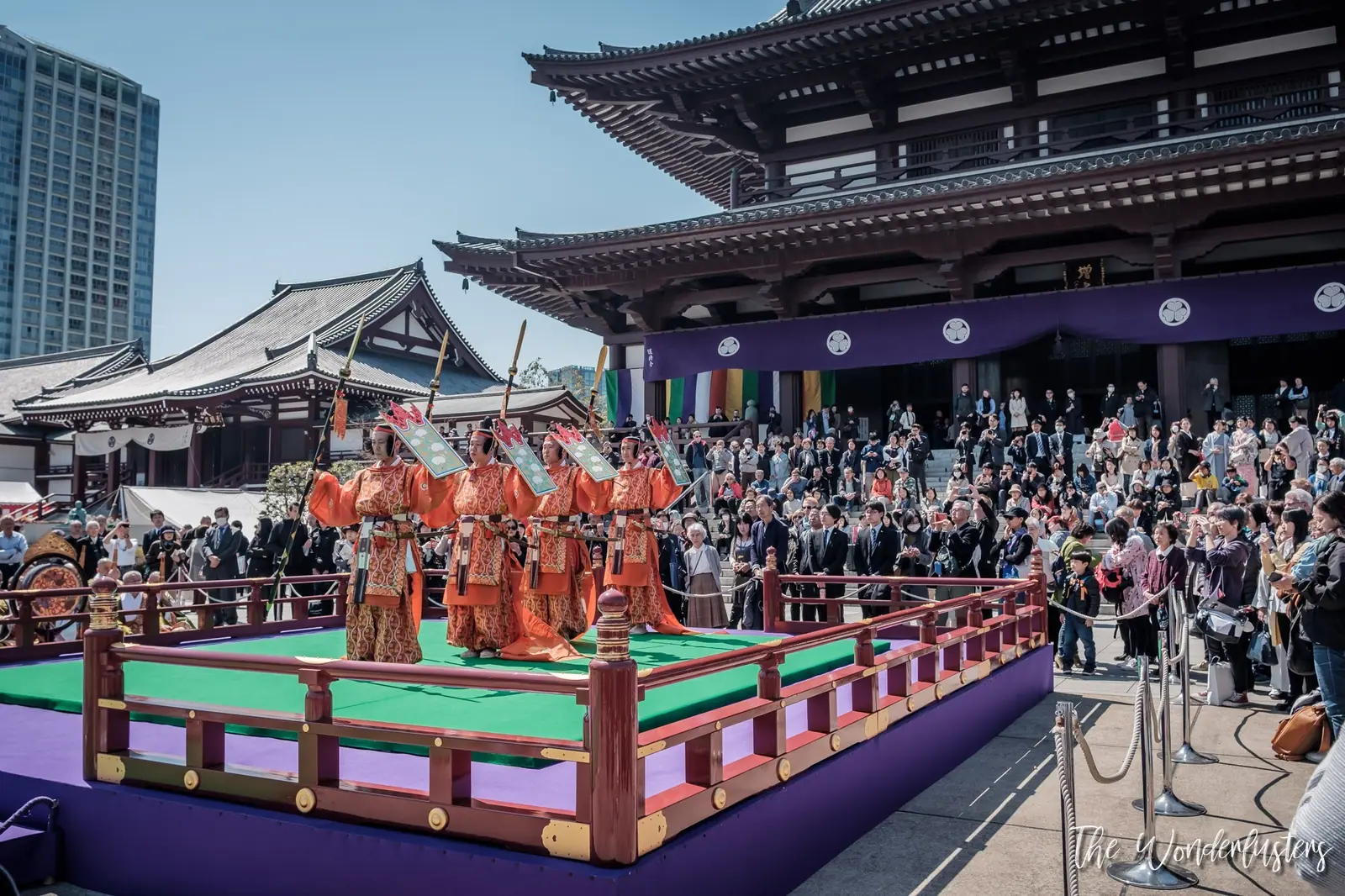
Just beside Tokyo Tower is San’en-zan Zōjō-ji, a lovely Buddhist temple where we watched a traditional Buddhist ceremony.
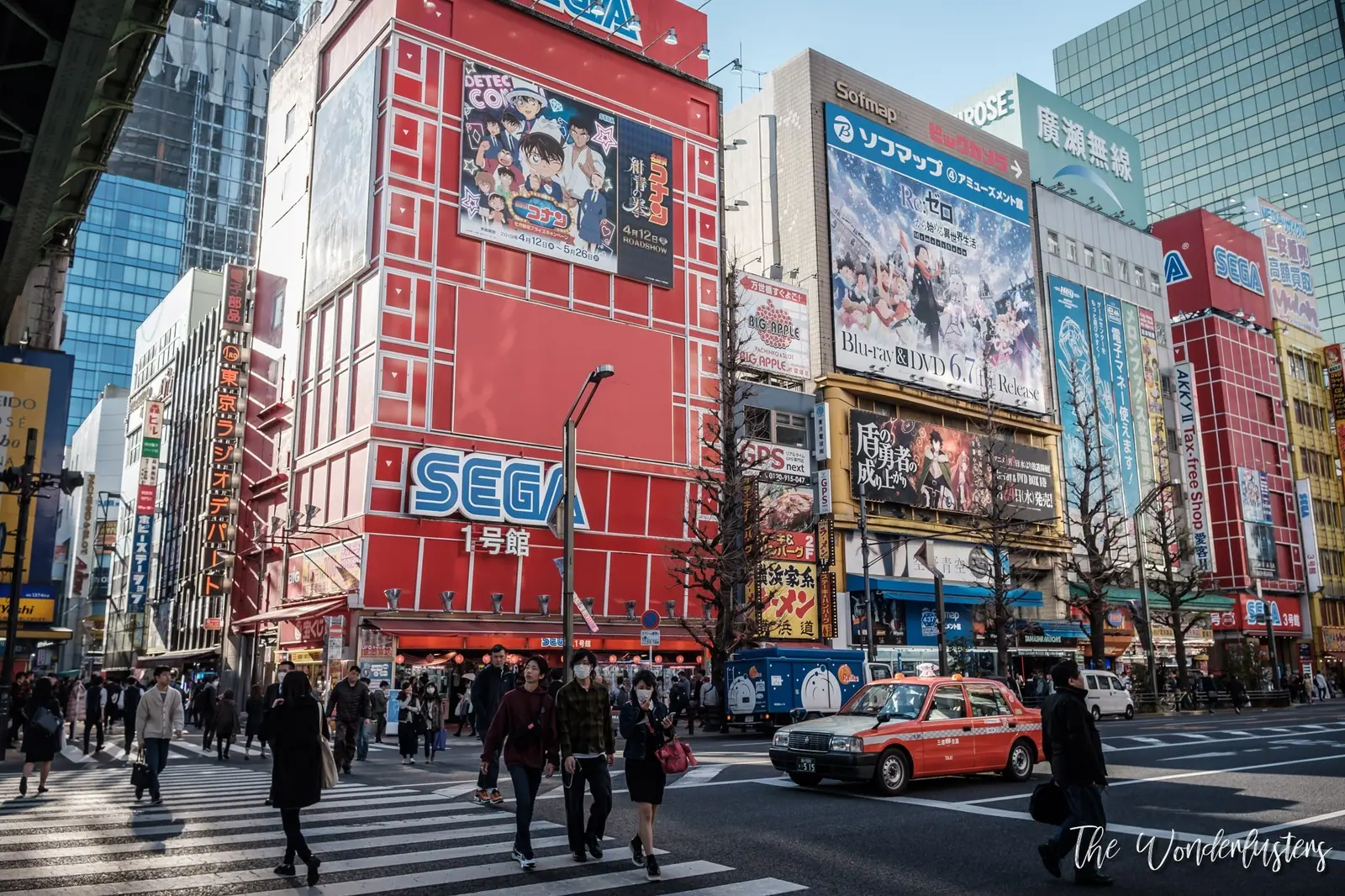
We went to Akihabara Electric Town, the go-to district for fans of manga, video games and Japanese pop culture. The boys loved it, and I found the nostalgia of the 80s, back when I watched Dragon Ball Z and Saint Seiya and played on my Game Boy and Sega console.
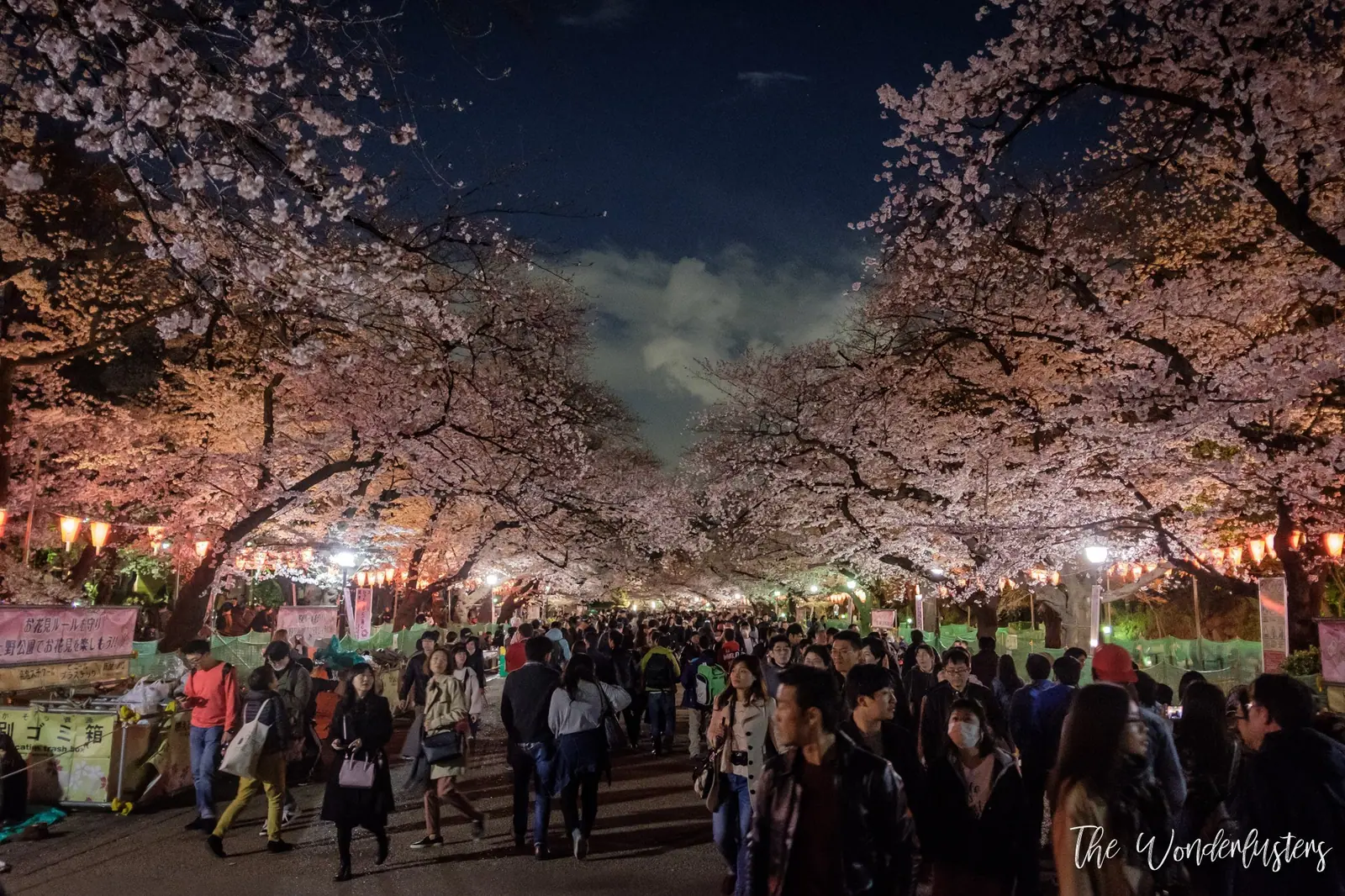
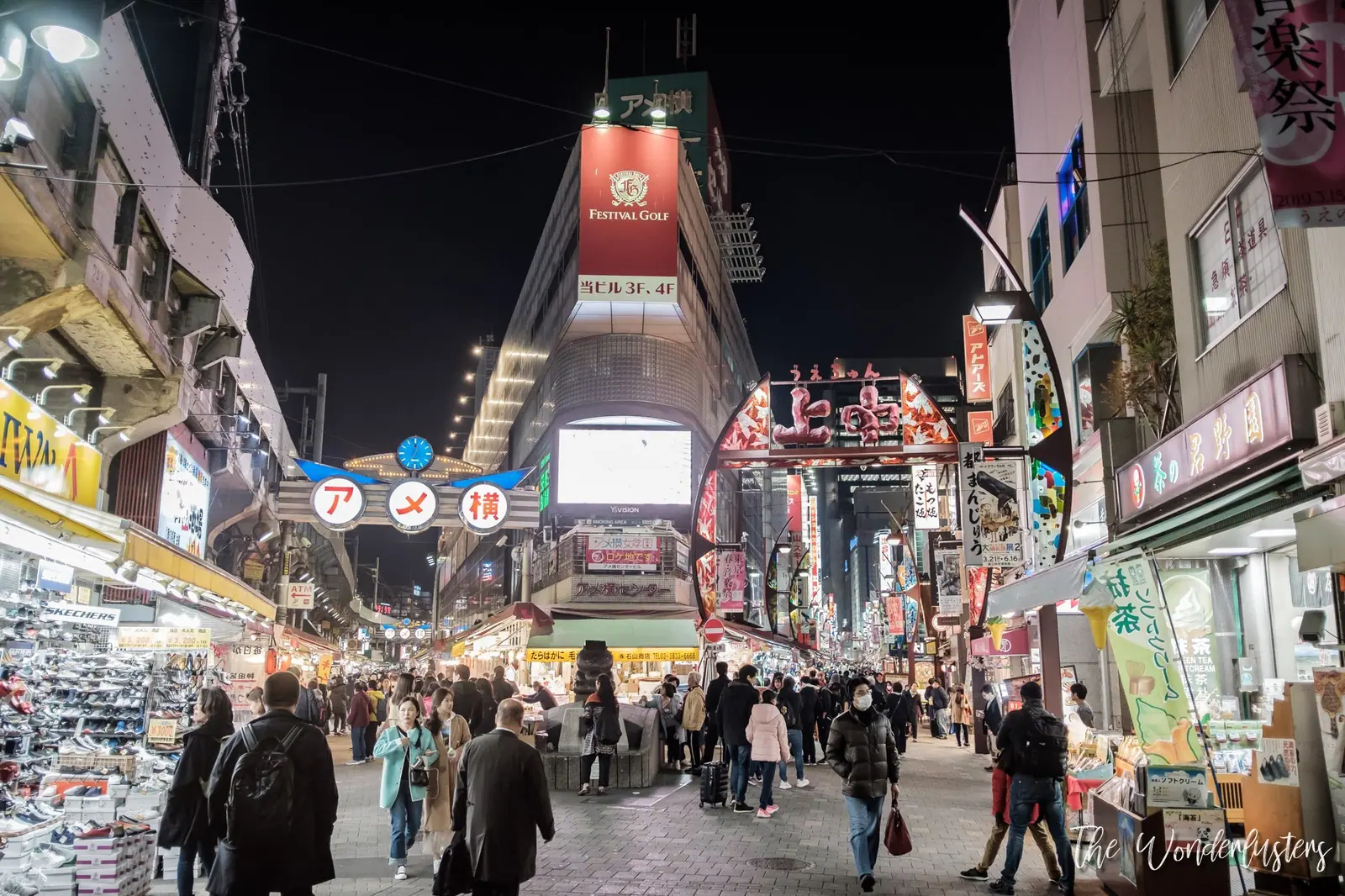
Ueno is known for its large park filled with cherry blossoms and its many museums. In the evening, it turns into a lively neighborhood with bars, restaurants and shops.
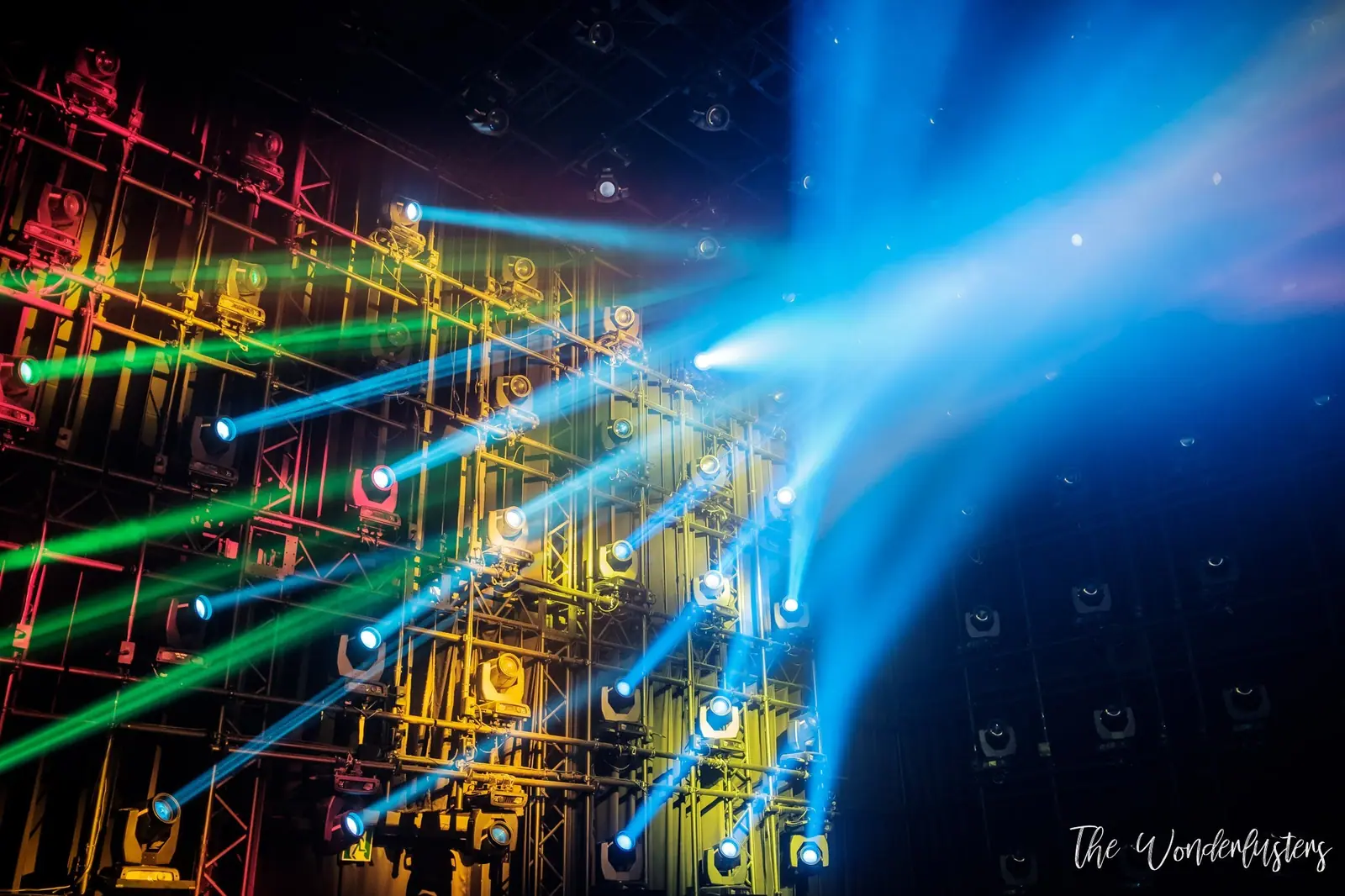
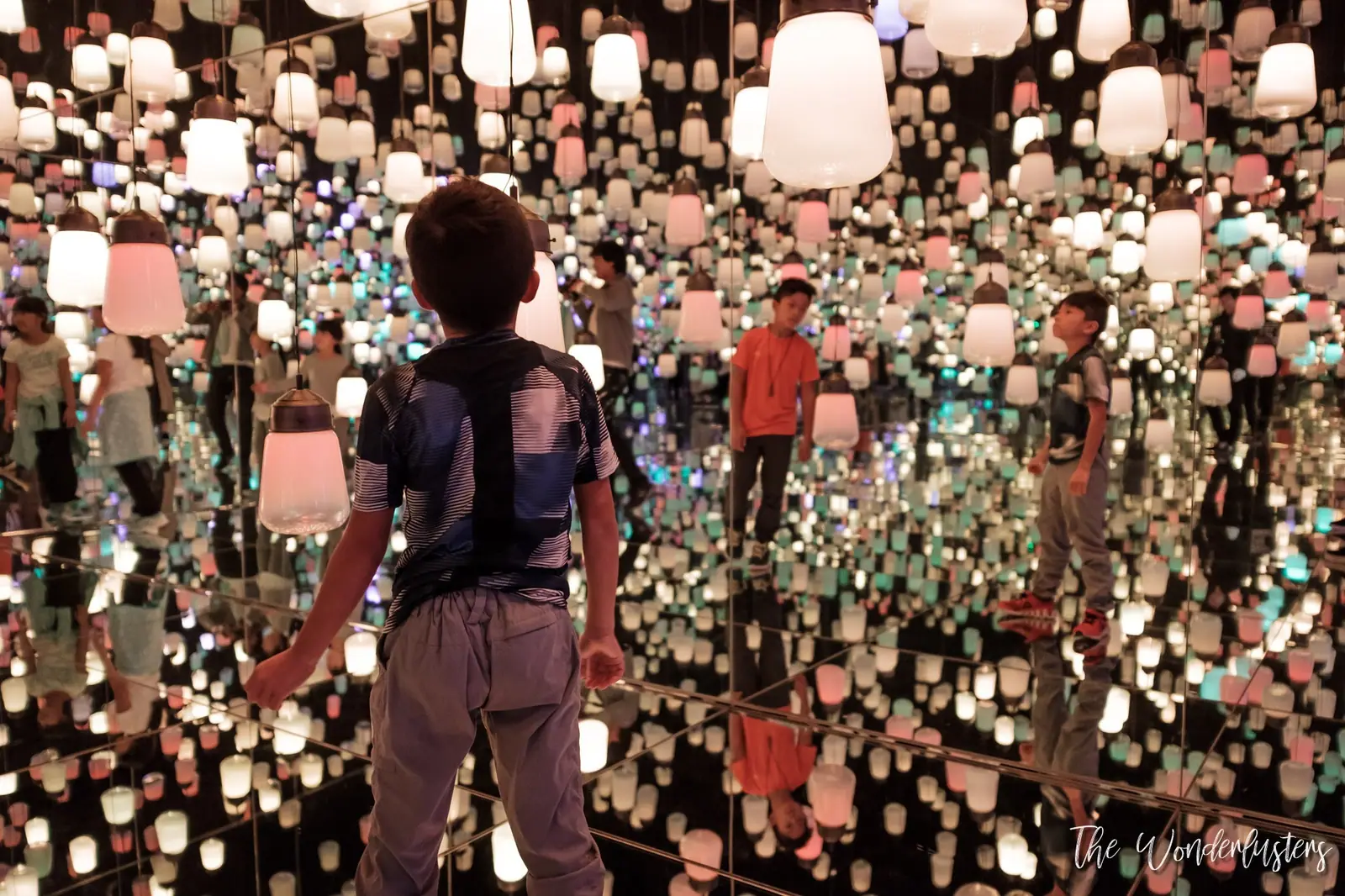
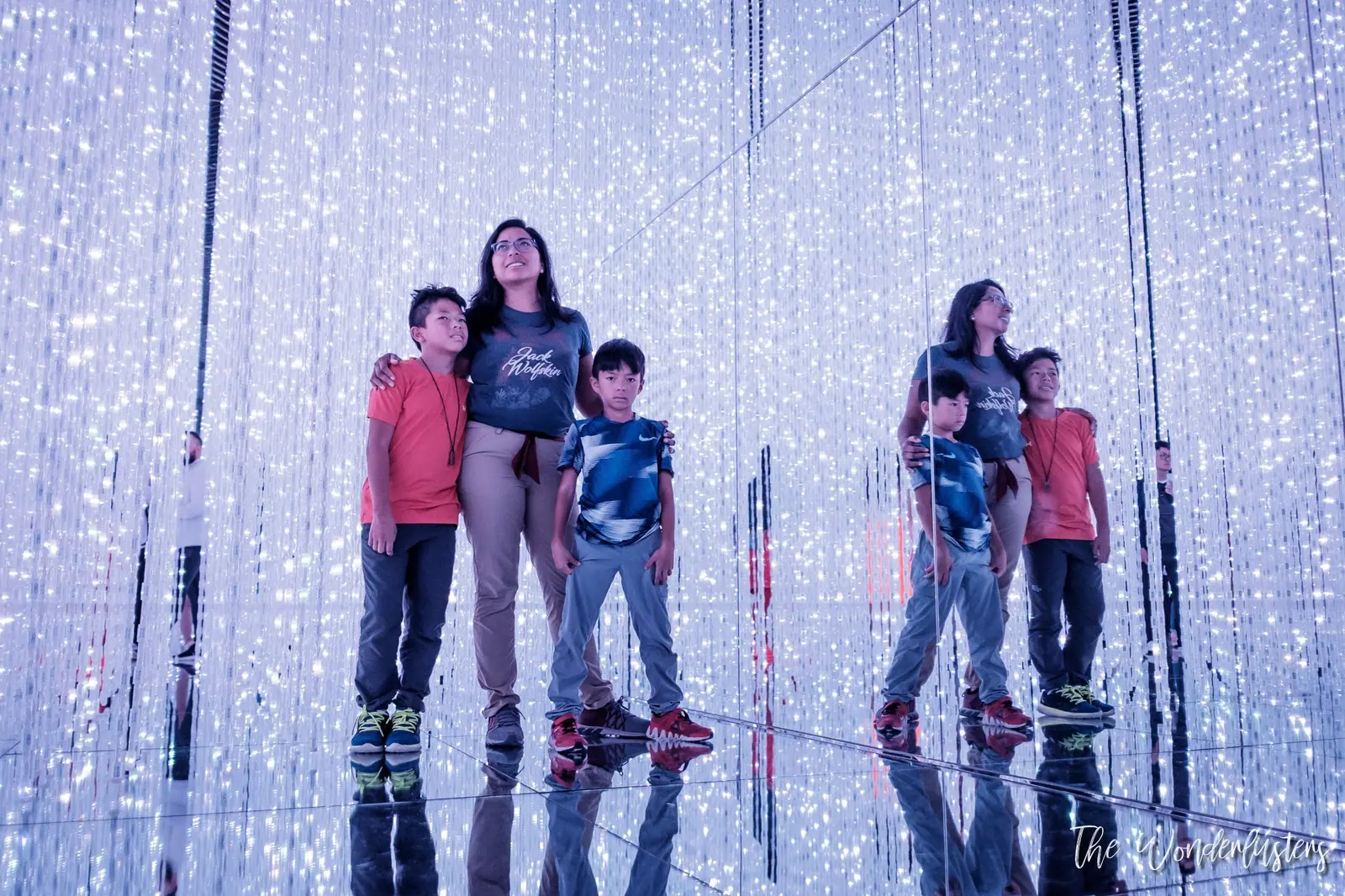
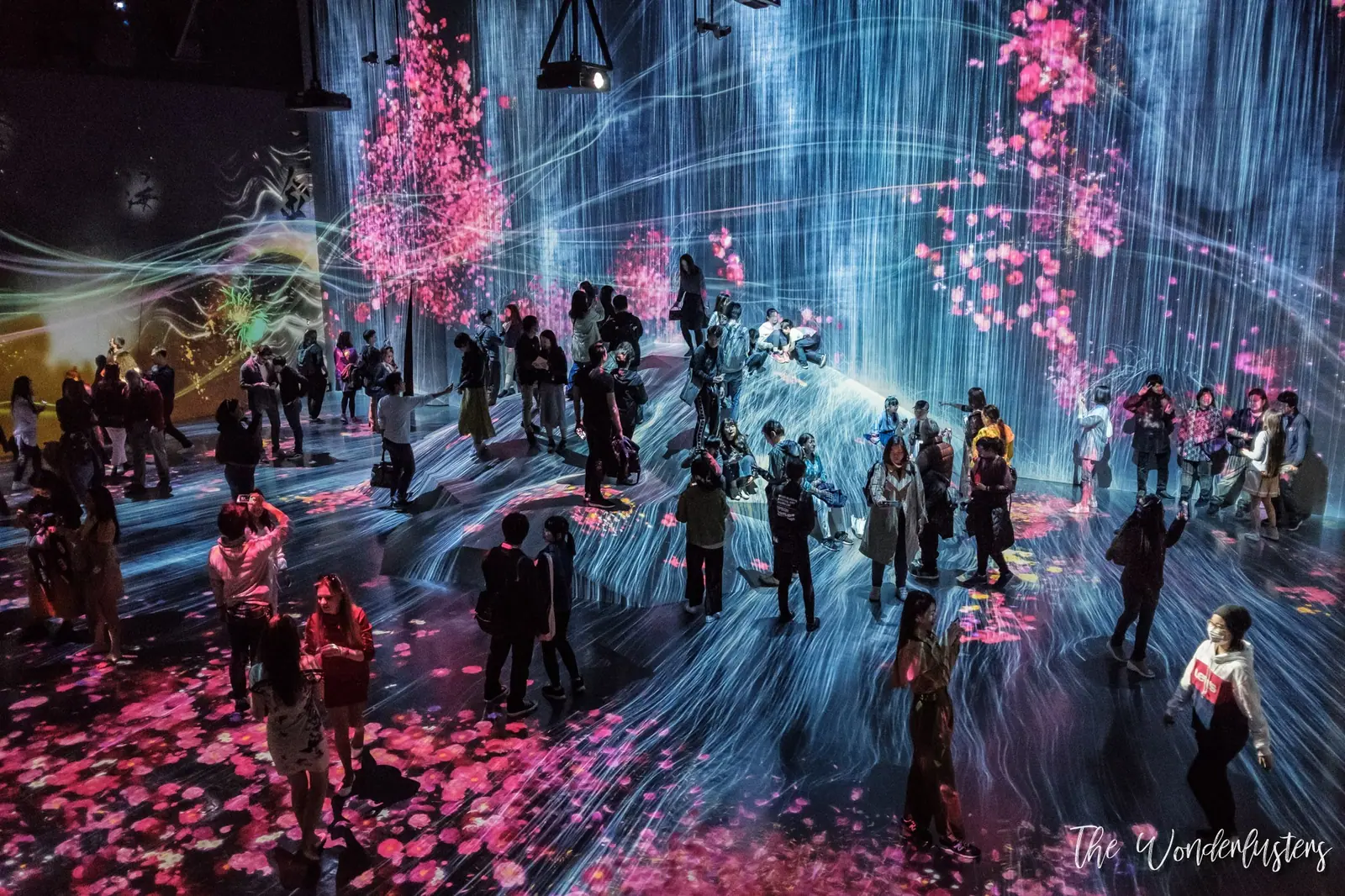
Our favorite in Tokyo was TeamLab Borderless, a permanent interactive art exhibition built on light, sound and mirrors. The kids and the adults were equally amazed, and it was the only attraction we paid for in 9 days in Tokyo.
2026 update: teamLab Borderless closed its Odaiba location in August 2022 and reopened in February 2024 at Azabudai Hills, Tokyo (official site).
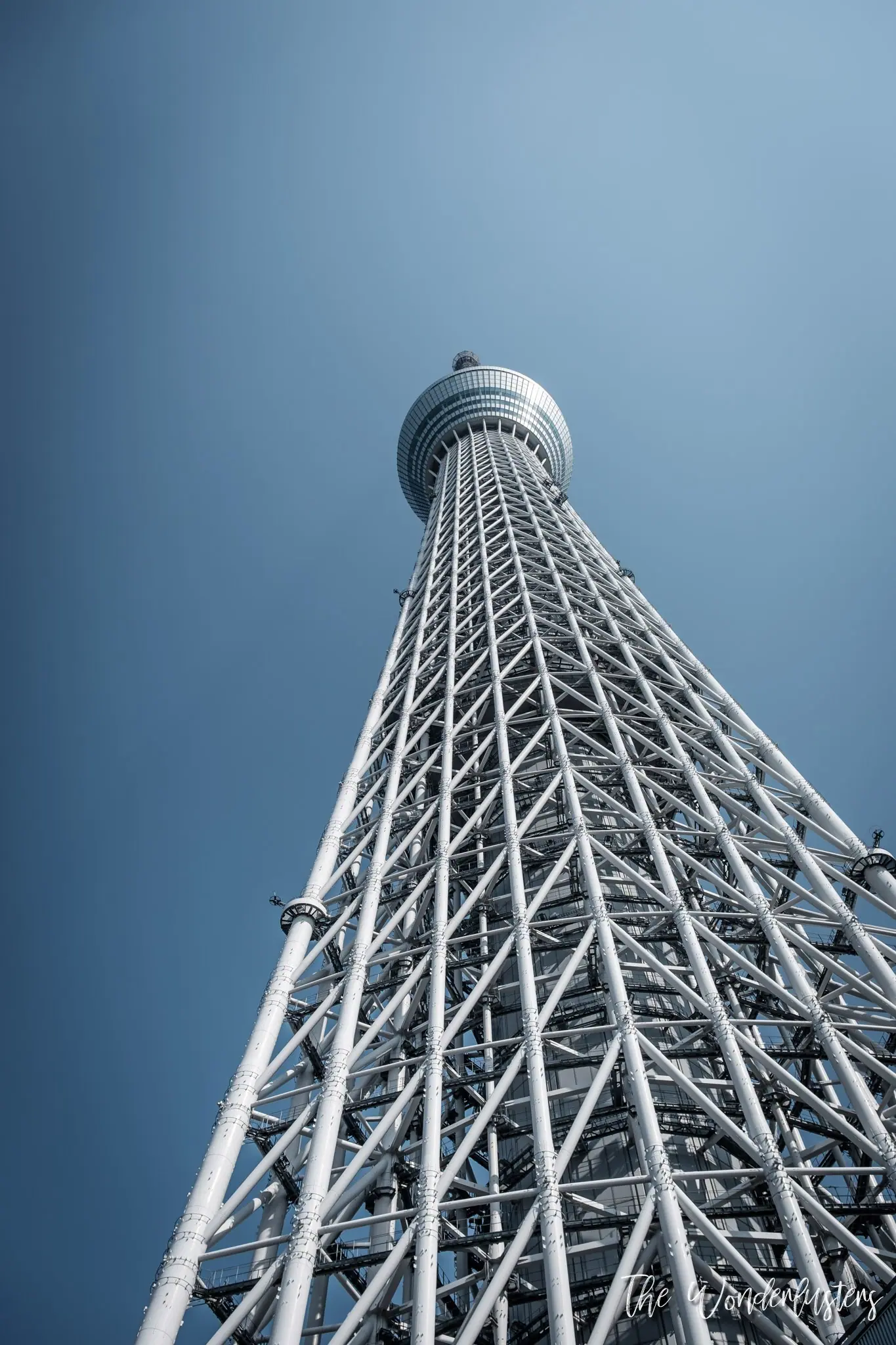
The Tokyo Skytree, opened in 2012, is one of the tallest structures in the world, behind the Burj Khalifa in Dubai. This massive broadcasting tower is simply impressive.
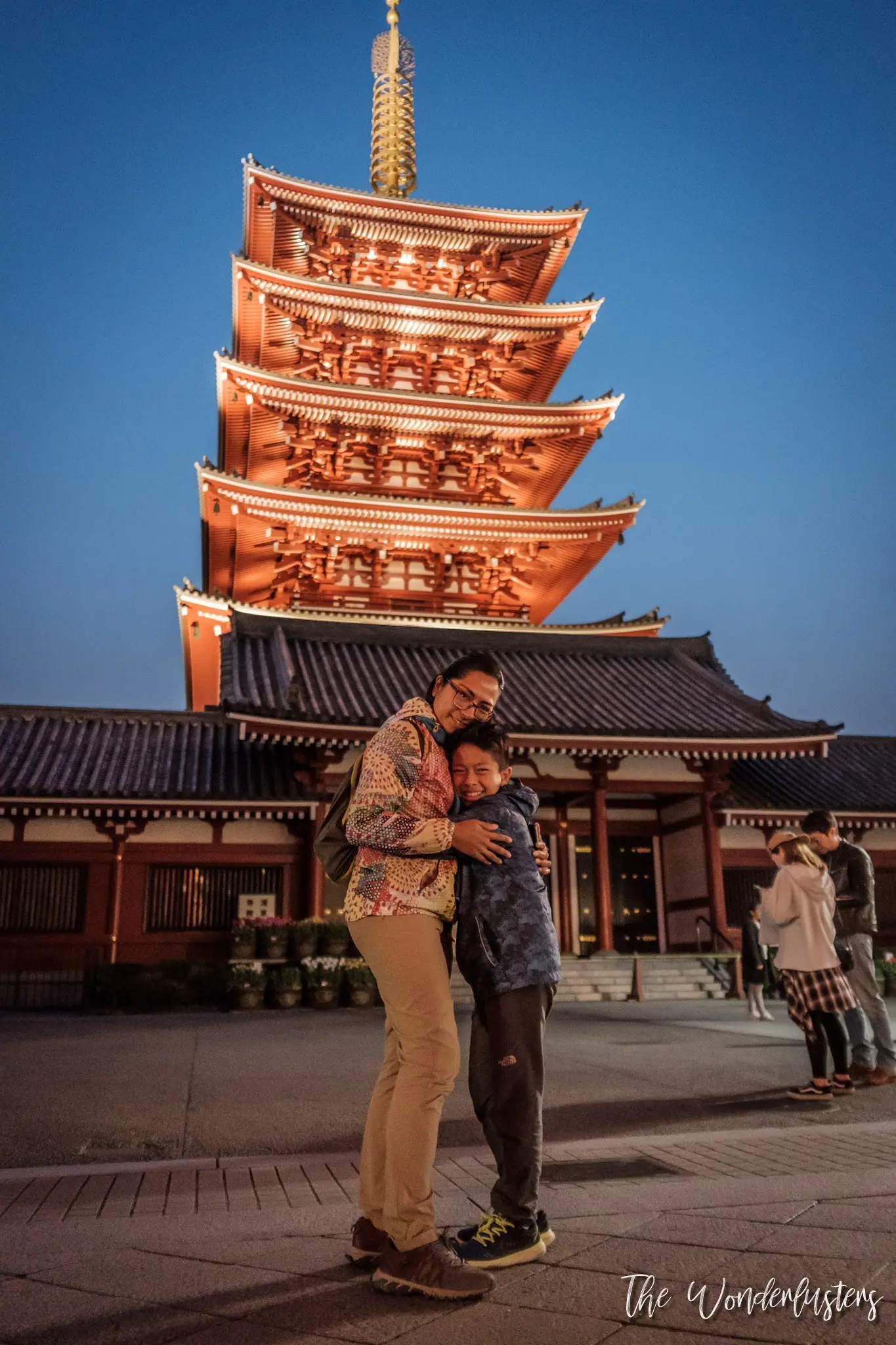
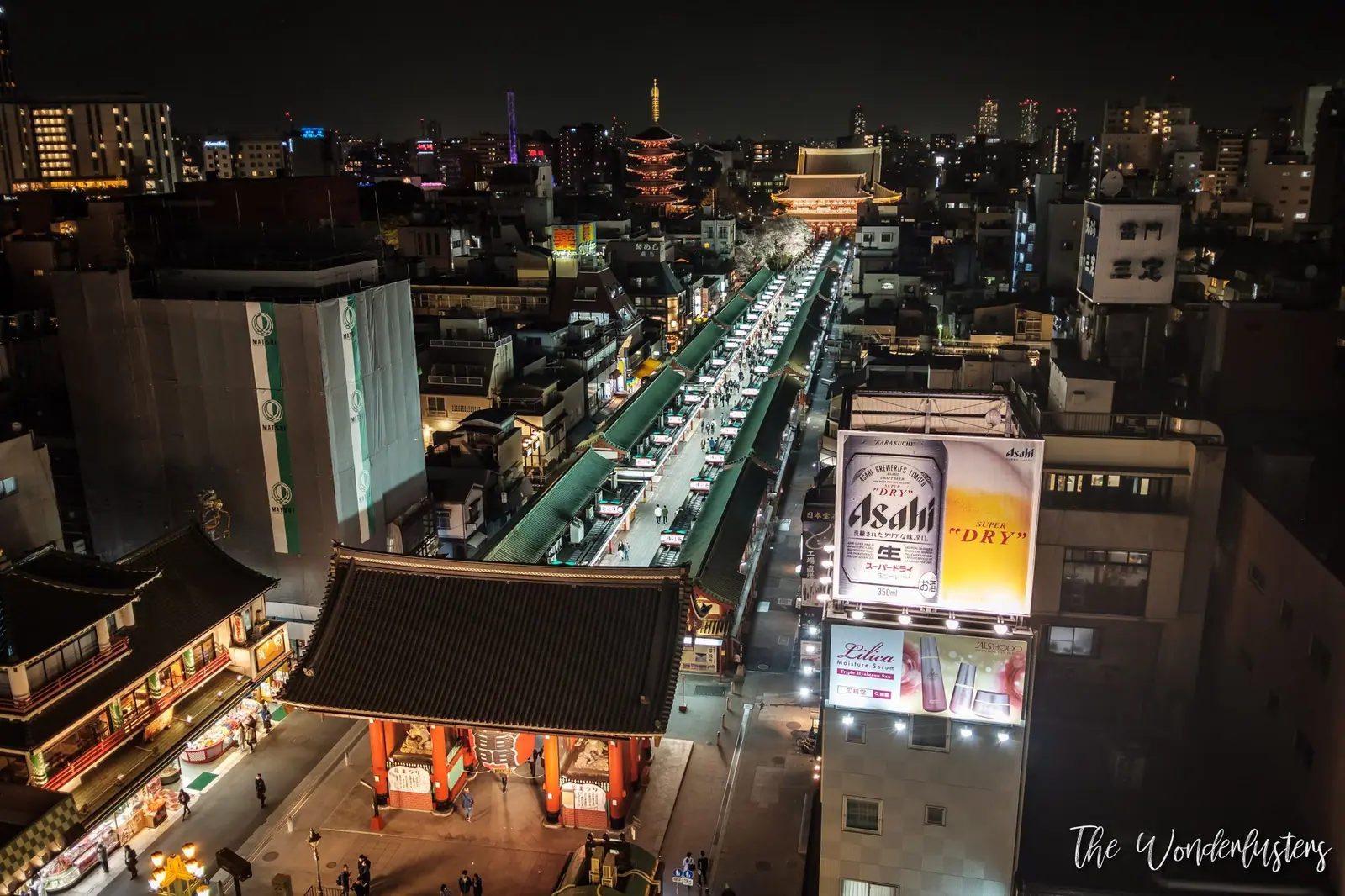
Not far from the Skytree, in the Asakusa district, is Senso-ji, the oldest Buddhist temple in Tokyo. It’s a busy place, but the sanctuary is magnificent and photogenic day and night, with tourists wandering around dressed in kimonos.
Kyoto
For 10 centuries, Kyoto was the imperial capital of Japan, a title it lost to Tokyo in 1868. It remains the country’s cultural and religious capital.
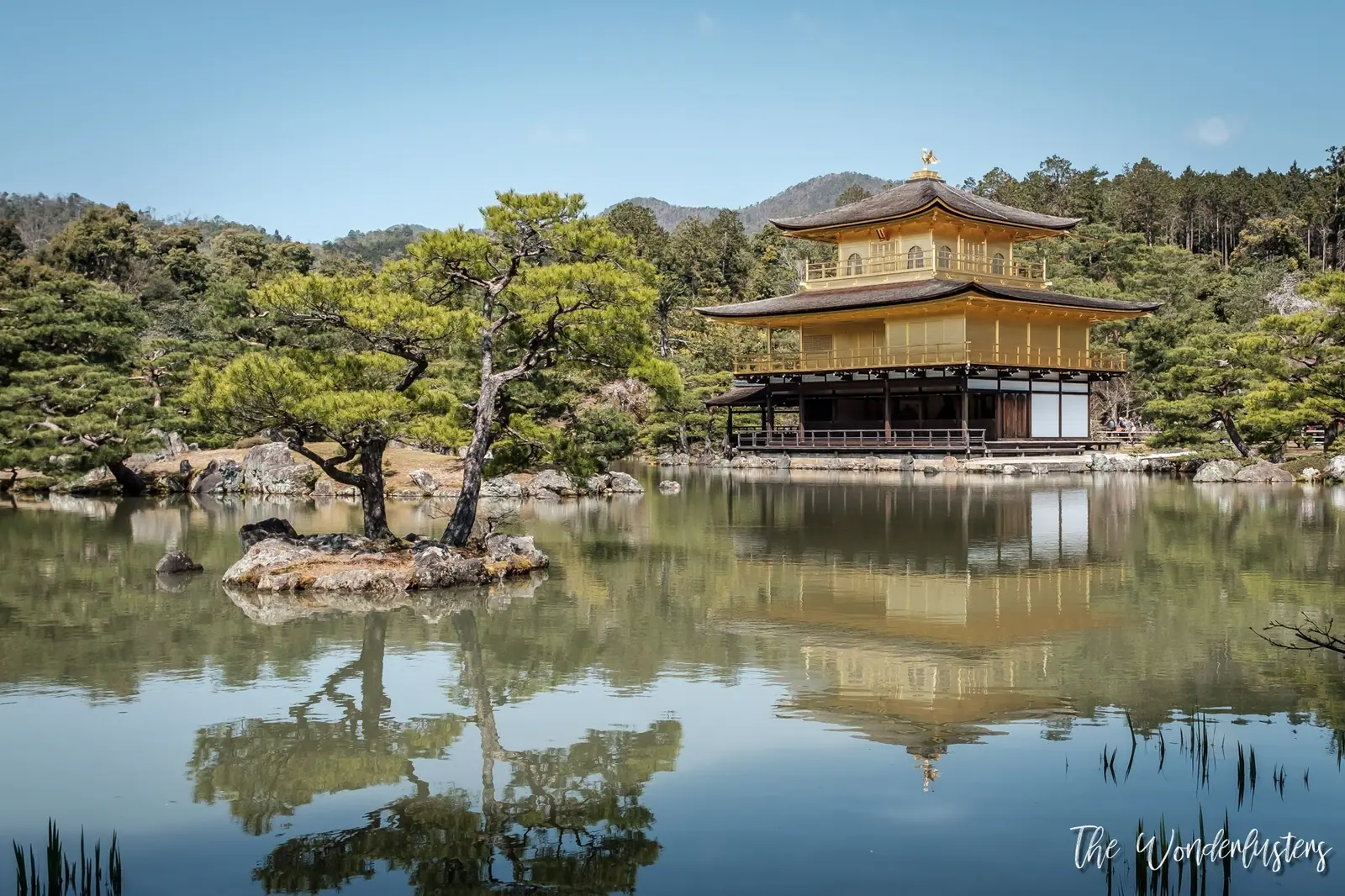
Dating from the 14th century, the Kinkaku-ji, also called the Temple of the Golden Pavilion, is covered entirely in gold leaf except for the ground floor. It belongs to the Rinzai school, one of the 3 main sects of Zen Buddhism (which traces its origin to Chinese Mahayana Buddhism), and is one of Kyoto’s symbols and a UNESCO World Heritage Site.
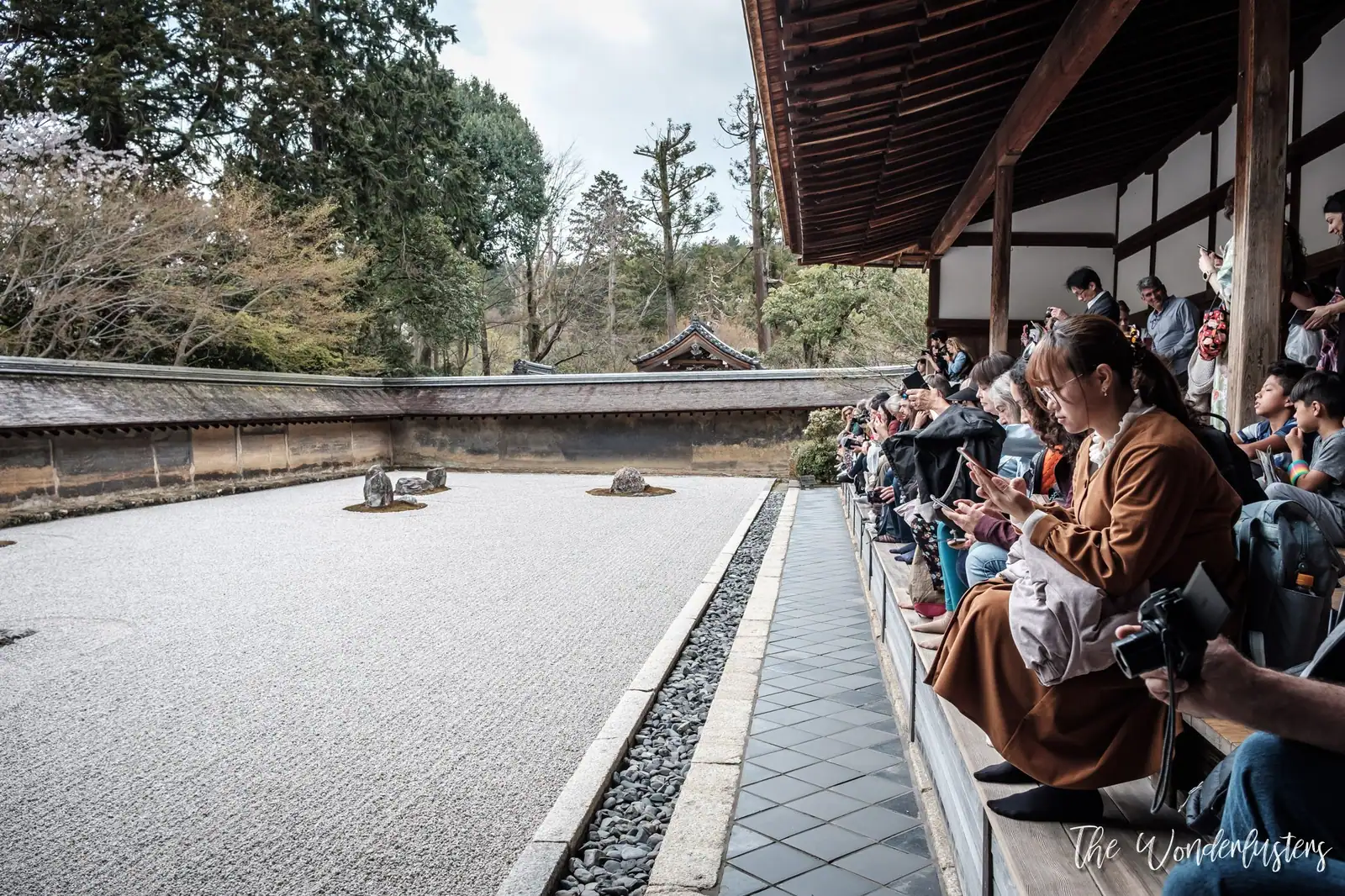
The 16th-century Ryōan-ji is a monastery known for its stone garden, considered one of the masterpieces of Japanese Zen culture, set in a magnificent environment where aesthetics and nature blend perfectly. Also a UNESCO World Heritage Site.
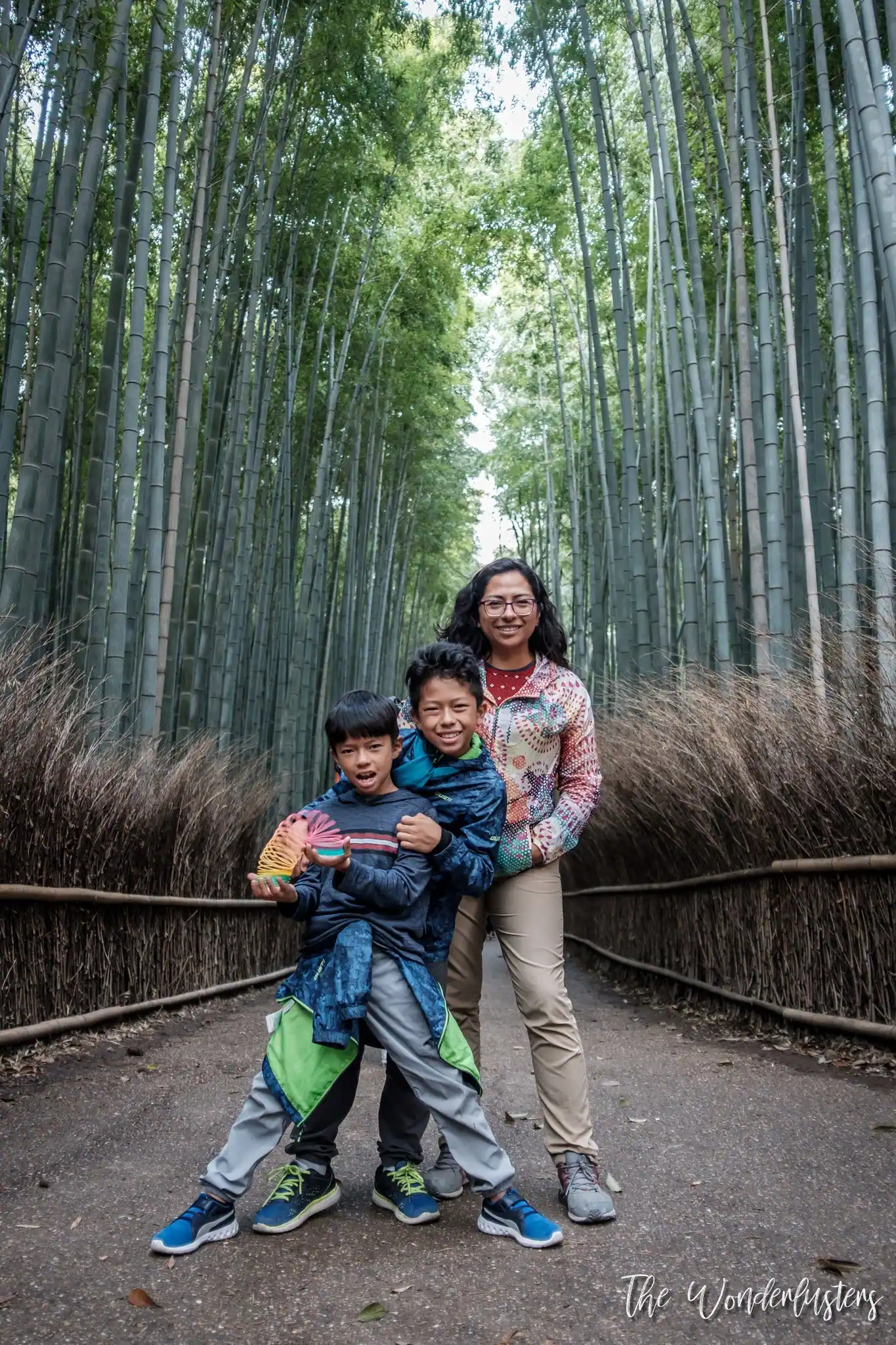
The bamboo grove of Arashiyama is one of the most popular attractions in Kyoto, and shouldn’t be missed when you’re in town.
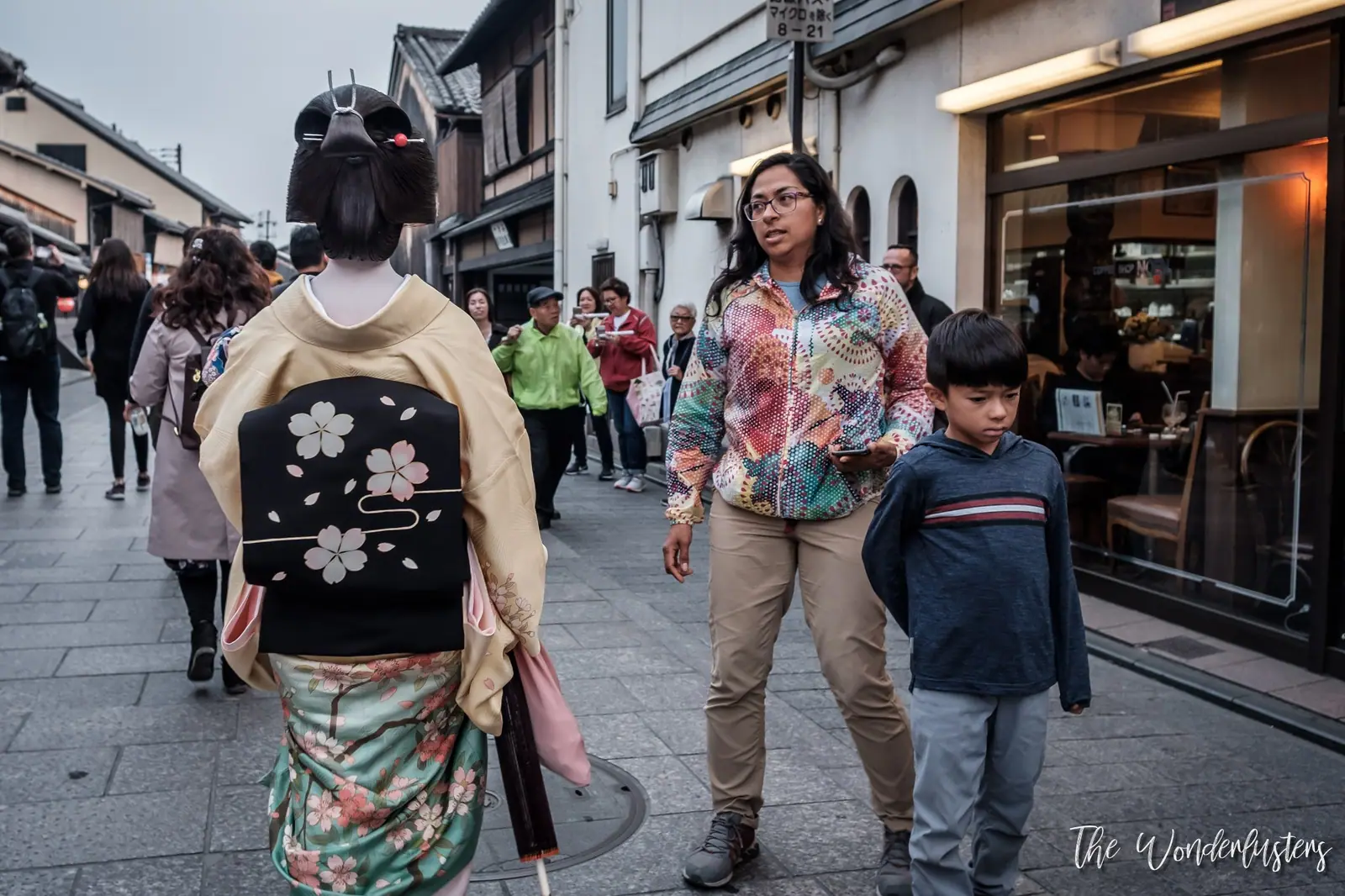
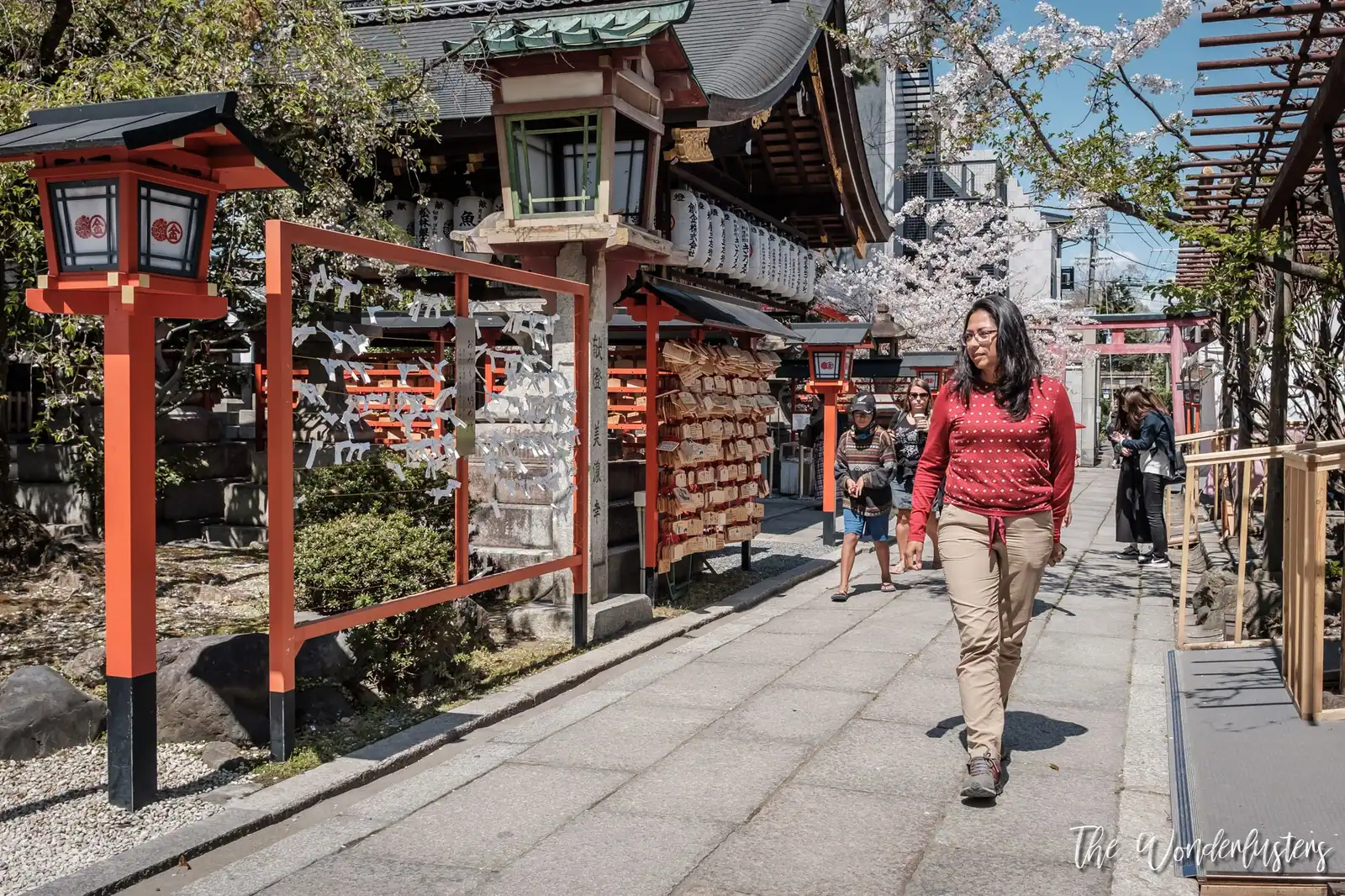
Gion is Kyoto’s most touristy district, and also its geisha district — we spotted a few strolling there. We loved wandering its small, photogenic streets, admiring the traditional houses, temples and pagodas surrounded by blooming cherry trees.
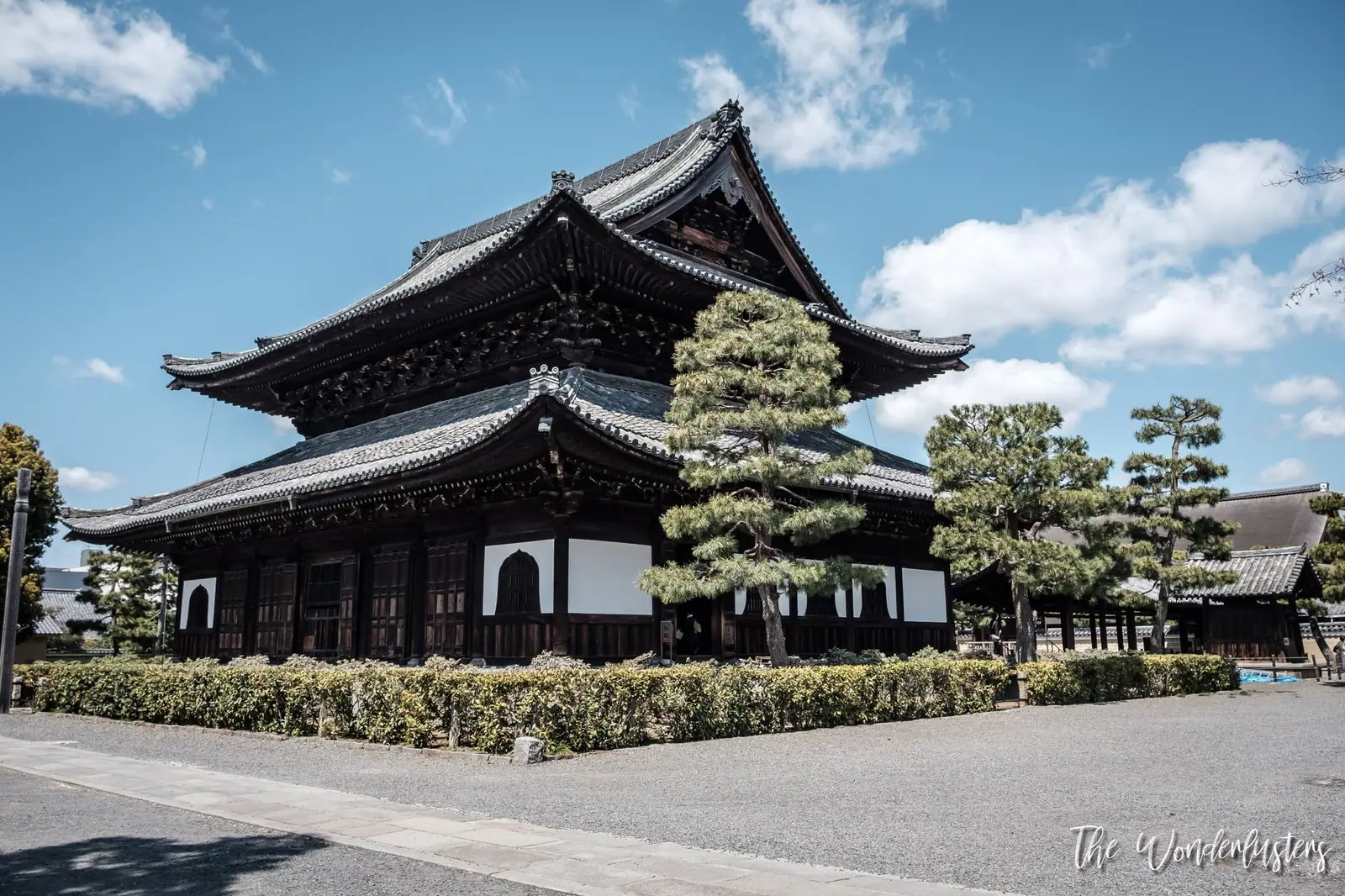
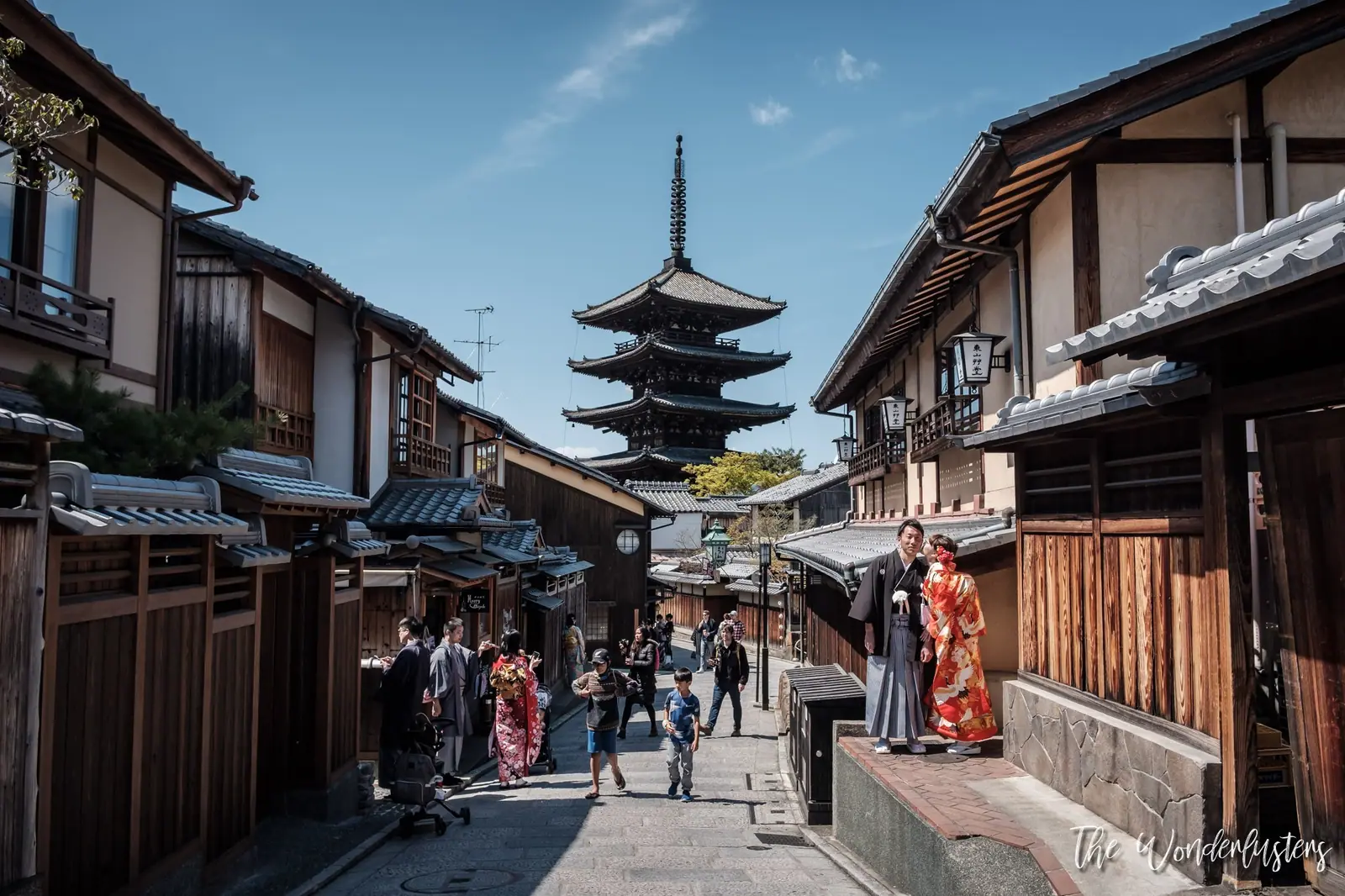
Higashiyama, another traditional district right next to Gion, is a must-see for its old houses, narrow streets and small restaurants and cafés.
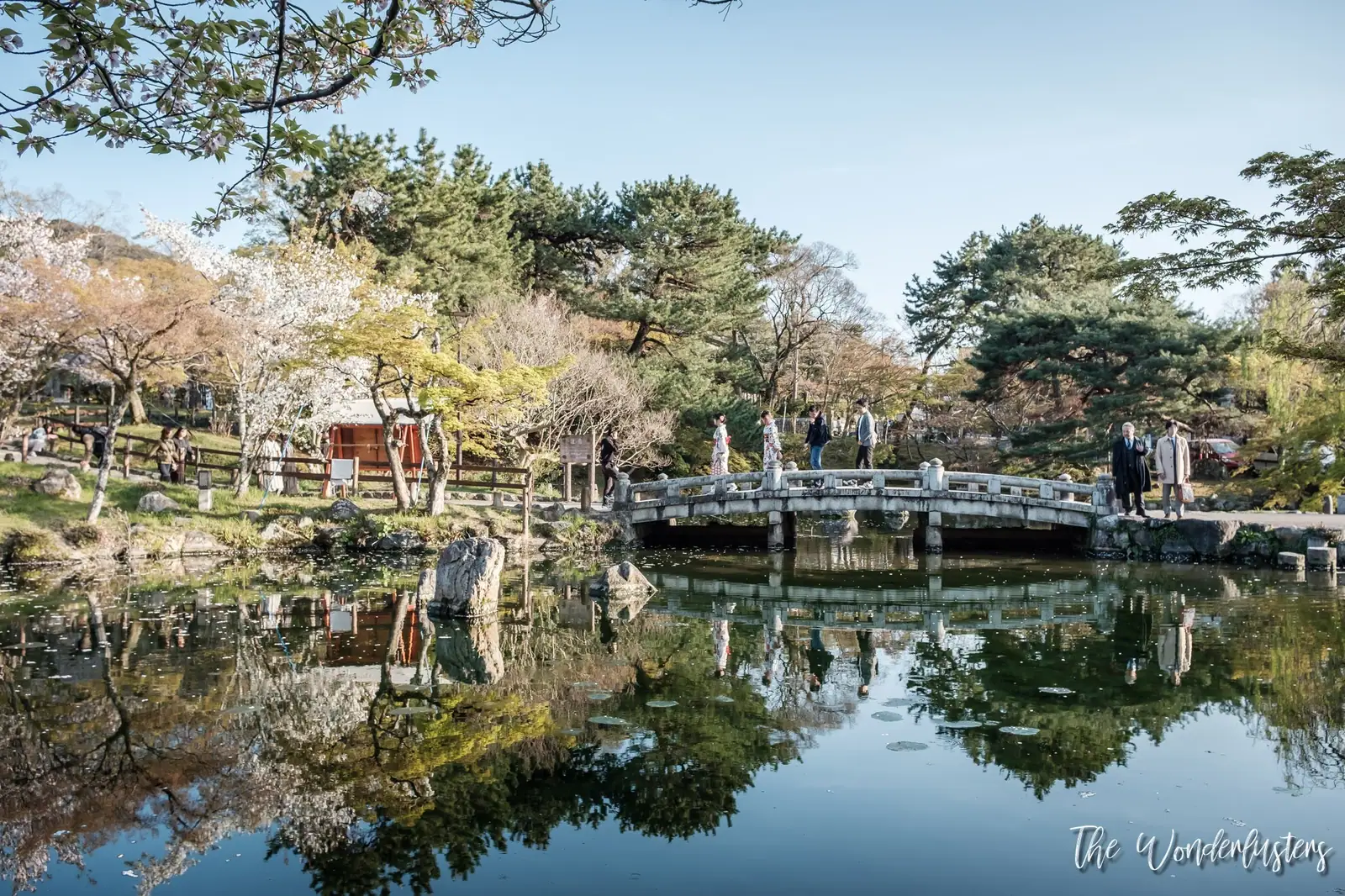
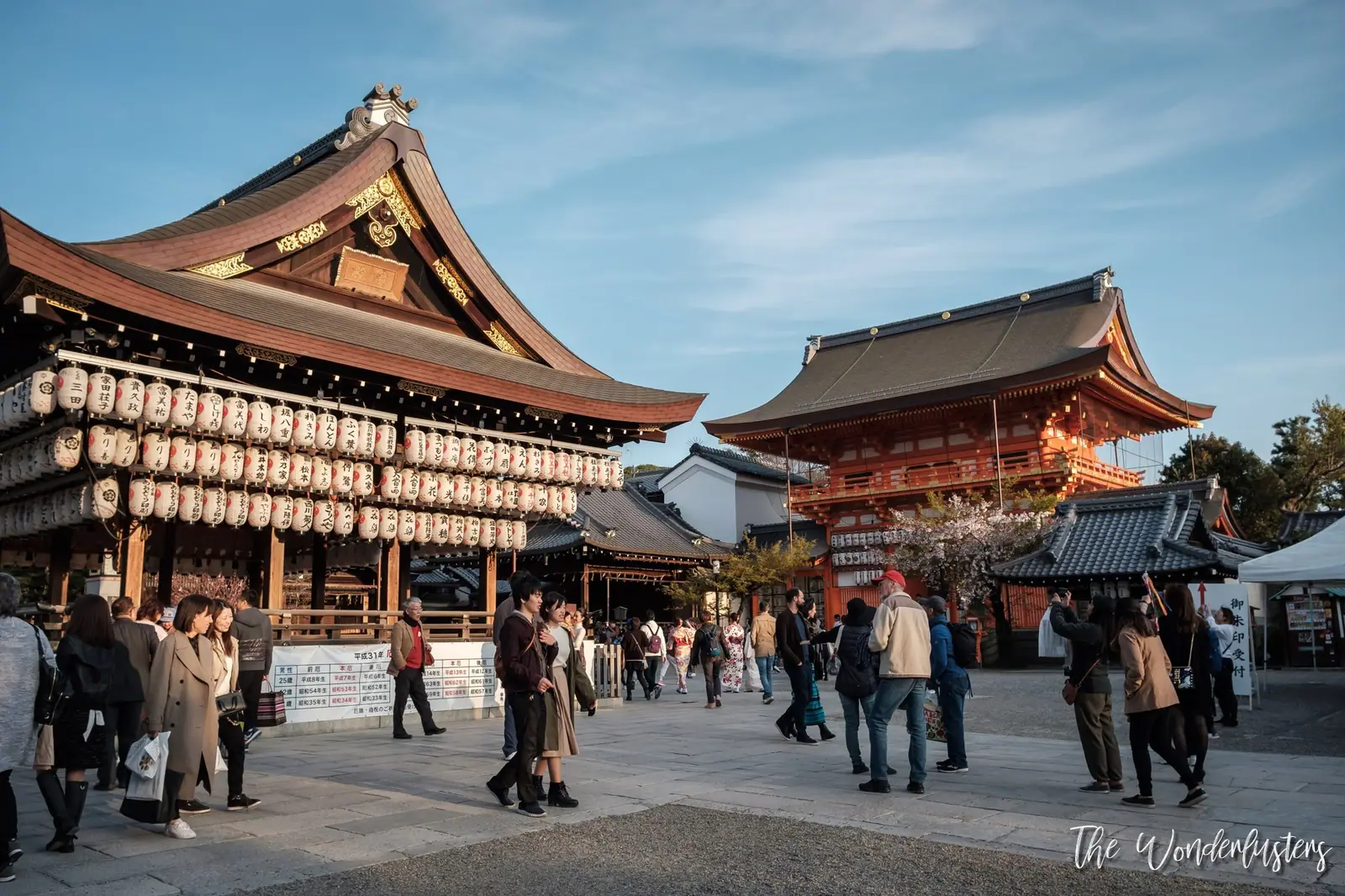
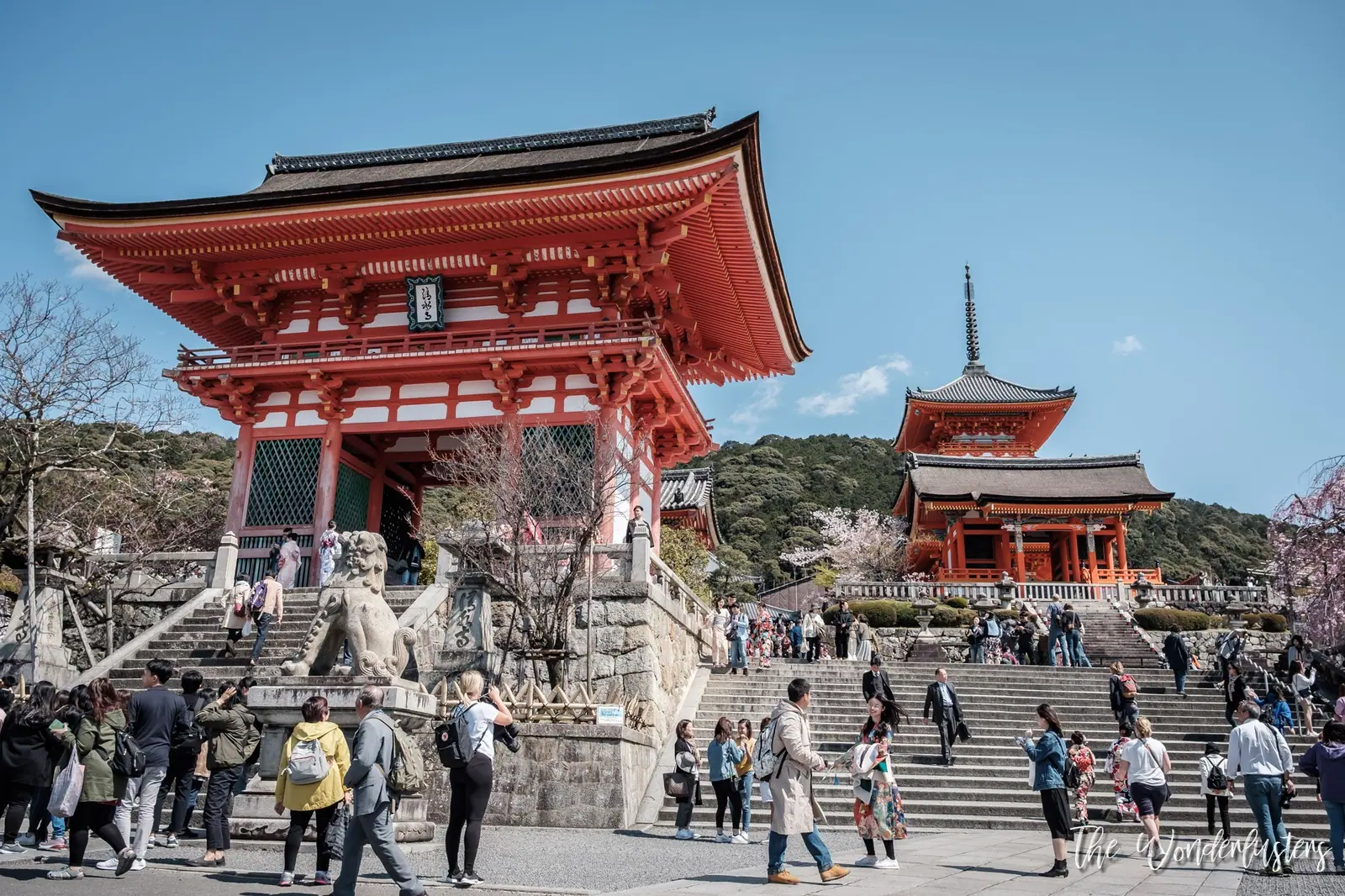
Kiyomizu-dera is a large complex of Buddhist and Shinto temples, a UNESCO World Heritage Site and one of the city’s most popular landmarks, built on a mountainside. Its main hall was under renovation during our visit, so we explored the rest of the complex instead, and it was still sublime.
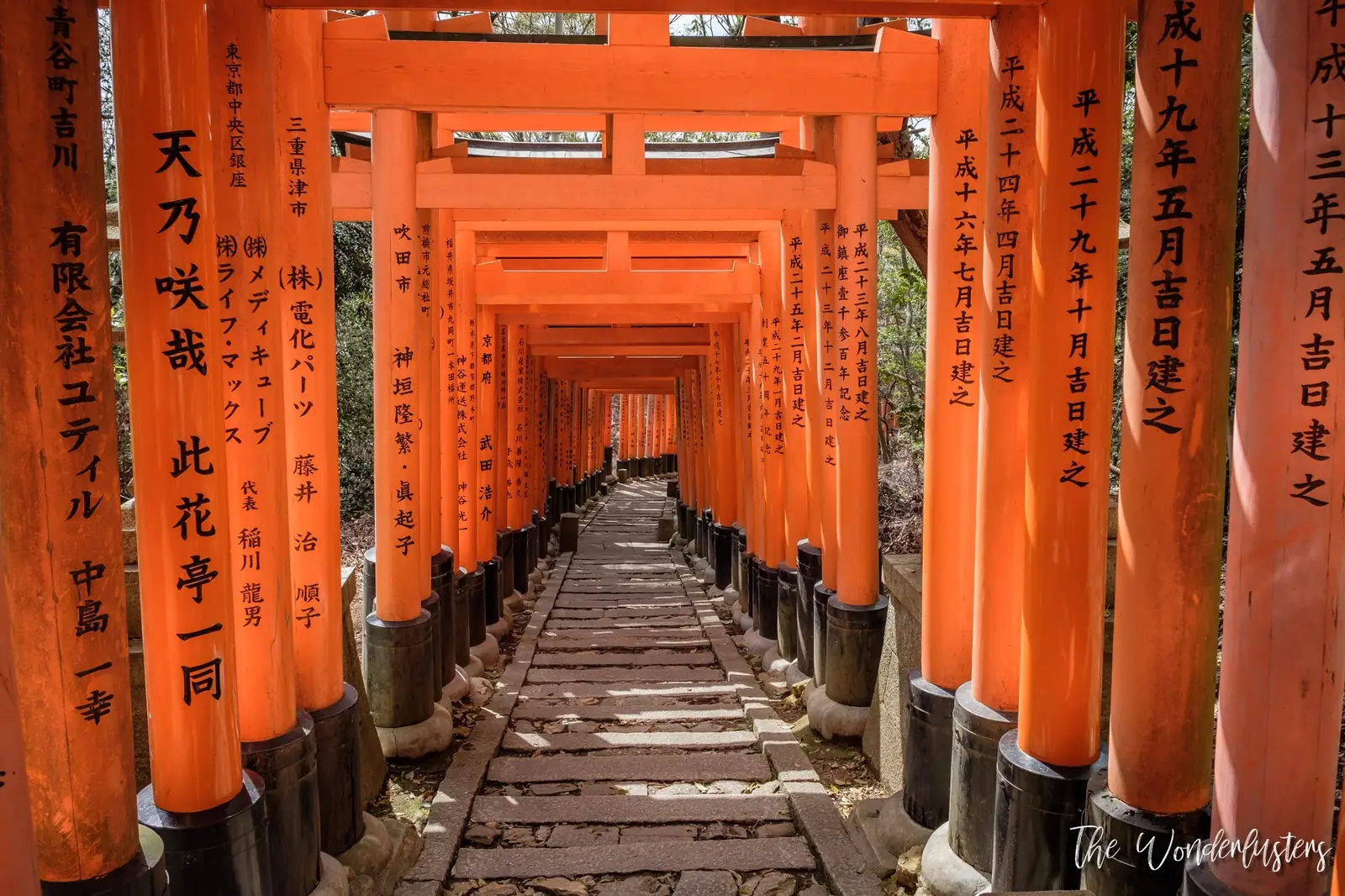
We wouldn’t have wanted to leave without seeing Fushimi Inari Taisha, the main Shinto shrine dedicated to the deity Inari, patron of trade. The site is known for its 10,000 torii, orange arches donated by companies, which cover the immense grounds. We walked for almost 3 hours and still didn’t see all of them.
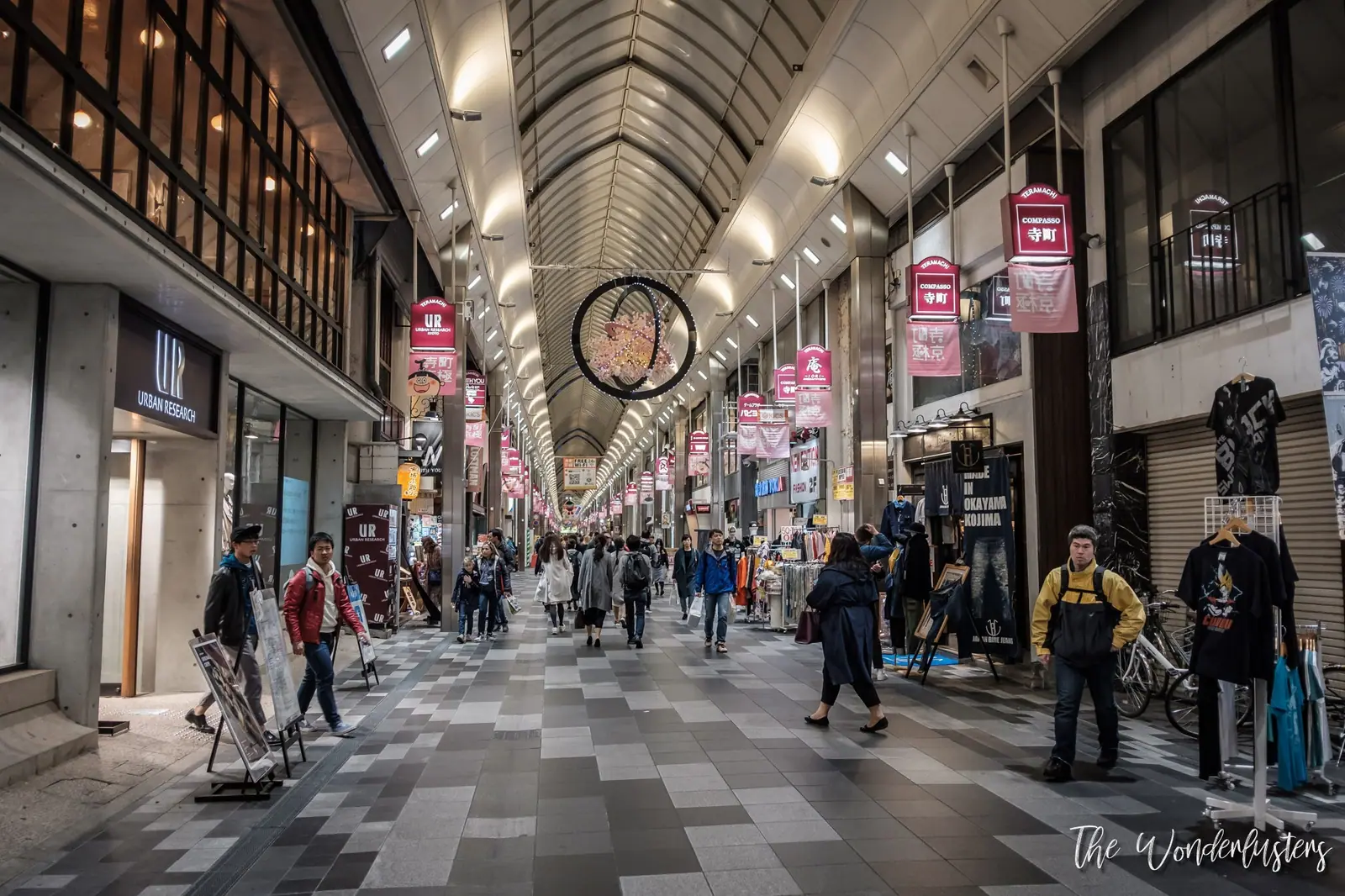
A detour to the covered shopping arcades of Teramachi and Shinkyogoku is worthwhile, especially since they connect to the equally famous Nishiki Market.
Osaka
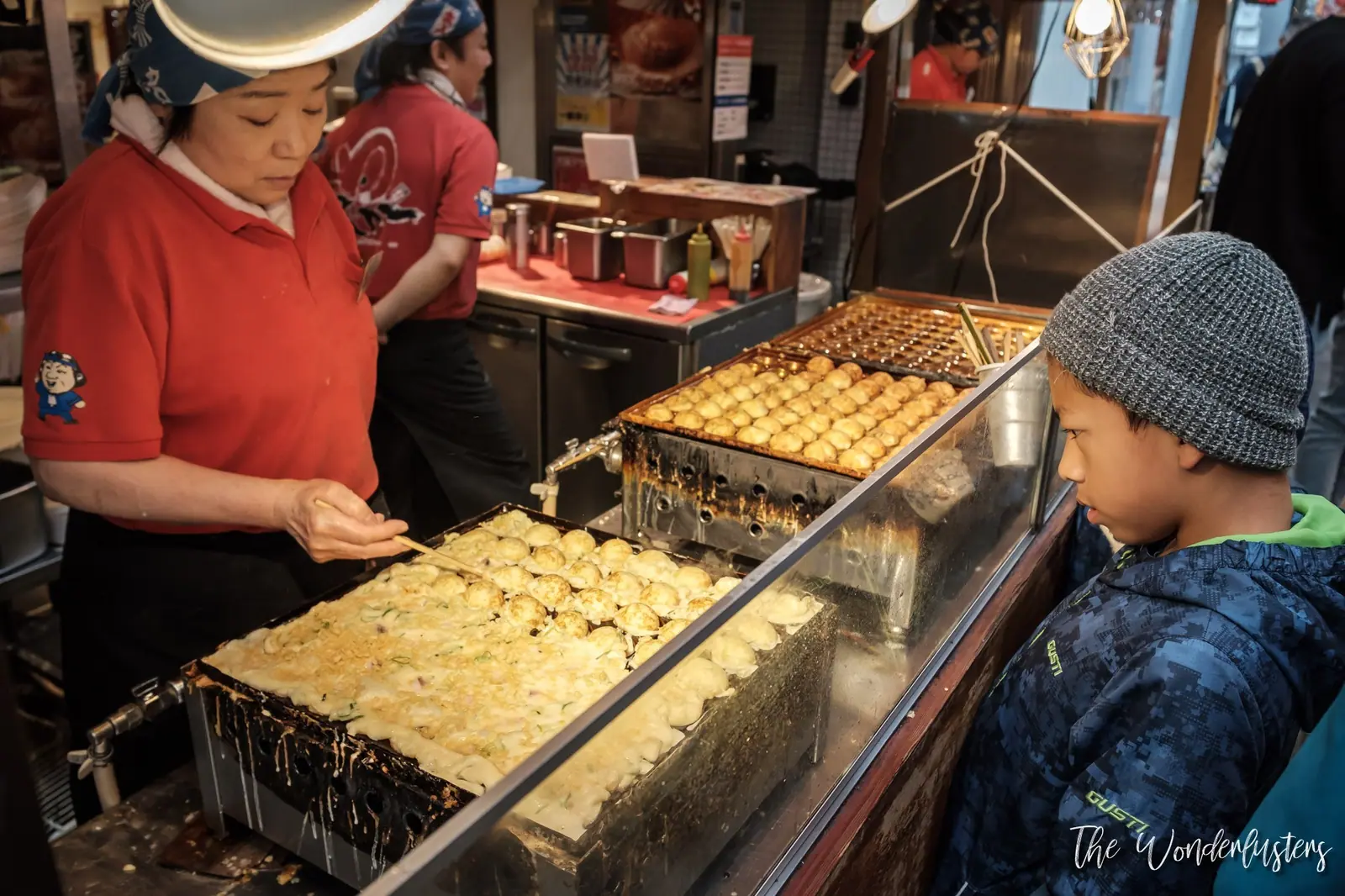
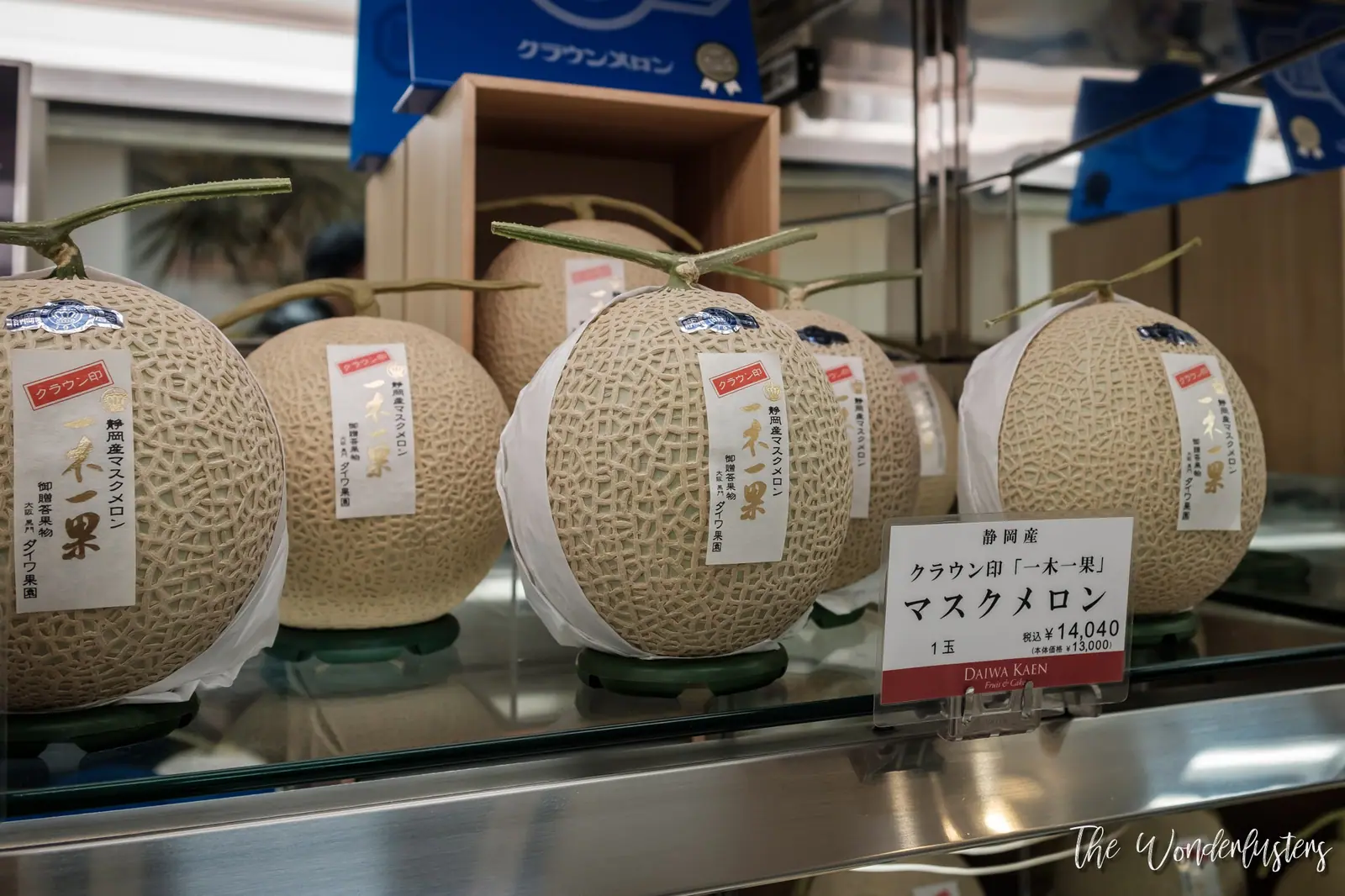
Osaka, overshadowed by Tokyo, has a metropolitan area of 20 million inhabitants that includes Kyoto and Kobe. For foodies, though, it has nothing to envy its rival: it’s a real haven for Japanese food. Walking through Kuromon Ichiba Market, we saw fruit at eye-watering prices, oversized seafood, and beef cuts with exceptional marbling. If we’d had an unlimited budget, we’d have tasted everything.
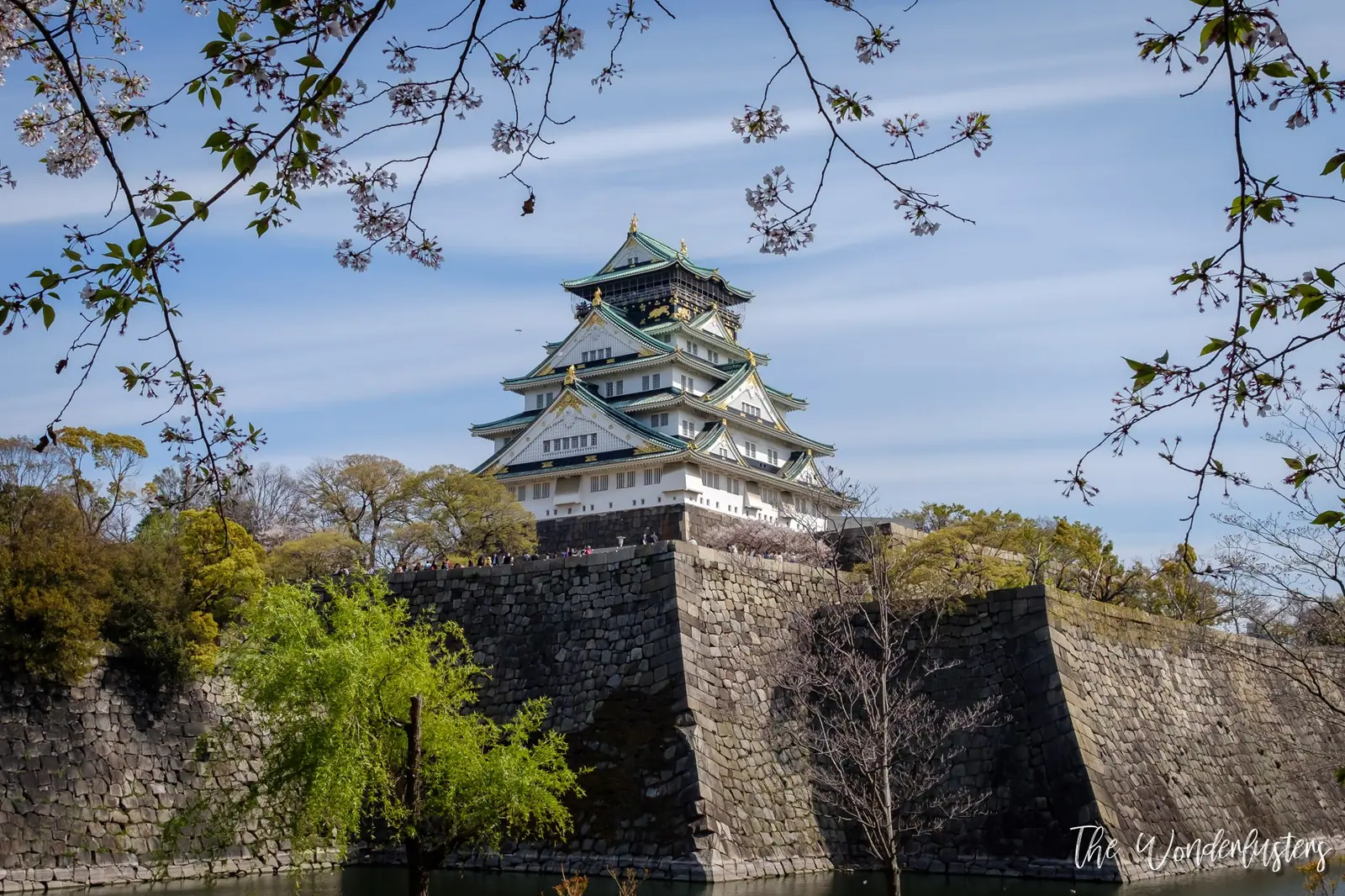
The city’s most popular tourist attraction, though, is its 16th-century Osaka Castle, which has been destroyed and rebuilt several times.
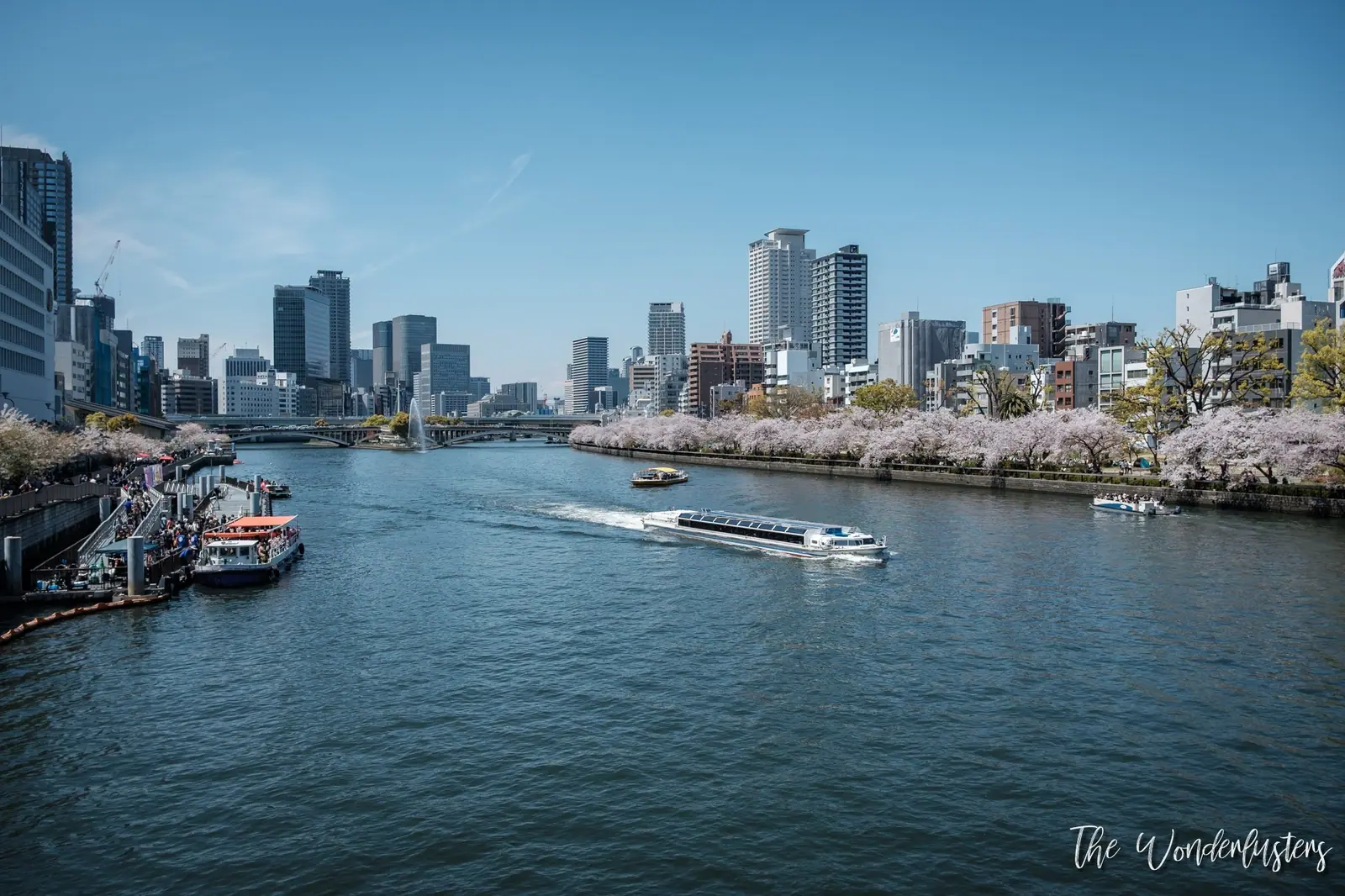
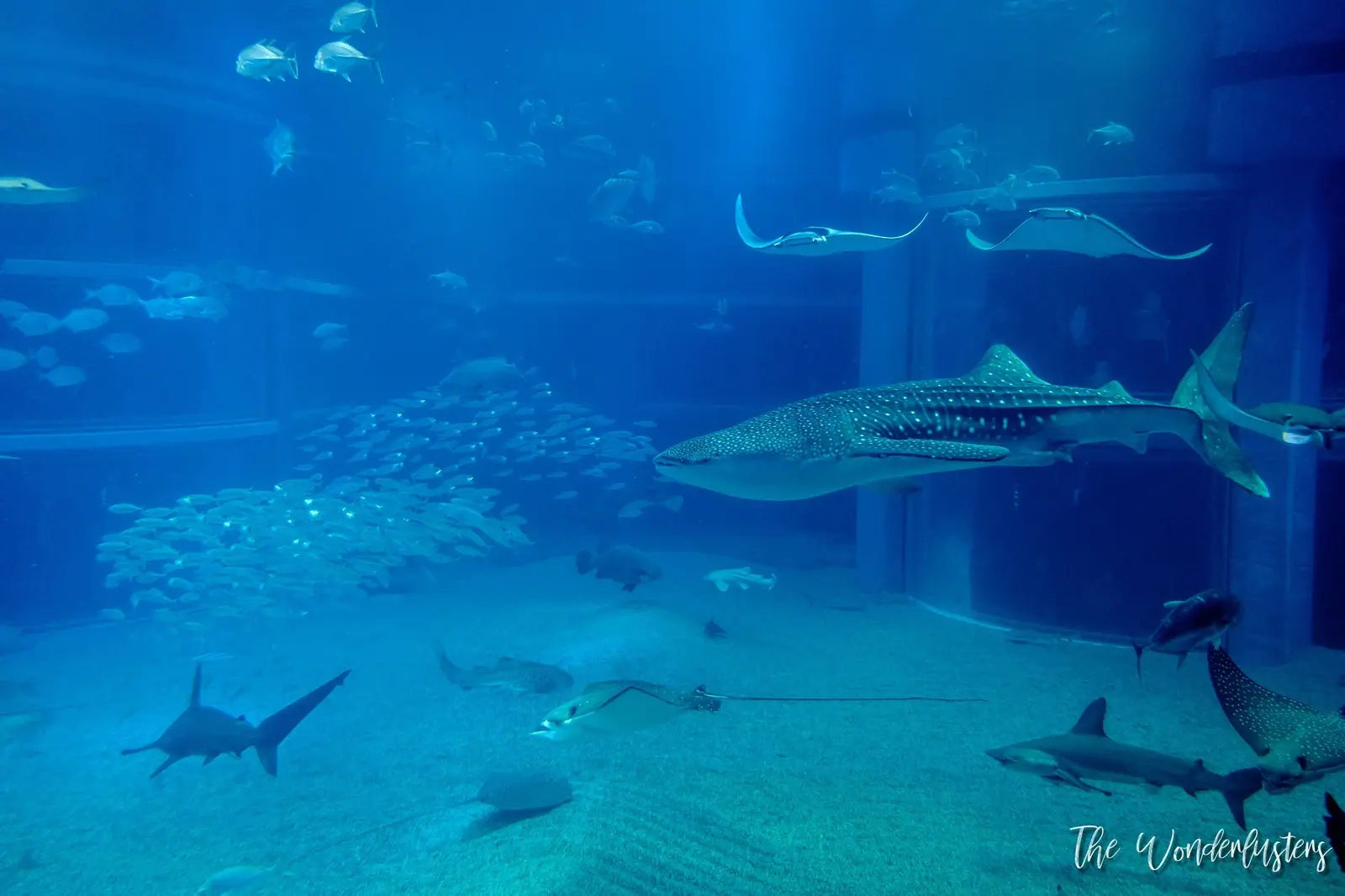
The Osaka Aquarium is renowned for one of the largest whale shark tanks in the world. We spent an entertaining half-day there while it rained outside.
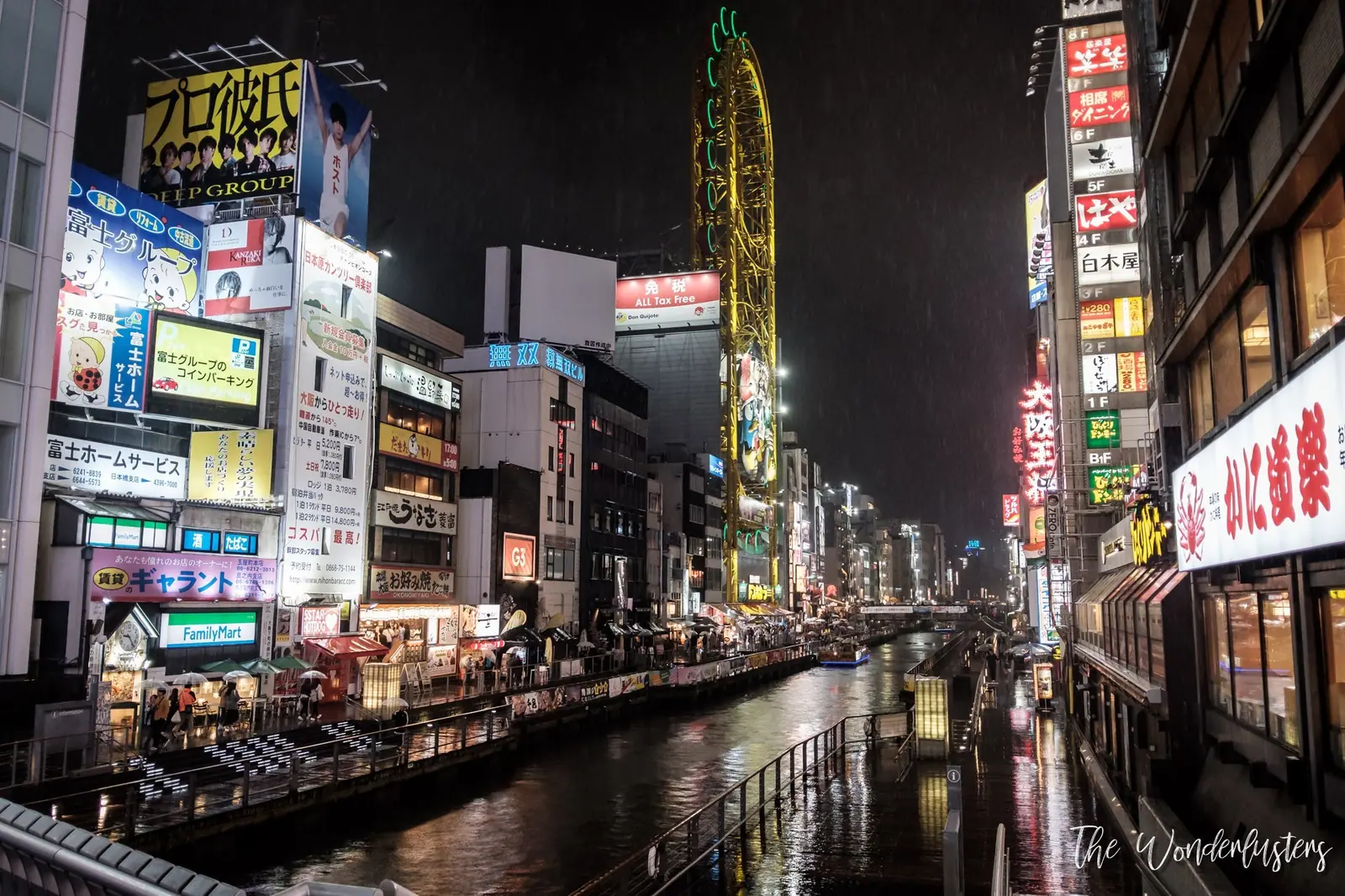
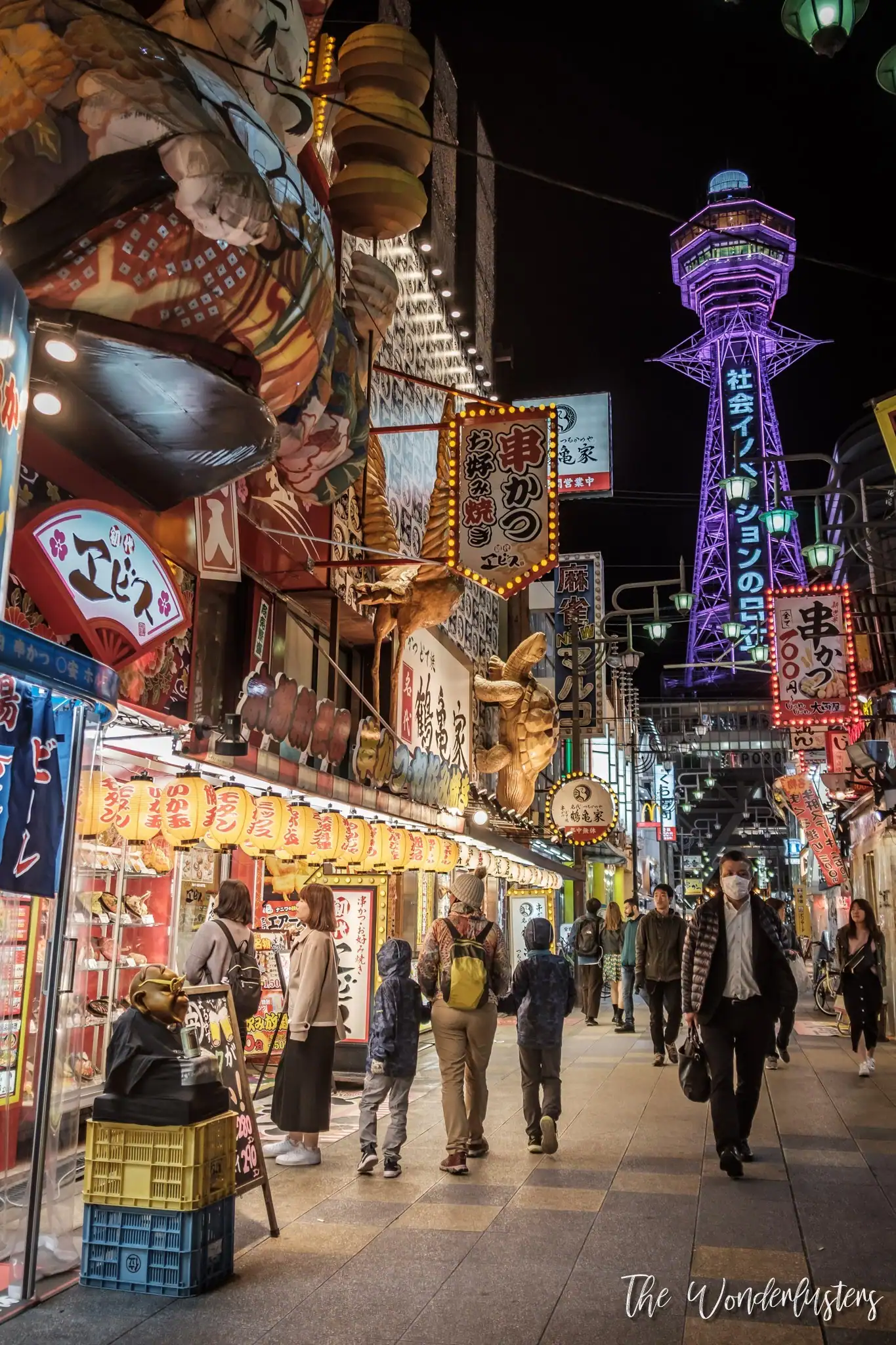
Dotonbori and Tsutenkaku light up at night and fill with people out for shopping and good food. It’s a dynamic you won’t find anywhere else in Japan.
Himeji
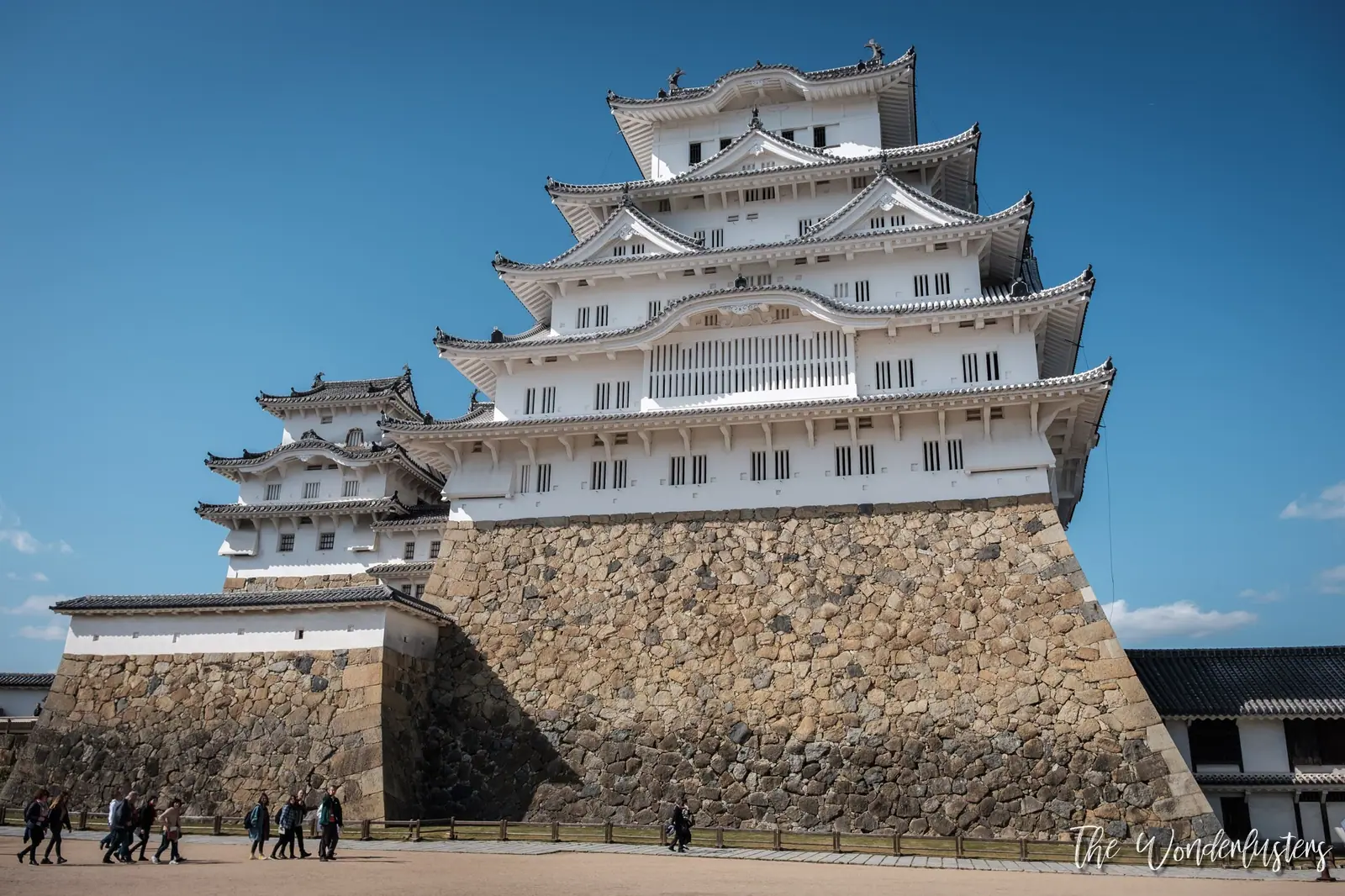
Himeji is home to what is considered the largest and most sumptuous castle in Japan. Himeji Castle is listed among Japan’s national treasures and is a UNESCO World Heritage Site.
Nara
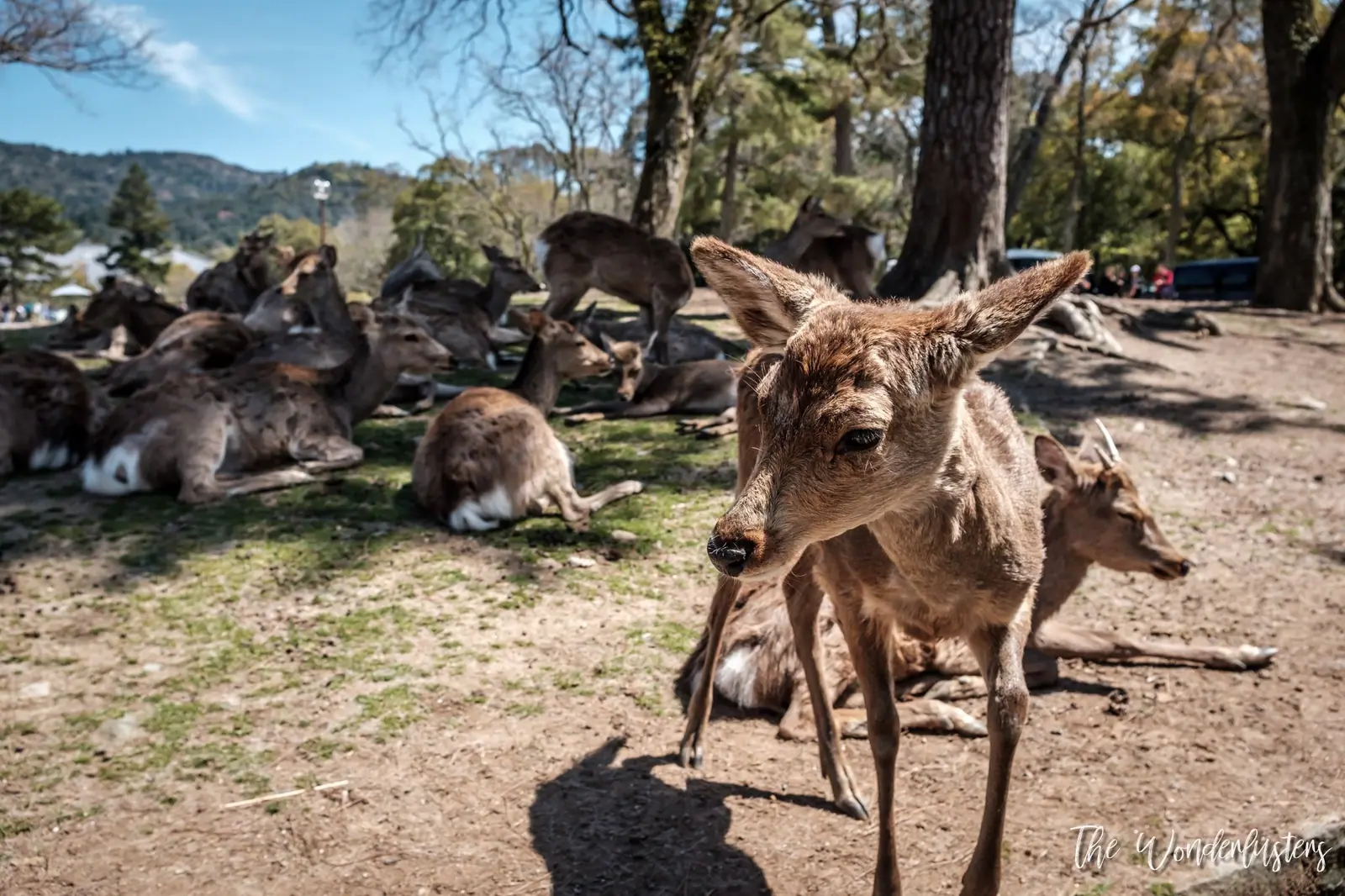
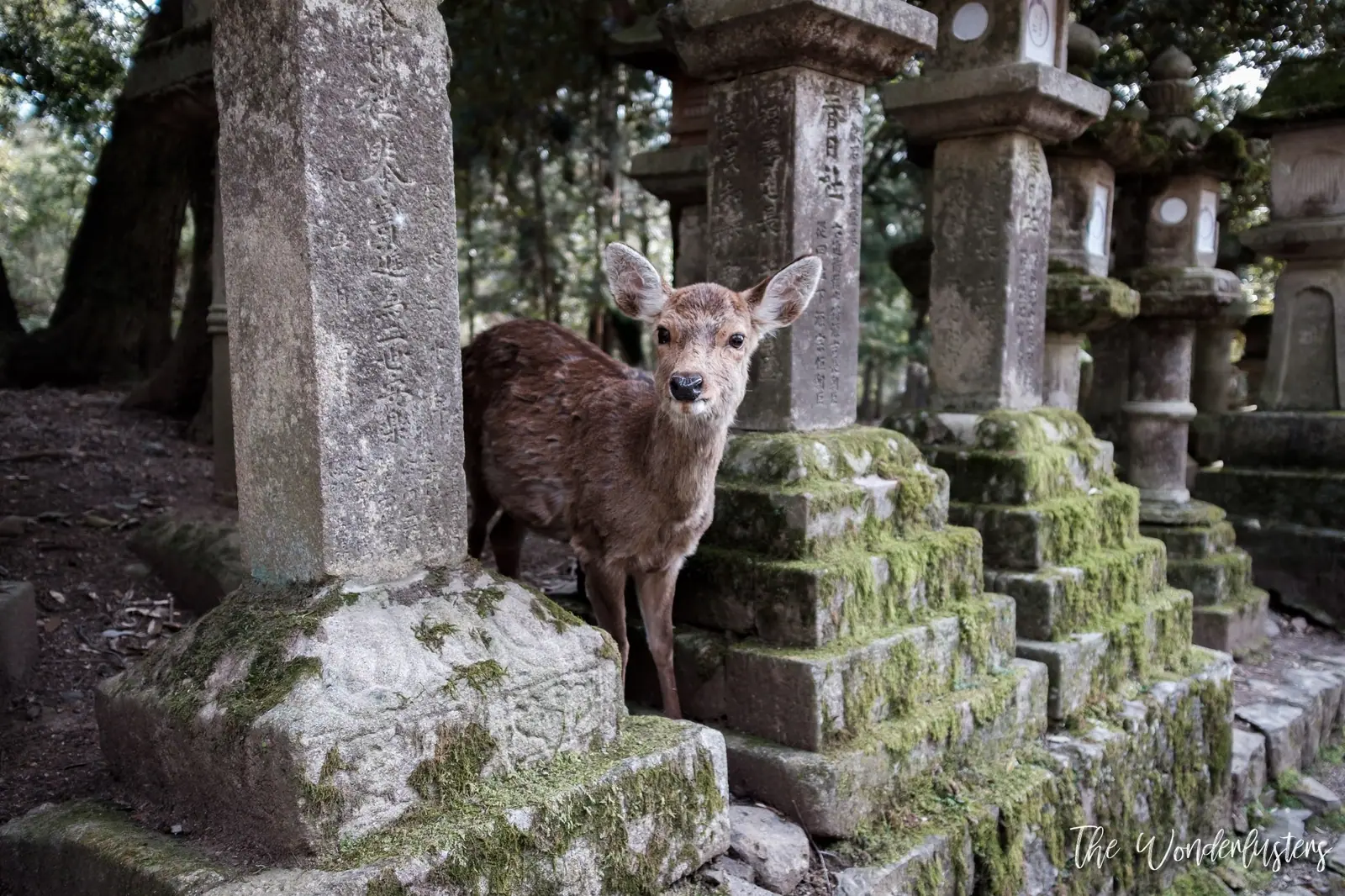
We spent a wonderful day in Nara, where deer roam freely around monuments listed as UNESCO World Heritage Sites. The deer are protected, since the imperial Fujiwara family proclaimed them messengers of the Shinto gods. It’s funny to watch them bow for biscuits from tourists.
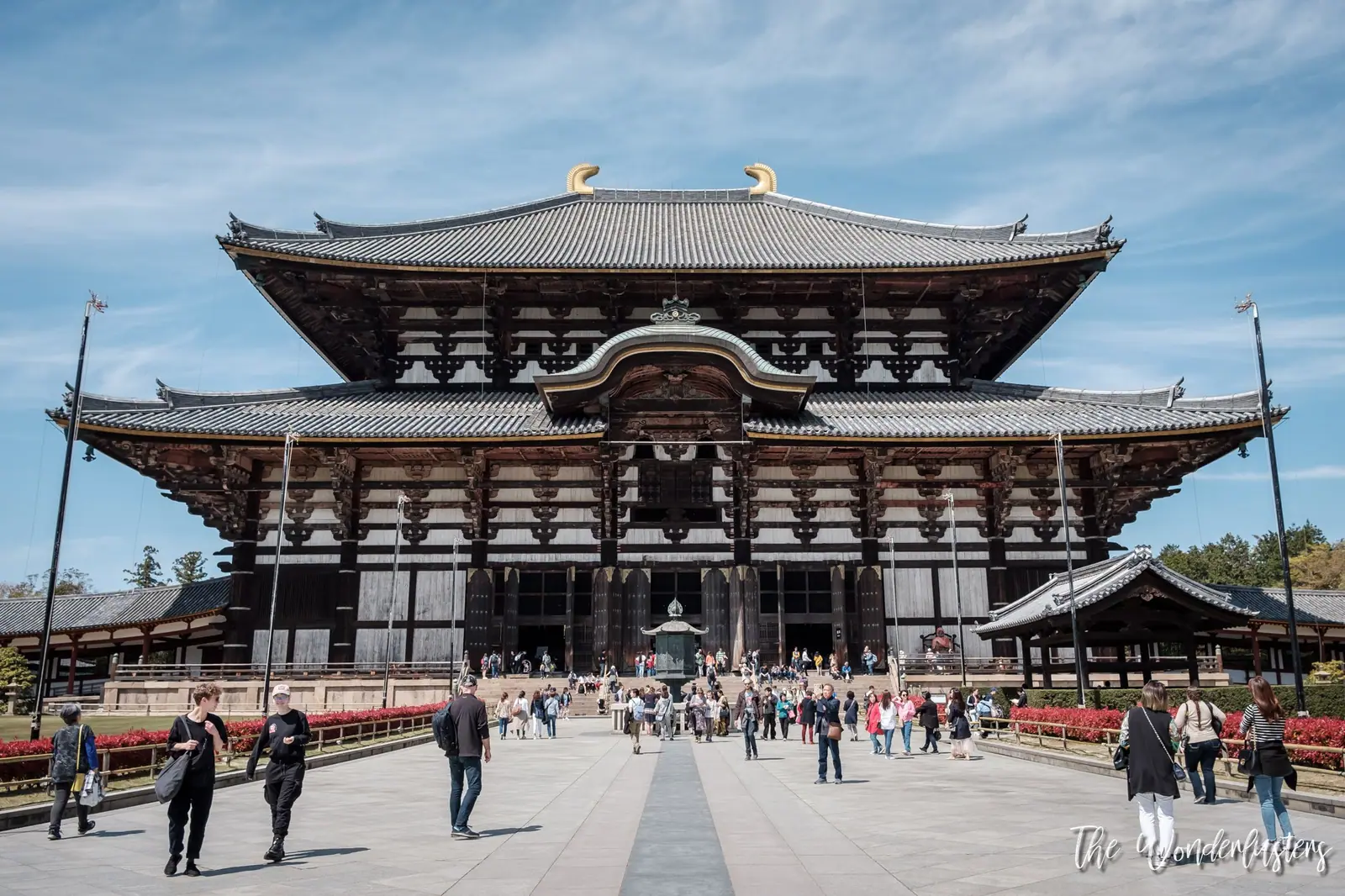
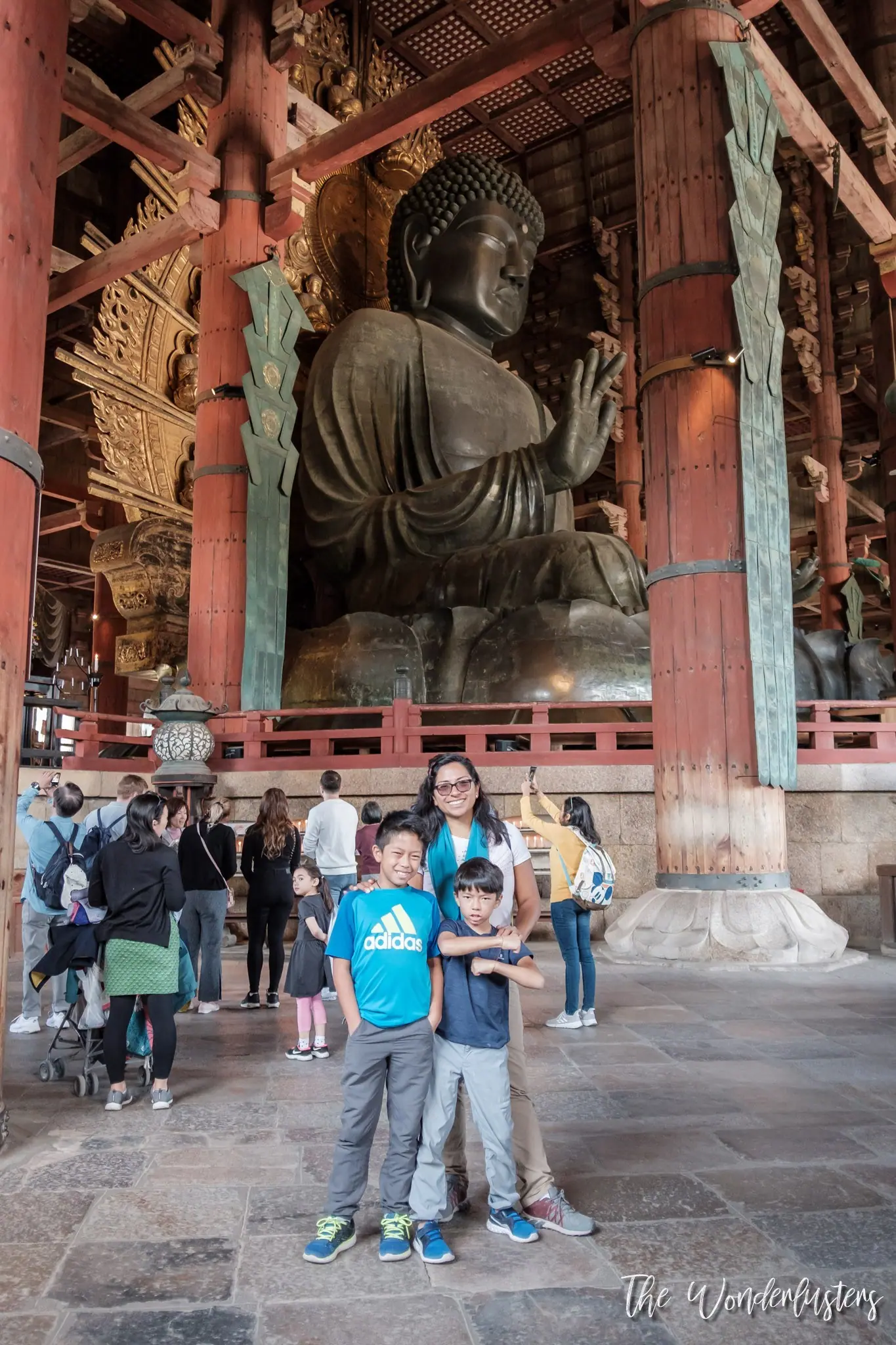
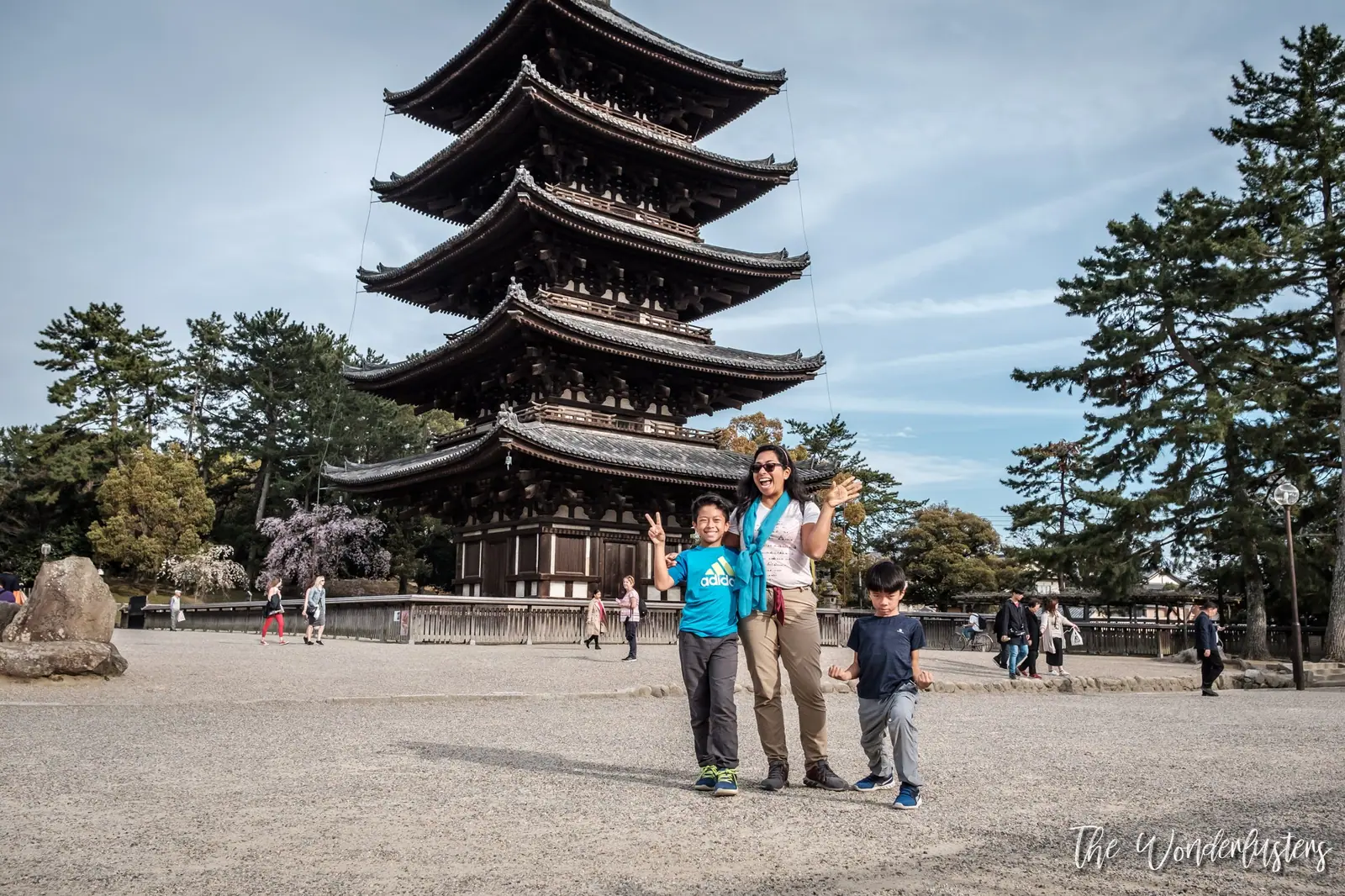
We visited the Todaiji complex, which includes several buildings, among them the Daibutsuden — the world’s largest wooden structure, home to the largest bronze Buddha in the world (15 meters high and 500 tonnes).
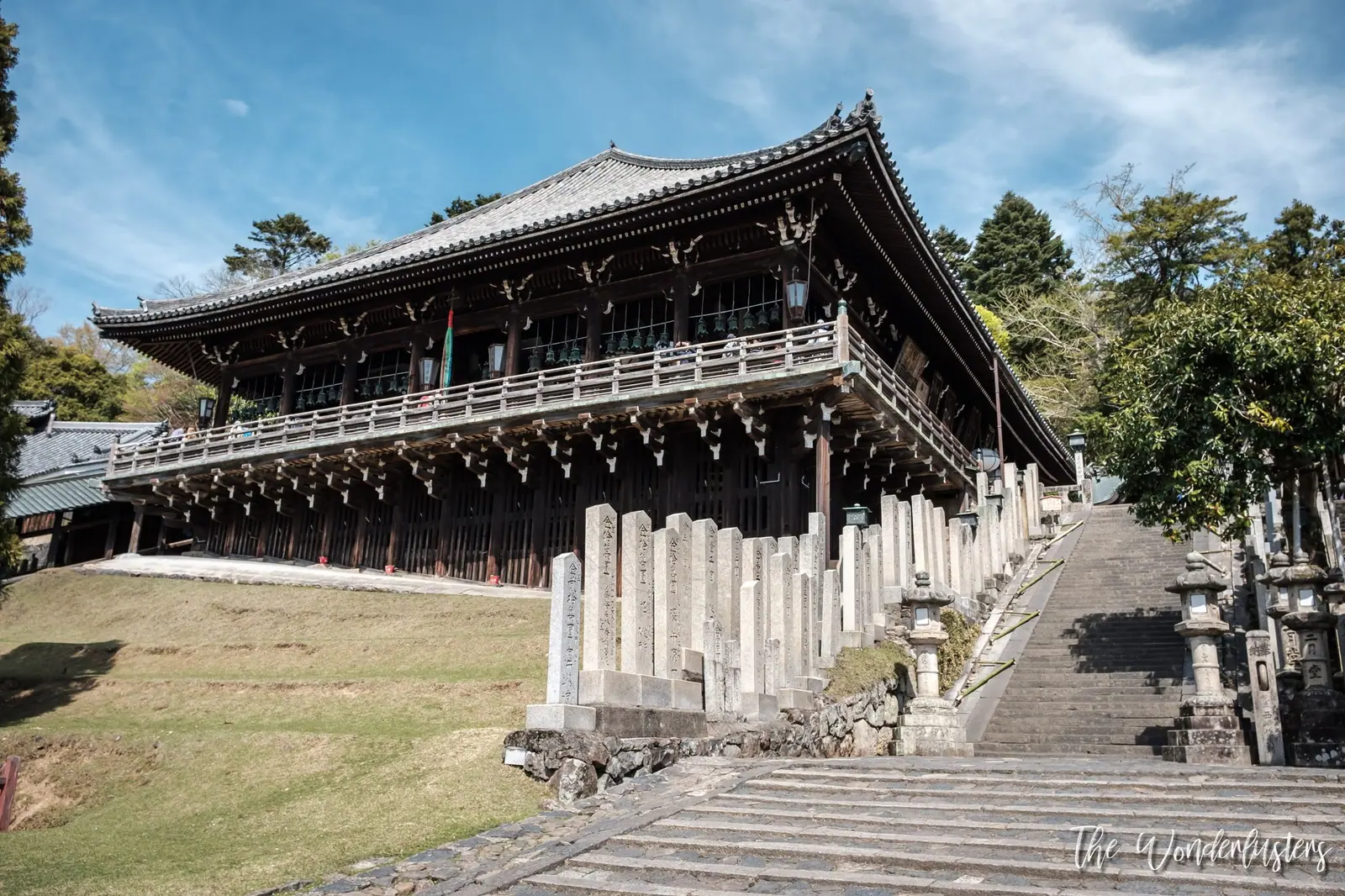
Not far from there is the Nigatsu-do temple, another national treasure of Japan.
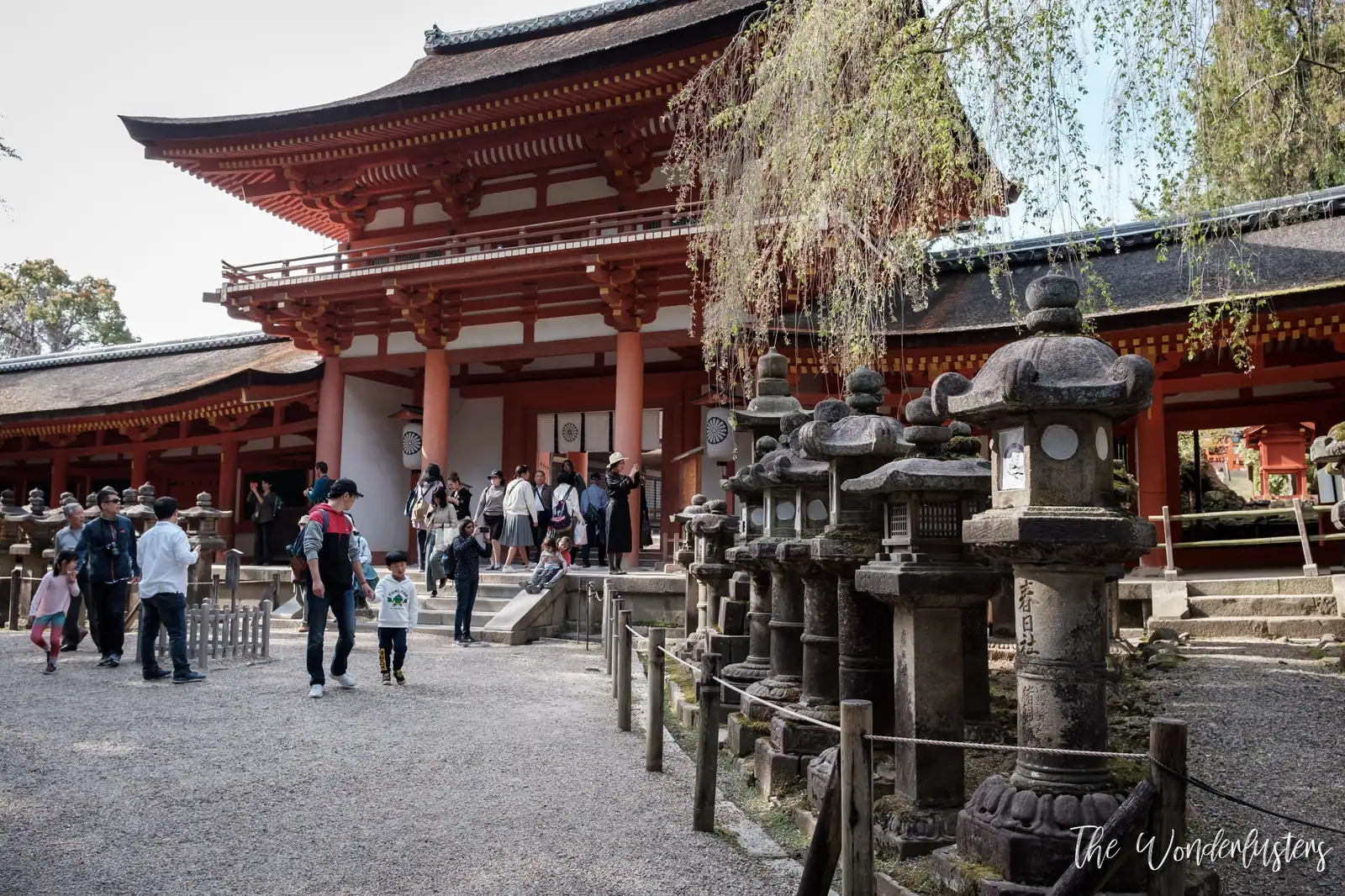
The Kasuga Taisha sanctuary, in the middle of a forest protected for more than a thousand years, is a sacred place known for its many stone and bronze lanterns.
How to Plan 3 Weeks in Japan
Itinerary: Tokyo, Kyoto and Osaka
We stayed 9 nights in Tokyo, which gave us enough time to settle into the Japanese way of life — not too long, since Tokyo is a megalopolis where the main attractions are scattered across the city. We then spent 5 nights in Kyoto, before heading to Osaka for 6 nights, which we used as a base for day trips to Kobe, Himeji and Nara.
Accommodation Cost
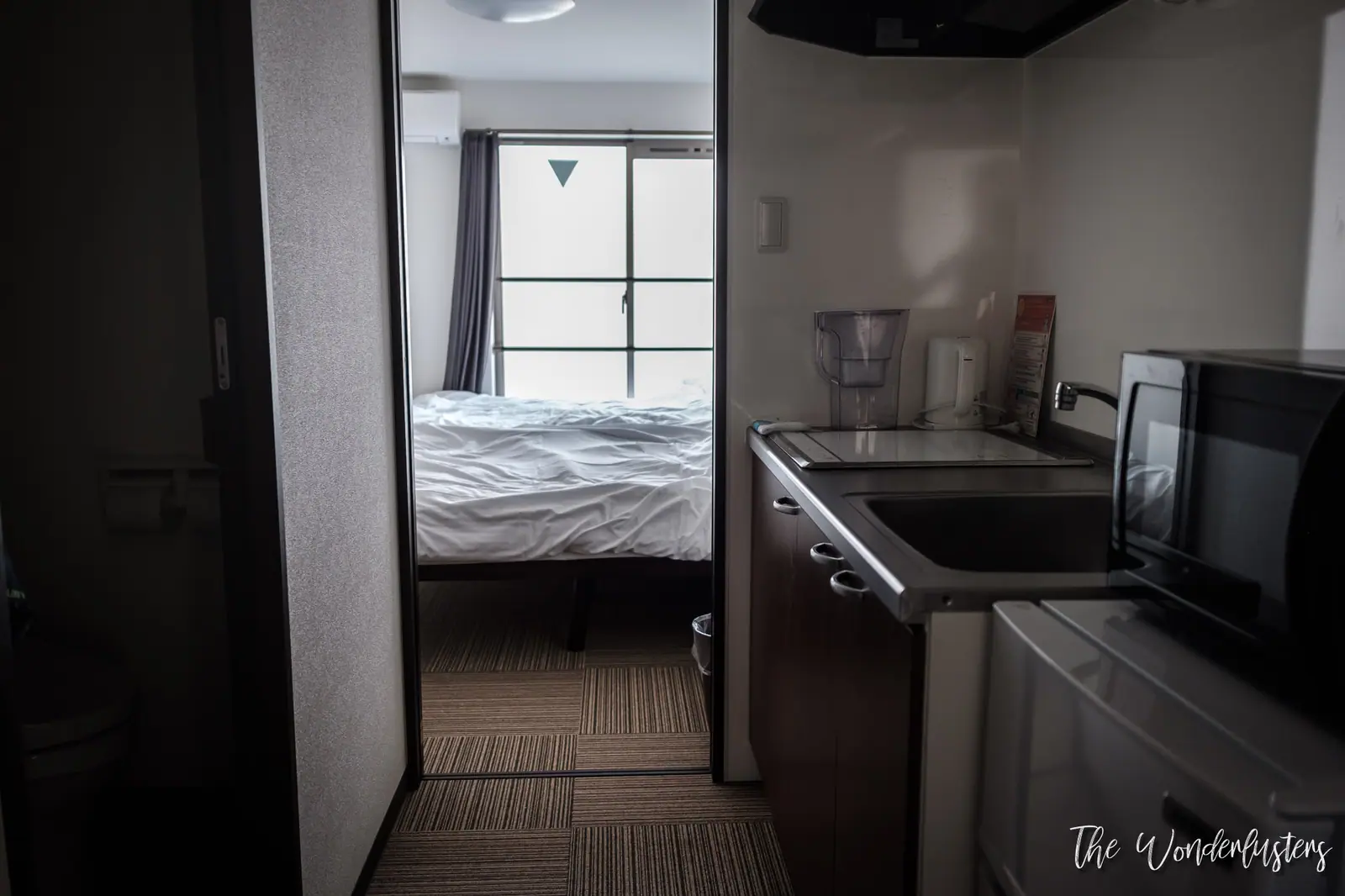
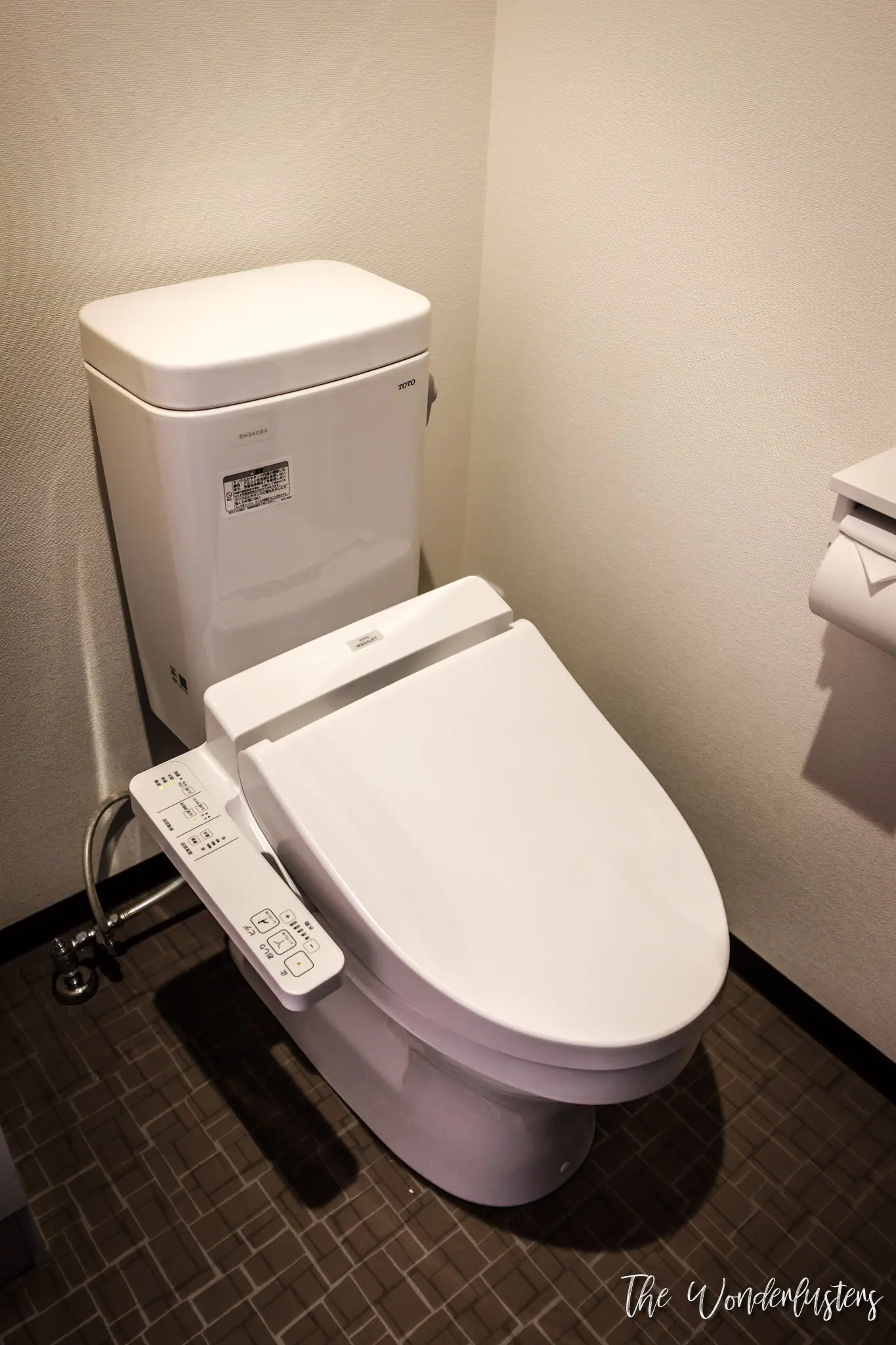
Housing is considered extremely expensive in Japan, more so during cherry blossom season, so we booked more than 6 months in advance rather than at the last minute. Even though the hotel occupancy rate was already at 90% when we booked, we still found a very acceptable hotel at a good rate: our 20 nights of accommodation cost 105,300.00 JPY (944.36 USD), or 5,265.00 JPY (47.22 USD) per night, for our family of 4.
Getting Around: Tokyo to Kyoto and Public Transport
Here’s a travel-hacking tip: to connect Tokyo to Kyoto without losing a full day, we had 2 choices:
- Take a train, which would have cost between 92 and 127 USD per person.
- Take a flight with Japan Airlines between Tokyo Haneda and Osaka Itami using points (4500 Avios points + 3.70 USD), then a one-hour train for 980.00 JPY (8.79 USD) to reach Kyoto.
In 2019, Haneda Airport picked up some of the industry’s most prestigious Skytrax awards: 2nd best airport in the world (after Singapore Changi), best domestic airport in the world, and cleanest airport in the world. As we looked out the windows before takeoff, we couldn’t believe it: the runway agents waved and wished us a happy flight.
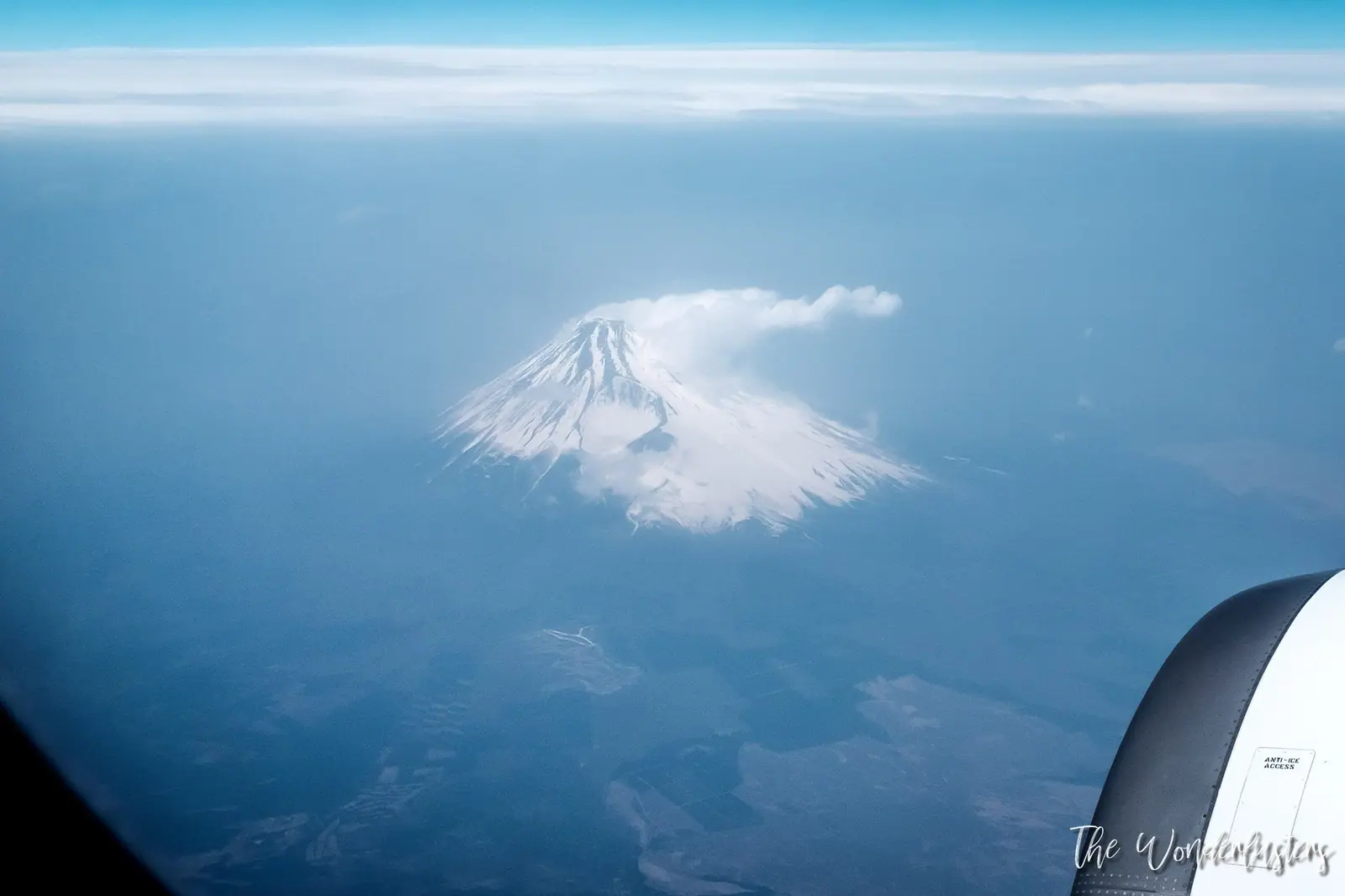
We hadn’t planned to visit the iconic Mount Fuji on this trip. No problem: we still got to admire it from the sky. Not quite the same as standing at its base, but we saw it from very close.
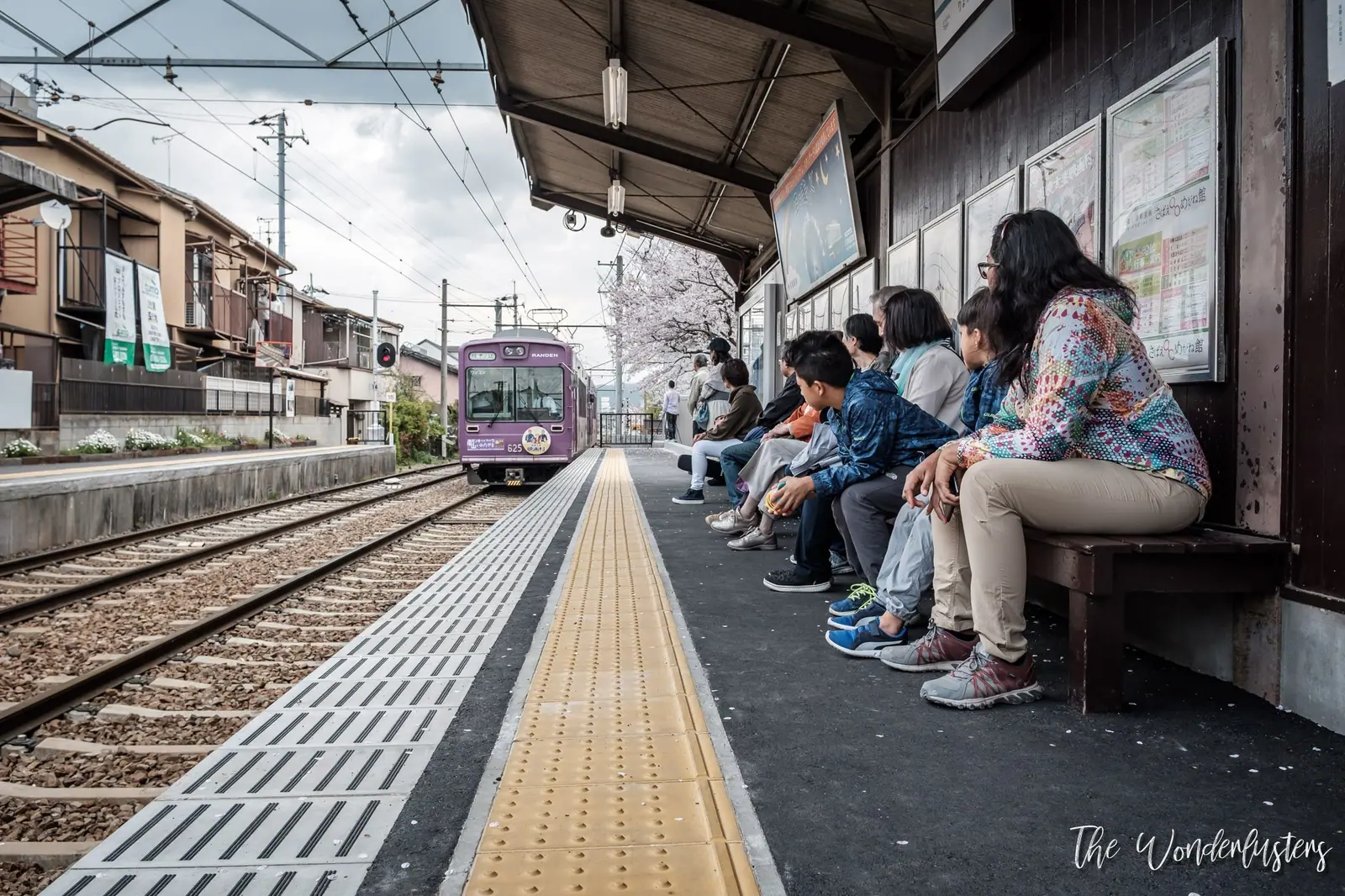
Japan is known for the ease of use, frequency and reliability of its public transport. We used a lot of trains and buses to get around, and since most of our trips were short distances, we didn’t think it was worth buying a JR Pass. We did carry IC Cards (Pasmo in Tokyo and Icoca in Kyoto/Osaka), practical prepaid cards that let you use public transport and get debited automatically by tapping at the terminals at station entrances and exits.
When the distances we had planned to travel were longer, we saved money by taking day tickets, such as the Kansai Area Pass in the Osaka area, or the Tokyo Subway 24, 48 ou 72-hour Tickets.
2026 update: JR West is discontinuing the Kansai Area Pass: the last day of sale is September 30, 2026, and passes bought by then remain valid for their full validity period (official announcement).
Google Maps was our best friend for orientation: all we had to do was enter our destination and it gave us the transport options, schedules, costs and boarding platforms.
The Language Barrier
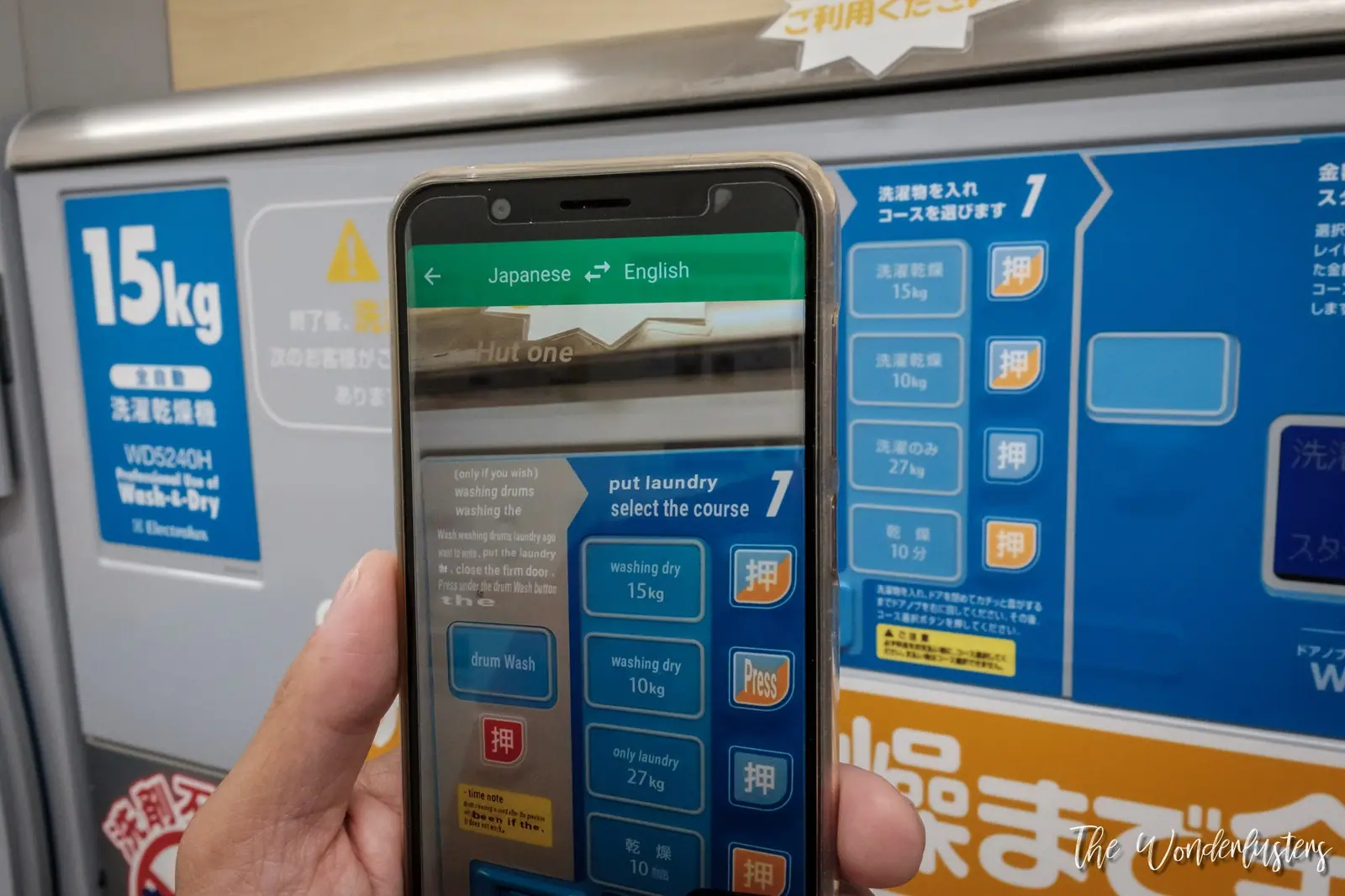
Since we don’t speak a word of Japanese, we relied on Google Translate, which can translate Japanese text in augmented-reality mode by pointing your phone’s camera at a sign.
What to Eat in Japan
Kobe Beef
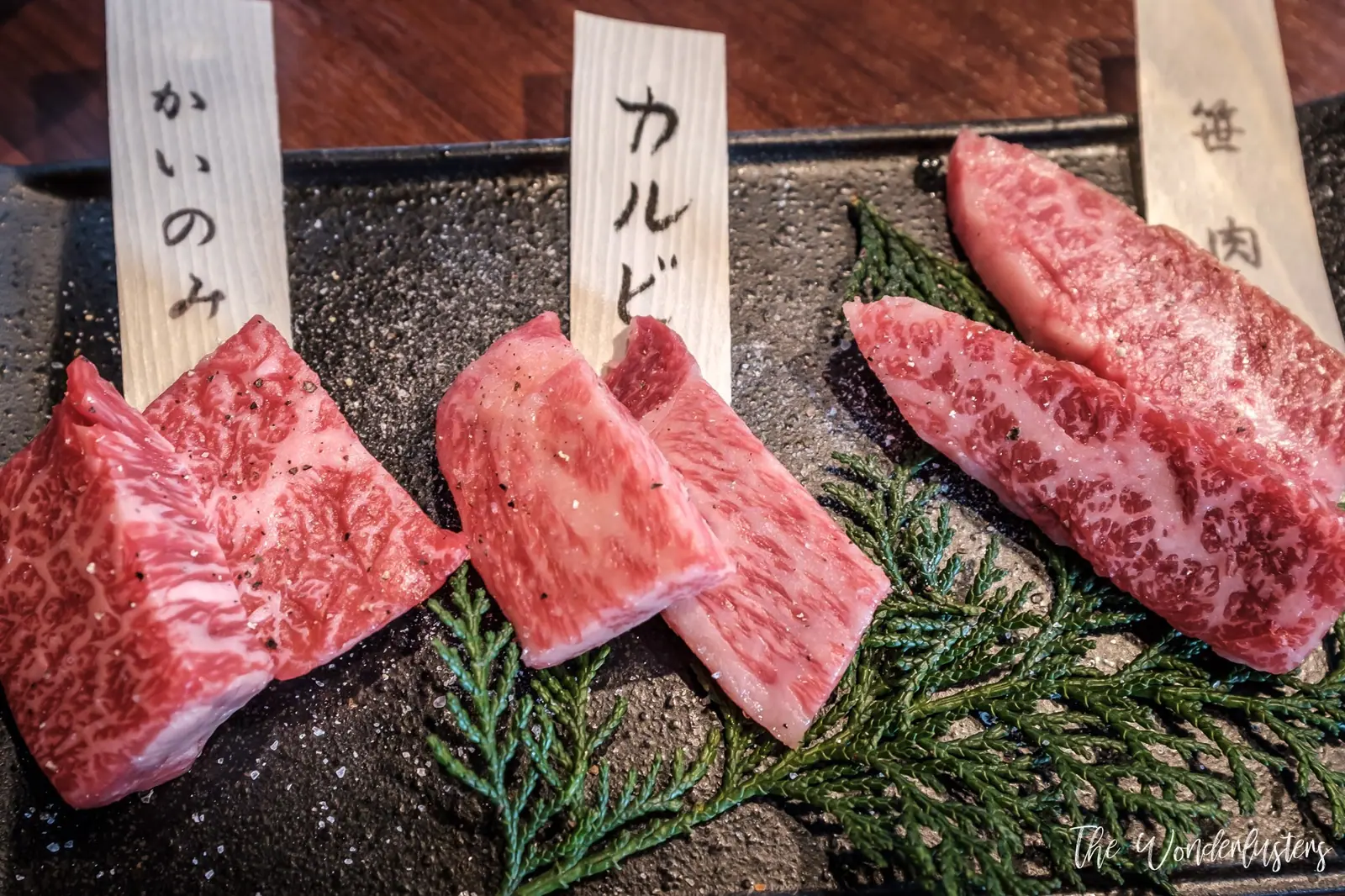
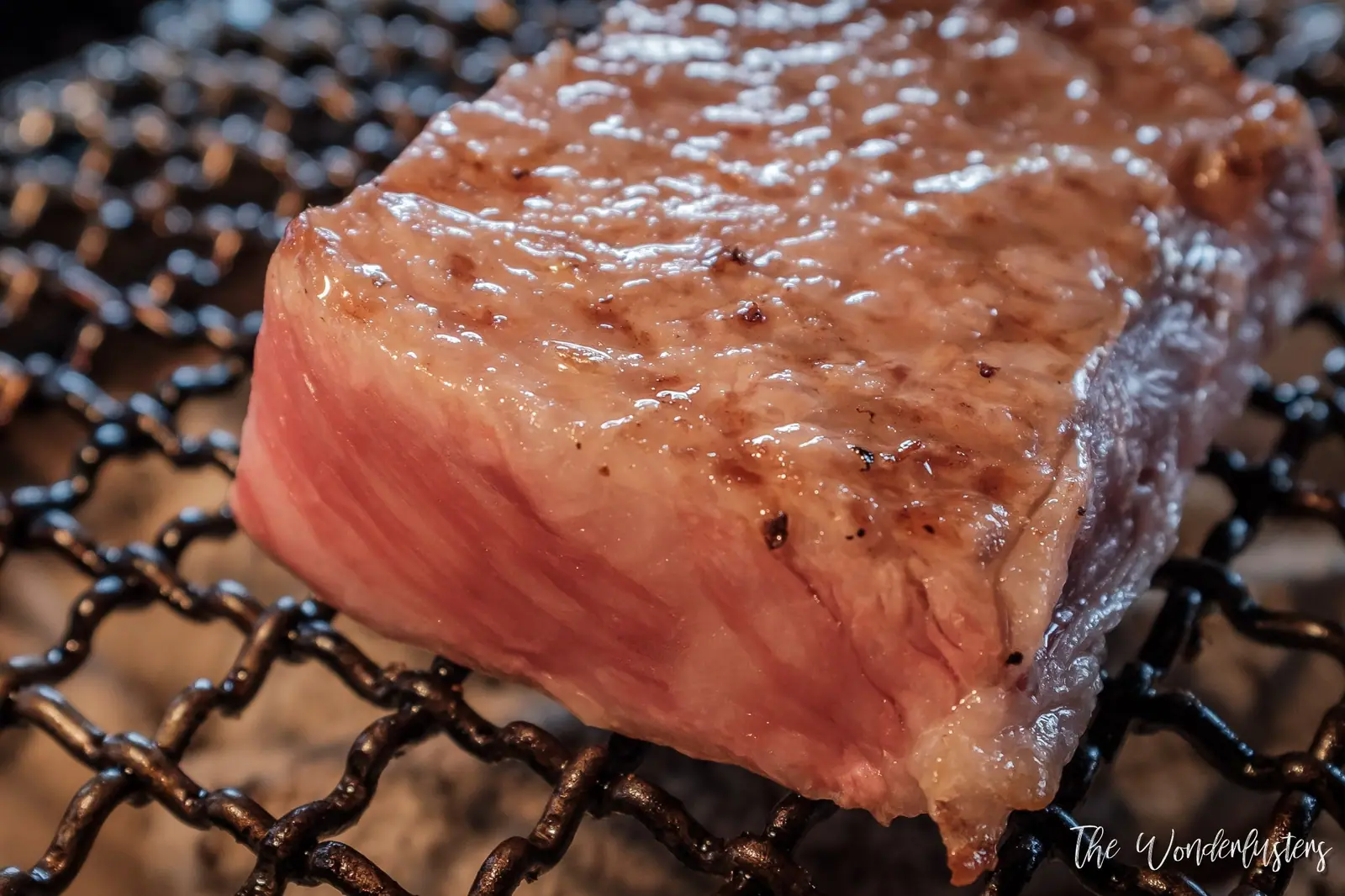
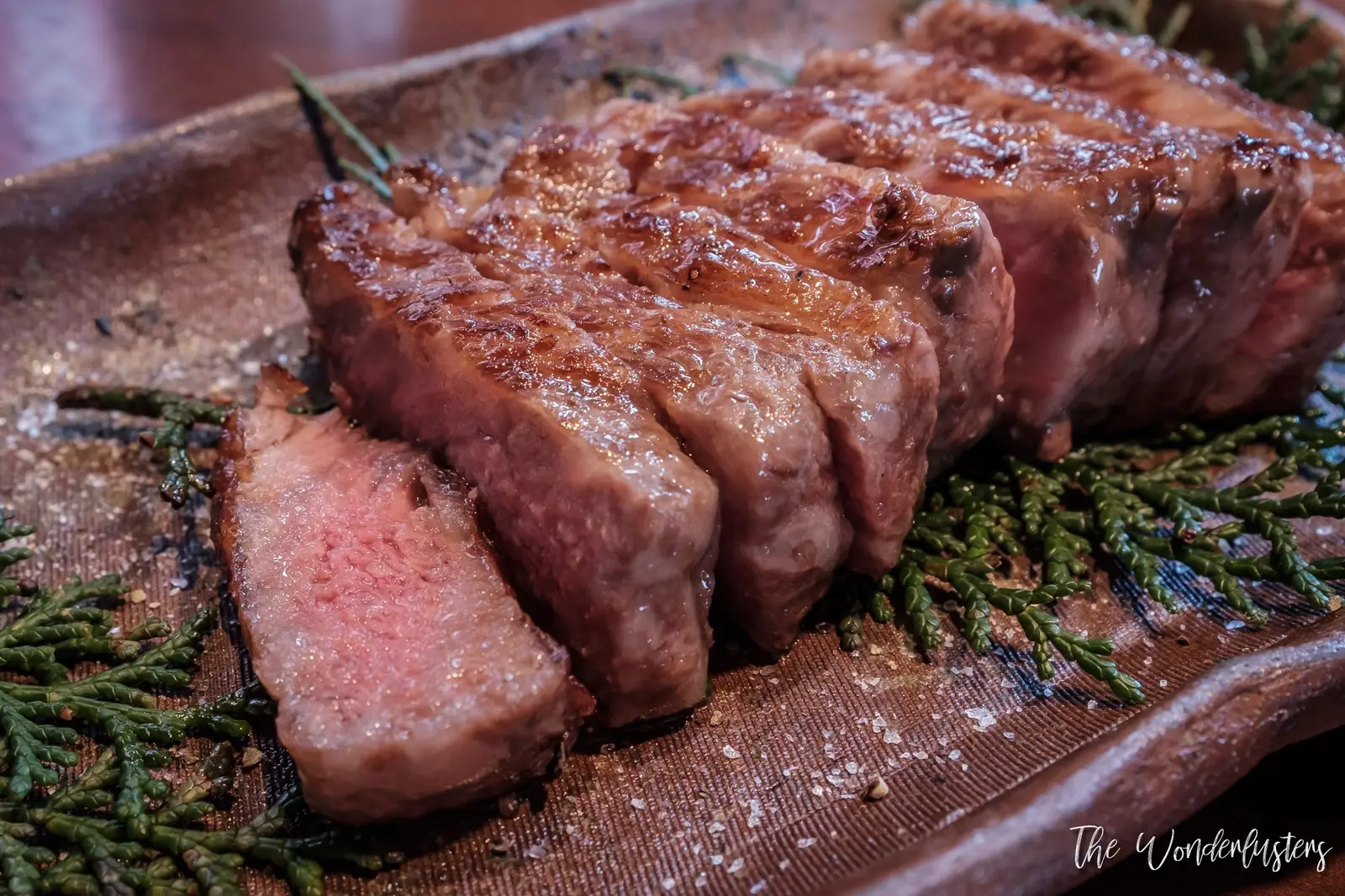
We had the pleasure of a meal we’ll remember for a very long time. We went to the La Shomon restaurant in Tarumi, a few minutes from Kobe by train, to taste what’s considered nothing short of the best beef in the world. It was simply the best meal we’ve ever had.
This meal cost us the “modest” sum of 20,051.00 JPY (179.82 USD), including 12,960.00 JPY (116.23 USD) for the sole 100 gram cut of Kobe!
Now you know what’s left to do if you ever make it to Japan!
Fugu, One of the World’s Most Poisonous Fish
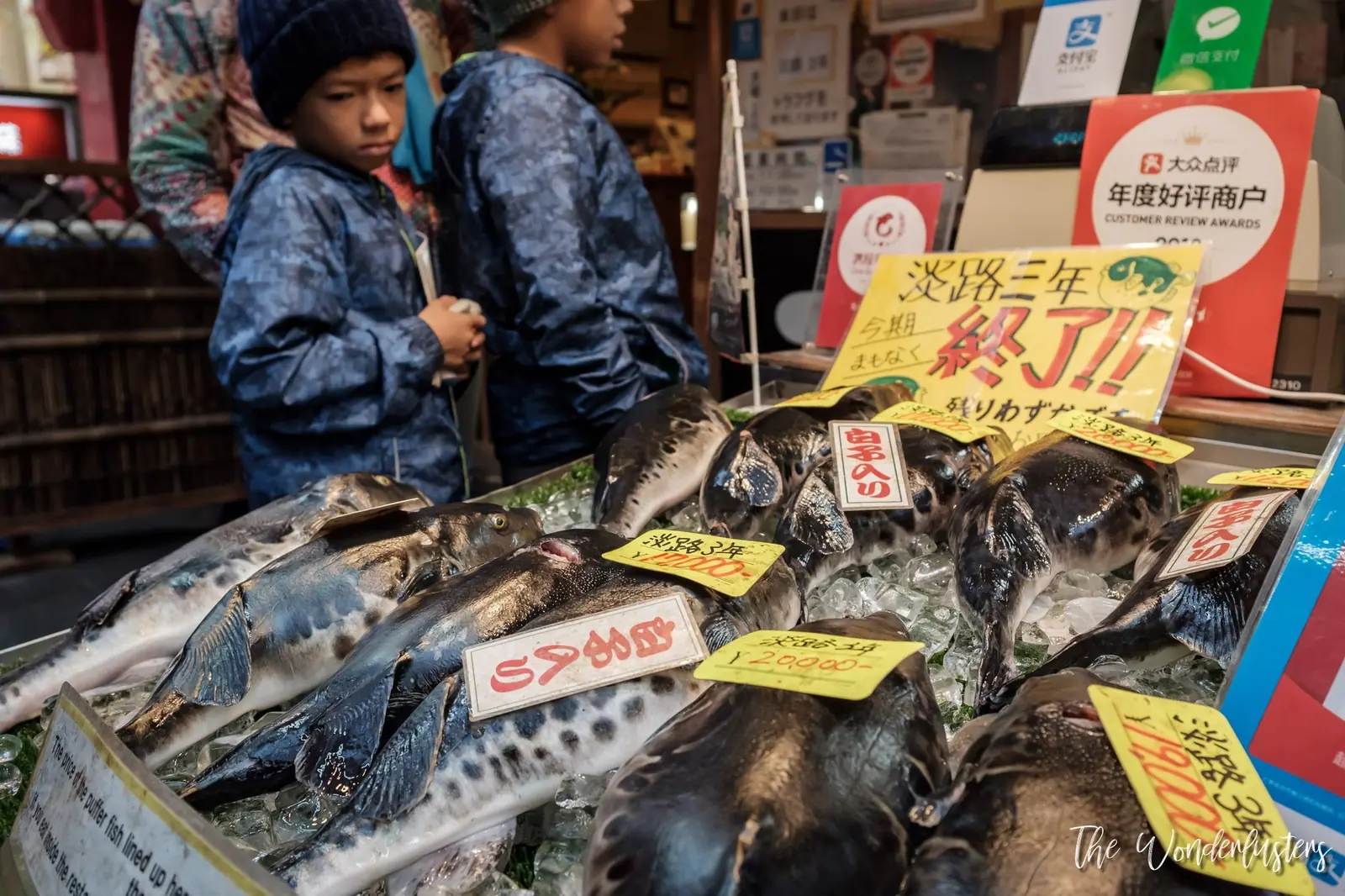
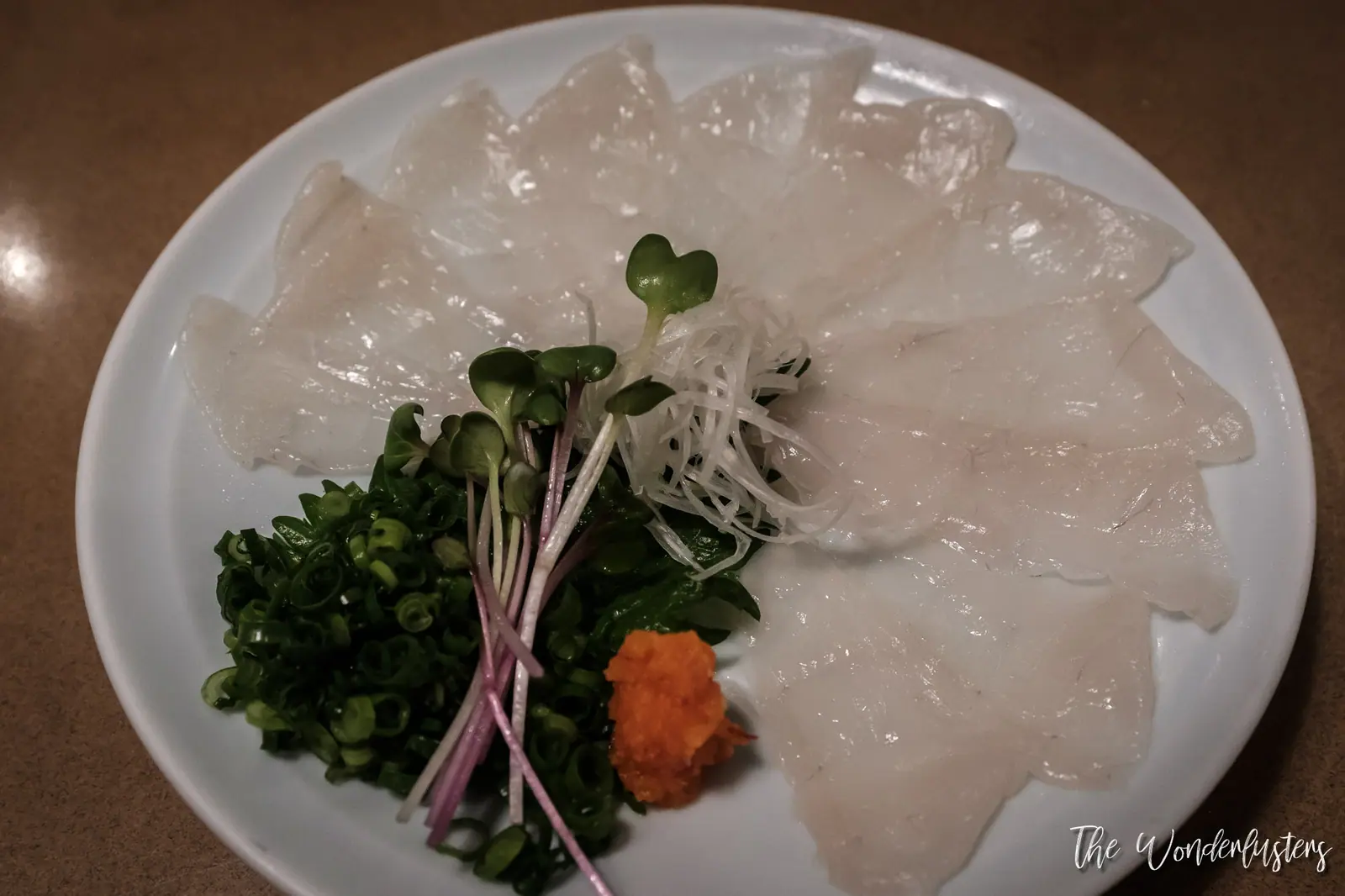
Fugu has a reputation: prepared by the wrong hands, this pufferfish can send you straight to your deathbed within 2 hours. It takes about five years for a cook to be licensed to prepare it. Well prepared, it’s a delectable dish, and we took advantage of our visit to the Asakusa district of Tokyo to taste it as sashimi. It was really delicious.
Ramen, Sushi, Takoyaki and Other Everyday Meals
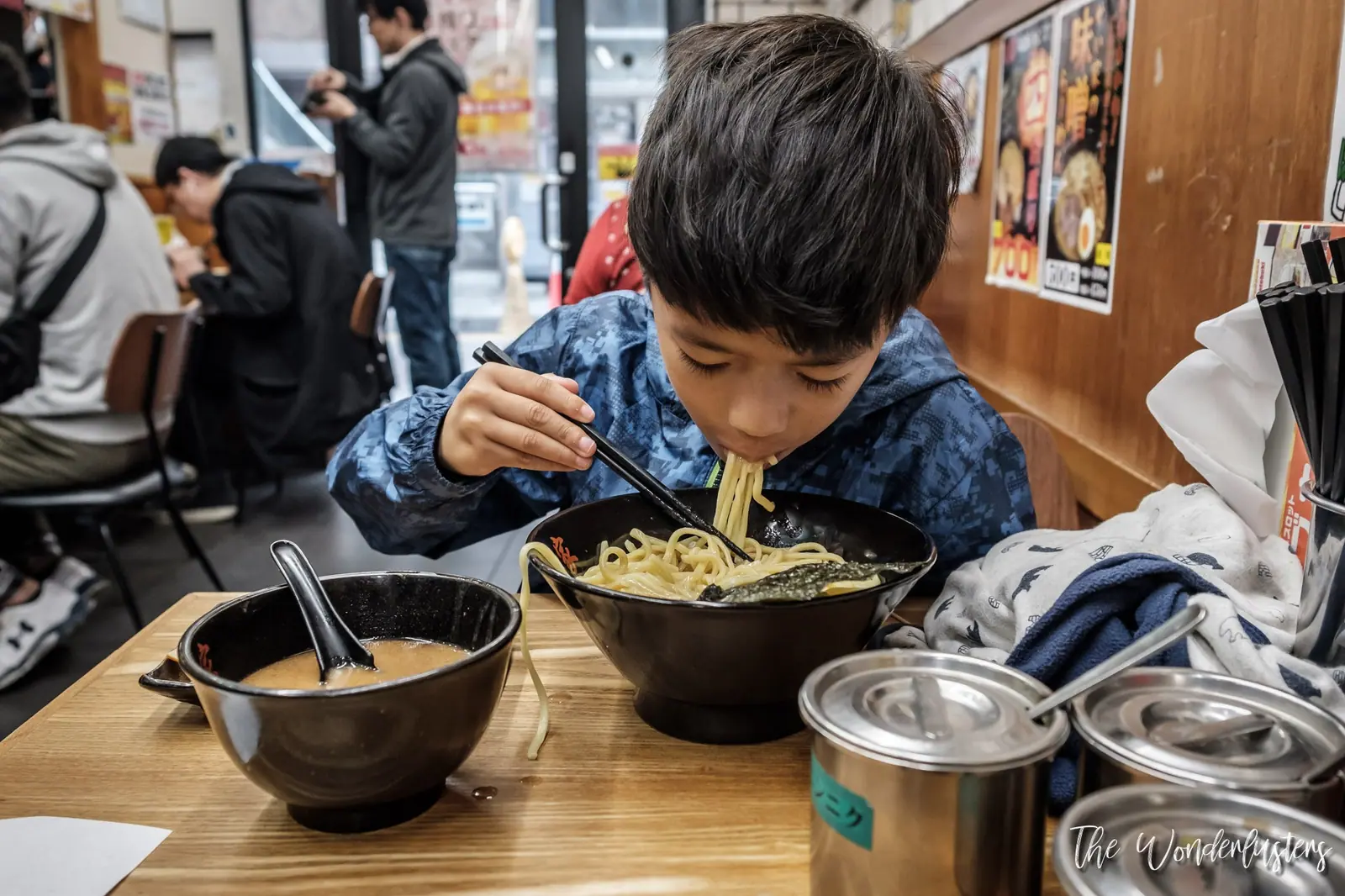
It can be really easy to eat inexpensively in Japan. Of course, as everywhere, there are high-end restaurants with excessive prices, but Google also helped us find very inexpensive restaurants serving delicious food. Japan is overflowing with small restaurants offering meals for as little as 350.00 JPY (3.14 USD), like a bowl of ramen. We were often more than satisfied for less than 2,000.00 JPY (17.94 USD) for the 4 of us.
The most economical restaurants are the self-service kind, where you order and pay at a machine near the entrance; the food is usually ready in under a minute, and you pick it up at the counter yourself. Overall, we found Tokyo had many more budget restaurants than Osaka and Kyoto.
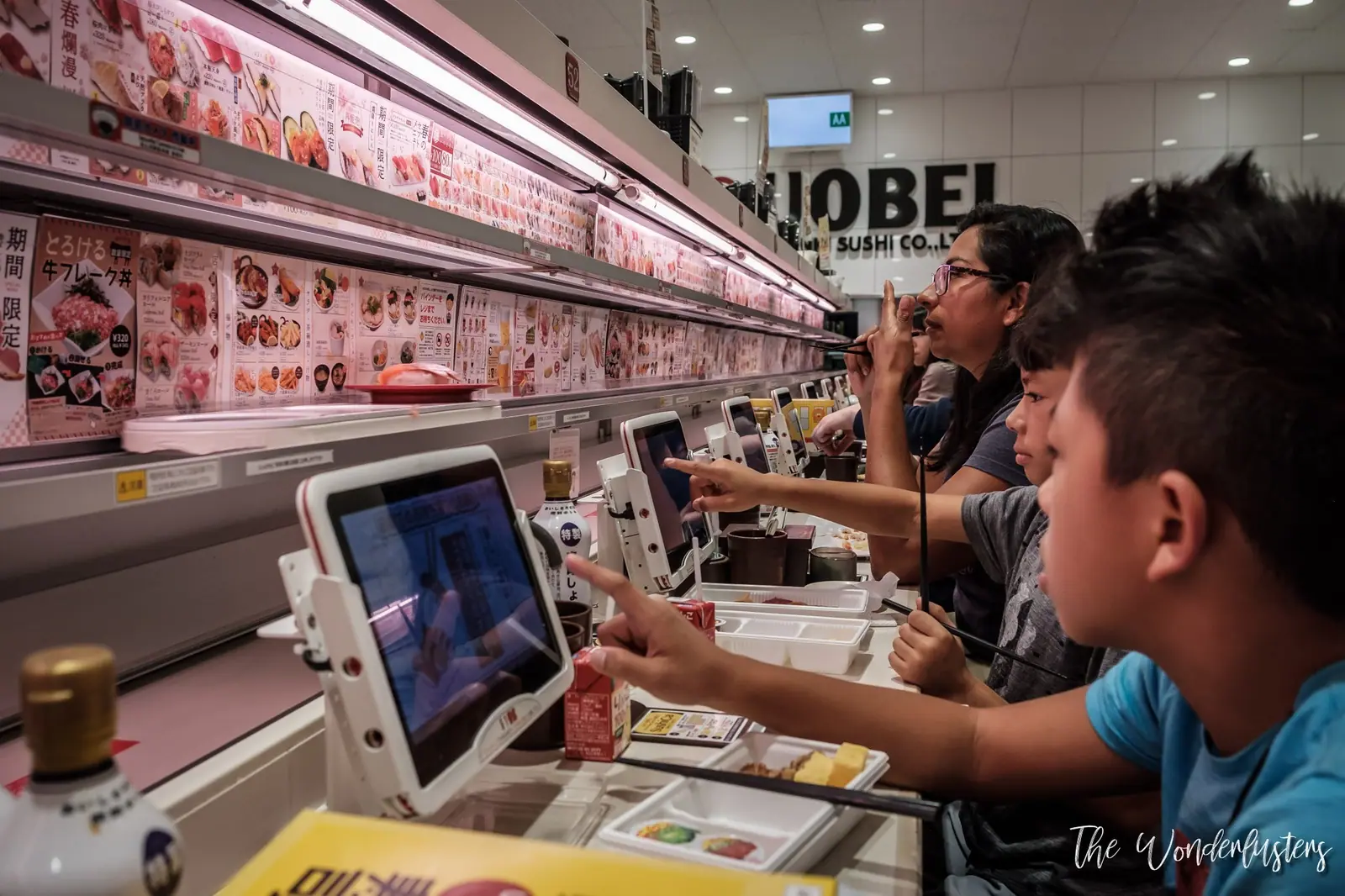
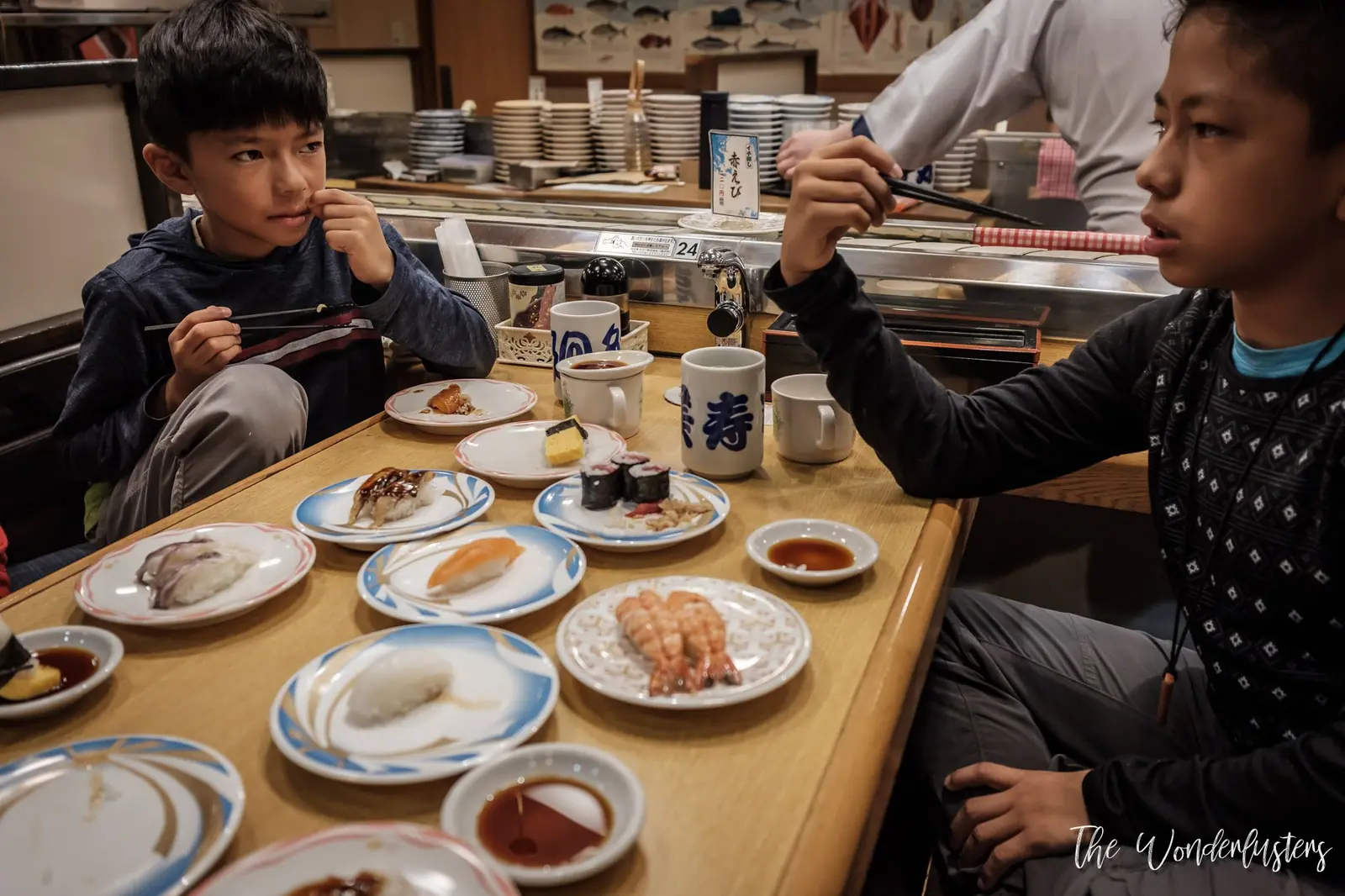
We love sushi, and although sushi restaurants weren’t as frequent as we expected, we still found extraordinary raw fish. Several times we visited conveyor-belt sushi restaurants, where small plates ride a rail past the customers; at the end of the meal, the empty plates are counted and the bill is issued. These are usually very economical.
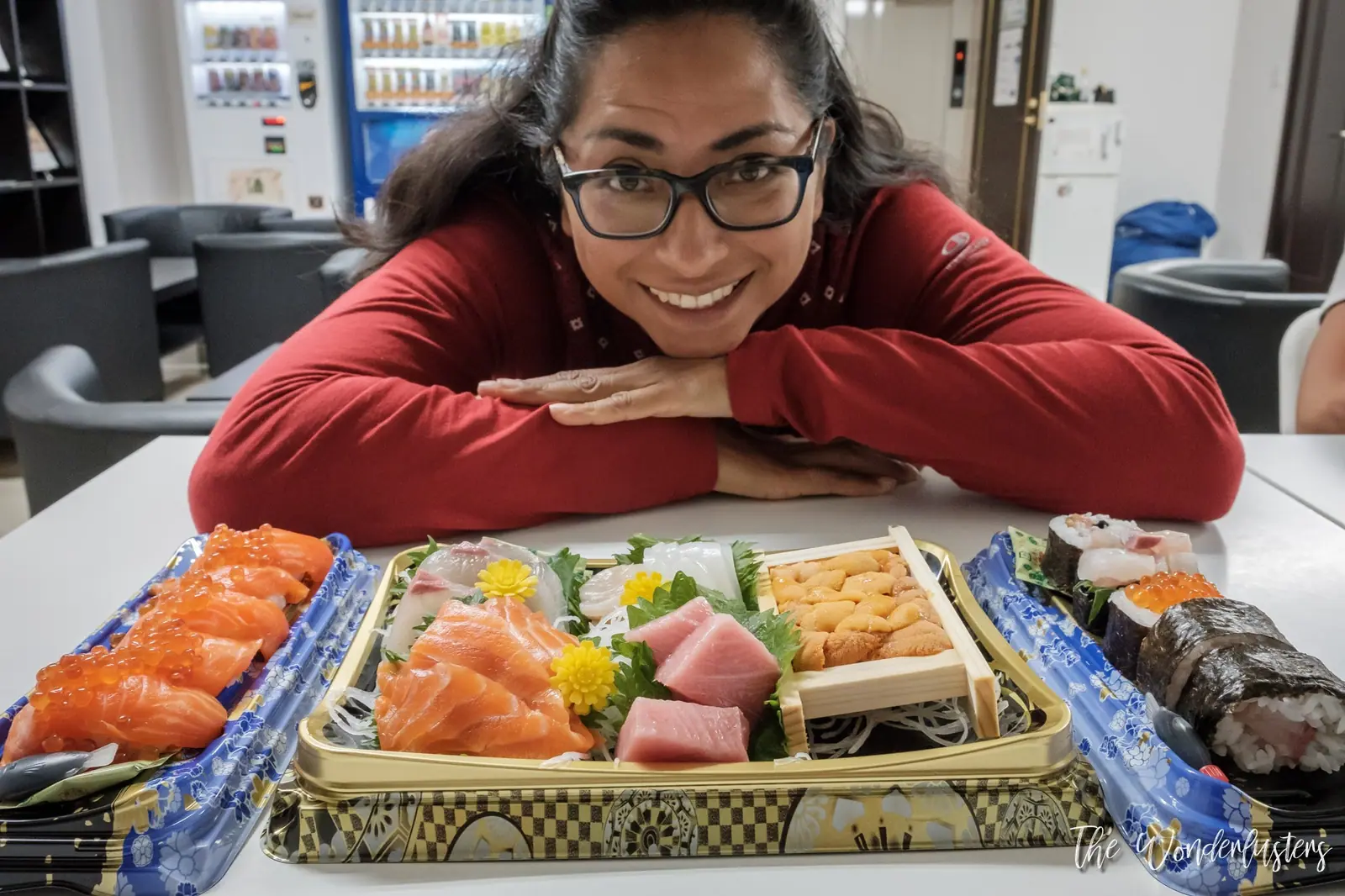
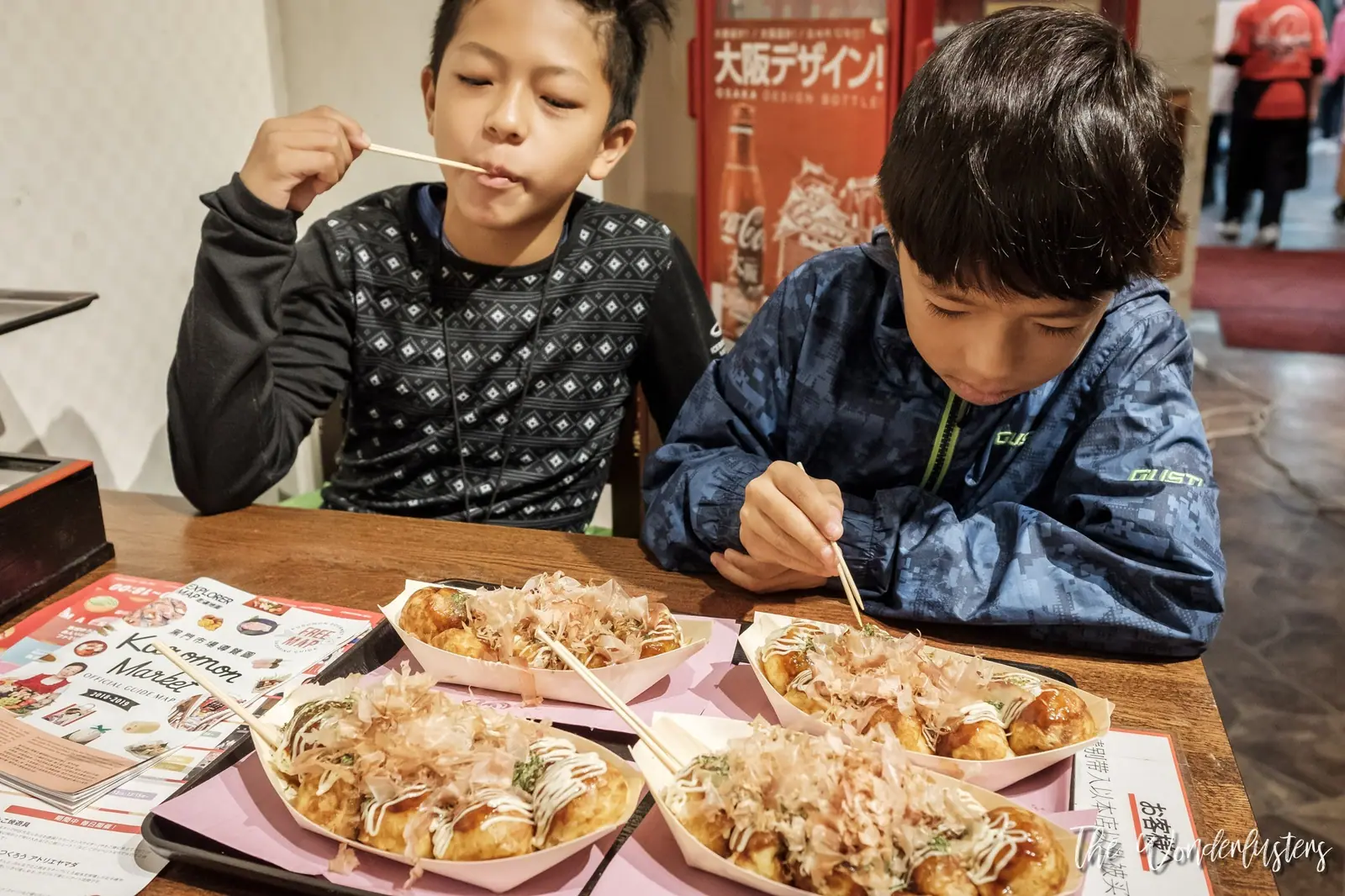
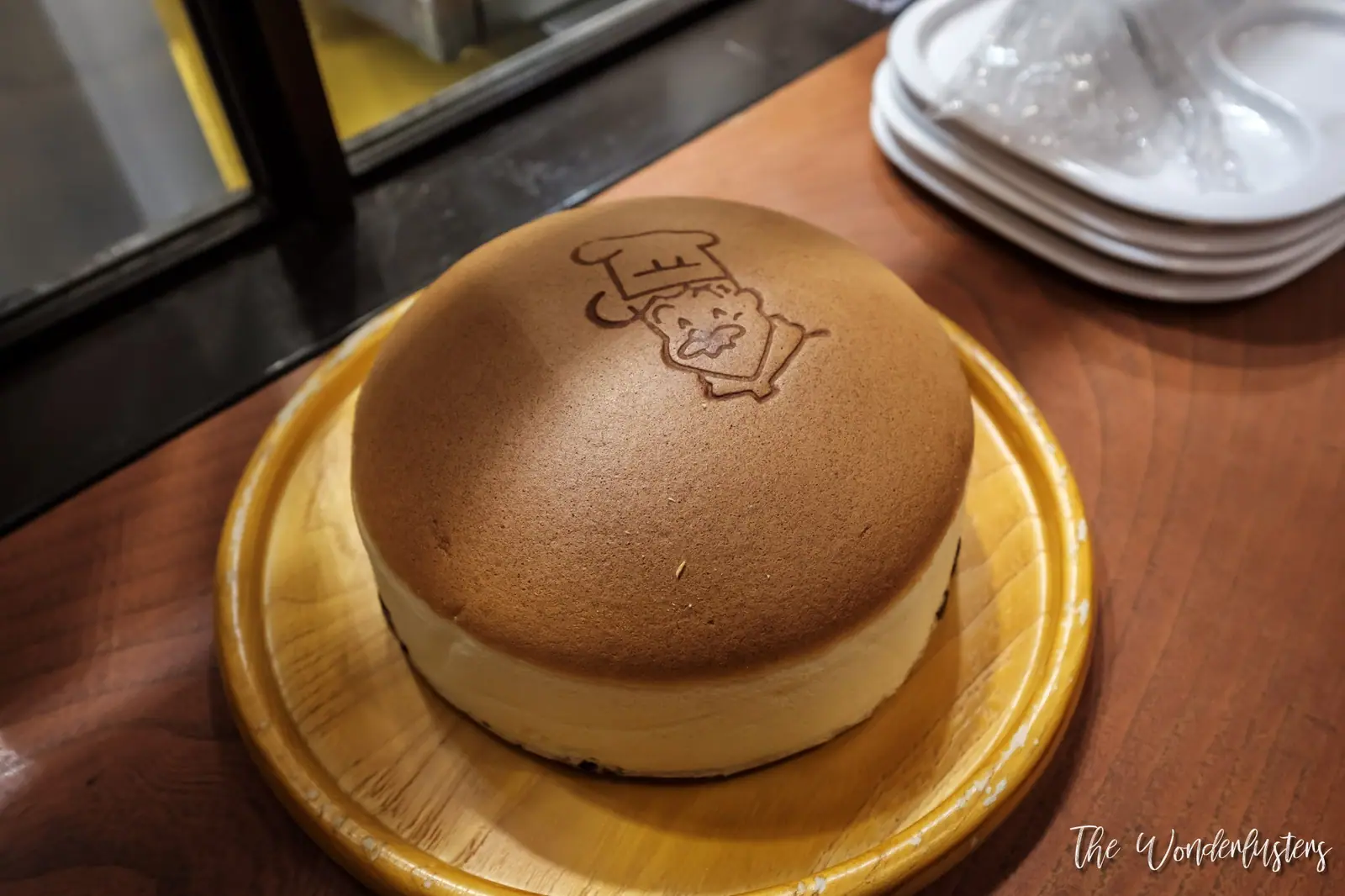
Among the many Osaka specialties we tasted, we highly recommend the Takoyaki of Wanaka and the cheesecakes of Rikuro. I’m still salivating as I write this.
How Much Does 3 Weeks in Japan Cost?
Thanks to a few strategic decisions, Japan didn’t end up costing us as much as we expected — we’d rank it among the cheapest of the expensive countries. Including our Kobe beef splurge, the cost of our stay for our family of 4 was:
- 469,300.00 JPY (4,208.82 USD);
- 23,465.00 JPY (210.44 USD) per day;
- 5,867.00 JPY (52.62 USD) per person and per day.
Amounts were paid in yen. US-dollar equivalents use the average exchange rate during our trip (March 29 – April 18, 2019): 1 USD = 111.50 JPY.
In detail :
| Expense Category | Amount Spent |
|---|---|
| Flight | 161,000.00 JPY / 1,443.89 USD |
| Accomodation | 105,300.00 JPY / 944.36 USD |
| Transport | 54,600.00 JPY / 489.67 USD |
| Eating out | 93,500.00 JPY / 838.53 USD |
| Groceries | 34,700.00 JPY / 311.20 USD |
| Activities | 20,200.00 JPY / 181.16 USD |
| Total | 469,300.00 JPY / 4,208.82 USD |
Conclusion
Japan was a clear favorite of our round-the-world trip. These 20 days went by at a crazy pace, and we feel like we only scratched the surface. In the category of countries “to visit again,” Japan stays at the top of our list.
And now, let’s head for the island of Formosa, more commonly known as Taiwan.
Questions travellers ask
How many days did you spend in Japan?
We spent 20 days in Japan, from March 29 to April 18, 2019, based in Tokyo, Kyoto and Osaka with day trips to Himeji and Nara.
How much does 3 weeks in Japan cost?
For our family of four, 20 days in Japan cost 469,300 JPY (about 4,209 USD at 2019 rates), or roughly 5,867 JPY (53 USD) per person per day, including domestic flights, accommodation, transport, food and activities.
How do you get from Tokyo to Kyoto?
We flew Japan Airlines from Tokyo Haneda to Osaka Itami using points, then took a one-hour train to Kyoto. A direct train between Tokyo and Kyoto costs between 92 and 127 USD per person.
Which cities did you visit in Japan?
We based ourselves in Tokyo, Kyoto and Osaka, and took day trips from Osaka to Kobe, Himeji and Nara.
Is Japan expensive to visit?
We found Japan more affordable than expected, thanks to budget restaurants, prepaid IC transit cards, and booking accommodation more than 6 months in advance.
Is teamLab Borderless still in Odaiba?
No. teamLab Borderless closed its Odaiba location in August 2022 and reopened in February 2024 at Azabudai Hills in central Tokyo.