AsiaSeptember 20197 min read
4 Places to Visit in Malaysia: Itinerary, Food and Budget
In short
We spent 12 days in Malaysia in 2019 over four stays, visiting Kuala Lumpur, Bako National Park and Kuching in Sarawak (Borneo), and the Desaru coast. Proboscis monkeys, an orangutan, a guided night walk in the jungle and cheap, varied food made it our son Luka's favorite country. Total cost for our family of four: 4,535 MYR, about 1,109 USD.
- Dates
- 2019-01-12 to 2019-01-13; 2019-01-29 to 2019-01-30; 2019-05-07 to 2019-05-15; 2019-06-03 to 2019-06-05
- Number of days
- 4 stays: 12 days in total
- Cities we visited
- Kuala Lumpur, Kuching, Desaru
- Inbound
- From Macau by plane (for the longest stay)
- Outbound
- To Indonesia by plane (for the longest stay)
- Mode of transport
- Train, bus, taxi, car rental
- Distance travelled (excluding flights)
- 891 km
- Number of photos taken
- 4500 (375 per day)
- Currency
- The Malaysian Ringgit (1.00 USD = 4.09 MYR)
We spent 12 days in Malaysia in 2019, spread over four stays: Kuala Lumpur, Bako National Park and Kuching in Sarawak (on the island of Borneo), and the beaches of Desaru. It cost our family of four 4,535 MYR (about 1,109 USD), thanks to cheap domestic flights and hotel points. Here are the places we loved, our itinerary and our full budget.
Malaysia rarely comes to mind first when you think of visiting Asia, yet it has so much cultural, natural and culinary diversity. We completely fell in love with it.
4 Places to Visit in Malaysia
Kuala Lumpur
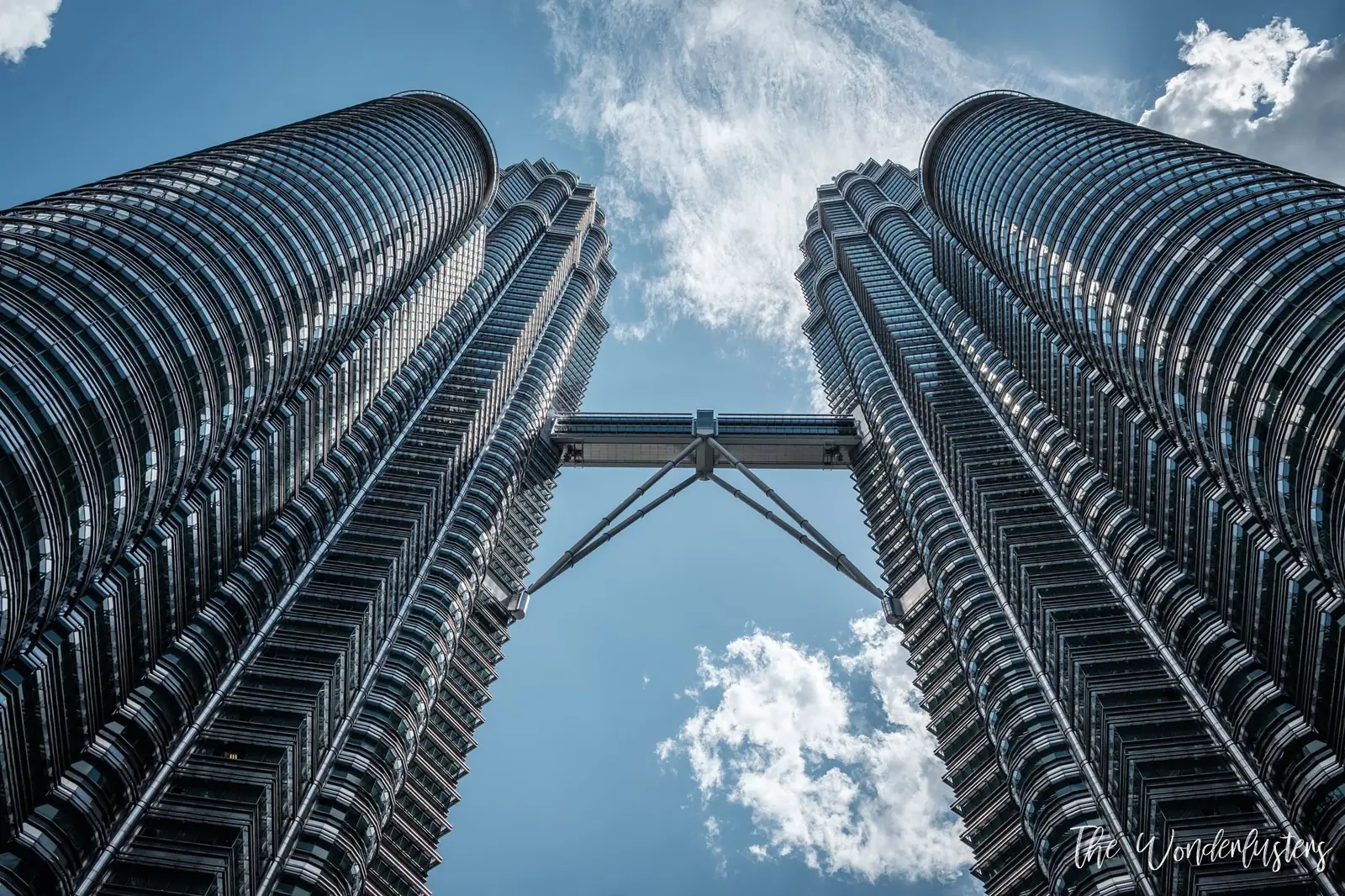
The architectural icon of Kuala Lumpur is, of course, the Petronas Twin Towers. We also saw the Sultan Abdul Samad Building, built to house the British colonial administration and said to be the most photographed building in the city. Close by, the Kuala Lumpur City Gallery is a tourist information centre with a whole floor of scale models of the city’s buildings.
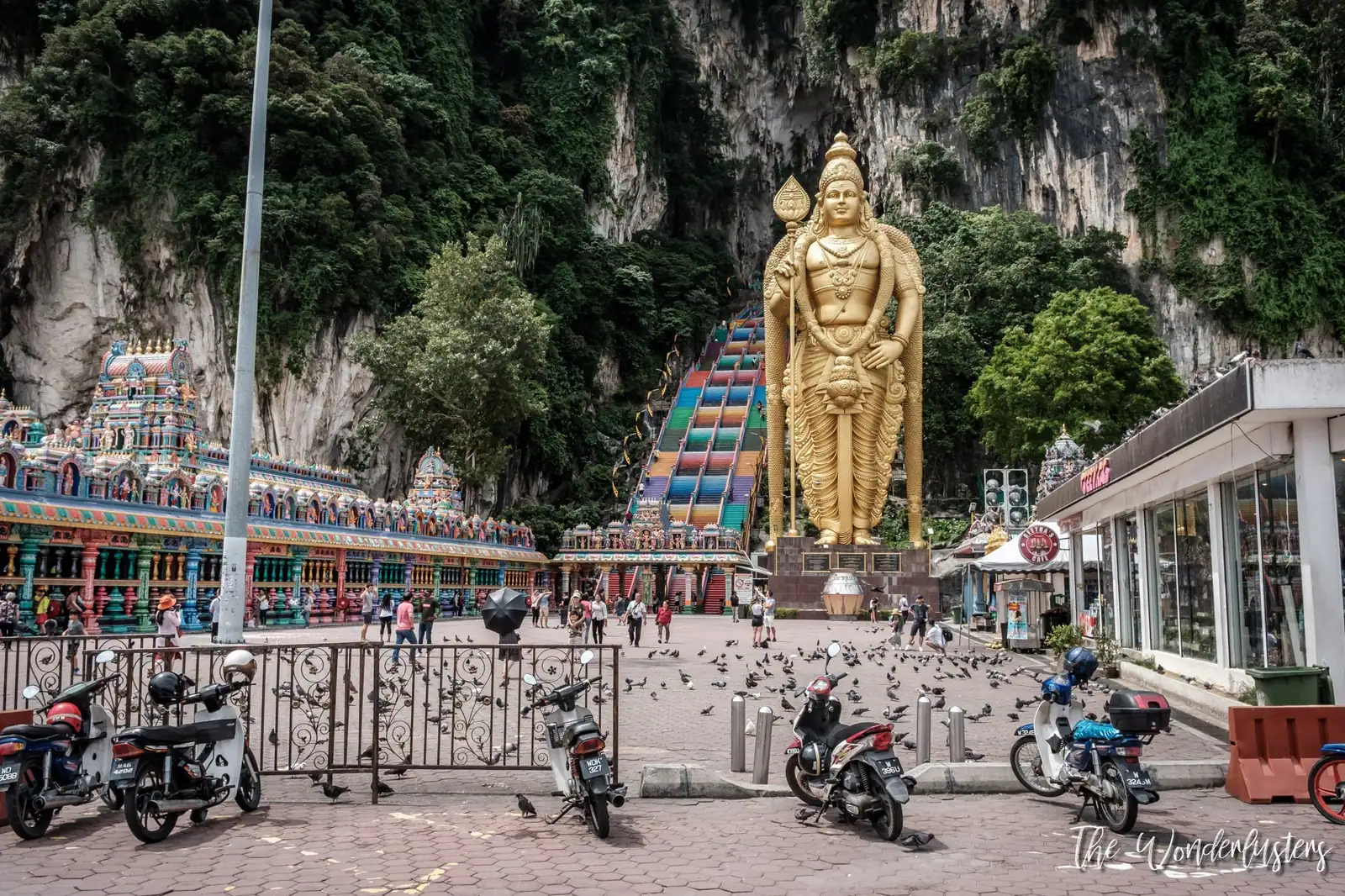
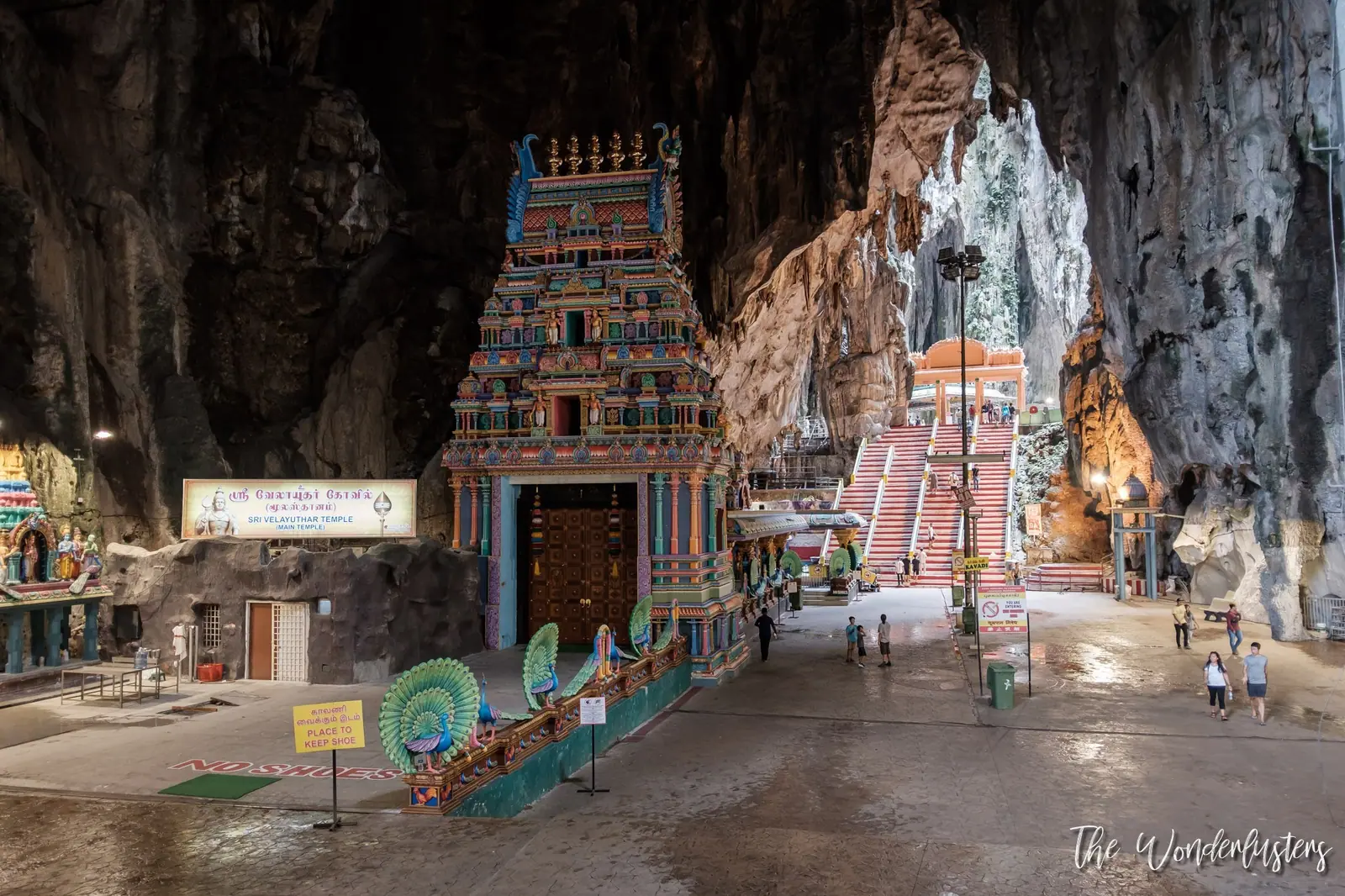
Also in Kuala Lumpur, we visited the Batu Caves, the largest Hindu sanctuary outside India. In front of it stands a 42.7-metre statue of Murugan, the Hindu god of war. The place is unlike any other, with a multicoloured staircase climbing to the caves high up in the cliff.
Bako National Park (Borneo)
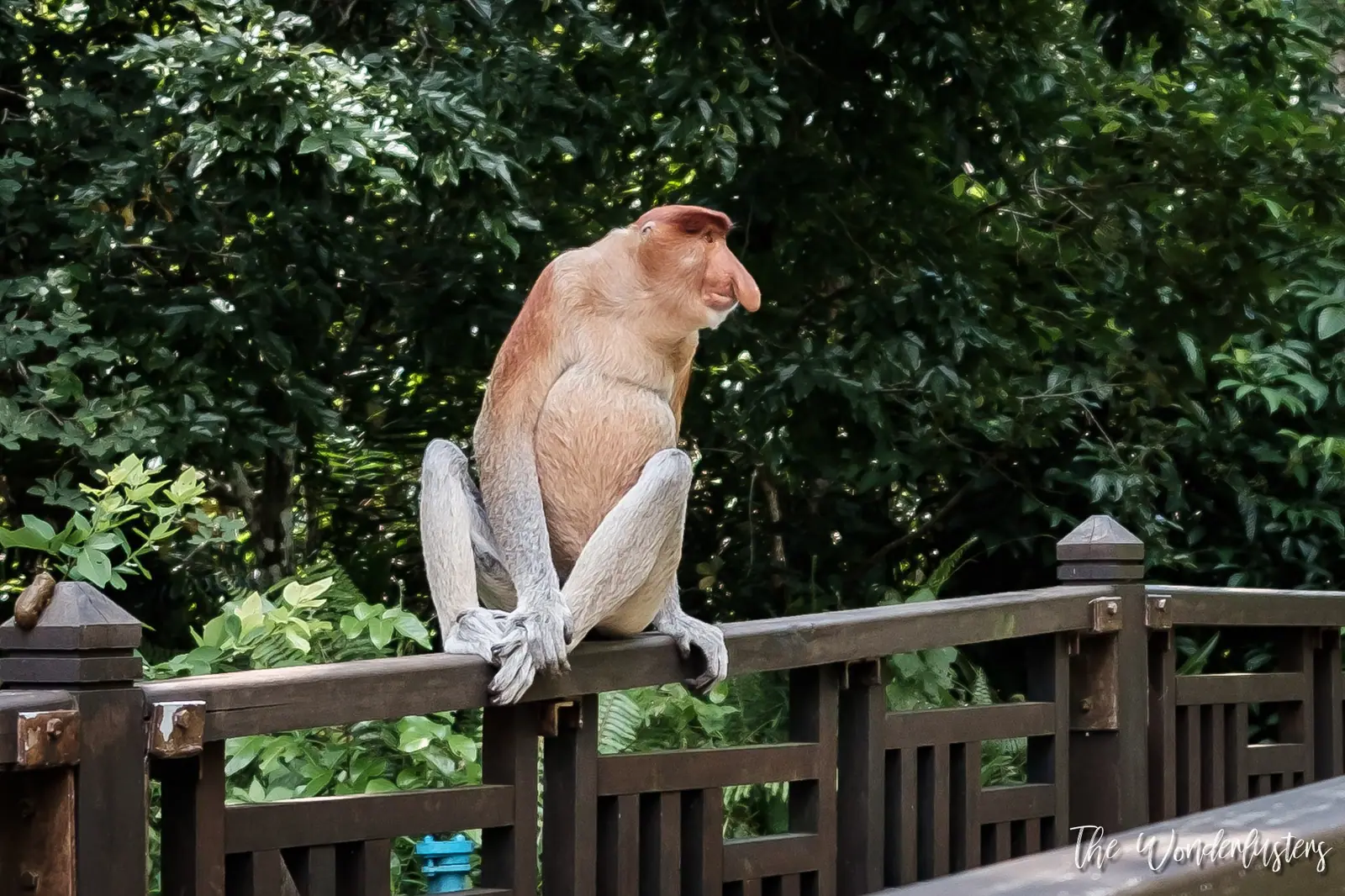
Bako National Park was one of the hardest natural sites to reach on our round-the-world trip. In this tropical rainforest on the island of Borneo, carnivorous plants live alongside abundant wildlife. But the real star here is the proboscis monkey, a primate with a protruding nose that lives in the wild only on Borneo.
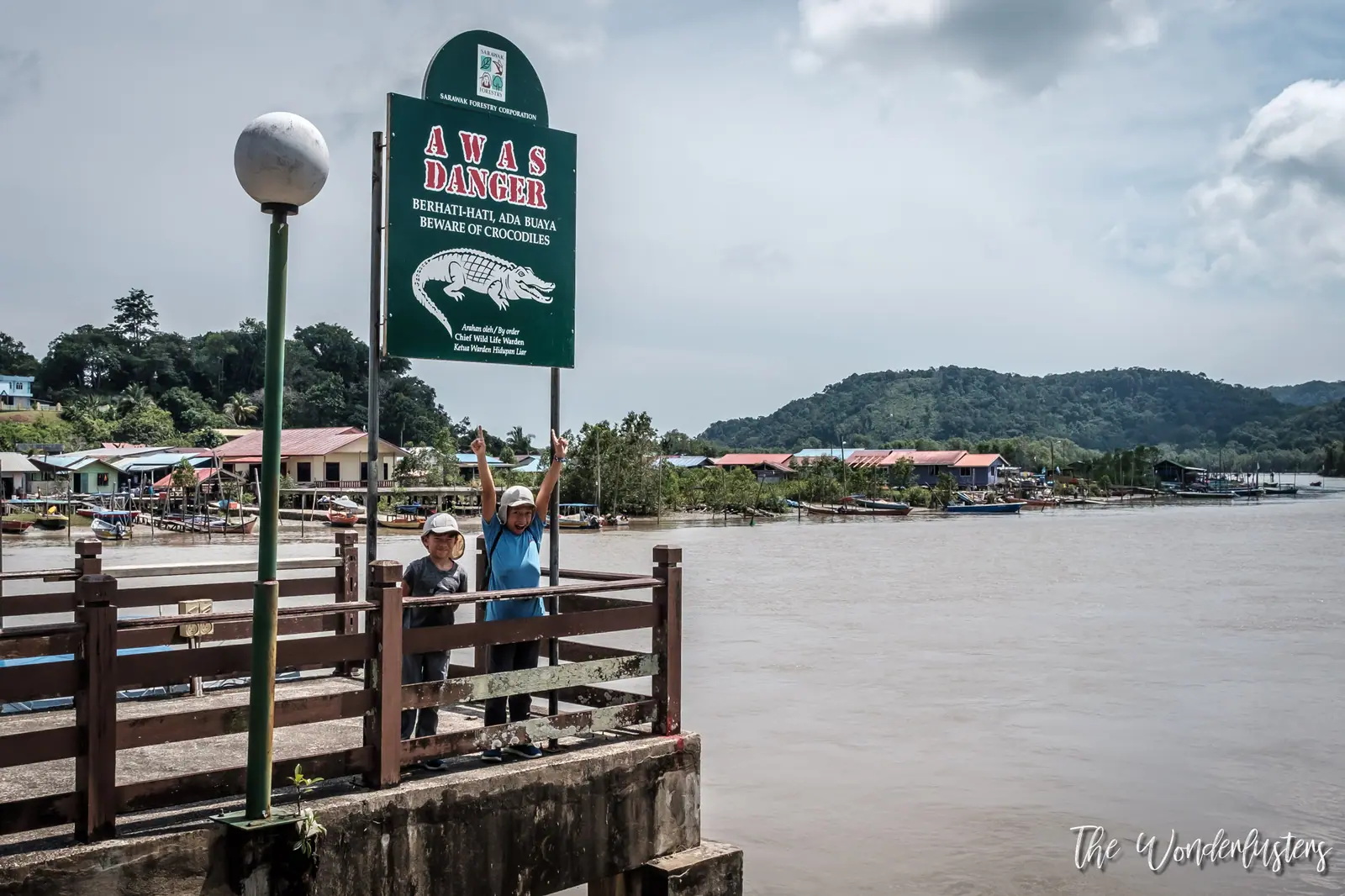
To reach the park, we took a boat along a river said to be infested with crocodiles. We didn’t see any, but we were told to stay away from the shore. As soon as we landed on the beach at the base camp, we spotted a wild boar in the distance and dozens of little crabs.
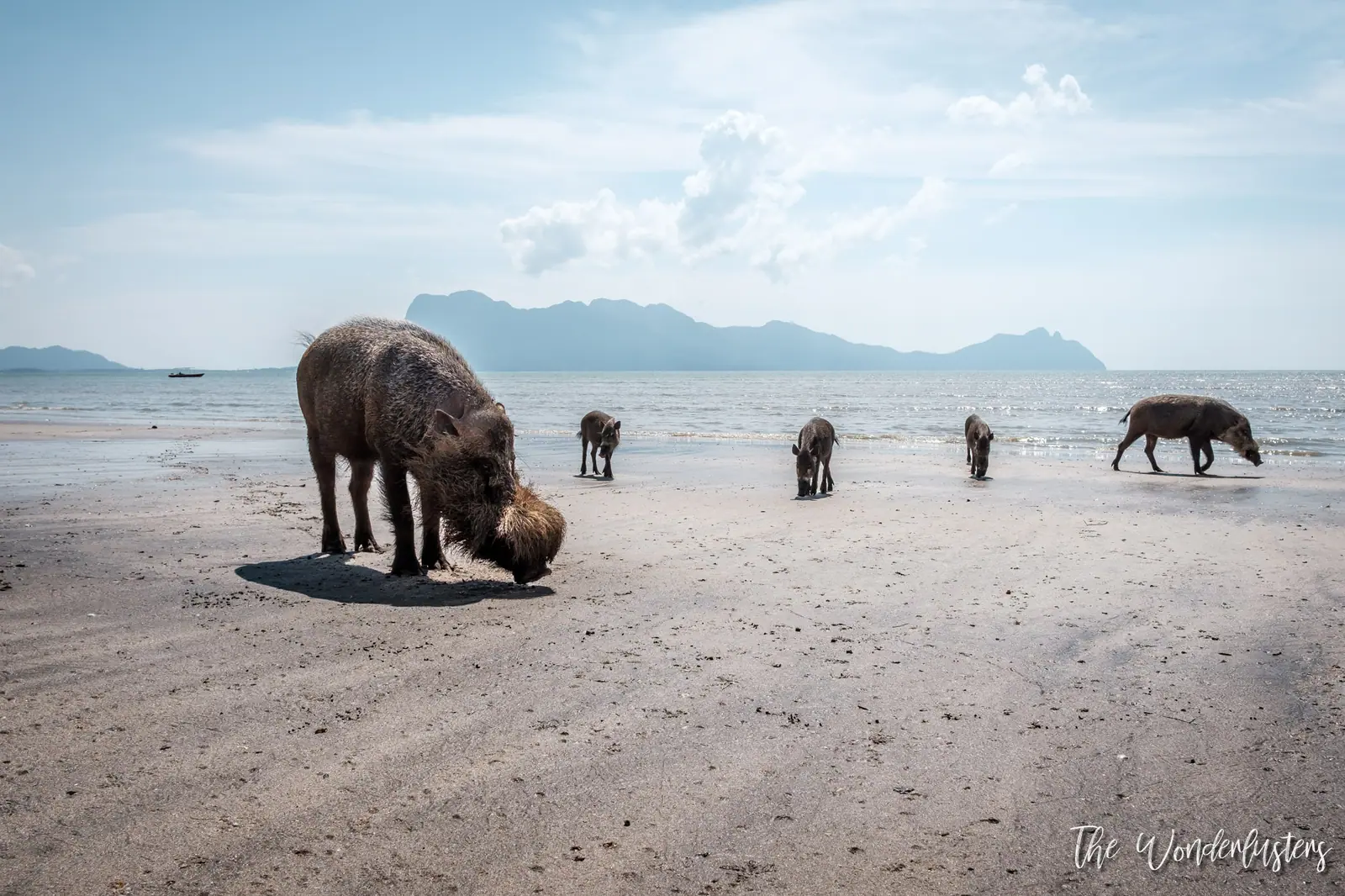
We dropped our bags and went straight out looking for animals. In the midday heat they weren’t very active, but we still saw fine bearded pigs and silvered leaf monkeys. On the way back from our short walk, we came across a family of proboscis monkeys strolling along a wooden boardwalk a few steps from the park’s main building. It was very impressive!
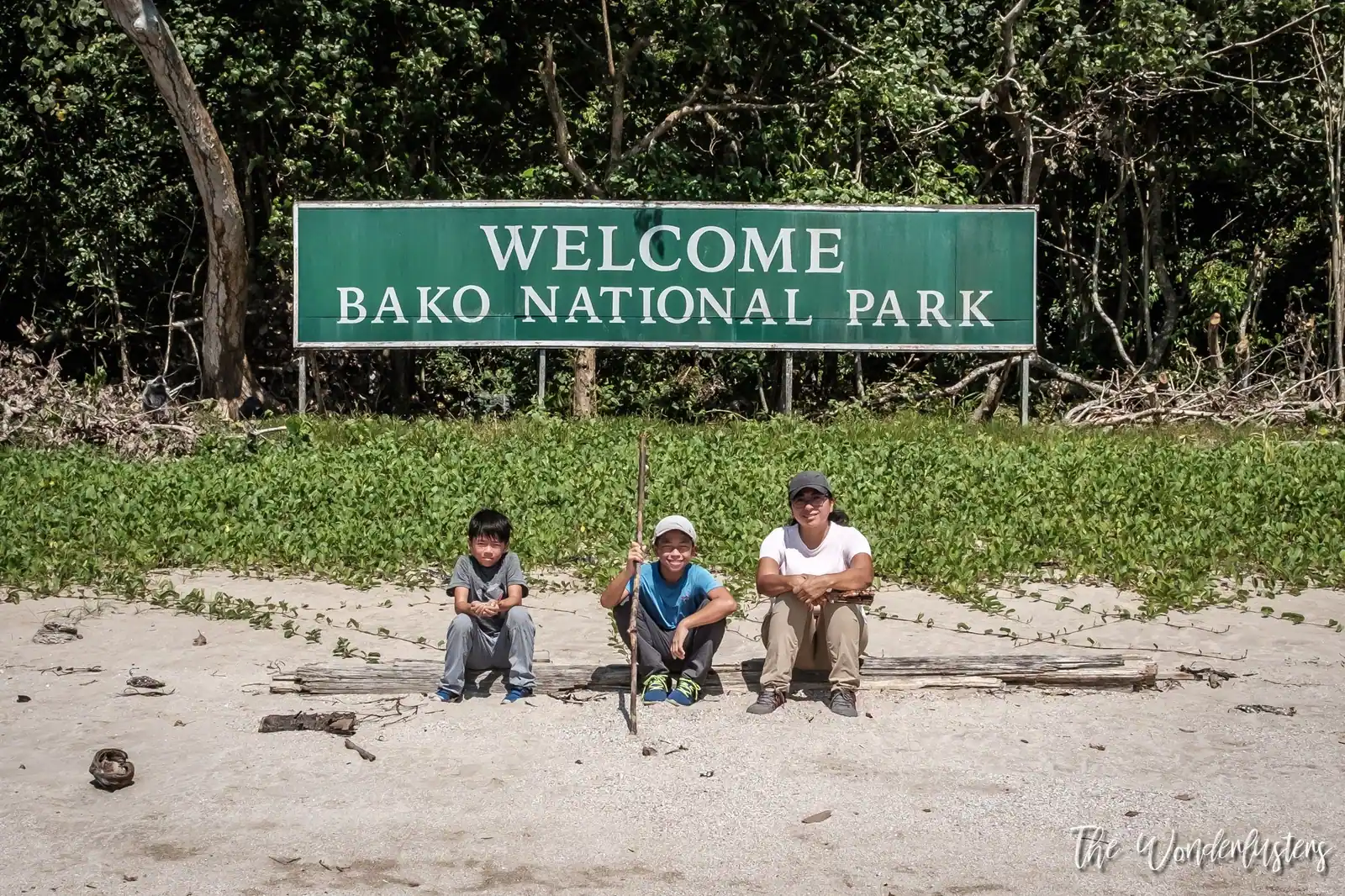
Many visitors come for the day from Kuching. We chose to spend the night to see as many animals as possible in their natural habitat, and it was the best decision we could have made: animals are more active at dawn and dusk.
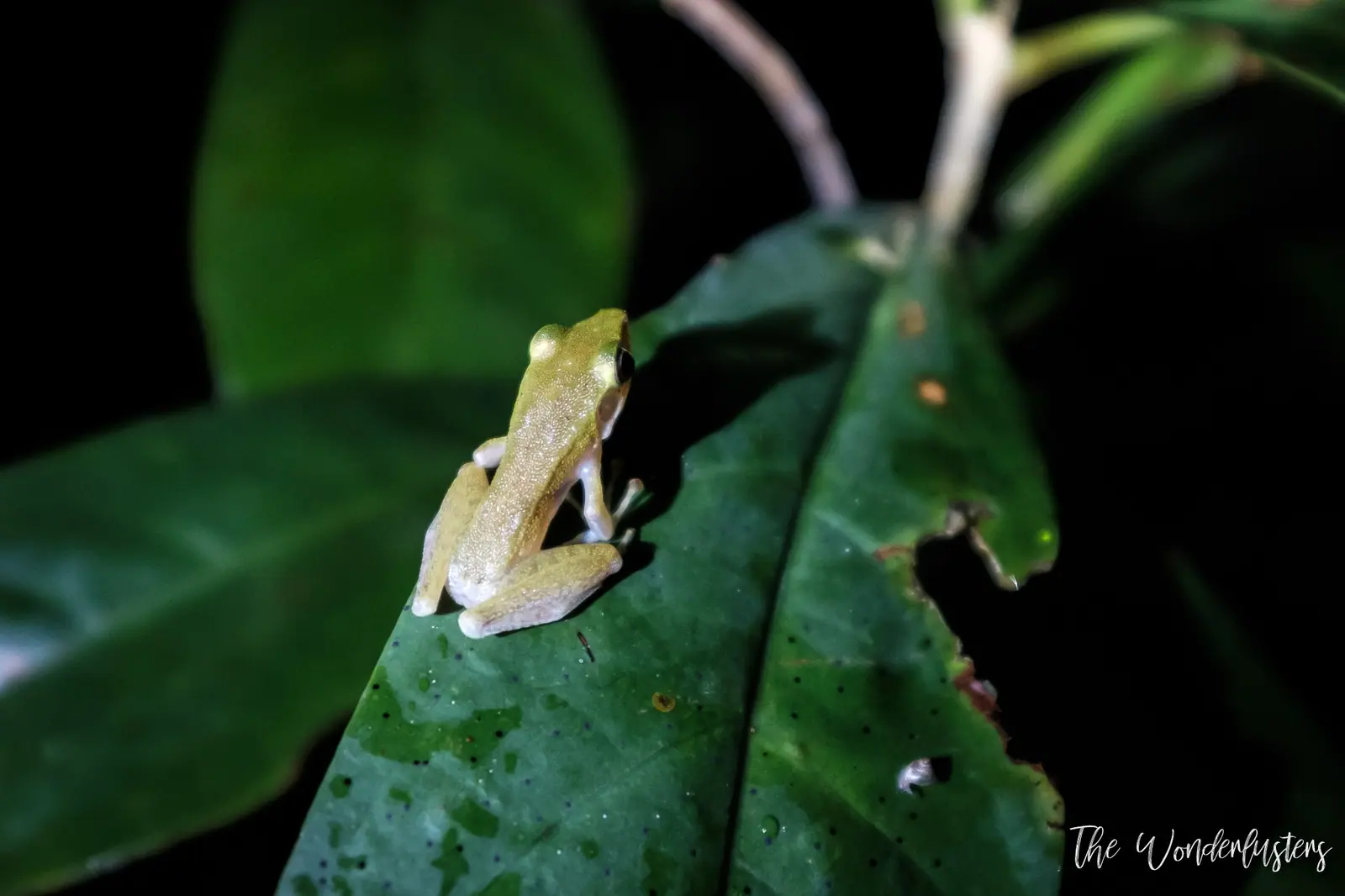
The night walk was the highlight of our stay. With a guide, we walked for nearly 2 hours along a trail and saw a host of creatures: spiders, vipers, scorpions, stick insects, frogs, flying lemurs, bats, swallows, giant ants and many others I couldn’t capture on camera!
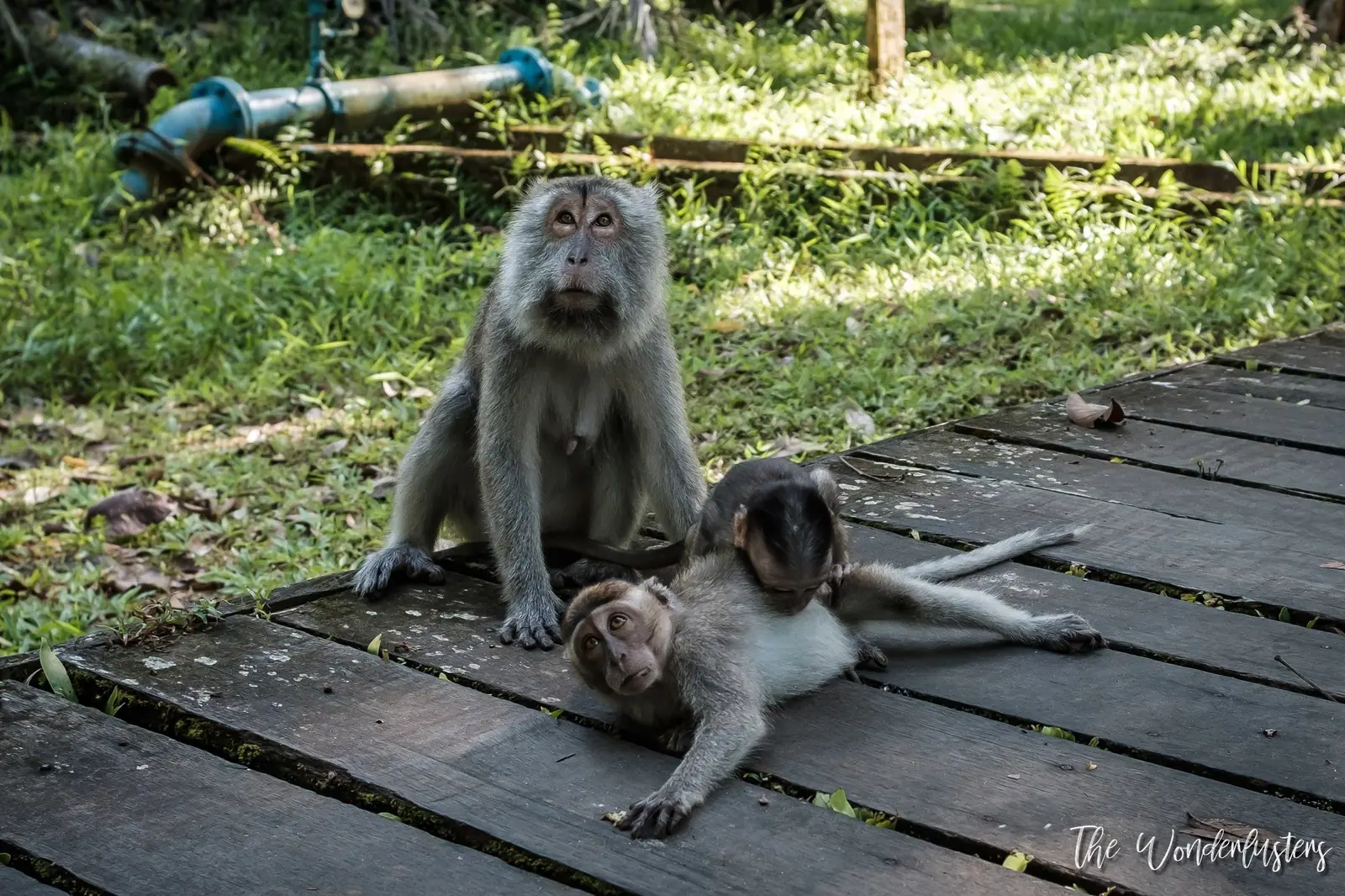
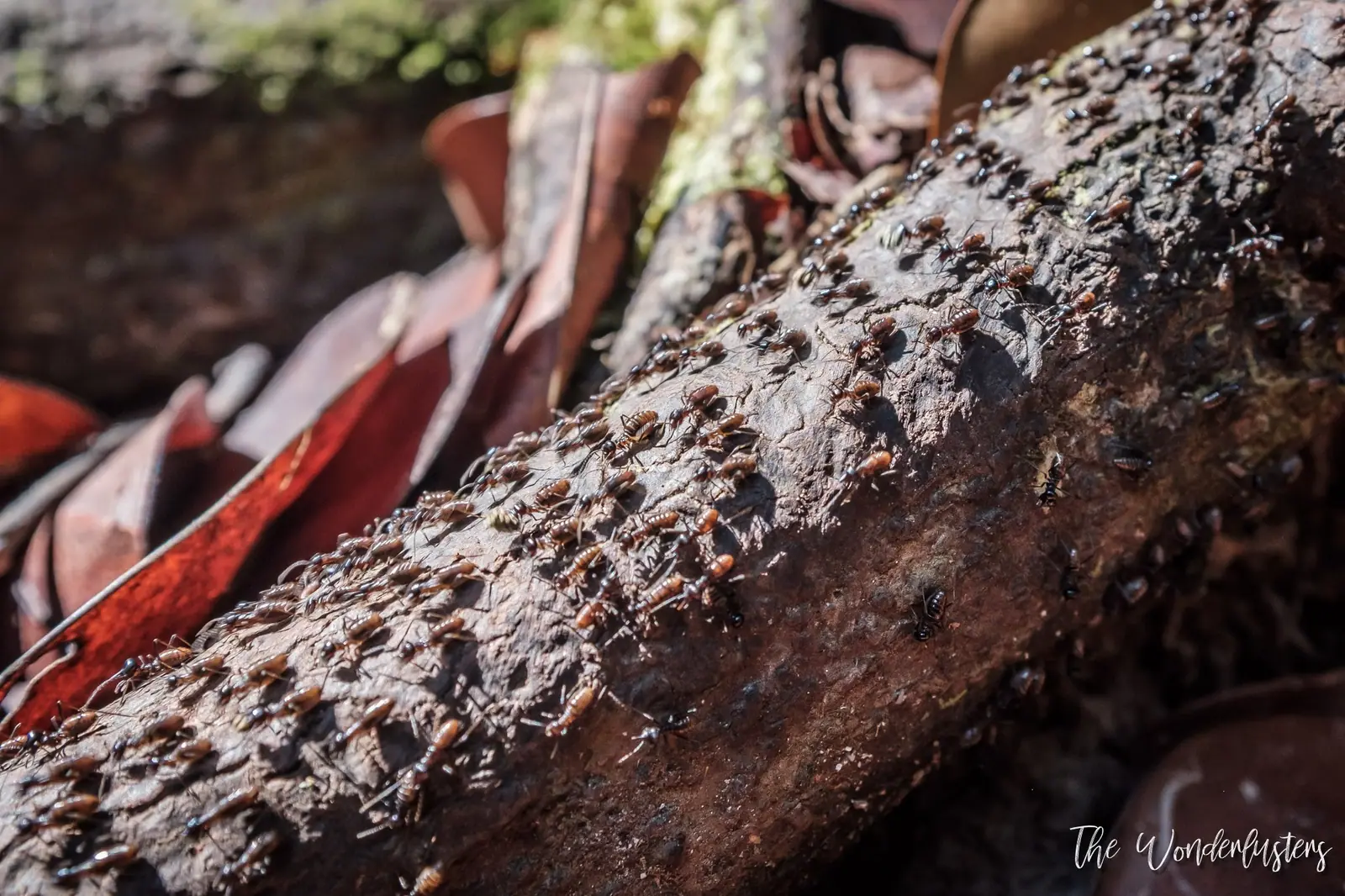
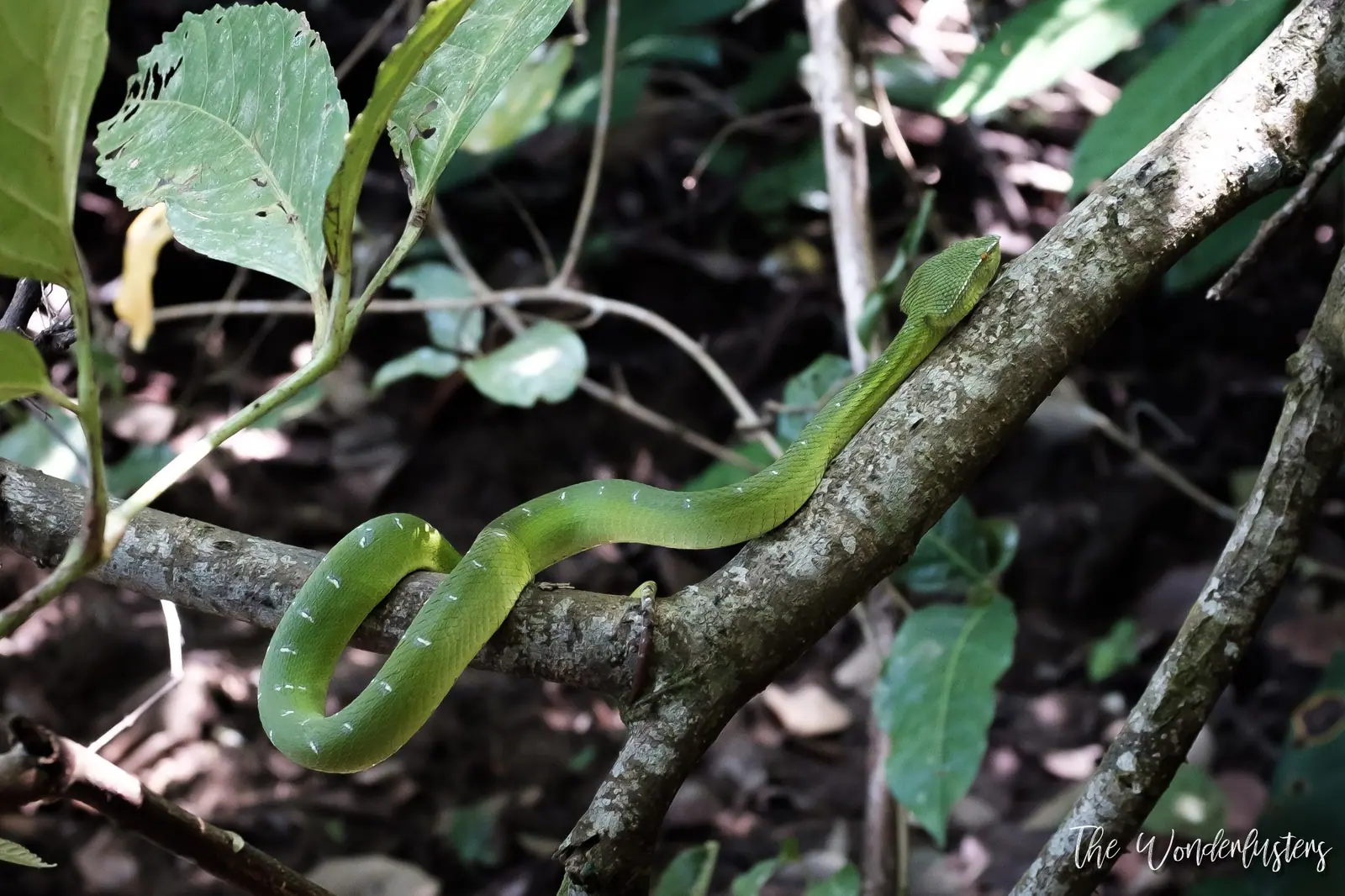
We slept in a rustic but air-conditioned house, built on stilts, with grilles to keep out the cheeky macaques. These little creatures are known for their ingenuity at stealing from careless visitors; even in the canteen, staff kept reminding us to watch them.
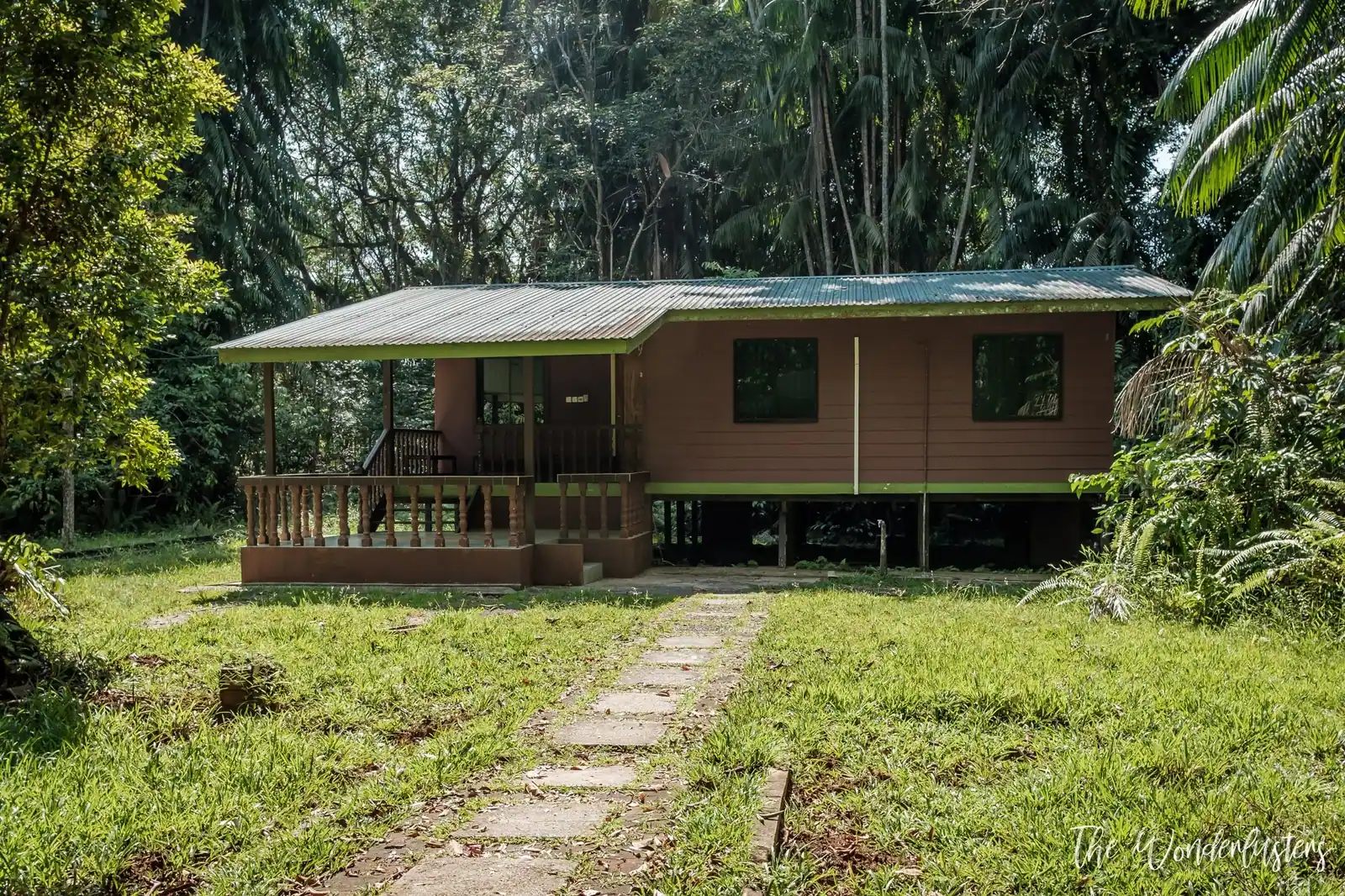
Every time we stepped out, one or more wild boars were waiting by our balcony. Once, we heard a worrying noise at the back of the house: a boar was scratching at the grille, trying to get in…
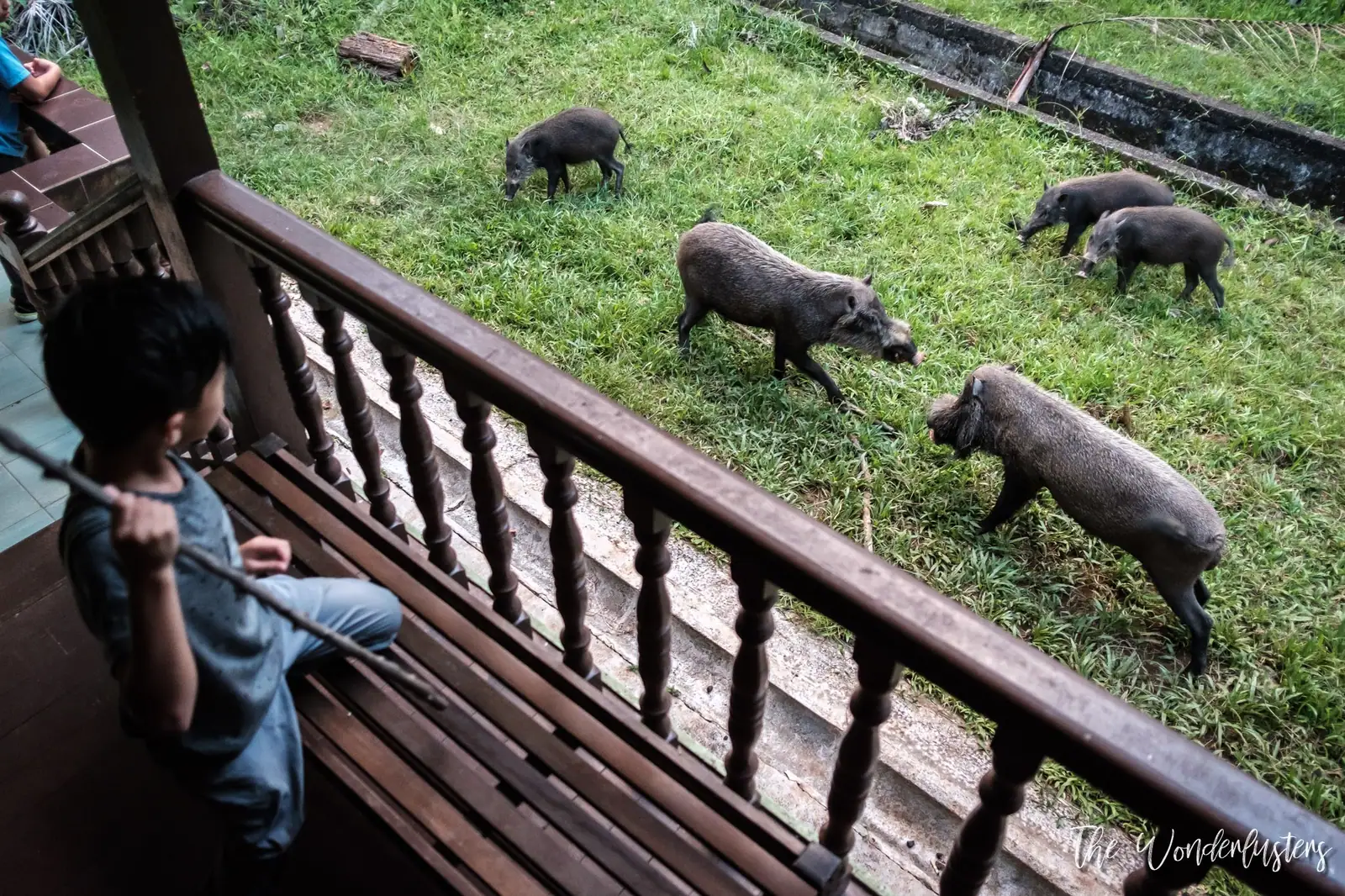
In short, it was a truly extraordinary experience!
Kuching
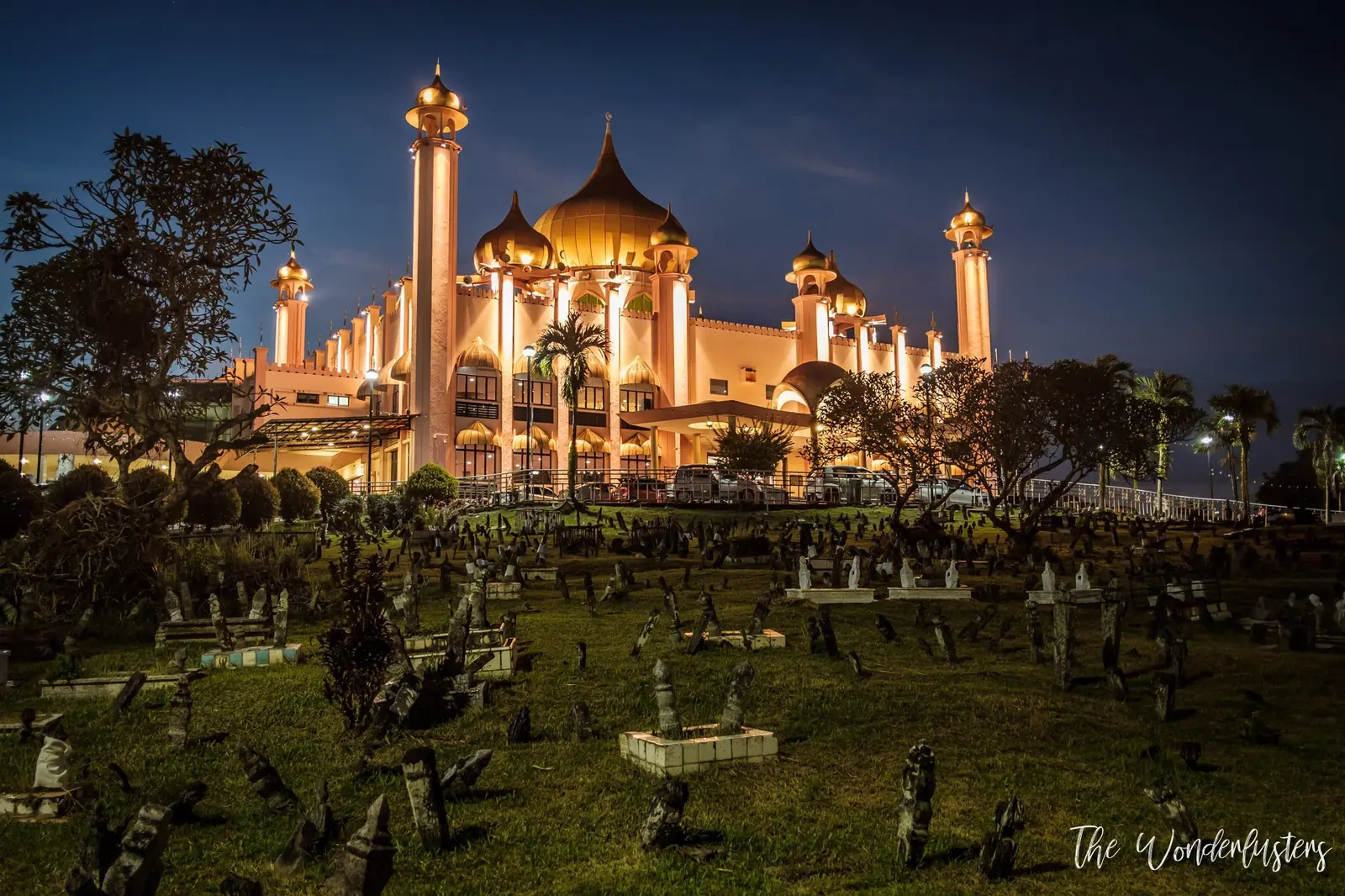
Kuching is the capital of Sarawak, a state that alone covers a third of Malaysia’s land area. It lies on the island of Borneo, which is shared between Malaysia, Indonesia and Brunei. The city is beautiful and well developed, with striking architecture and lots of murals.
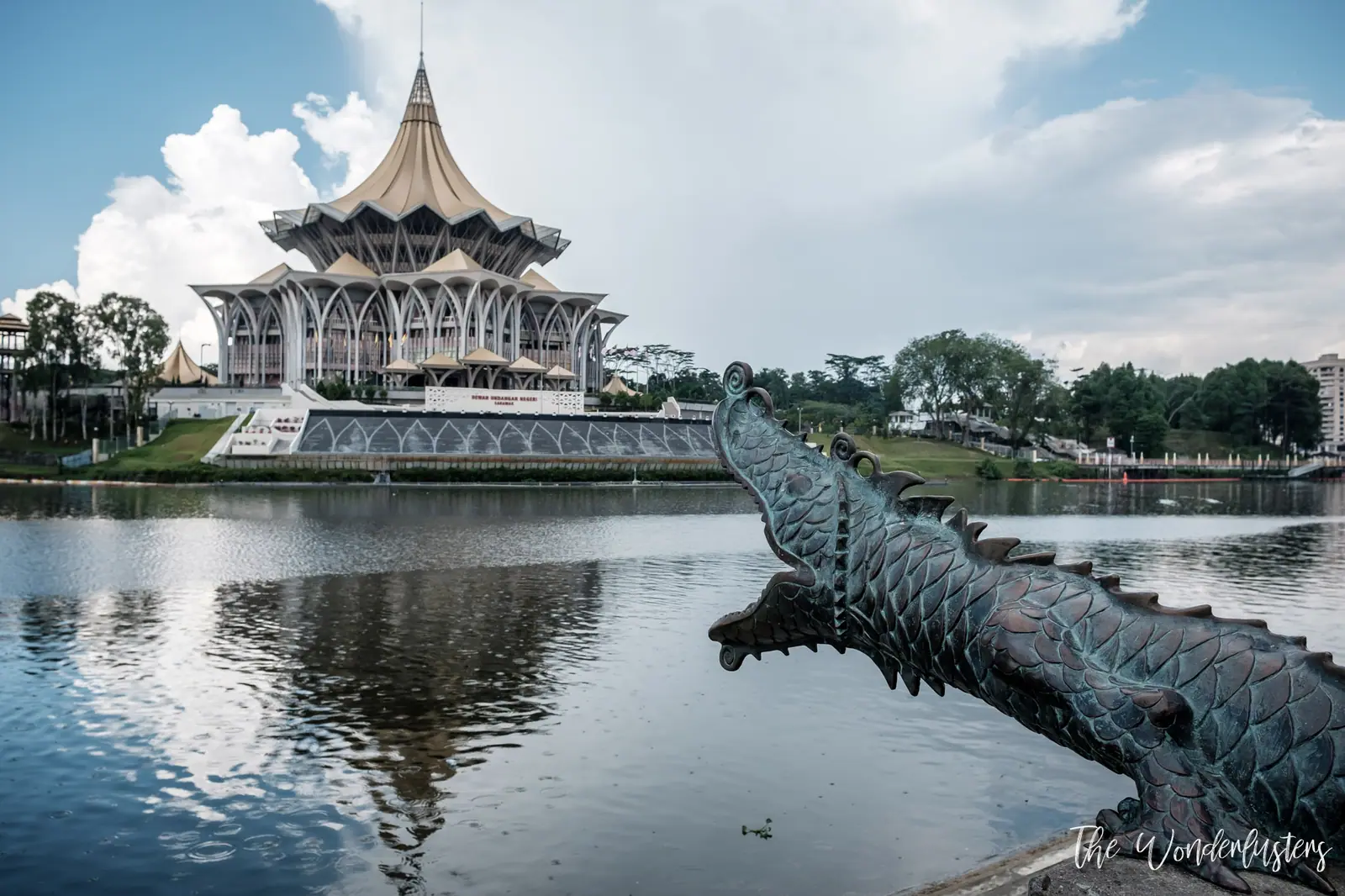
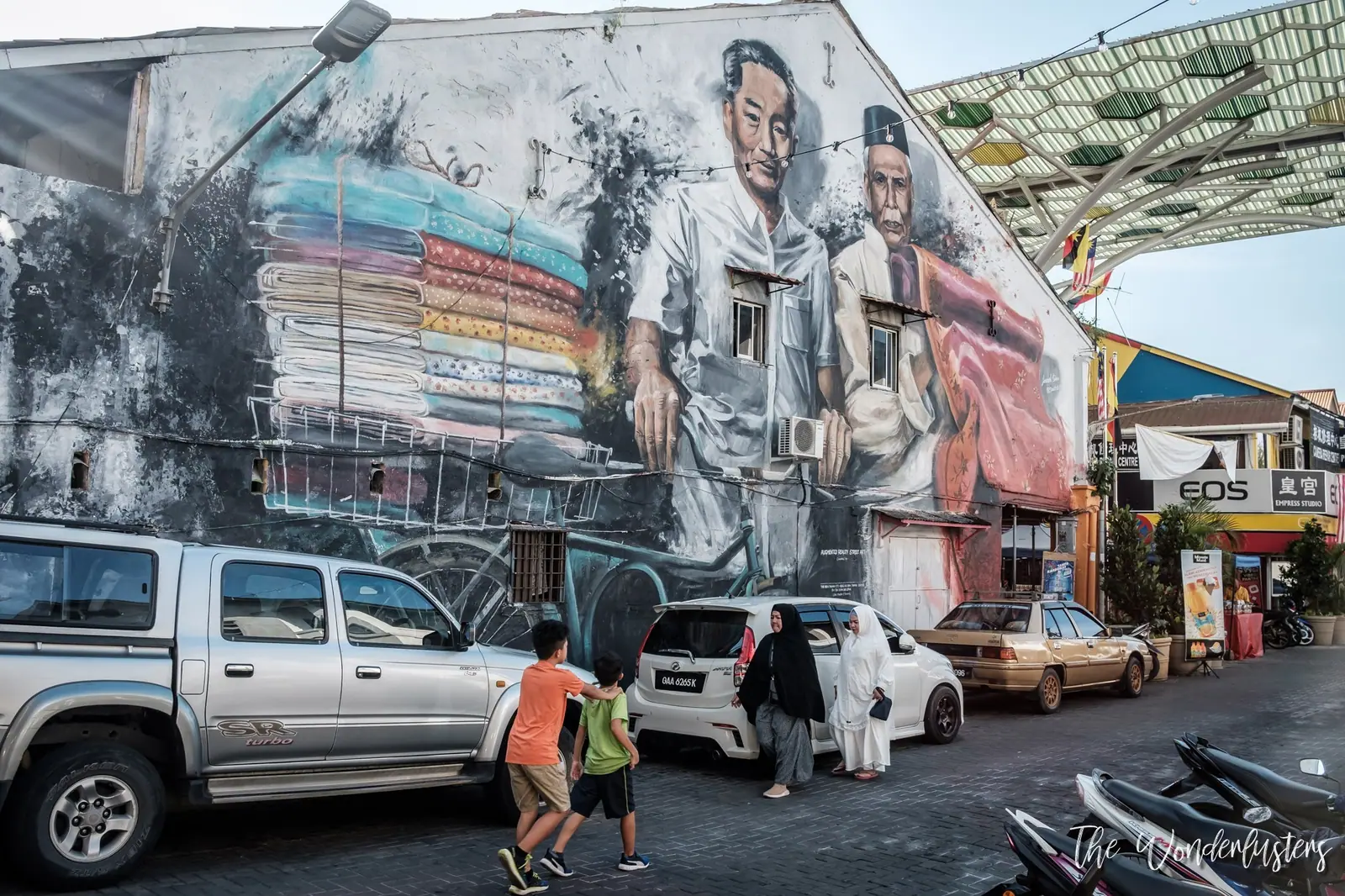
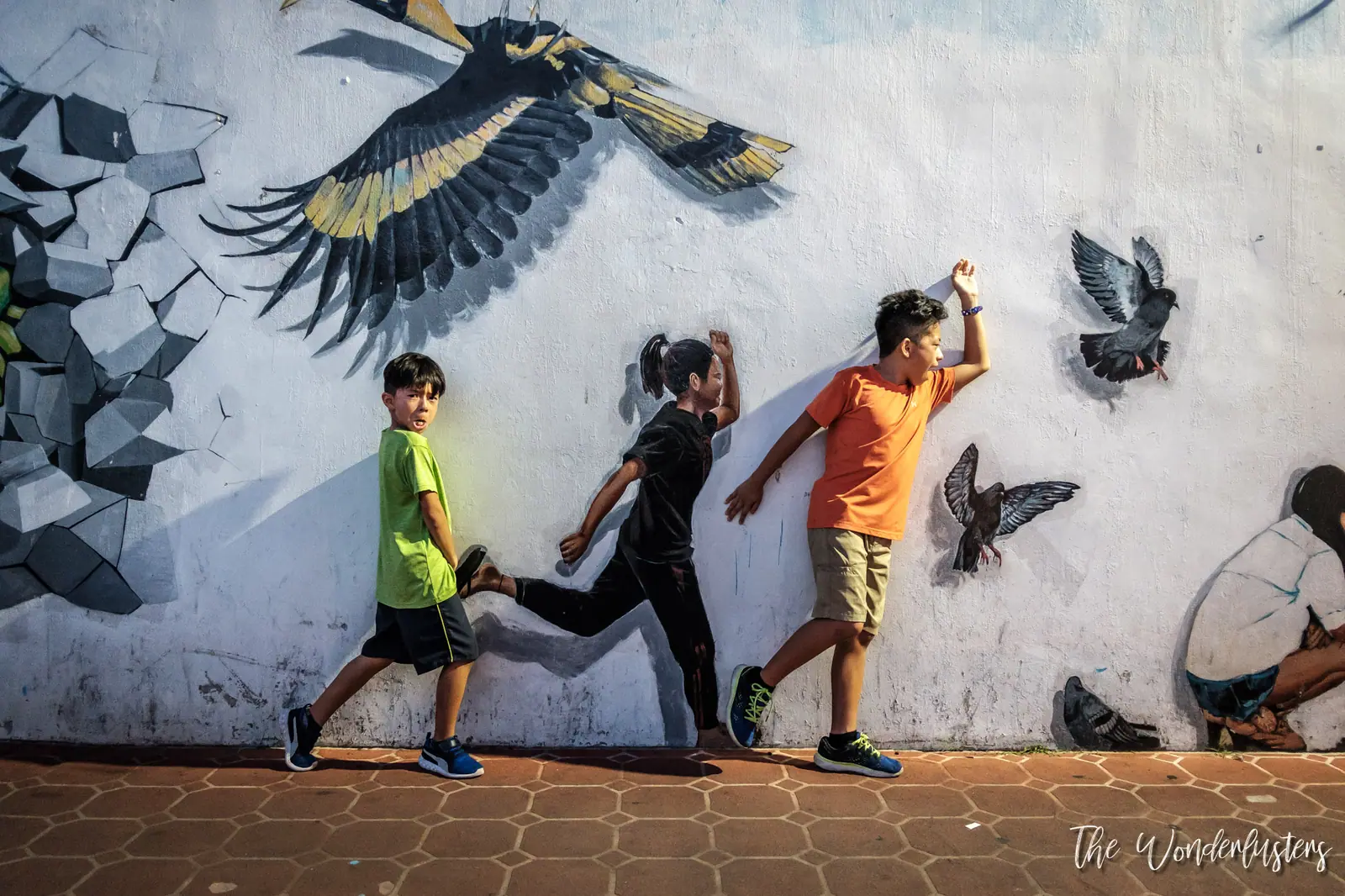
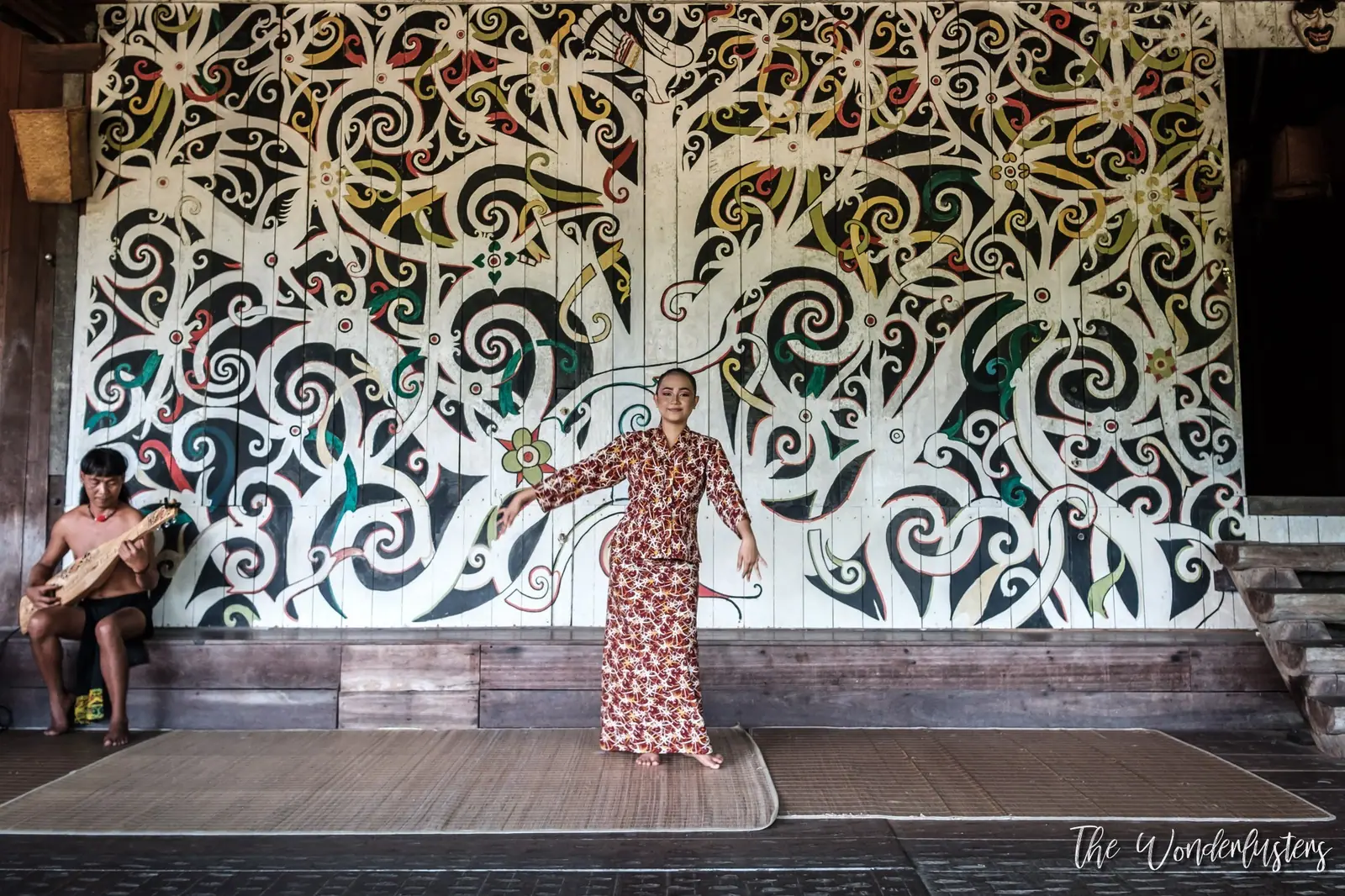
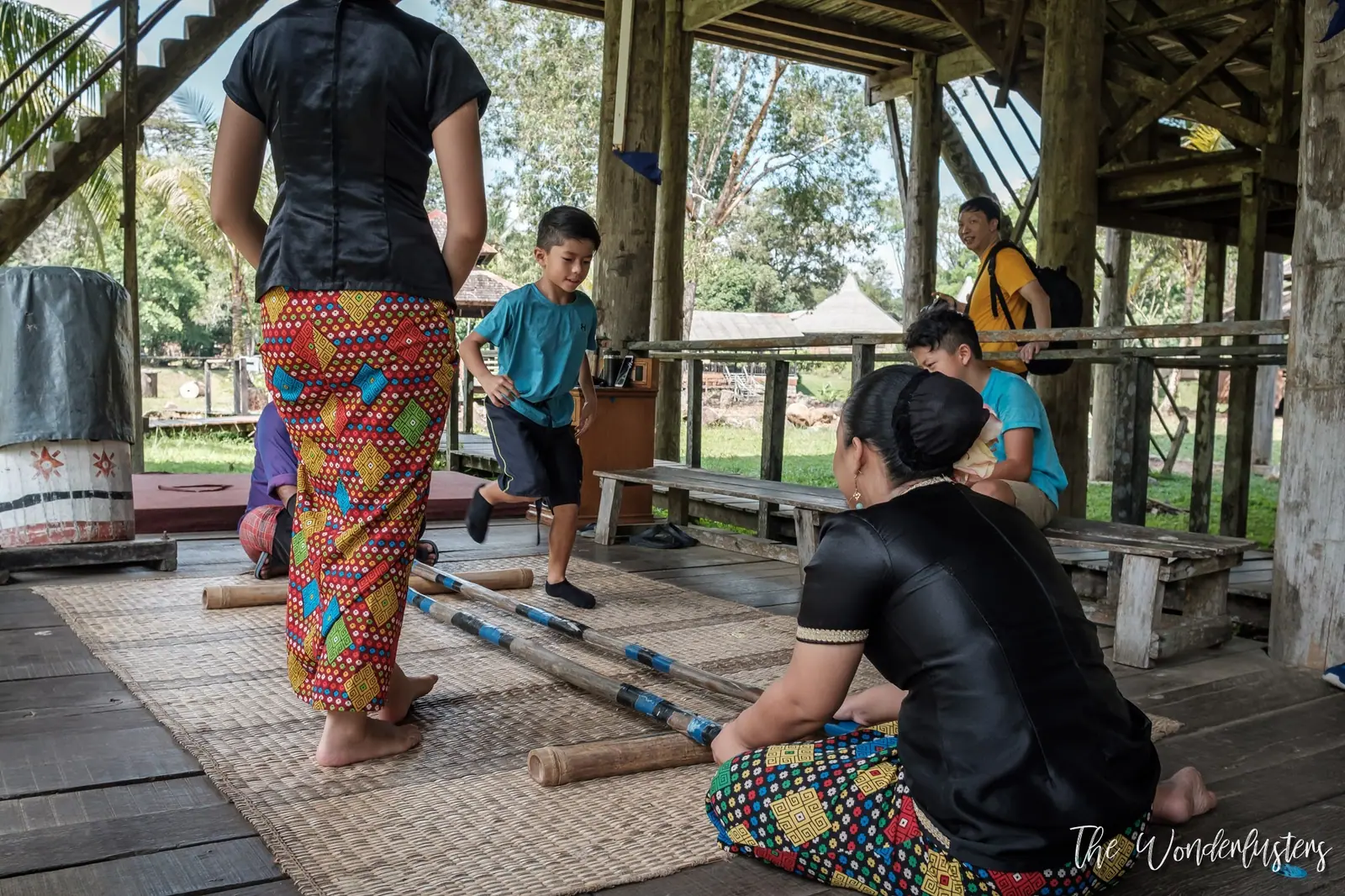
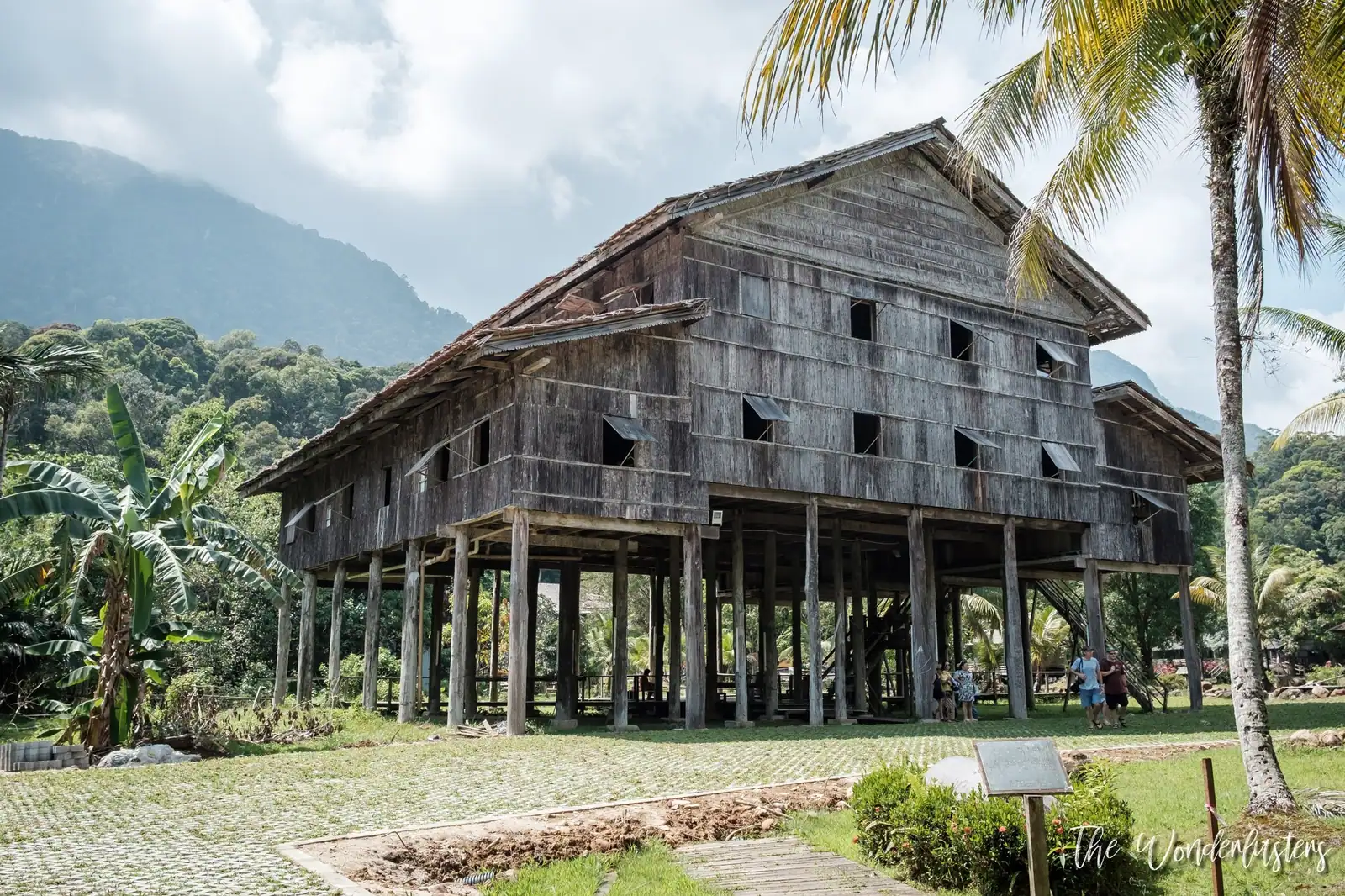
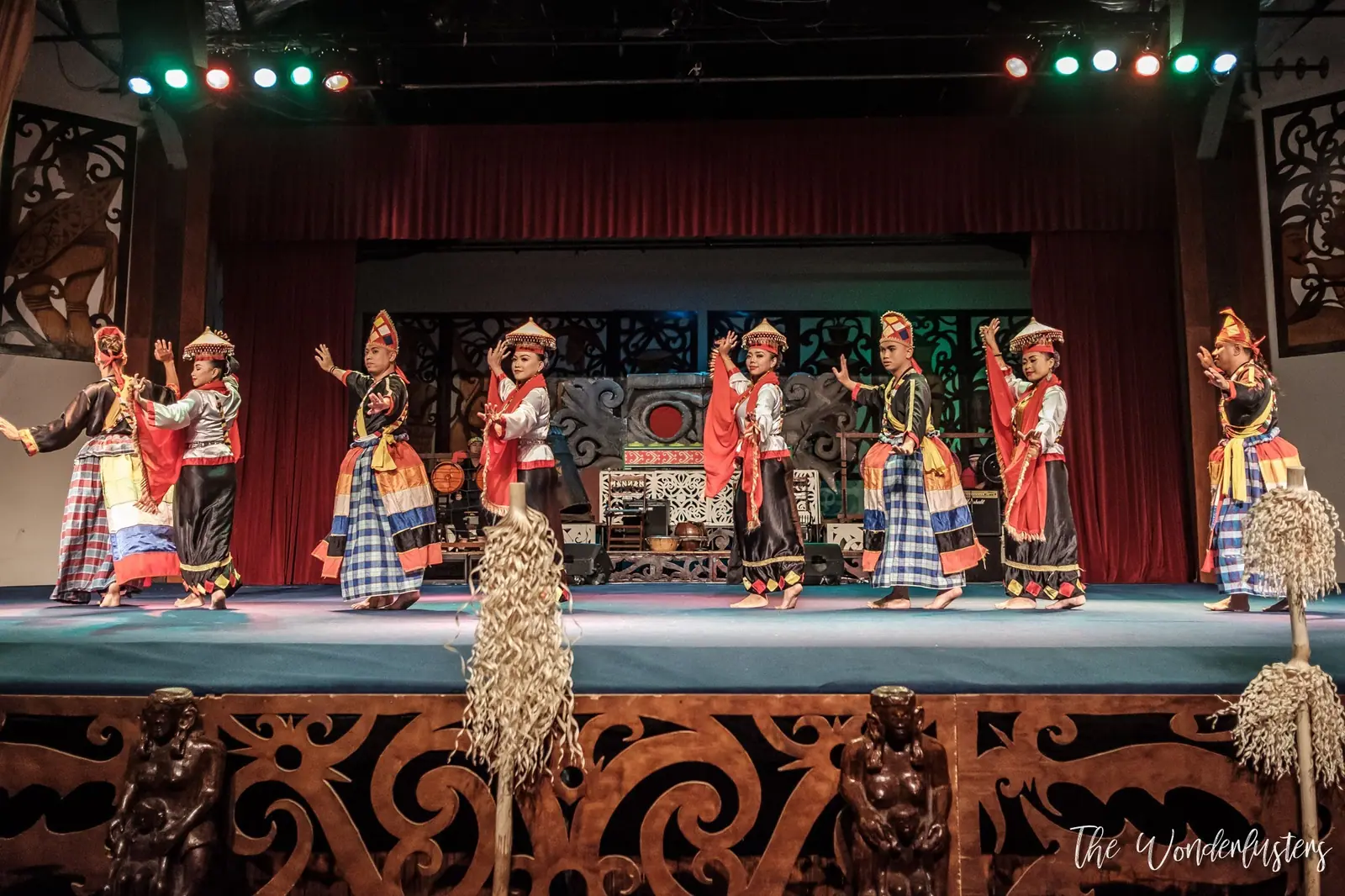
Since half of Sarawak’s inhabitants belong to indigenous peoples, we wanted to visit the Sarawak Cultural Village. We discovered the traditions and customs of each of Sarawak’s ethnic groups: the Iban, Malay, Chinese, Bidayuh, Orang Ulu and Melanau. We even watched a traditional dance show.
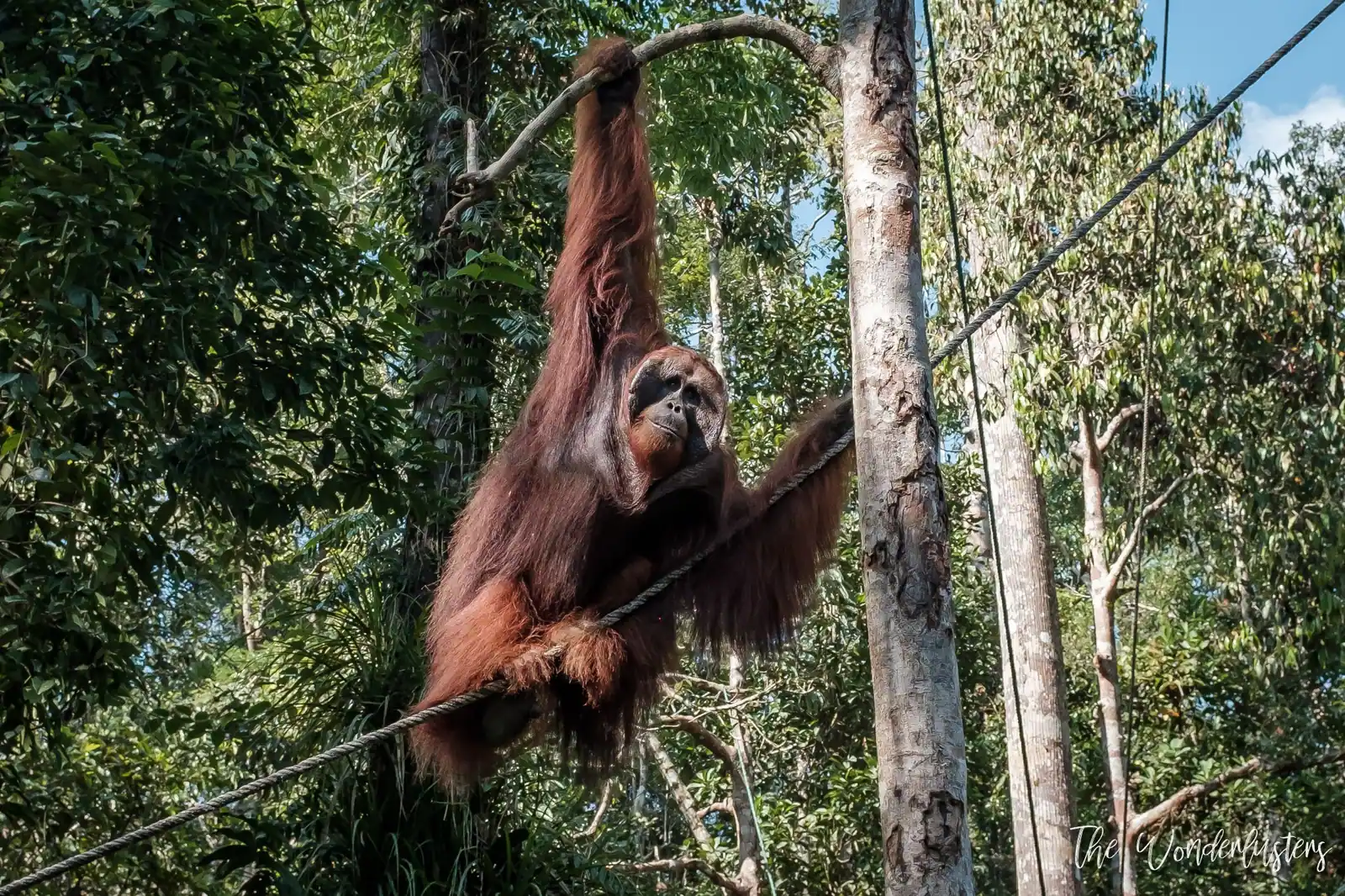
Orangutans are native to the islands of Borneo and Sumatra, and few places are left where you can see them in their natural environment. The Semenggoh Nature Reserve is a sanctuary dedicated to protecting them. Because the forest is too small for its population, fruit is served twice a day, which lets visitors see the apes up close. We were lucky enough to see one of the reserve’s 3 big males. Impressive!
Desaru
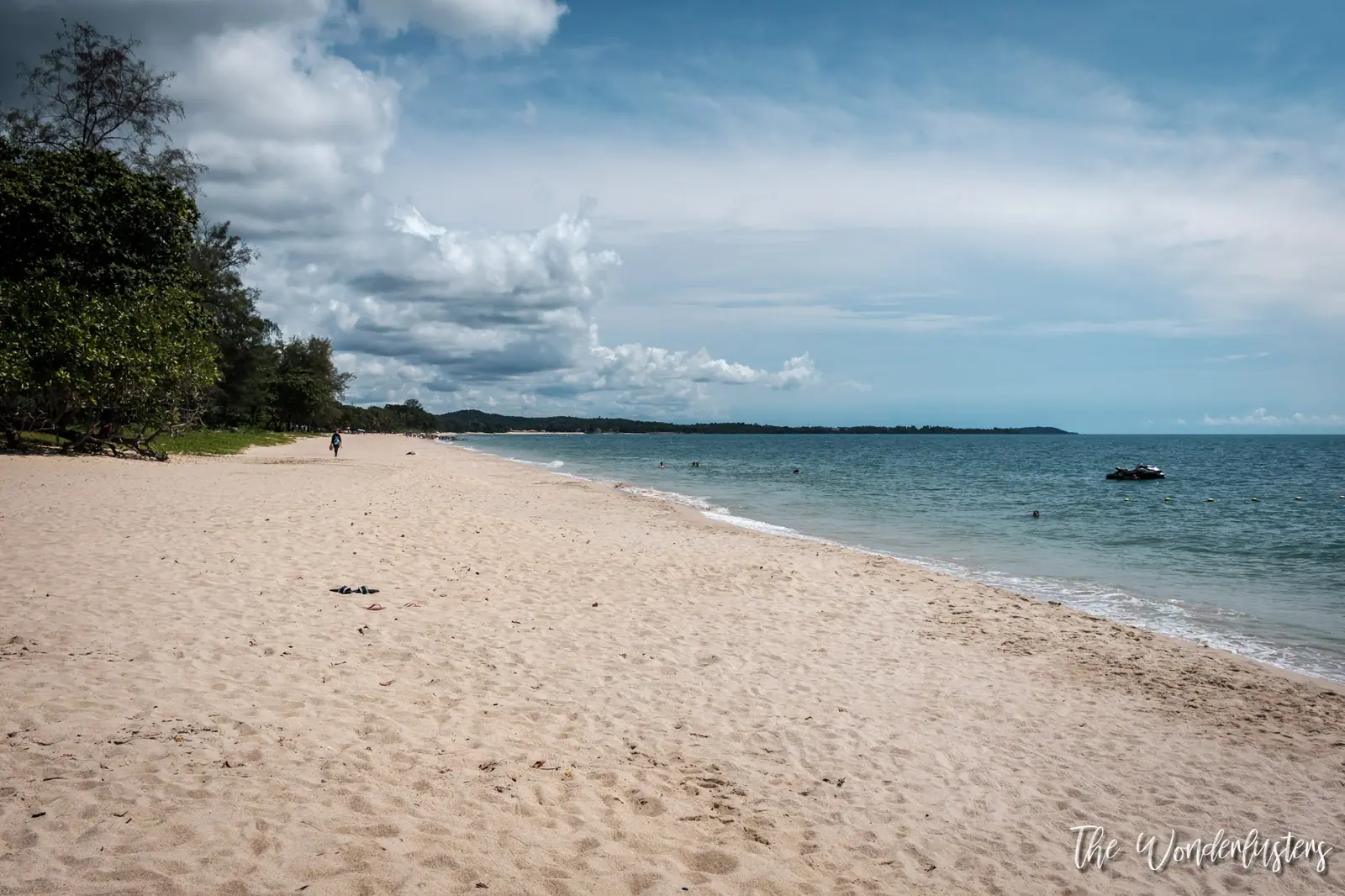
We spent two nights in Desaru, on the east coast of the Malaysian peninsula. What is there to do? Not much besides relaxing by our hotel pool, walking on the beach and eating. At the time, it was a large resort area still under construction, with amusement parks and new hotels.
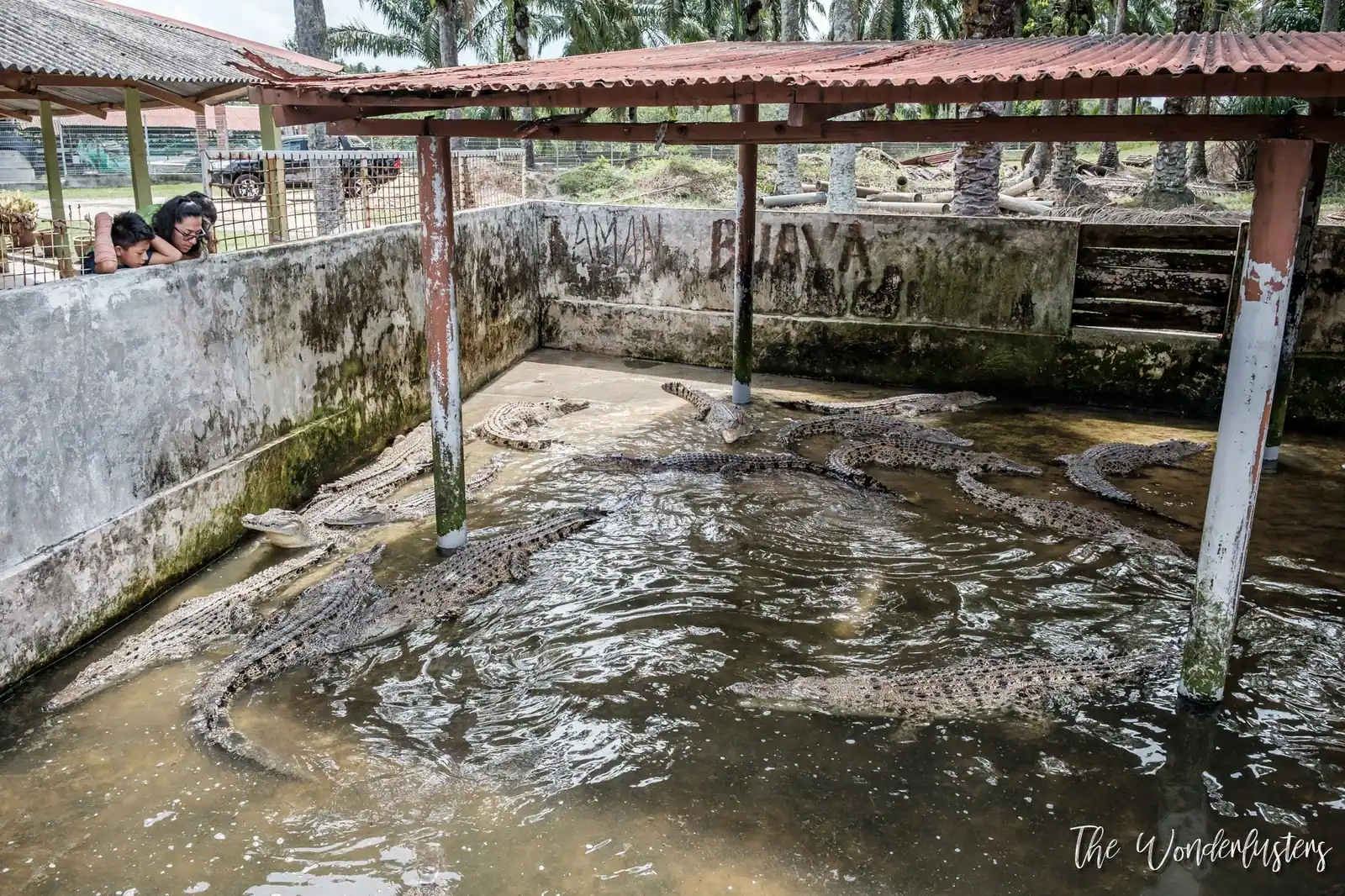
We stopped at the Teluk Sengat crocodile farm, home to more than a thousand crocodiles, including one said to be 155 years old! We fed them chicken and even held a 10-month-old baby crocodile only 30 cm long. We also learned that crocodiles, alligators and some turtles show virtually no biological ageing: in theory they could live indefinitely, and they eventually die of predation or hunger.
Planning Your Trip to Malaysia
Our Itinerary
Kuala Lumpur is a hub for AirAsia, so we passed through the city several times and grew to know and like it.
Our itinerary in Malaysia can be summed up as follows:
- 4 short stays in Kuala Lumpur, for a total of 6 nights;
- A 4-night stay in Sarawak (northern Borneo), mainly to visit Bako National Park;
- 2 nights in Desaru, on the Malaysian peninsula.
Getting Around Malaysia
Because Kuala Lumpur is an AirAsia hub, we flew into the country 4 times. Domestic fares were so low that we took the opportunity to visit Sarawak.
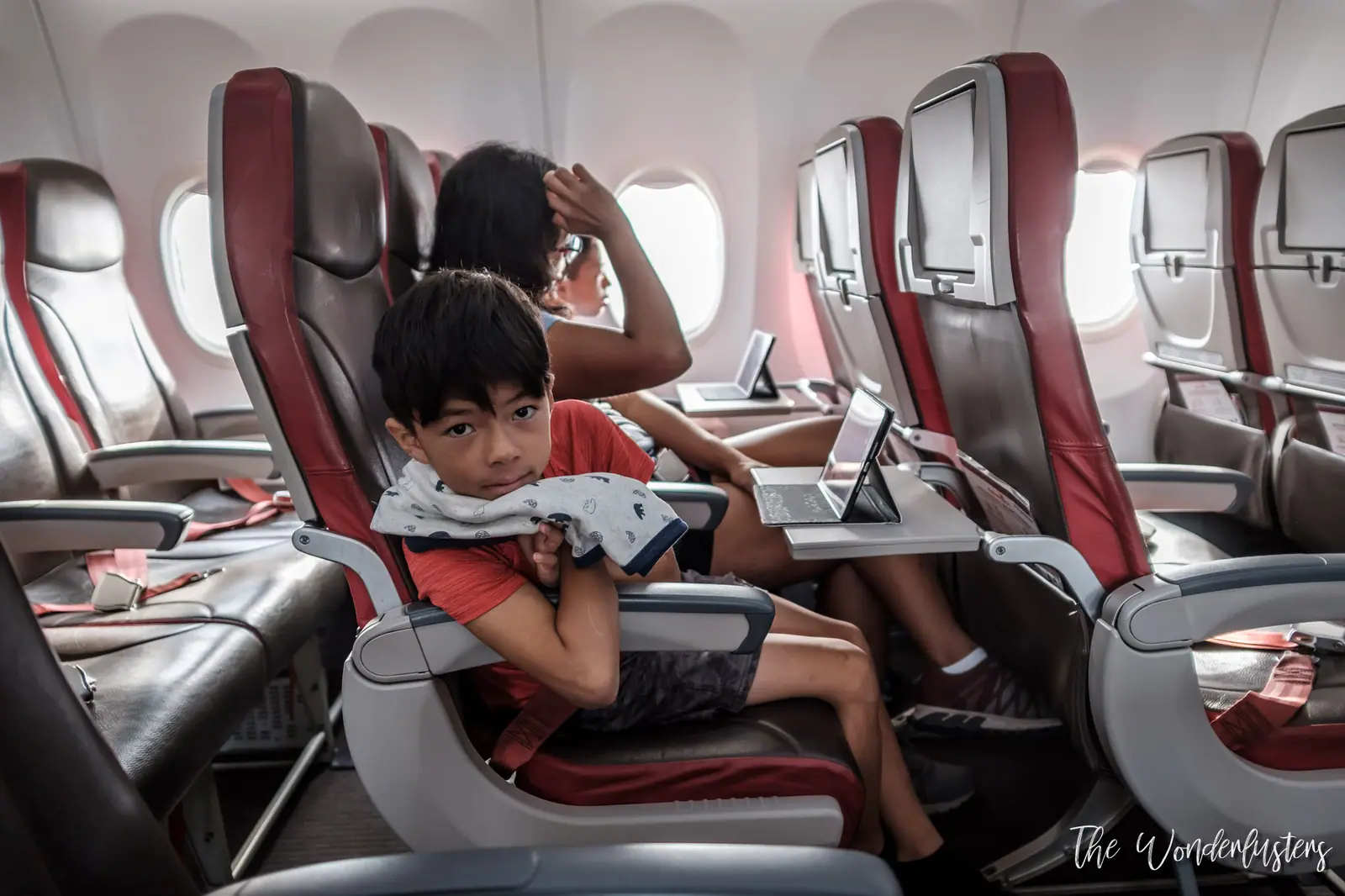
It suited us well, because it meant coming back to the Plaza Premium Lounge, the airport lounge we used most often during our whole trip. It is one of the nicest Priority Pass lounges we have visited, with a wide choice of excellent food. And since it is one of the few lounges outside the boarding area, we could use it both on arrival and before departure, which saved us a lot of money on meals!
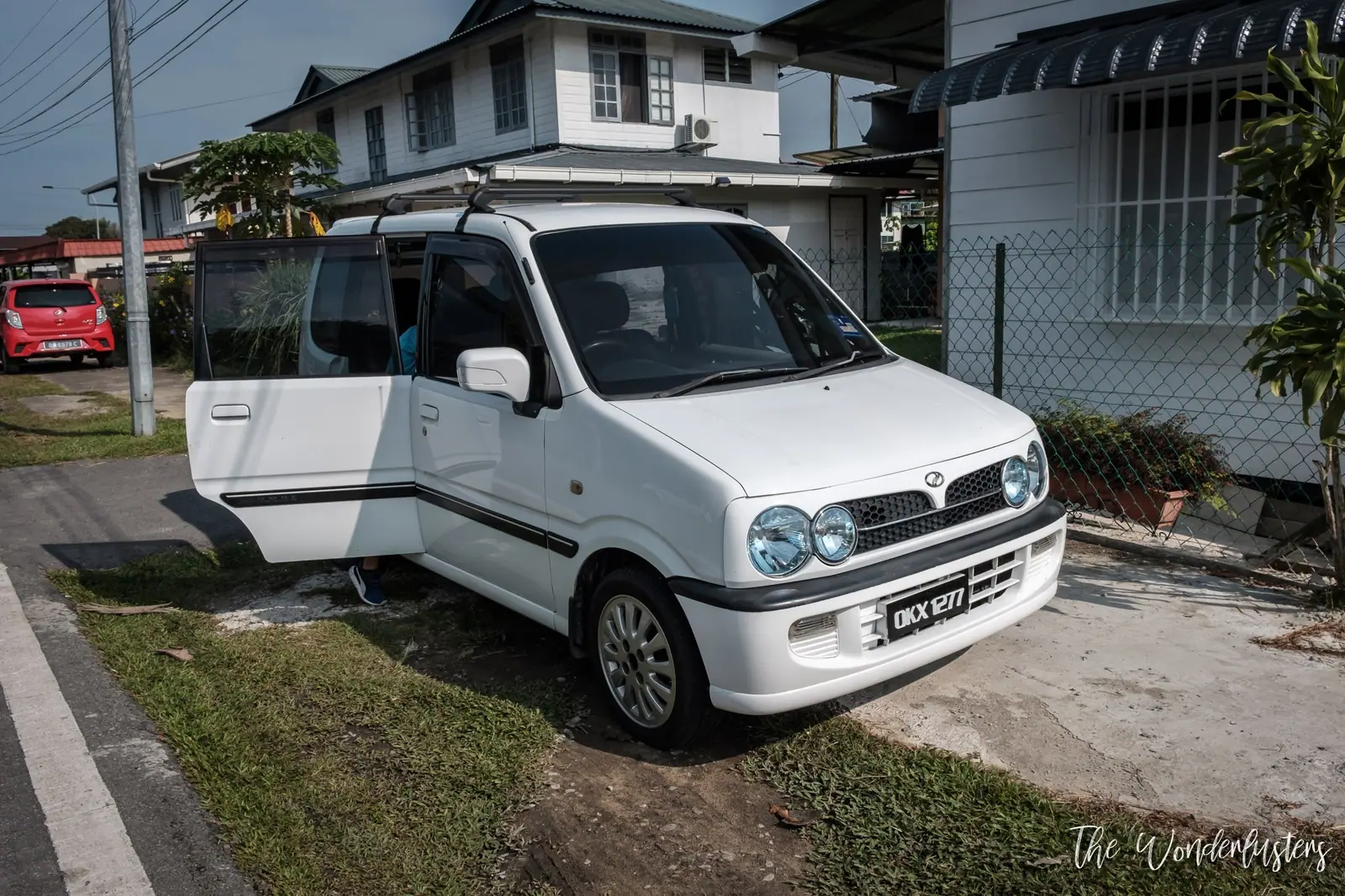
On the peninsula, we mostly used Grab (Southeast Asia’s answer to Uber, which was born in Malaysia) or public transport such as trains and buses. In Sarawak, we rented a car for more flexibility.
Where We Stayed
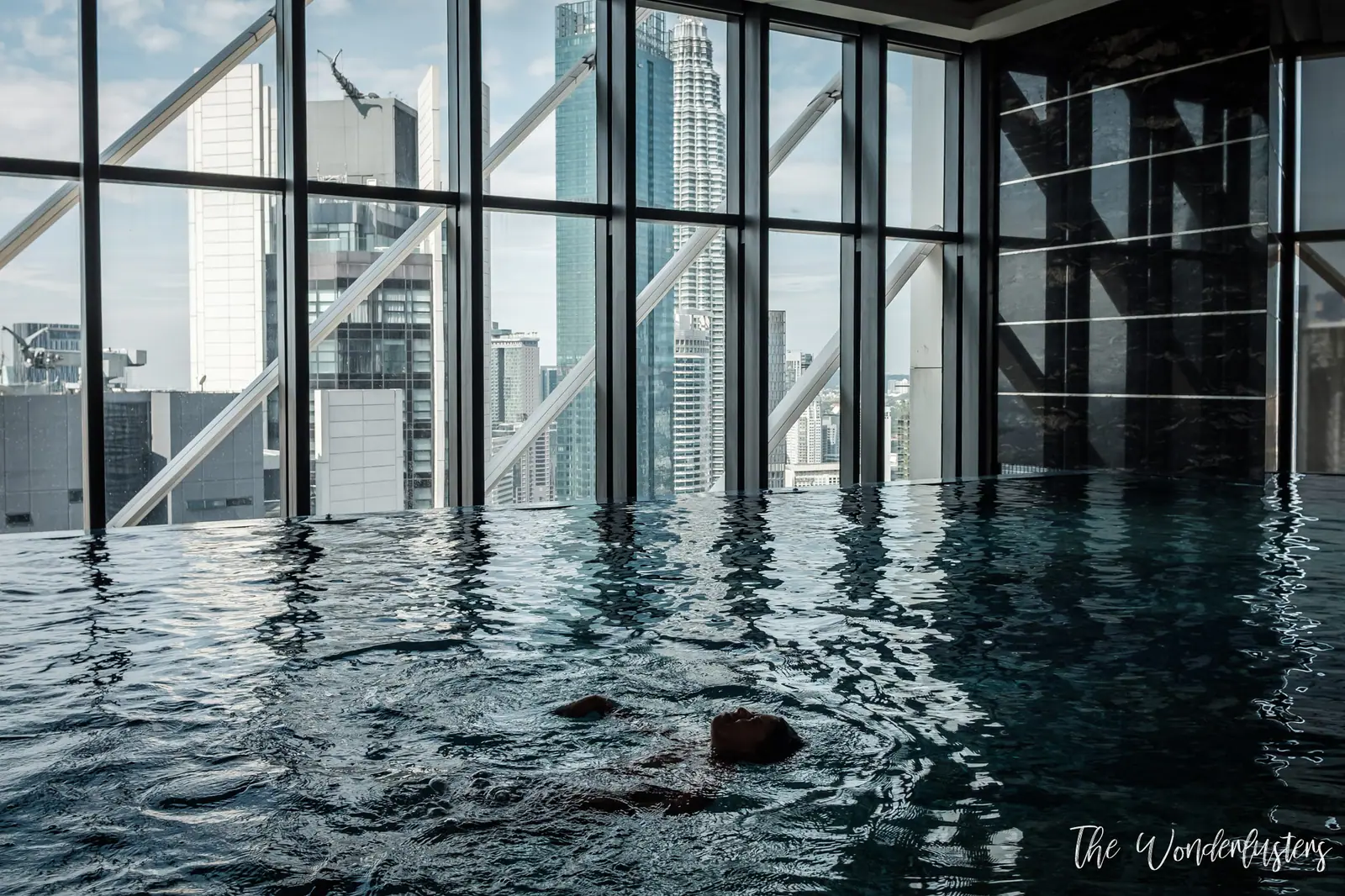
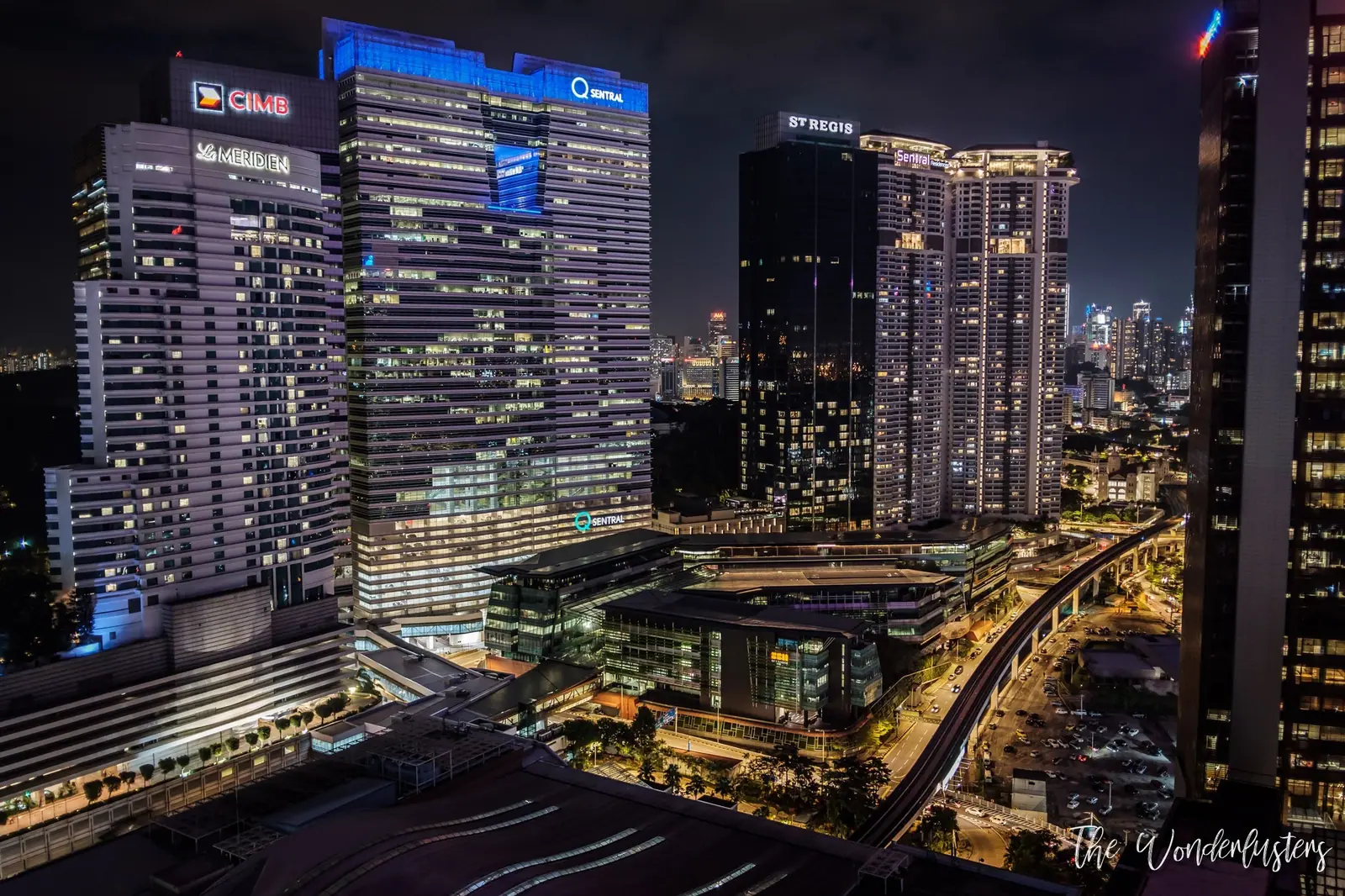
On our first visit to Kuala Lumpur, we stayed at the beautiful Element Kuala Lumpur, on the upper floors of the Ilham Tower, then the 5th tallest tower in the country. Needless to say, the view was sensational! It was a Marriott Bonvoy Category 2 hotel (12,500 points), but we had booked it while it was still Category 1, so it cost us only 7,500 points.
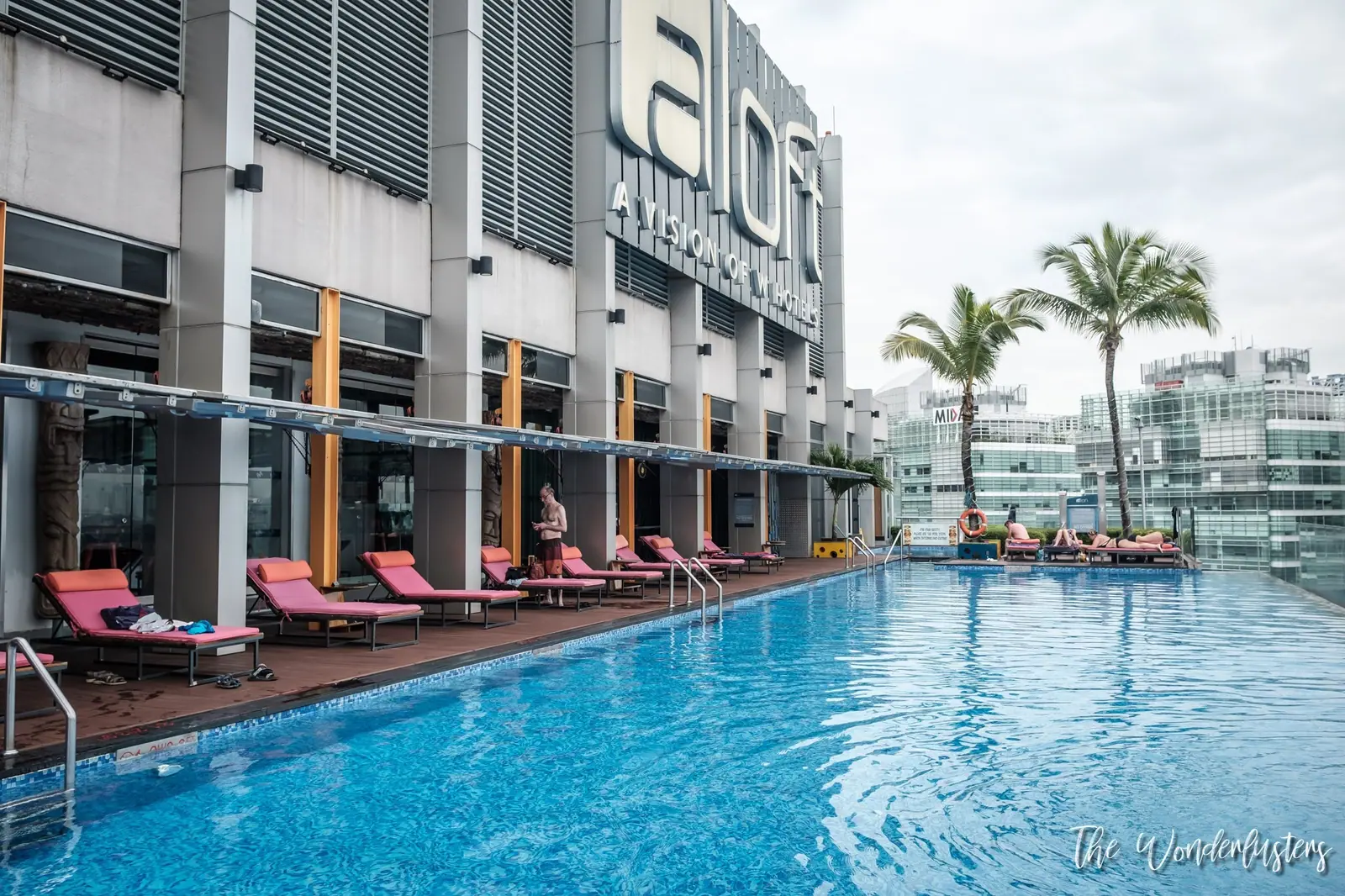
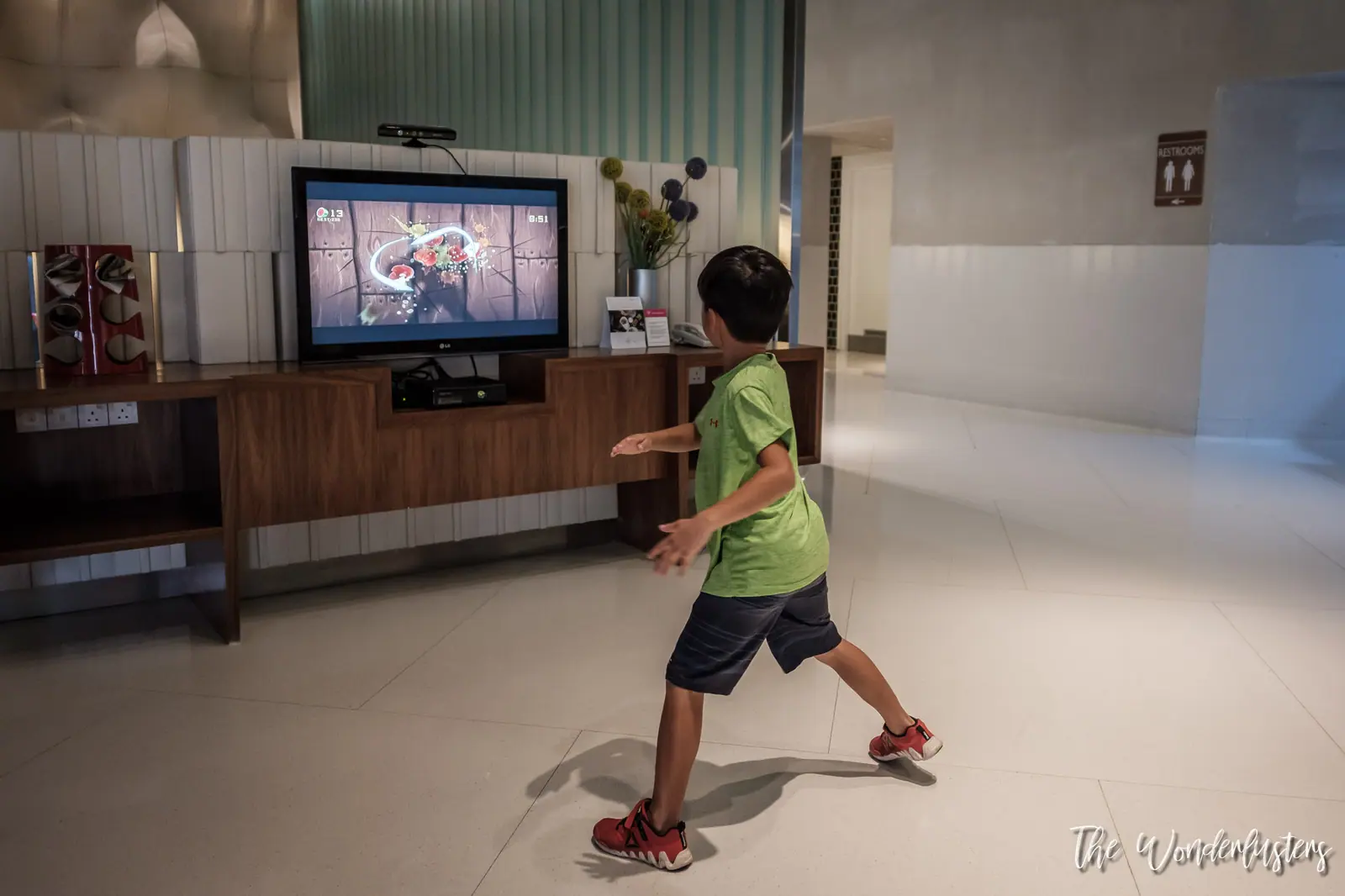
For our other stays in Kuala Lumpur, we preferred the Aloft Kuala Lumpur Sentral, another 4-star Category 2 hotel that we had booked while it was Category 1. The reason: the airport bus dropped us off right in the hotel’s basement, and all we had to do was take the elevator up to the lobby. Its main strengths were a central location and a rooftop pool on the 30th floor.
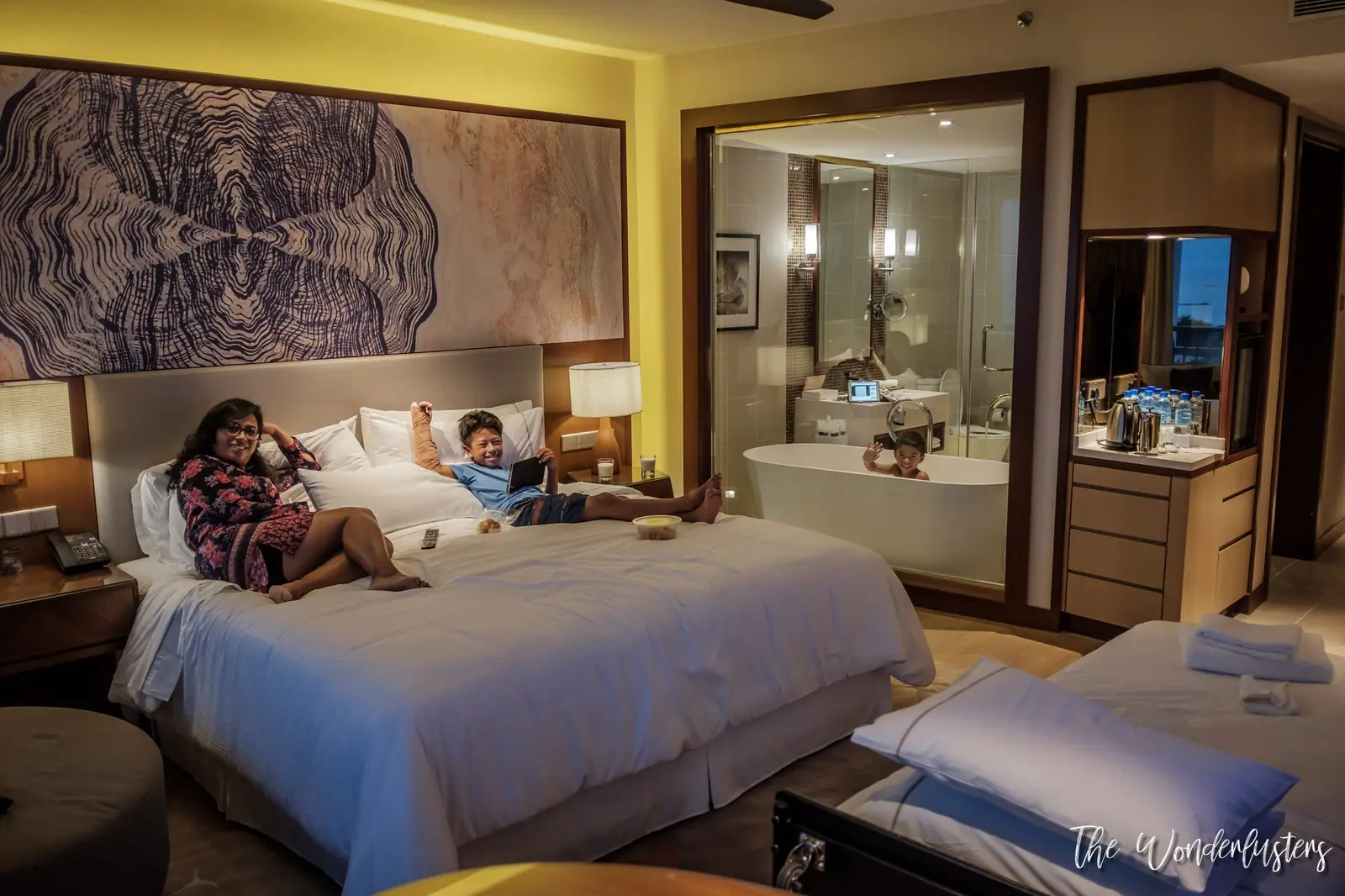
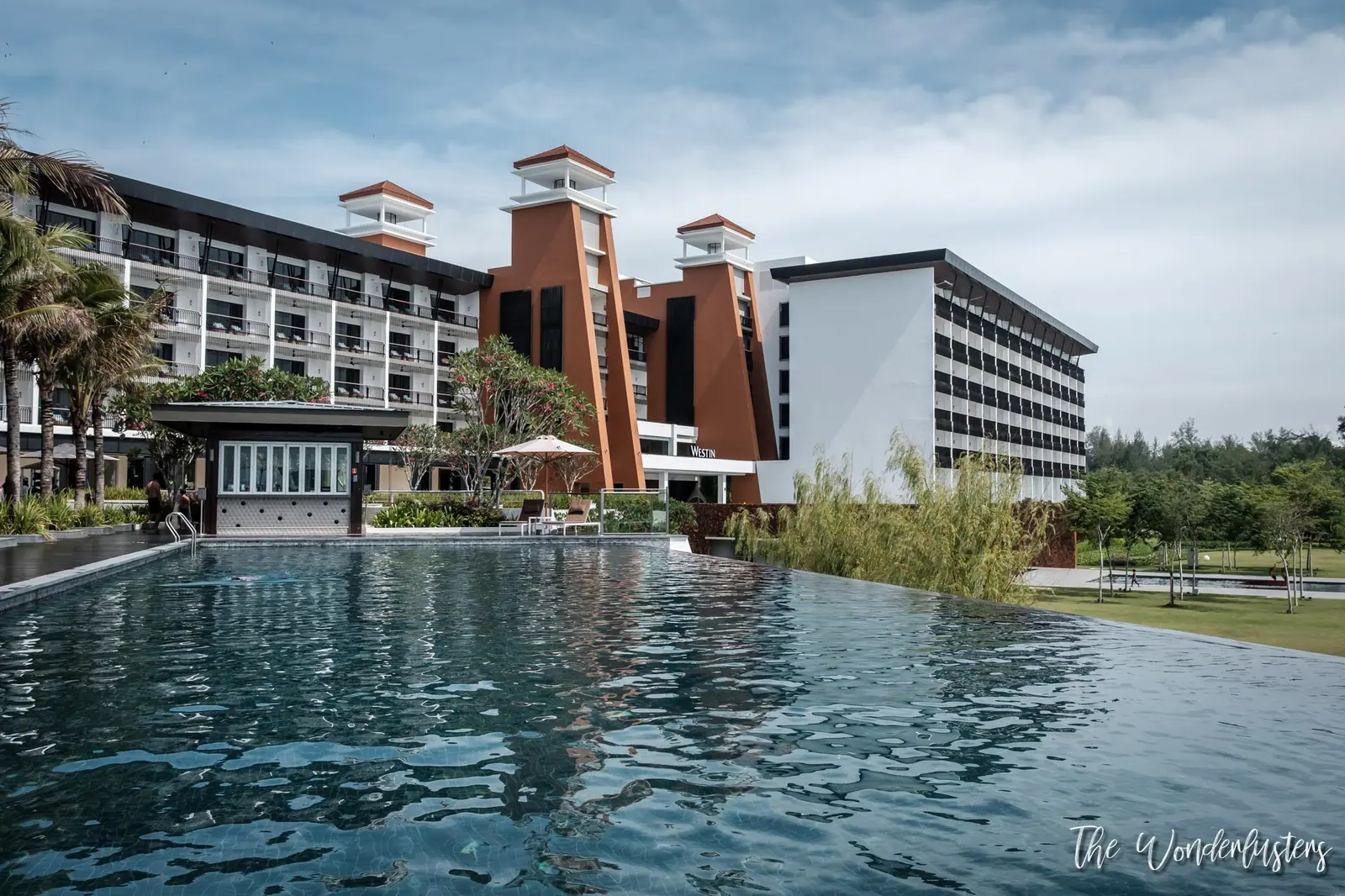
On our last visit, we stayed by the sea at the then brand-new The Westin Desaru Coast Resort. It was one of the few Westin hotels in Category 2, so it cost us only 12,500 points per night; given the quality of the place and the potential of the resort, we were sure its category would rise before long. We had a beautiful, spacious sea-view room, and the breakfast had the widest variety of food we can remember. The service and staff were flawless.
2026 update: Marriott Bonvoy dropped its award chart and hotel categories on March 29, 2022; the number of points per night now varies with the hotel’s cash rate (source).
What to Eat in Malaysia
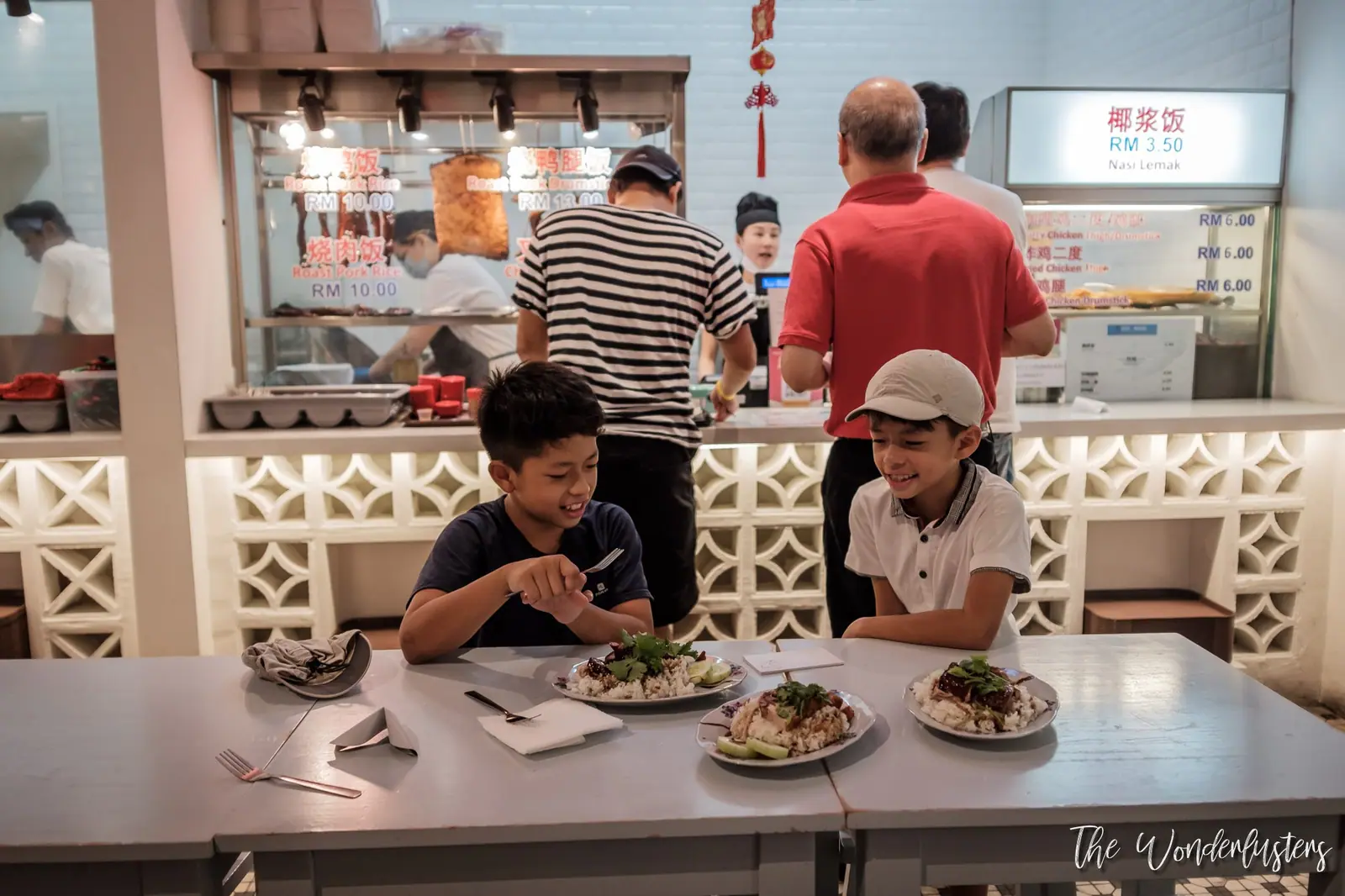
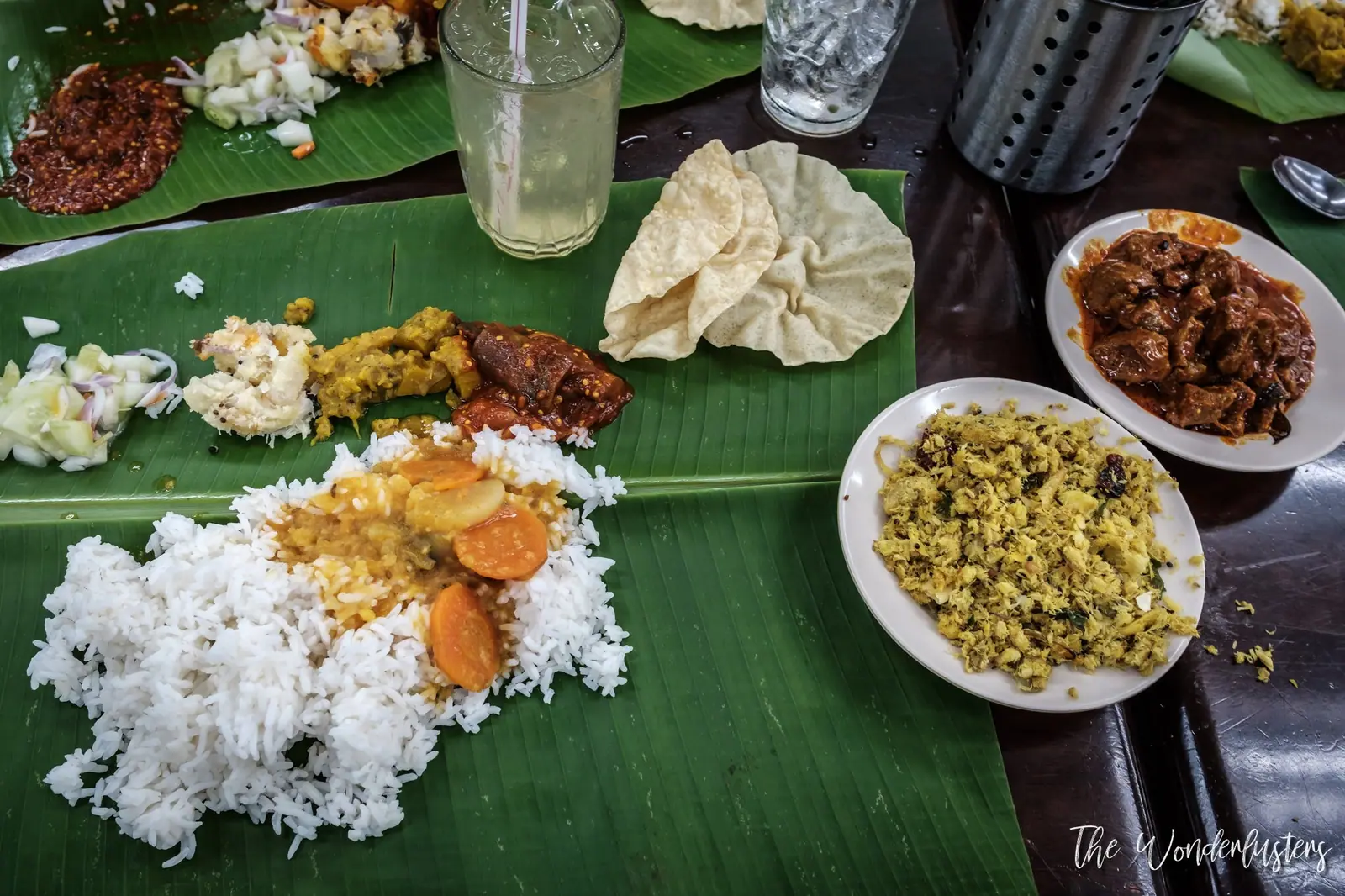
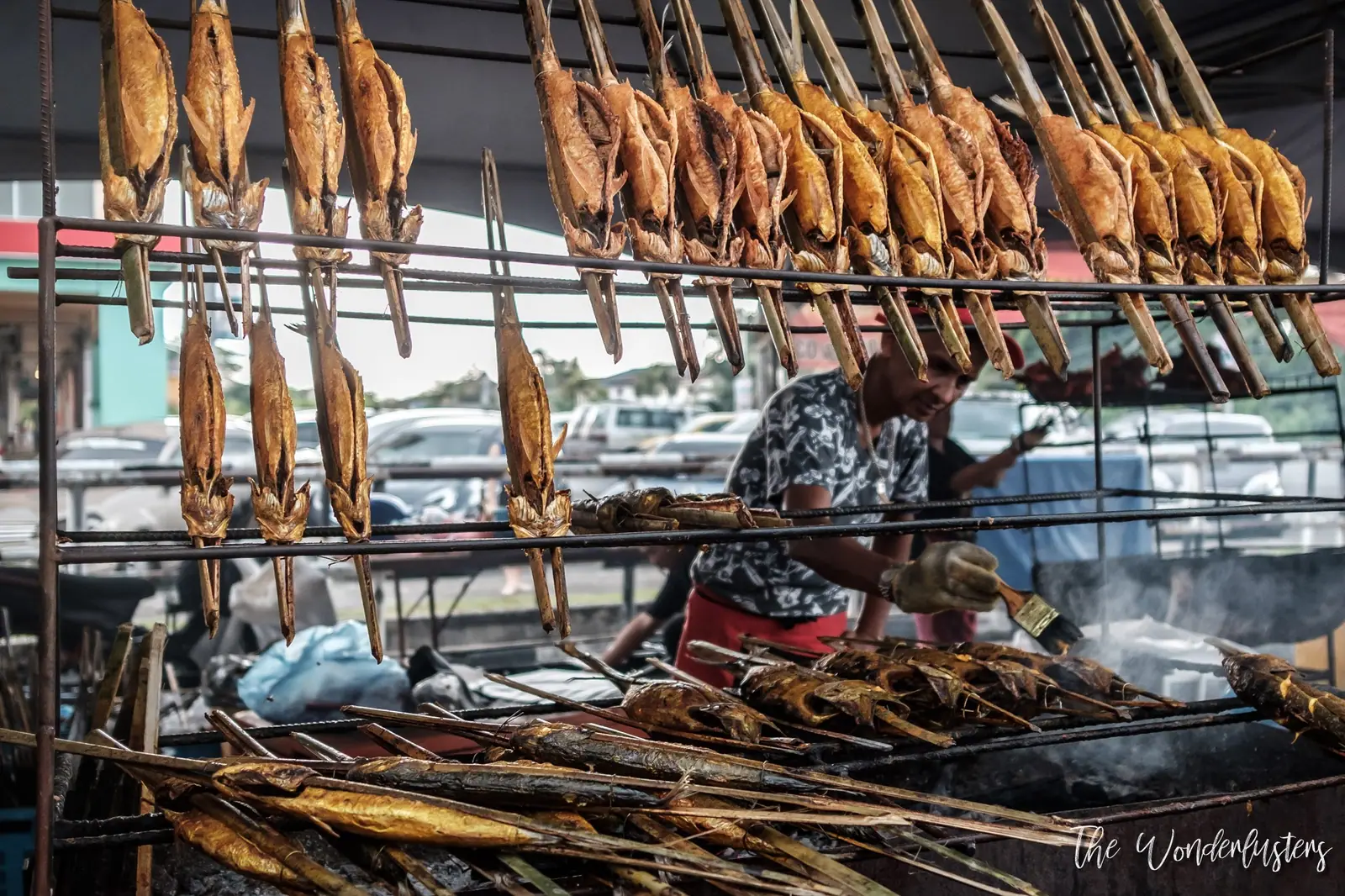
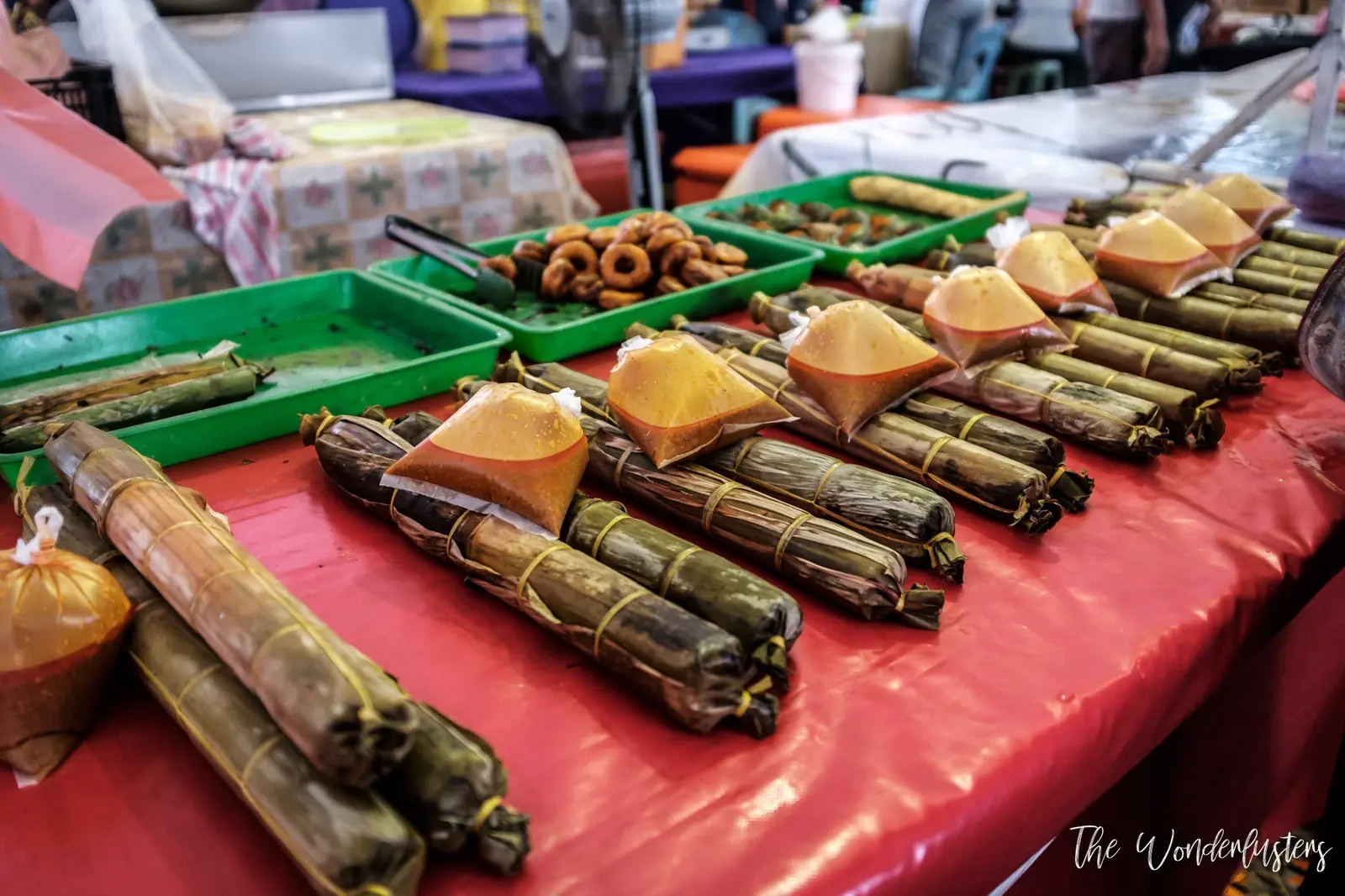
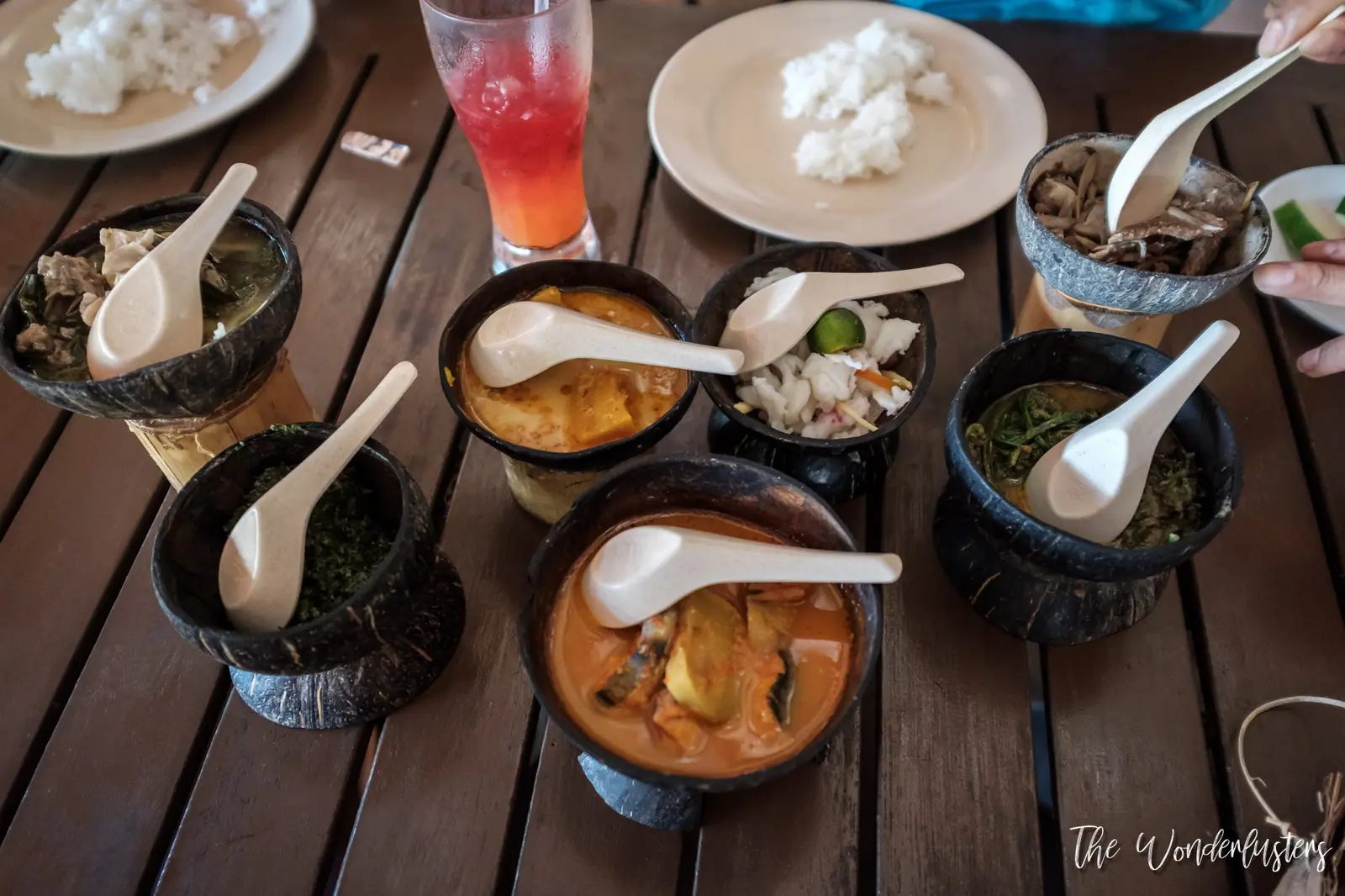
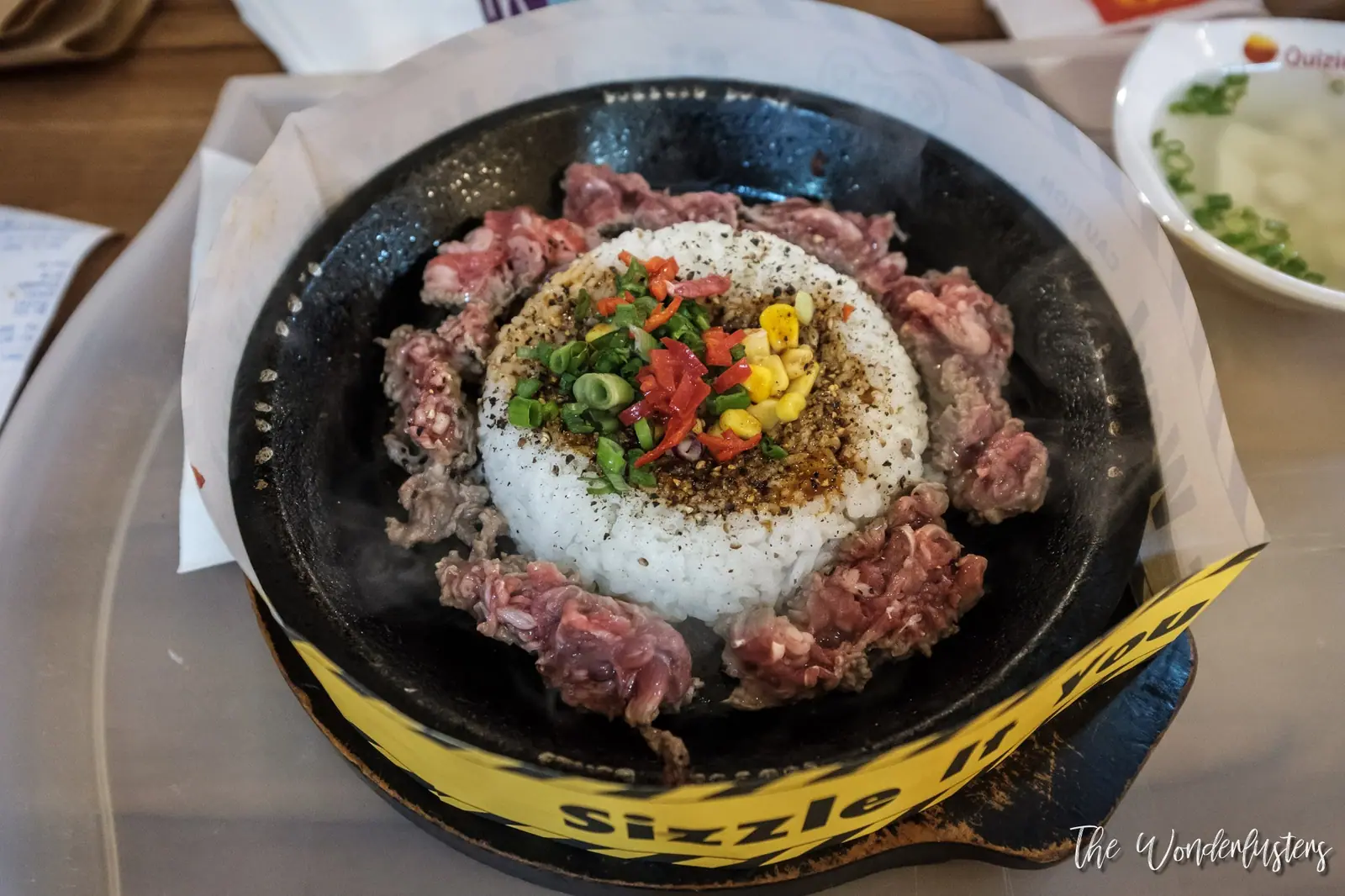
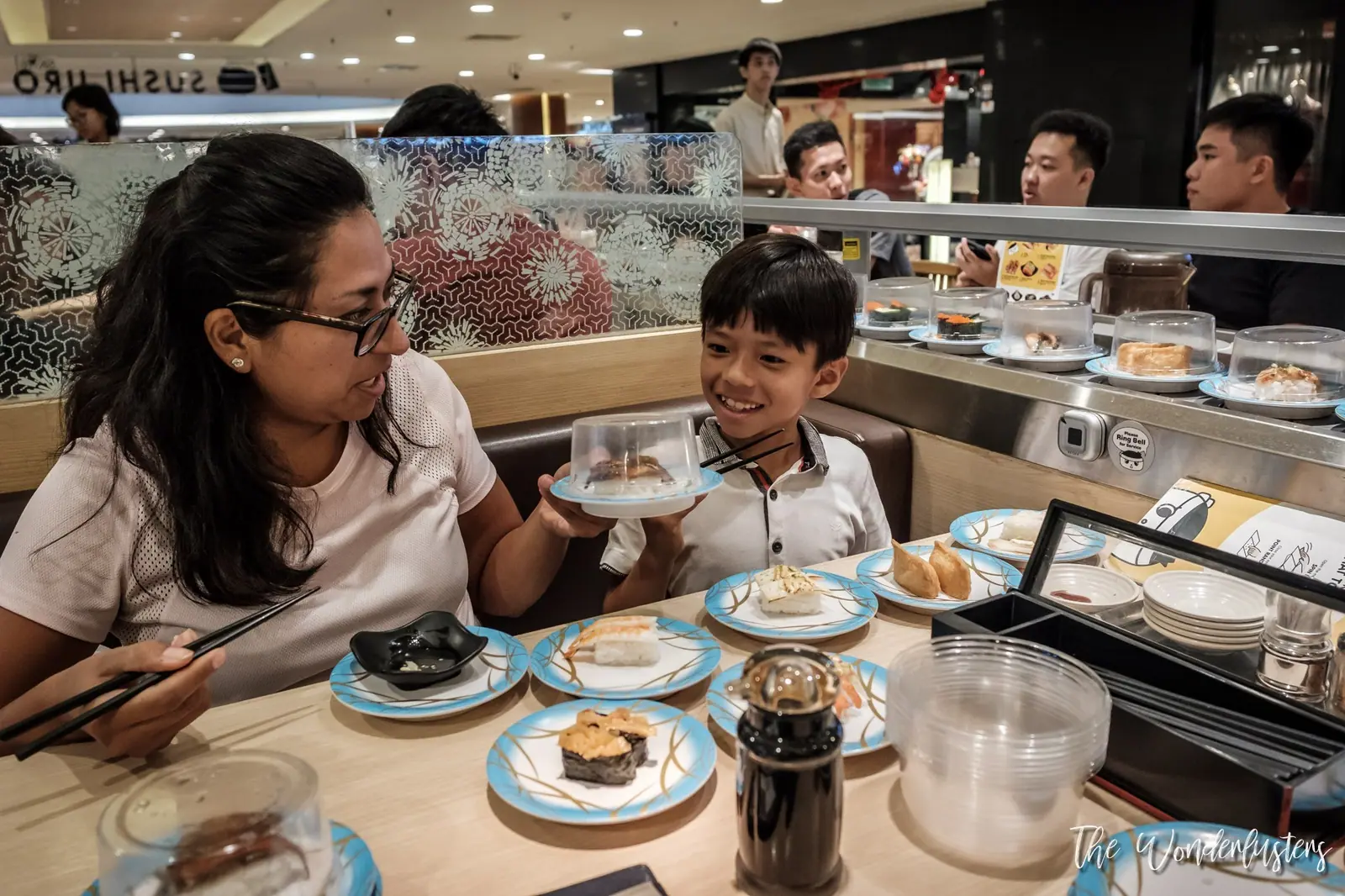
Malaysian food is tasty and varied, with Malay, Chinese and Indian influences, and it was very cheap. We absolutely loved it!
How Much Does a Trip to Malaysia Cost?
The cost of living in Malaysia is very low. And since we often slept in Marriott Bonvoy hotels using points, our accommodation costs were almost negligible. The cost of our stay for our family of 4 was only:
- 4,535.00 MYR (1,108.80 USD);
- 378.00 MYR (92.42 USD) per day;
- 94.00 MYR (22.98 USD) per person and per day.
Amounts were paid in ringgits. US-dollar equivalents use the average exchange rate during our first stay (January 12–13, 2019): 1 USD = 4.09 MYR.
In detail:
| Expense Category | Amount Spent |
|---|---|
| Flights | 1,689.00 MYR / 412.96 USD |
| Accommodation | 557.00 MYR / 136.19 USD |
| Transport | 962.00 MYR / 235.21 USD |
| Eating out | 687.00 MYR / 167.97 USD |
| Groceries | 304.00 MYR / 74.33 USD |
| Activities | 336.00 MYR / 82.15 USD |
| Total | 4,535.00 MYR / 1,108.80 USD |
Conclusion
If you ask Luka what his favorite country is, he’ll say Malaysia, and for good reason: we shared some memorable moments there. Malaysia is a rich, well-organized and very affordable country, with varied, excellent food and a population of many cultural origins.
Next up: our post on Bali!
Questions travellers ask
How many days did you spend in Malaysia?
We spent 12 days in Malaysia over four stays between January and June 2019: 6 nights in Kuala Lumpur, 4 nights in Sarawak on the island of Borneo, and 2 nights in Desaru.
How much does a trip to Malaysia cost?
For our family of four, 12 days in Malaysia cost 4,535 MYR (1,108.80 USD), or 378 MYR (92.42 USD) per day and 94 MYR (22.98 USD) per person per day. Accommodation cost us very little because we often stayed in Marriott Bonvoy hotels with points.
Is it worth spending the night at Bako National Park?
Yes. Animals are more active at dawn and dusk, and the guided night walk, nearly 2 hours on a trail, was the highlight of our stay: spiders, vipers, scorpions, stick insects, frogs, flying lemurs and more.
Where can you see orangutans near Kuching?
We saw them at the Semenggoh Nature Reserve, a sanctuary dedicated to orangutans. Because the forest is too small for its population, fruit is served twice a day, which lets visitors see them up close.
How did you get around Malaysia?
We flew AirAsia through its Kuala Lumpur hub, including a cheap domestic flight to Sarawak. On the peninsula we used Grab, trains and buses; in Sarawak we rented a car.