EuropeSeptember 20189 min read
9 Days in Central Europe: Itinerary, Highlights and Budget
In short
We spent 9 days road-tripping through Slovakia, Hungary, Poland and the Czech Republic, the four countries of the Visegrád Group, covering 1,634 km by rental car. Poland was our favorite stop, and Auschwitz left the deepest impression. Total cost for our family of four: 1,147 EUR, about 1,327 USD at 2018 rates.
- Dates
- 2018-08-02 to 2018-08-11
- Number of days
- 9
- Inbound
- From Vienna, Austria by car
- Outbound
- To Dresden, Germany by car
- Mode of transport
- Rental car
- Distance travelled (car & foot)
- 1634 km
- Number of photos taken
- 3500 (388 per day)
- Currency
- Slovakia : the Euro (1.00 USD) Hungary : the Florint (1.00 USD = 277 HUF) Poland: the Zloty (1.00 USD = 3,69 PLN) Czech Republic : the Koruna (1.00 USD = 22.14 CZK)
We spent 9 days road-tripping through Slovakia, Hungary, Poland and the Czech Republic — the four countries of the Visegrád Group — covering 1,634 km by rental car. It cost our family of four 1,147 EUR (about 1,327 USD at 2018 rates), and Poland ended up our favorite stop. Here is our itinerary, our budget, and what struck us most in this fast-changing corner of Central Europe.
These four countries share a common thread: all were part of the Eastern Bloc, under Soviet control, until it collapsed at the end of the Cold War. Fewer than 30 years had passed since the market economy took hold here when we visited, and we could feel that the transition hadn’t fully erased the legacy of the old regime. Our time in these countries, which shaped modern history so profoundly, moved us. The impressions below are personal ones, not generalizations.
The Must-Visit Cities in Central Europe
Slovakia
We arrived in Bratislava from Vienna, Austria, less than an hour’s drive away — these two capitals may be the closest in the world. Crossing the border from Austria to Slovakia felt like crossing from Ontario into Quebec: the steering wheel started to vibrate and the shock absorbers got to work. On some flat stretches it genuinely felt like a roller coaster. Bad-road jokes aside, this was the first real sign of poverty we’d come across since starting our trip around the world, apart from in France.
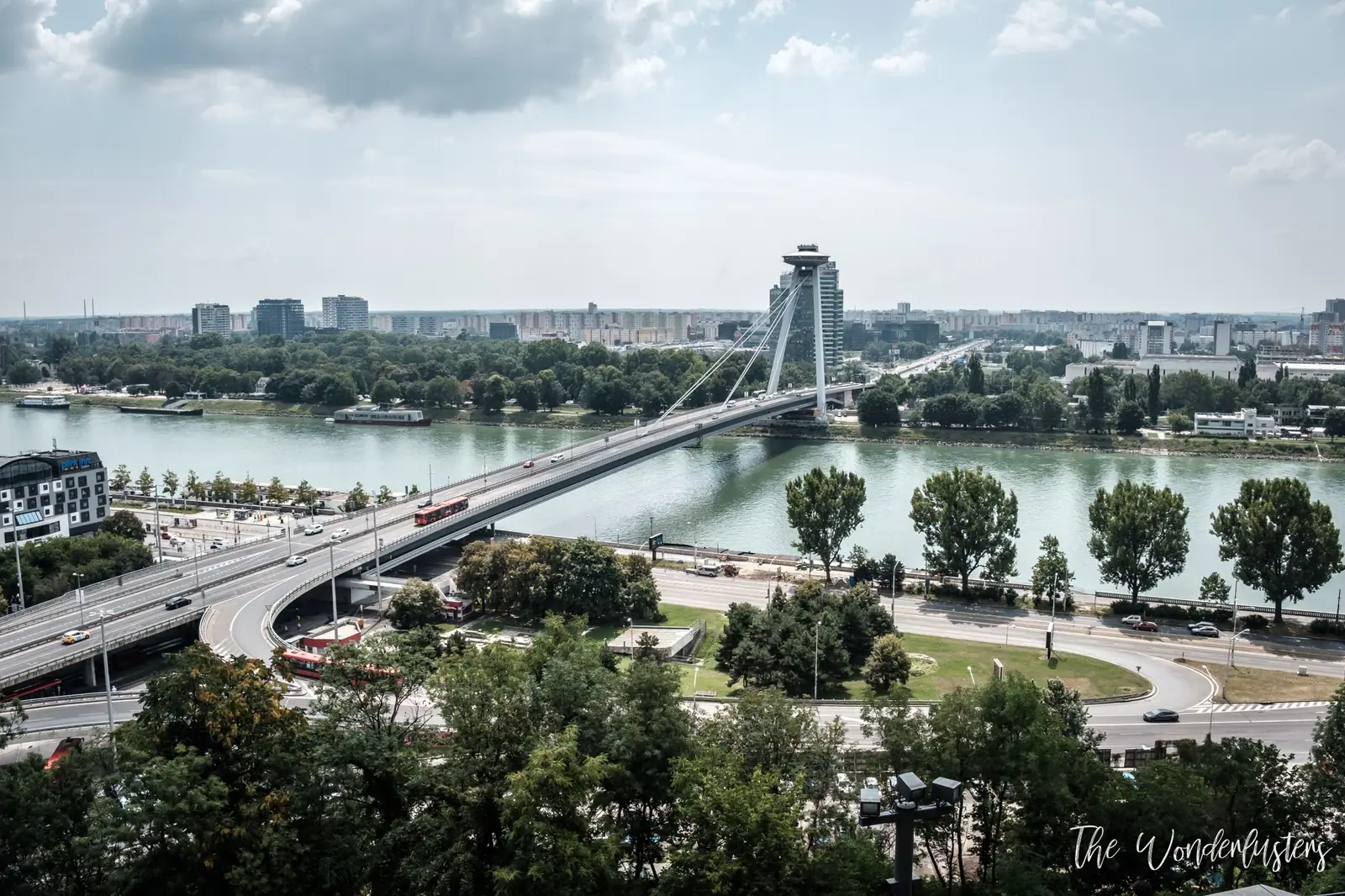
On the road into Bratislava, we passed tall grey apartment blocks and concrete monuments left over from Soviet-era propaganda — straight out of Rocky IV, when Balboa goes to Russia to face Drago.
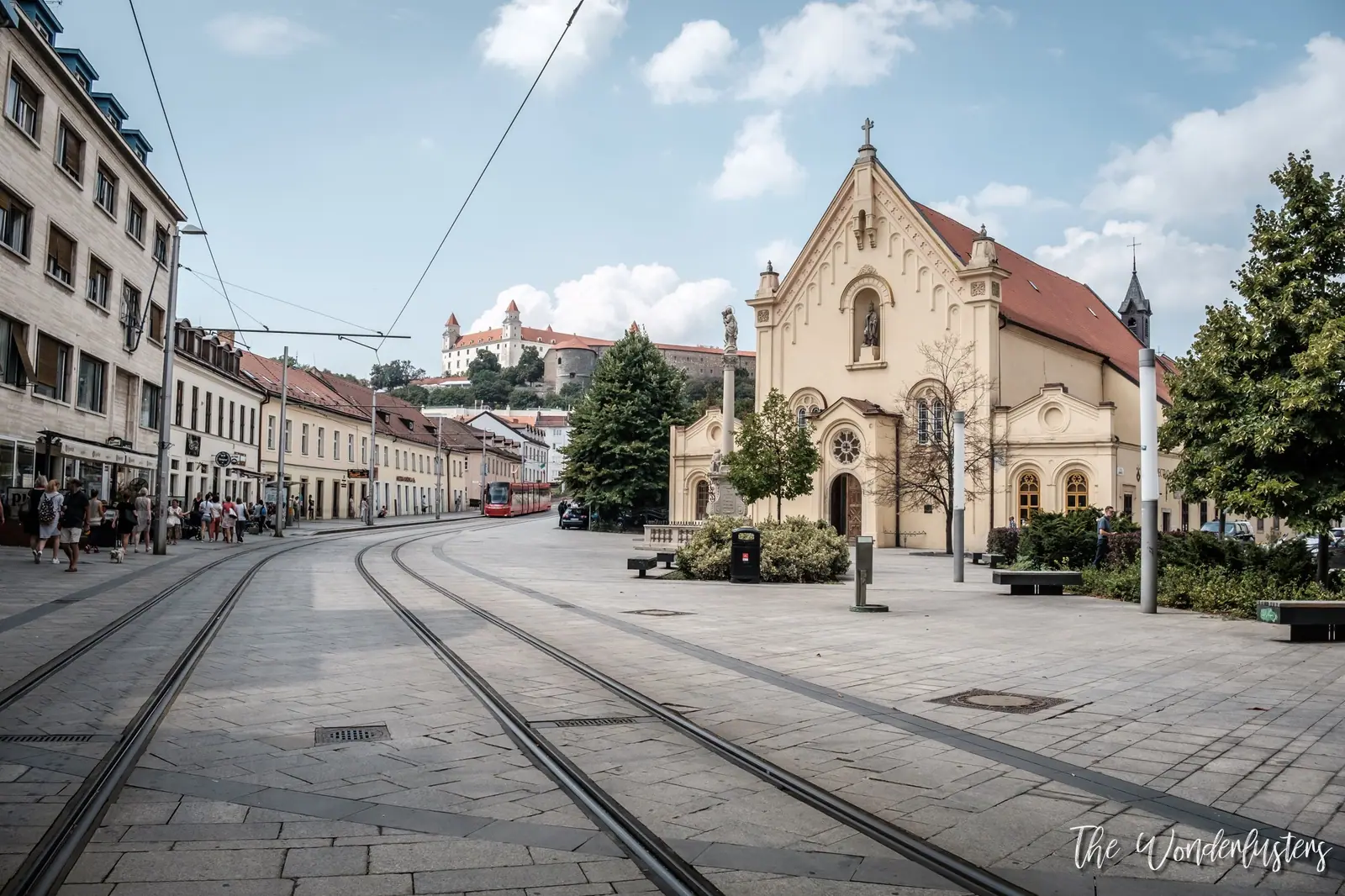
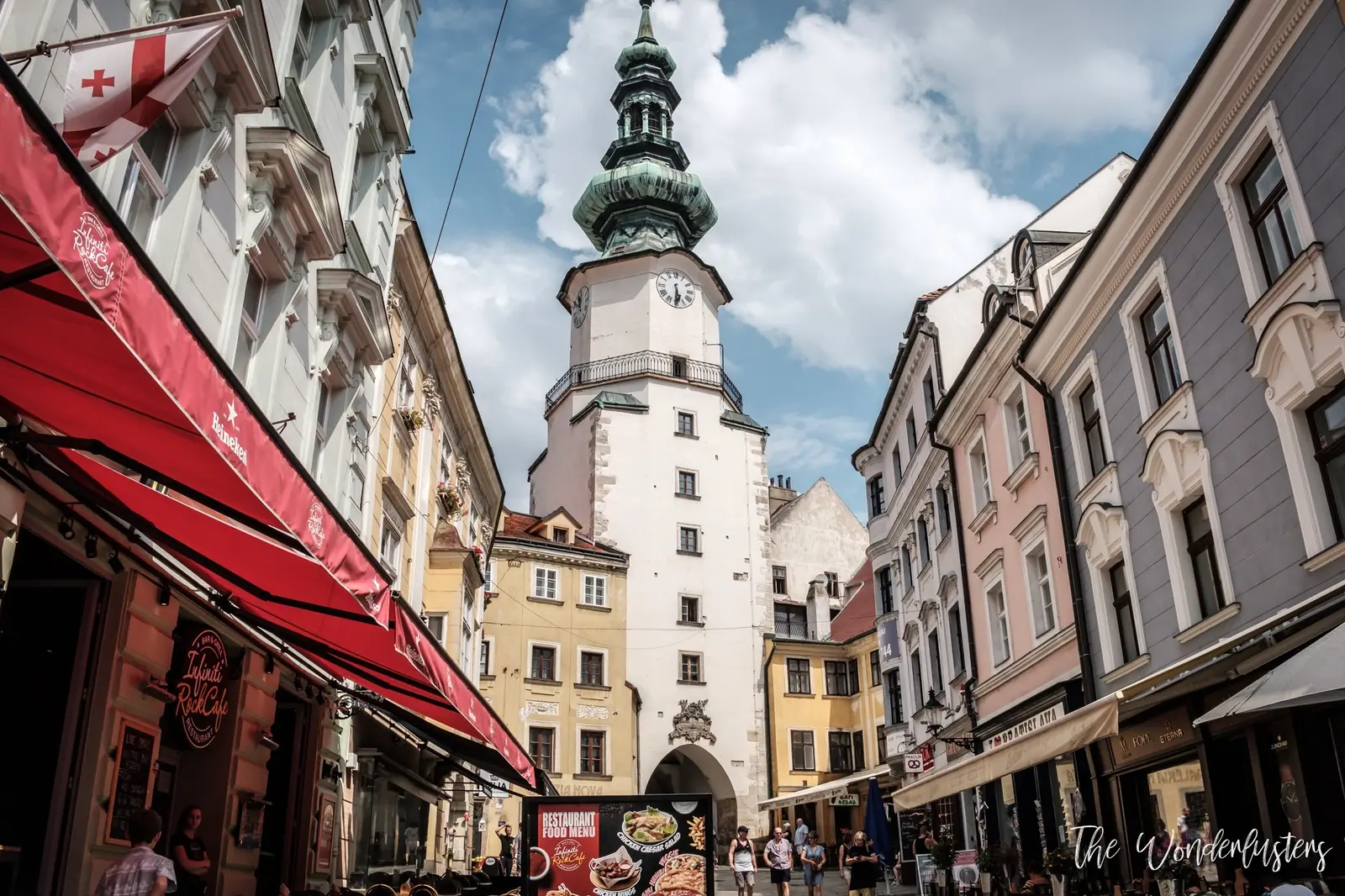
After leaving the underground parking lot in the center of Bratislava, we walked to downtown and were surprised by how few people were on the streets. Apart from three main roads leading into the center and the road up to Bratislava Castle, the rest of downtown was quiet and easy to visit. Bratislava isn’t considered a top tourist destination, but in the height of summer we expected more foreign visitors. We saw one group of Chinese tourists, and that was about it.
We found Bratislava charming: the city center is clean and attractive, and the restaurants are extremely affordable. We spent a pleasant afternoon there, far from the crowds we’d grown used to in other European cities in summer.
We then drove on to Budapest for the night, but Bratislava wasn’t our only experience of Slovakia. Traveling from Budapest to Poland, we had to cross the country south to north, a drive that took almost 6 hours. We could instead have looped back toward Austria via the Czech Republic in about 6½ hours, but that route added 200 km. Slovakia’s highway network is still fairly limited, with only 4 motorways in the whole country, so we ended up driving winding country roads through several small towns and villages.
Our impression, a subjective one, was that the towns were fairly industrialized while farming and trade felt underdeveloped outside them. We often wondered how people made a living in these rural areas, where the houses sadly resembled the grey concrete apartment blocks we’d seen in Bratislava, just adapted for the countryside. It’s hard to imagine what life was like there under communism.
Northern Slovakia, though, is magnificent — densely forested and mountainous, and visibly more prosperous than the south, likely thanks to its proximity to Poland.
Hungary
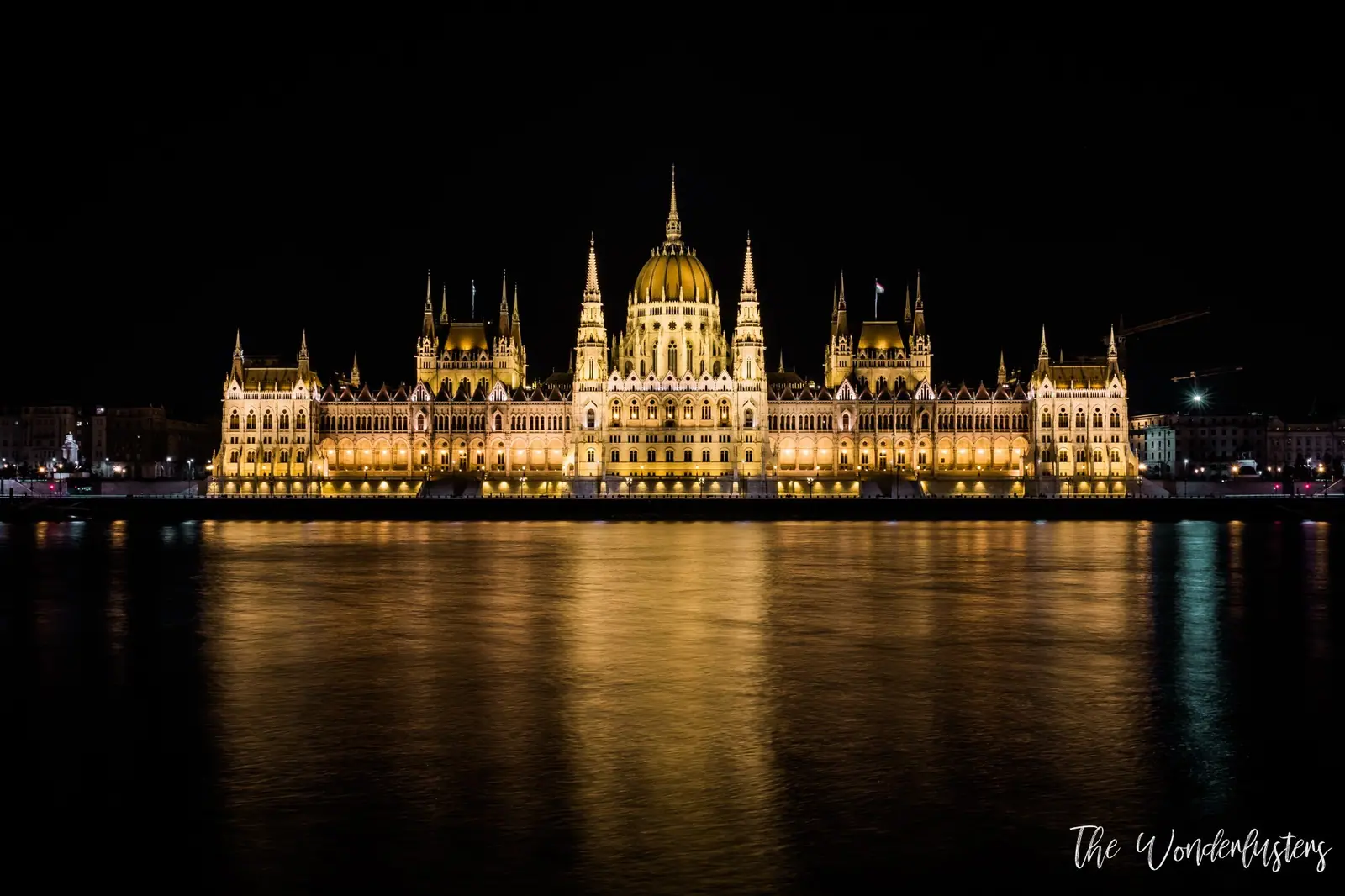
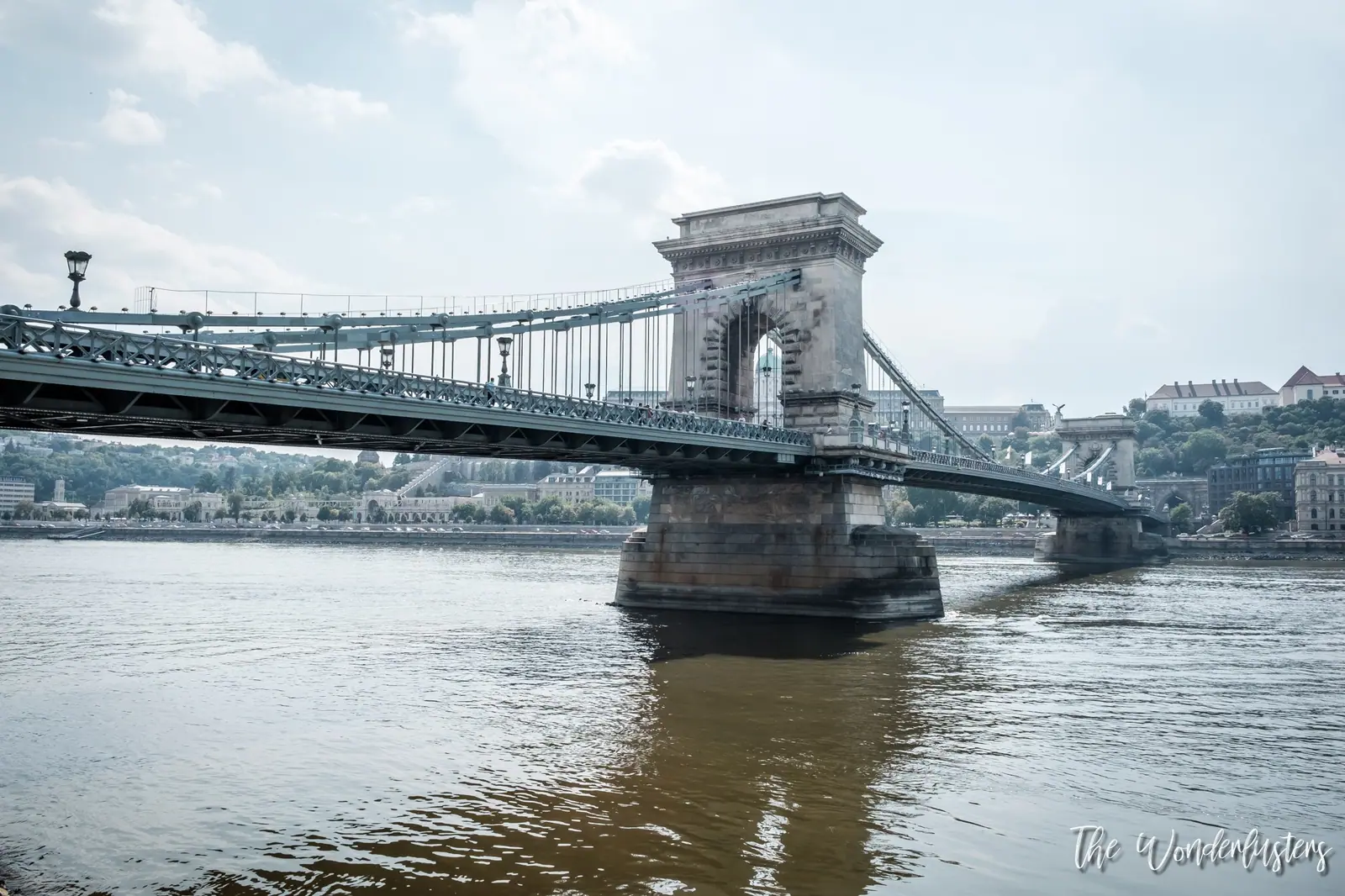
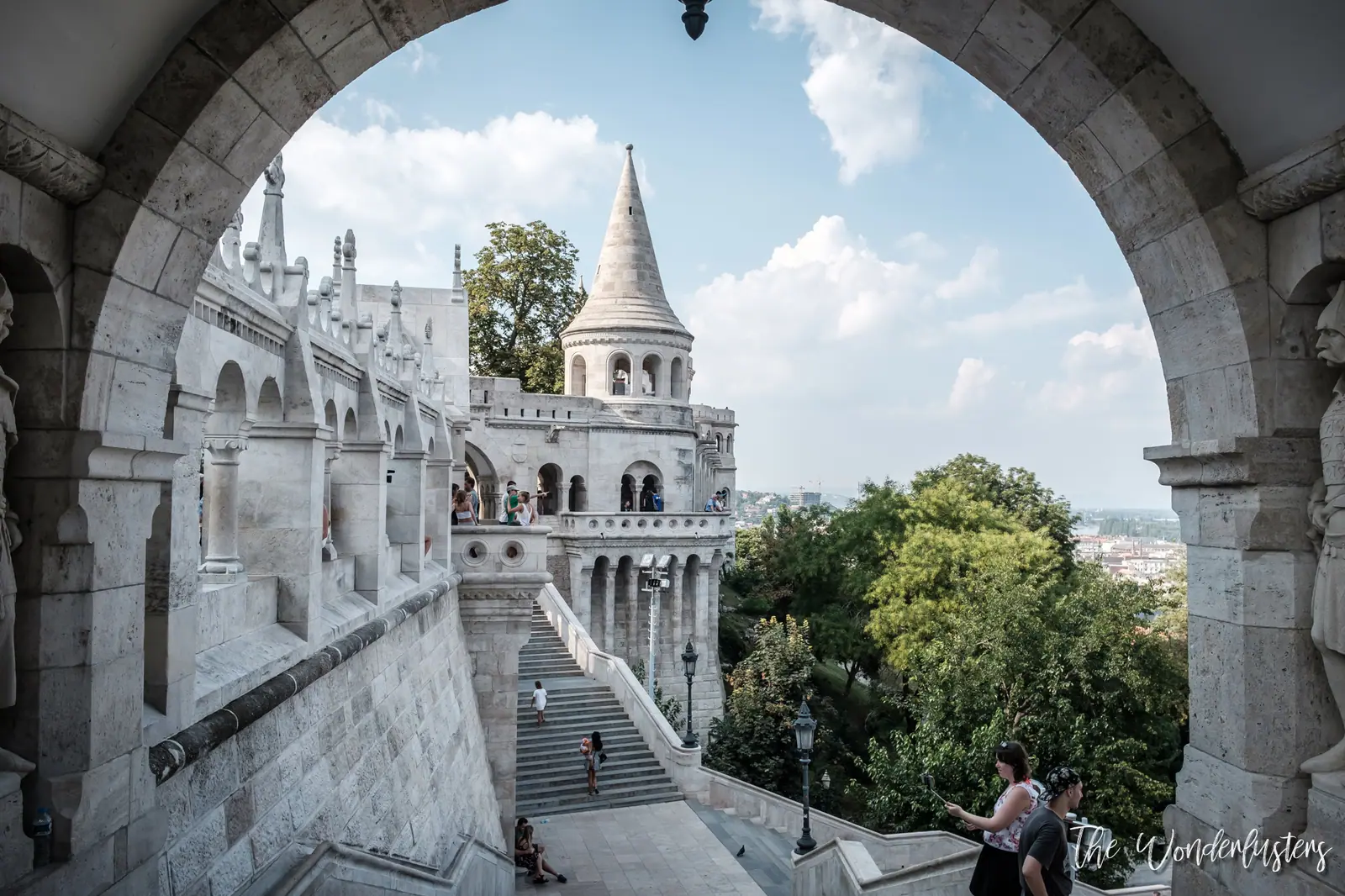
Budapest is a seductive, fascinating city. Historically influential and rich in culture and heritage, it’s considered one of the most beautiful cities in Europe. Known as “the pearl of the Danube,” it offers an exceptional panorama from the hills on the Danube’s west bank.
We reached Budapest after visiting Bratislava, which meant we’d set foot in three capitals in a single day, having left Vienna that same morning. As in Slovakia, we drove through the countryside and suburbs leading into the capital, and again saw traces of the communist past, though less starkly than in Slovakia. Walking through some of Budapest’s suburbs, Jessica pointed out it felt a bit like Mexico, given the rustic, weathered buildings; I noted the potholed roads reminded me of Montreal.
We rented an Airbnb in a Budapest suburb for 3 nights, and since public transport wasn’t easily accessible from there, we drove into town, where parking was easy to find.
Poland
Of the four countries, Poland was our favorite. Crossing the border from Slovakia, the difference was immediate: the gloomy concrete boxes gave way to large 3-story wooden chalets, spaced well apart, with gardens and flowering balconies. Everything looked more polished and better organized. We’d had no particular expectations for Poland, so its level of development was a pleasant surprise.
When we passed briefly back through Poland from Germany to refuel before returning to Berlin, we were struck by makeshift roadside markets on the Polish side of the border, selling cigarettes, alcohol and fuel to German day-trippers — ironic, given that Germany’s western neighbors cross into Germany for cheaper food and fuel.
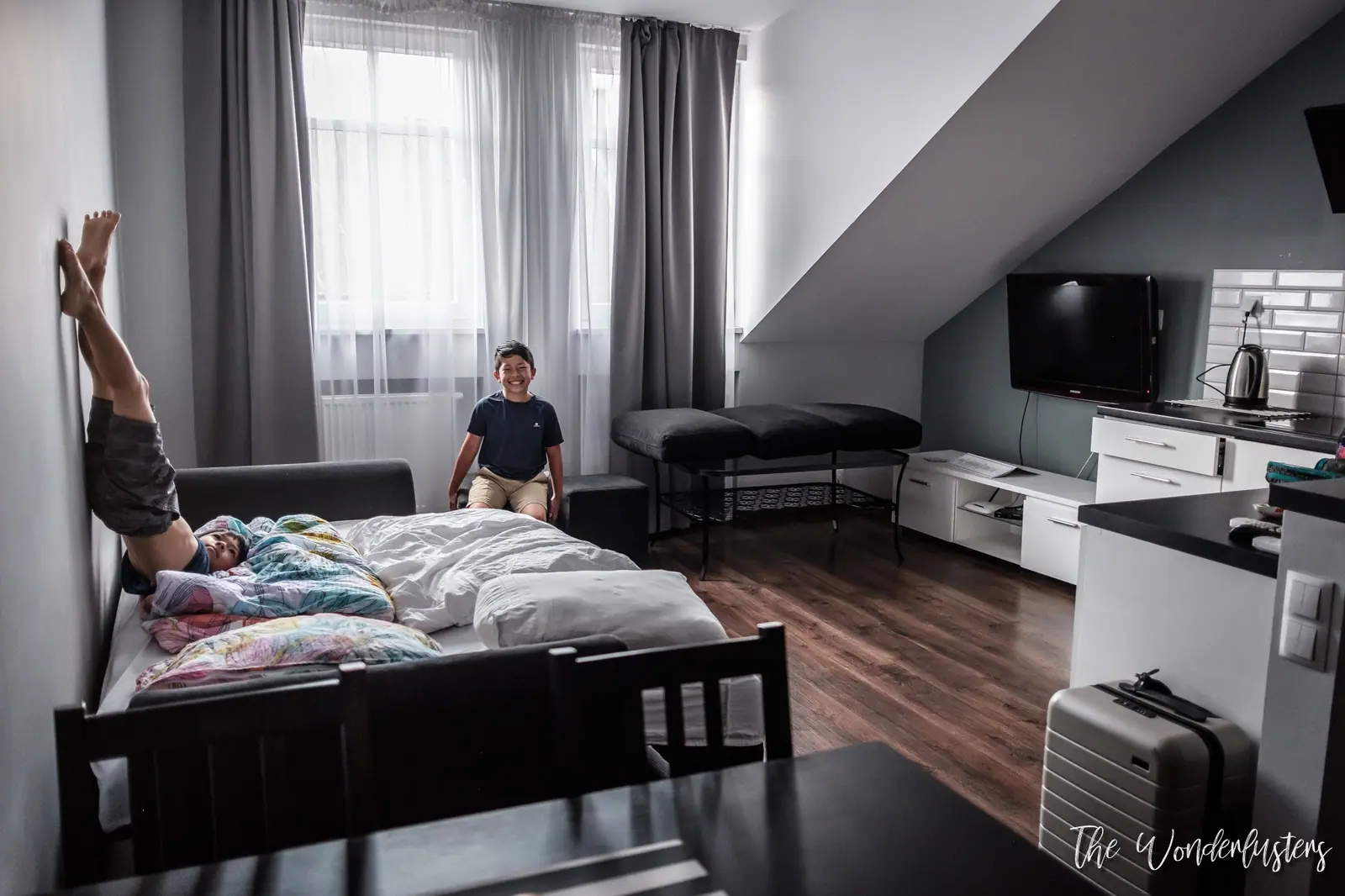
Life in Poland is remarkably affordable. We paid just 40.00 EUR (46.28 USD) a night for a luxury apartment in downtown Krakow, one of the nicest places we’d stayed anywhere on the trip.
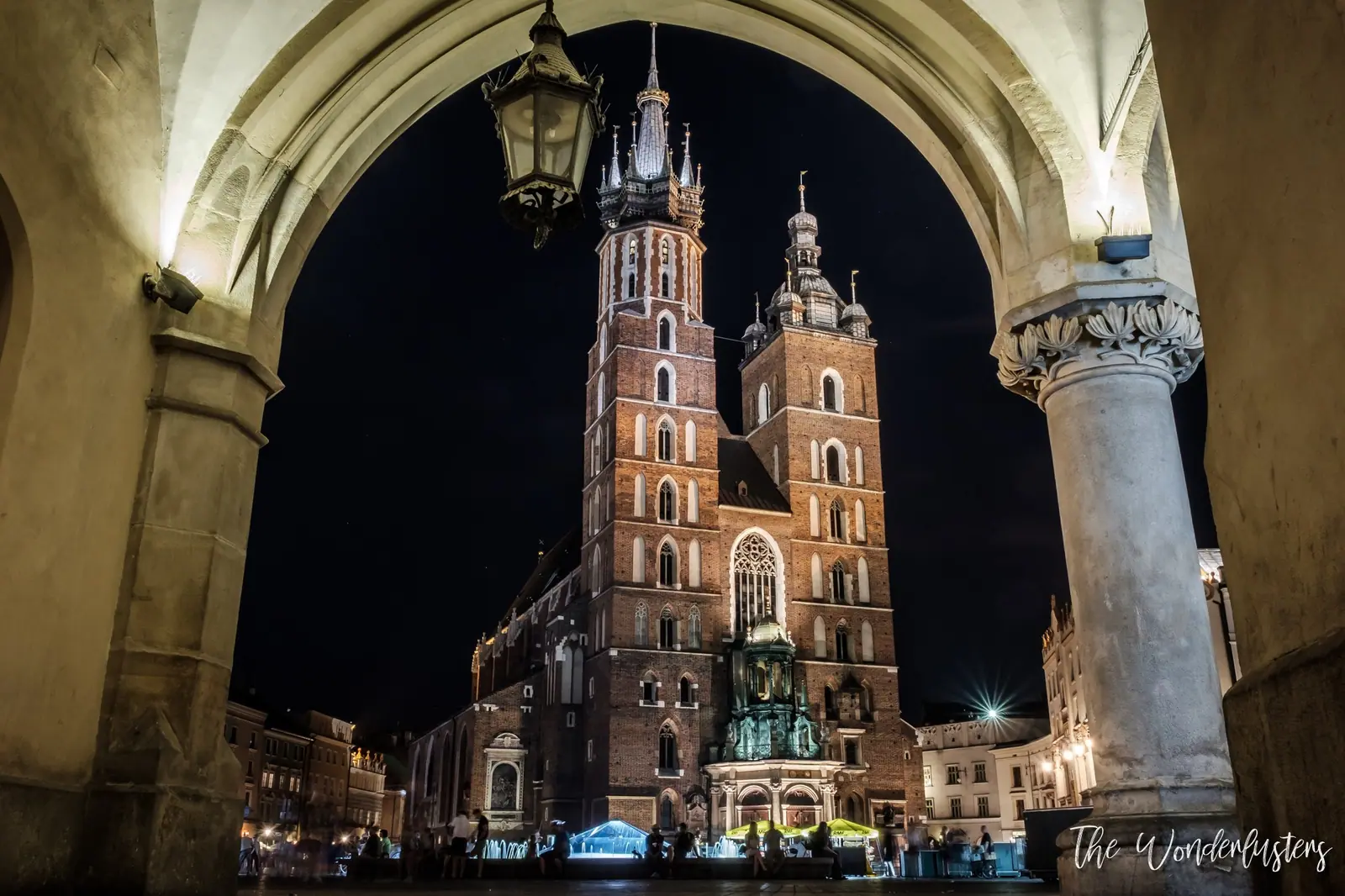
More than 1,000 sites are inscribed on UNESCO’s World Heritage List today, but only 12 were registered at the very first session in 1978. Two of those original 12 are in Poland: the historic center of Krakow and the Wieliczka Salt Mine. We visited both and were captivated. Our time in Poland definitely left us wanting to come back for more.
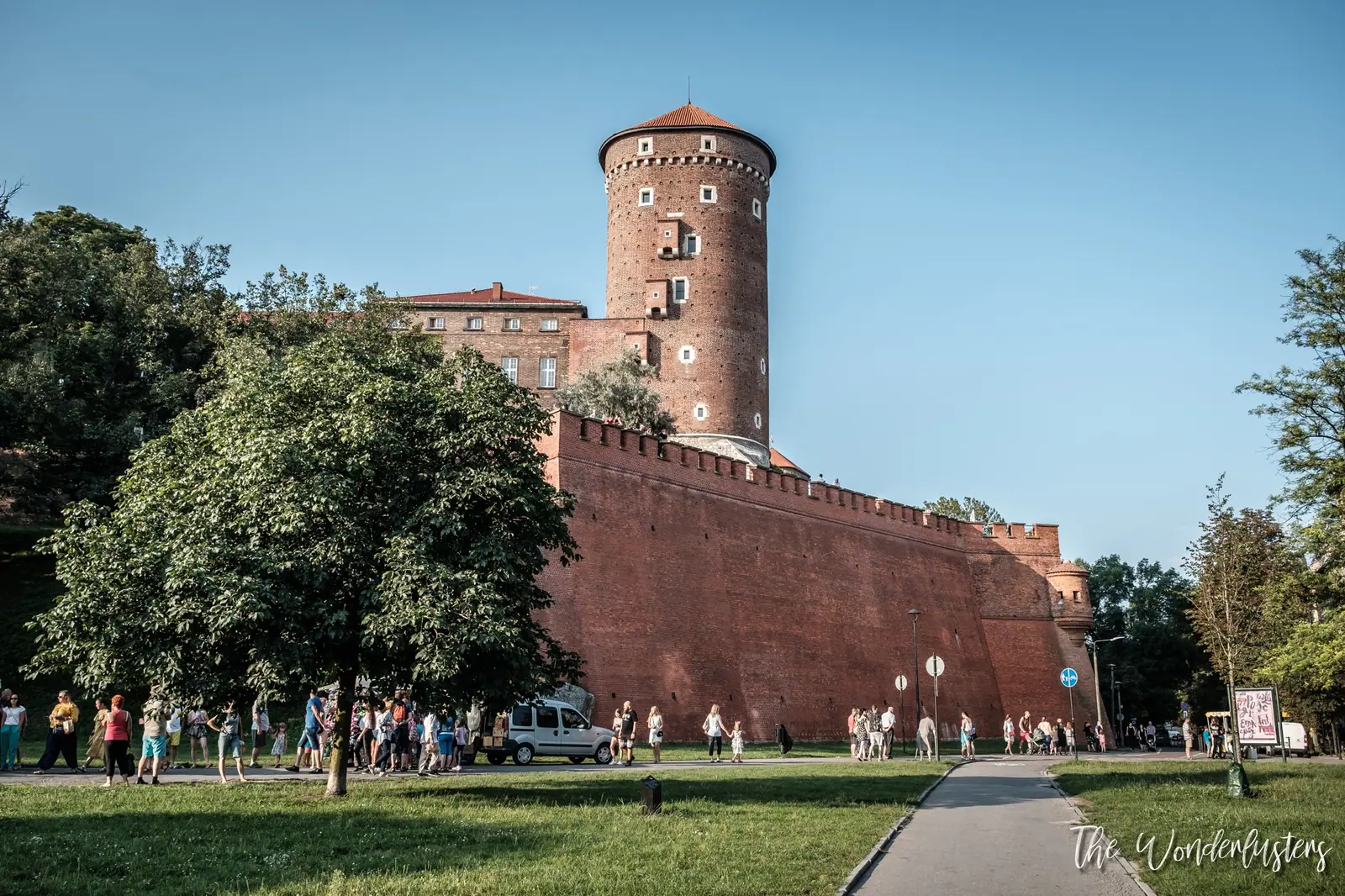
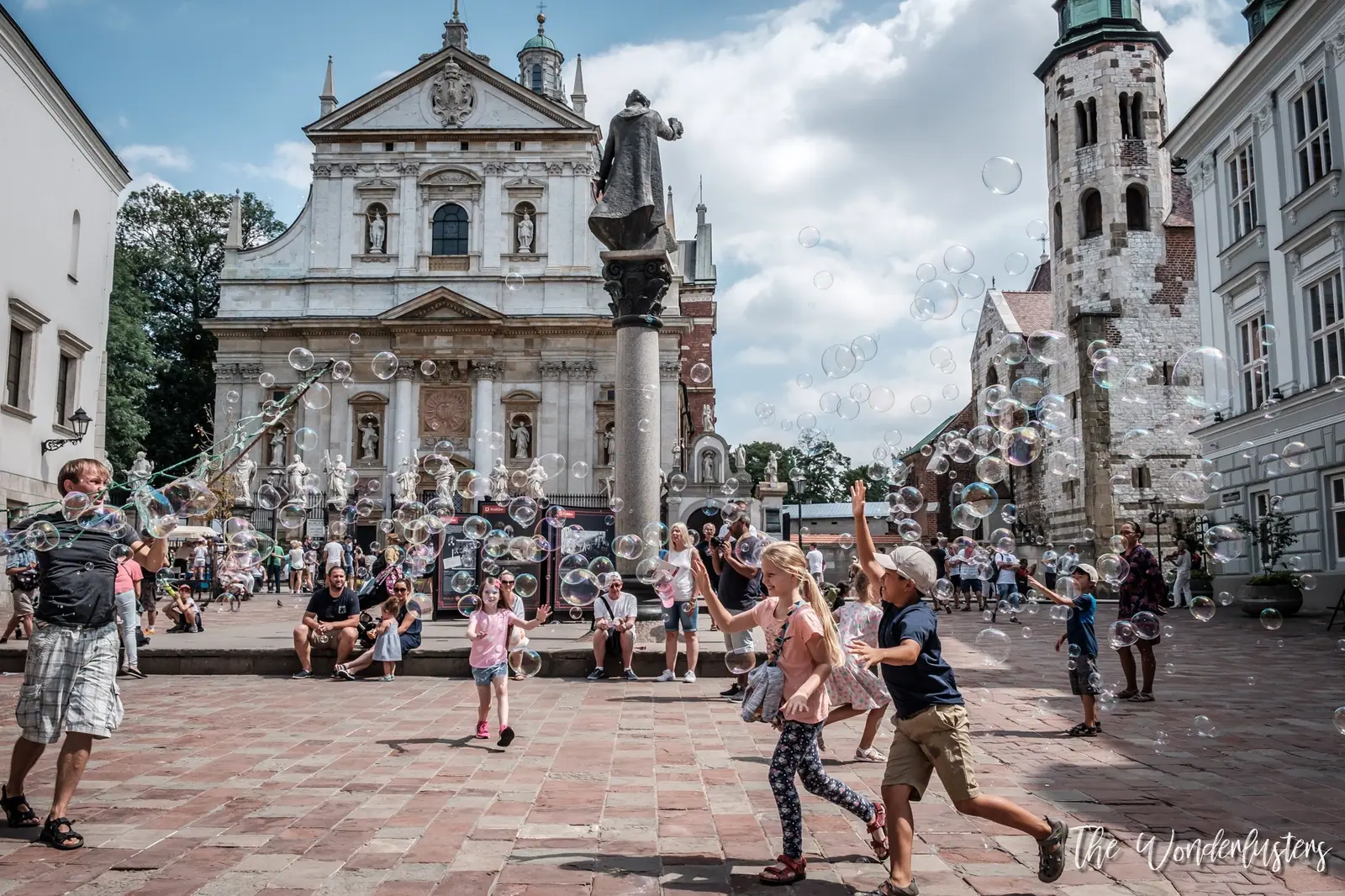
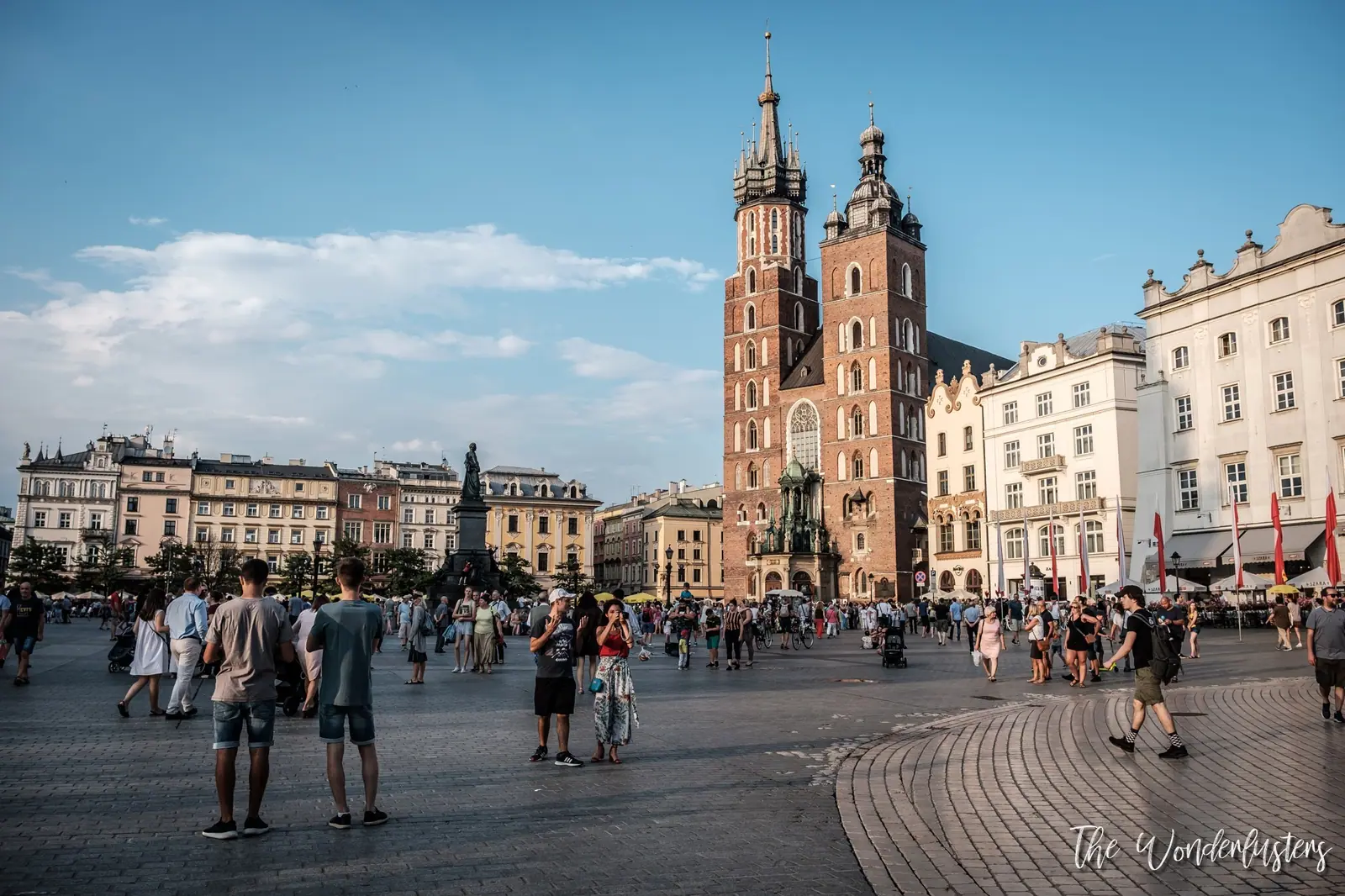
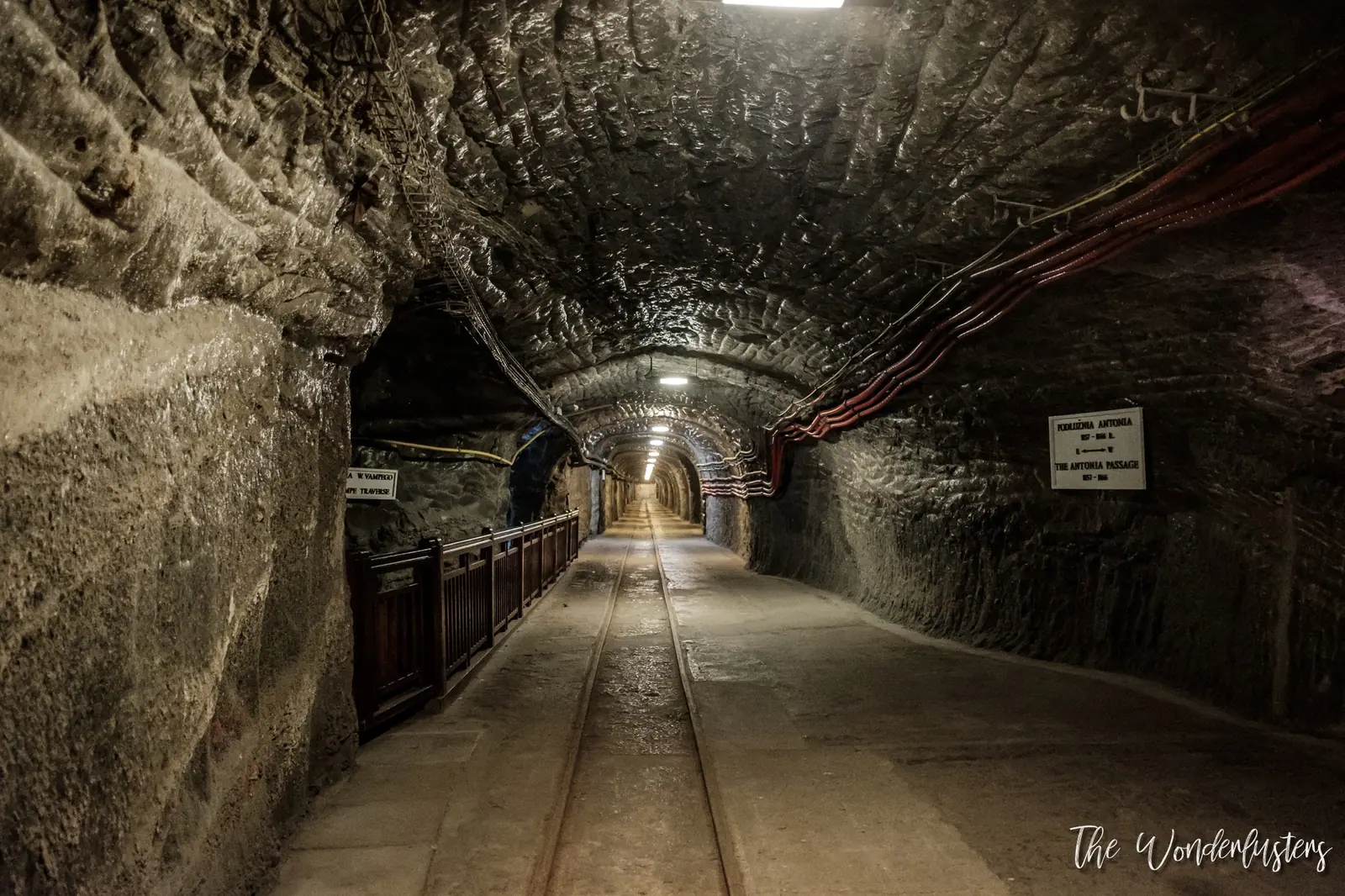
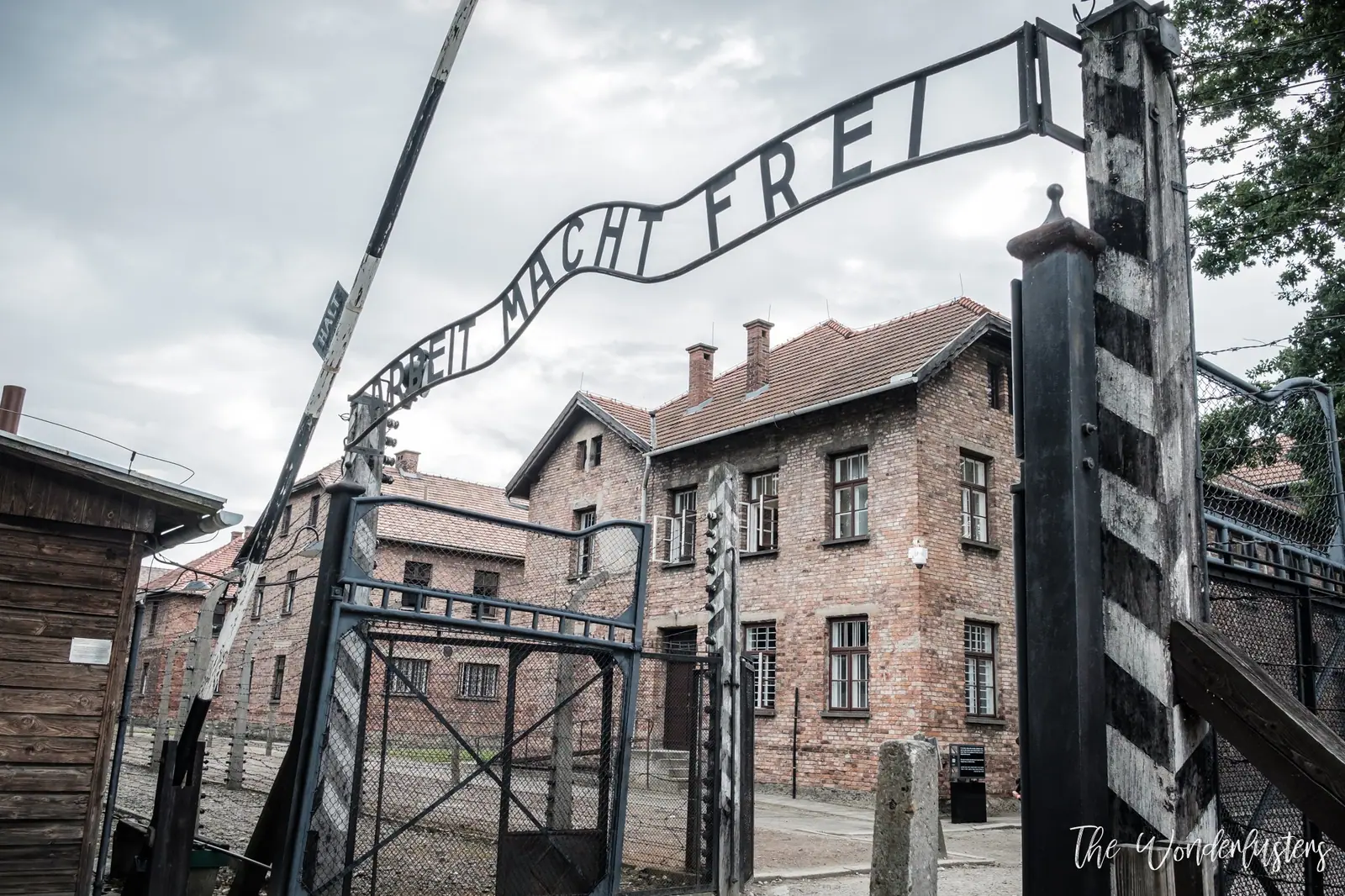
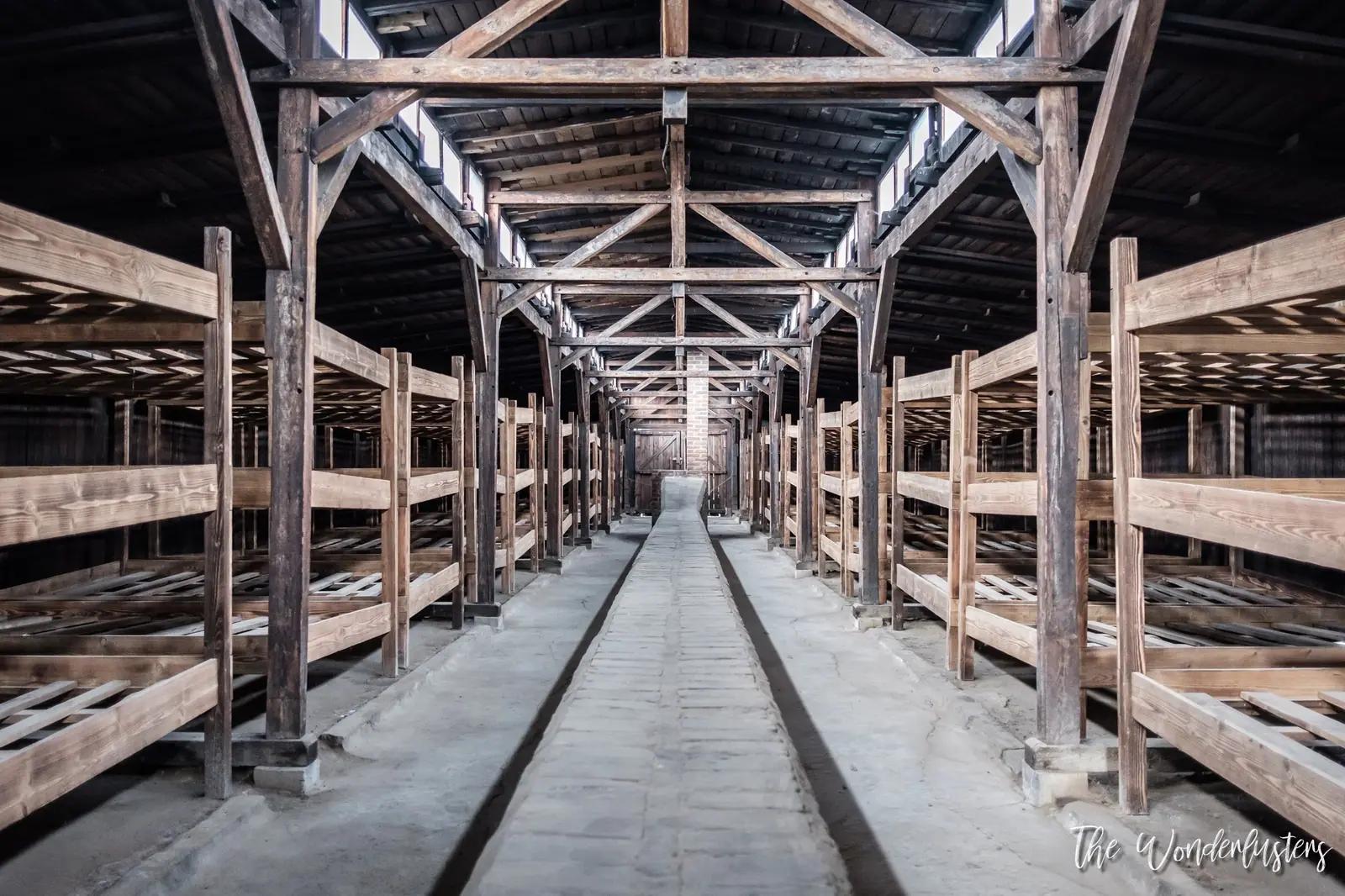
I visited the Auschwitz concentration camp alone; Jessica preferred to stay at the apartment with the kids. I showed her one photo when I got back — she had tears in her eyes and didn’t want to see the rest. There are two sites to visit: Auschwitz I, the main camp, now an open-air museum with exhibits in the former barracks, and Auschwitz II-Birkenau, a concentration and extermination camp left largely untouched, which is by far the more overwhelming of the two at 2.5 km by 2 km.
2026 update: Since March 1, 2026, entry cards to the Auschwitz-Birkenau Memorial are only available online in advance at visit.auschwitz.org — same-day tickets are no longer sold on site (source).
I believe knowing and remembering this history matters, so we can look clearly at the world around us and choose better leaders. People forget, and history has repeated itself many times since 1945 — and keeps repeating today, with impunity, while our politicians stay complicit. We’re built in a way that doesn’t seem to learn from its mistakes.
Czech Republic
We were won over by the Czech Republic. Of the four countries, it seems the best equipped for the future: culturally rich, and skilled at using its assets to draw tourists and develop faster than its eastern neighbors.
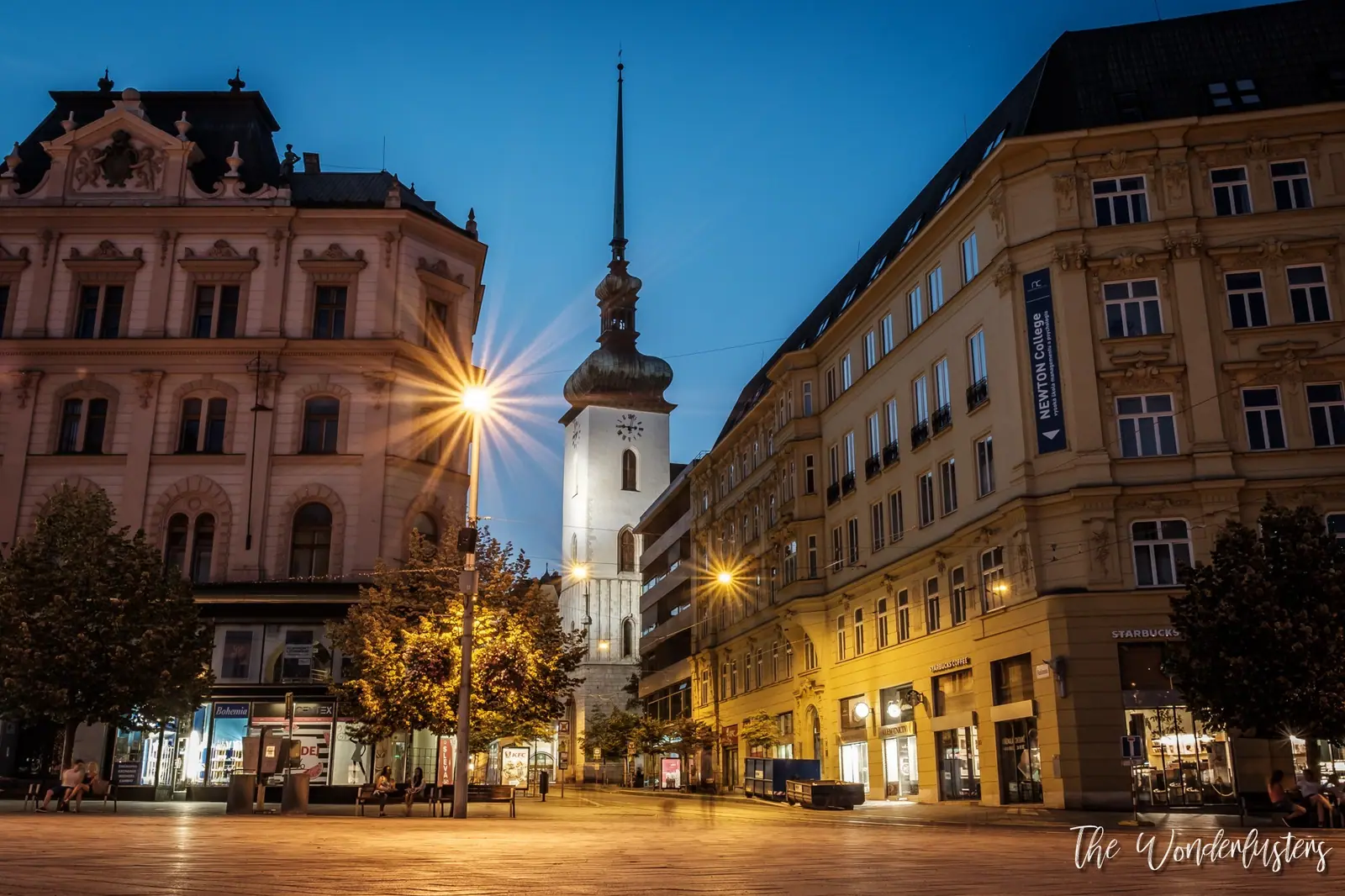
We stopped overnight in Brno on the way from Krakow to Prague, with no particular expectations, and left with plenty of good memories. Brno is the Czech Republic’s second-largest city after Prague, and the famous Battle of Austerlitz was fought just a few kilometers to its east.
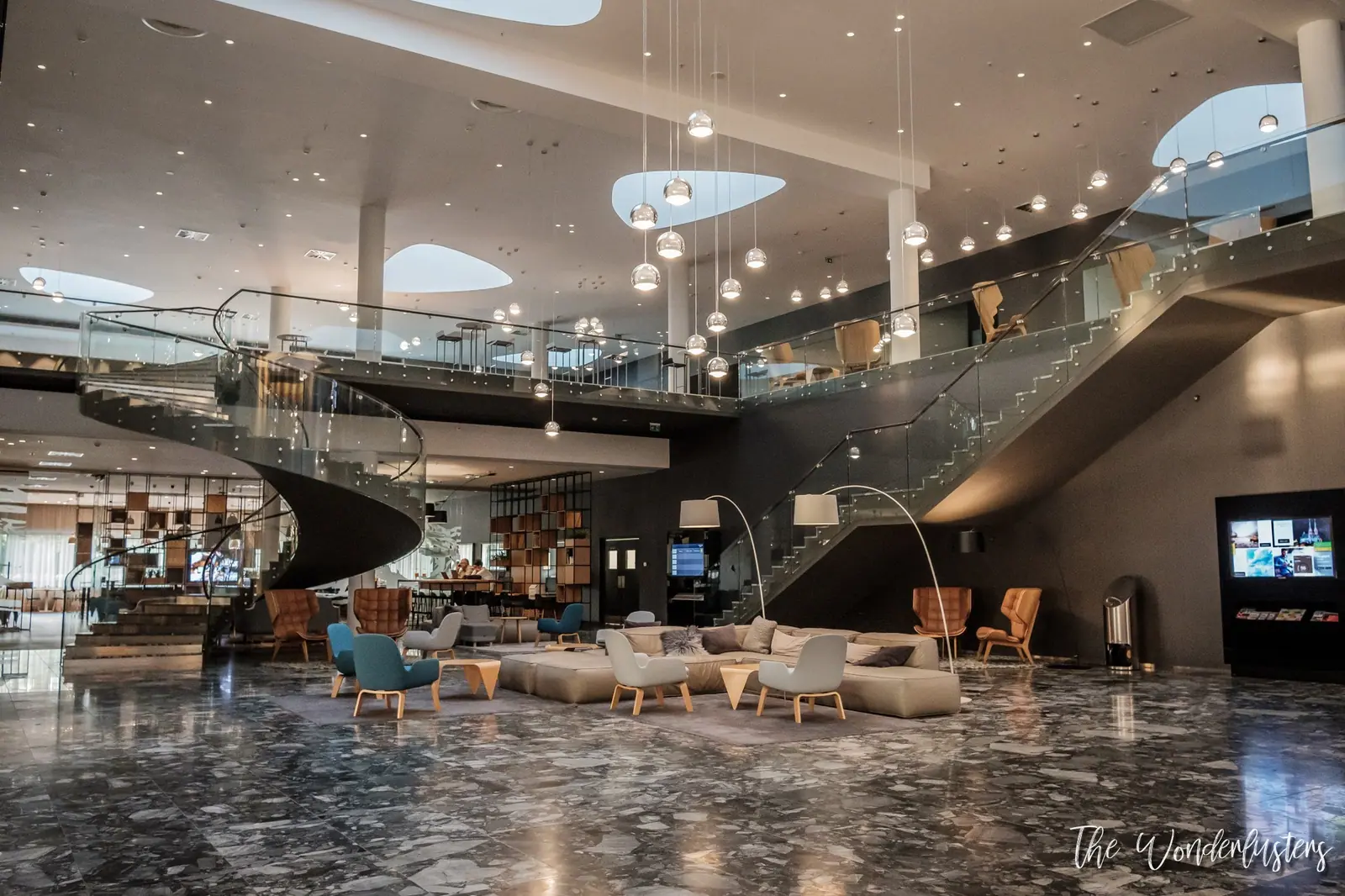
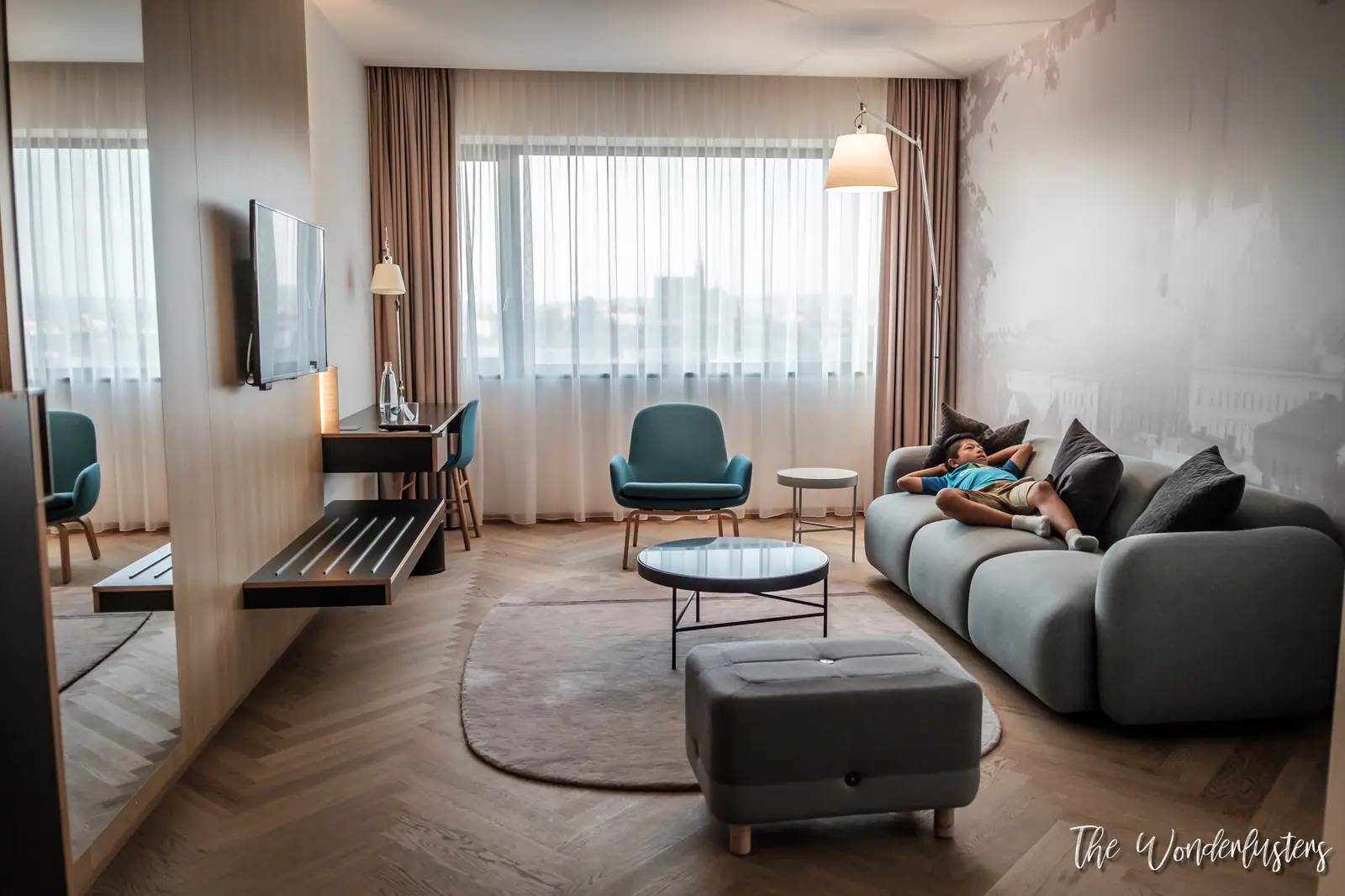
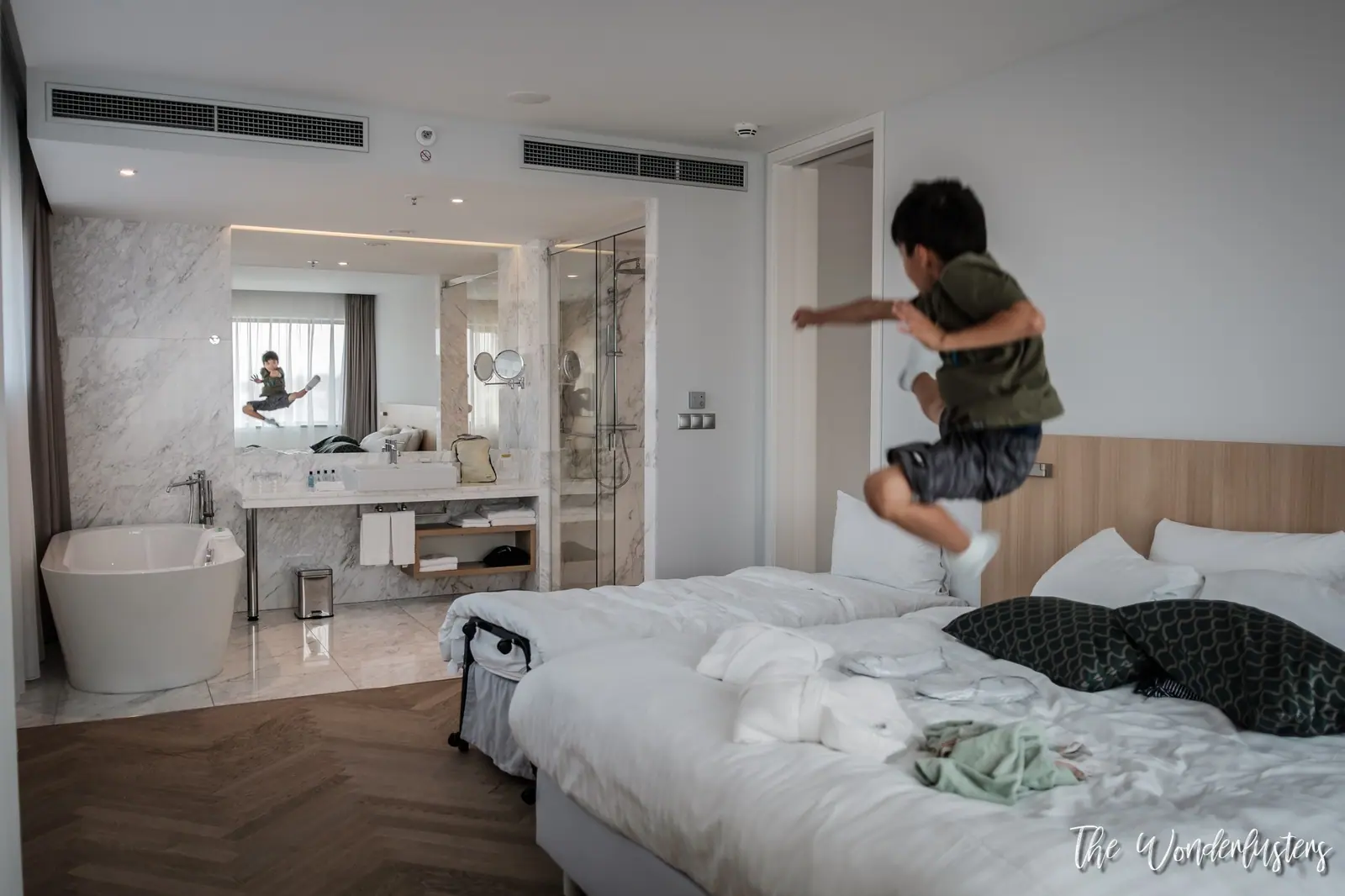
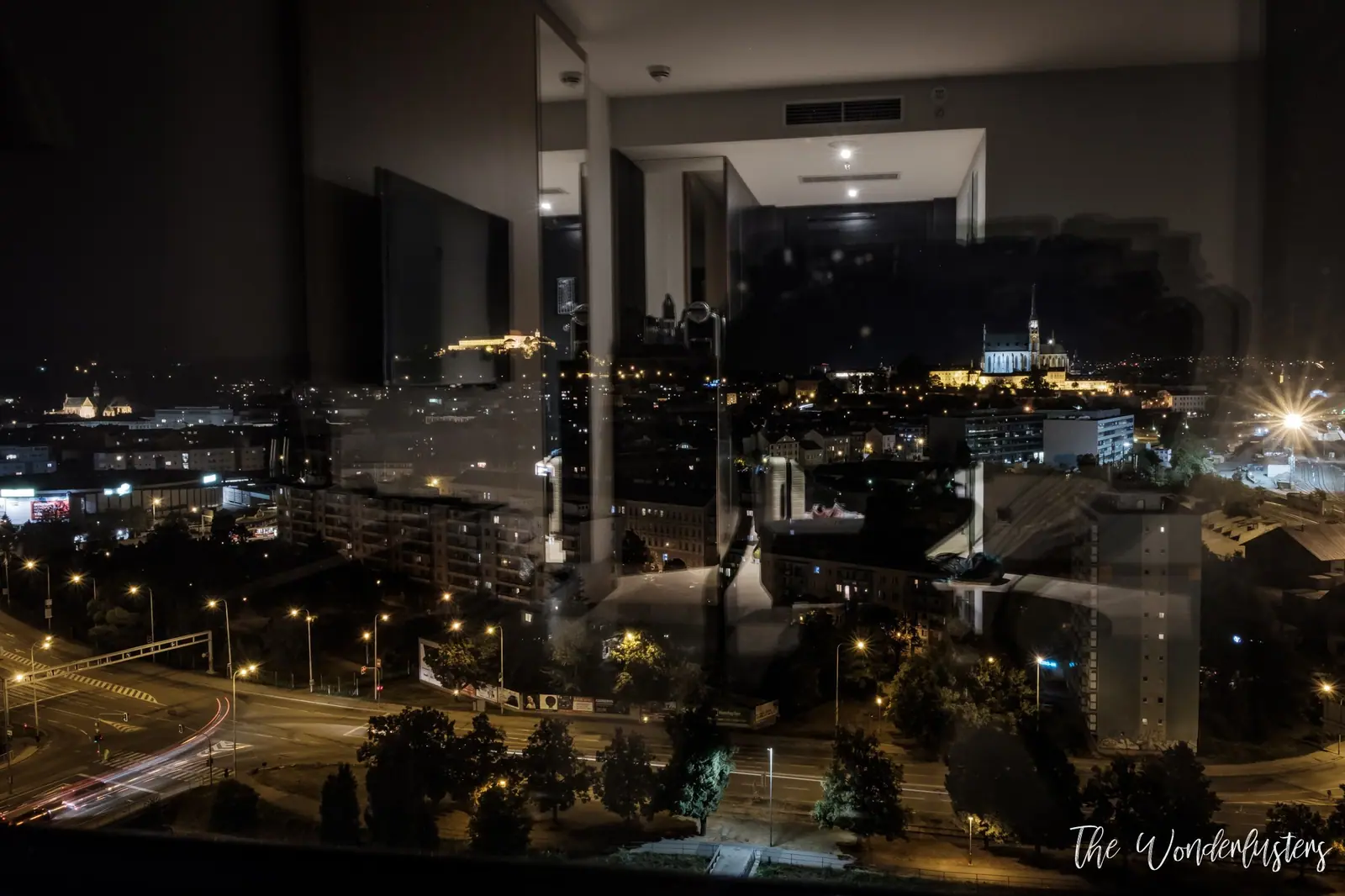
Our hotel had a lot to do with how much we enjoyed Brno: our Marriott status got us one of the nicest suites at the Courtyard Marriott Brno, booked with points. As it was rated only Category 2 out of a possible 9, we weren’t expecting much luxury, so it was a pleasant surprise to walk into a huge, chic lobby and find a beautiful suite waiting for us on the 15th floor.
2026 update: Marriott Bonvoy eliminated its fixed award category chart in 2022; hotel stays are now priced with dynamic, demand-based points redemption rather than a flat category rate (source).
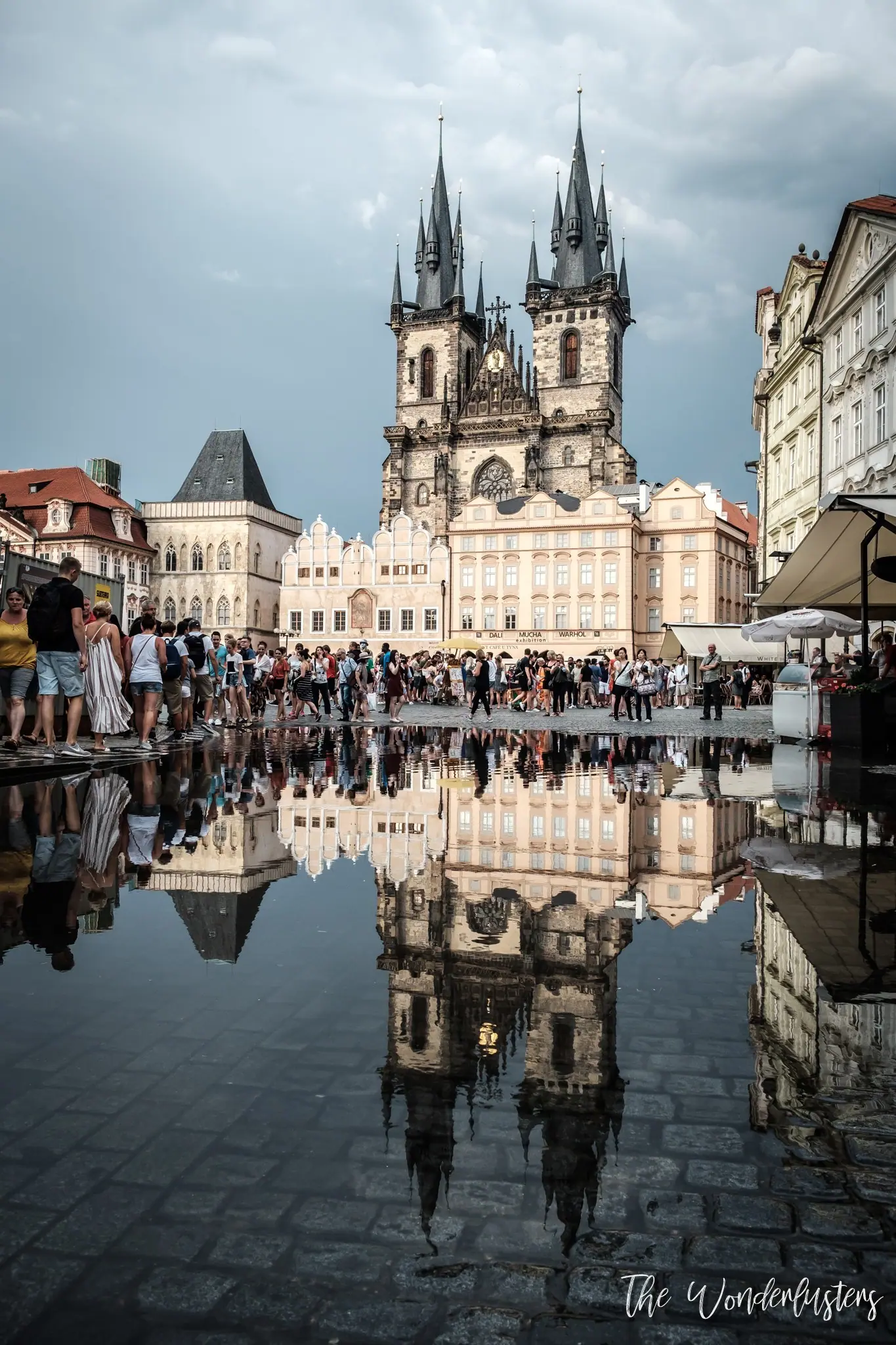
I’ll admit we left Prague with a slight bitter taste. Have you ever built up expectations for a place, then wondered “is this it?” once you got there? That’s what happened to us in Prague. Don’t get me wrong, it’s an extraordinary city with fabulous architecture, but after hearing so much praise for it, I expected to be in awe, and I wasn’t quite. The crowds of tourists packing every square inch of the street didn’t help — we were practically jostled at several points, which made photos tricky. Still, I managed to frame a few without too many people in them.
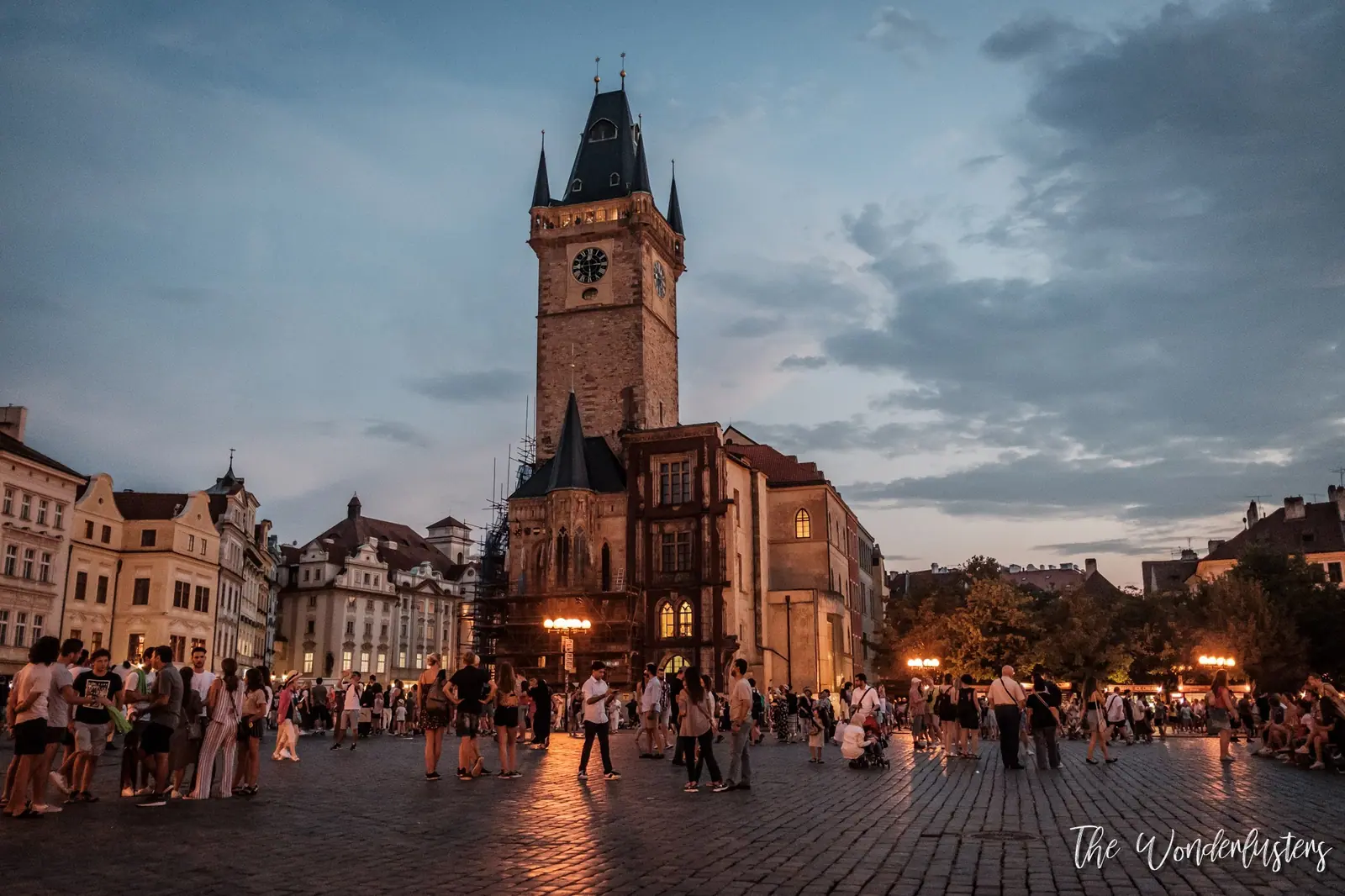
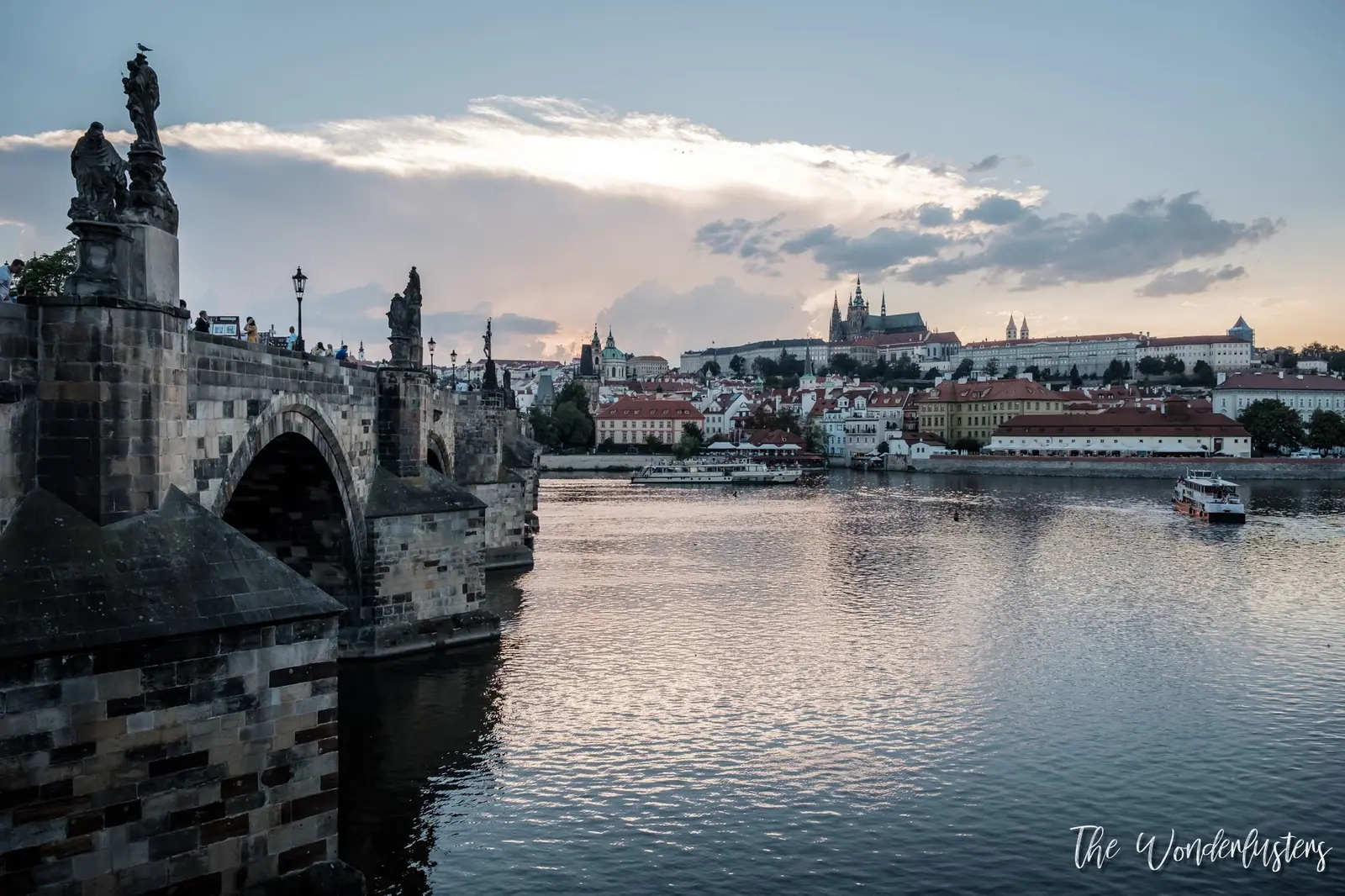
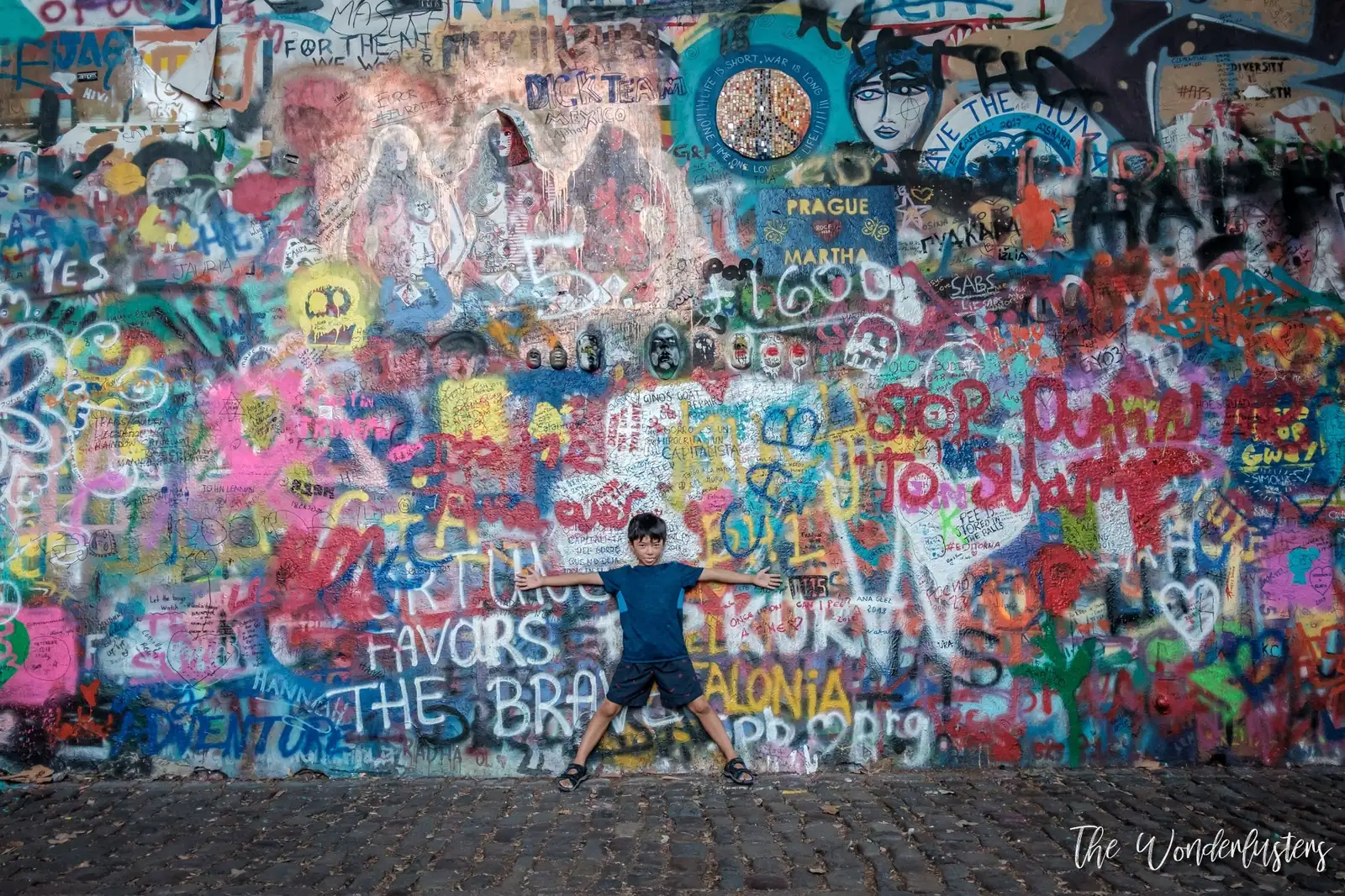
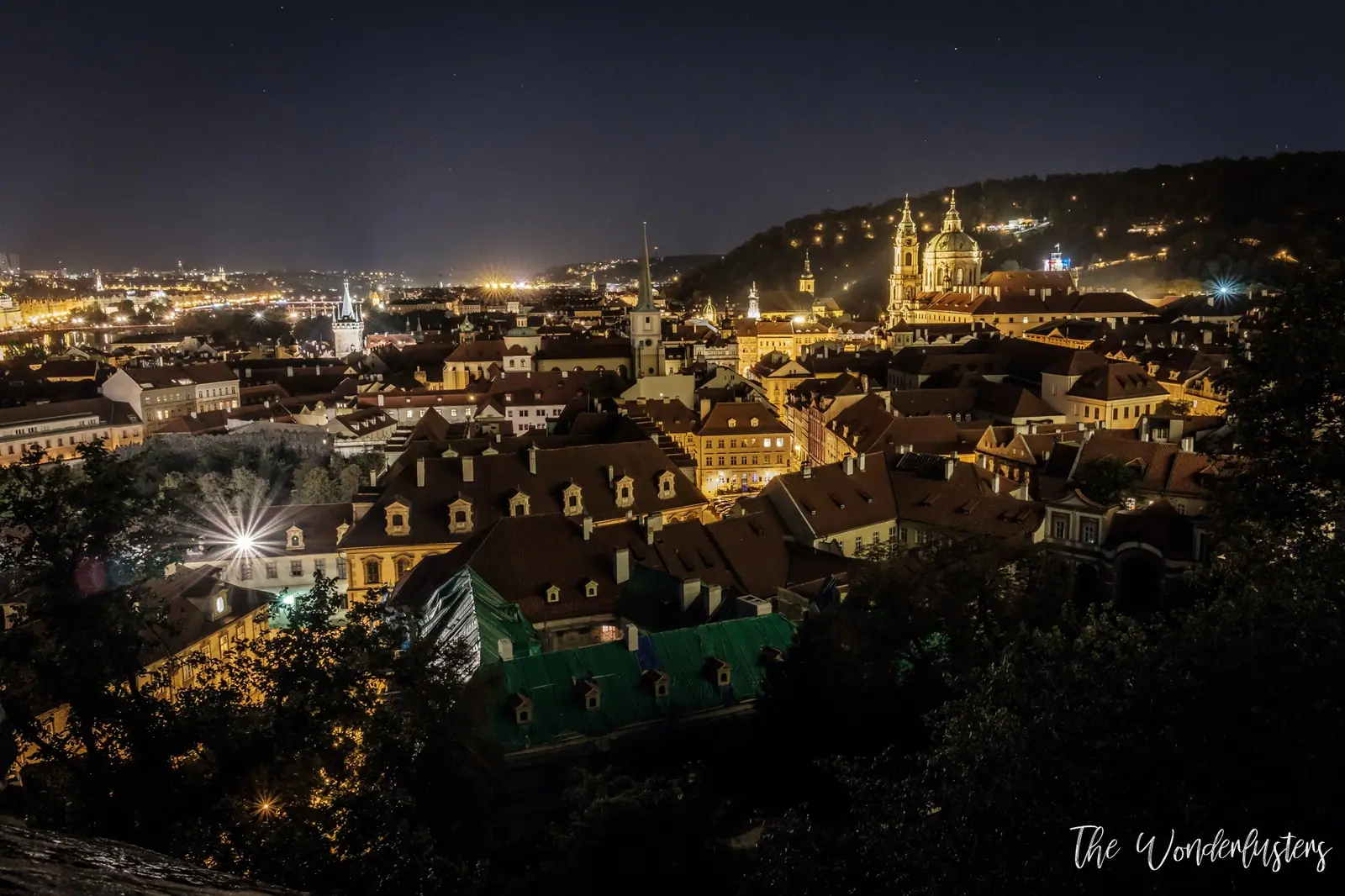
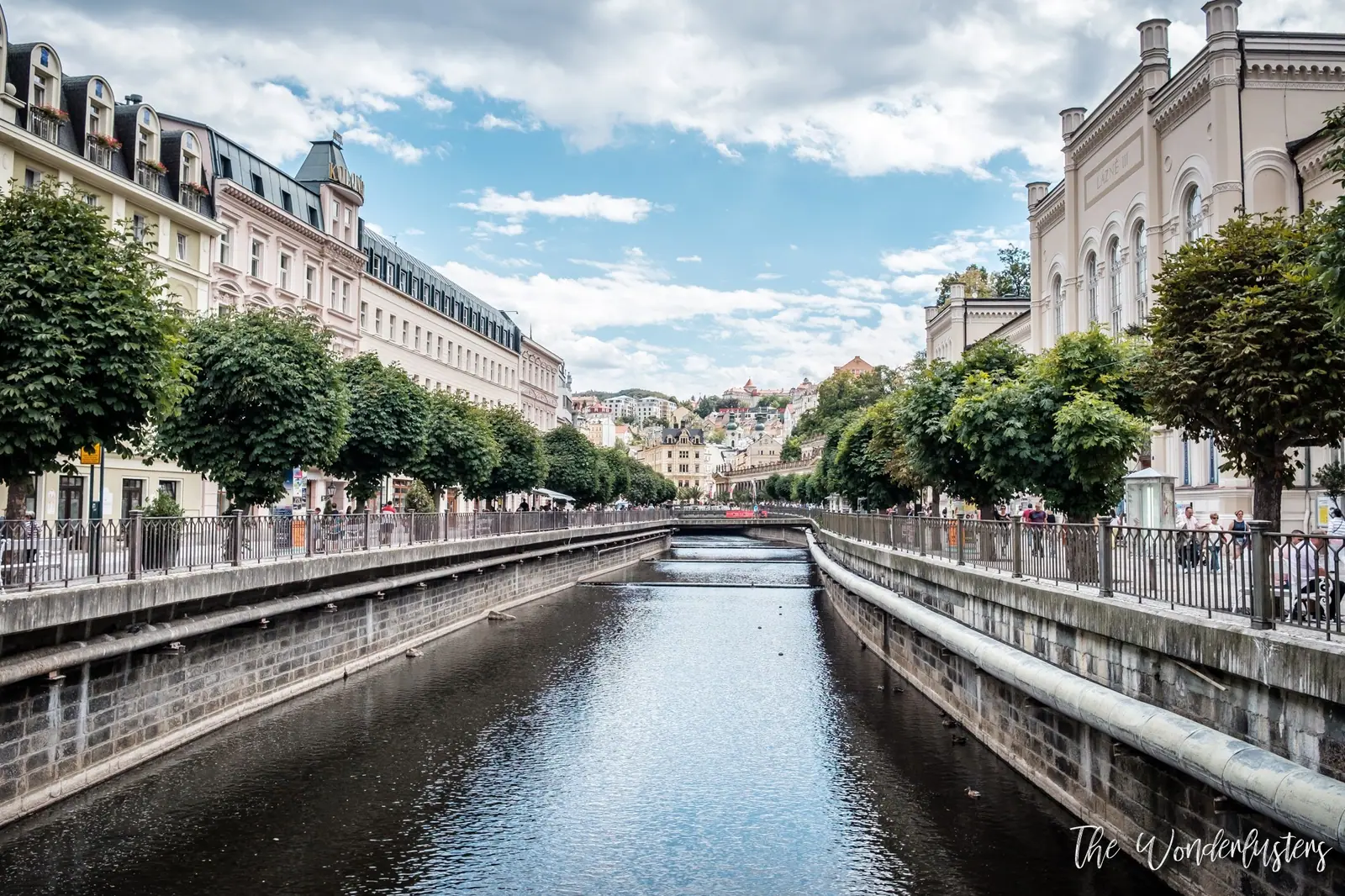
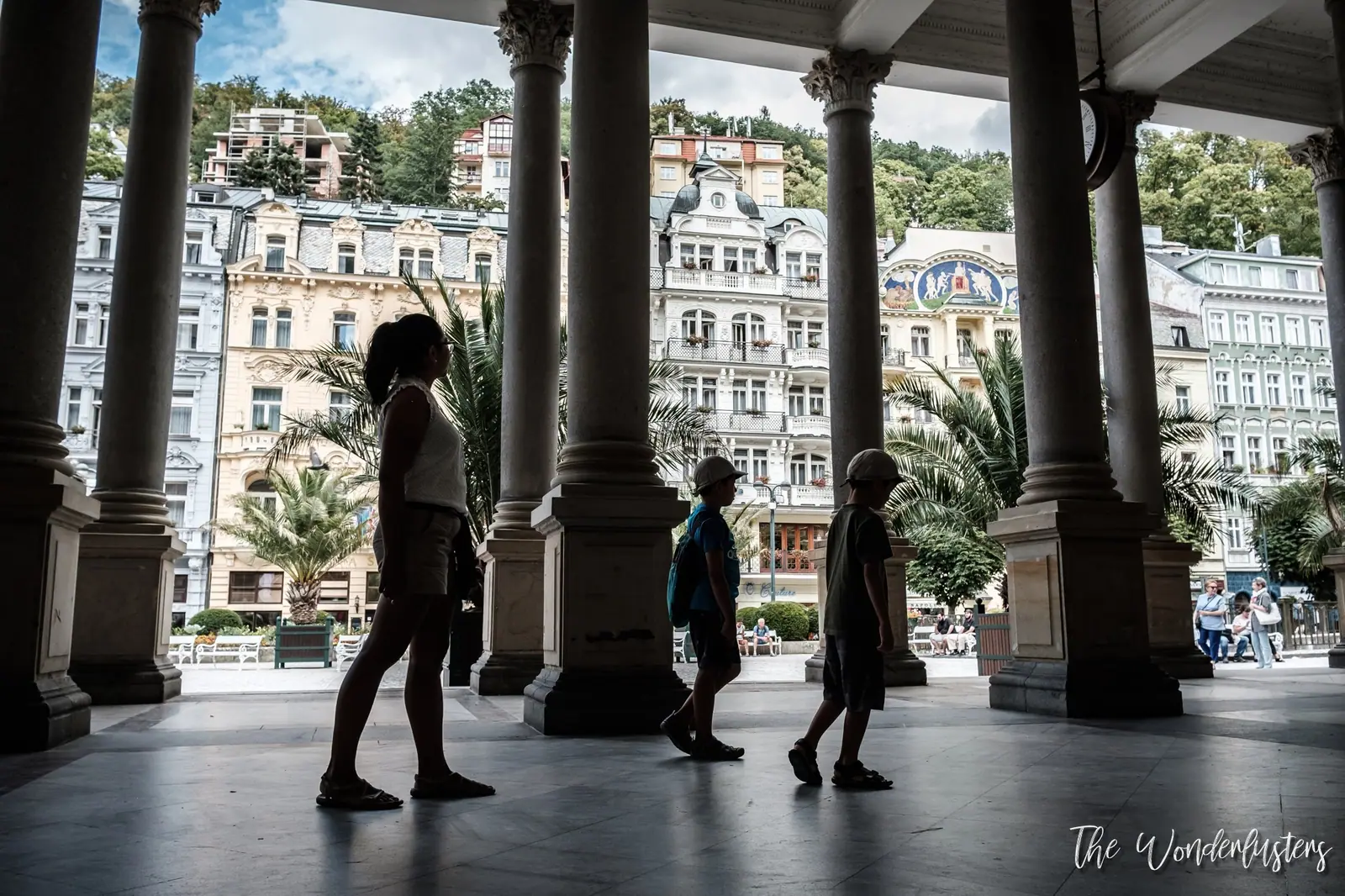
Karlovy Vary (Carlsbad) is a spa town famous for its hot springs (up to 72°C) and its hot-water river. It’s a beautiful, wealthy town with an unusually high density of 4- and 5-star hotels — a genuinely exceptional destination.
How to Plan a 9-Day Trip Through Central Europe
Itinerary: Slovakia, Hungary, Poland and the Czech Republic
Our 9 days broke down roughly as follows:
- ½ day in Bratislava (Slovakia)
- 2 ½ days in Budapest (Hungary)
- 2 days in Krakow (Poland)
- ½ day at the Auschwitz concentration camps (Poland)
- ½ day at the Wieliczka Salt Mine (Poland)
- ½ day in Brno (Czech Republic)
- 2 days in Prague (Czech Republic)
- ½ day in Karlovy Vary (Czech Republic)
Getting Around by Rental Car
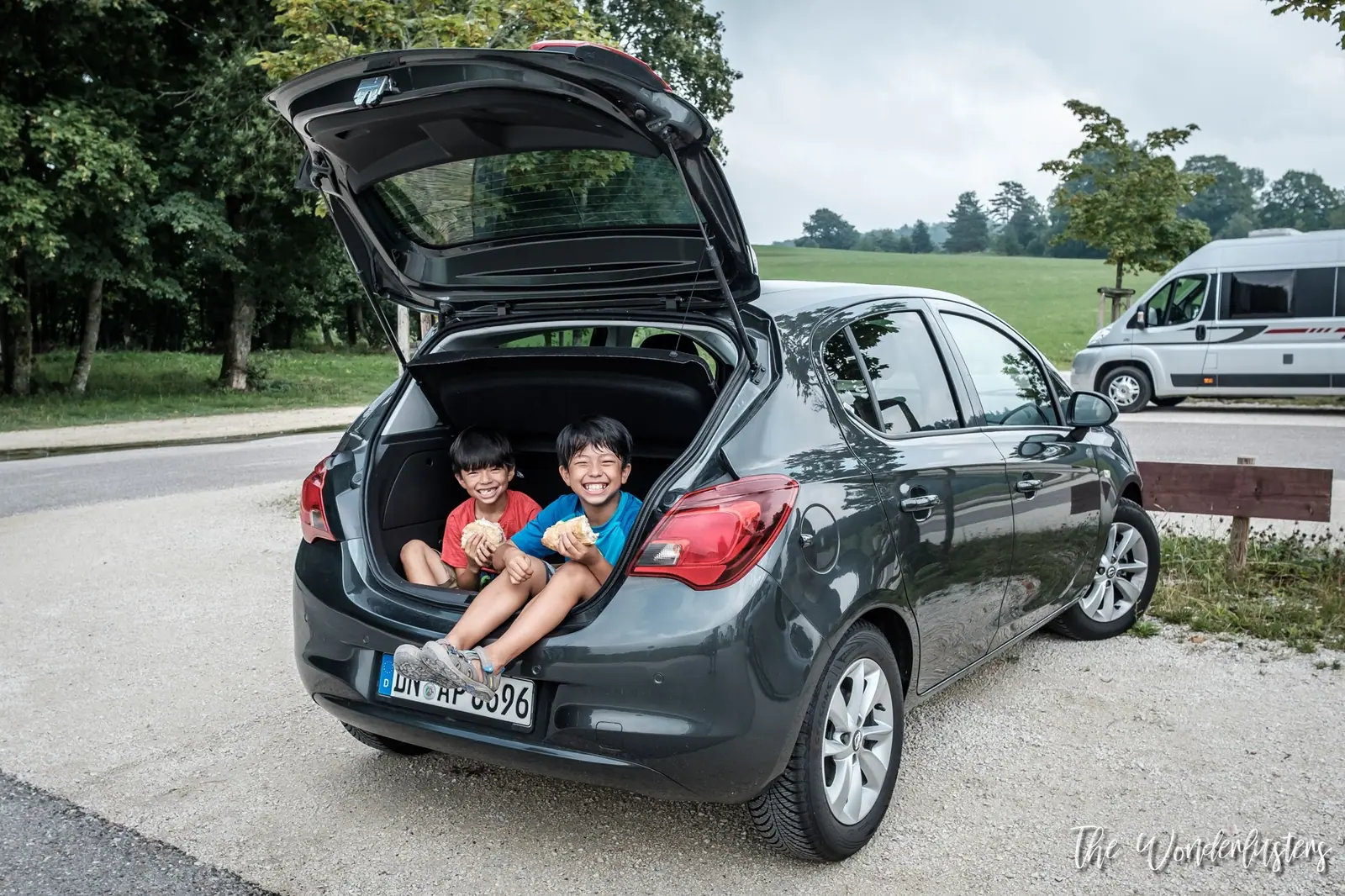
We drove an Opel Corsa that we’d rented in Berlin.
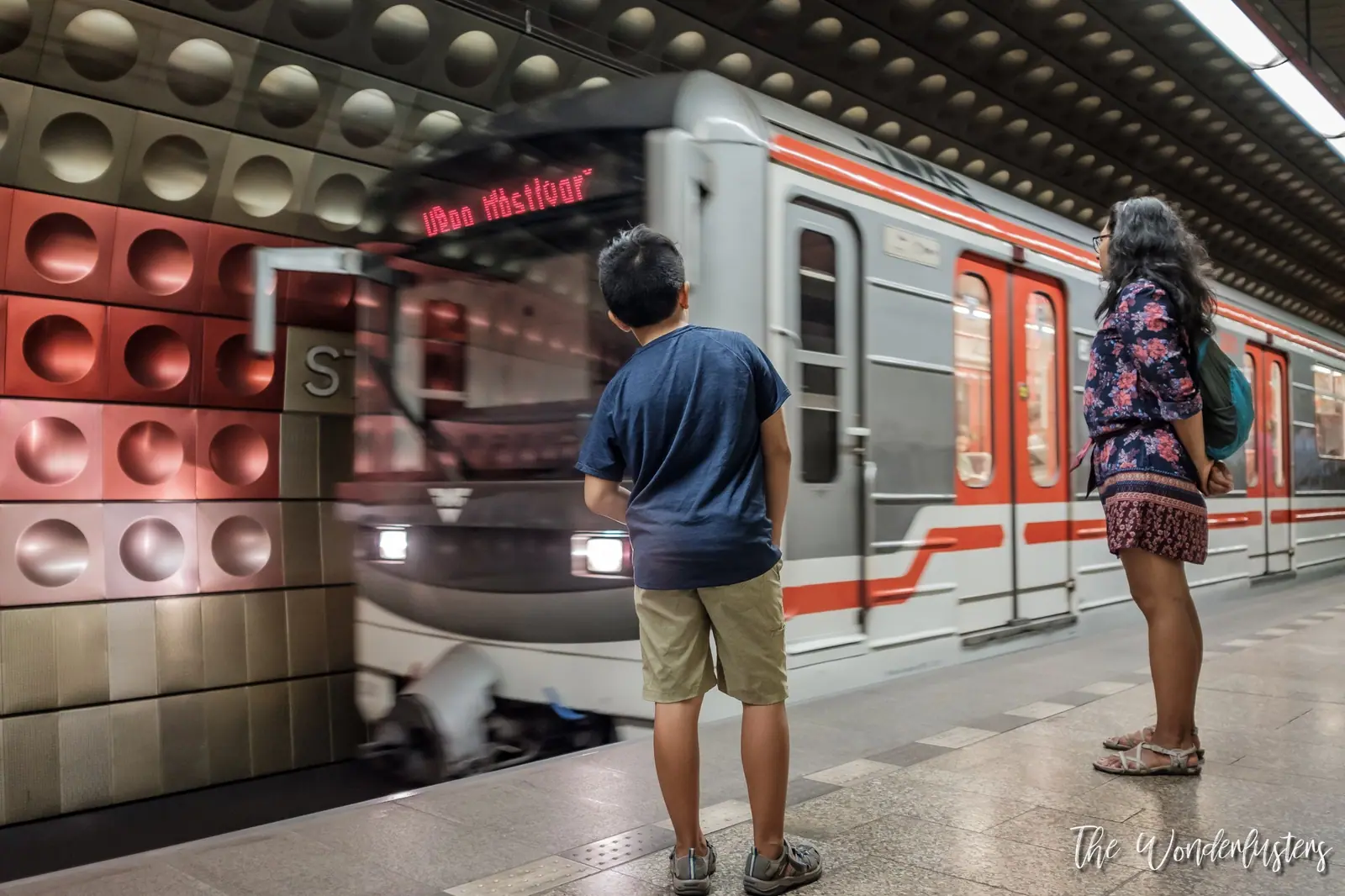
When we had the chance, we used public transport too, like here in Prague.
Fun for Kids: Lego Shops and Hotel Pools
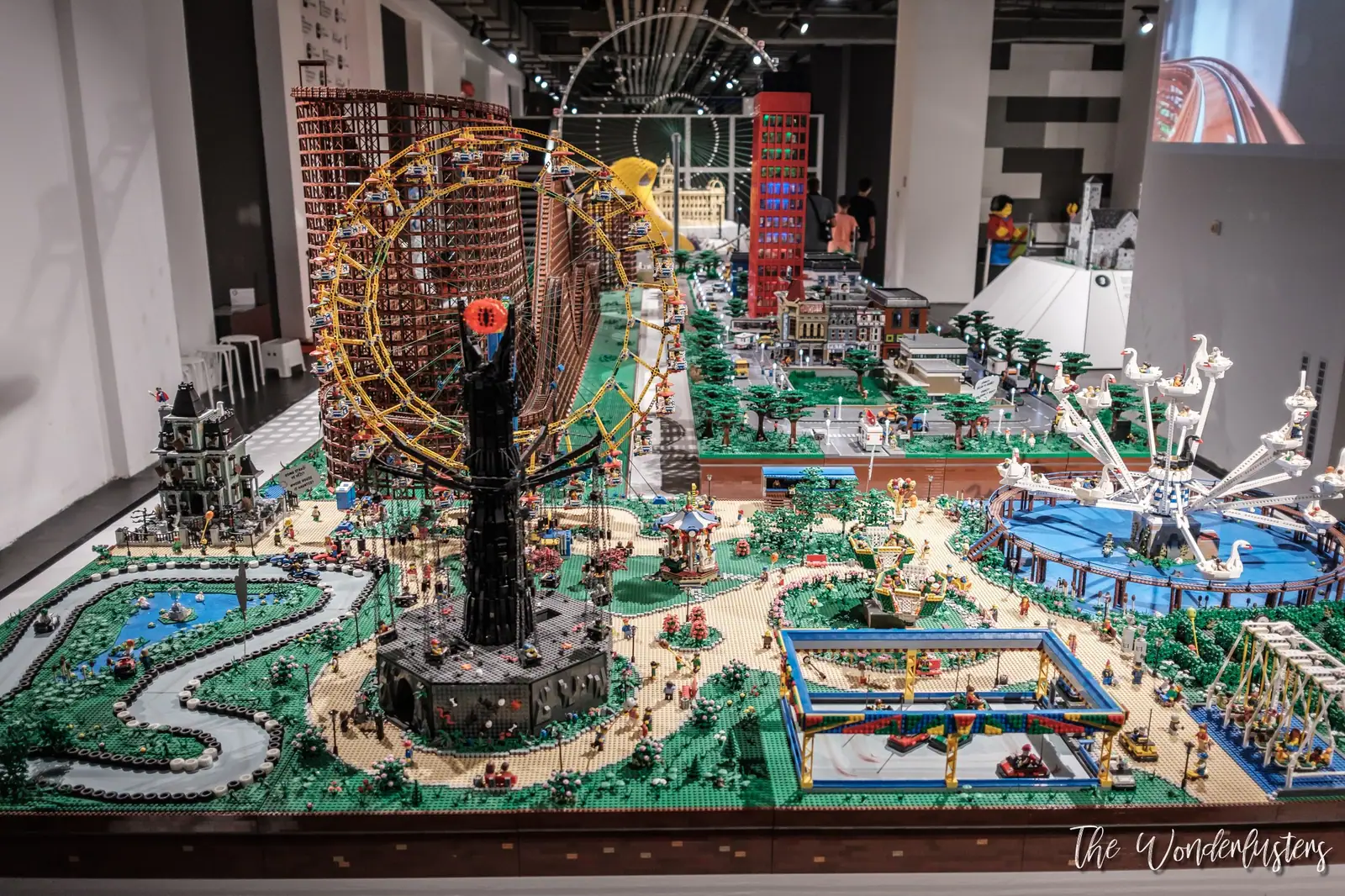
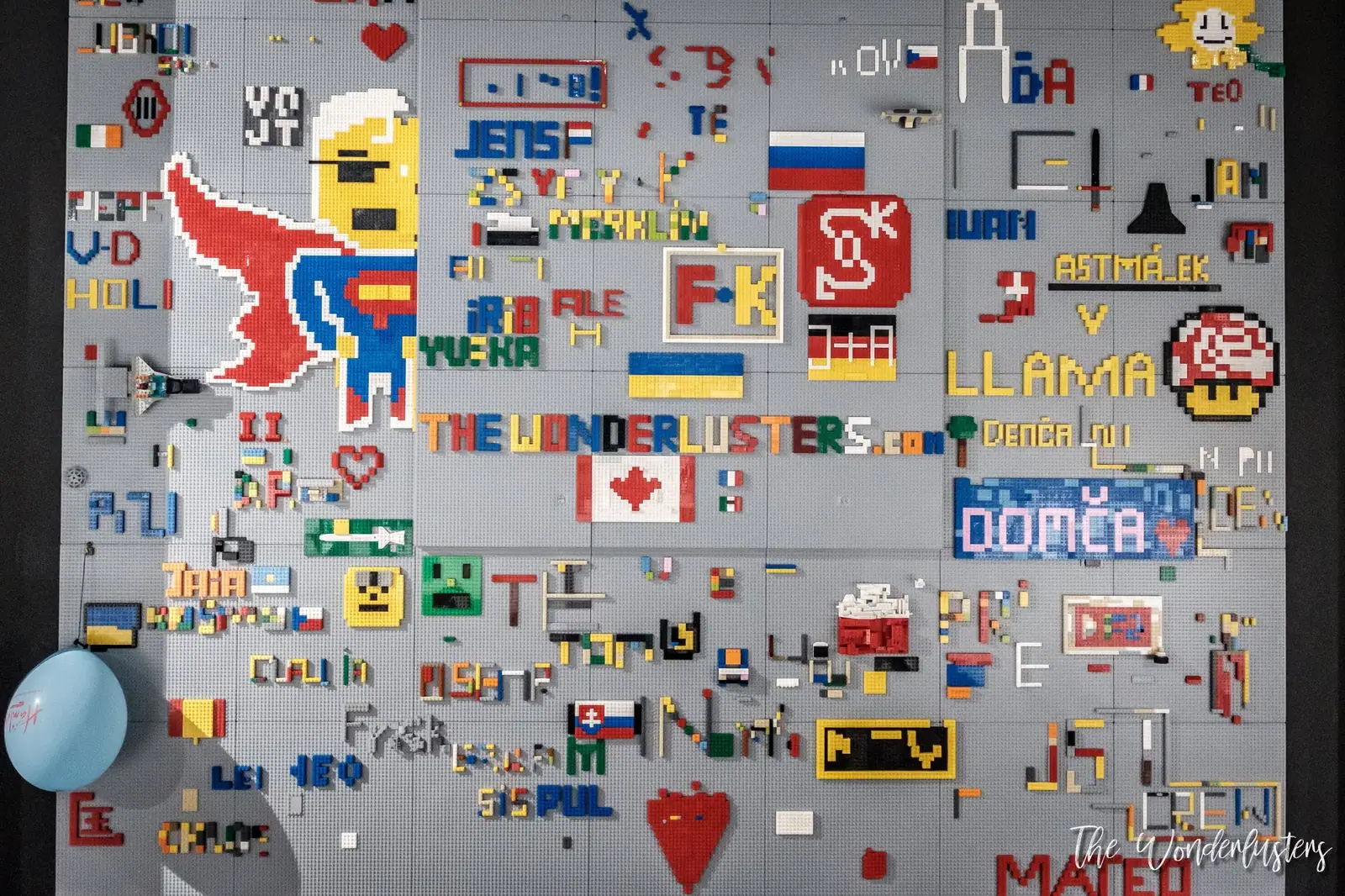
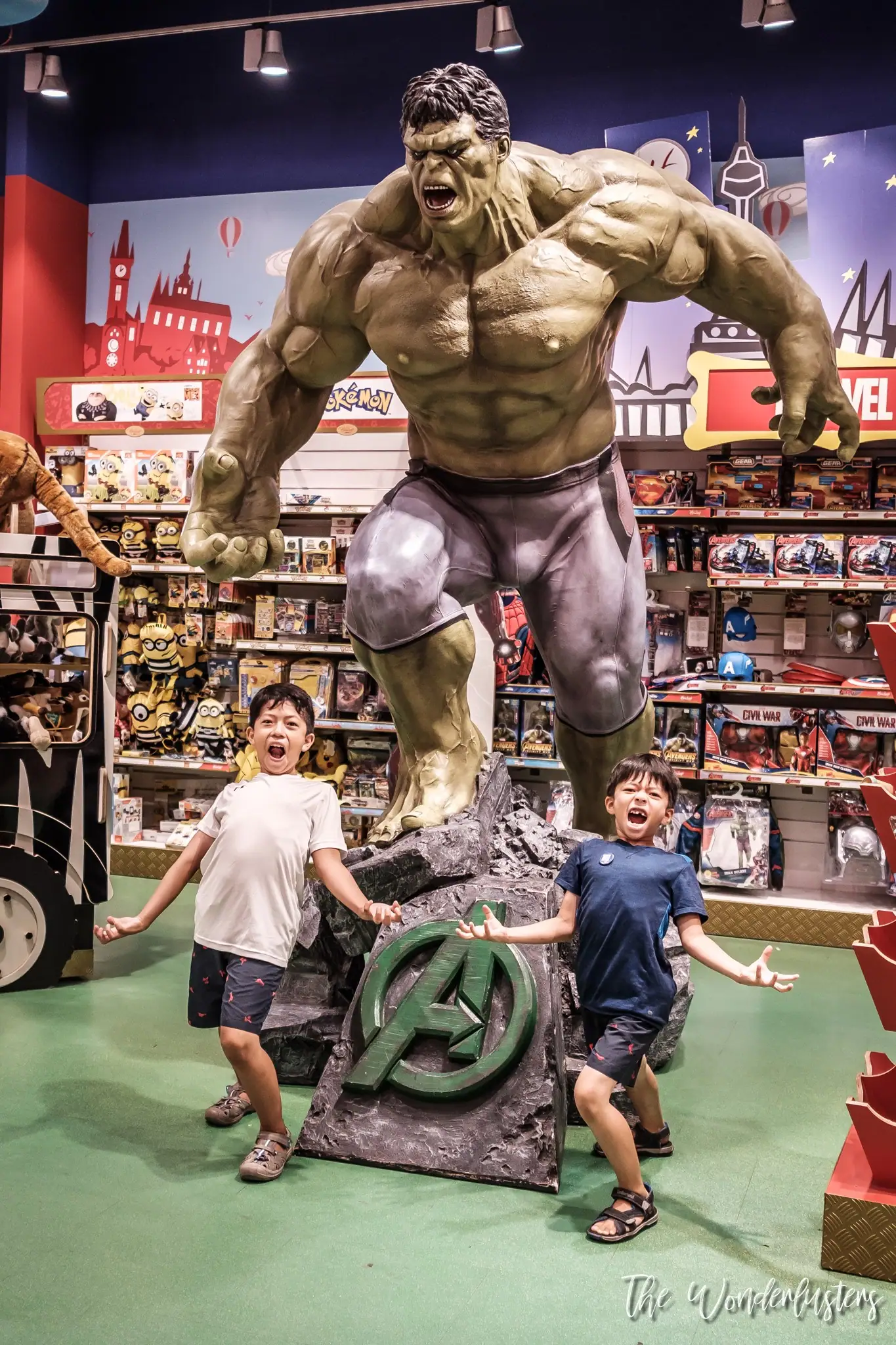
The kids had two favorite pastimes: lounging for hours in hotel pools and exploring Lego shops — they each carried their own Lego passport, stamped at every official Lego store we visited. Since it was close to their birthdays, we spent hours in Lego shops admiring the builds, including at the Hamleys toy store in Prague. I loved watching their eyes light up at life-size superhero figures and the mega-elaborate Lego installations, which must have taken thousands of hours to build. The Lego exhibit in Prague covered more than 1,000 m².
2026 update: Hamleys quietly exited the Czech market in January 2024. The former Prague flagship on Na Příkopě is now rebranded as The Playground, still with a toy megastore, laser tag and an arcade zone (source).
What to Eat in Central Europe
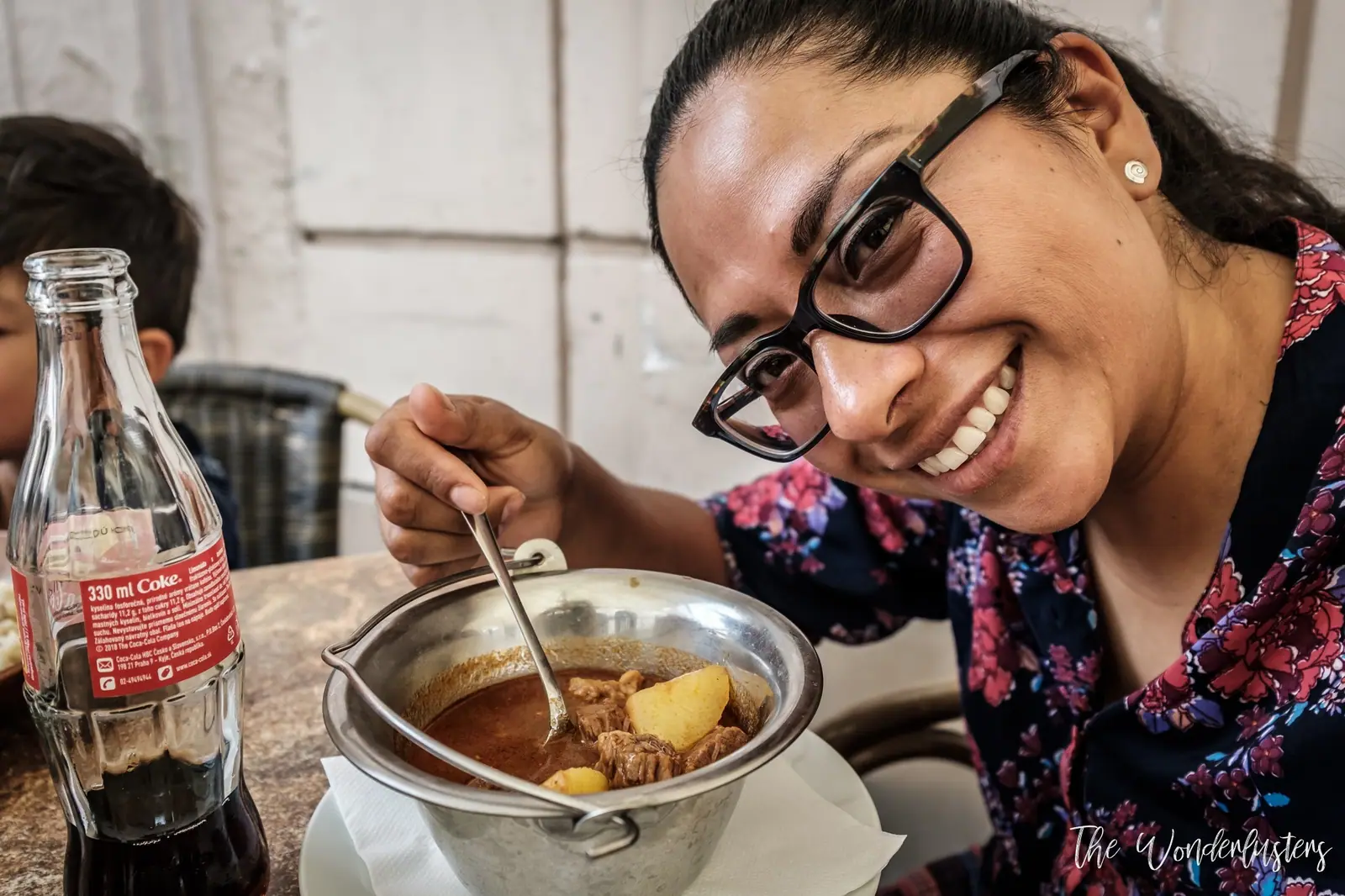
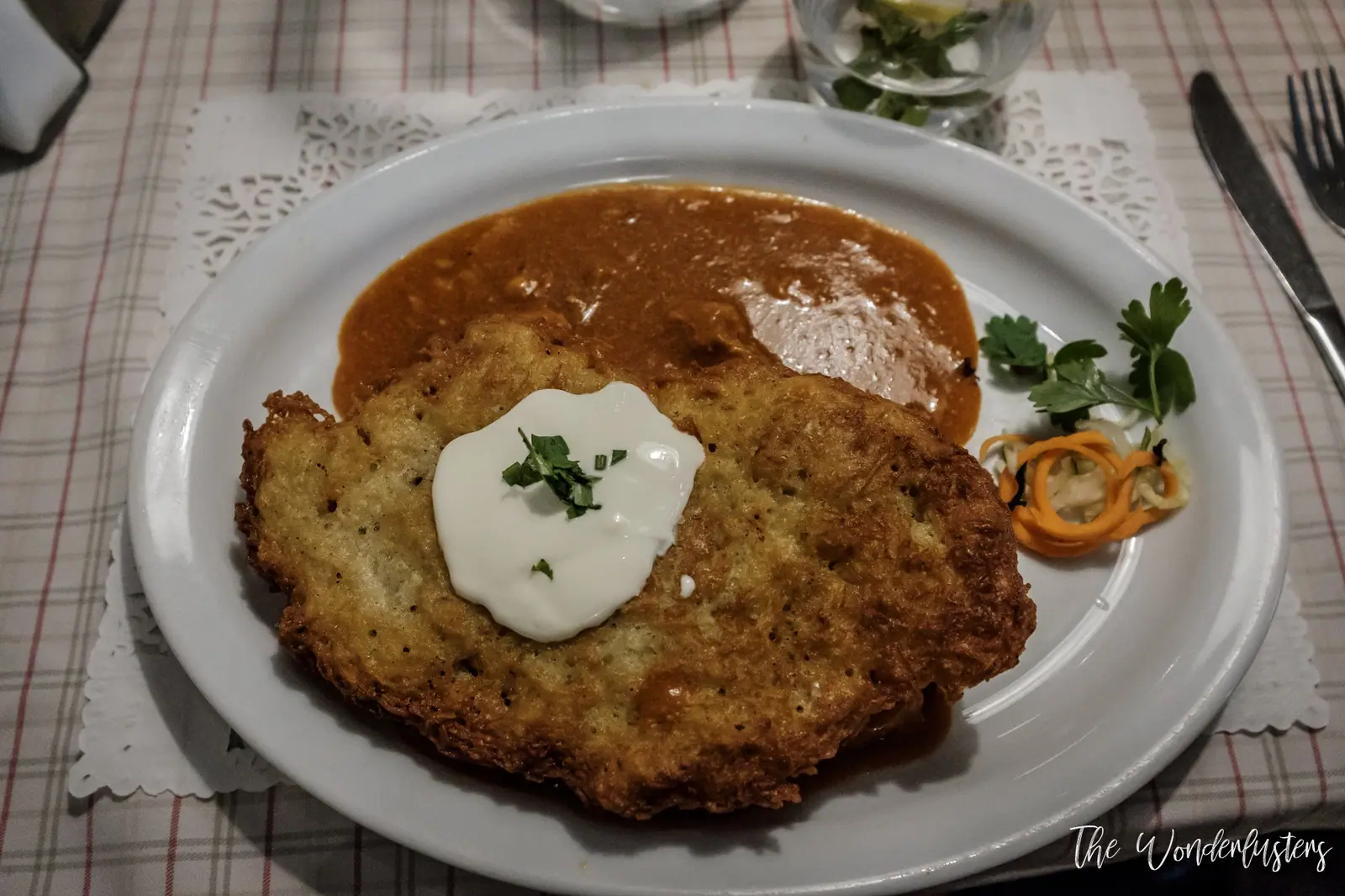
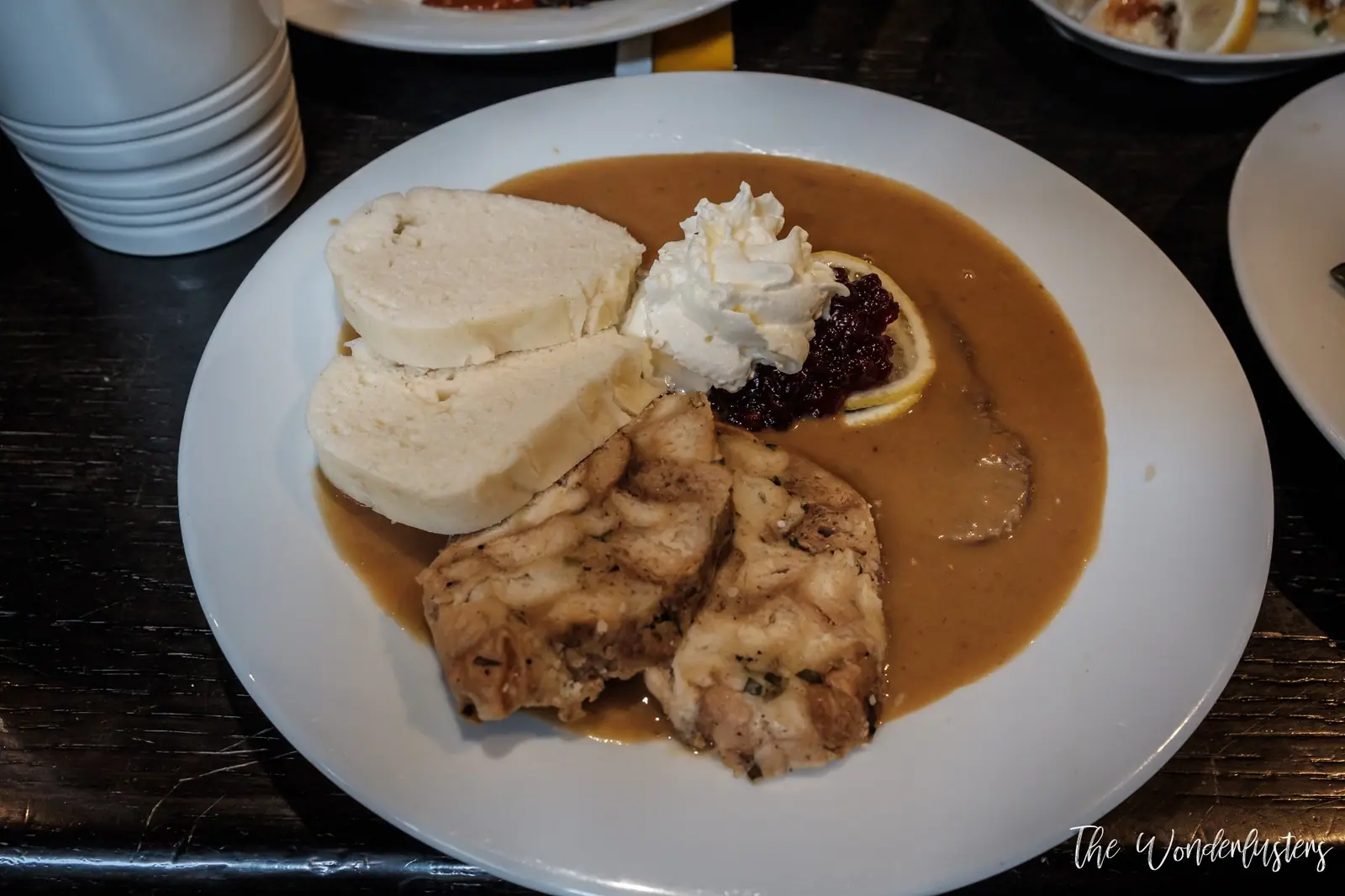
A dish common to all 4 countries was goulash, prepared differently from region to region, and one we thoroughly enjoyed.
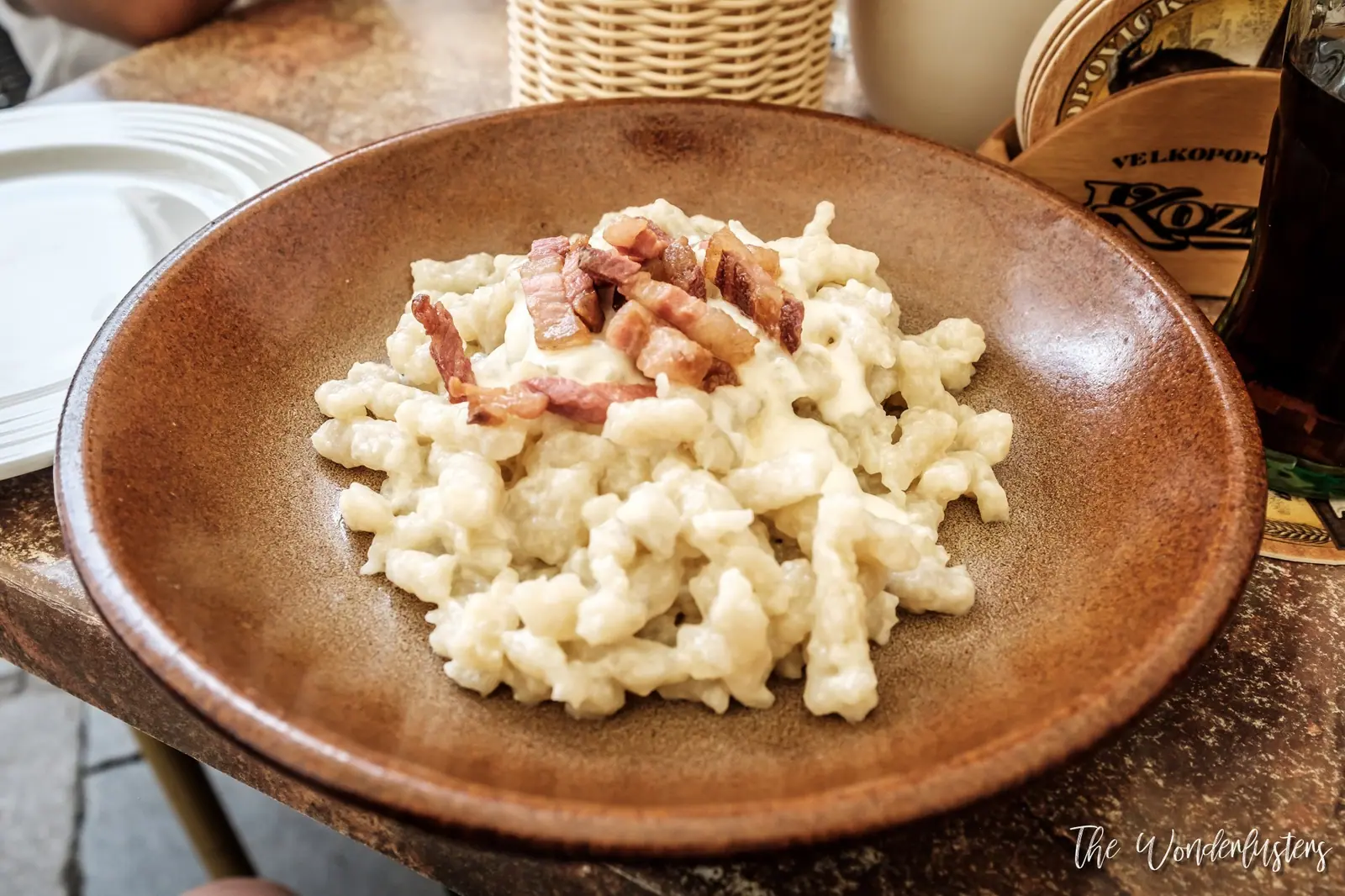
Slovakia also has Bryndzové Halušky — don’t ask me to pronounce it, we’re just copy-pasting the name here!
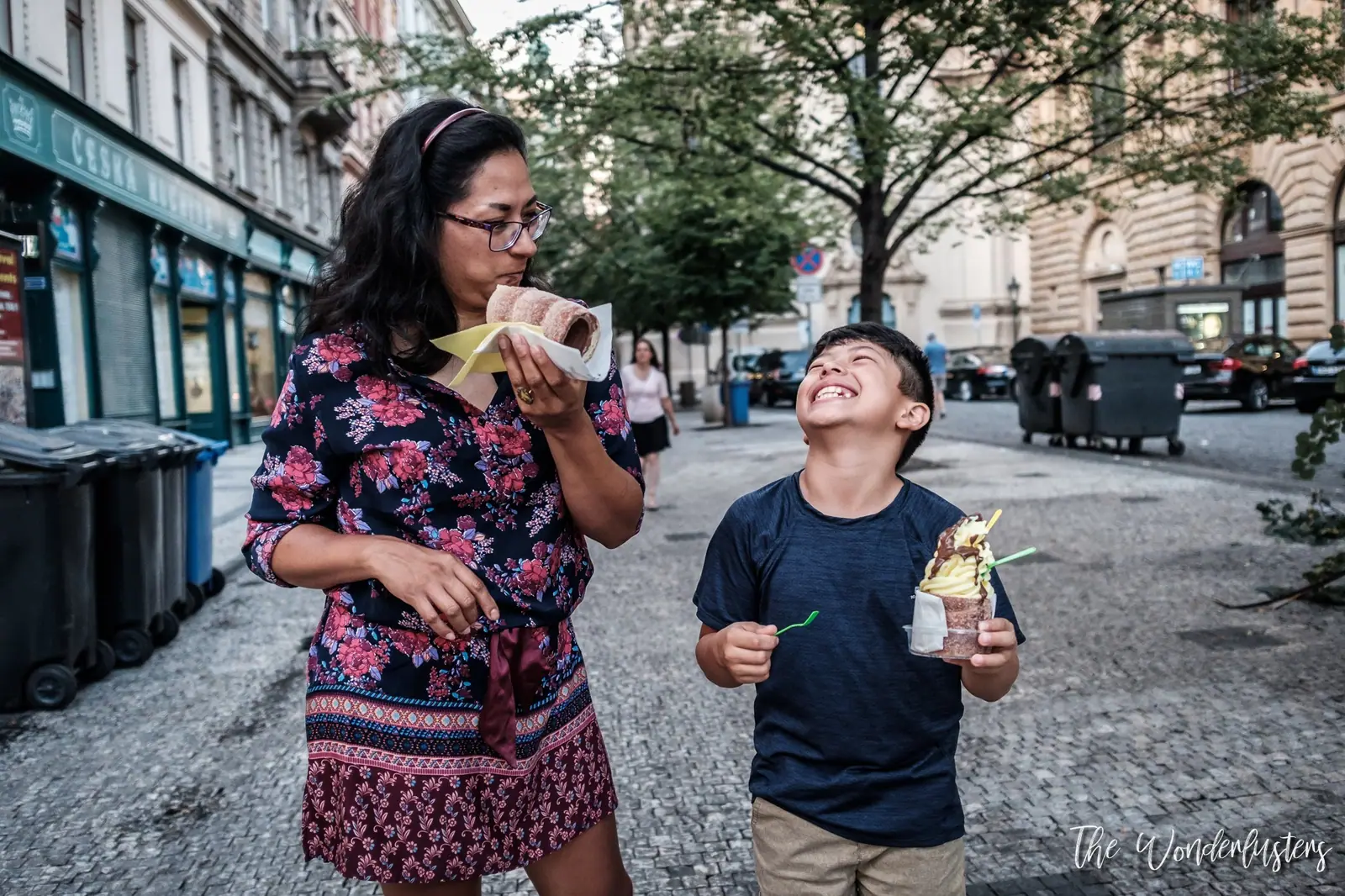
Trdelnik, in Prague, was a clear favorite among tourists.
How Much Does 9 Days in Central Europe Cost?
With a cost of living at roughly 60% of France’s, these 4 countries were among the most affordable we visited on our round-the-world trip.
Slovakia uses the euro, but we had to convert our euros into local currency in Hungary, Poland and the Czech Republic. Competition between currency exchange bureaus in these countries kept fees minimal, so it wasn’t worth withdrawing cash from an ATM instead.
Since we’d rented the car to cover Germany, Liechtenstein, Austria, Slovakia, Hungary, Poland and the Czech Republic, we calculated rental costs in proportion to our time in Slovakia, Hungary, Poland and the Czech Republic (9 days). We converted all our expenses to euros to make the bookkeeping easier. In the end, the real cost of our stay in Central Europe for our family of 4 came to:
- 1.147,00 EUR (1,327.02 USD)
- 127,44 EUR (147.44 USD) per day
- 31,86 EUR (36.86 USD) per person per day.
Amounts were paid in euros in Slovakia, and converted to forints, zlotys or korunas in Hungary, Poland and the Czech Republic. US-dollar equivalents use the average exchange rate during our trip (August 2–11, 2018): 1 USD = 0.86 EUR. 1 USD = 277.24 HUF. 1 USD = 3.69 PLN. 1 USD = 22.14 CZK.
In detail:
| Expense Category | Amount Spent |
|---|---|
| Accommodation | 348,00 EUR / 402.62 USD |
| Transport (including gas, toll, parking) | 368,00 EUR / 425.76 USD |
| Eating out | 234,00 EUR / 270.73 USD |
| Groceries | 93,00 EUR / 107.60 USD |
| Activities | 104,00 EUR / 120.32 USD |
| Total | 1.147,00 EUR / 1,327.02 USD |
Conclusion
Slovakia, Hungary, Poland and the Czech Republic were the 12th, 13th, 14th and 15th countries of our trip around the world. Our next destination: Bulgaria.
Questions travellers ask
How many days did you spend in Central Europe?
We spent 9 days across Slovakia, Hungary, Poland and the Czech Republic, from August 2 to August 11, 2018, covering 1,634 km by rental car.
How much does a 9-day trip through Central Europe cost?
For our family of four, 9 days across Slovakia, Hungary, Poland and the Czech Republic cost 1,147 EUR (about 1,327 USD at 2018 rates), or roughly 127 EUR (147 USD) per day, including accommodation, transport, food and activities.
Which countries make up the Visegrád Group?
The Visegrád Group is made up of Slovakia, Hungary, Poland and the Czech Republic, the four Central European countries we visited on this trip.
Which was the favorite country on this trip?
Of the four countries, Poland was our favorite: we found it remarkably affordable, with well-preserved historic centers in Krakow and moving sites like the Wieliczka Salt Mine.
How did you get around Central Europe?
We drove a rented Opel Corsa picked up in Berlin, which let us cross all four countries and reach smaller towns like Brno and Karlovy Vary that are harder to visit by train.