EuropeSeptember 20185 min read
Where to Go in Germany: 24 Places to Visit (With Itinerary)
In short
We spent 17 days road-tripping through Germany in summer 2018 (plus a short detour into Liechtenstein), visiting 24 places from fairy-tale castles to Dresden and the Bavarian Alps. Renting a small car and mixing Airbnbs with hotels, our family of four's trip cost 1.882,00 EUR (2,209.83 USD), or 27,67 EUR (32.49 USD) per person per day.
- Dates
- 2018-07-08 to 2018-07-10; 2018-07-16 to 2018-07-27; et 2018-08-11 to 2018-08-15
- Number of days
- 17
- Inbound
- Basel-Mulhouse to Berlin by plane
- Outbound
- Berlin to Sofia by plane
- Mode of transport
- Rental car
- Distance travelled (car & foot)
- 3147 km
- Number of photos taken
- 5100 (300 per day)
- Currency
- The Euro (1,00 EUR = 1.17 USD)
We spent 17 days road-tripping across Germany in summer 2018, plus a short detour into Liechtenstein, visiting 24 places along the way — from fairy-tale castles to rebuilt Dresden and the Bavarian Alps. Renting a small car and mixing Airbnbs with hotels, our family of four’s trip cost 1.882,00 EUR (2,209.83 USD), or 27,67 EUR (32.49 USD) per person per day. Here’s our itinerary, our budget, and the places that stood out most.
Germany isn’t usually seen as a top travel destination, and that surprised even some of the Germans we met along the way when we told them we’d come to their region to see castles. That’s a shame, because the country is full of history, culture, and both natural and architectural beauty — and its lower profile worked in our favor, letting us see it all without the crowds.
Where to Go in Germany?
The Autobahn Experience
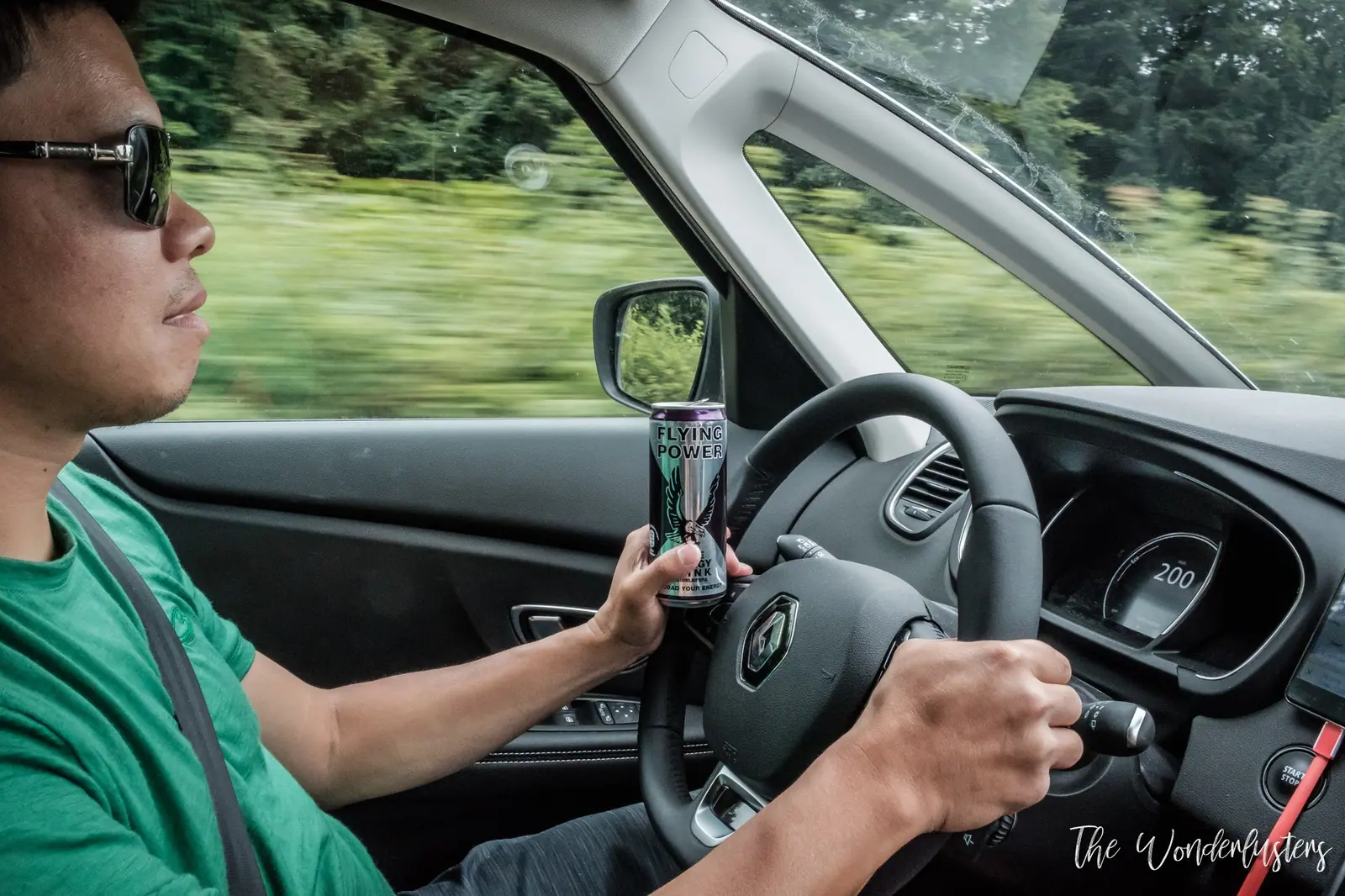
Cruising at 100 km/h on a long, straight highway back home in Quebec, we’d need a coffee to stay alert. On the German Autobahn, there’s no time to get drowsy: on unrestricted stretches, the car ahead of you sets the pace, not a posted limit. Everyone knows how to drive, so accidents are rare. We averaged around 150 km/h, with the occasional 170 km/h to overtake — our little 1.4L engine started to complain past 190 km/h, but hitting 200 km/h on a straight downhill stretch was pure exhilaration. One rule to remember: always check your mirrors before overtaking a truck, because an Audi, BMW or Mercedes can appear behind you like a cannonball, testing your nerves when you have to slow back down to 100 km/h on the next climb.
The Castles
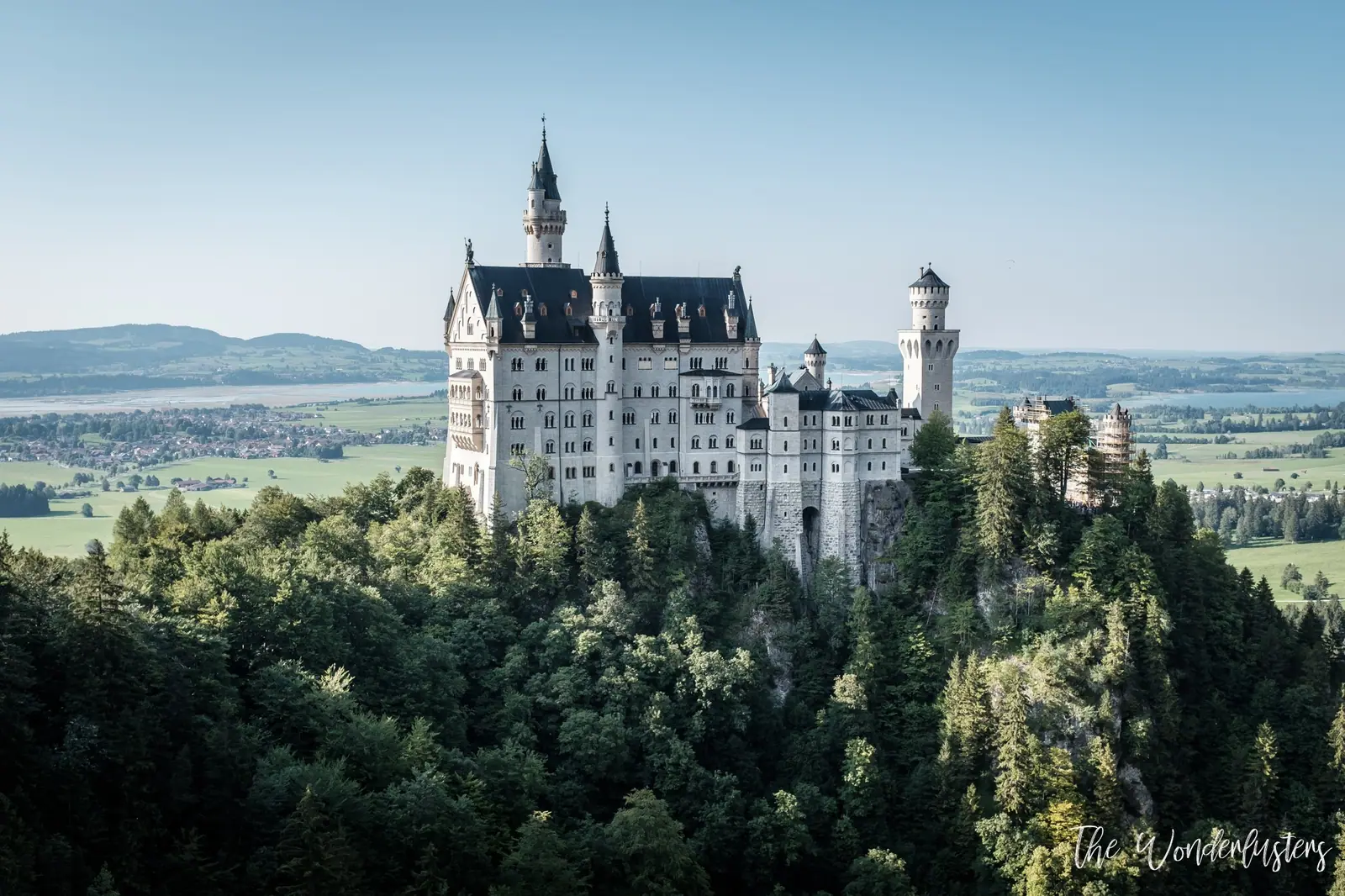
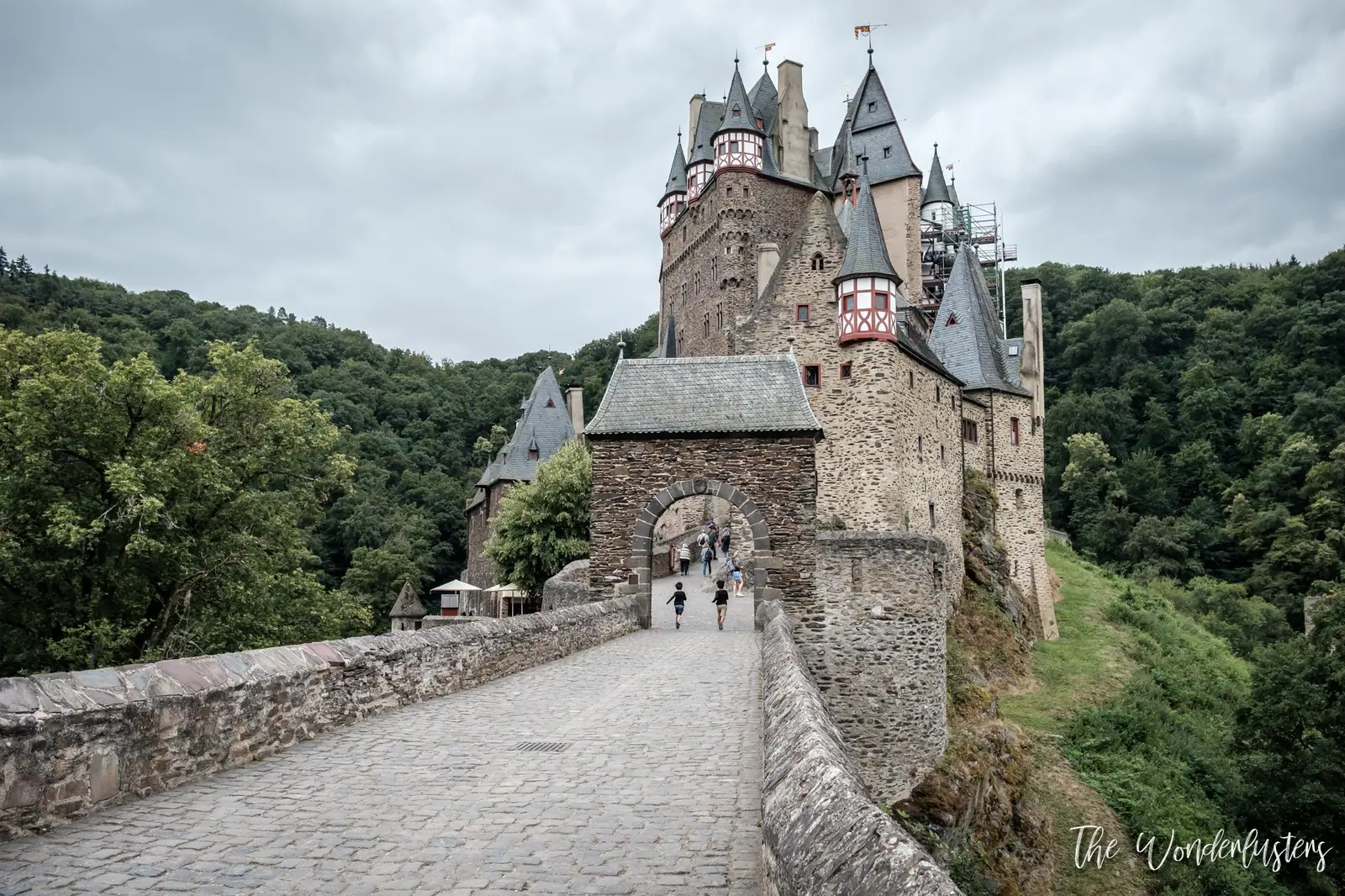
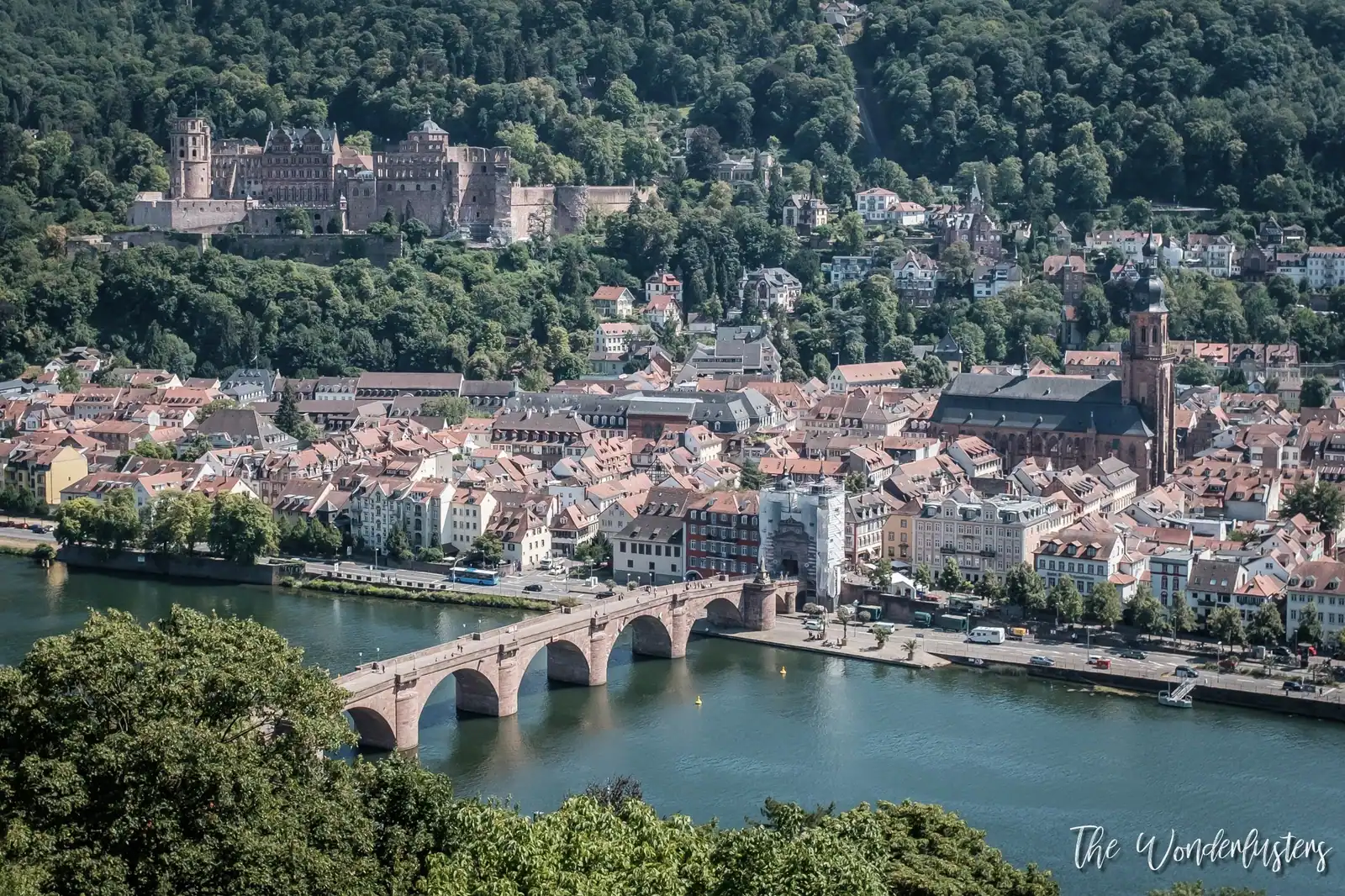
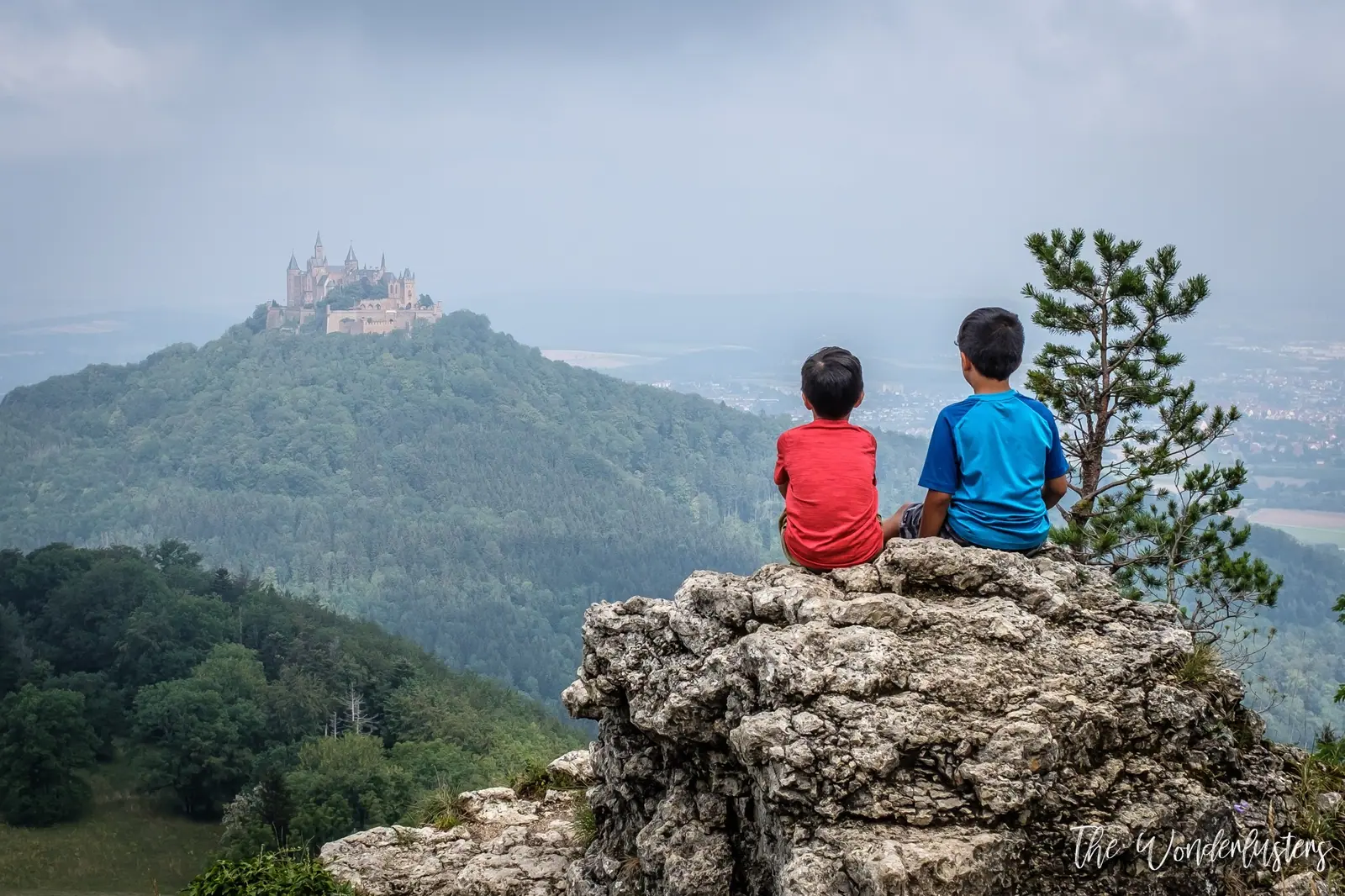
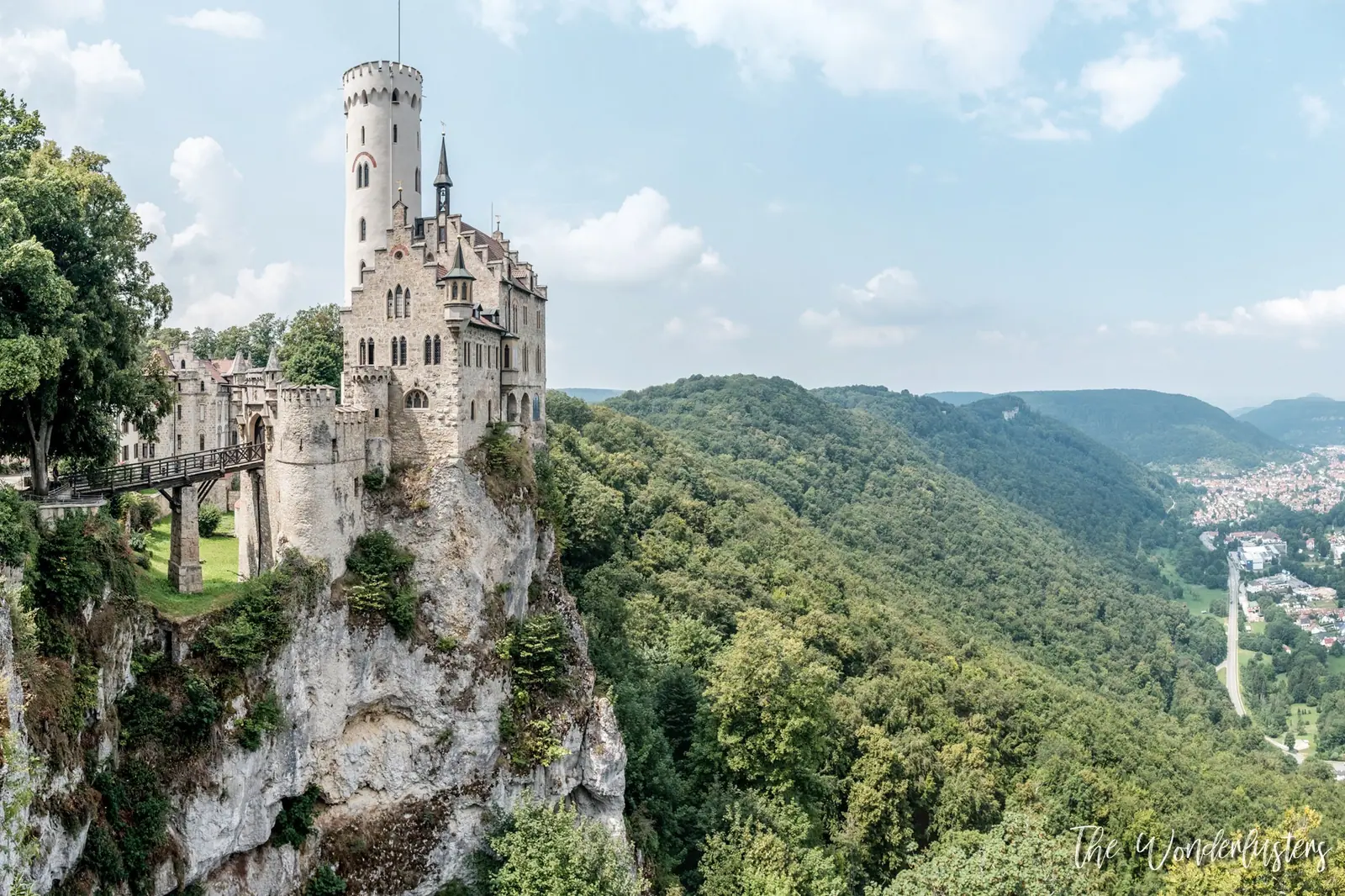
Eltz, Heidelberg, Hohenzollern, Lichtenstein, Neuschwanstein and Nuremberg — Germany’s castles look like they’re straight out of a fairy tale. Our photos speak for themselves, starting with the one that inspired the castle in Disney’s Sleeping Beauty.
2026 update: Neuschwanstein now runs on timed-entry tickets only. Book online in advance — during peak season (May-October), walk-up day tickets are often sold out by late morning (official tickets).
Dresden
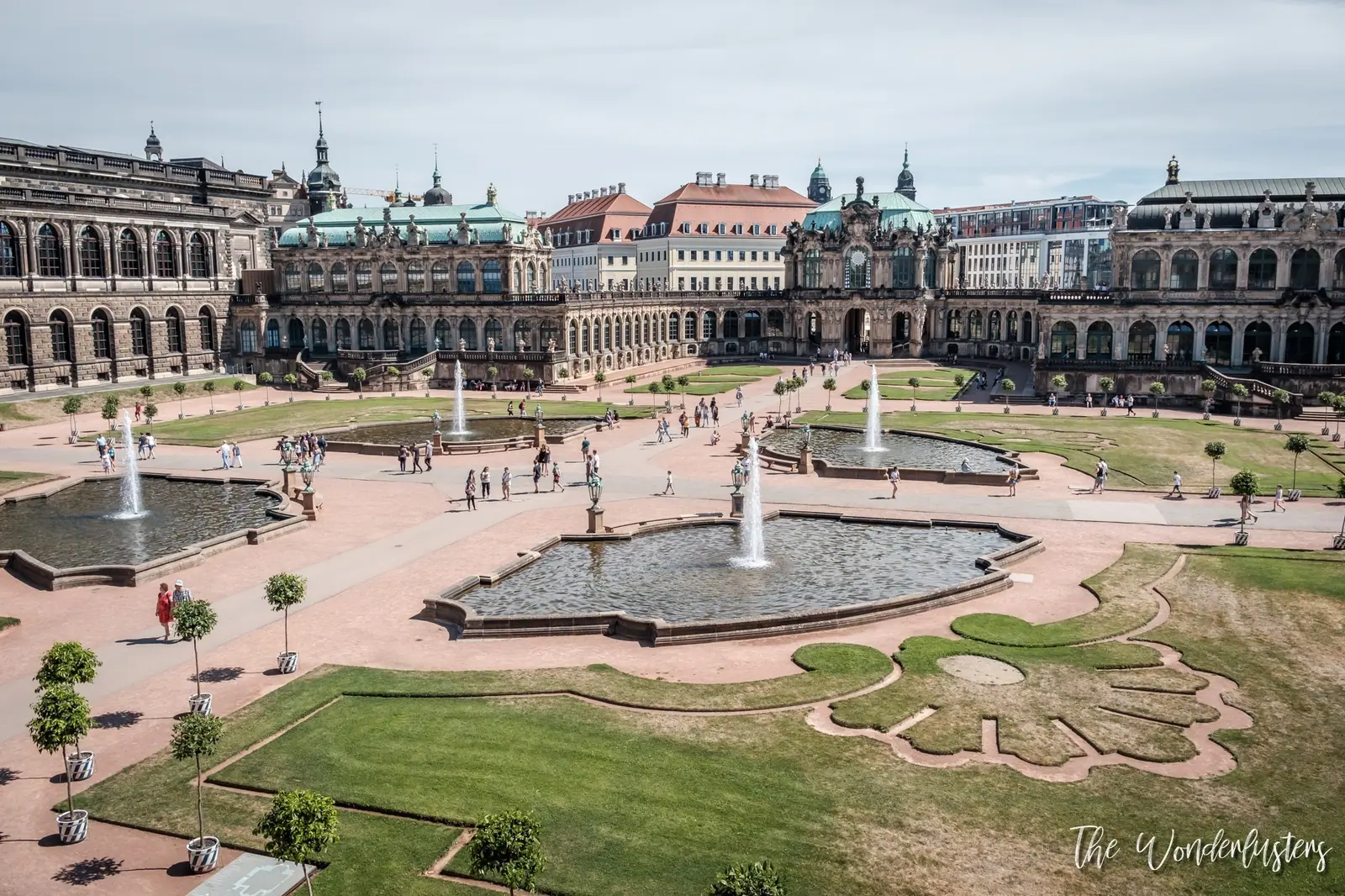
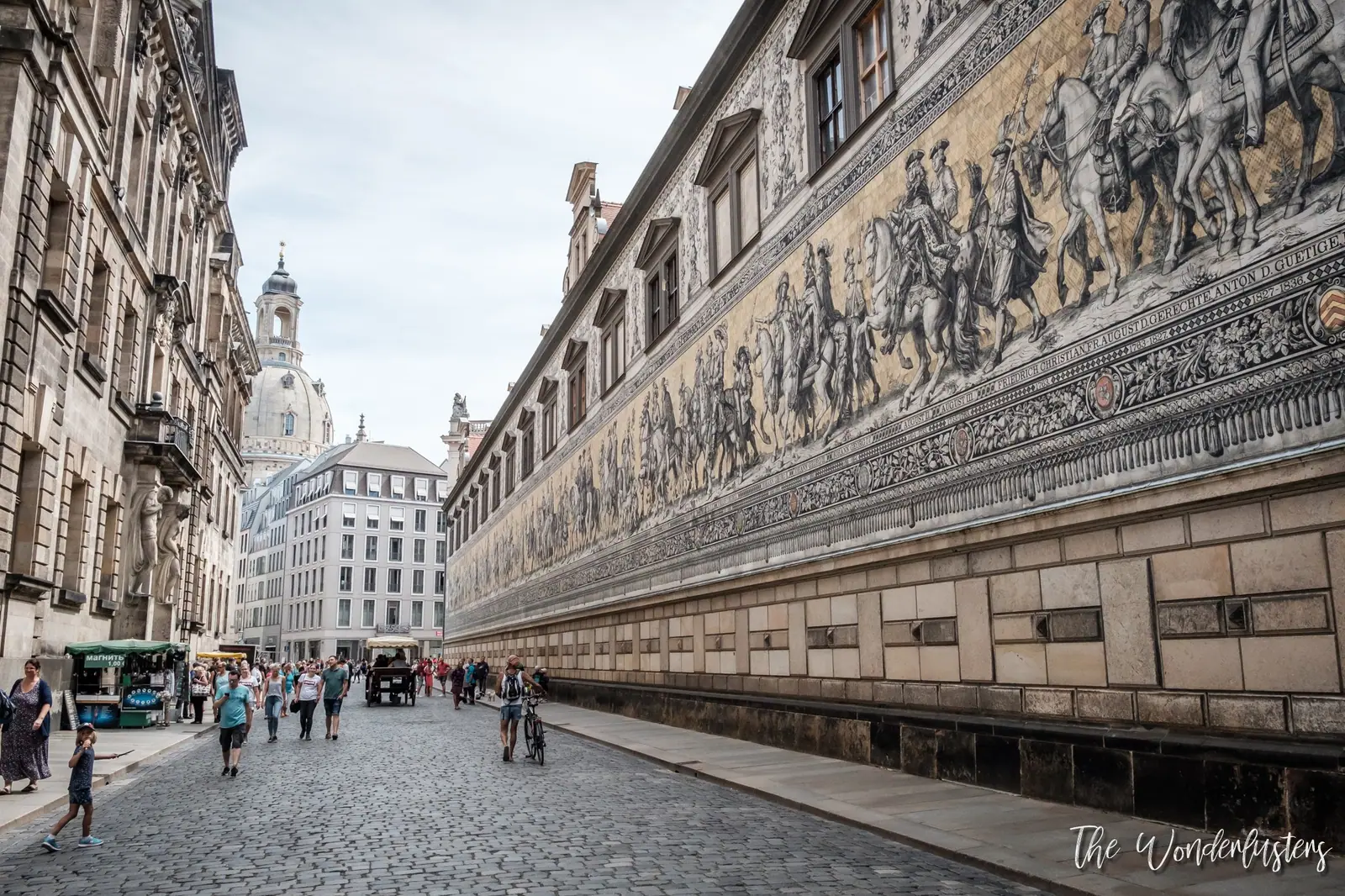
The most beautiful city we visited in Germany was Dresden, nicknamed “the Florence of the Elbe” — and it lives up to it. Dresden was almost completely destroyed in the Second World War and rebuilt slowly through the Soviet era. Restoration accelerated after reunification, but reconstruction is still ongoing in places, and will likely take decades more.
Königssee
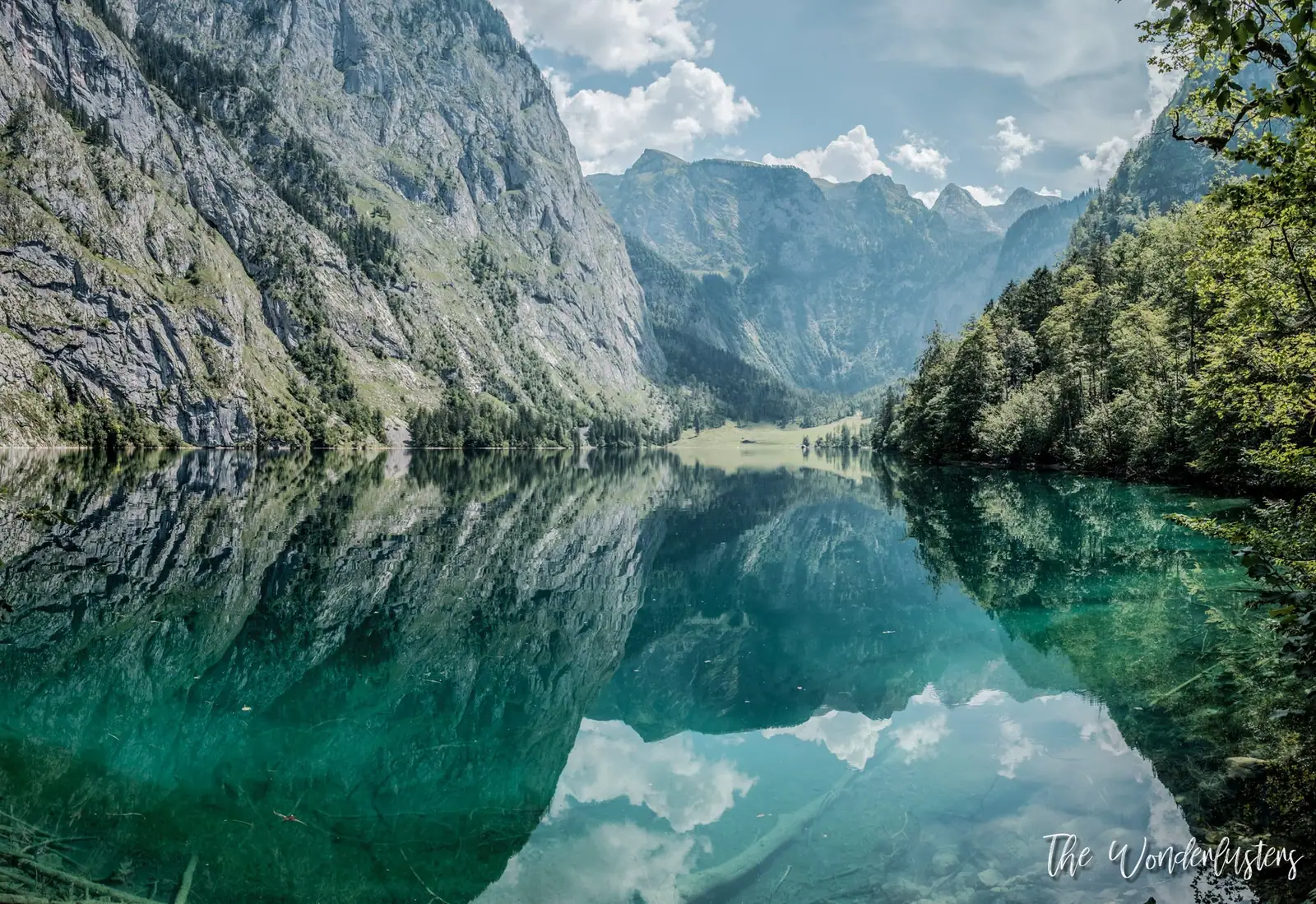
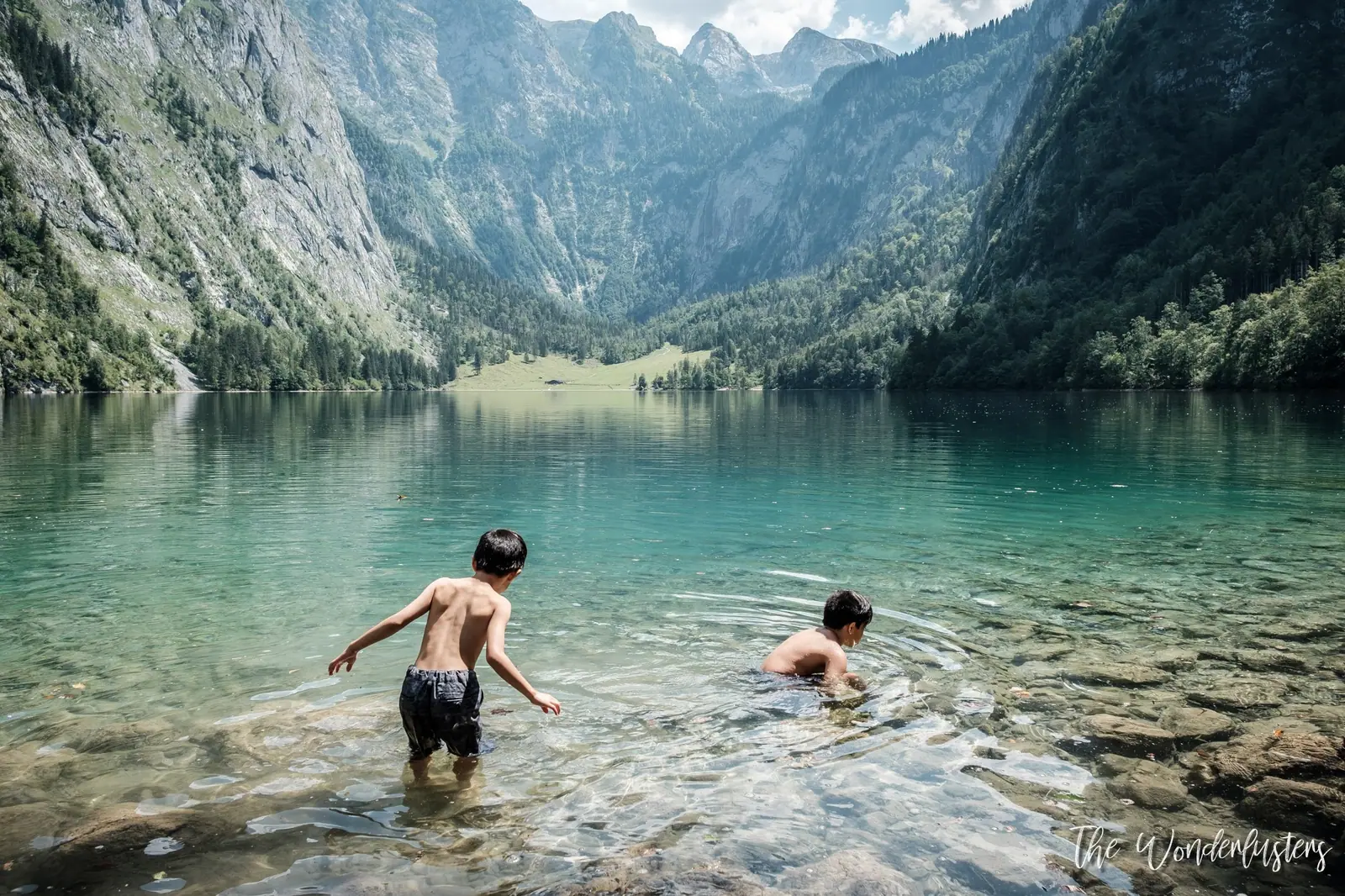
Königssee is a lake in the Bavarian Alps. Its still, solemn setting would be perfect for reflection, if not for the crowds of tourists it draws — us included. The lake remains beautifully preserved, and the surrounding mountains are worth the trip on their own. A boat ride across Königssee, followed by a 15-minute walk, brings you to Obersee, an even more photogenic lake whose glassy surface perfectly mirrors the mountains around it.
Stuttgart City Library
If you like to read and have a couple of hours to spare in Stuttgart, stop by the Stuttgart City Library. Like everyone else who visits, you’ll probably spend the whole time taking photos instead — no need to actually open a book if you don’t read German anyway.

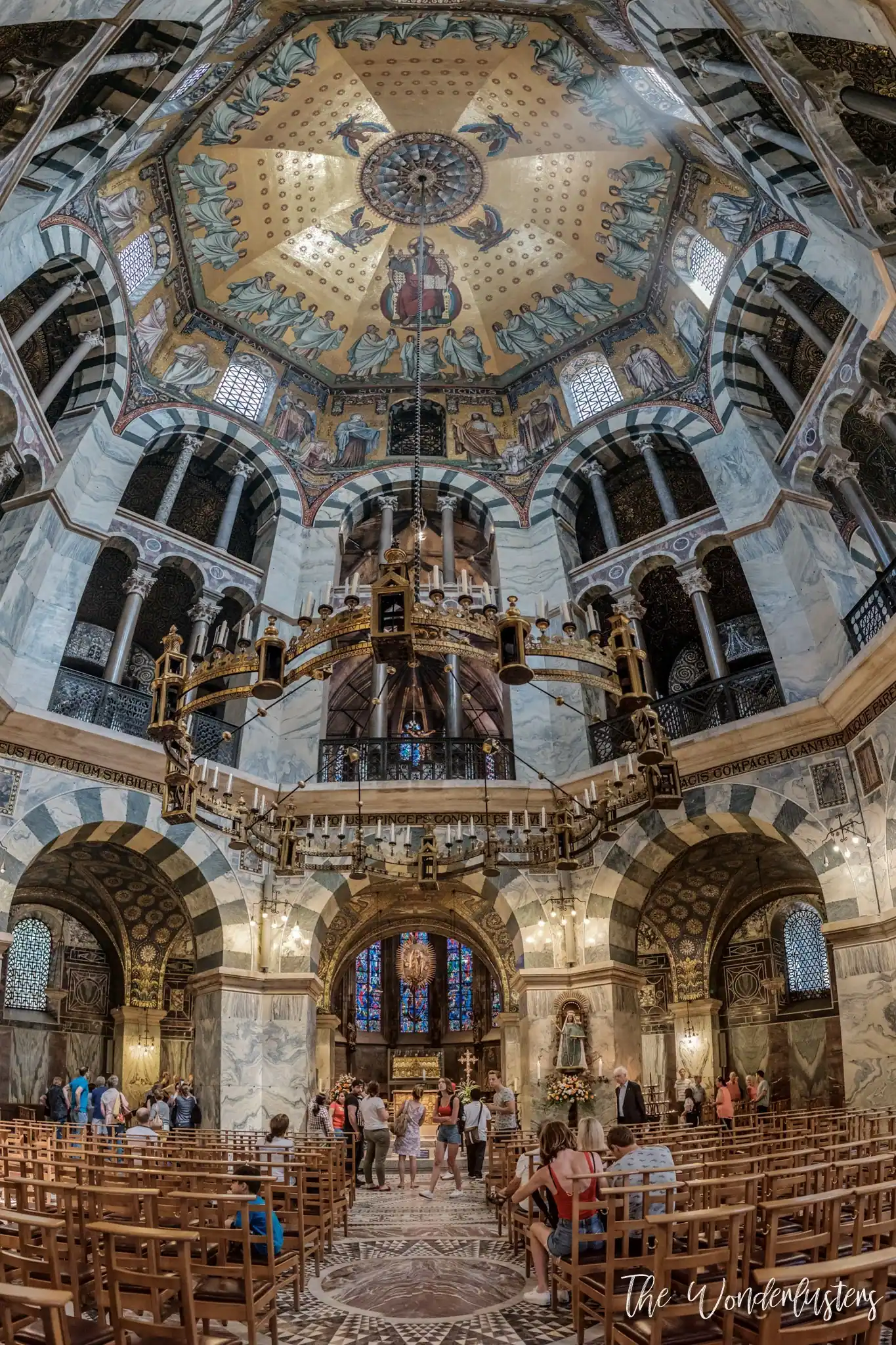
Aachen Cathedral
Aachen Cathedral is the oldest cathedral in northern Europe. It was built on the order of Charlemagne in the 8th century, who was later buried there; his throne still stands inside, since he made Aachen the capital of his empire. The site is significant enough that it was named one of the first 12 UNESCO World Heritage Sites, in 1978.
More Places We Visited
Our time in Germany came in three stretches: a couple of days in the west while making our way from the Netherlands to Luxembourg; 11 days across the southern regions of Baden-Württemberg and Bavaria; and a final 4 days in the east after a short trip through central Europe.
In order, here’s where we went:
- Aachen, North Rhine-Westphalia
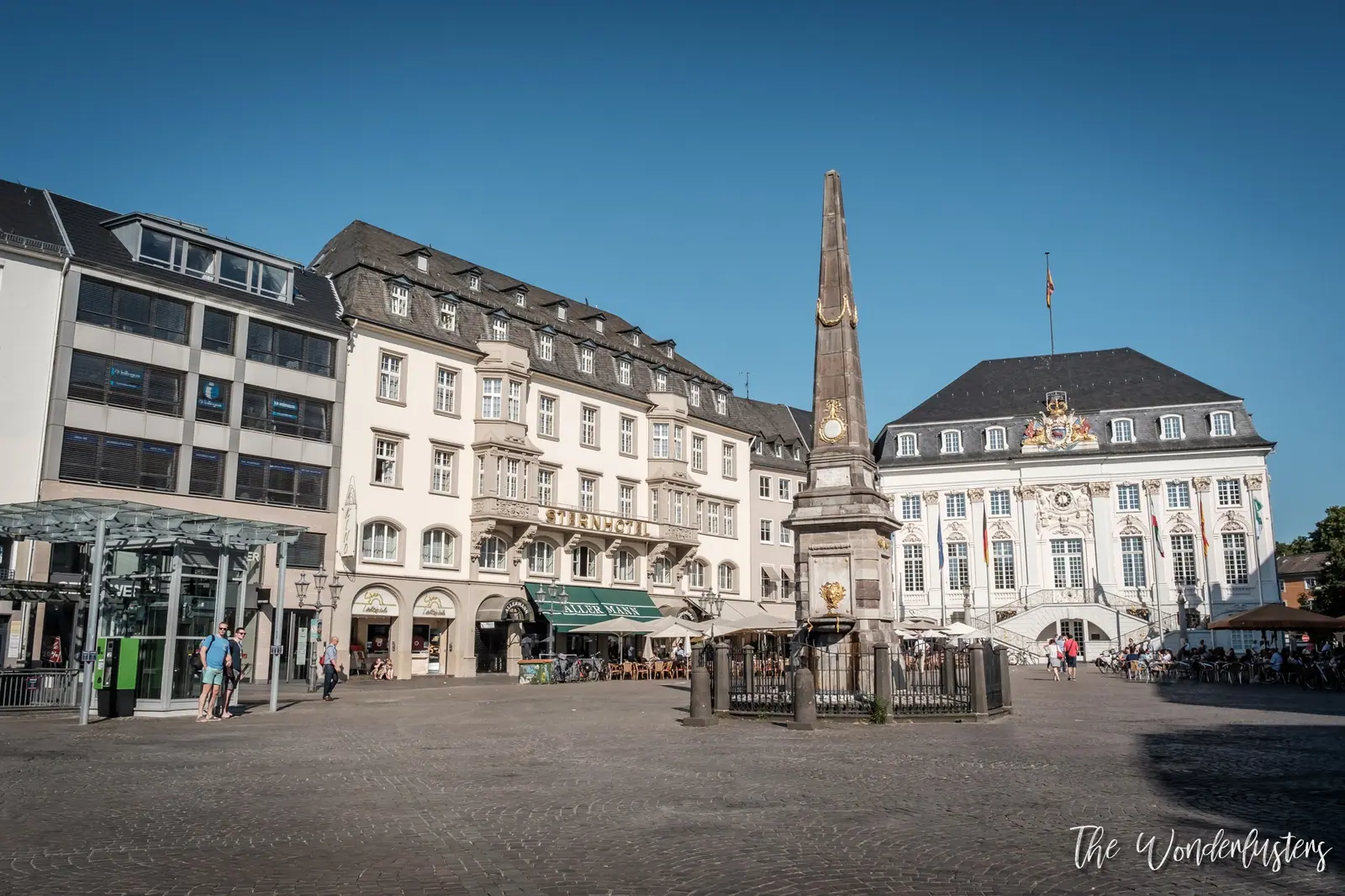
- Bonn, North Rhine-Westphalia
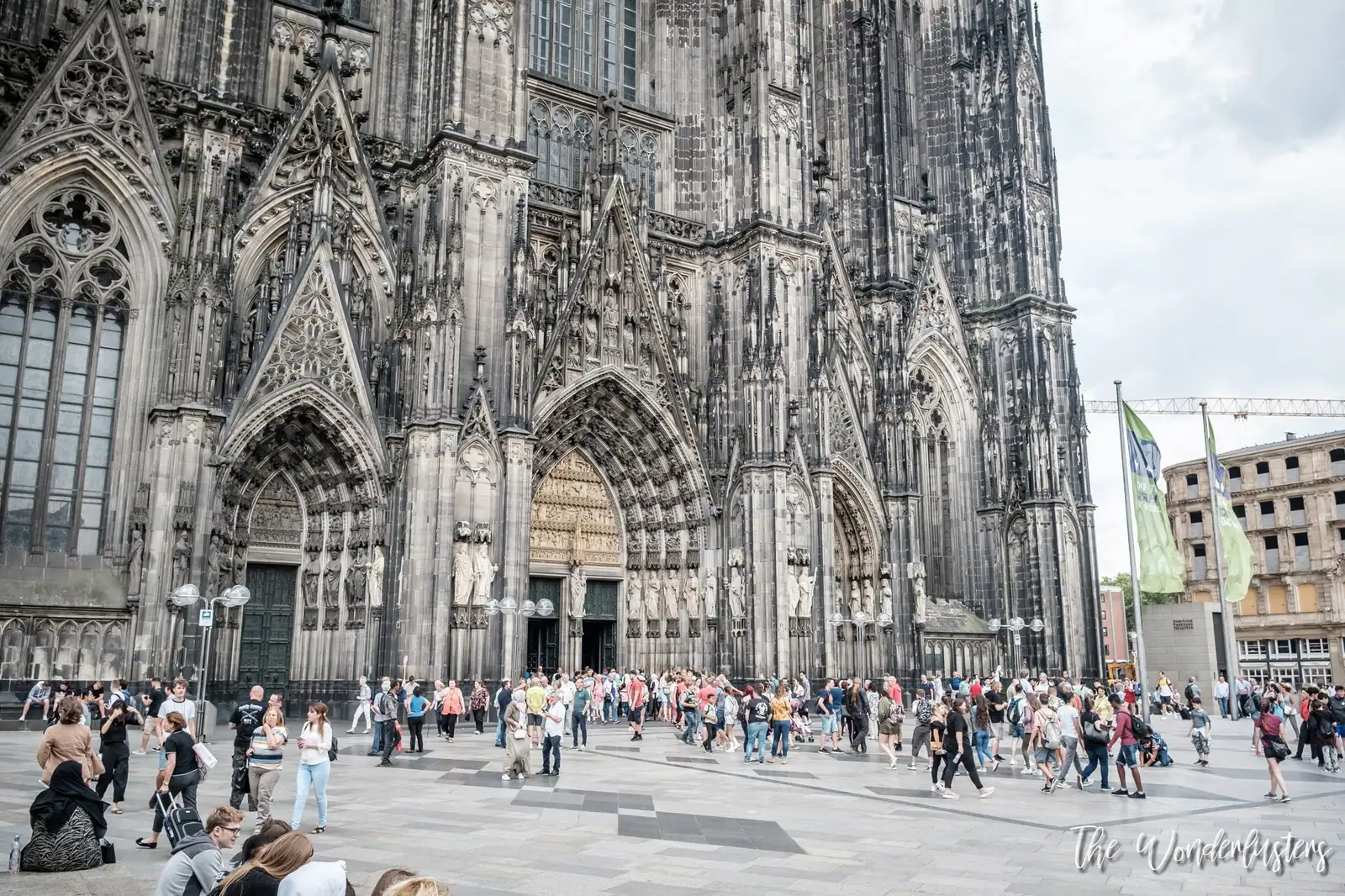
- Cologne, North Rhine-Westphalia
- Eltz Castle, Rhineland-Palatinate
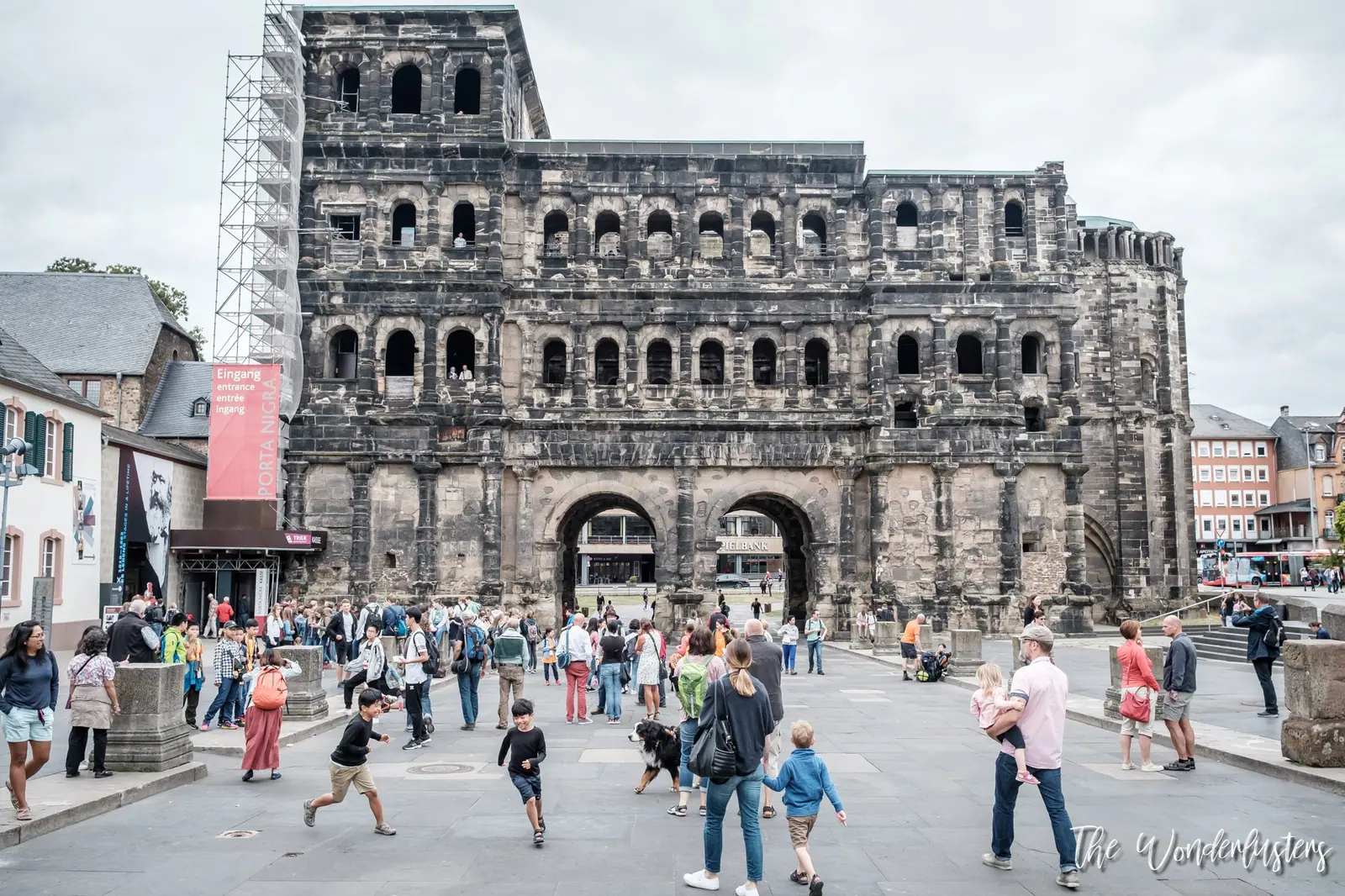
- Trier, Rhineland-Palatinate
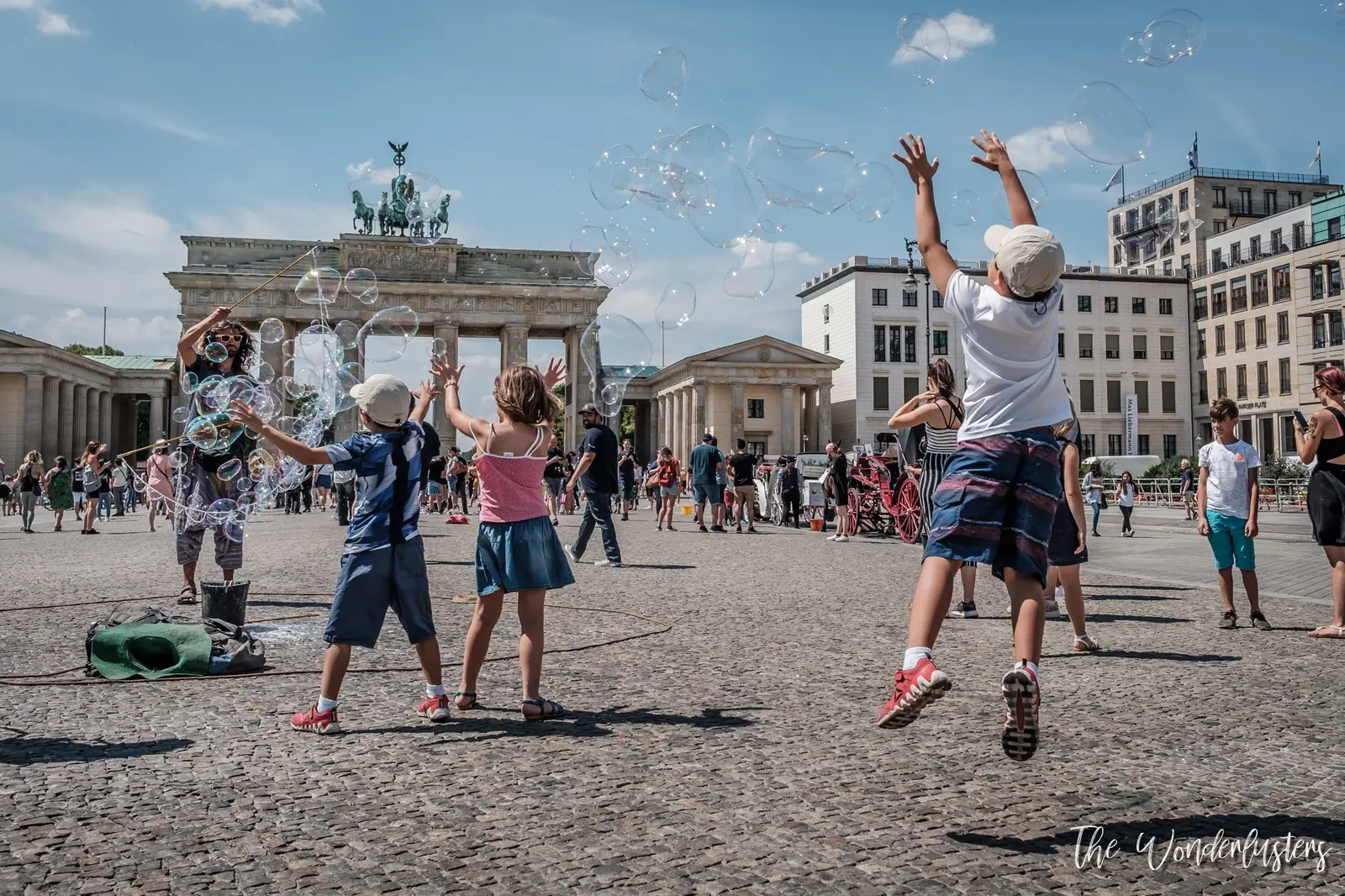
- Berlin, Berlin
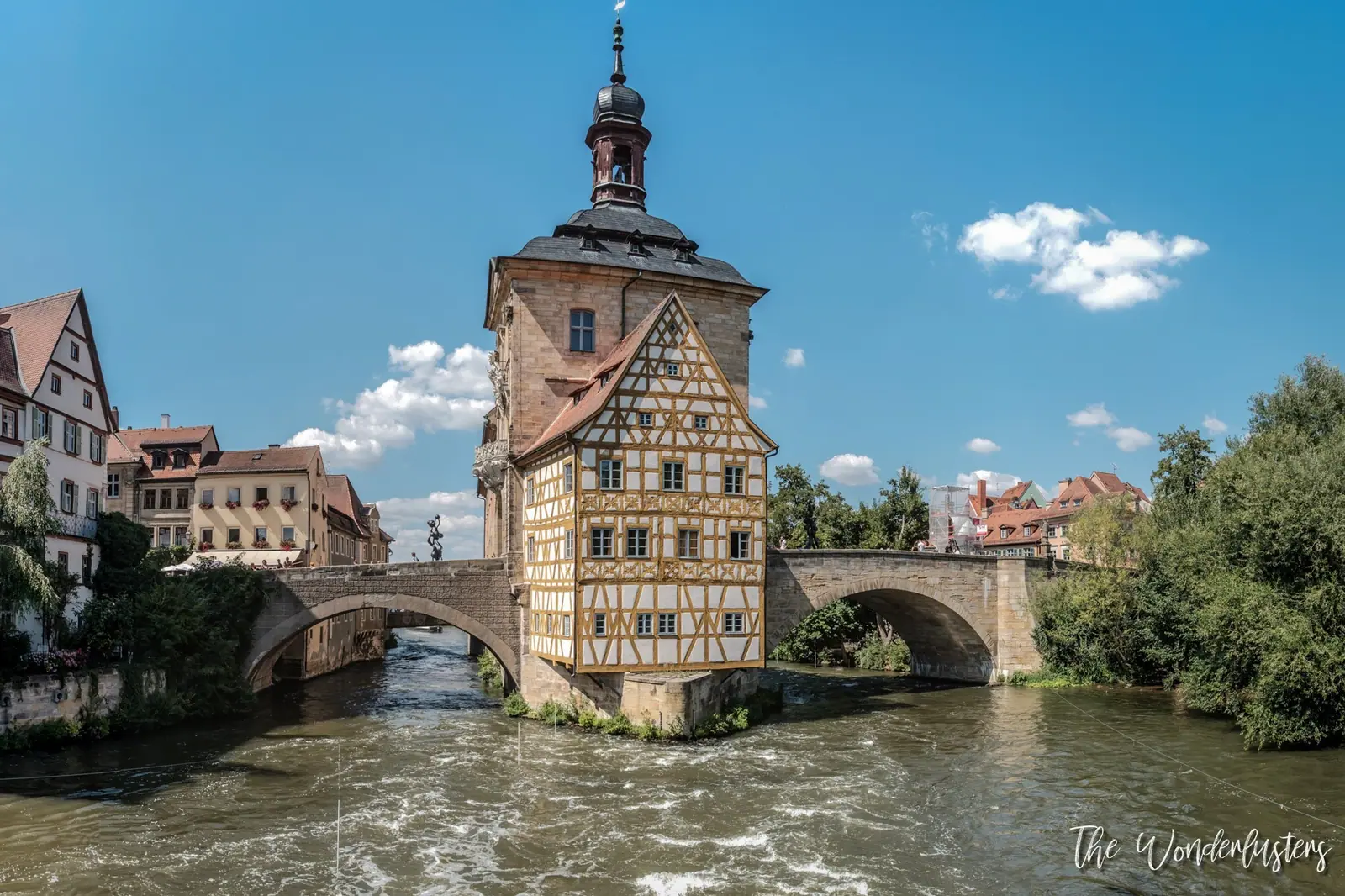
- Bamberg, Bavaria
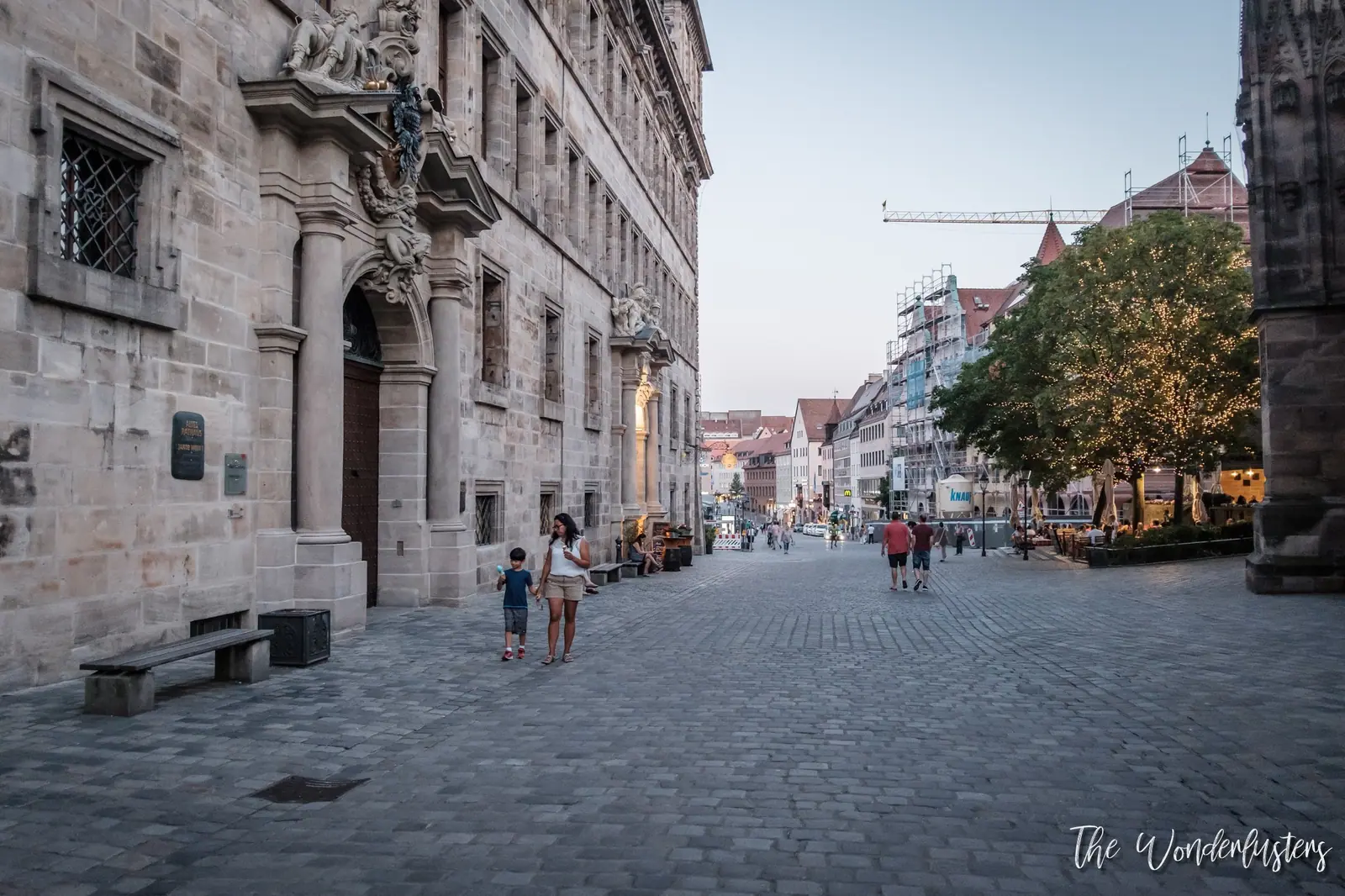
- Nuremberg, Bavaria
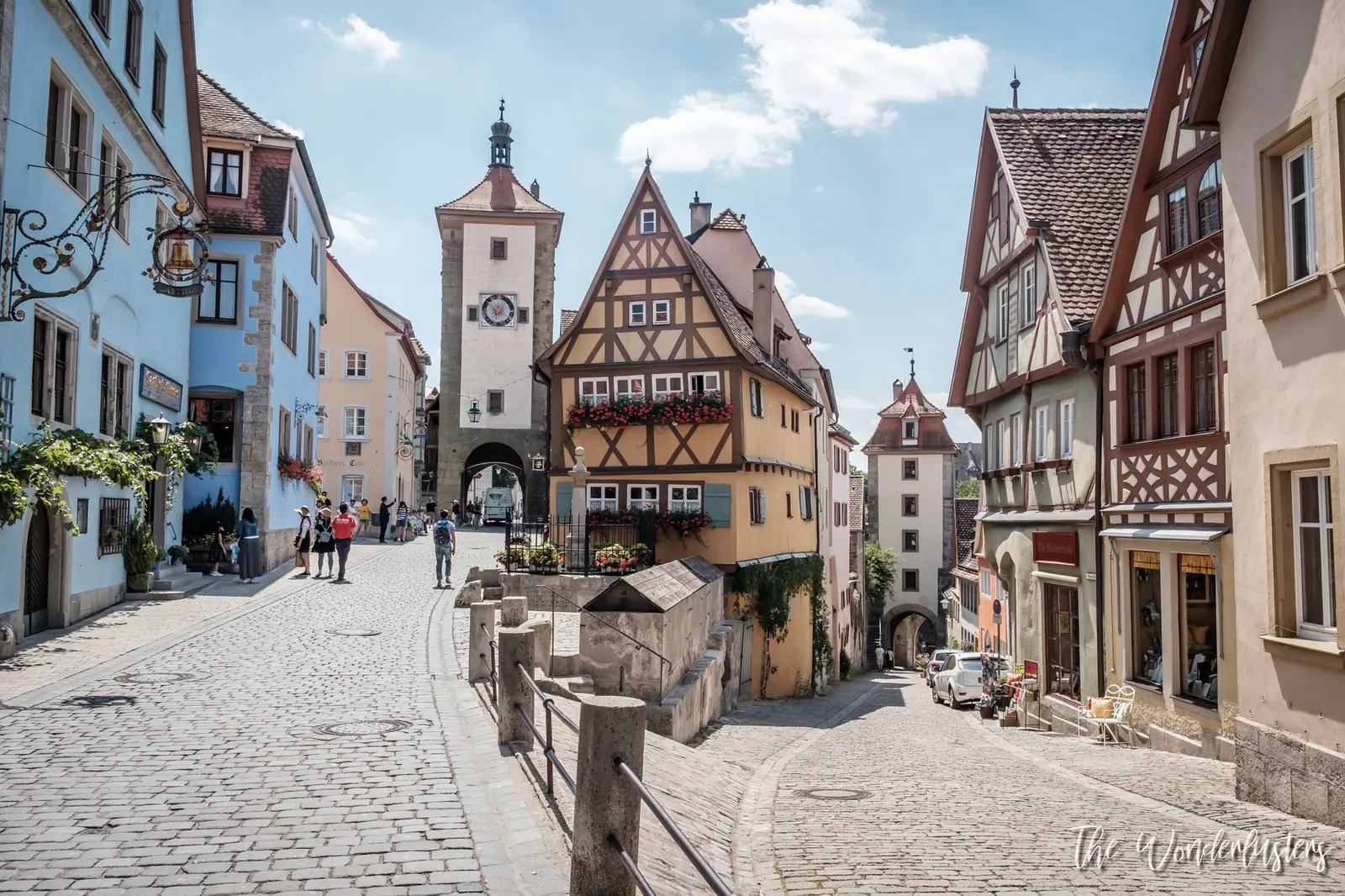
- Rothenburg ob der Tauber, Bavaria
- Heidelberg, Baden-Württemberg
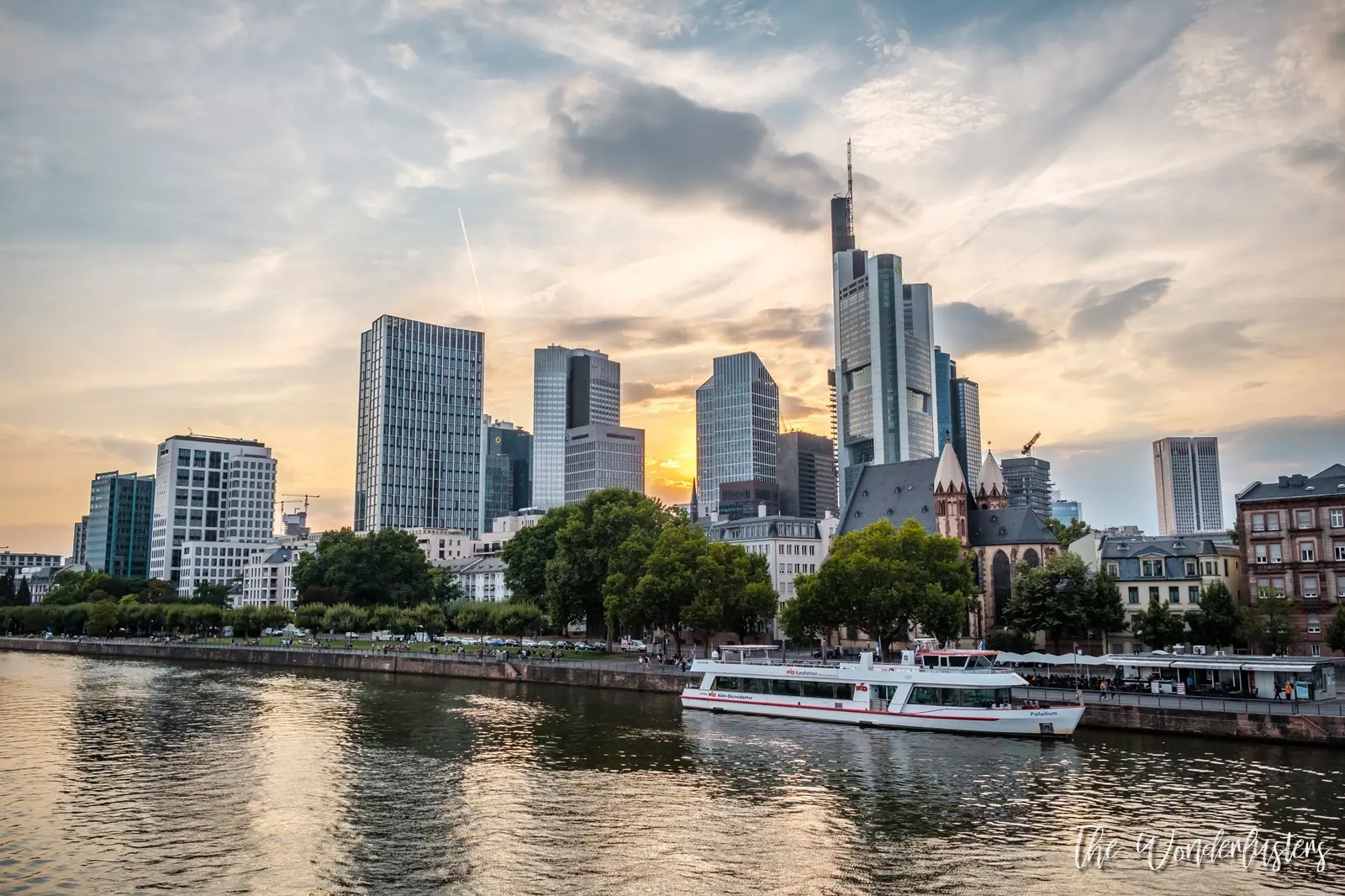
- Frankfurt am Main, Hesse
- Stuttgart, Baden-Württemberg
- Hohenzollern Castle, Baden-Württemberg
- Lichtenstein Castle, Baden-Württemberg
- Vaduz (Liechtenstein)
- Neuschwanstein Castle, Bavaria
- Munich, Bavaria
- Königssee, Bavaria
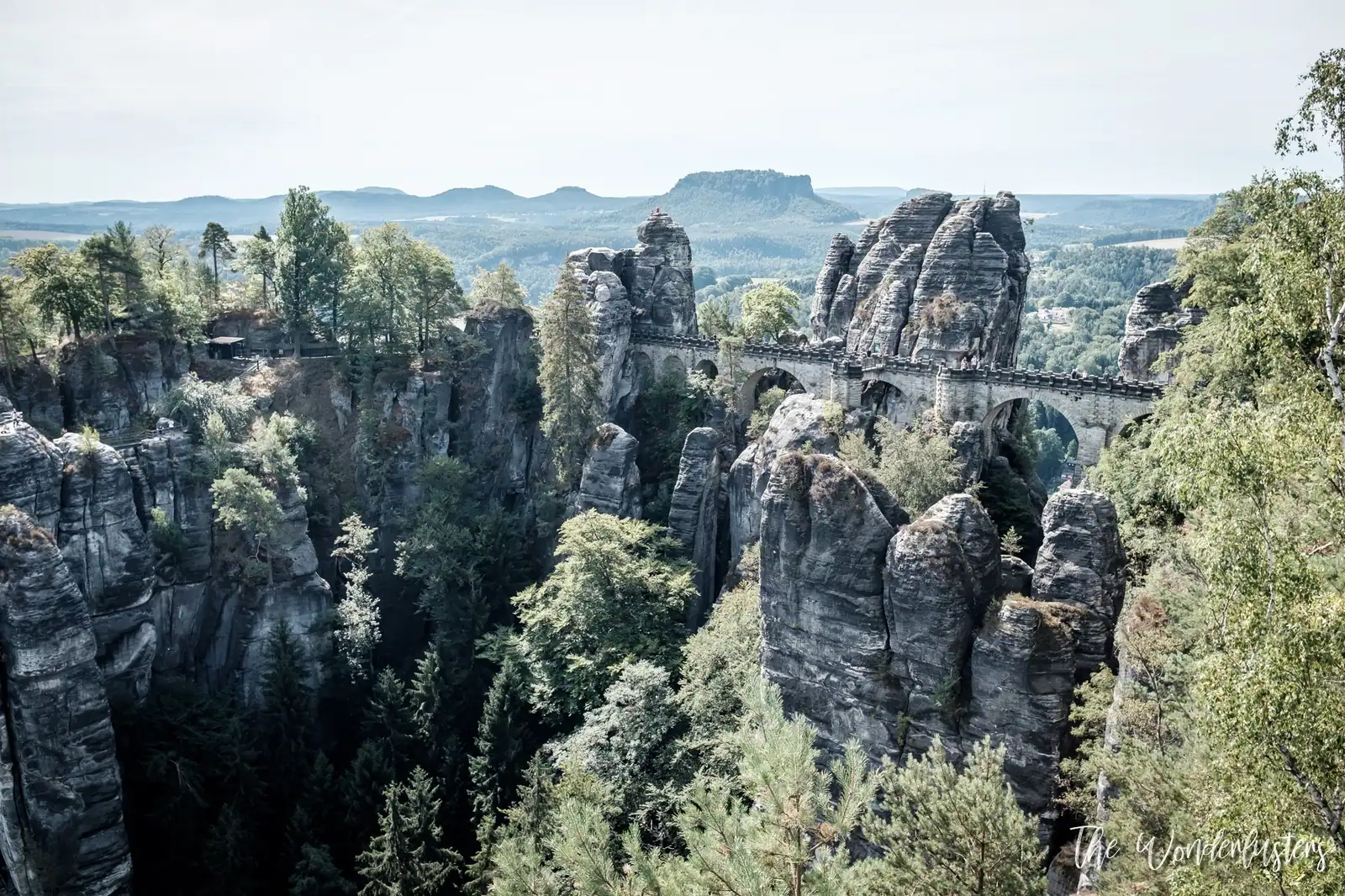
- Bastei, Saxony
- Dresden, Saxony
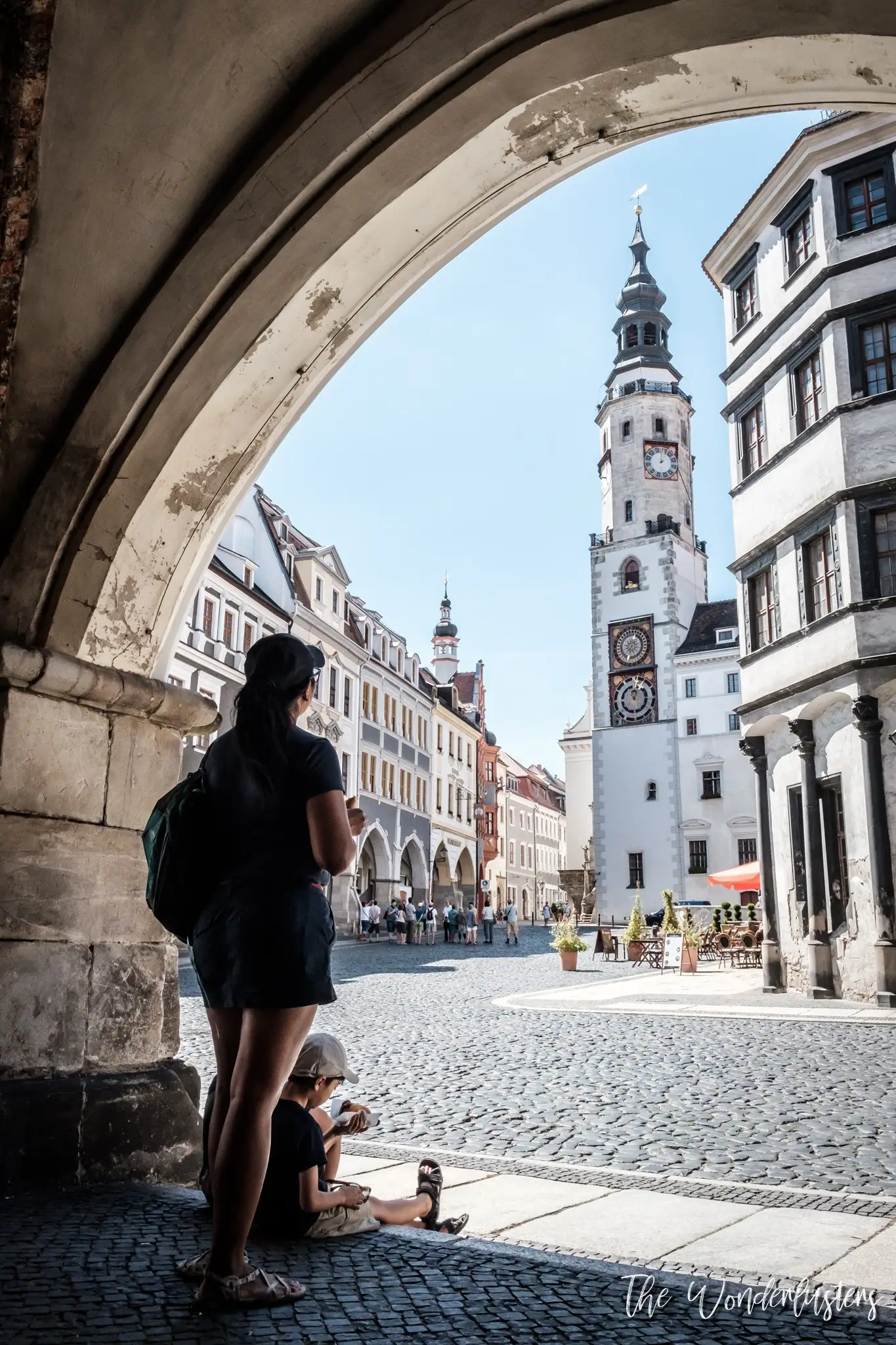
- Görlitz, Saxony
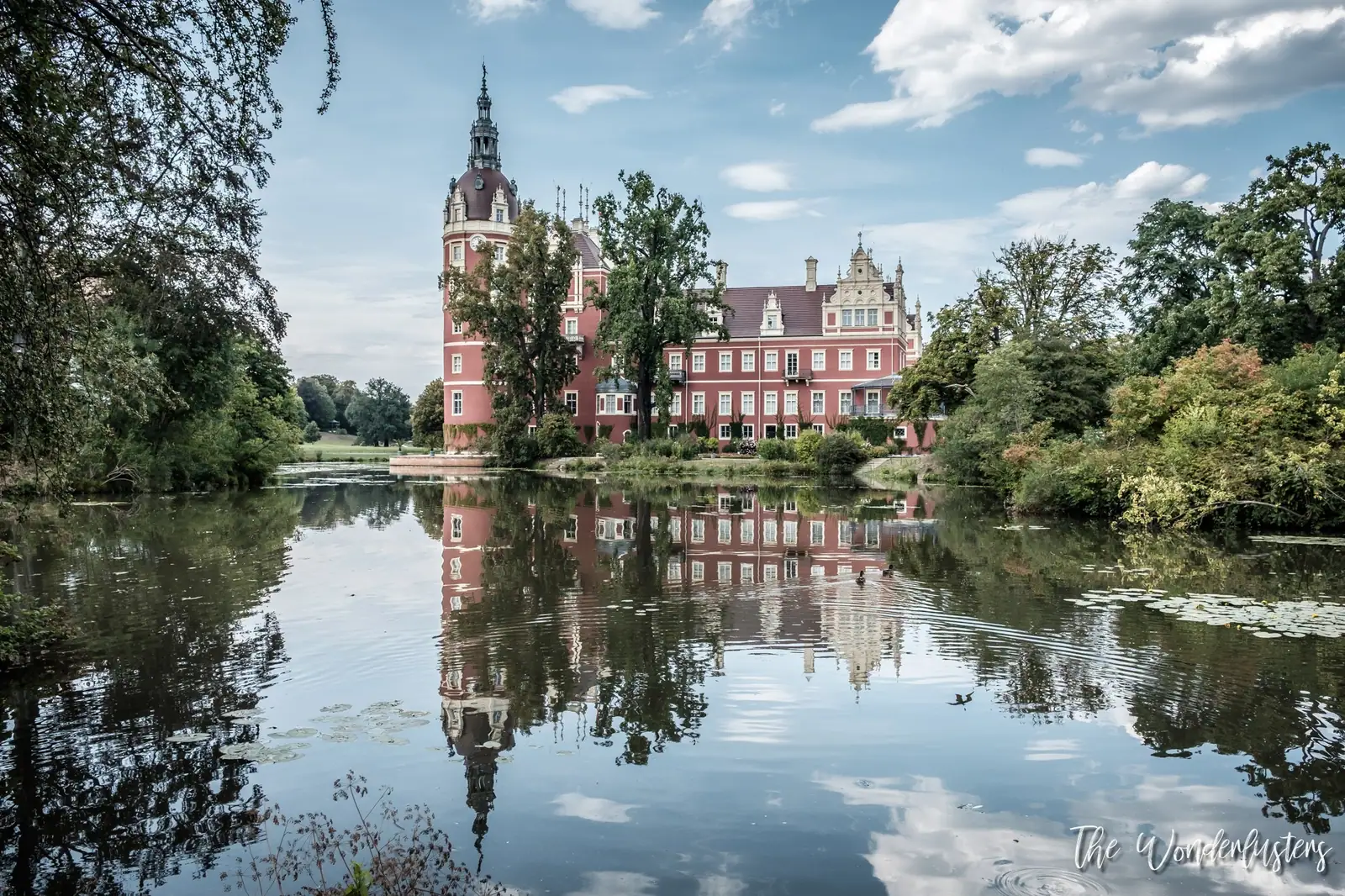
- Bad Muskau, Saxony
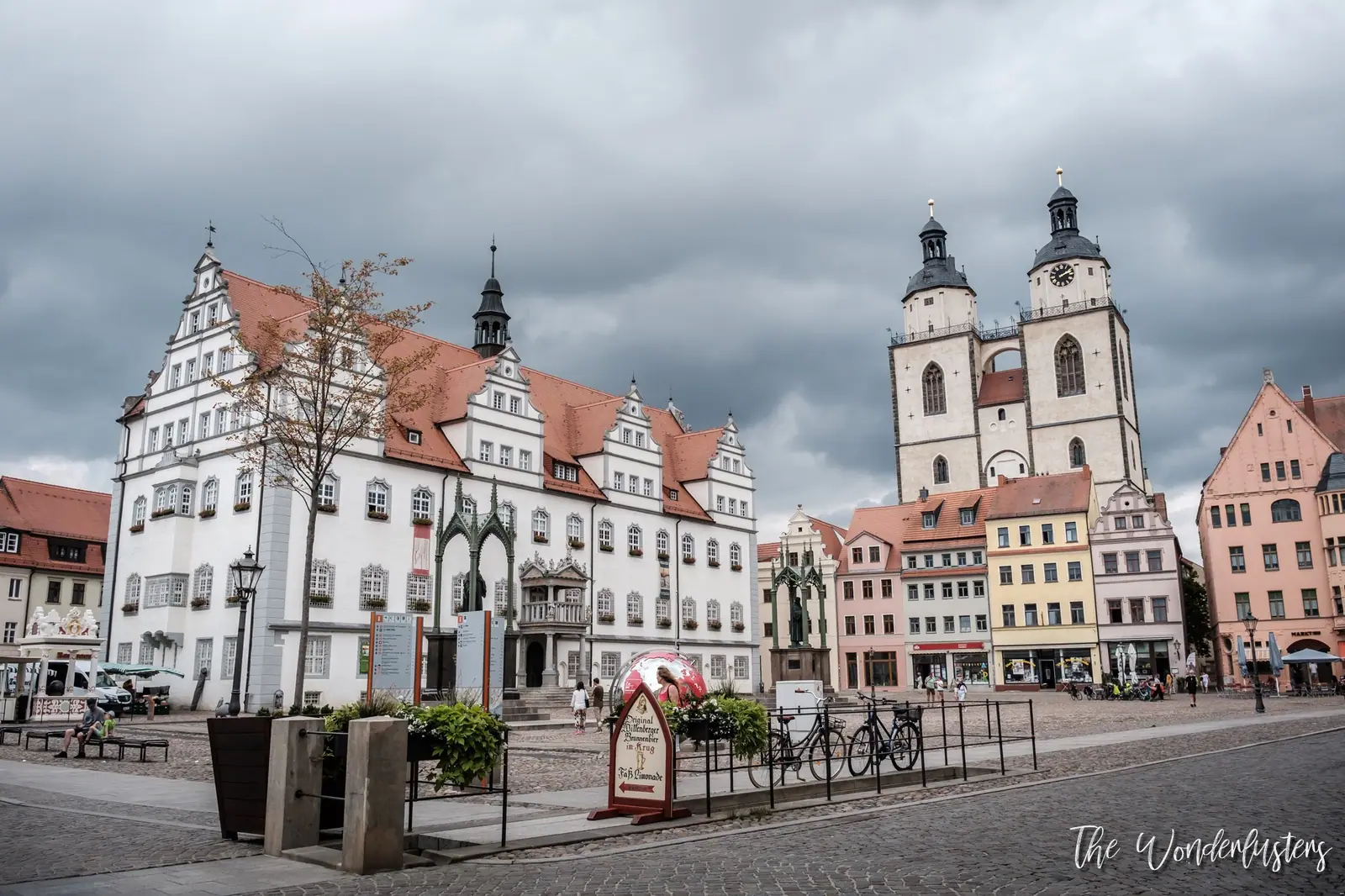
- Wittenberg, Saxony-Anhalt
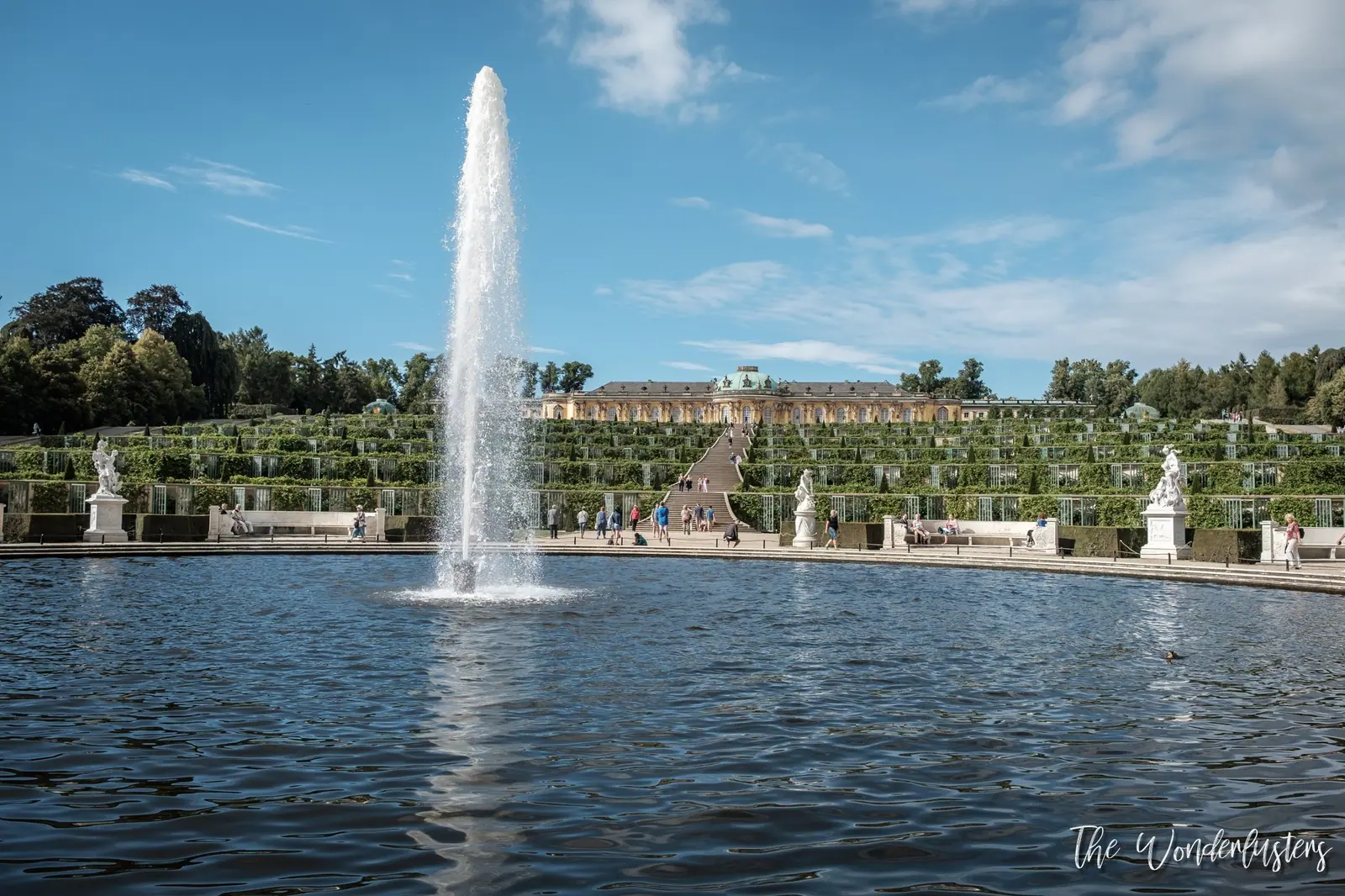
- Potsdam, Brandenburg
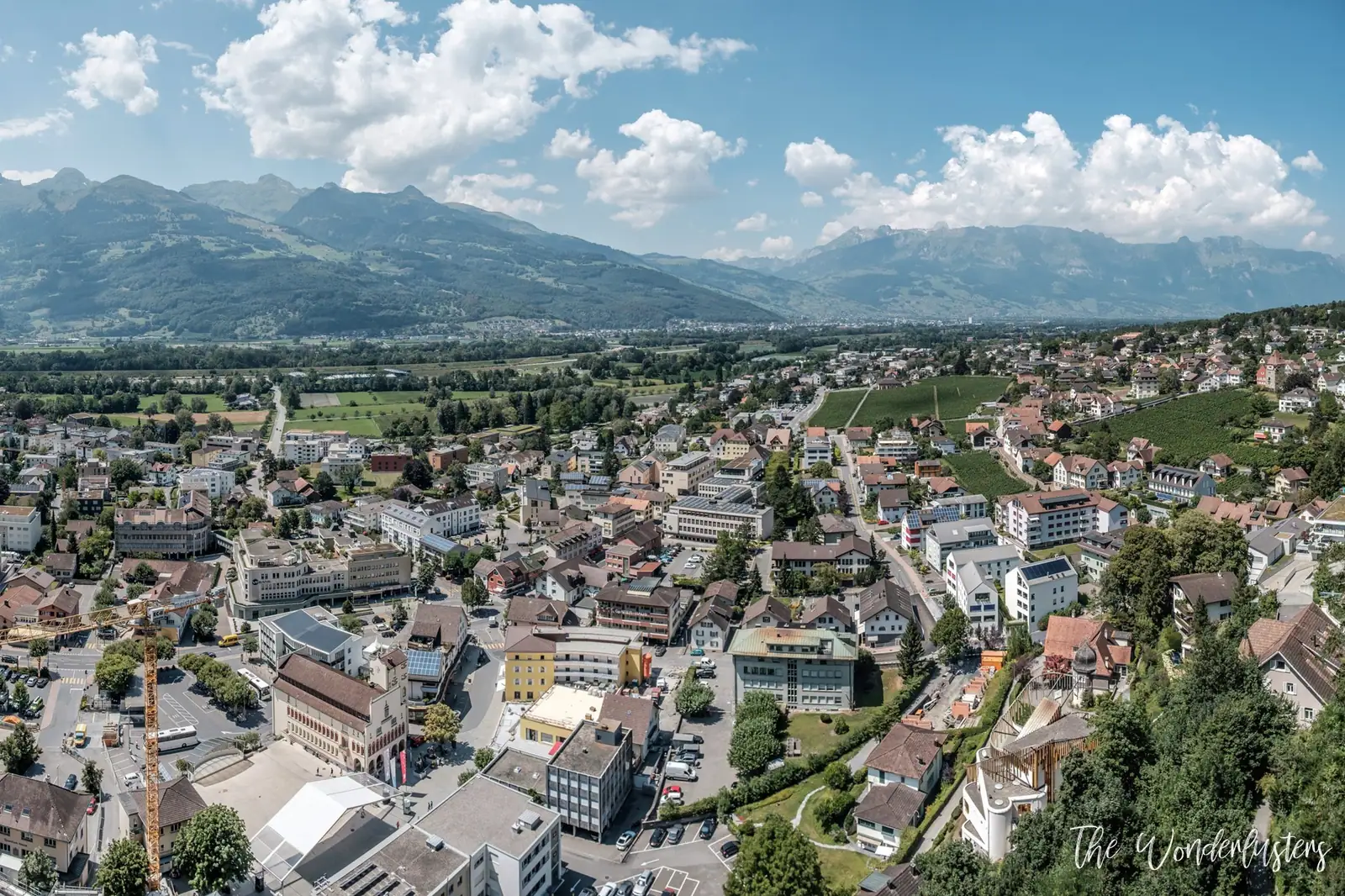
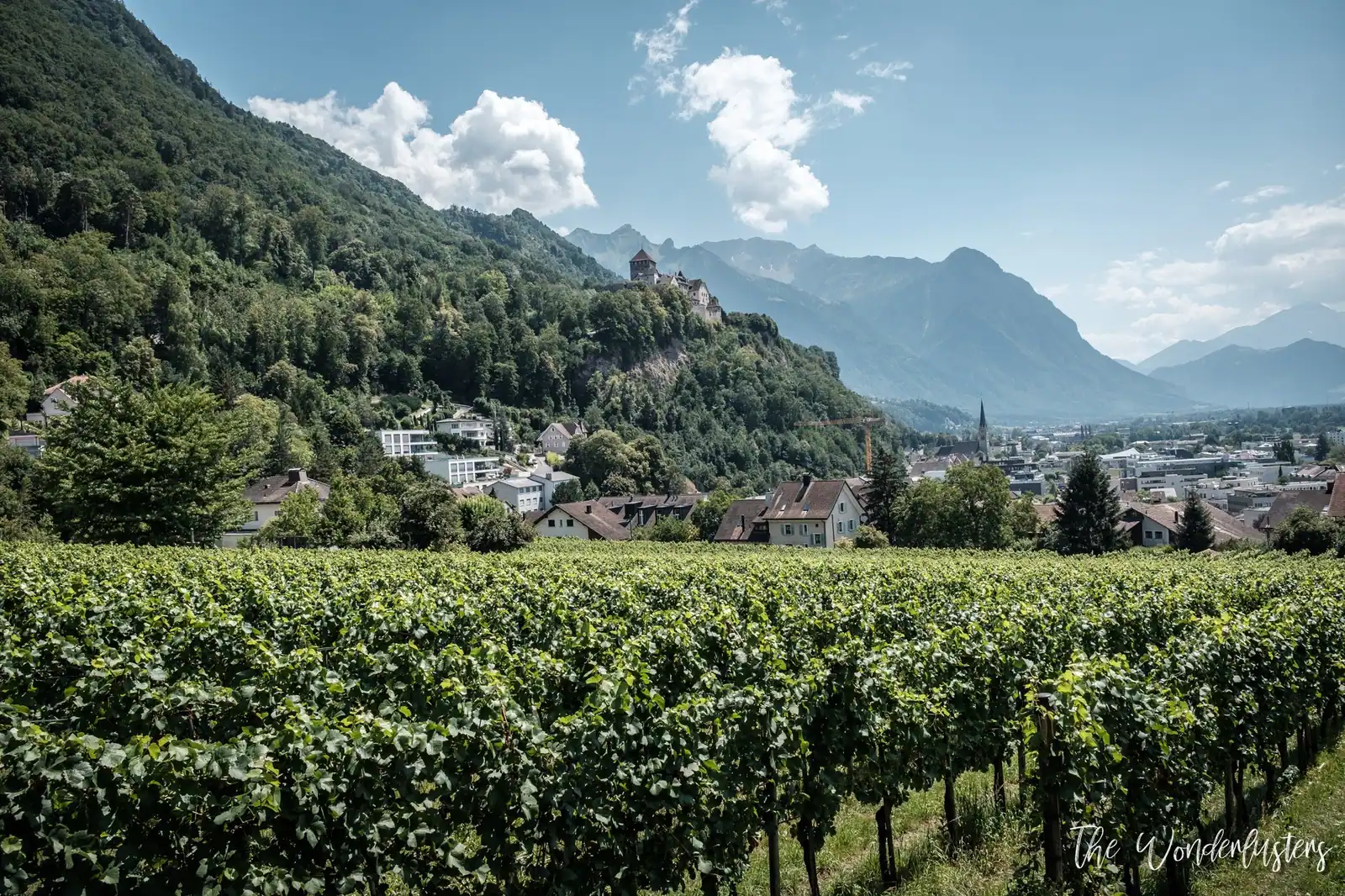
Liechtenstein is technically its own country, but we’ve included it here since we only visited as a quick detour from Germany.
Planning Your Germany Road Trip
Getting Around: Renting a Car
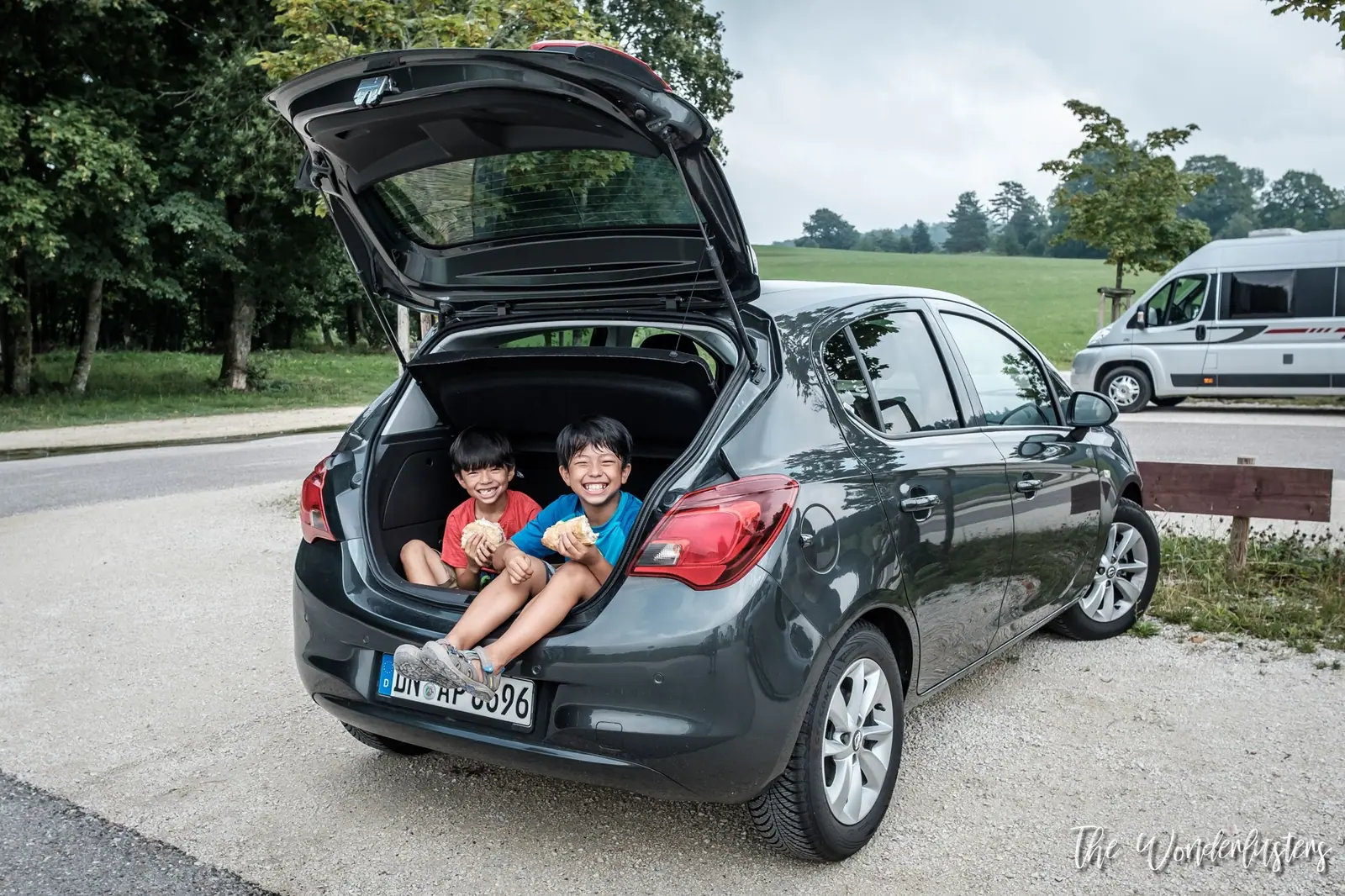
We rented a small Opel Corsa, which made it easy to get around cities and find parking. By the time we returned it, four weeks and several countries later, the odometer showed an extra 5,300 km.
Accommodation
We stayed 6 nights in 3 Airbnb apartments and 10 nights across 5 different hotels, including 2 nights at the Courtyard Marriott Wiesbaden near Frankfurt, which we paid for using our Marriott points.
2026 update: Marriott Rewards is now Marriott Bonvoy, merged with Starwood Preferred Guest since 2019 — existing Marriott Rewards points and accounts still work under the new program (Marriott announcement).

Food
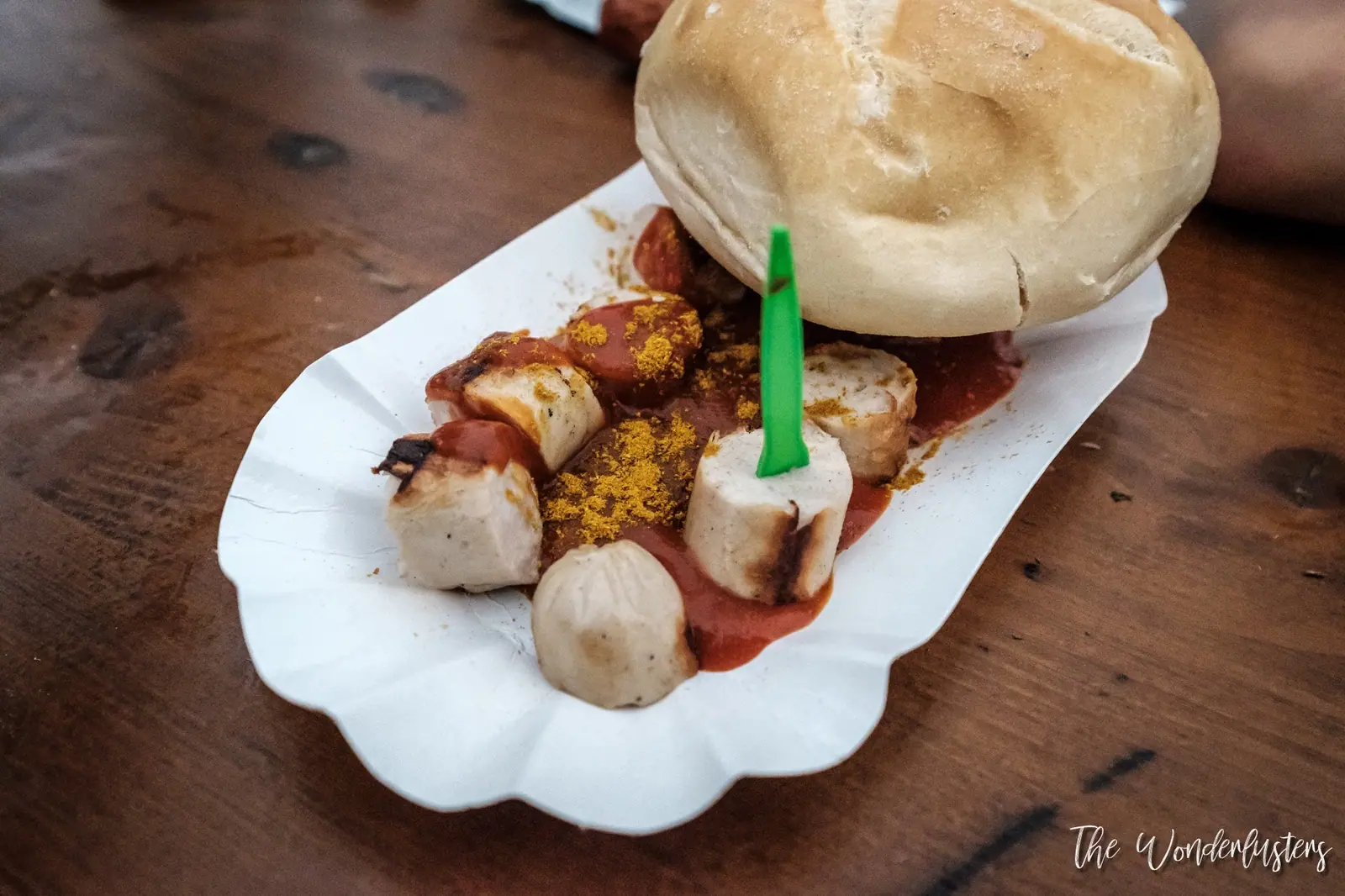
Wherever we go, we like to vary the menu. A German specialty you can’t avoid is the sausage — there’s a version for every palate. Take the currywurst: sausage sprinkled with curry powder, simple as that.
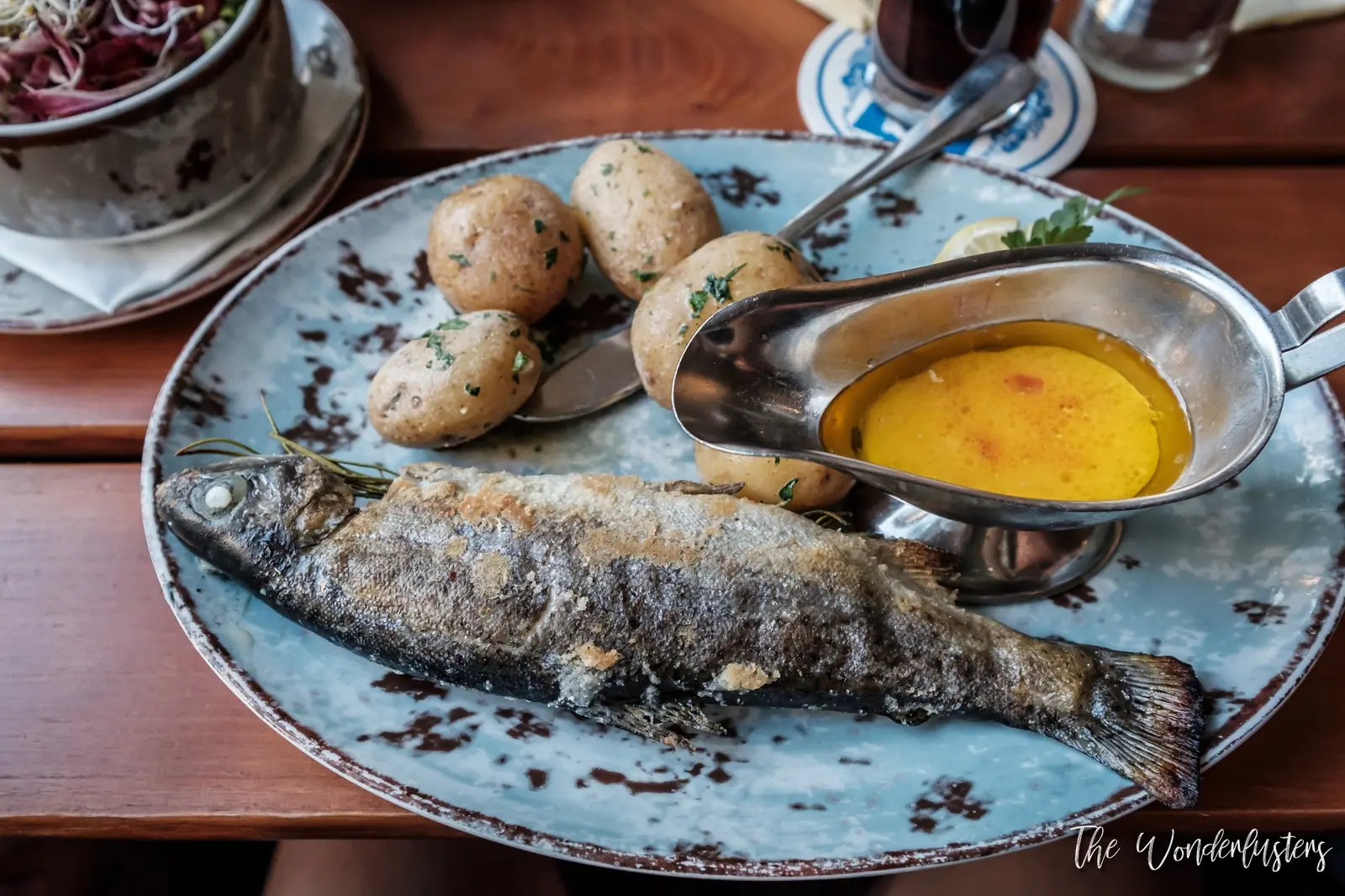
In Bavaria, the grilled trout wasn’t bad at all!
How Much Does a Germany Road Trip Cost?
Since we used the rental car to travel through Germany as well as Liechtenstein, Austria, Slovakia, Hungary, Poland and the Czech Republic, we prorated the rental cost to our time in Germany.
Our 4 flight tickets from Basel to Berlin only cost us 80,00 EUR (93.94 USD)!
In the end, the real cost of our trip to Germany for our family of 4 worked out to be:
- 1.882,00 EUR (2,209.83 USD)
- 110,70 EUR (129.98 USD) per day
- 27,67 EUR (32.49 USD) per person per day.
Amounts were paid in euros. US-dollar equivalents use the average exchange rate during our trip (July 8-10, 2018): 1 EUR = 1.17 USD.
In detail :
| Expense Category | Amount Spent |
|---|---|
| Flights | 80,00 EUR / 93.94 USD |
| Accomodation | 694,00 EUR / 814.89 USD |
| Transport (including gas, toll, parking) | 581,00 EUR / 682.21 USD |
| Eating out | 305,00 EUR / 358.13 USD |
| Groceries | 201,00 EUR / 236.01 USD |
| Activities | 21,00 EUR / 24.66 USD |
| Total | 1.882,00 EUR / 2,209.83 USD |
Conclusion
Germany is a country worth visiting, and revisiting. And if you get the chance, make a small detour into peaceful Liechtenstein. Germany and Liechtenstein were the 9th and 10th countries of our trip round the world. Don’t miss our next destination: dazzling Austria!
More Photos

Questions travellers ask
How many days did you spend in Germany?
We spent 17 days in Germany, split across three visits: July 8-10, July 16-27, and August 11-15, 2018.
How much does a Germany road trip cost for a family of four?
For our family of four, 17 days in Germany cost 1.882,00 EUR (2,209.83 USD) total, or 110,70 EUR (129.98 USD) per day and 27,67 EUR (32.49 USD) per person per day, including our prorated rental car, accommodation, food and activities.
What castles did you visit in Germany?
We saw Eltz, Heidelberg, Hohenzollern, Lichtenstein, Neuschwanstein and Nuremberg castles, all of which look like they came straight out of a fairy tale.
How did you get around Germany?
We rented a small Opel Corsa, which made city driving and parking easy. By the time we returned it, after four weeks of driving through Germany and neighboring countries, the odometer showed 5,300 extra km.
Did you visit Liechtenstein too?
Yes, we made a short detour into Liechtenstein from Germany, even though it is technically its own country.