Middle EastNovember 20188 min read
The Best Attractions of Israel and Palestine
In short
We spent 7 days in Israel and Palestine in October 2018: 5 nights in Jerusalem, a stop at Masada and the Dead Sea, and 3 nights in Haifa with day trips to Nazareth and the Sea of Galilee. This post covers our itinerary, budget and expenses, plus the author's personal reflections on visiting one of the world's most religiously significant and contested regions. Total cost for our family of four: 6,049 ILS, about 1,665 USD at 2018 rates.
- Dates
- 2018-10-03 to 2018-10-10
- Number of days
- 7
- Cities we visited
- Jerusalem, Masada, Dead Sea, Haifa, Nazareth, Galilea
- Inbound
- From Cyprus by Plane
- Outbound
- To Jordan by foot
- Mode of transport
- Rental car
- Distance travelled (car & foot)
- 1333 km
- Number of photos taken
- 2960 (370 per day)
- Currency
- The Israeli Shekel (1.00 ILS = 0.33 USD)
We spent 7 days in Israel and Palestine in October 2018: 5 nights in Jerusalem, a stop at Masada and the Dead Sea, and 3 nights in Haifa with day trips to Nazareth and the Sea of Galilee. It cost our family of four 6,049 ILS (about 1,665 USD at 2018 rates). Here is our itinerary, our budget, and the author’s own impressions of one of the most historically and religiously charged regions we visited.
2026 update: Security conditions in the region have changed markedly since this 2018 trip. As of September 2026, Canada’s official travel advice is to avoid non-essential travel to Israel, and to avoid all travel to the West Bank and the Gaza Strip (travel.gc.ca).
The idea of visiting Israel and Palestine had been tantalizing us for years, thanks to their mystical and spiritual significance, but we had never made it a priority until planning our world trip. When our dear friends Karla, Guido and Stefan — all three from Quebec — found out we were going, they joined us for some unforgettable moments on a “pilgrimage of curiosity” to the Holy Land.
The Best Attractions of Israel and Palestine
Jerusalem
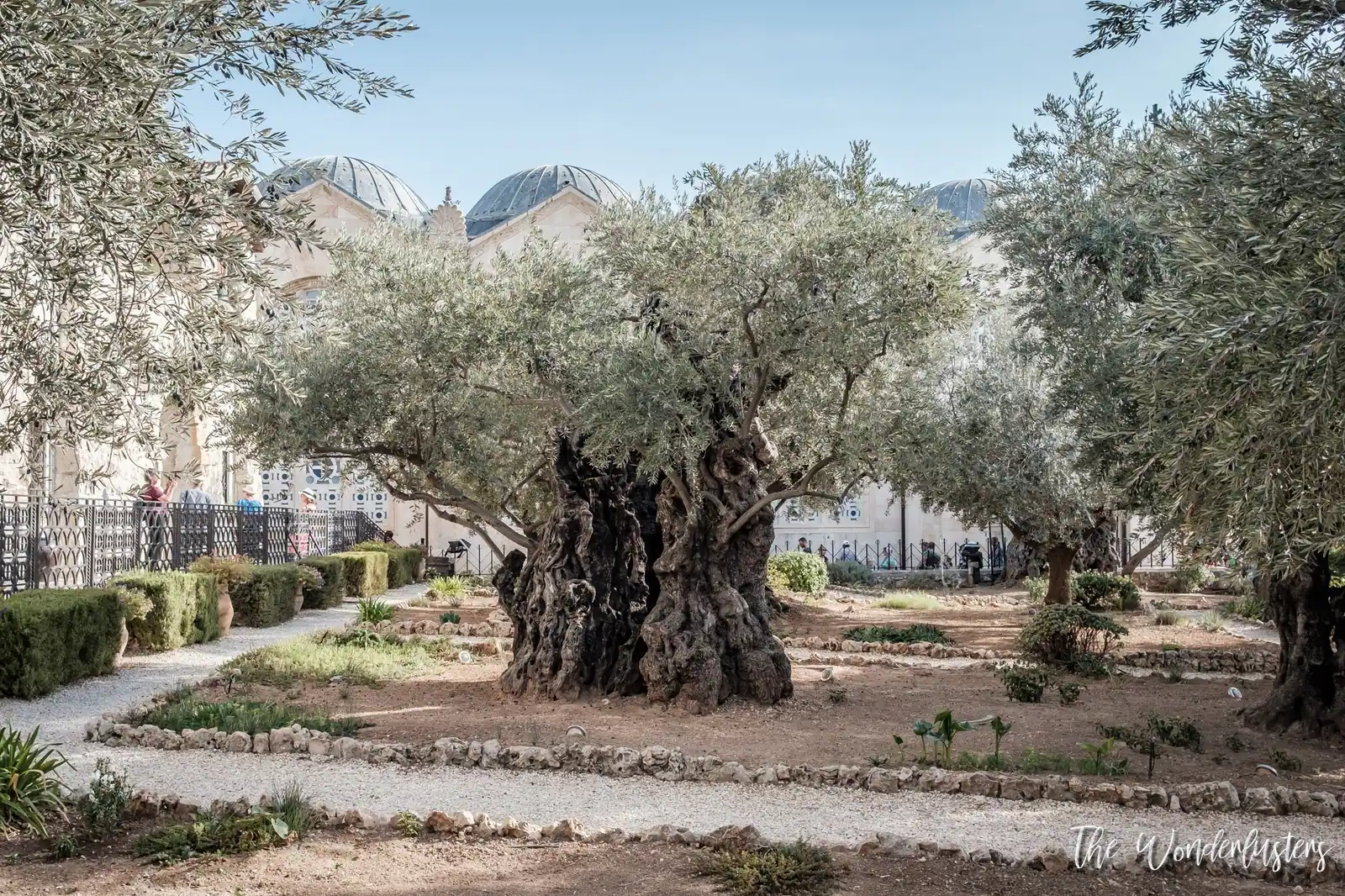
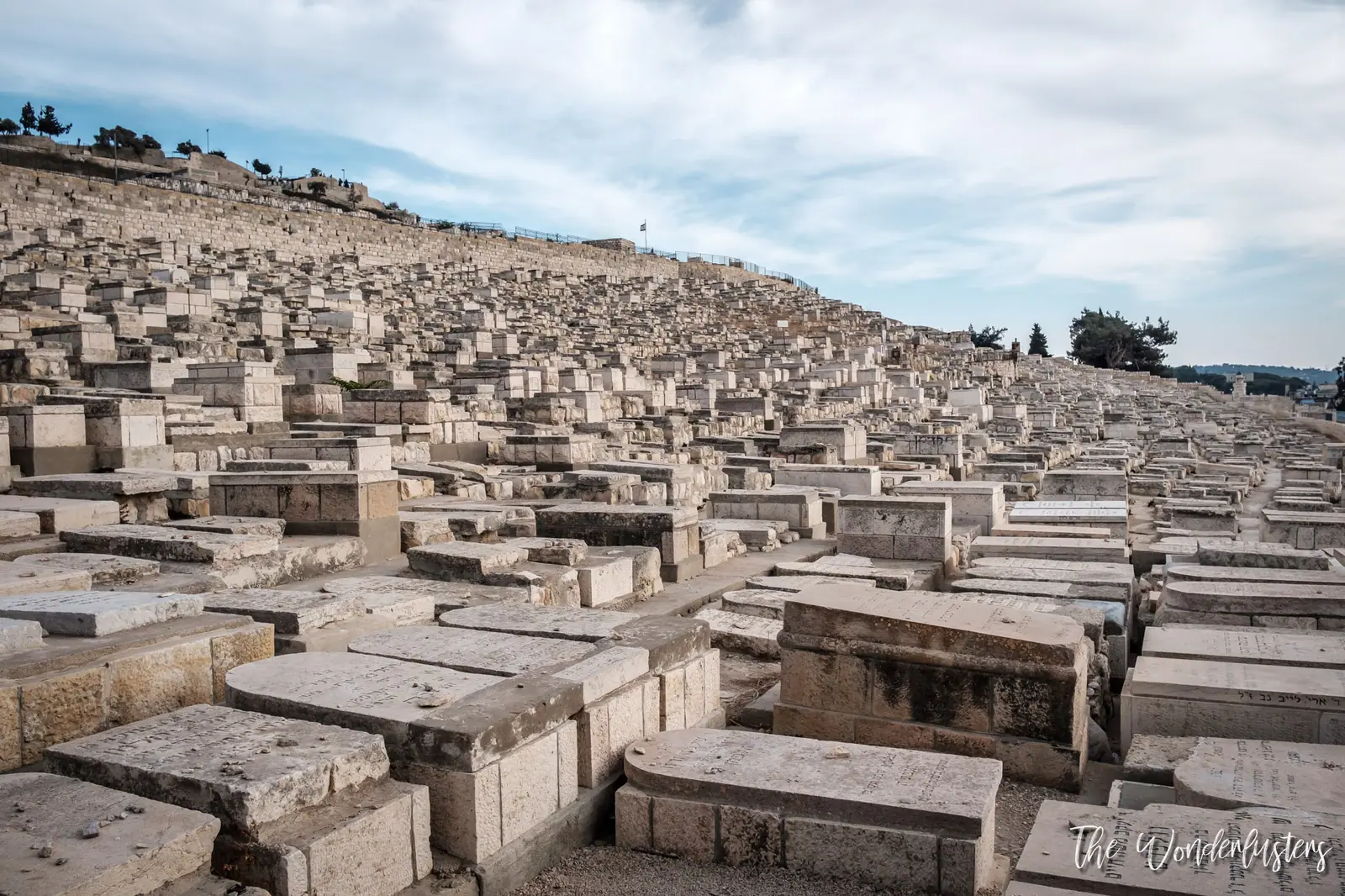
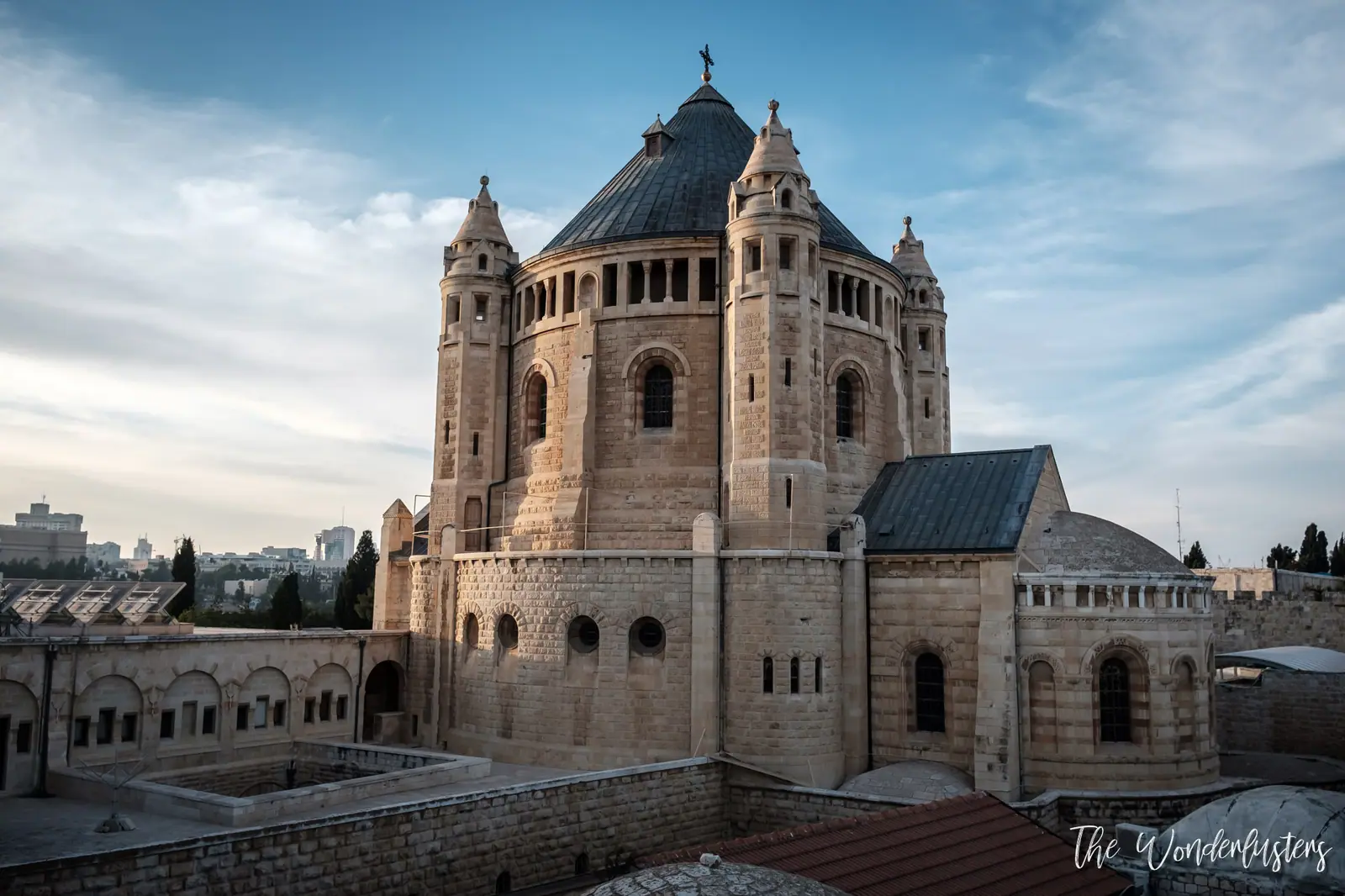
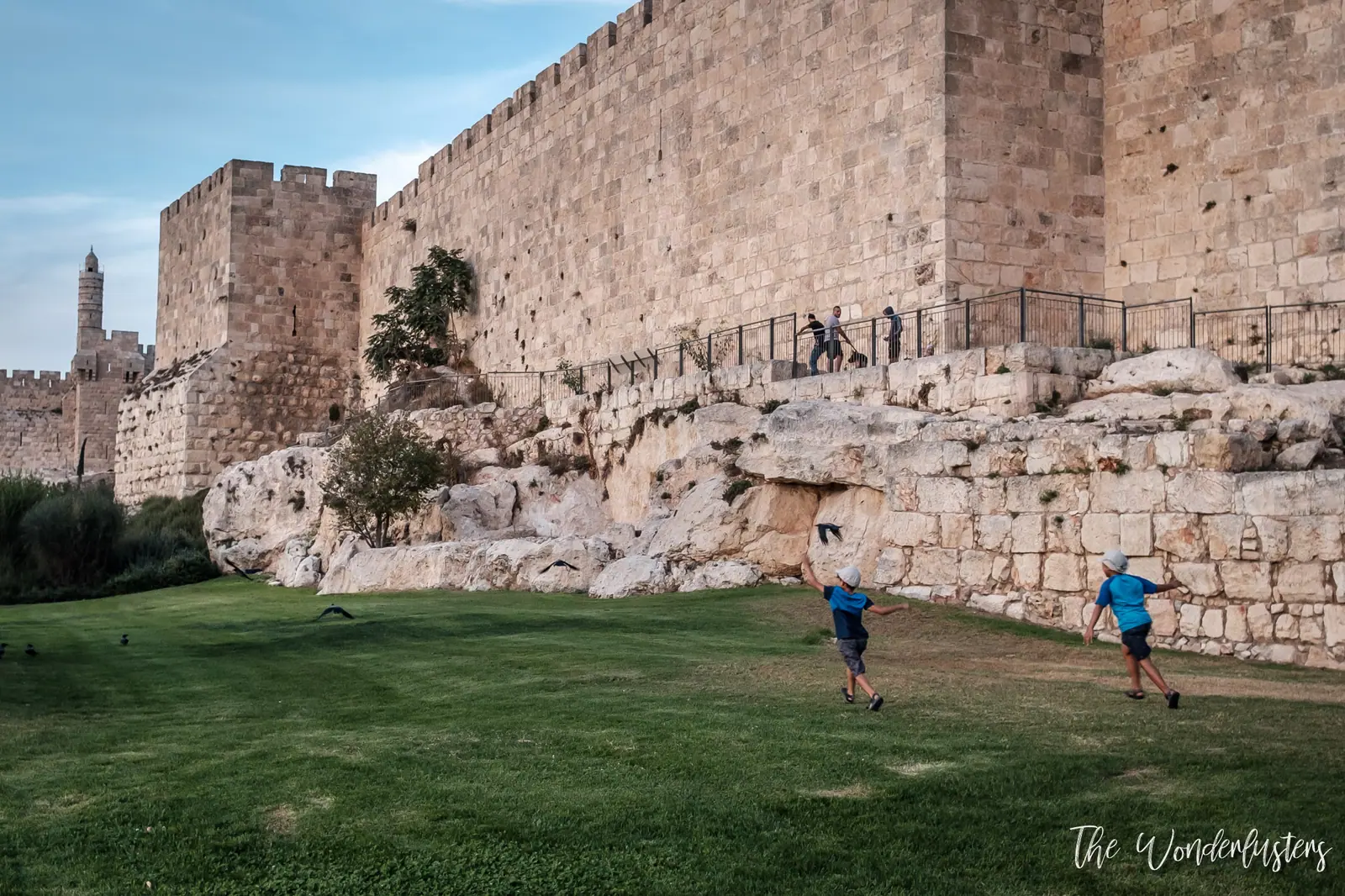
At the risk of exacerbating controversy, hatred or passion concerning Israel and Palestine, I will share my own perceptions of this highly tense region of the world, where a diversity of religions and opinions constantly rub shoulders and where conflicts have been taking place for centuries.
If you know me well, you know that even though my faith belongs to that of the God of Christianity, I have a neutral but critical interest in all religious beliefs in this world, principally with the goal of reinforcing my own faith. This is because I believe we cannot form a real opinion and objectively declare that we know the Truth if we have never been confronted directly by all other beliefs.
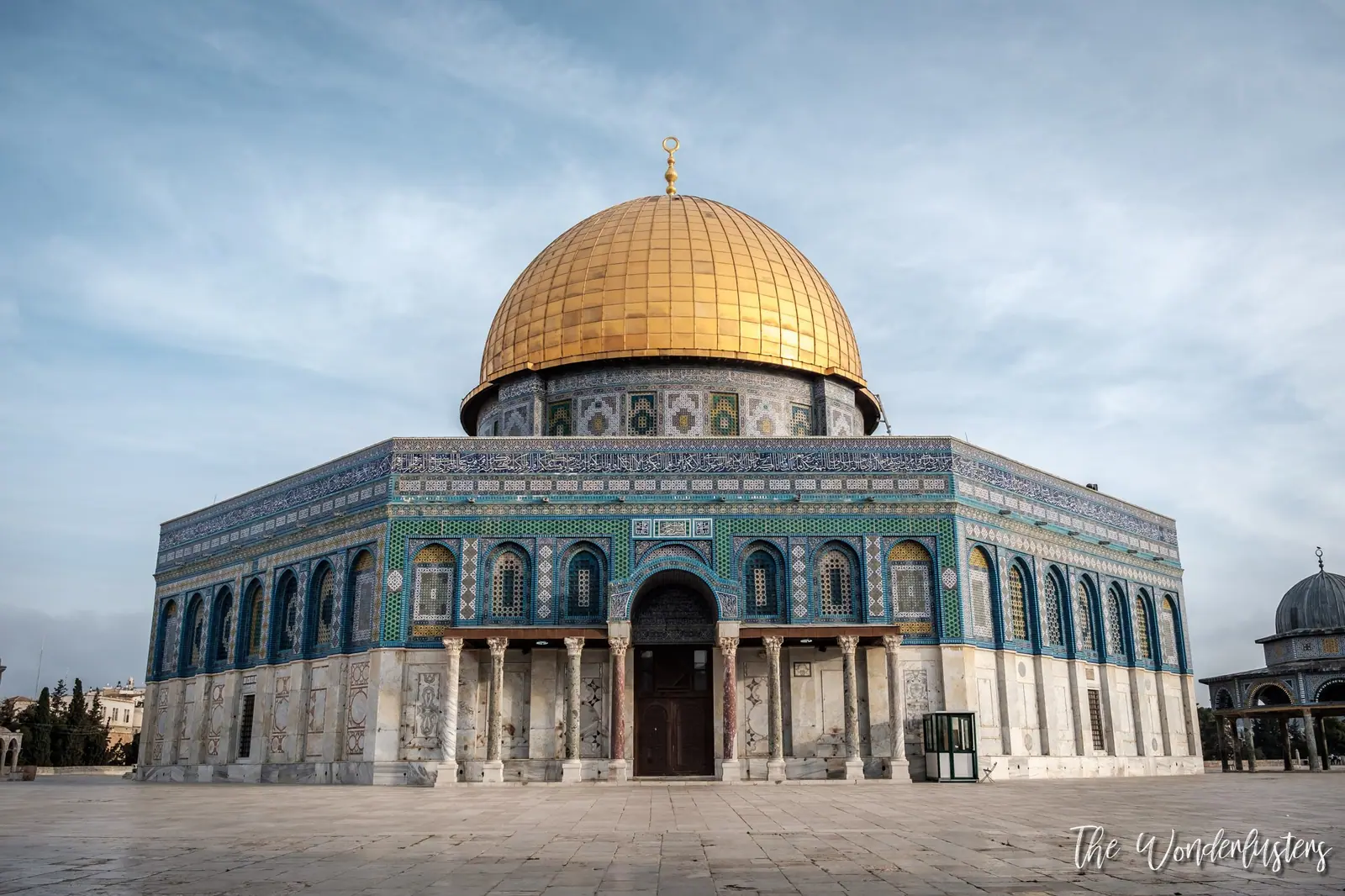
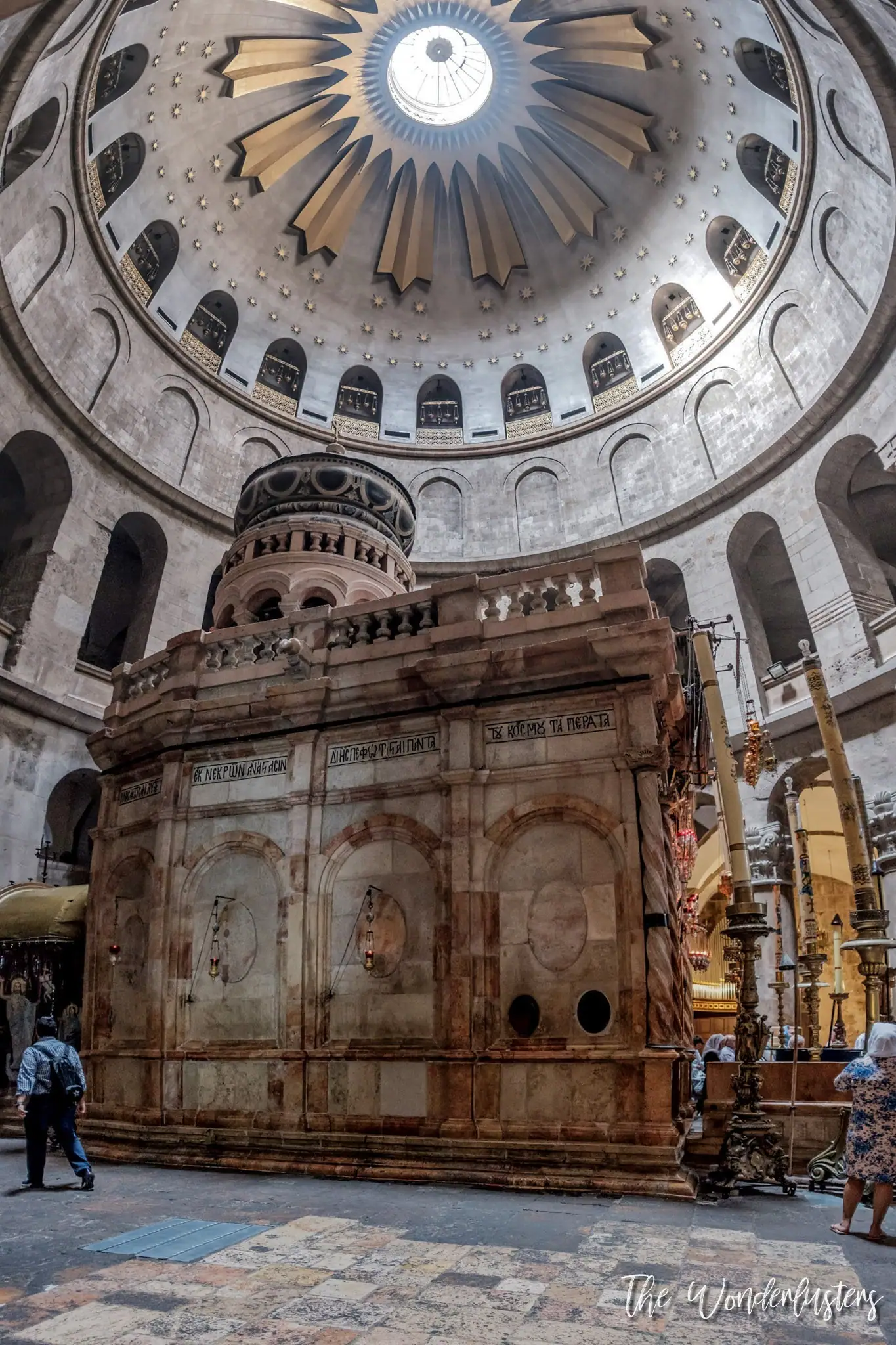
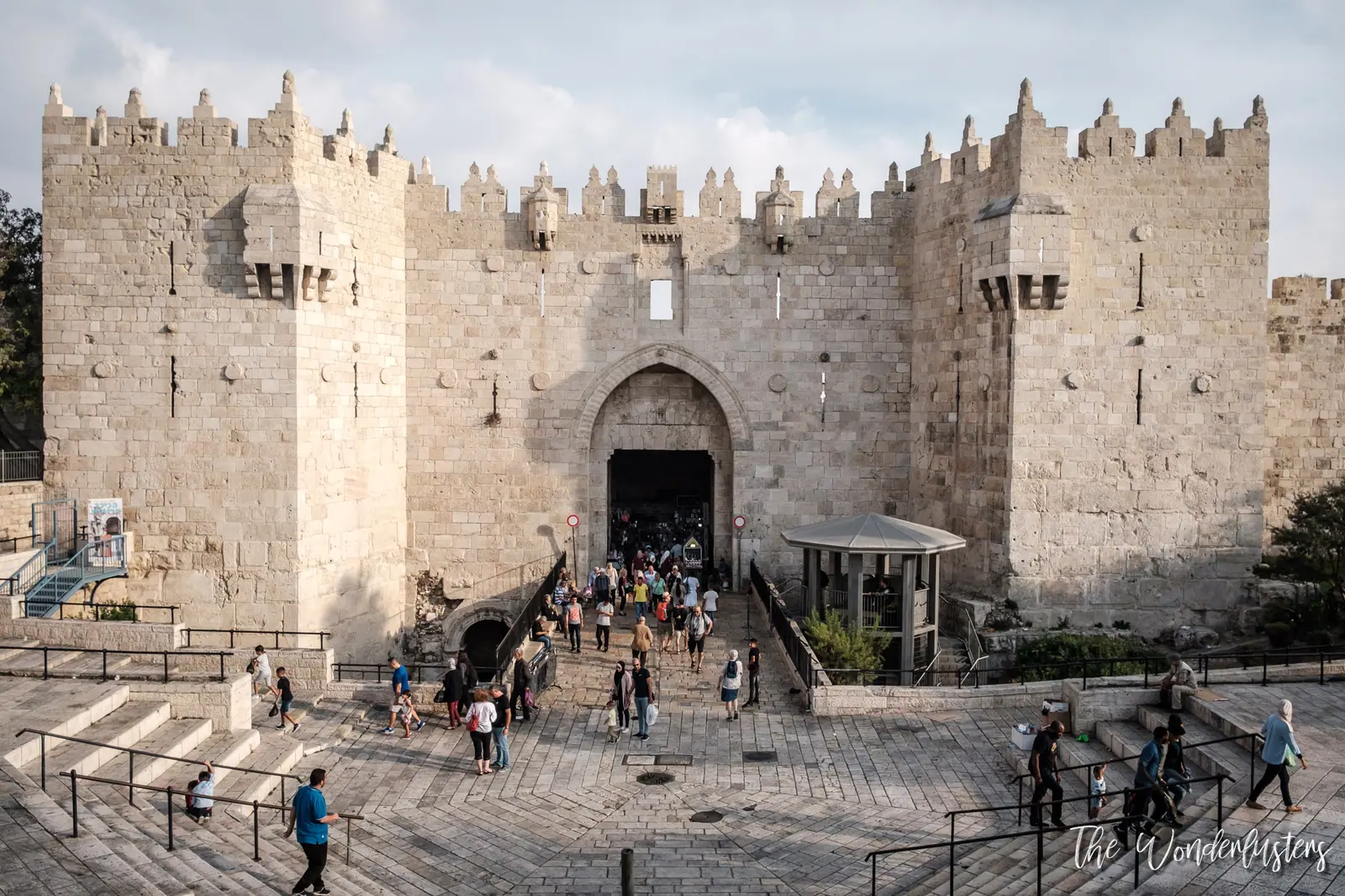
It’s therefore without pretence but with a spirit of openness to people, religions, traditions and beliefs that I approach every place we visit. And in fact, the city I’m presenting to you now is an extraordinary one in this regard: Jerusalem is the crossroads of the Abrahamic religions, and has been at the center of Middle East conflicts and interests for nearly every major civilization in history.
The era we live in is no exception. Jews, Christians and Muslims live there together in a semblance of peaceful coexistence, but a tiny spark can rapidly cause a blaze.
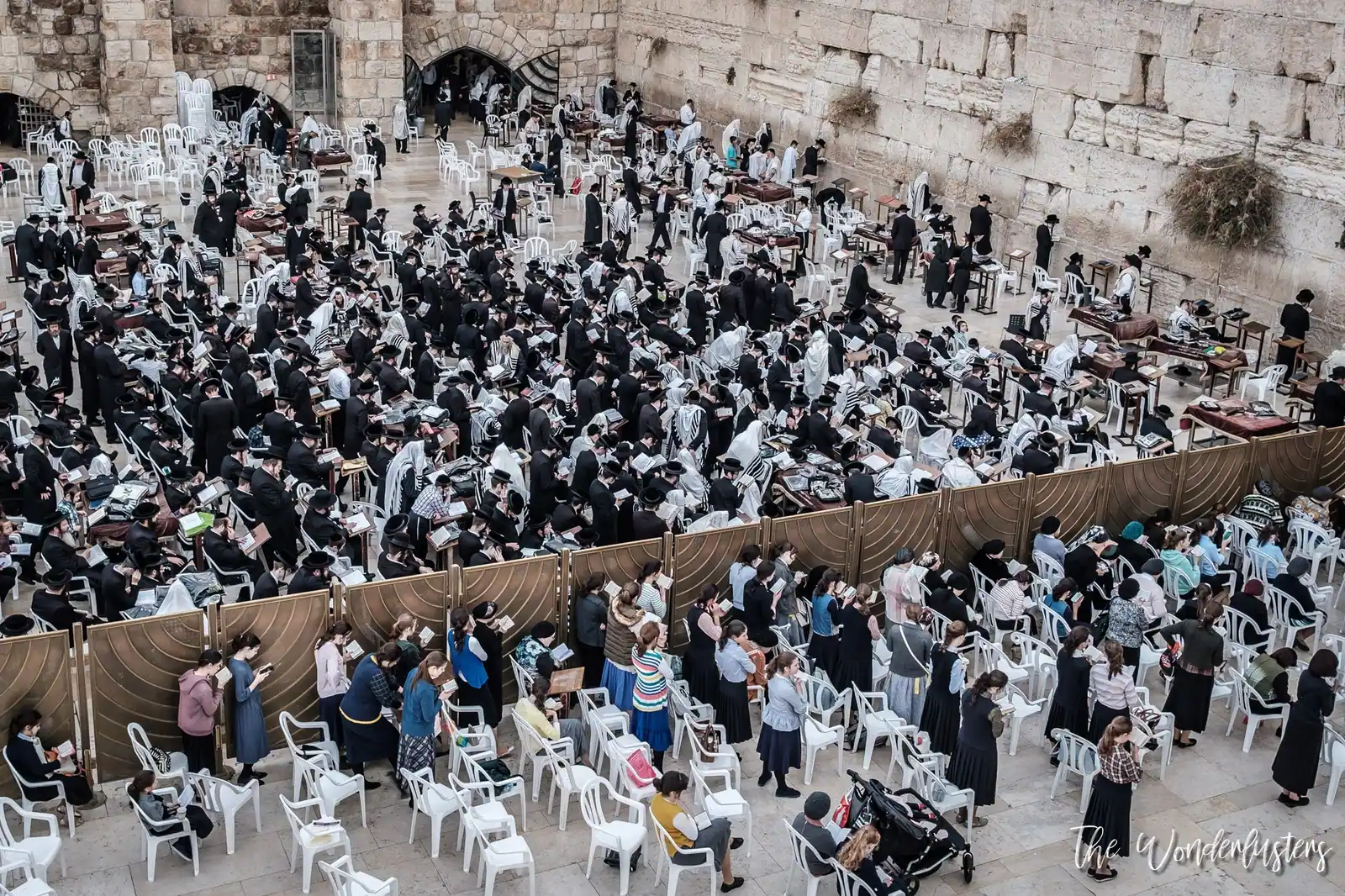
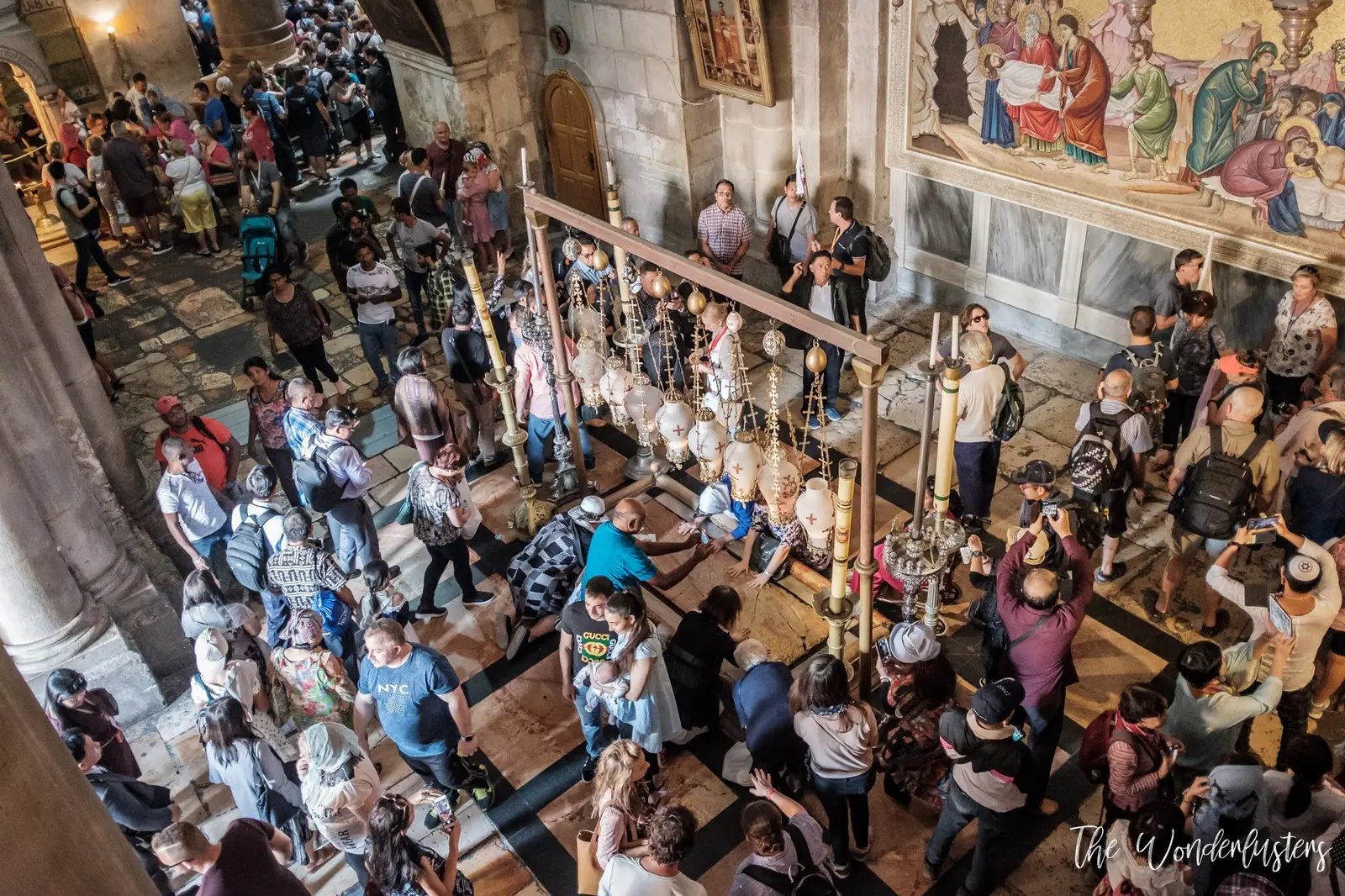
At first, the thing that’s most apparent is the diversity of people you cross in the street. Like in a fashion show or a Halloween night in North America, you see an incredible variety of costumes. Every religious community (and each denomination within these communities) has a garment to express its identity and show piety, but this can sometimes come across as sectarian. Groups of individuals are so uniform it’s almost startling: they cross paths but never intermingle. “Coexist” — the “New Age” religious concept — is certainly a motto here, but the notion of “Peace and Love” is lacking. The resulting atmosphere is suffocating.
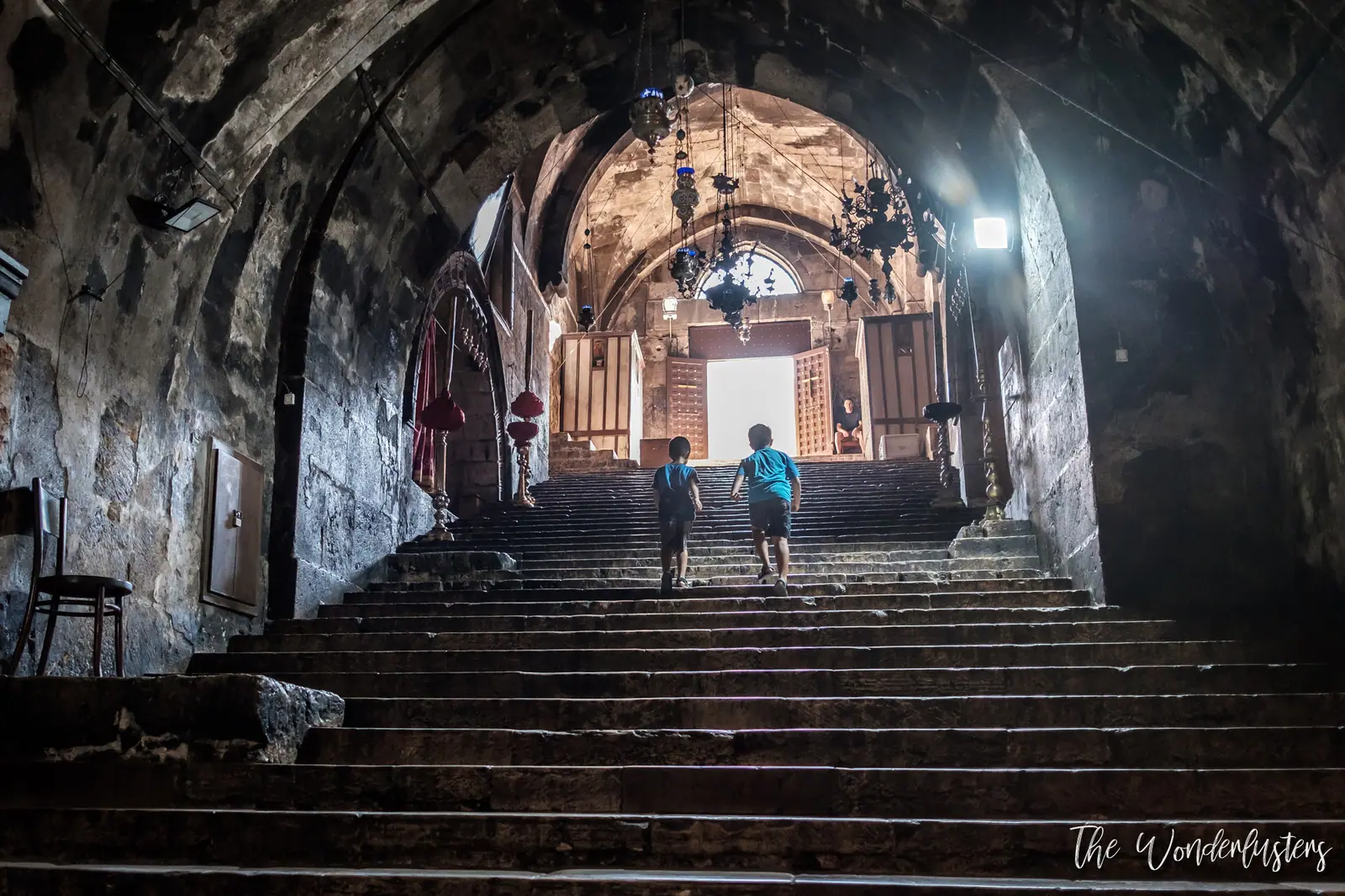
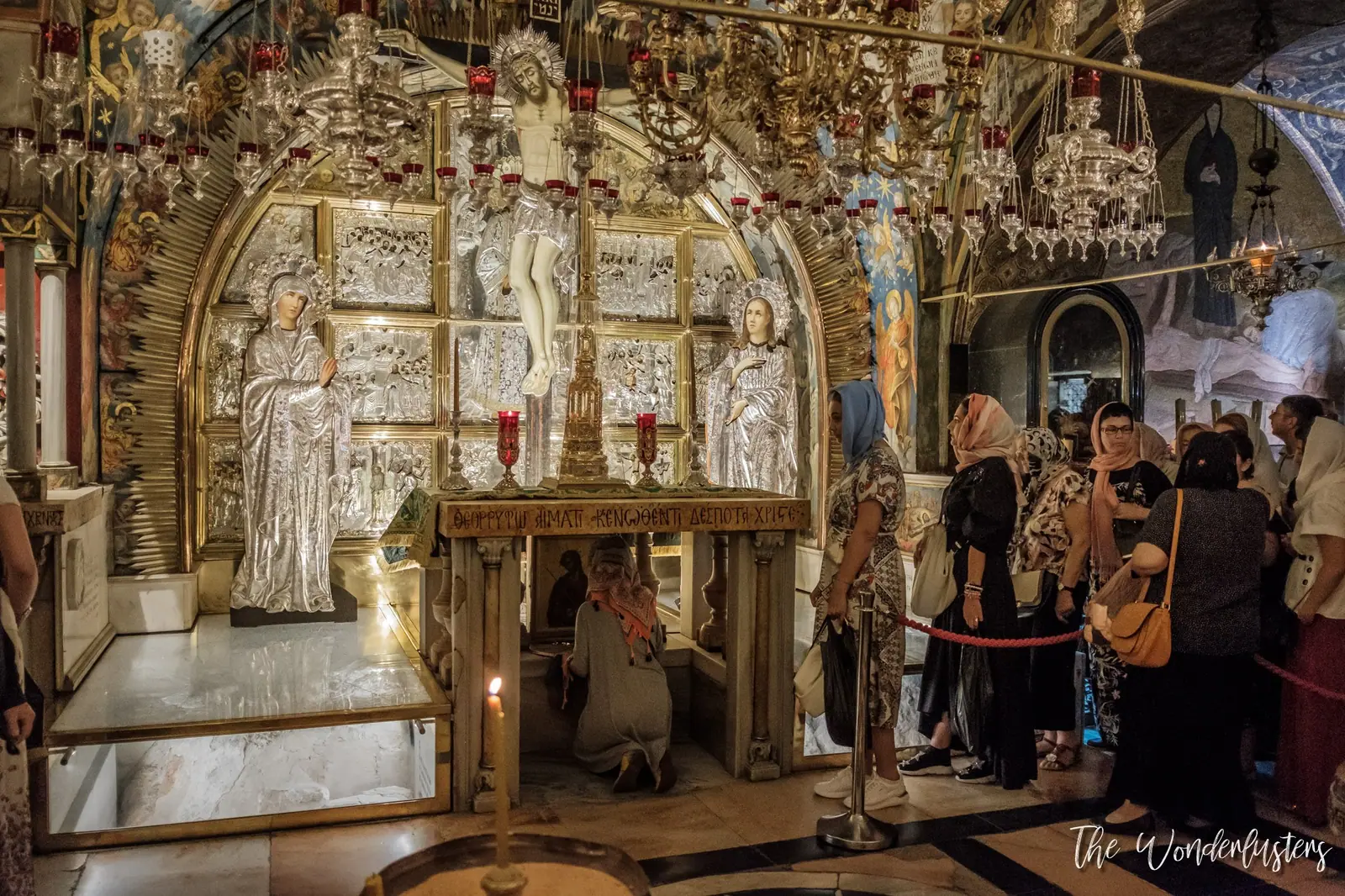
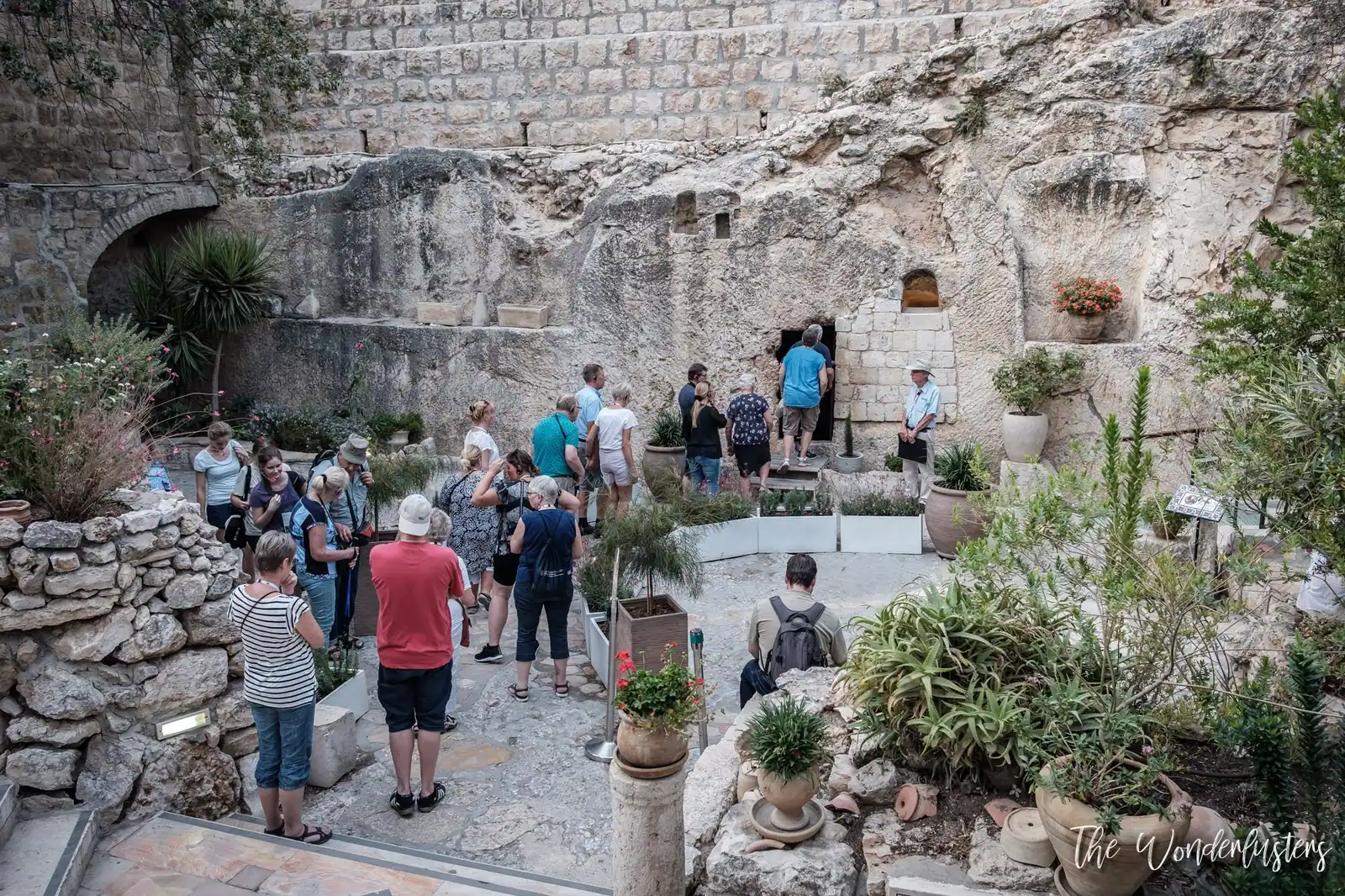
Another detail we noticed, which we hadn’t seen anywhere else we’d visited (apart from maybe Varanasi in India), is the intensity of the religious demonstrations. Religious enthusiasm plays such a big part in people’s lives that emotions and excitement are amplified into scenes of delirium, psychosis or madness. I initially doubted the existence of the famous “Jerusalem syndrome,” but now I truly believe it. At every site considered “sacred,” the manifestations of idolatry and fanaticism are incomparable, and I would say these are particularly prominent among Catholic and Orthodox Christian tourists. Needless to say, there is a place dedicated to each symbolic site mentioned in the Bible, to satisfy pilgrims in their devotions.
You may have noticed my critical tone. This is due to the fact that many traditions have become intertwined over time, and it is now impossible to disentangle the true from the false. I think that to make the most of Jerusalem, a Christian sincere in their faith should set aside the traditions dictated by their church and look at Jerusalem with simple curiosity, rather than with a spirit of devotion.
However, we are happy to have been able to witness the day-to-day life of Jerusalem’s citizens during the holy day of all three religious communities: Friday for Muslims, Saturday (Sabbath) for Jews, and Sunday for Christians.
Masada and the Dead Sea
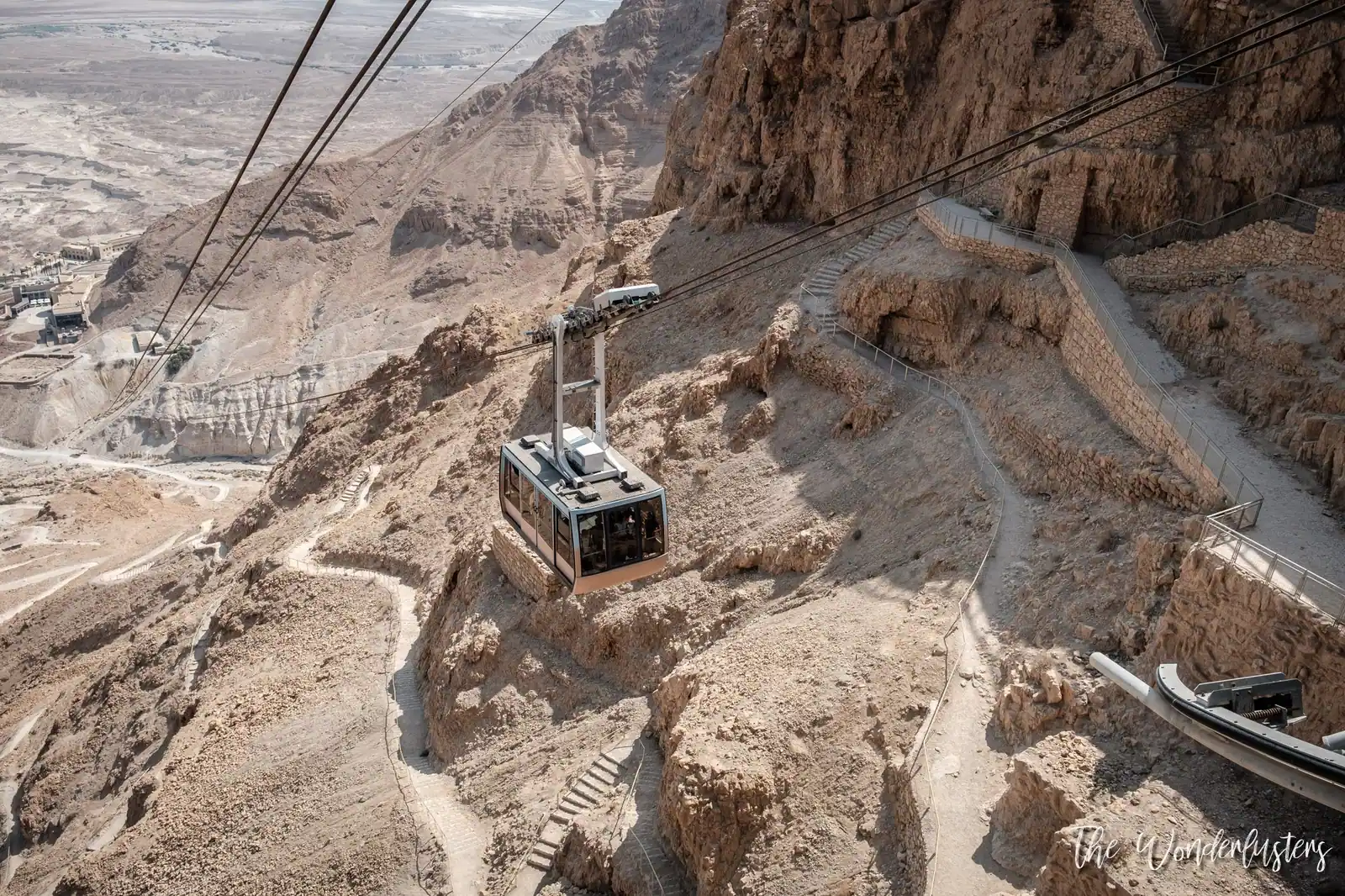
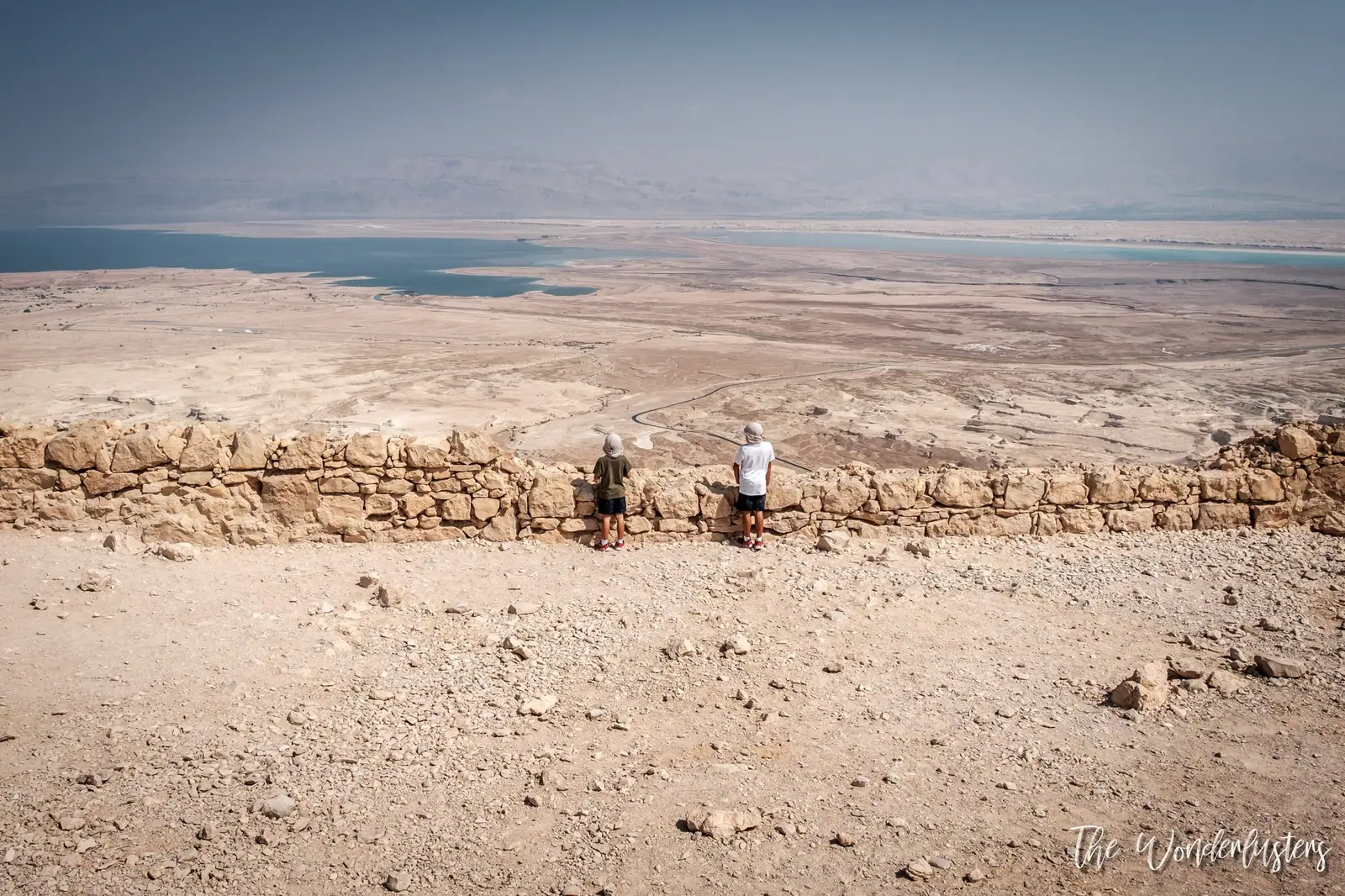
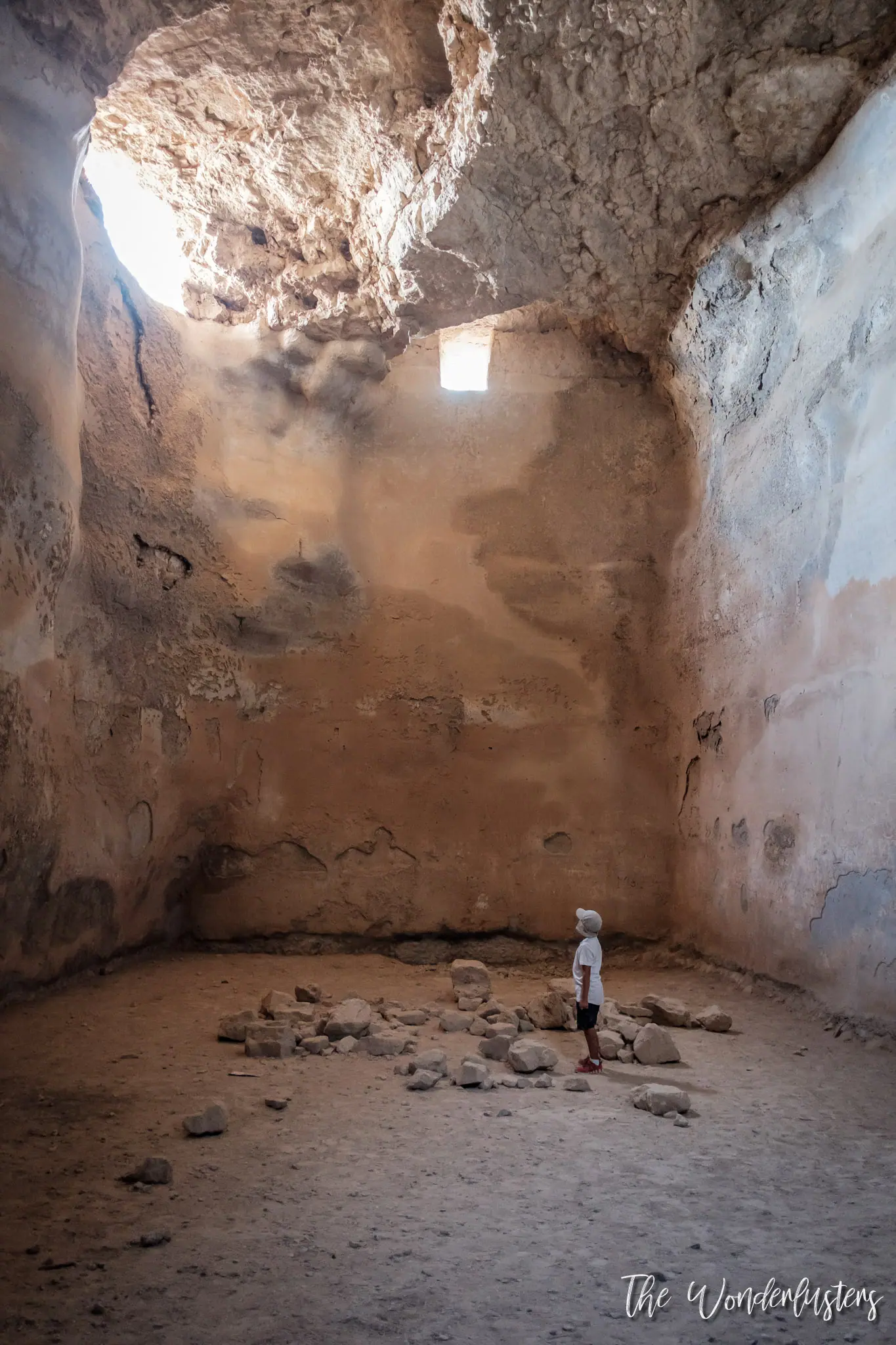
Masada is a fortress built by Herod the Great in the 1st century BC. Perched on a gigantic mountain overlooking the Dead Sea, we reached it by cable car. Masada was the last bastion of the Zealots, who symbolized Jewish resistance in Roman times.
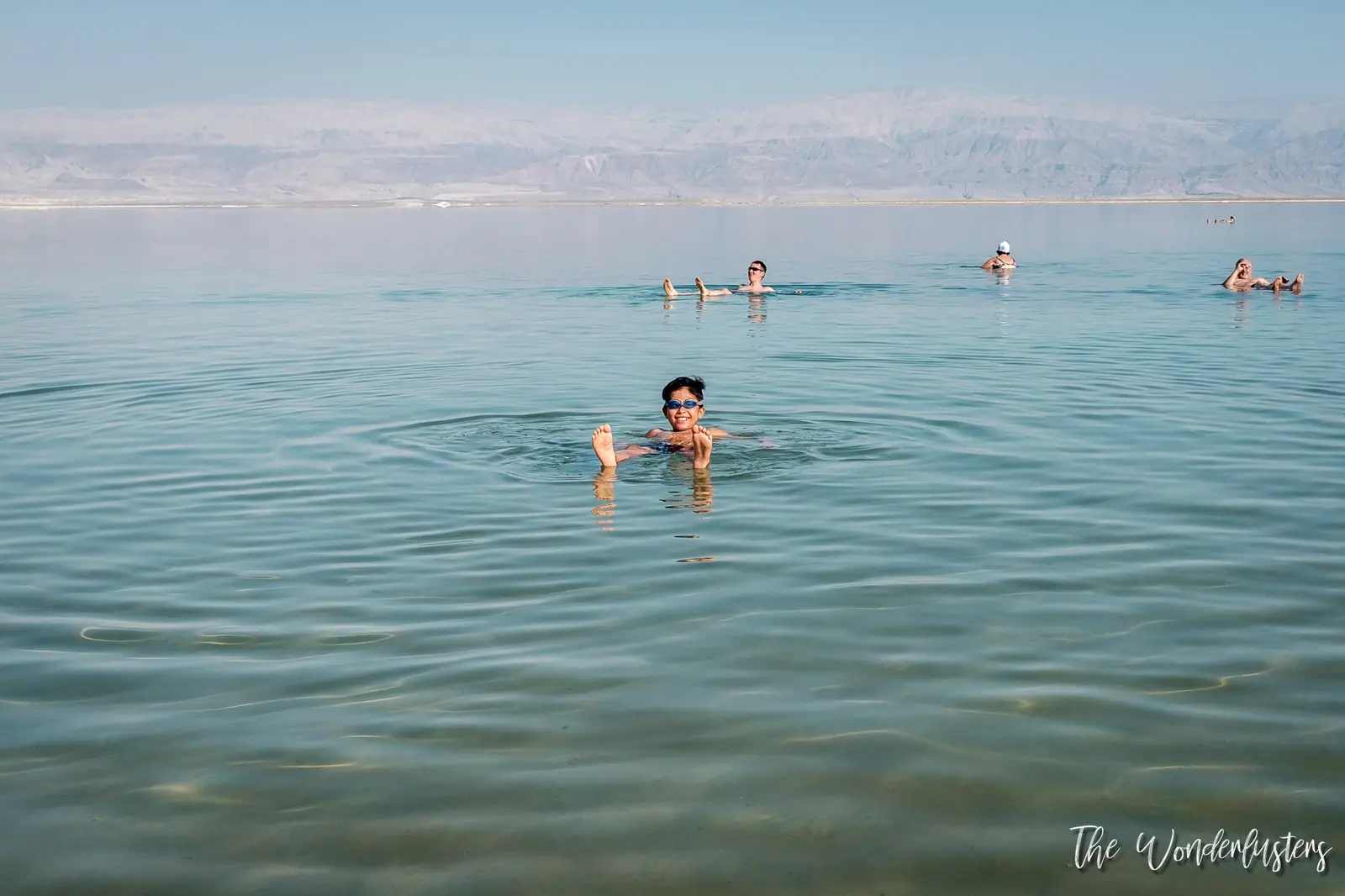
The Dead Sea, which lies 430 meters below the level of the Mediterranean Sea, kept all of its promises. We lounged in its saline waters, where it is impossible to drown, enjoying the calm and peaceful environment. The free public beach at Ein Bokek had great facilities, with showers and changing cubicles.
Haifa
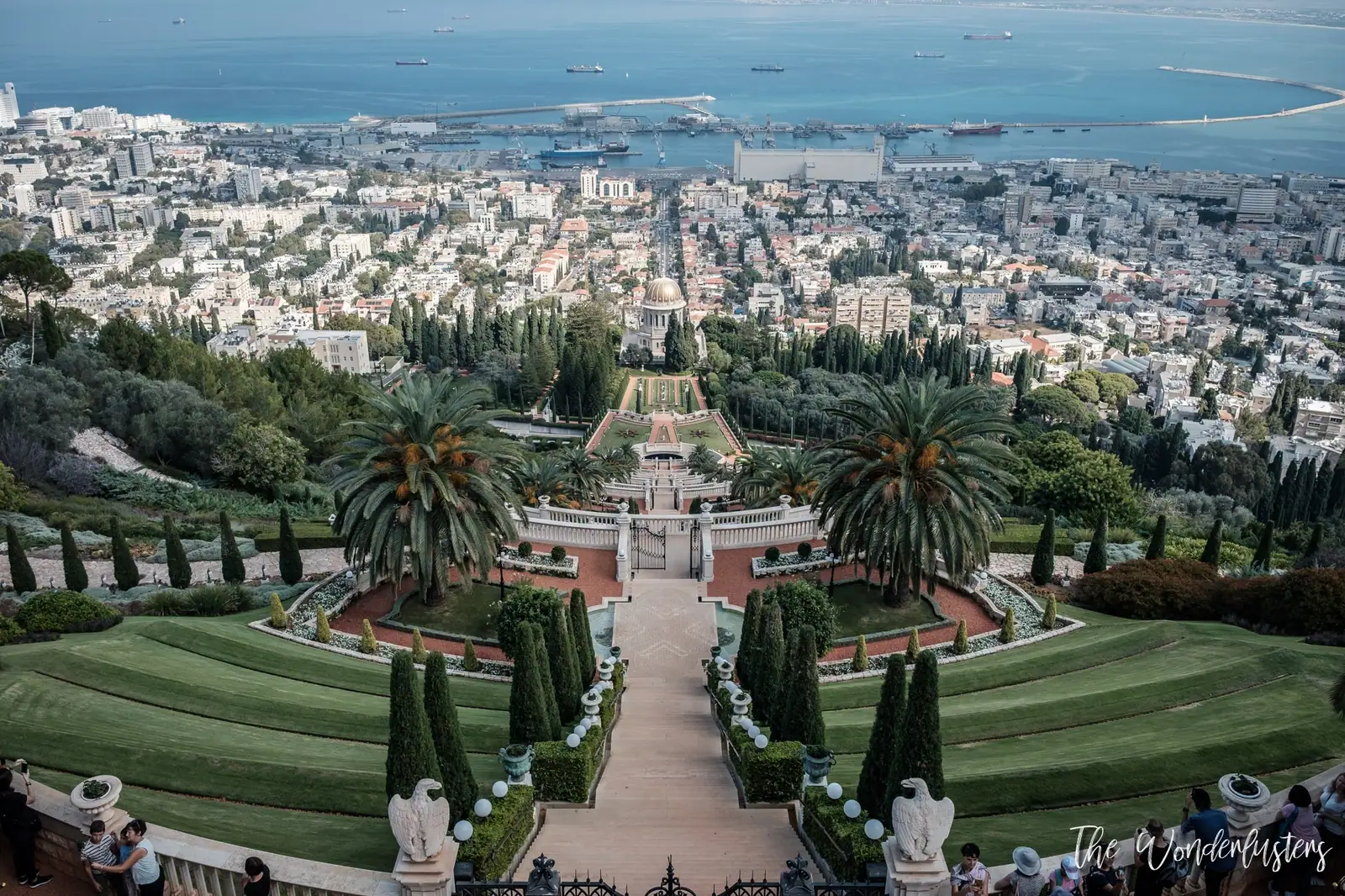
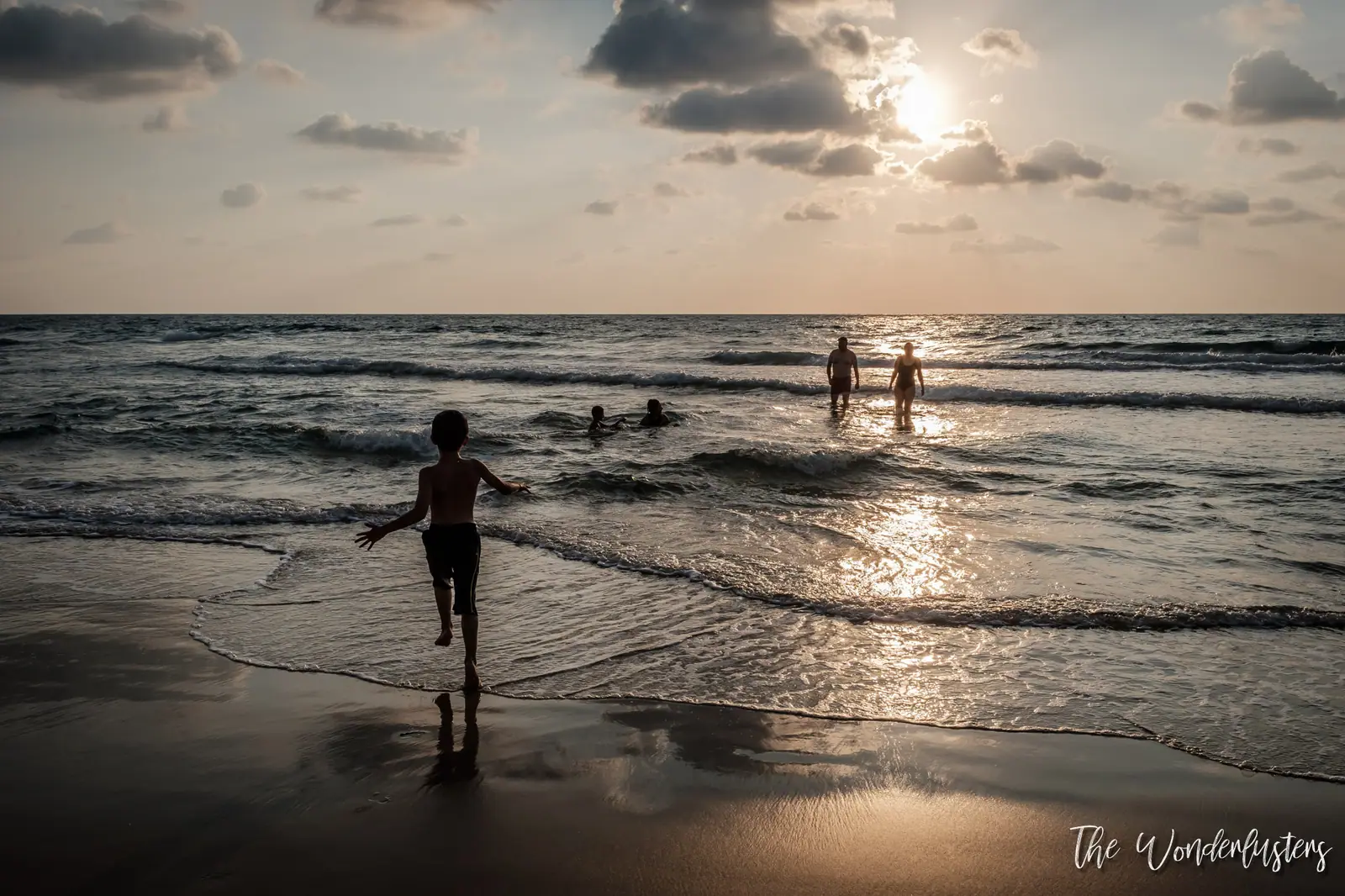
In Haifa we visited the sumptuous Baha’i Gardens, belonging to the sect with Shia Muslim roots where the Baha’i founder — the Báb — was buried. We also swam in the Mediterranean under a breathtaking sunset. It was perfect.
Nazareth and Galilee
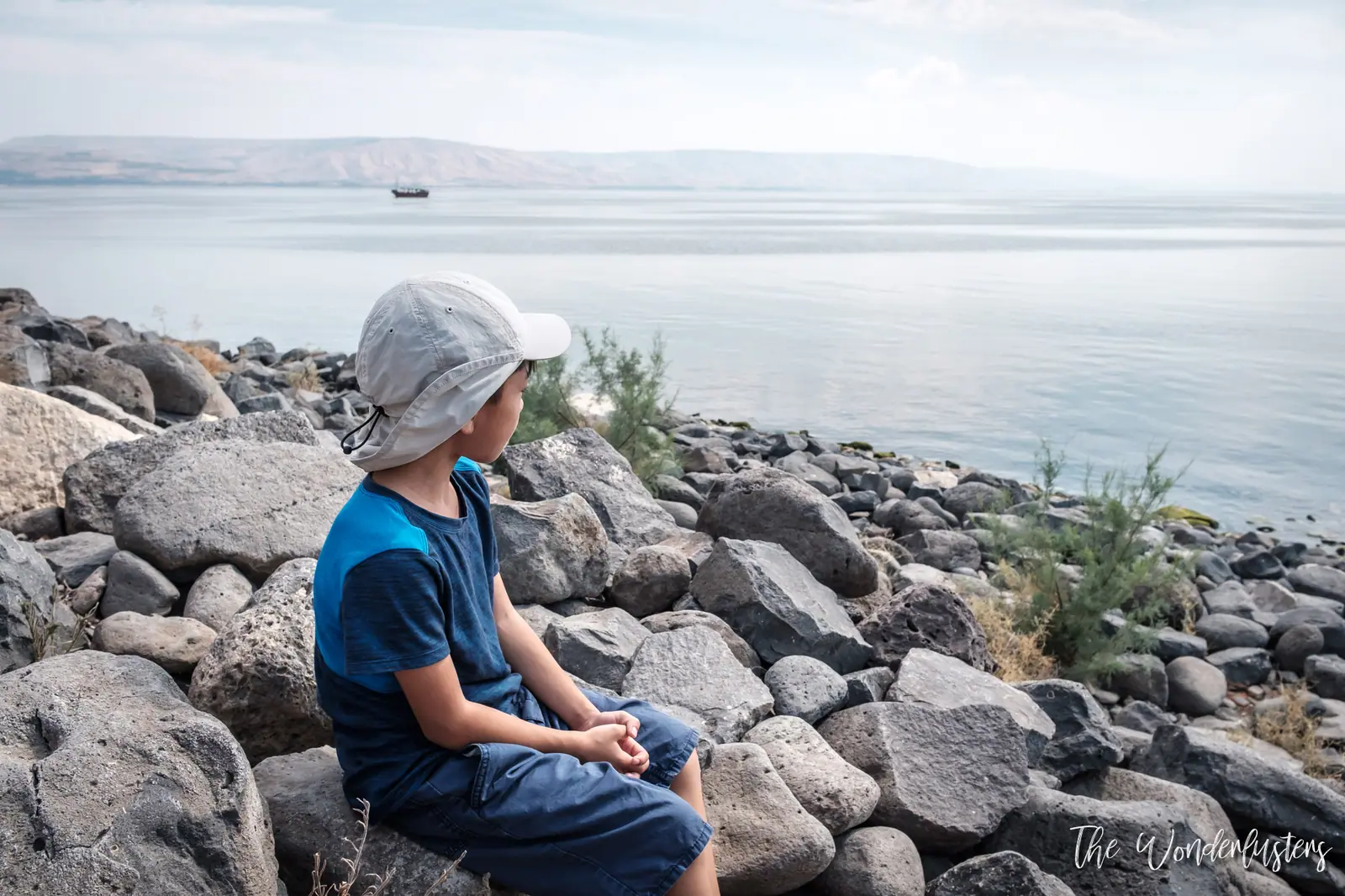
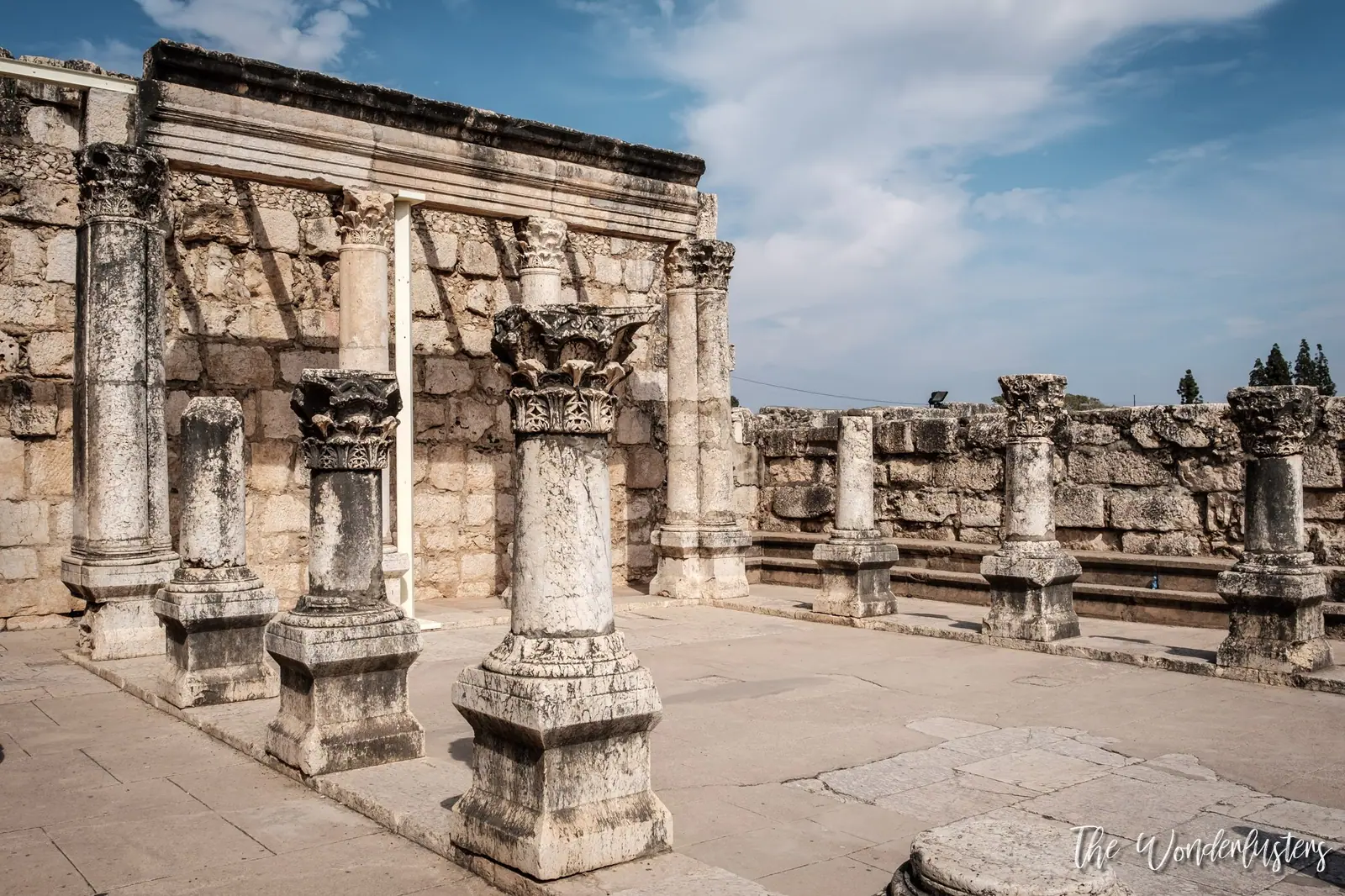
Around the Sea of Galilee, everything is organized so that pilgrims can find their happiness. In almost every place the Bible says Jesus visited, a church has been erected, which takes away from the original setting. In Capernaum we were able to see the houses said to belong to John and Matthew, as well as the house of Simon, also known as Peter, the fisherman proclaimed pope by the Catholic Church, whose house was the biggest of them all.
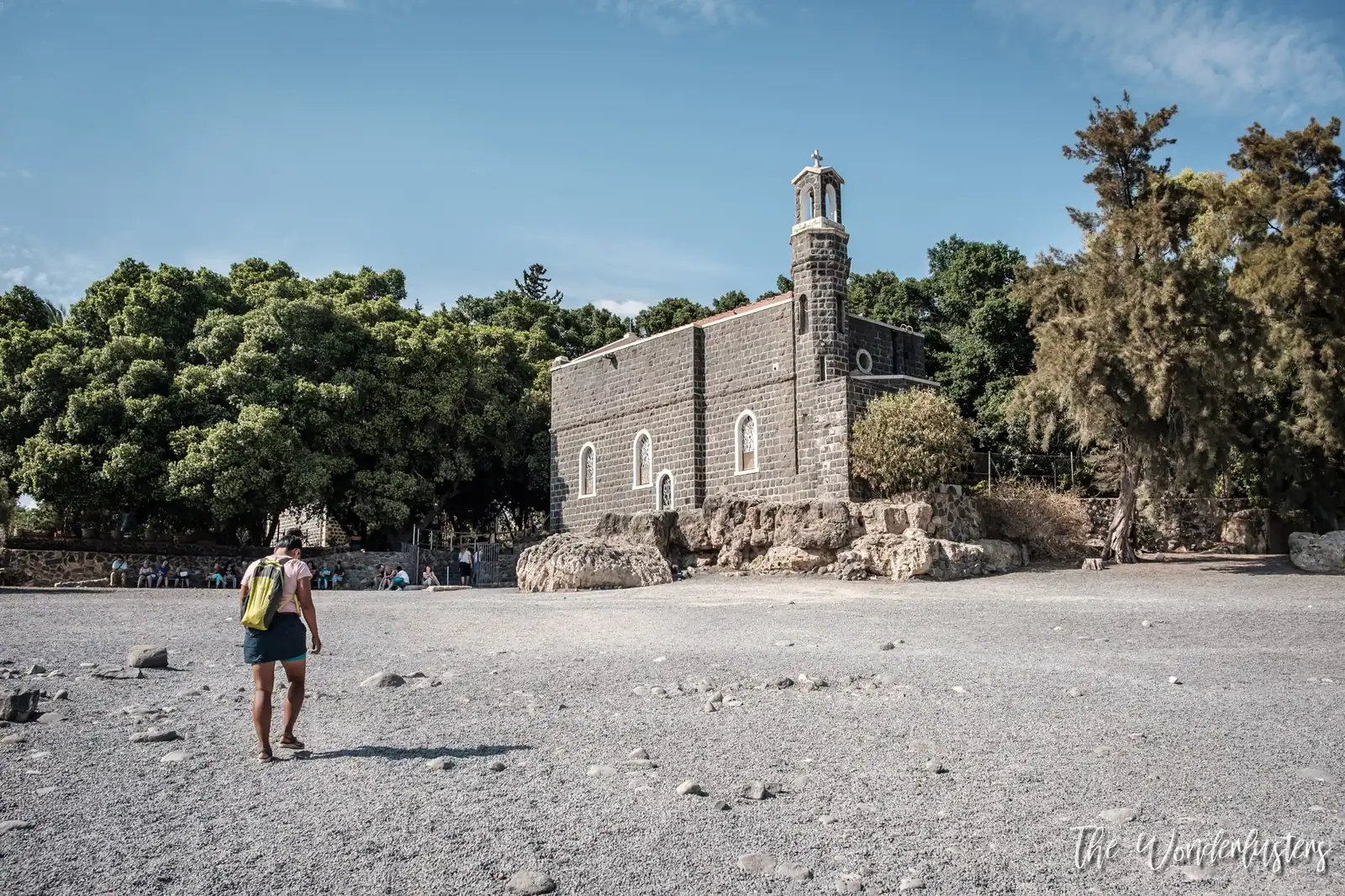
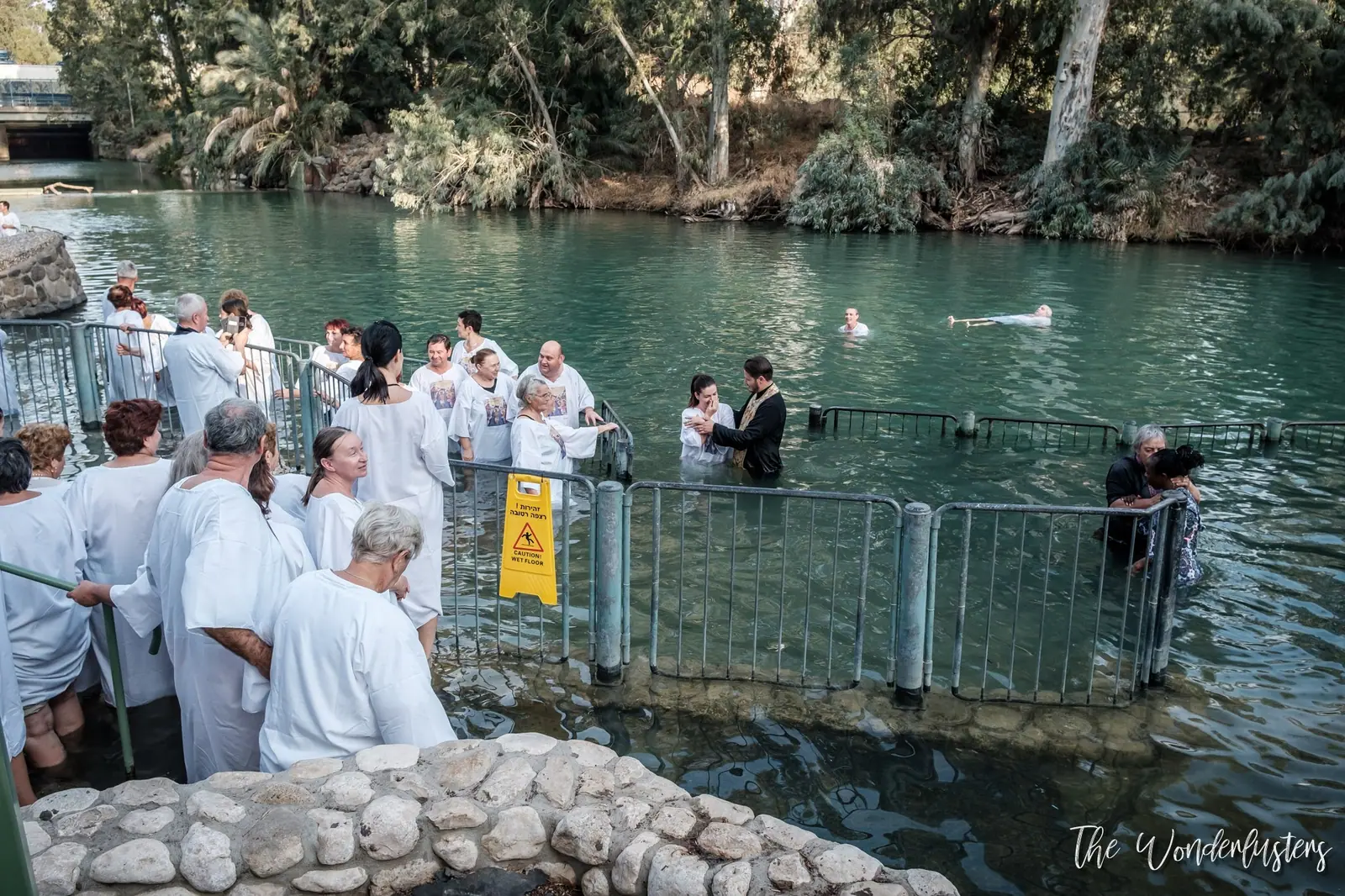
In Tabgha, there are two churches marking the exact places where Jesus is said to have appeared for the fourth time after his resurrection, and where he multiplied the fish and bread to feed the masses. Not far from there, a monastery was built on the Mount of Beatitudes, exactly where Jesus is said to have preached his famous “Sermon on the Mount.” And in Yardenit, you can find the exact place on the Jordan River where Jesus is said to have received the waters of John the Baptist’s baptism, and where dozens of pilgrims are baptized in a curious commercial ritual.
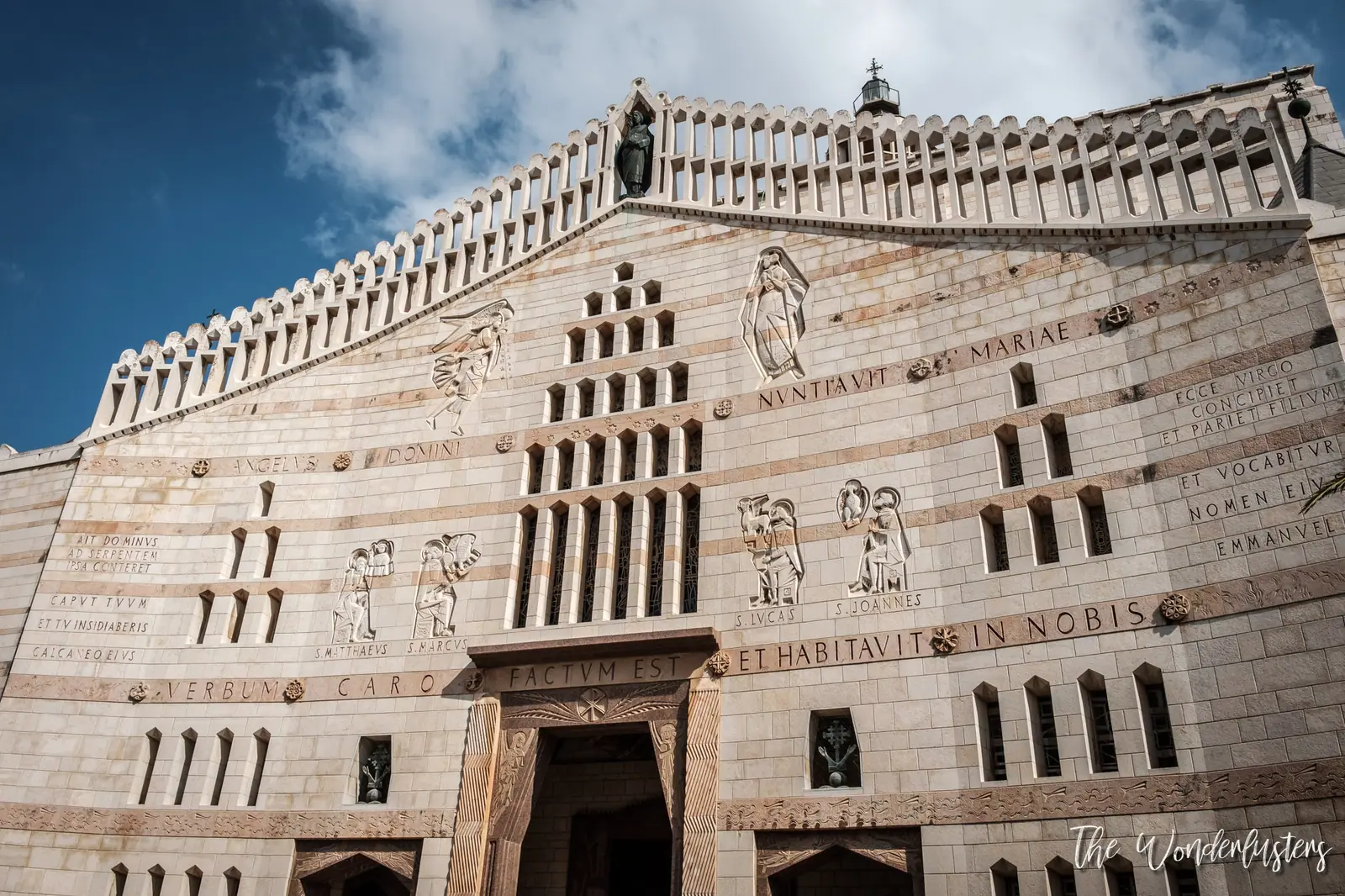
But the prize for the most surprising undoubtedly goes to Nazareth, where there are no fewer than 18 churches of the Annunciation (among them the Catholic, the Maronite Catholic, the Greek Orthodox and the Orthodox Coptic). The most important of them all, the Catholic Basilica of the Annunciation, was built on what is said to be the exact site of Mary’s old house. The Church of Saint Joseph, right next door, was built on Joseph’s house, since Joseph and Mary were said to be neighbors who grew up together and went to the same school. A little further up the hill sits the precisely named “Basilica of Jesus the Adolescent.” Need we say more?
Planning a Trip to Israel and Palestine
Itinerary
After landing at the airport in Tel Aviv, we went straight to Jerusalem, where we spent 5 days. We then rented a car for a memorable soak in the salty waters of the Dead Sea, with a stop at the fortress of Masada on the way. We then stayed in Haifa for 3 nights to visit the north of the country and its Christian pilgrimage sites: Nazareth and the area around the Sea of Galilee.
Accommodation and Transportation
We rented apartments in Jerusalem and Haifa to house our merry band of travelers.
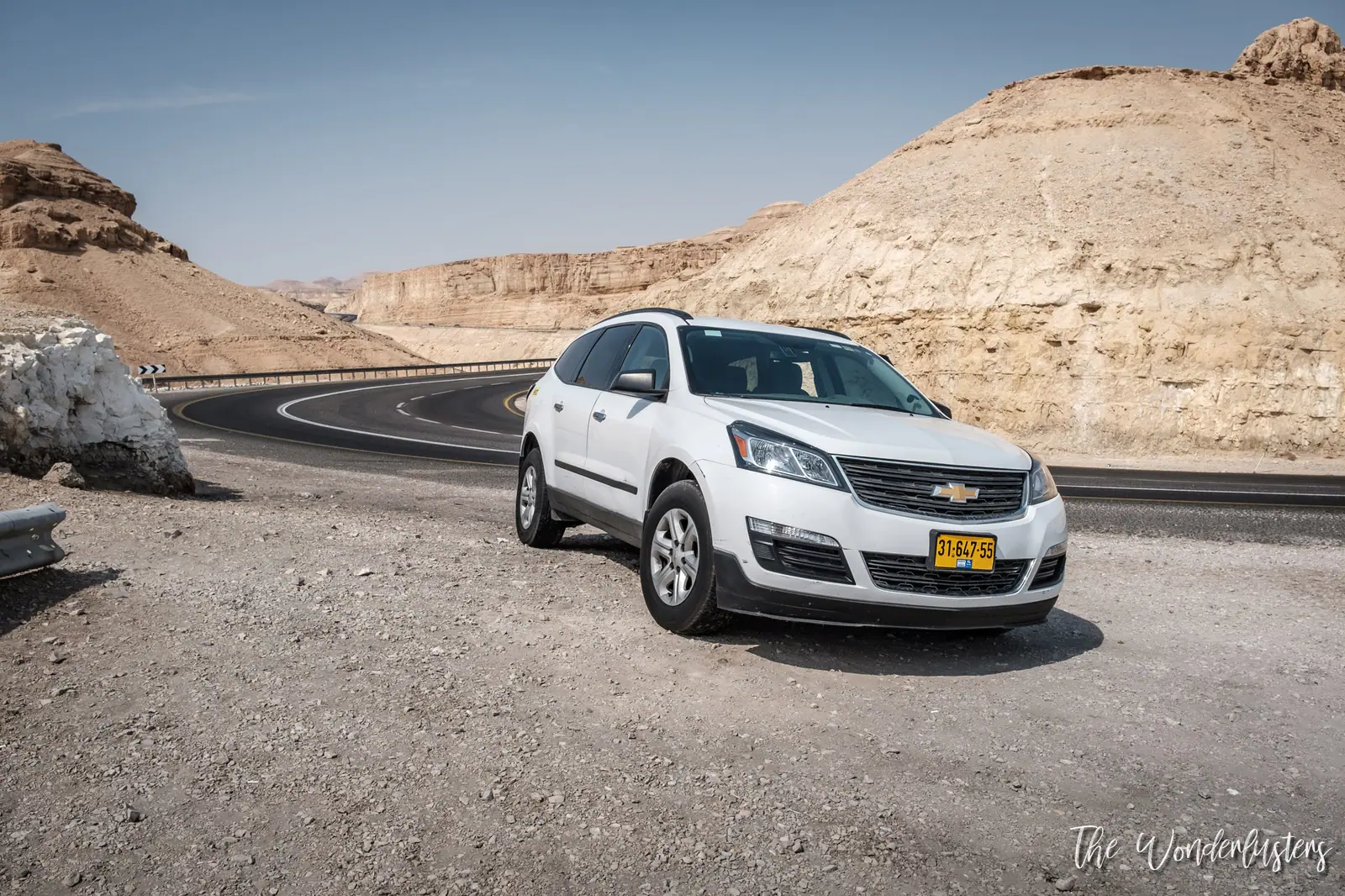
With our rental car, a Chevrolet Traverse, we were not allowed to cross the wall separating us from the West Bank (Palestinian territory) to see Bethlehem, Jericho and Qumran. That didn’t stop us from being struck by the drive across the country: we saw fighter jets and helicopters in the sky, as well as ground-based military detection and communication equipment, constant reminders that the country sits in a geopolitically tense situation.
Food
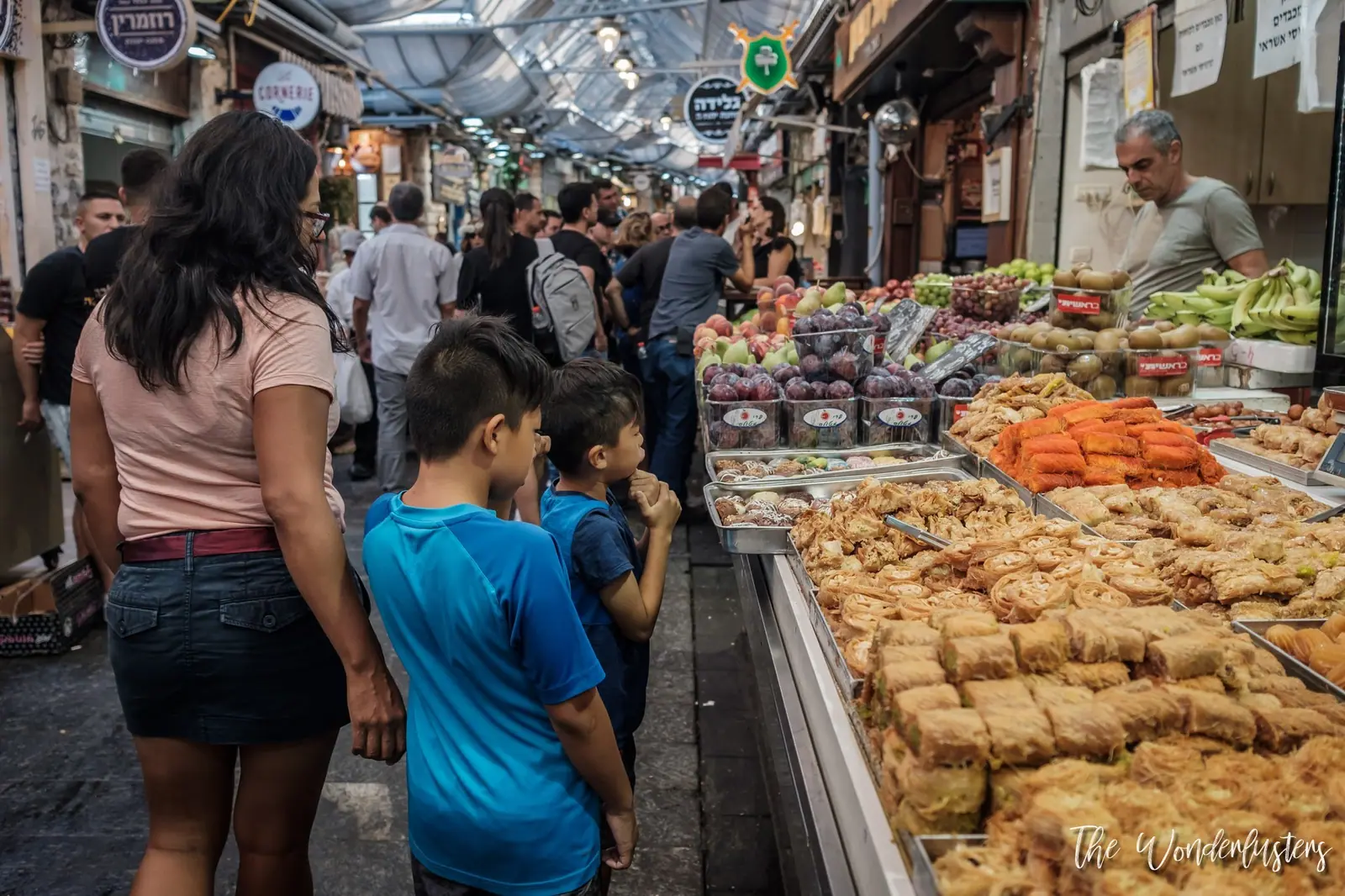
We weren’t expecting the cost of living in Israel to be so high. That’s not surprising once you learn that the minimum salary in the country is 5,300.00 ILS (1,458.76 USD) a month. As a result, we did most of our food shopping in grocery stores to keep to a reasonable budget. And for fun, every now and then, we even ate out at IKEA — those delicious meatballs.
We therefore (un)fortunately don’t have photos of Israeli culinary specialties to show you. In any case, the food seemed very similar to that of their Lebanese neighbors: falafel, shawarma and hummus.
How Much Does a Week in Israel and Palestine Cost?
The cost of our trip to Israel and Palestine for our family of 4 came to:
- 6,049.00 ILS (1,664.92 USD);
- 756.12 ILS (208.11 USD) per day;
- 189.00 ILS (52.02 USD) per person per day.
Amounts were paid in shekels. US-dollar equivalents use the average exchange rate during our trip (October 3 – October 10, 2018): 1 USD = 3.6332 ILS.
In detail :
| Expense Category | Amount Spent |
|---|---|
| Plane and Visa | 1,092.00 ILS / 300.56 USD |
| Accomodation | 2,442.00 ILS / 672.13 USD |
| Transport (including gas) | 1,180.00 ILS / 324.78 USD |
| Eating out | 364.00 ILS / 100.19 USD |
| Groceries | 656.00 ILS / 180.56 USD |
| Activities | 315.00 ILS / 86.70 USD |
| Total | 6,049.00 ILS / 1,664.92 USD |
Conclusion
We left Israel and Palestine with mixed feelings: enthusiasm at having traced the steps of the forefathers of the Abrahamic religions, and disappointment at having seen the divisions that religious traditions have caused between people.
To finish, we made our way to the neighboring country by land in the south, through the border crossing between Eilat and Aqaba, and entered Jordan!
Questions travellers ask
How many days did you spend in Israel and Palestine?
We spent 7 days there, from October 3 to 10, 2018: 5 nights in Jerusalem, a day trip to Masada and the Dead Sea, and 3 nights in Haifa with day trips to Nazareth and the Sea of Galilee.
How much does a week in Israel and Palestine cost?
For our family of four, 7 days cost 6,049 ILS (about 1,665 USD at 2018 rates), or roughly 189 ILS (52 USD) per person per day, including accommodation, a rental car, food and activities.
Which cities did you visit?
We based ourselves in Jerusalem and Haifa, with a stop at Masada and the Dead Sea, and day trips to Nazareth and around the Sea of Galilee.
Can you drive into the West Bank with an Israeli rental car?
Our rental car agreement did not allow us to cross into the West Bank, so we were unable to visit Bethlehem, Jericho or Qumran on this trip.
How did you get from Jerusalem to Haifa?
We rented a car and drove north, stopping at Masada and the Dead Sea on the way, before spending 3 nights in Haifa.