Middle EastOctober 20187 min read
8 Most Beautiful Places to Visit in Lebanon and Itinerary
In short
We road-tripped around Lebanon for 8 days in September 2018, visiting the Roman temples of Baalbek, the cedar forests of the Chouf, the coastal towns of Sidon and Byblos, Beirut, Beiteddine Palace and the Jeita Grotto. This guide covers the 8 most beautiful places we found, our itinerary, and what the trip cost for our family of four: 1,278 USD.
- Dates
- 2018-09-05 to 2018-09-12
- Number of days
- 8
- Cities we visited
- Balbek, Beirut, Byblos, Damour, Jounieh, Sydon
- Inbound
- From Cyprus by Plane
- Outbound
- To Greece by plane
- Mode of transport
- Rental car
- Distance travelled (car, subway & foot)
- 635 km
- Number of photos taken
- 2700 (337 per day)
- Currency
- The Lebanese Pound (1 USD = 1500 LBP)
Here are the 8 most beautiful places to visit in Lebanon, based on our 8-day road trip in September 2018: the Roman temples of Baalbek, the cedar forests of the Chouf, the coastal towns of Sidon and Byblos, Beirut, Beiteddine Palace, and the Jeita Grotto near Jounieh. Below you’ll find our itinerary, budget and practical tips.
2026 update: the security situation in Lebanon has changed significantly since our 2018 visit. As of 2026, Global Affairs Canada advises against all travel to Lebanon because of the volatile security situation in the region (travel.gc.ca). Check the current advisory before planning a trip.
Lebanon is geographically varied: the Mount Lebanon range runs the length of the country, the Mediterranean coast offers dramatic sunsets, and the food is exceptional. Its history goes back well before Antiquity — the region was home to the Phoenician civilization and was later conquered in turn by Assyrians, Babylonians, Egyptians, Persians, Greeks, Romans, Byzantines, Arabs, Crusaders, Mongols and Ottomans.
In Lebanon, we met up with our friend Mirella. It was wonderful to see her and to spend quality time with her family.
8 Most Beautiful Places to Visit in Lebanon
Baalbek
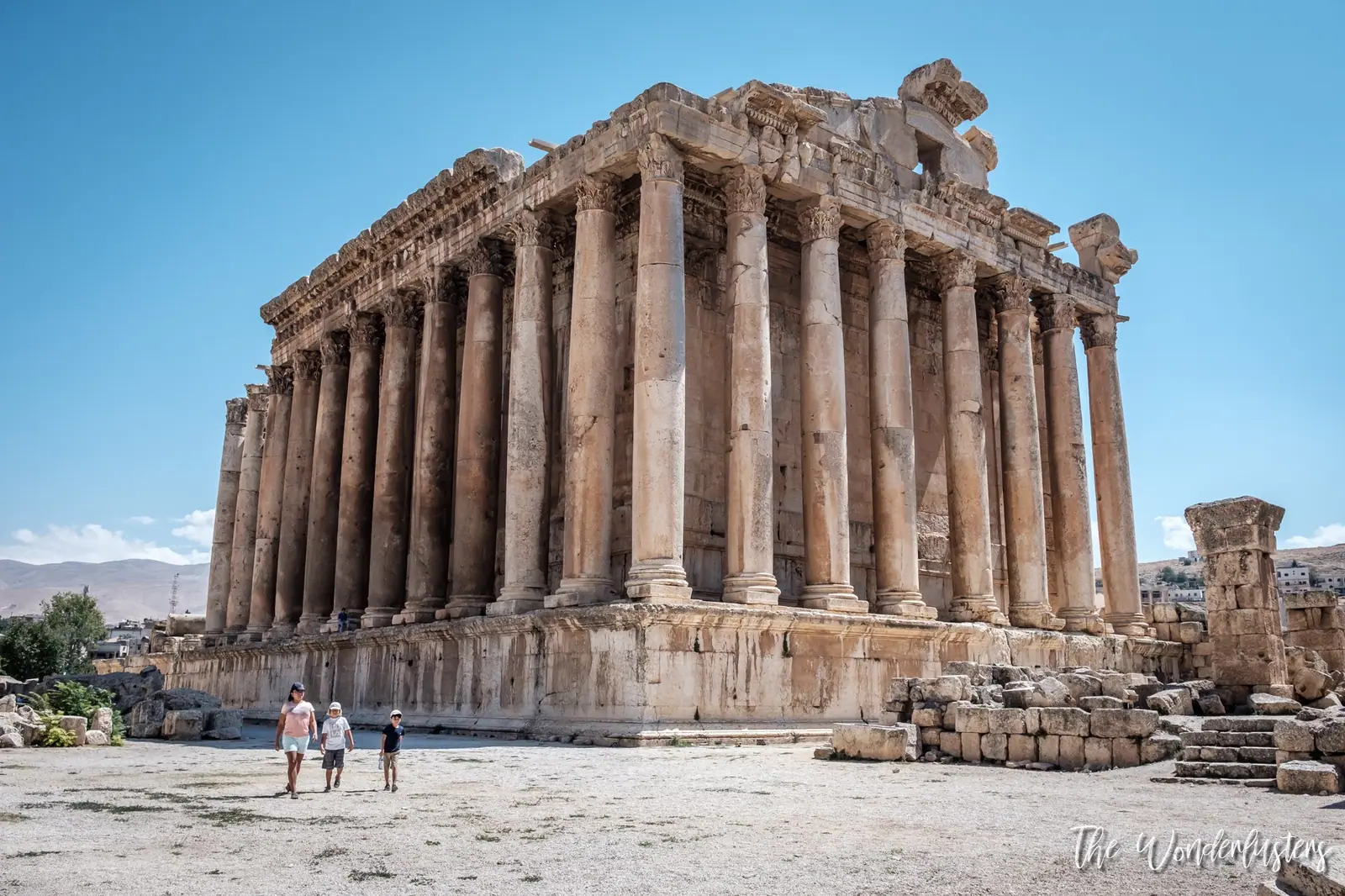
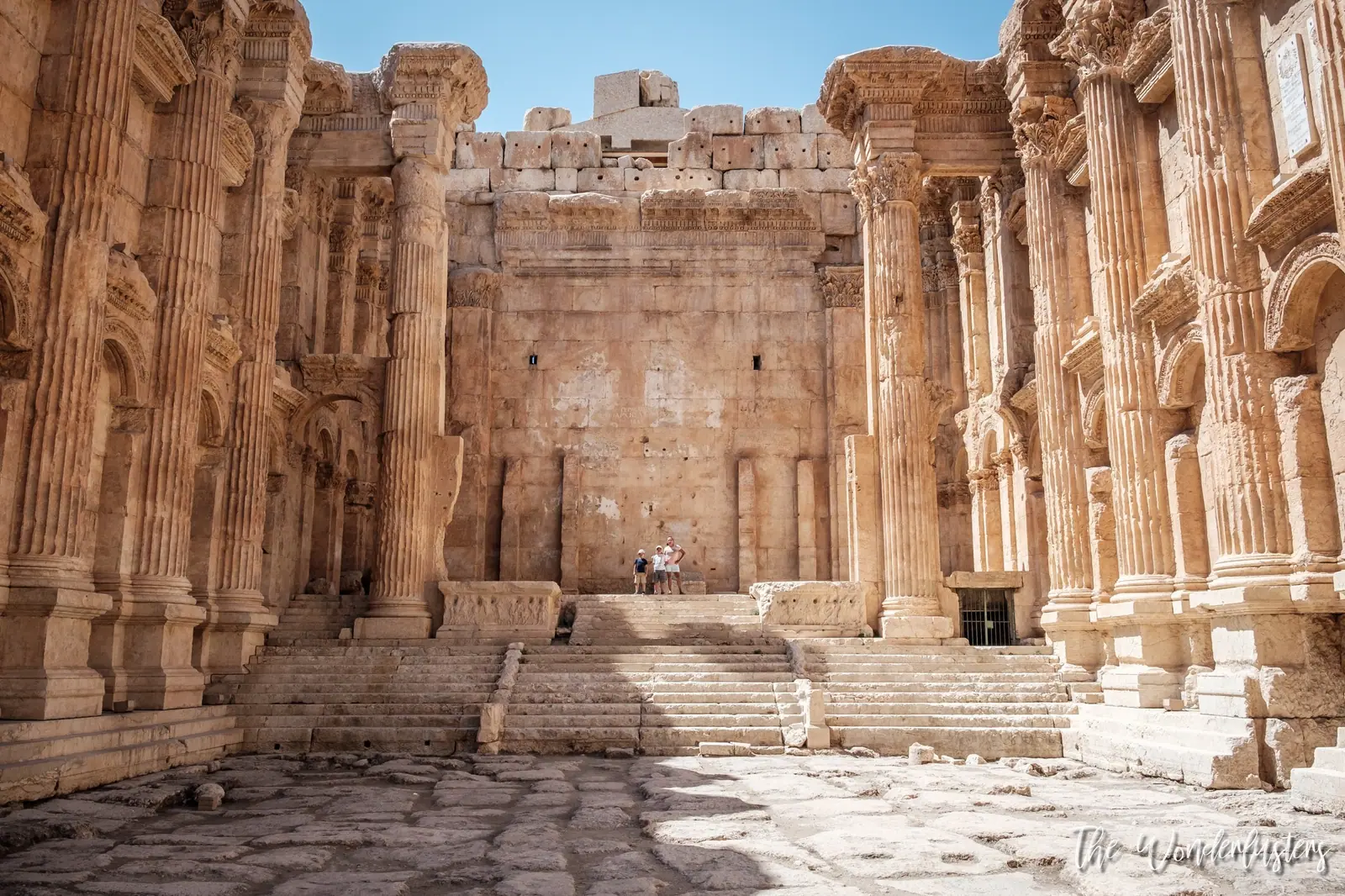
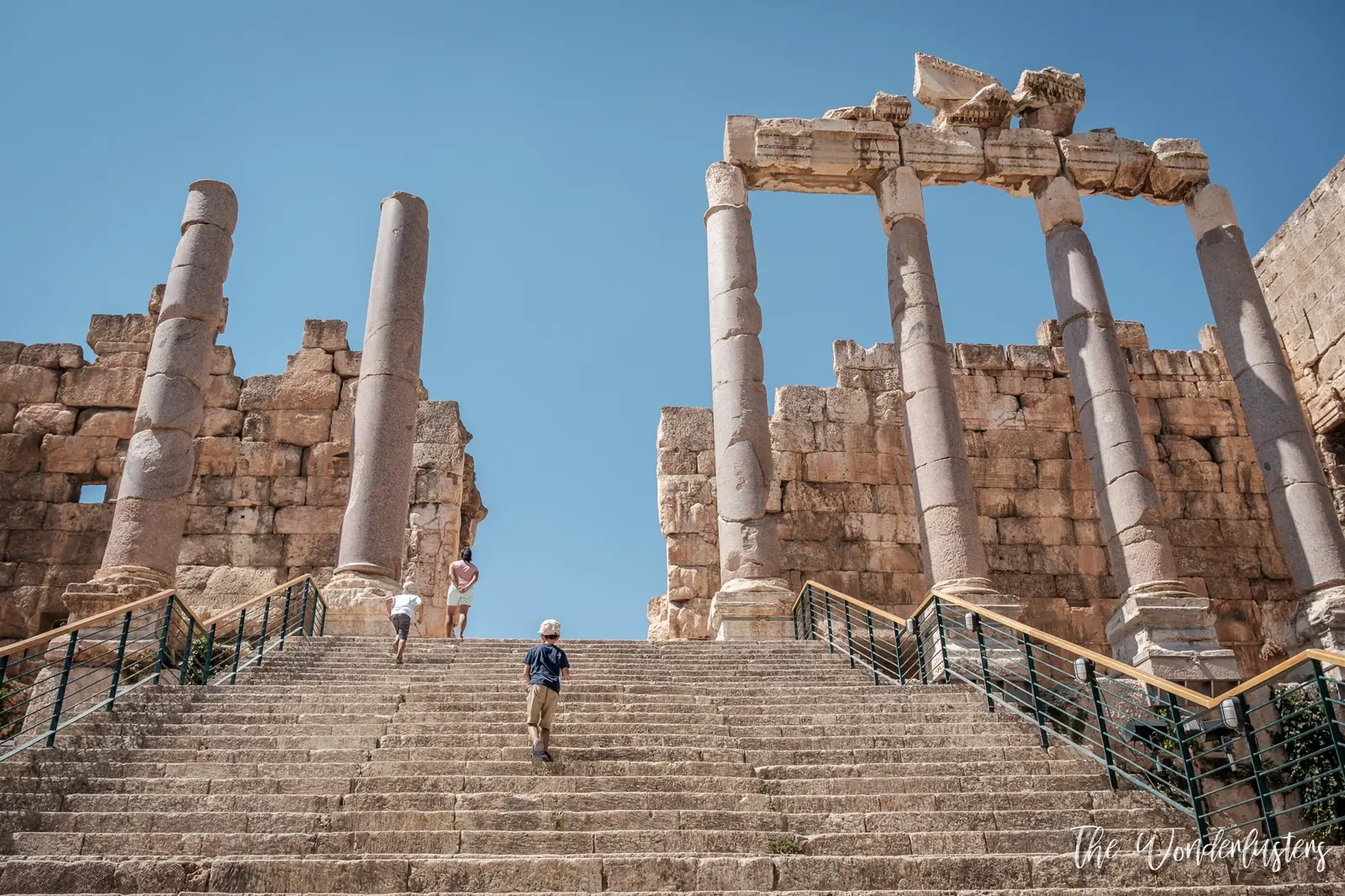
This place left us in awe. Baalbek, also known as Heliopolis in Ancient Greece, is an ancient site with gigantic temples dedicated to the god Baal. The Temple of Bacchus is one of the best-preserved Greco-Roman temples anywhere. The Temple of Jupiter was the largest temple in the Roman Empire, of which only a few columns and a colossal base remain. Smaller than the other two, the Temple of Venus is the site’s third attraction. Together they form an archaeological ensemble that rivals Athens or Rome.
The Cedars of Barouk
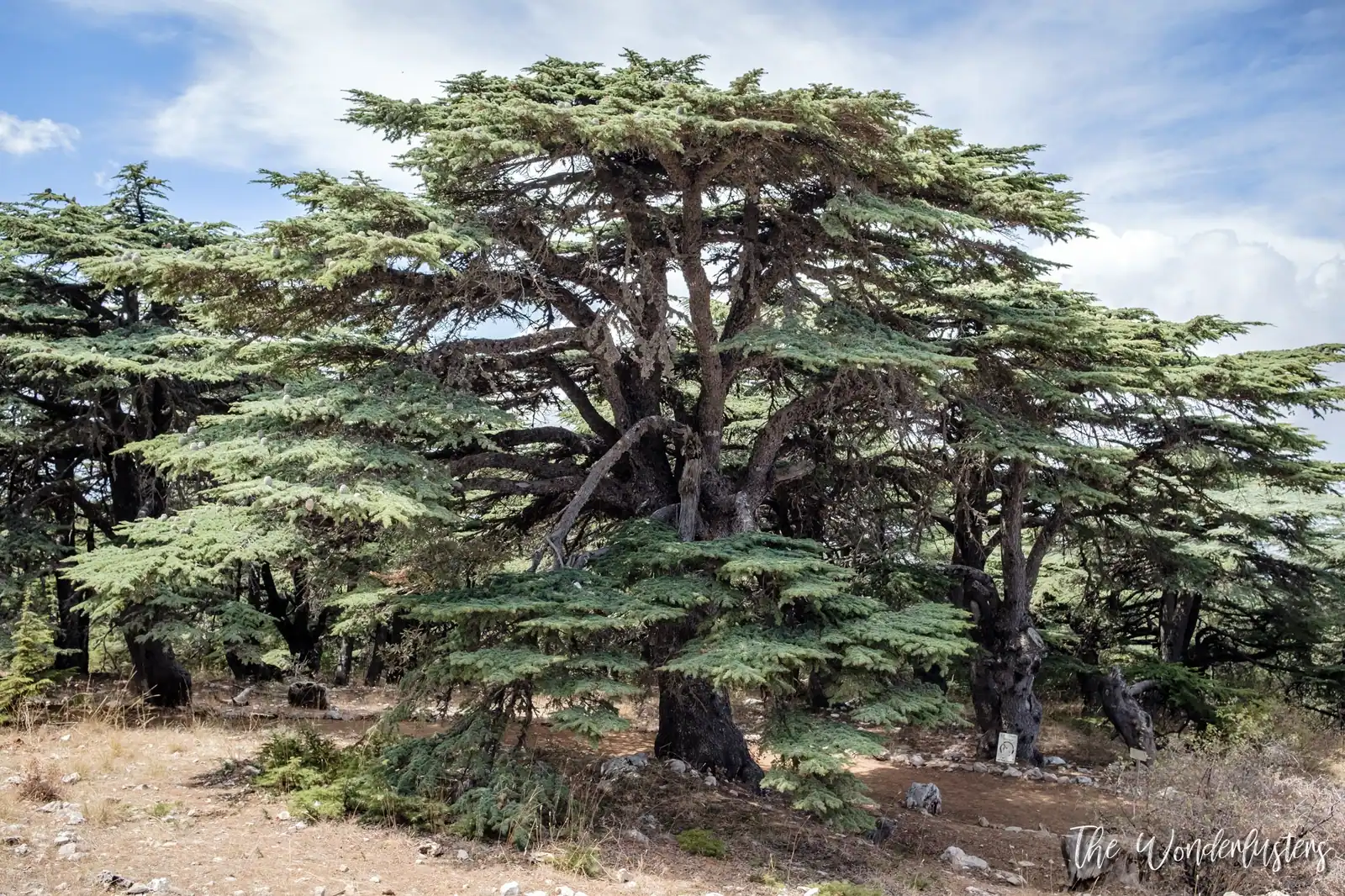
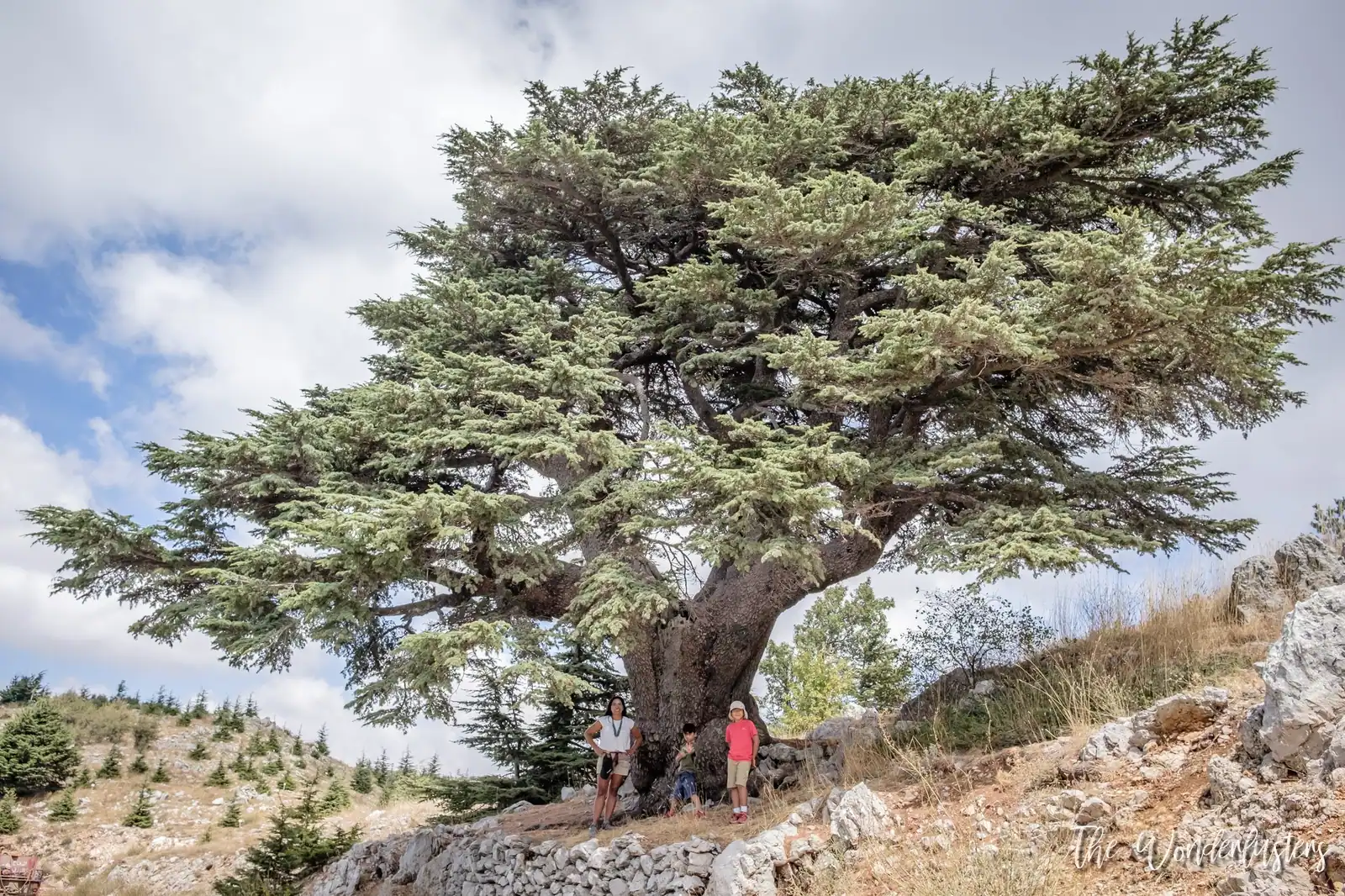
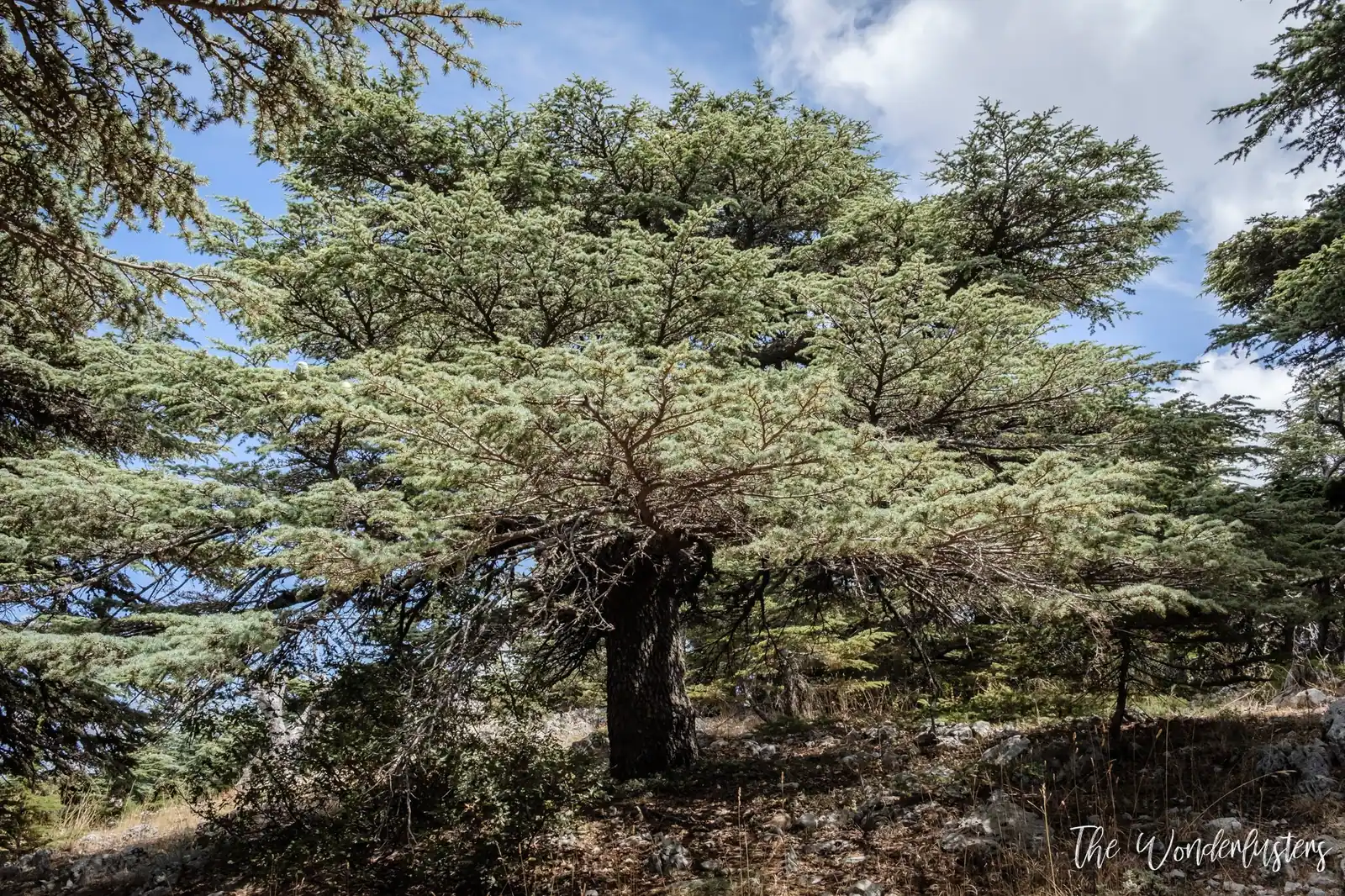
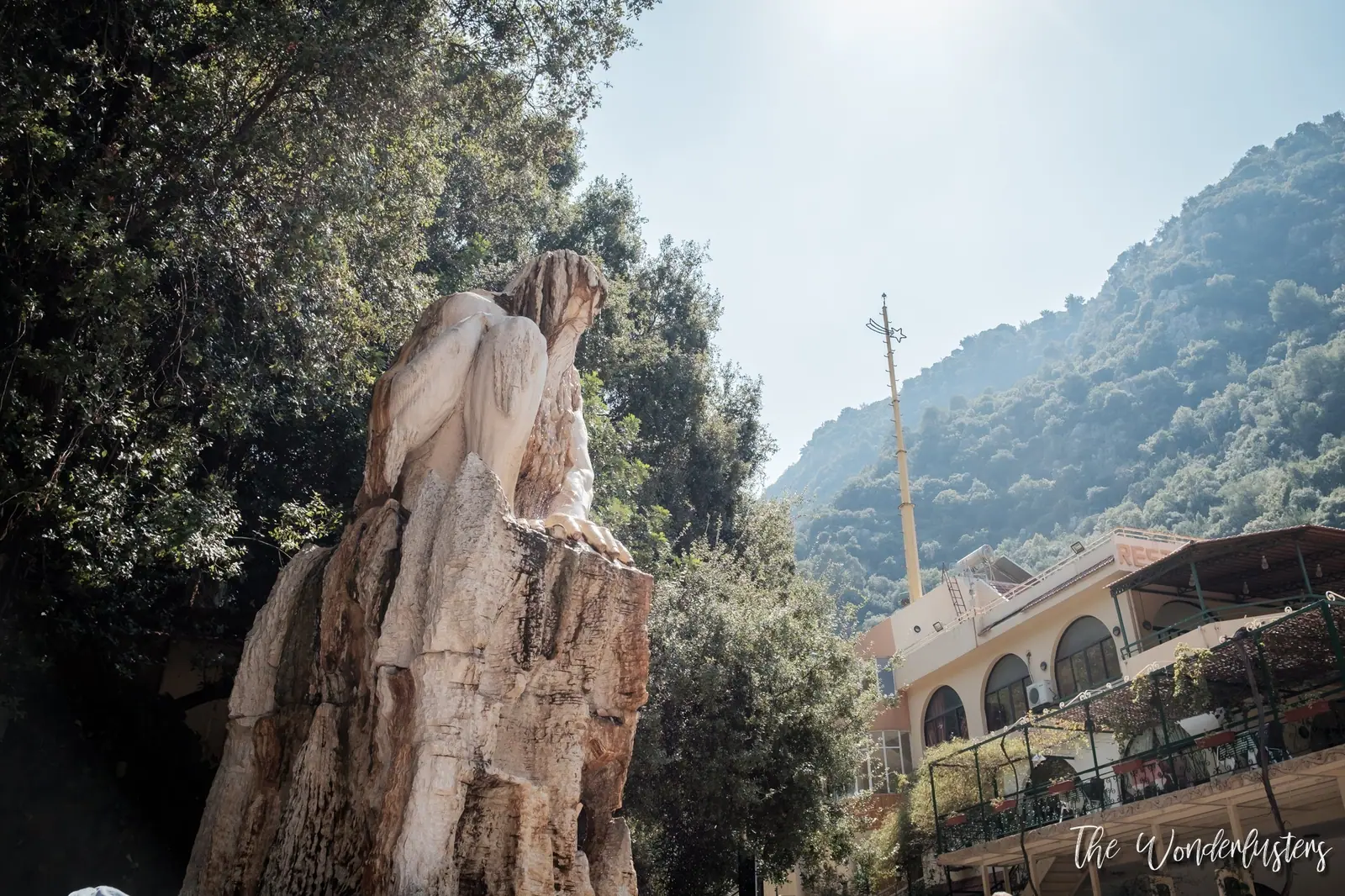
We went to visit the famous cedars of Lebanon in the Chouf, on Mount Barouk. As the national emblem of Lebanon, the cedars are protected today. They once covered a greater part of Lebanese territory. The wood of this tree is reputed to be resistant and rot-proof. It was used by the Phoenicians to build their boats. Later, the king Solomon used it to build his temple in Jerusalem. We unfortunately didn’t have time to go and admire the “Cedars of God” which are found in Bsharri, in the north of the country. But the ones we did see were beautiful, including the one which inspired the cedar on the Lebanese flag, which you can see on the photo below.
Sidon
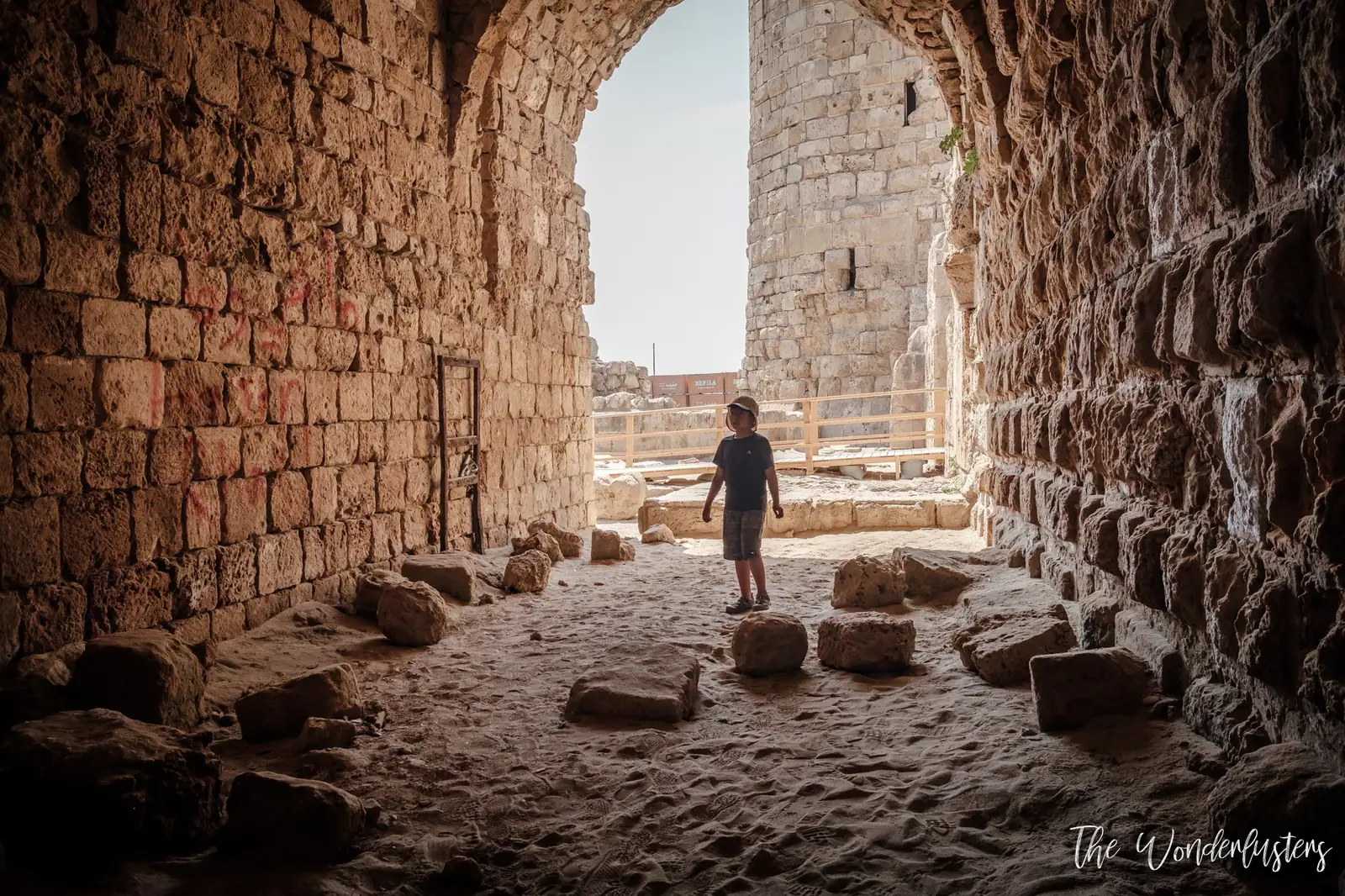
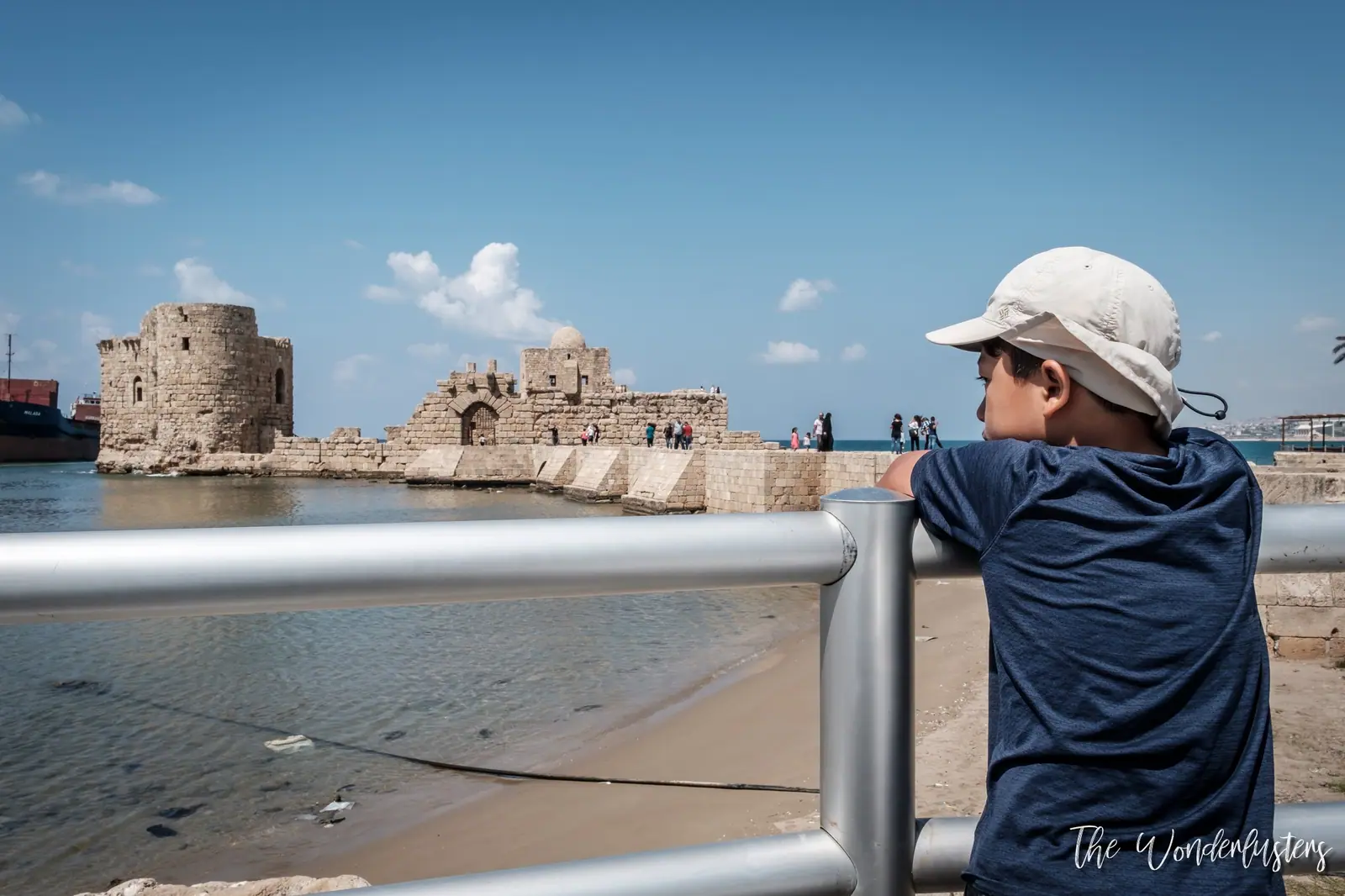
Sidon, have you heard of it? I imagine so if you’ve read the Bible. It’s mentioned several times, including in the book of Genesis. Jesus is even said to have gone there to preach with his apostles. It is often associated with Tyre, the neighboring town in the south. We visited the maritime fortress, built by the crusaders in the 13th century, as well as its souk and its soap museum.
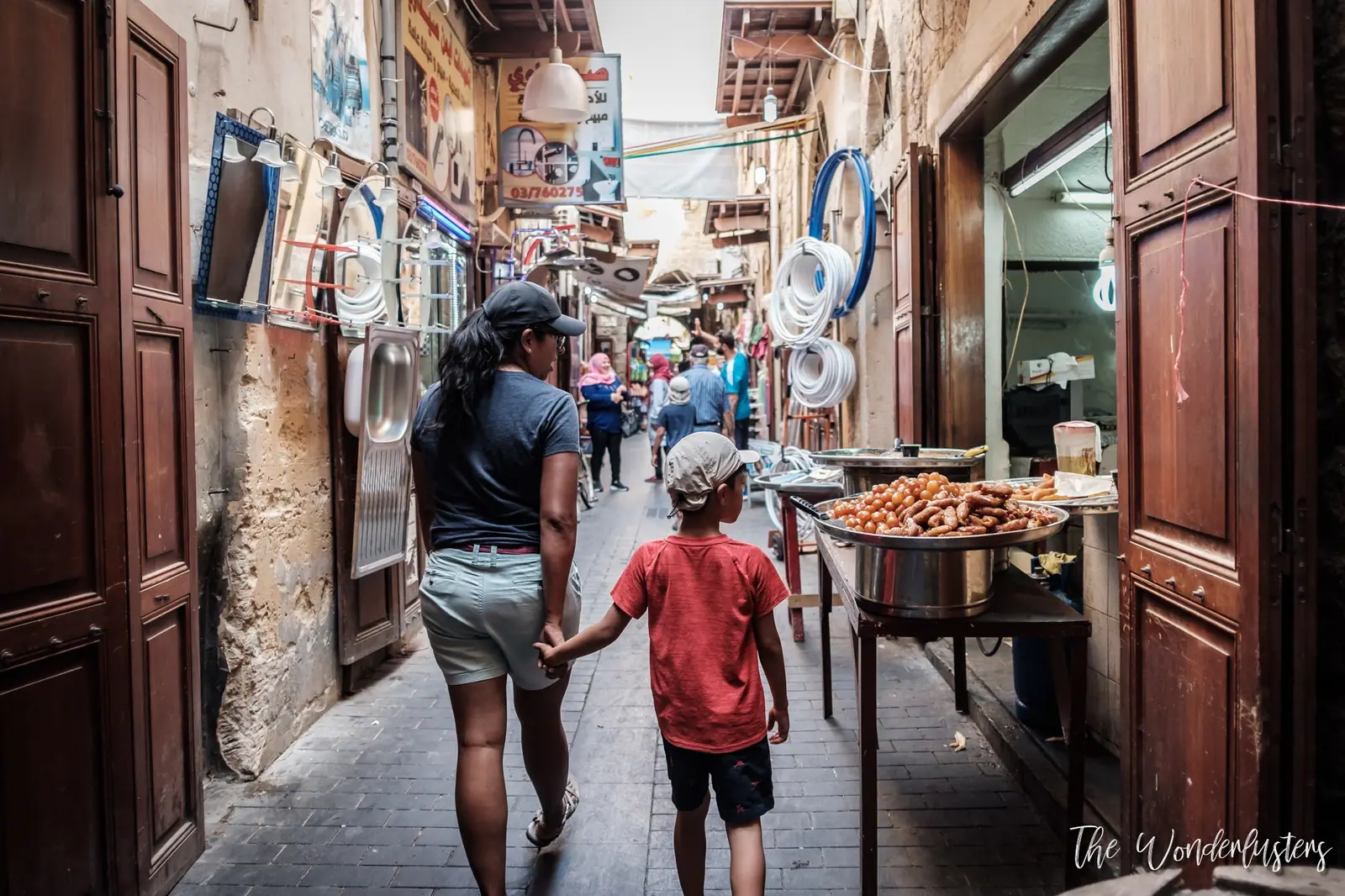
Beirut
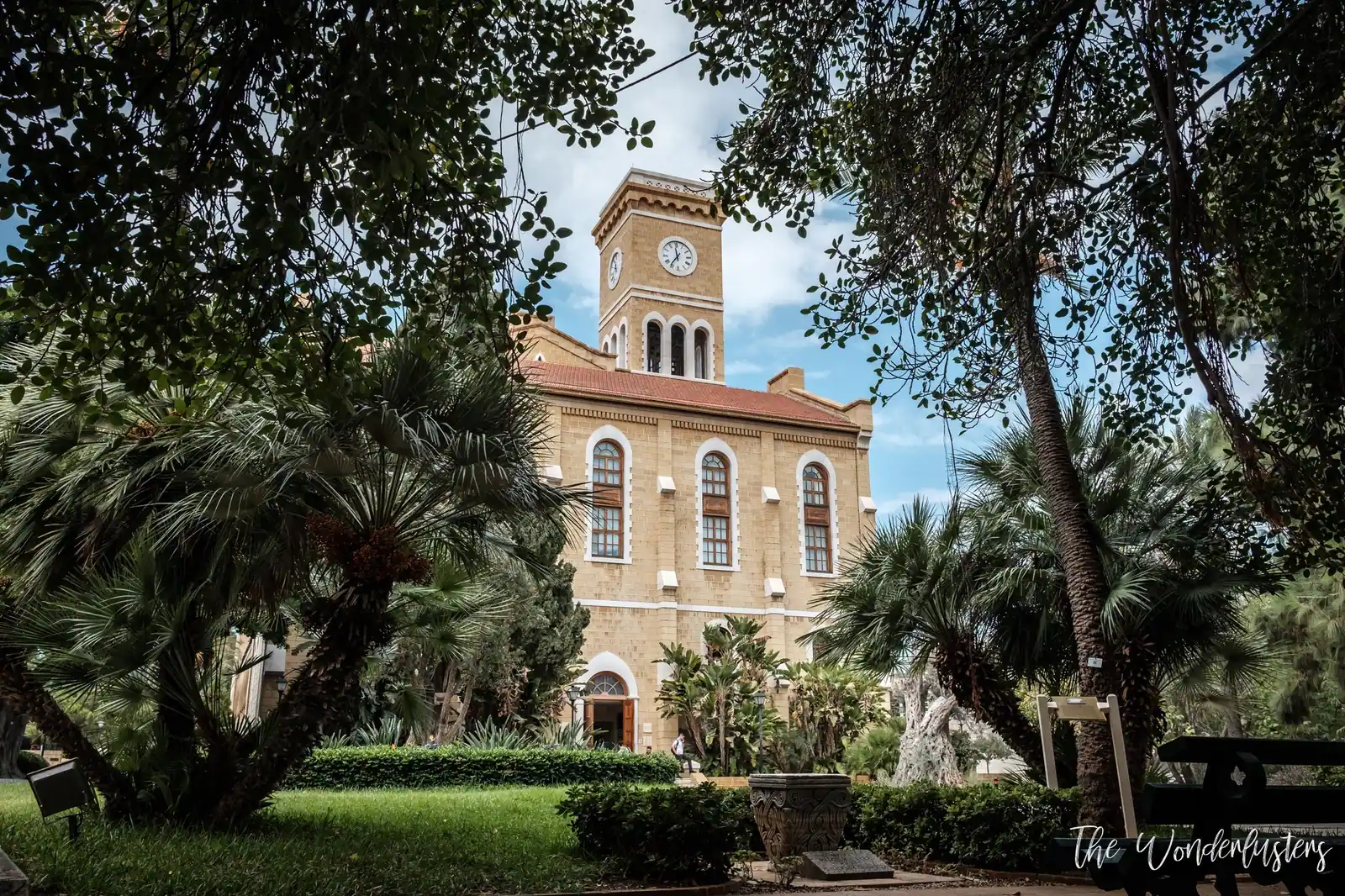
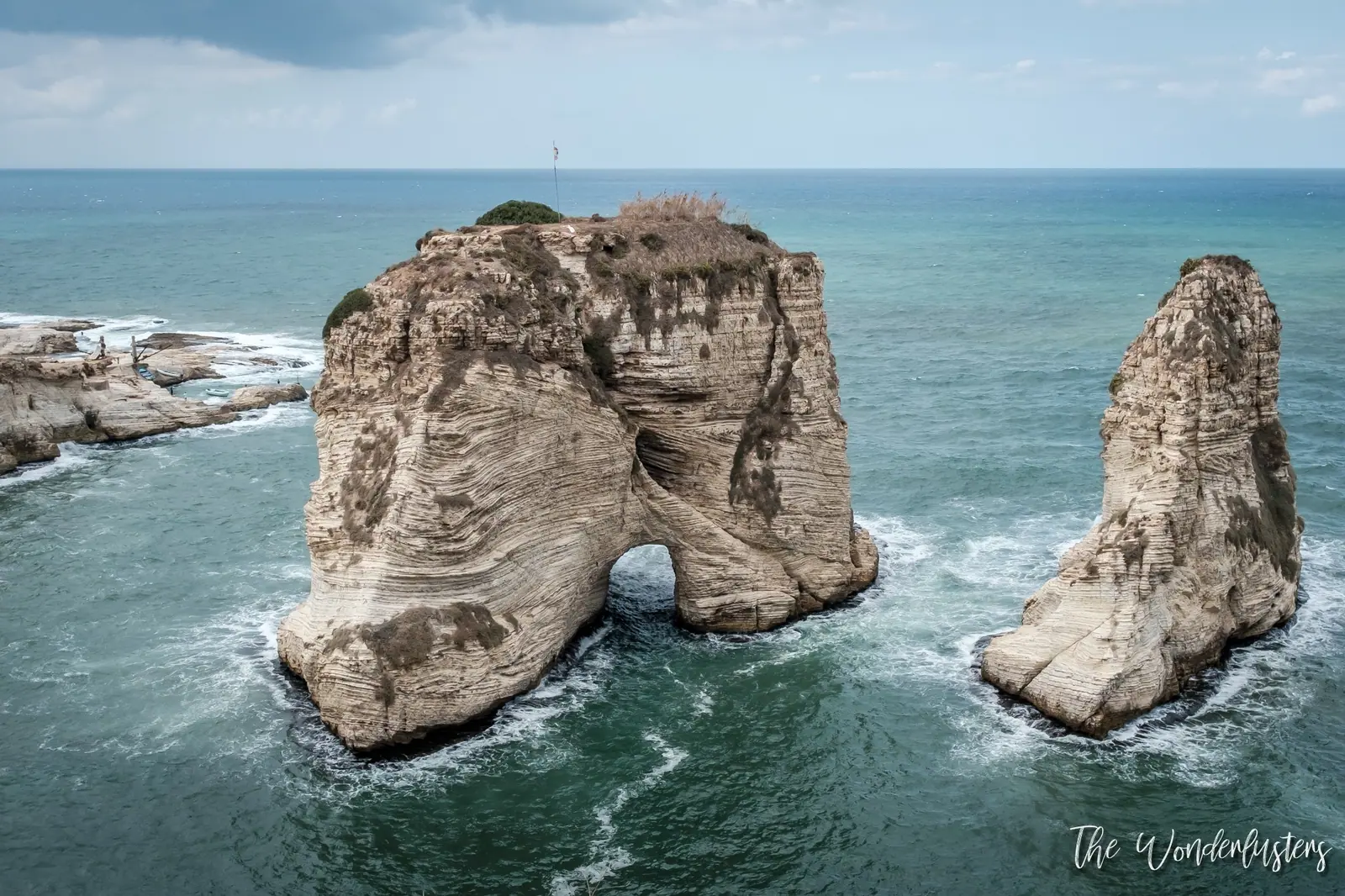
Beirut, the capital of Lebanon, is home to roughly half the country’s population and is one of the most ancient cities in the world. We visited Raouché (Pigeon Rock) and the American University of Beirut, one of the most prestigious universities in the Middle East, where our friend Dr. Mirella teaches.
Beiteddine
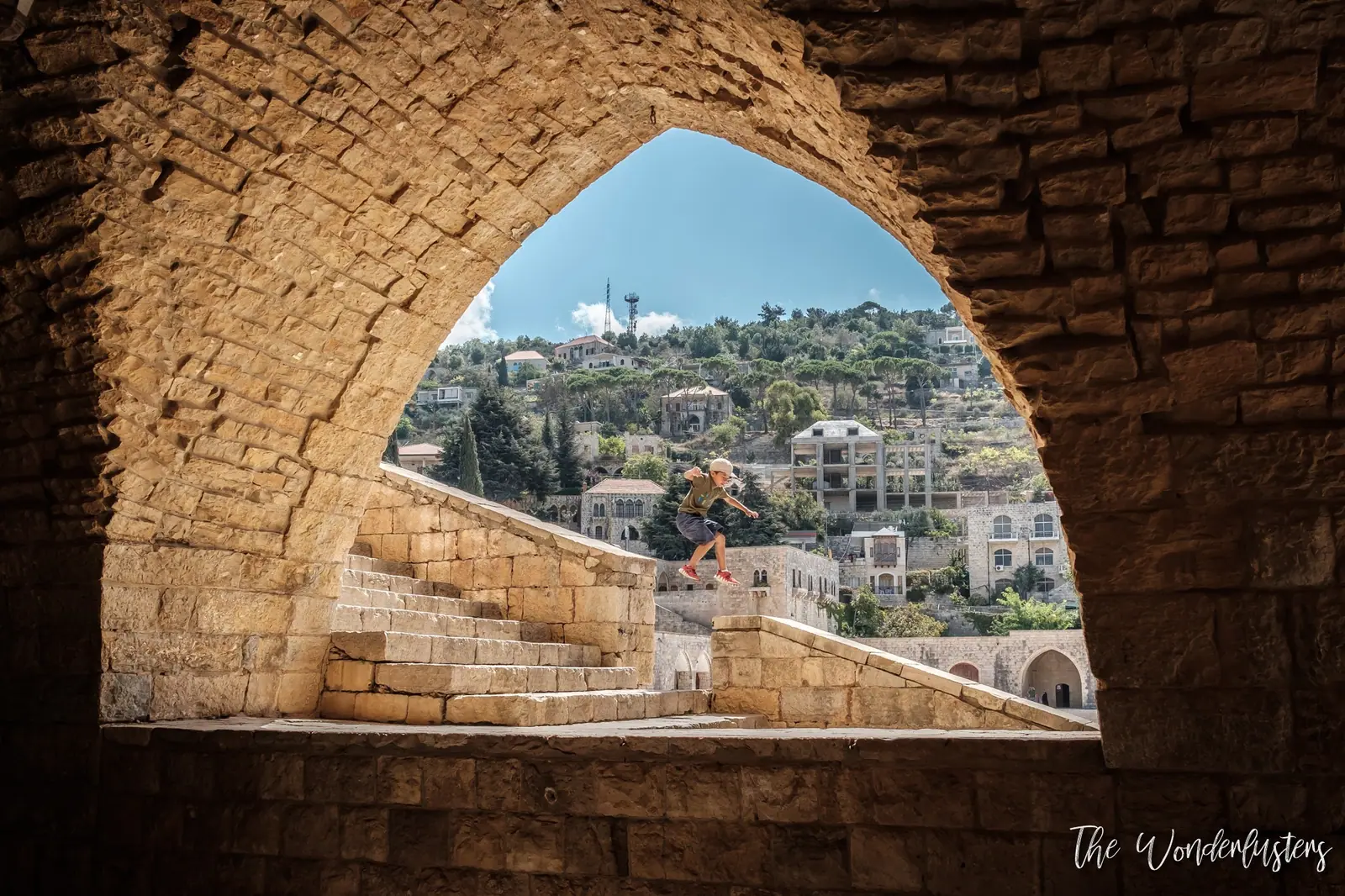
The sumptuous Beiteddine Palace dates from the 18th century and was the seat of the Emirate of Mount Lebanon. Perched on a cliff in the region of Chouf, it’s a very photogenic place. I obviously had to have a bit of fun taking some cliché snaps.
Byblos
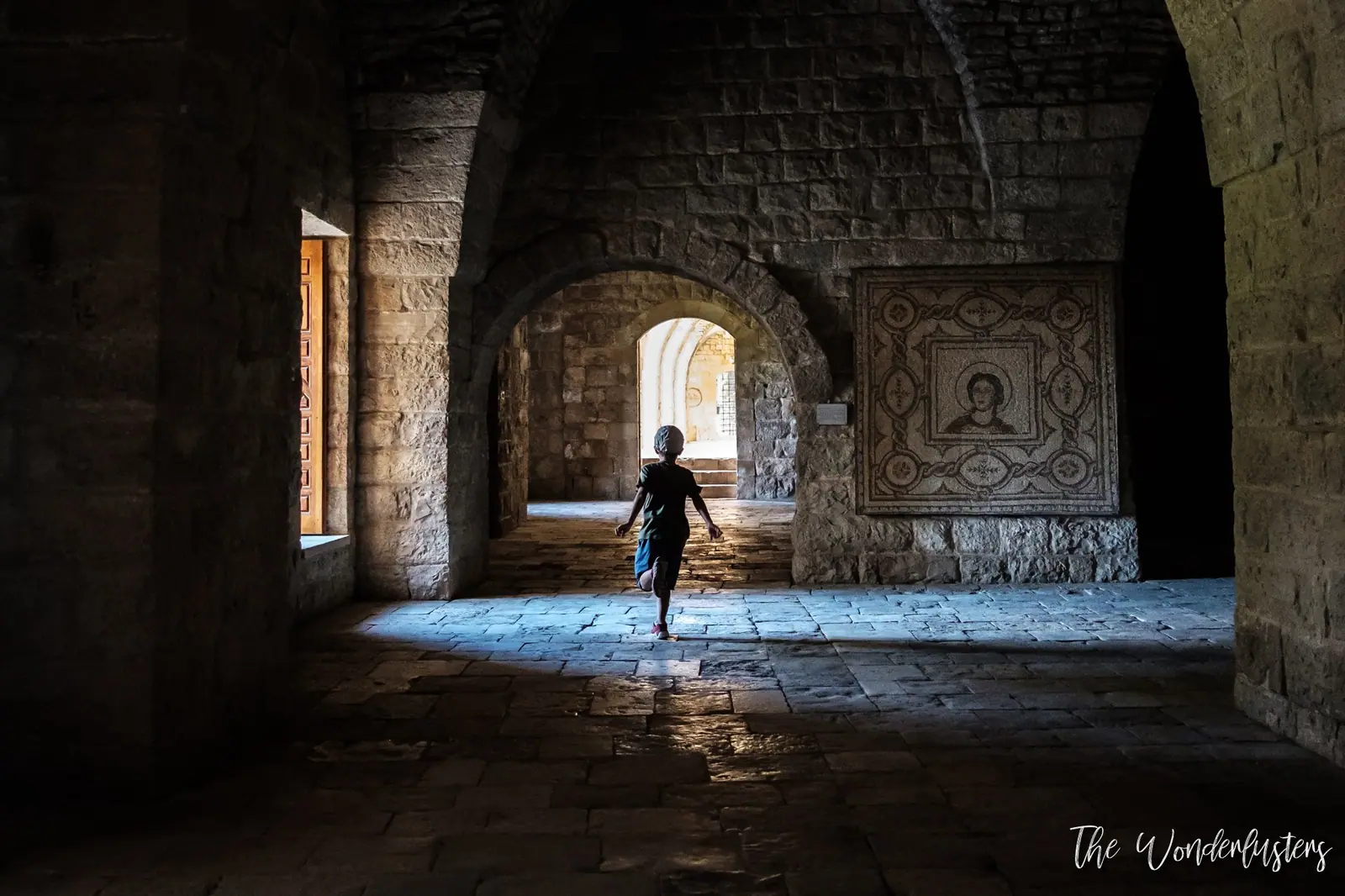
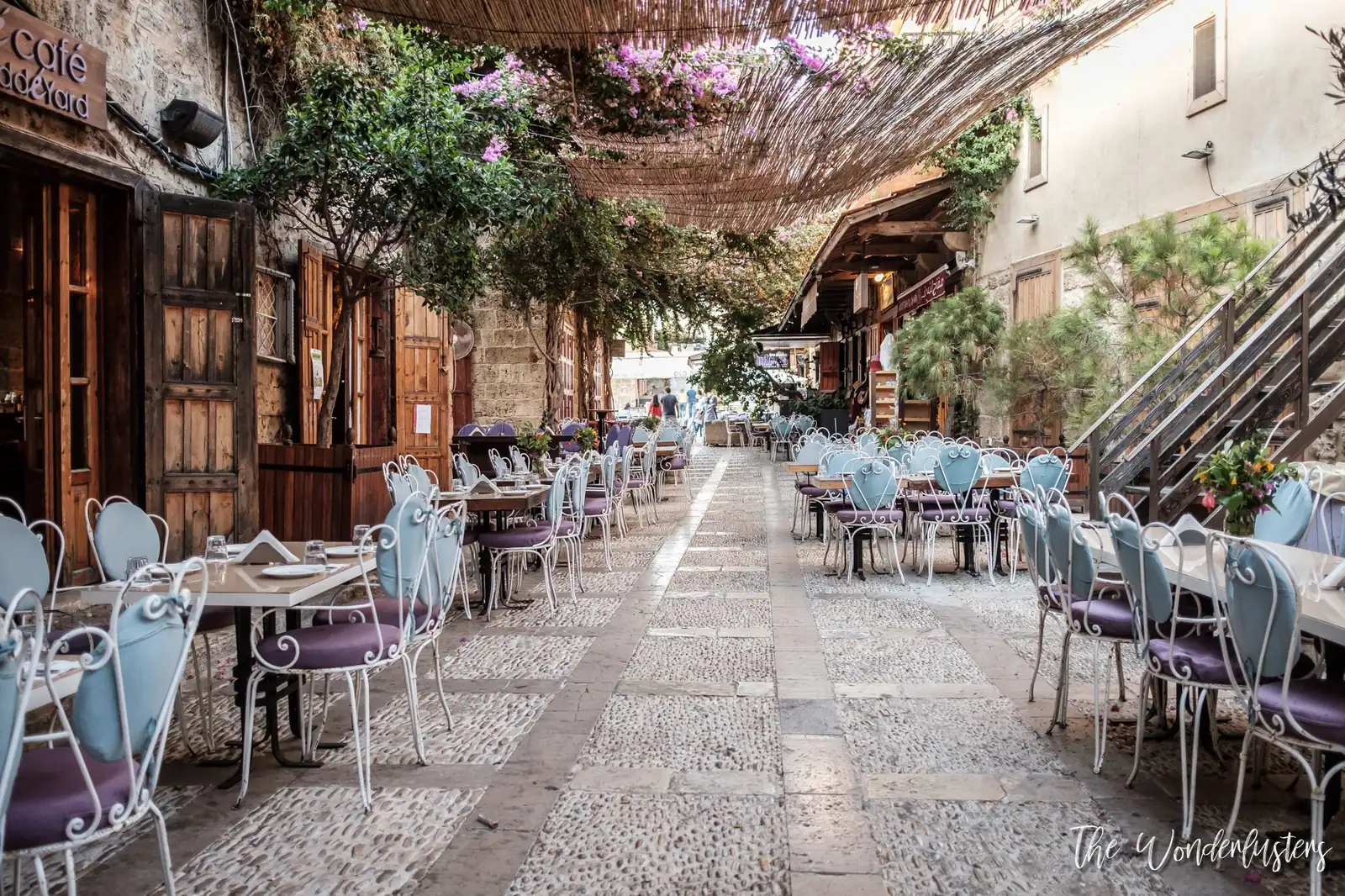
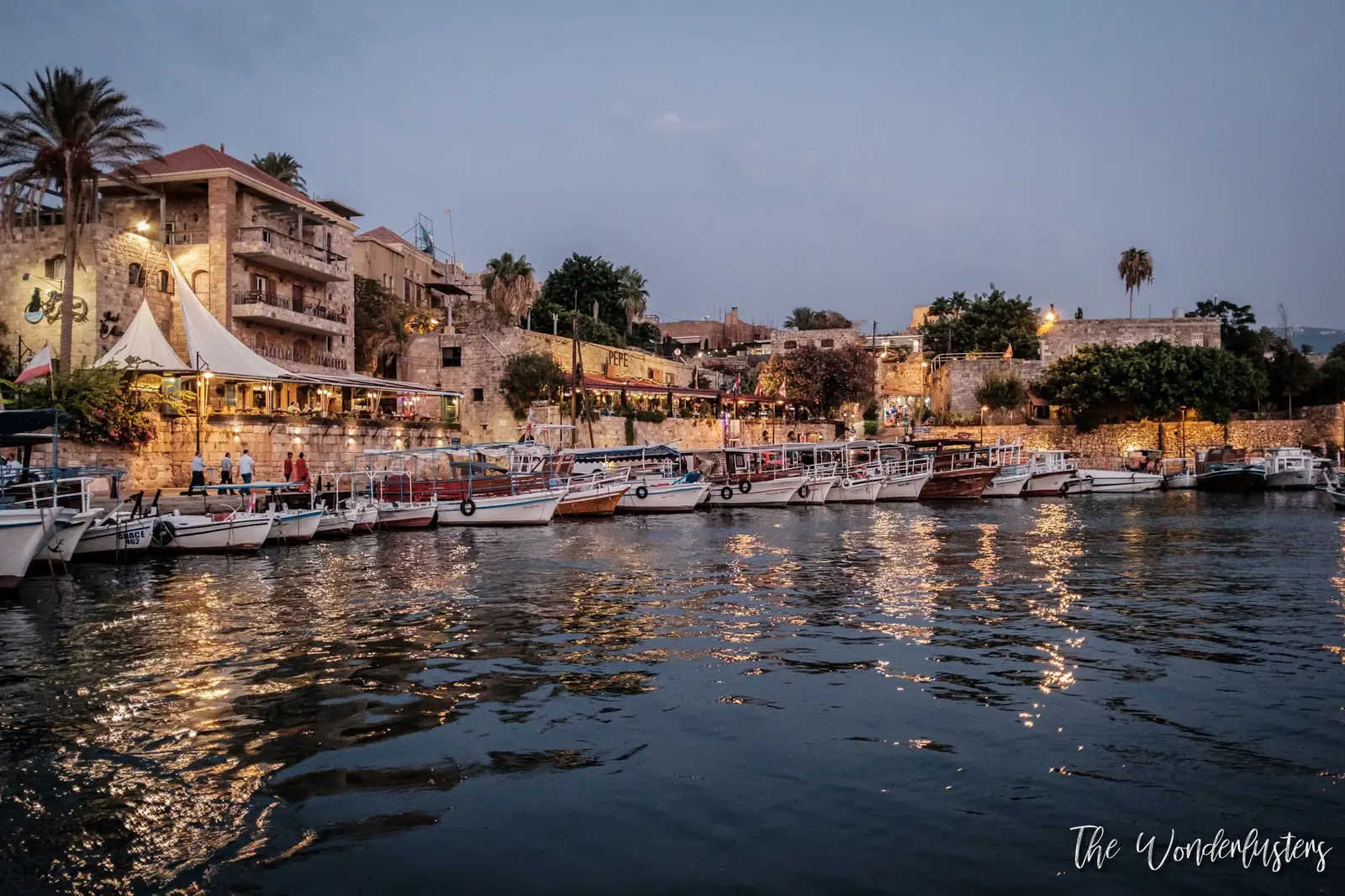
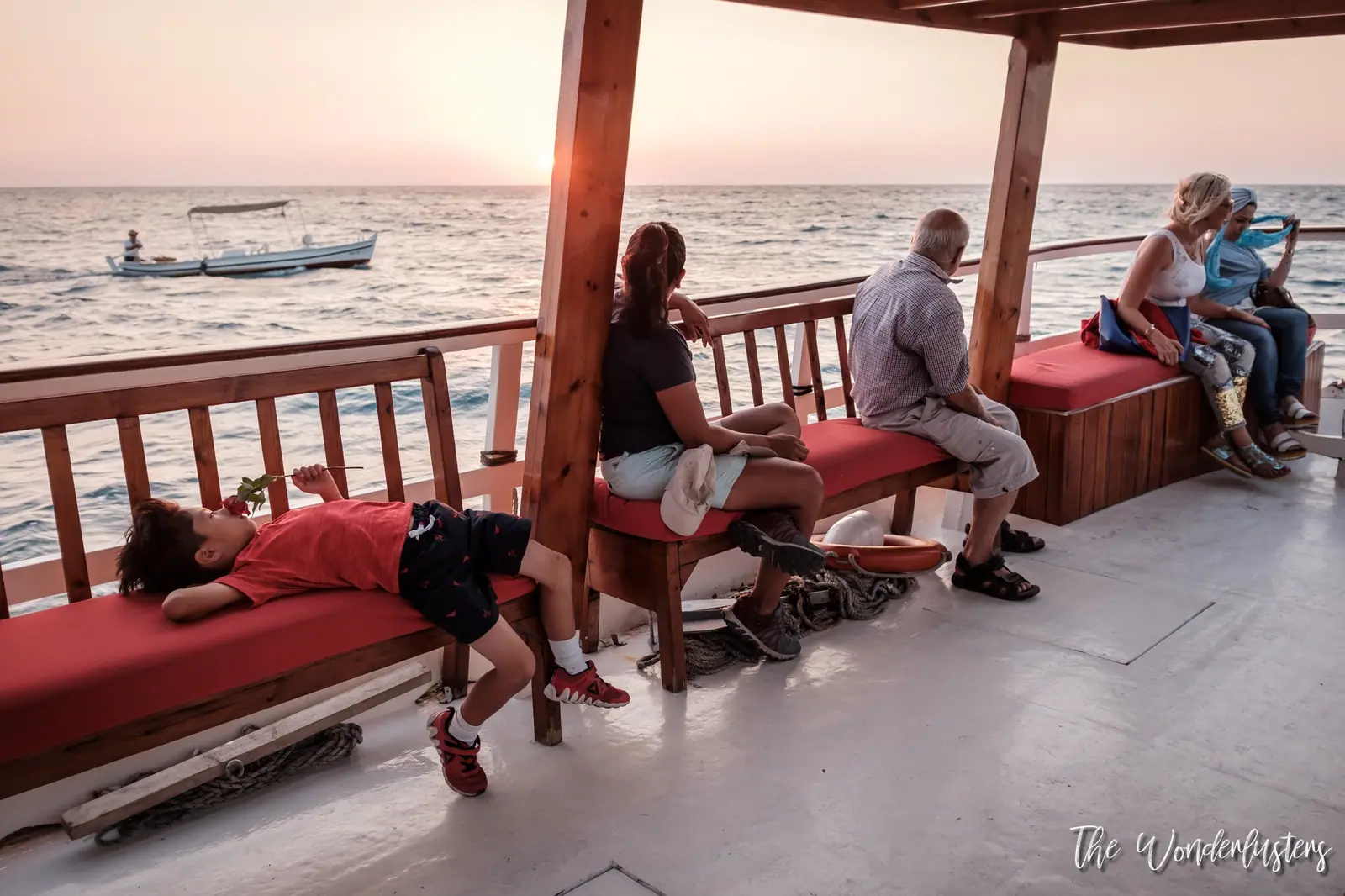
Byblos is the birthplace of the Phoenician civilization, and is considered the 2nd most ancient continuously inhabited city in the world after Damascus. Traces indicate that Byblos, once called Gebal, has been occupied since around 8800 BC, in the Neolithic period. The first alphabet, created by the Phoenicians, was devised here. Because the Phoenicians exported papyrus from Egypt through the city, the Greeks named it Byblos (papyrus, in Greek). We took a boat tour around Byblos to admire the sunset.
Jeita and Jounieh
The Jeita Grotto is an enormous system of caves with a multitude of stalactites and stalagmites, including the biggest known stalactite in the world. It’s a Lebanese national symbol, and made it to the 14 finalists in the competition of the 7 new wonders of the world. Yep, the Lebanese are pretty proud of it! I unfortunately don’t have any photos of the interior of the caves, as cameras were forbidden.
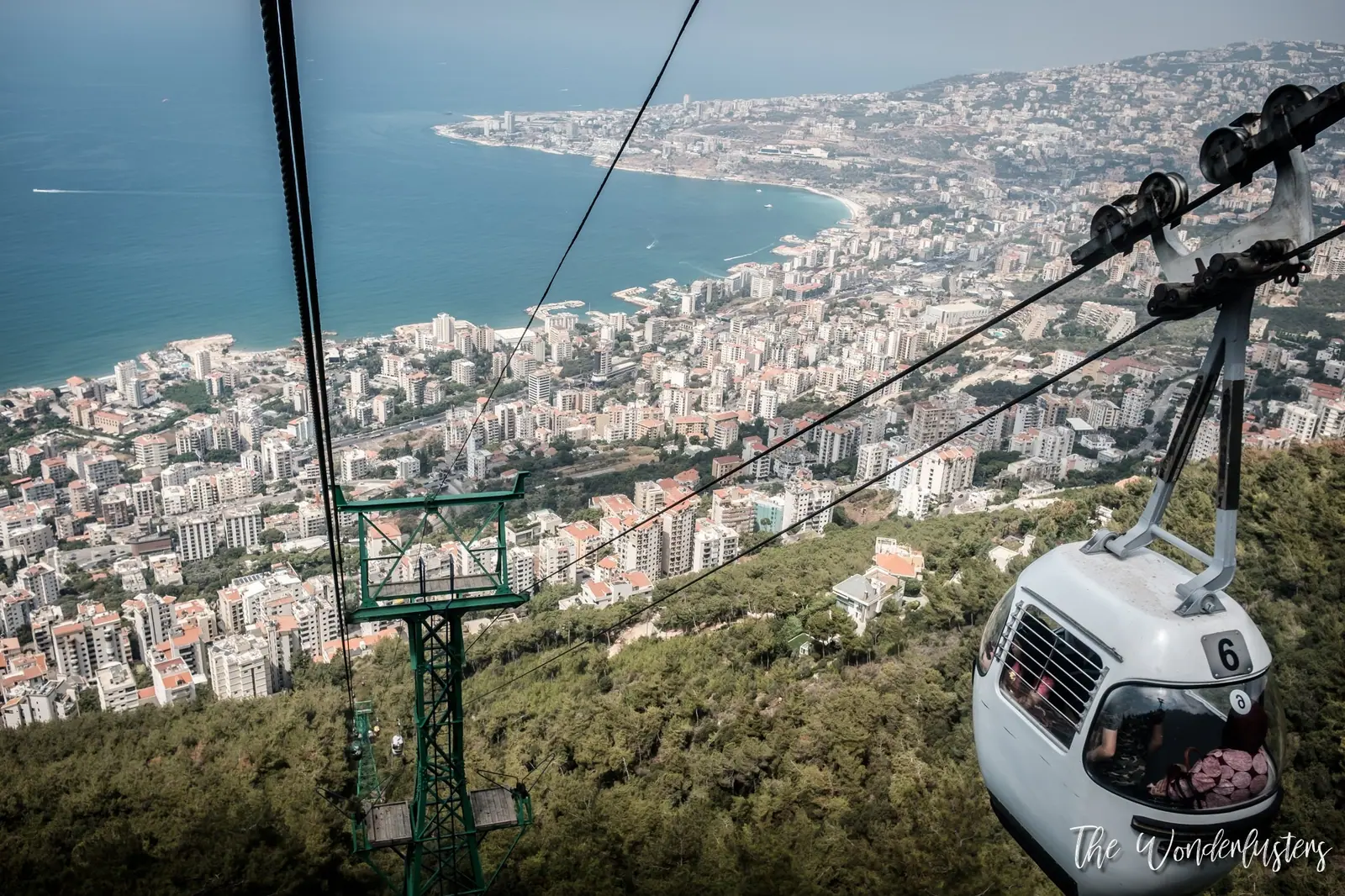
Near Jeita, you can find Jounieh, a town by the sea. We took the cable car to go to Harissa and take in the whole bay of Jounieh. It’s a magnificent viewpoint on the Mediterranean and the coast of Lebanon.
Planning Your Trip to Lebanon
Itinerary
Here are the places we visited:
- Baalbek and its ruins
- Beirut
- Byblos
- Barouk and its cedars
- Damour
- Jeita and its caves
- Jounieh
- Sydon
Impressions
During our September 2018 visit, the geopolitical situation in Lebanon felt relatively stable, though the tension was palpable. Lebanon is the only country in the Middle East with Christianity as an official religion, and it sits at the heart of regional ideological conflicts, with Sunnis (Saudi Arabia and allies) on one side and Shias (Iran and allies) on the other, on top of ongoing friction with its southern neighbor, Israel. At the time, this was compounded by an influx of roughly 2 million Syrian refugees who had joined an existing population of 4 million, not counting the 500,000 Palestinian refugees who had lived there for decades.
Lebanon can give the impression of peaceful religious cohabitation, but the reality we saw was different. The different religious communities don’t mix much; they keep to their own neighborhoods and territories. The one exception seemed to be between Christians and other religious groups. Driving through the Hezbollah-controlled districts was striking: enormous black flags every 20 meters along the motorway made clear whose territory we were in, and the atmosphere felt charged. The visible presence of the Lebanese military gave us some sense of security. In other words, it felt like controlled chaos.
Accommodation and transportation
We spent time in the village of Damour, close to our friend Mirella and her family, who took care of us. For once, I didn’t have to think about any of the trip’s activities, because Mirella planned everything herself. From sunrise, she and her parents made sure we weren’t lacking for anything. They were exceptionally generous, and we used Damour as our base for daily excursions.
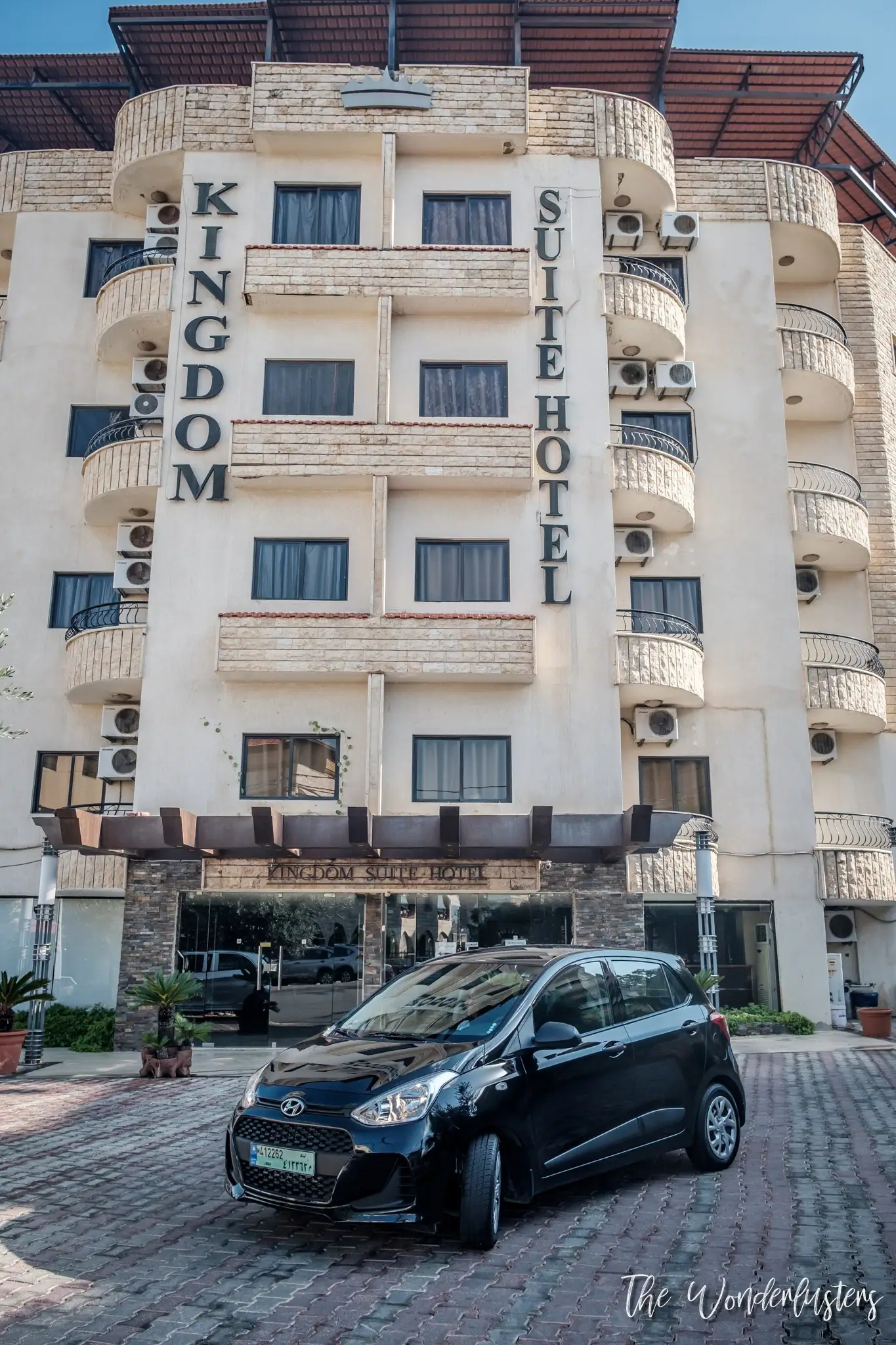
Mirella found us this hotel just a stone’s throw from her place, and we rented a little Hyundai Grand i10 to get around.
A quick word on driving in this country: driving in Lebanon is psychologically challenging, and I had to make myself drive badly to avoid accidents. If I drove in a Western country the way I drove in Lebanon, I would have picked up 10 offenses a minute. To survive, I zig-zagged past cars on the motorway, forgot about indicators, honked constantly, ran red lights and stop signs, and took one-way streets the wrong way. Lane markings are never respected: emergency lanes double as parking and passing lanes, a 2-lane road is driven as a 3-lane road, and a 3-lane road as a 5-lane road. So, rather than watch all three mirrors constantly, I chose to drive as far left as possible and as fast as possible — though speeding wasn’t really an option given how heavy traffic was. I’m proud to say I returned the car without a single new scratch, and Mirella, who doubted my ability to drive in Lebanon at first, had her father congratulate me on being an excellent driver!
Food
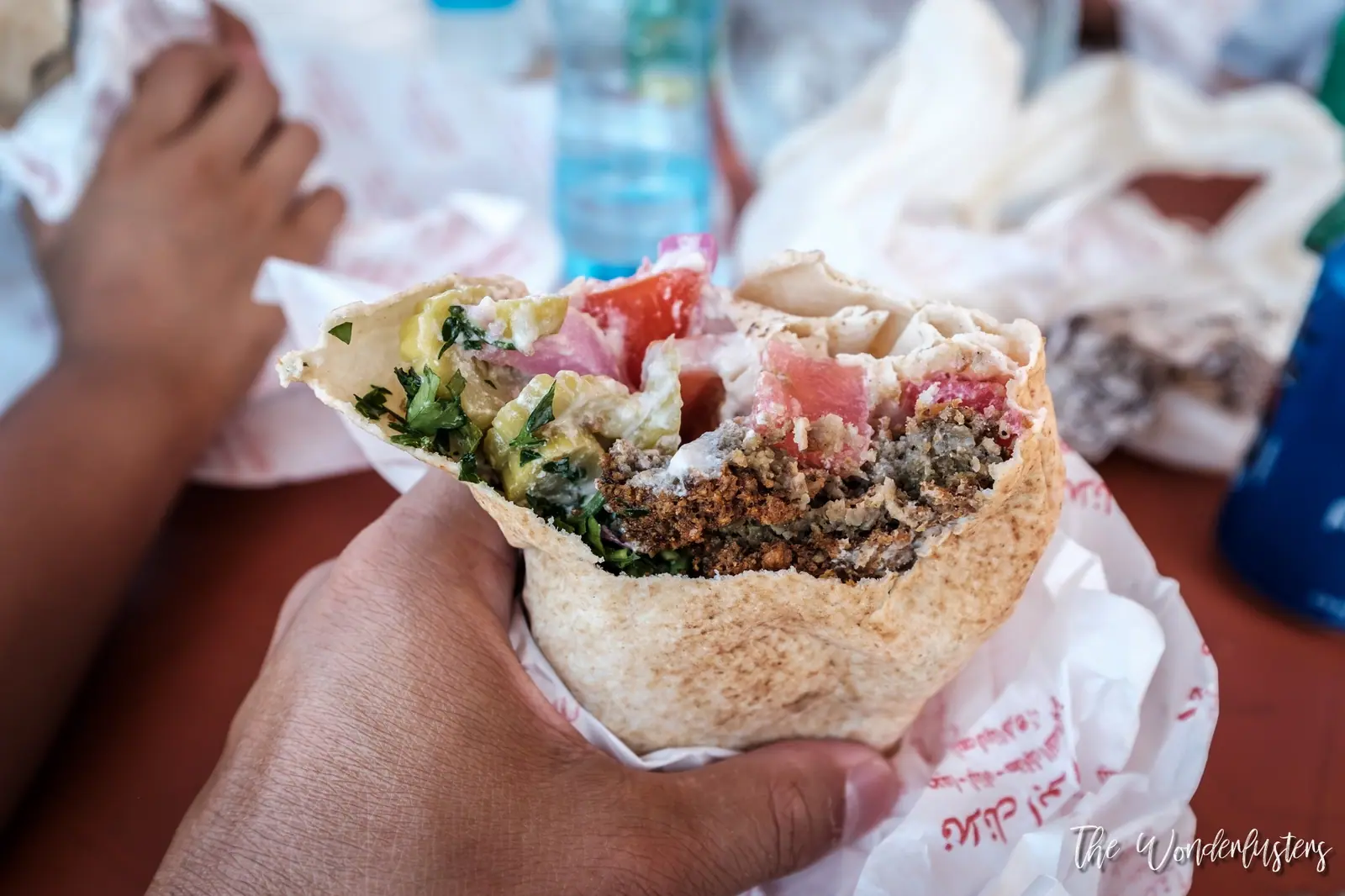
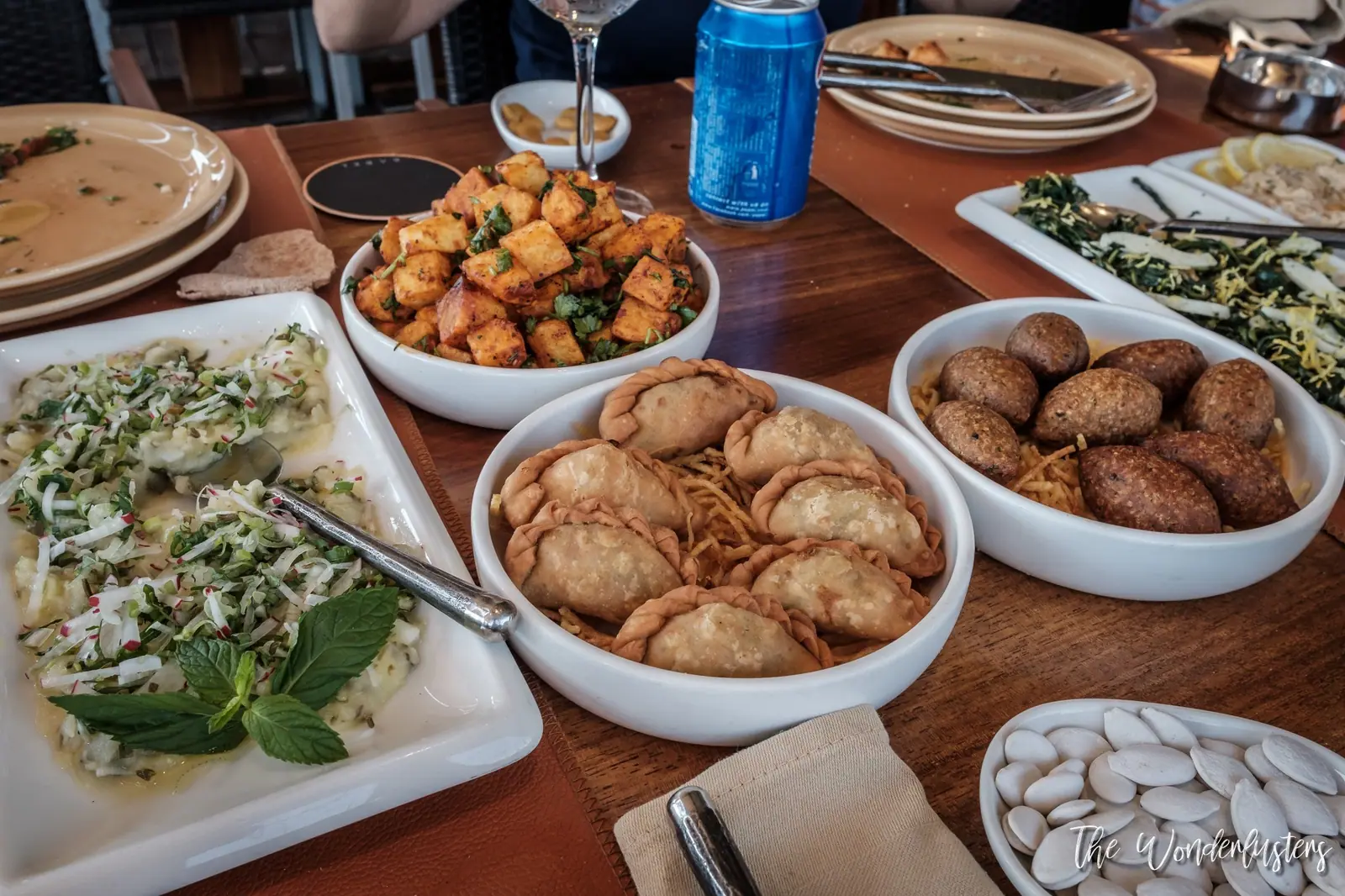
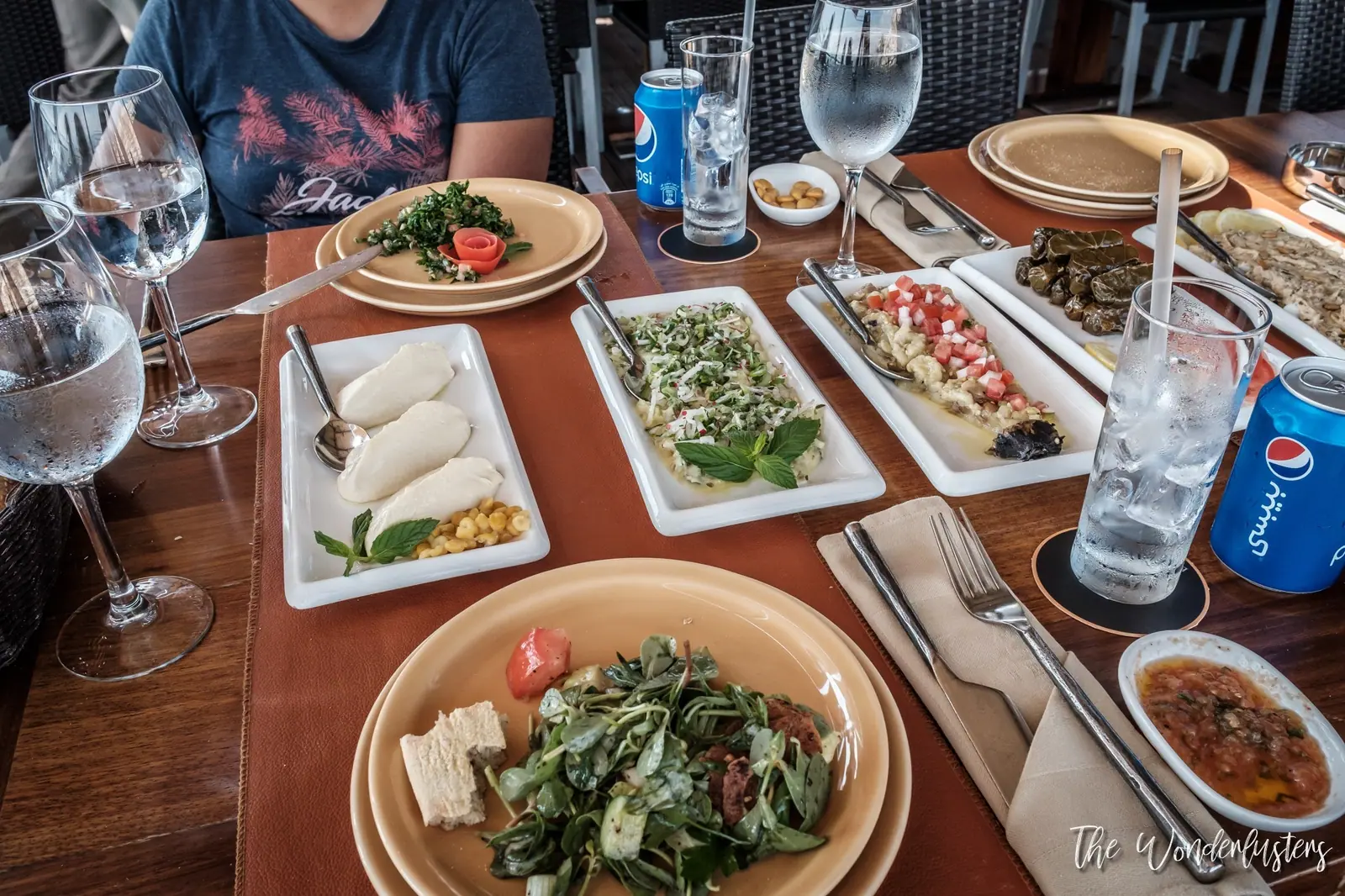
Lebanese cuisine is honestly one of the best in the world. Not surprising that our kids didn’t ask for McDonald’s during our stay in Lebanon. They even found a new 3rd favorite restaurant, after McDonald’s and Burger King.
How Much Does a Trip to Lebanon Cost?
After visiting Turkey, we found Lebanon relatively expensive. But looking back, it’s still pretty affordable. Our expenses for the 8 days were as follows:
2026 update: the exchange rate in this article’s facts (1 USD = 1,500 LBP) reflects the pre-crisis peg, not today’s currency. Lebanon’s central bank devalued the official rate by 90% in February 2023, and the pound has traded around 89,500-90,000 LBP per USD since late 2023 (Al Jazeera). Our costs below are already in USD and are unaffected, but don’t use the 1,500 rate to budget locally today.
- 1278.00 USD;
- 160.00 USD per day;
- 40.00 USD per person per day.
In detail:
| Expense Category | Amount Spent |
|---|---|
| Plane | 147.00 USD |
| Accomodation | 533.00 USD |
| Transport (including gas) | 213.00 USD |
| Eating out | 245.00 USD |
| Groceries | 37.00 USD |
| Activities | 103.00 USD |
| Total | 1278.00 USD |
Conclusion
Thanks to Mirella and her family, Lebanon is certainly one of the countries that excited us most during this world tour, and we shed a tear leaving it. We’d recommend a visit to this wonderful country when the security situation allows it — see the 2026 update above for the current advisory.
Don’t miss our next destination : the Hellenic Republic!
Questions travellers ask
What are the most beautiful places to visit in Lebanon?
Based on our trip: the Roman temples of Baalbek, the cedar forests of Barouk in the Chouf, Sidon's sea castle and souk, Beirut (Raouché and the American University), Beiteddine Palace, Byblos, and the Jeita Grotto near Jounieh.
How many days do you need in Lebanon?
We spent 8 days in Lebanon, covering 635 km by rental car and using the village of Damour as our base for day trips.
How much does a trip to Lebanon cost?
For our family of four, 8 days in Lebanon cost 1,278 USD in 2018 (160 USD per day, 40 USD per person per day), including flights, accommodation, transport, food and activities.
Is it safe to travel to Lebanon?
We visited in September 2018 when the situation felt relatively calm despite underlying tension. Canada's travel advisory has since changed materially - check the current advisory before planning a trip.
What is the Jeita Grotto?
An enormous karstic cave system north of Beirut, home to the world's largest known stalactite. It's a Lebanese national symbol and was a finalist in the New7Wonders of Nature competition.
Comments from readers
Comments are closed. These were left on the original post.
Jenny · December 11, 2020
Oh please fix the typo – I think you meant black fLags!
Poly · December 11, 2020
Fixed it! Thank you very much :)