EuropeSeptember 20195 min read
12 Incredible Places to Visit in Croatia
In short
We spent 9 days in Croatia in July 2019, driving a rental car from Italy and staying in Zadar and Novi Vinodolski. Highlights included Plitvice Lakes, Diocletian's Palace in Split, Trogir, Šibenik, Pula's Roman amphitheatre and Rovinj. The trip cost our family of four 9411 HRK (1,431 USD).
- Dates
- 2019-07-10 to 2019-07-20
- Number of days
- 9
- Cities we visited
- Zadar, Split, Trogir, Sibenik, Pula, Rovinj
- Inbound
- Italy by car
- Outbound
- Italy by car
- Mode of transport
- Rental car
- Distance travelled (car & foot)
- 1776 km
- Number of photos taken
- 3530 (392 per day)
- Currency
- The Croatian Kuna (1 USD = 6.58 HRK)
We spent 9 days in Croatia in July 2019, driving a car we had rented in Italy and using Zadar and Novi Vinodolski as our bases. From there we explored Plitvice Lakes, Split, Trogir, Šibenik, Pula, Rovinj and the beaches of Krk. The trip cost our family of four 9411 HRK (1,431 USD); here are the 12 places we loved most, what we ate and our full budget.
Croatia has a rich historical heritage, shaped by ancient Greek, Roman, Byzantine, Venetian and Austro-Hungarian influences. After the collapse of Yugoslavia, the country fought a war of independence from 1990 to 1995, largely ignored by the rest of the world, and its scars are still visible in the landscape. Croatia’s rise as a popular tourist destination owes a lot to the Game of Thrones TV series.
12 Incredible Places to Visit in Croatia
Zadar
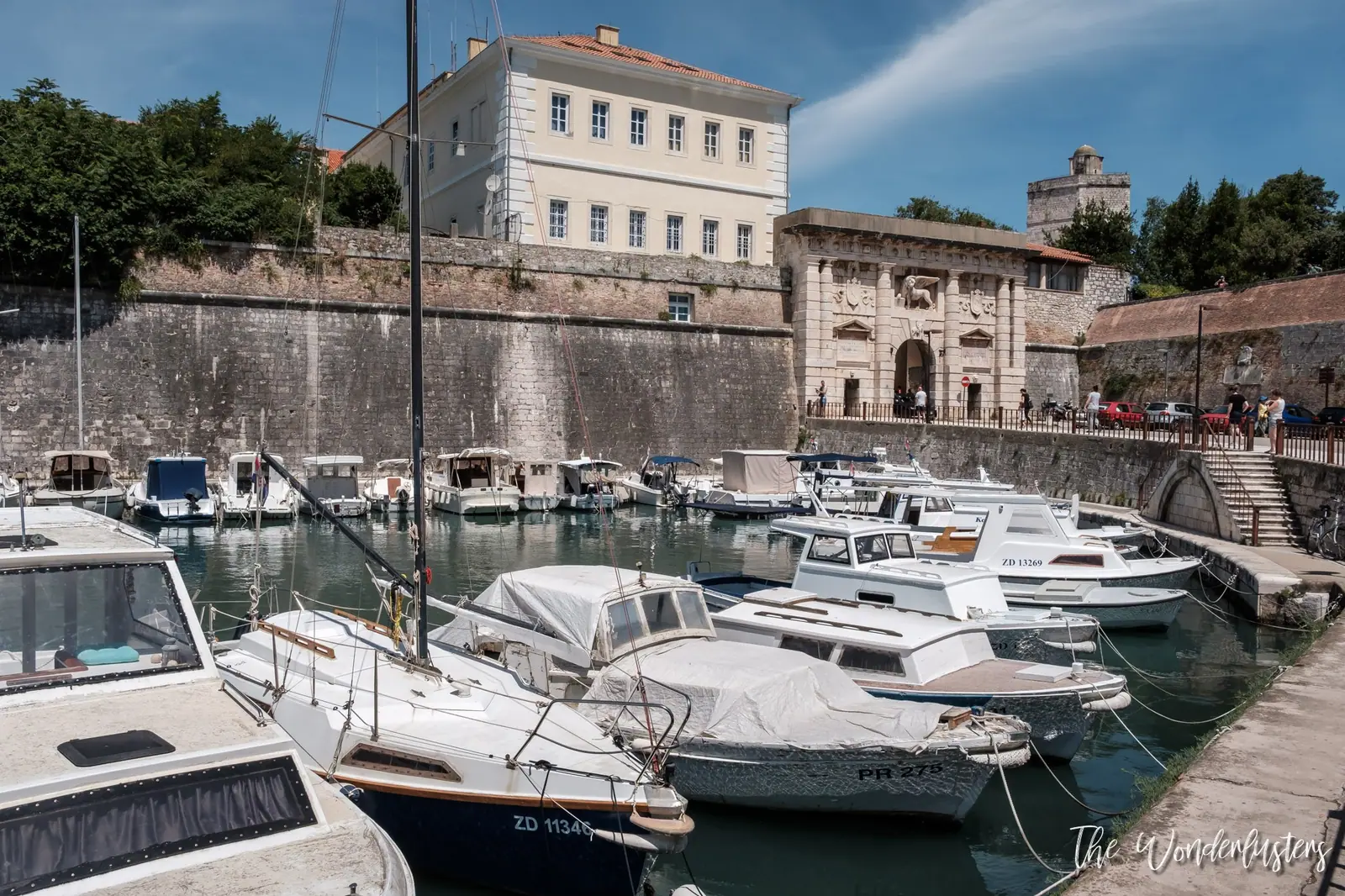
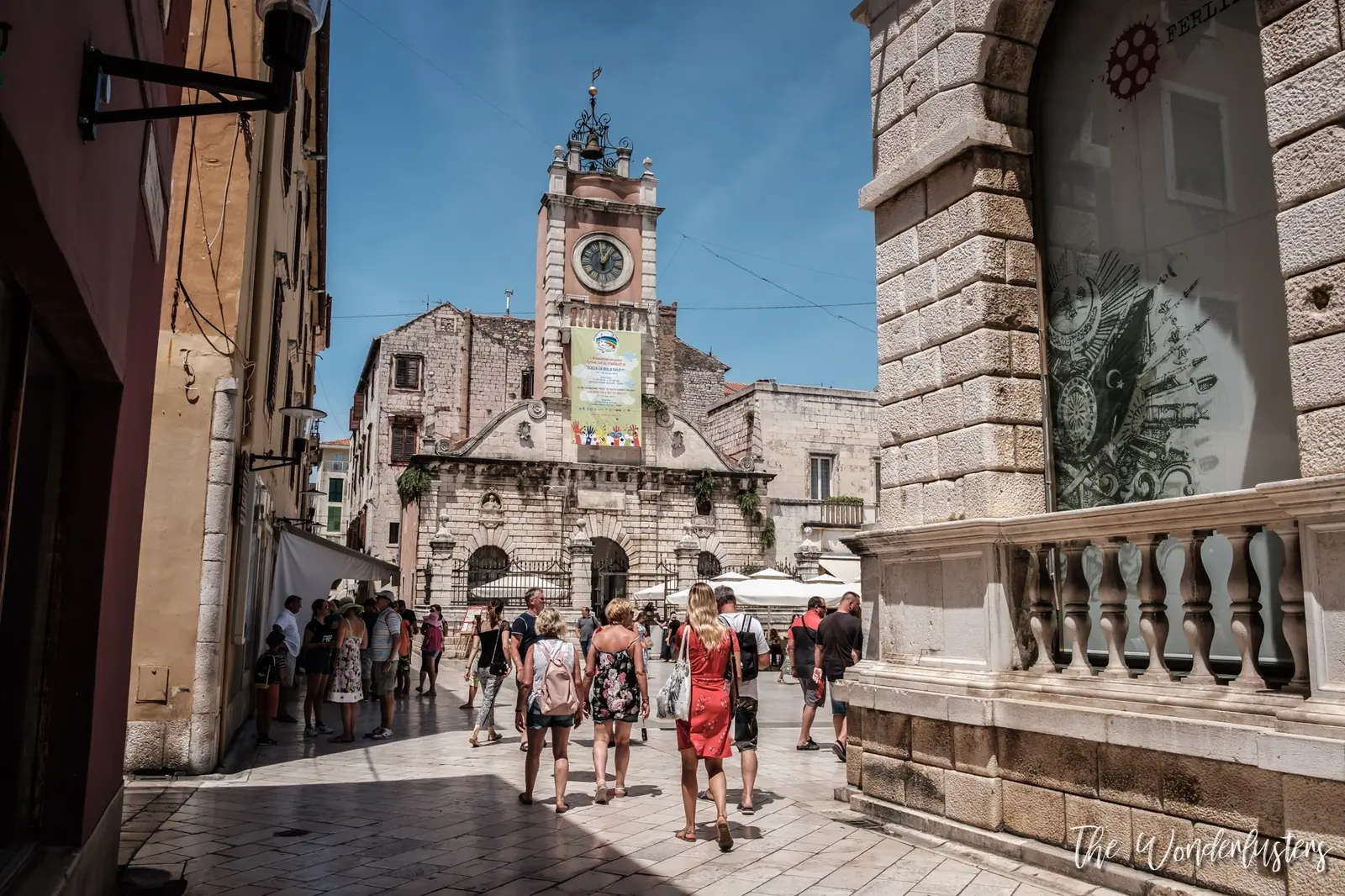
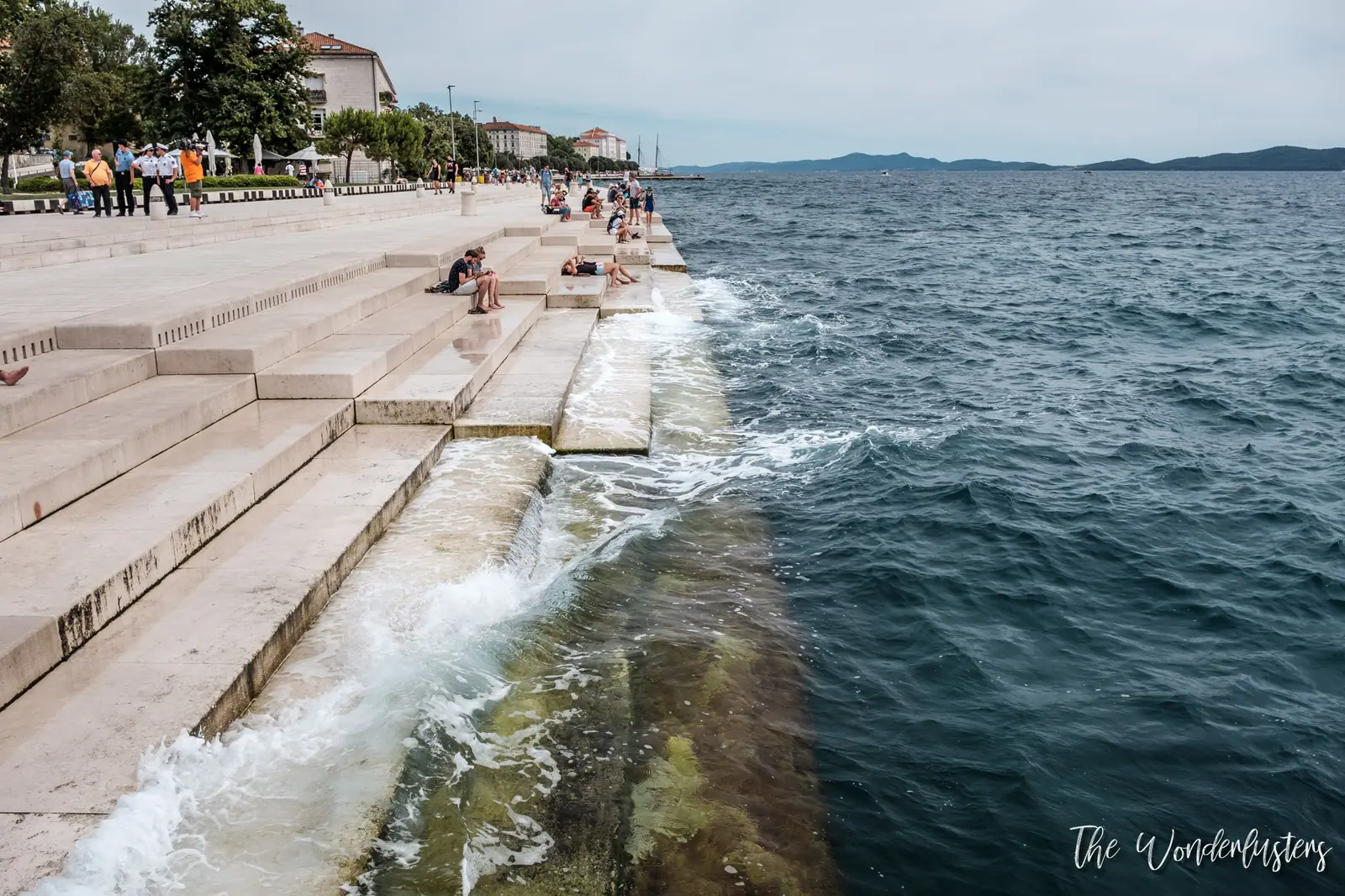
Zadar is a fortified city between the Adriatic Sea and the mountains. Its architecture bears the strong imprint of the Romans, the Venetians and the Austro-Hungarians. We fell for a one-of-a-kind work of art: the Sea Organ, a set of stone steps pierced with holes that produce random sounds as the wind and waves hit them.
Nin
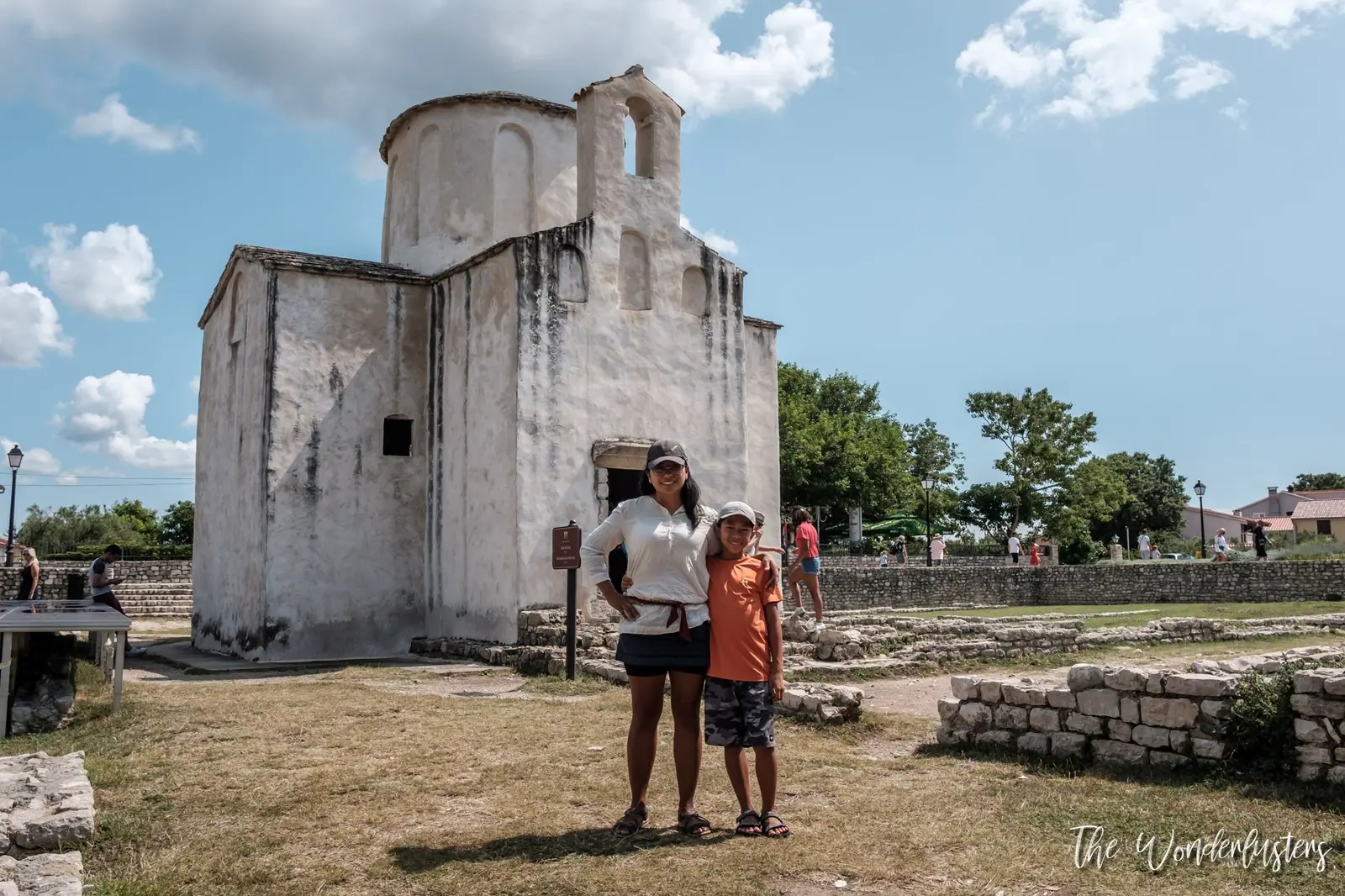
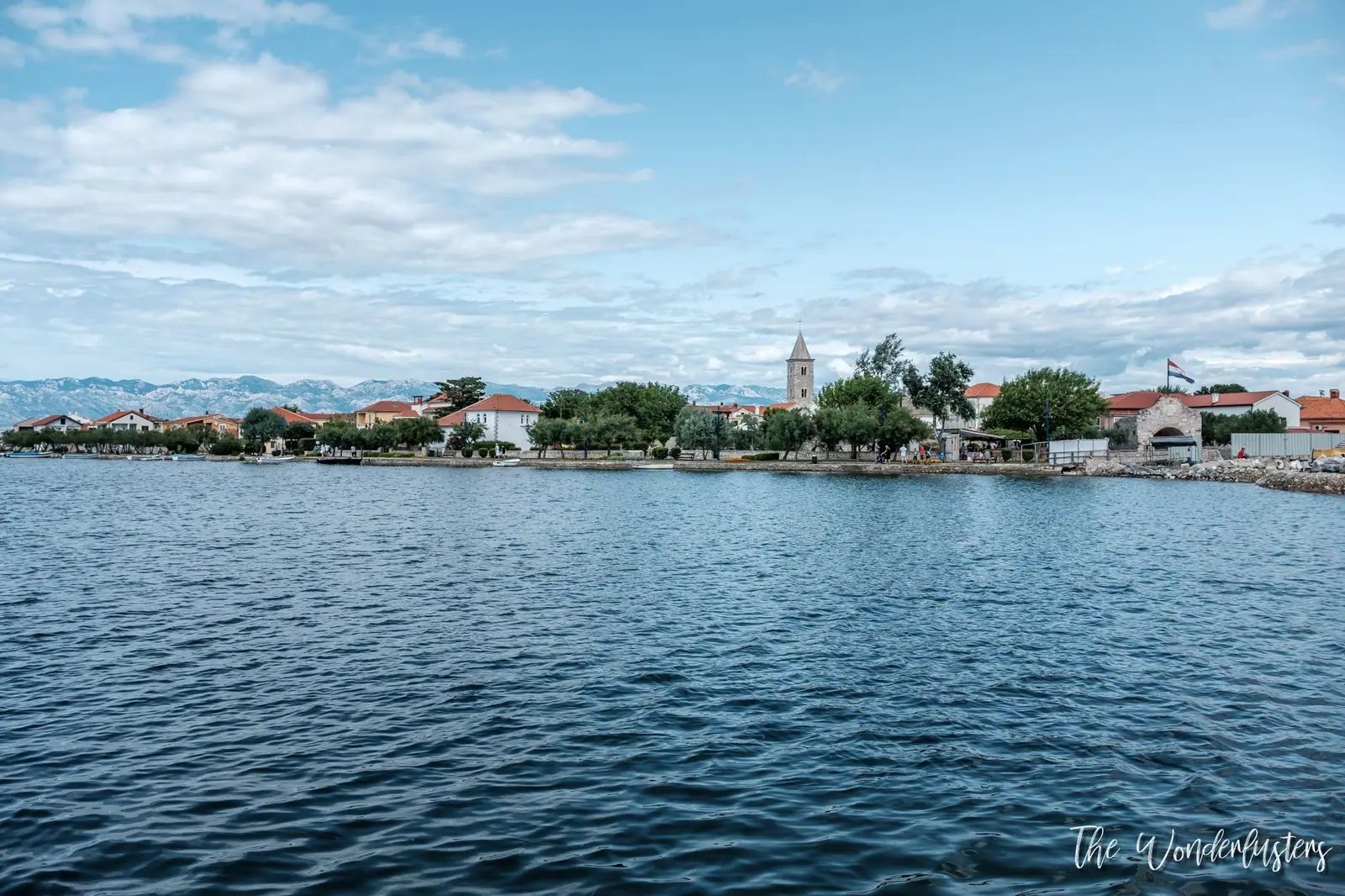
A few kilometres from Zadar lies Nin, the first Croatian capital. With 1256 inhabitants (2001 census), it is a tiny town on a tiny island in the middle of a lagoon, but it has 3000 years of history. In this cradle of Croatia and former royal town, you can visit the ruins of the largest Roman temple on the Adriatic and the Church of the Holy Cross, often called the smallest cathedral in the world. The kids enjoyed the sandy beach on the Nin lagoon, with an exceptional view of the mountains.
Plitvice Lakes National Park
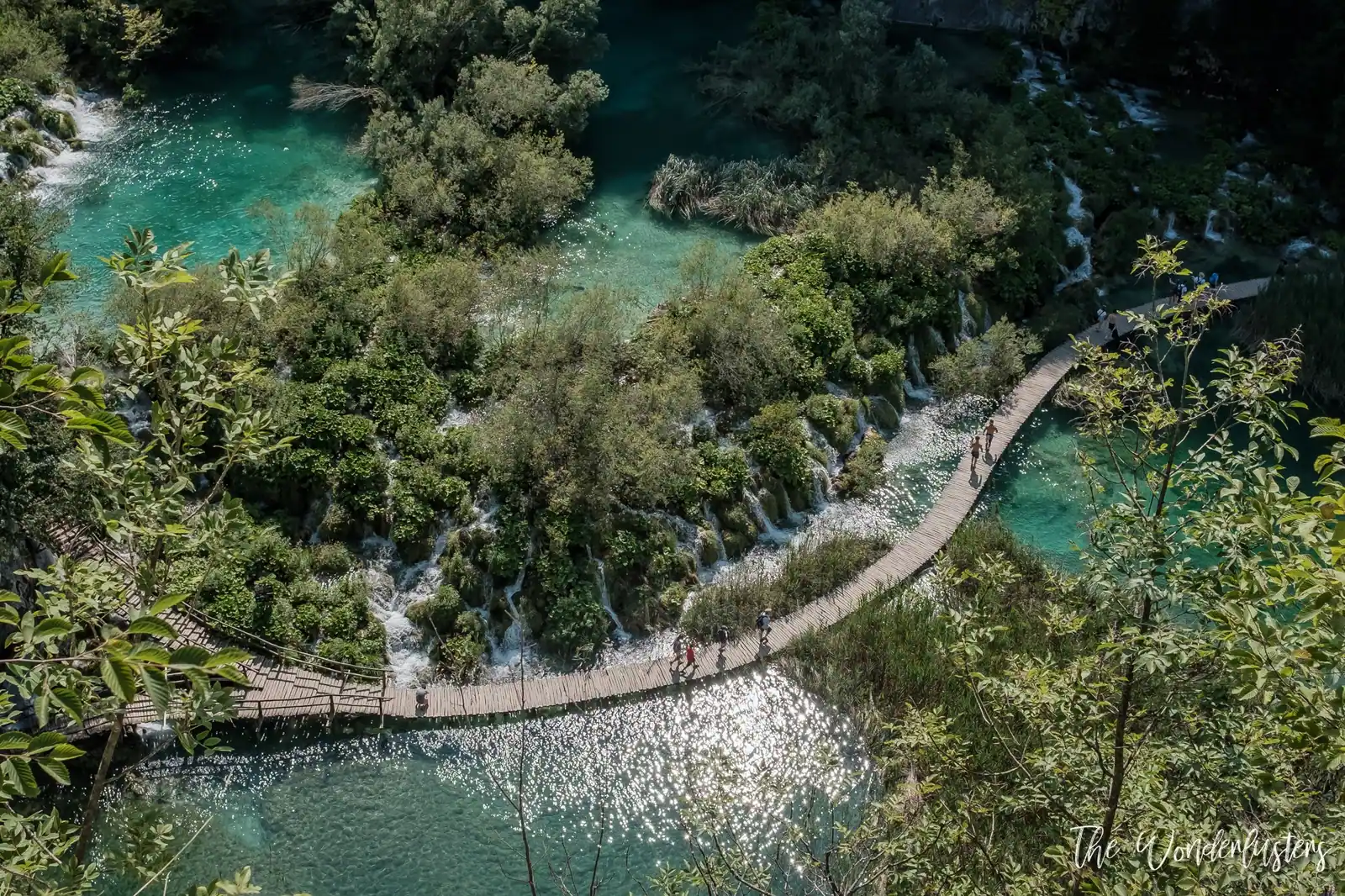
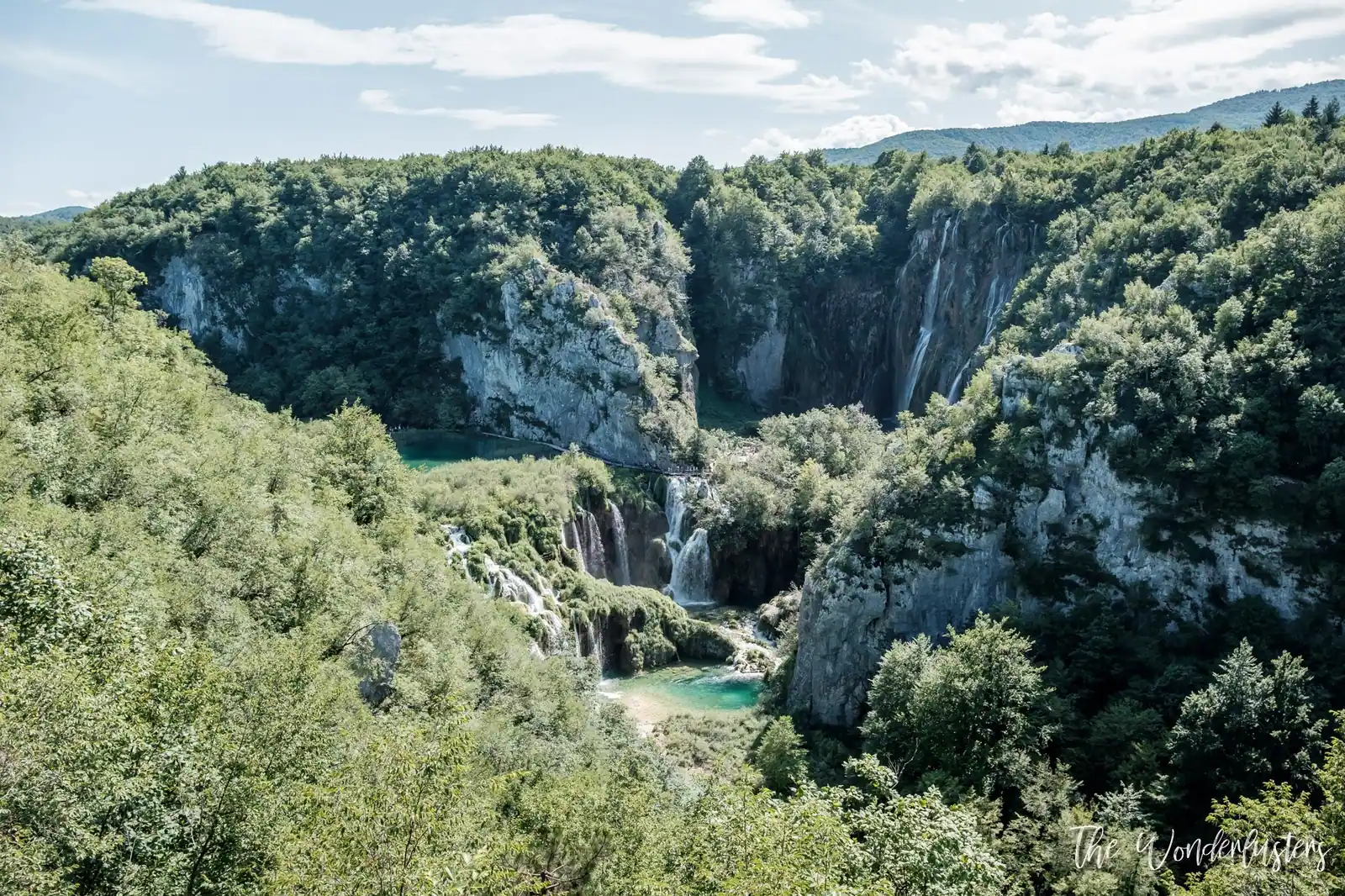
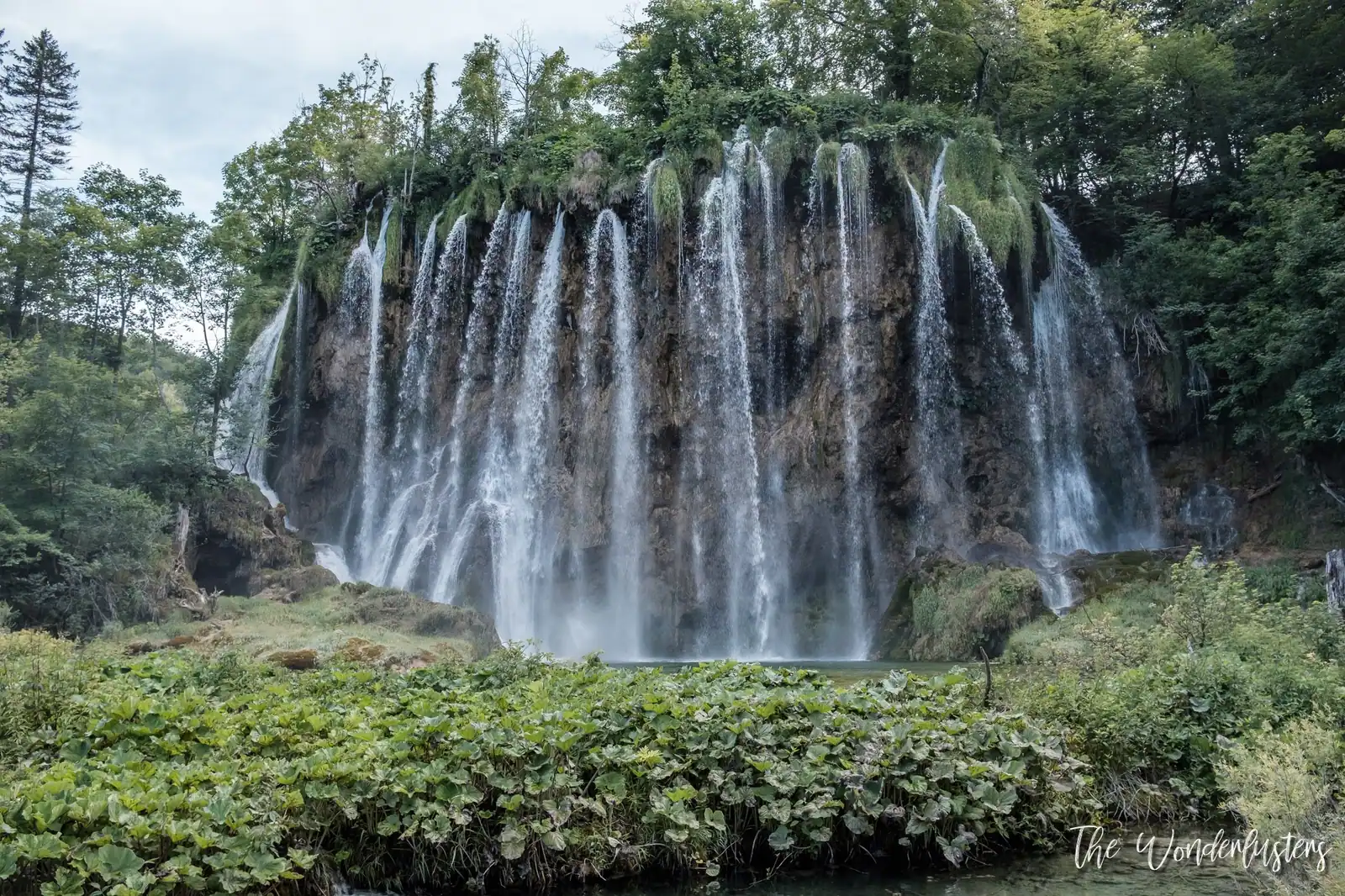
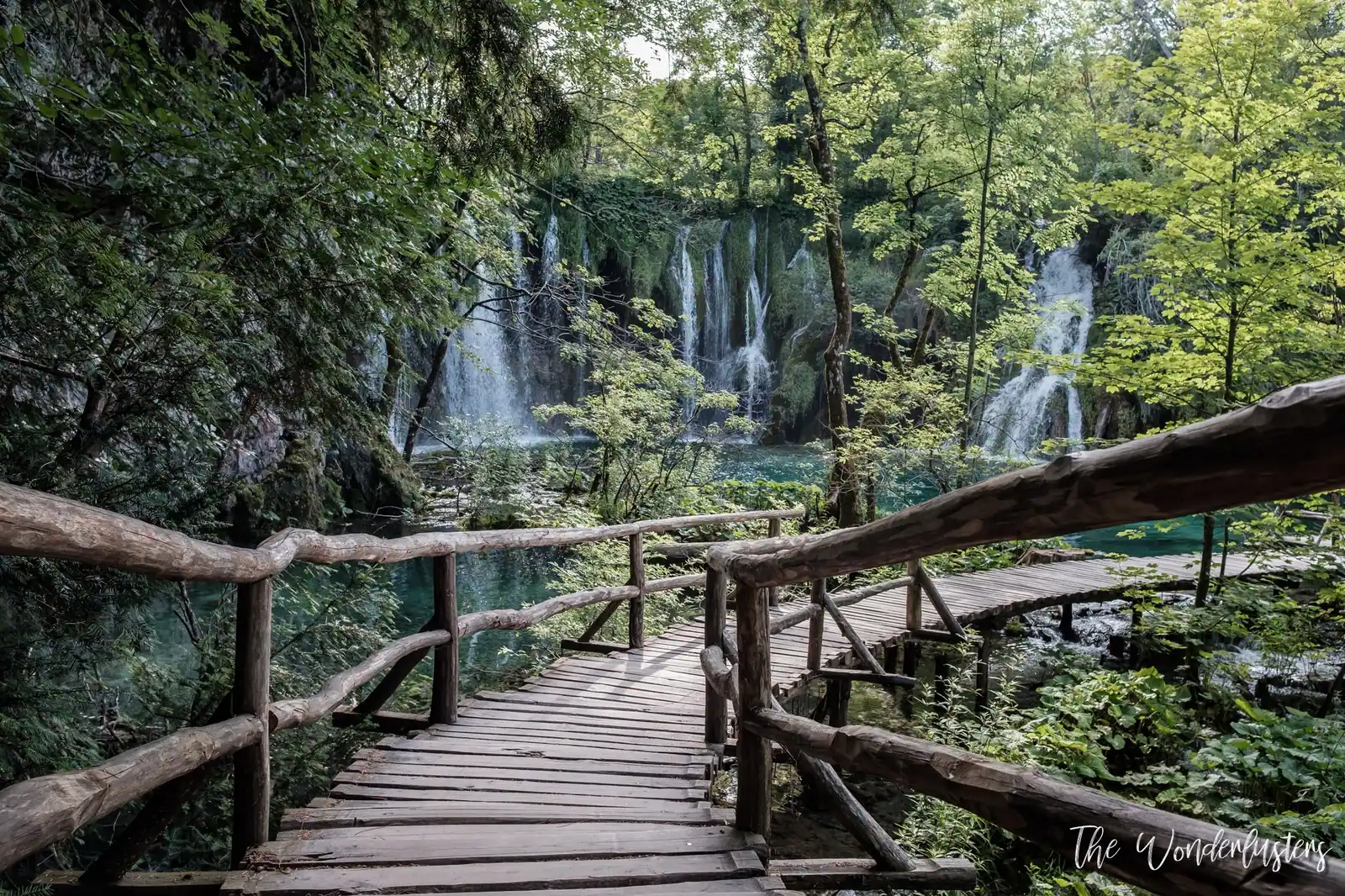
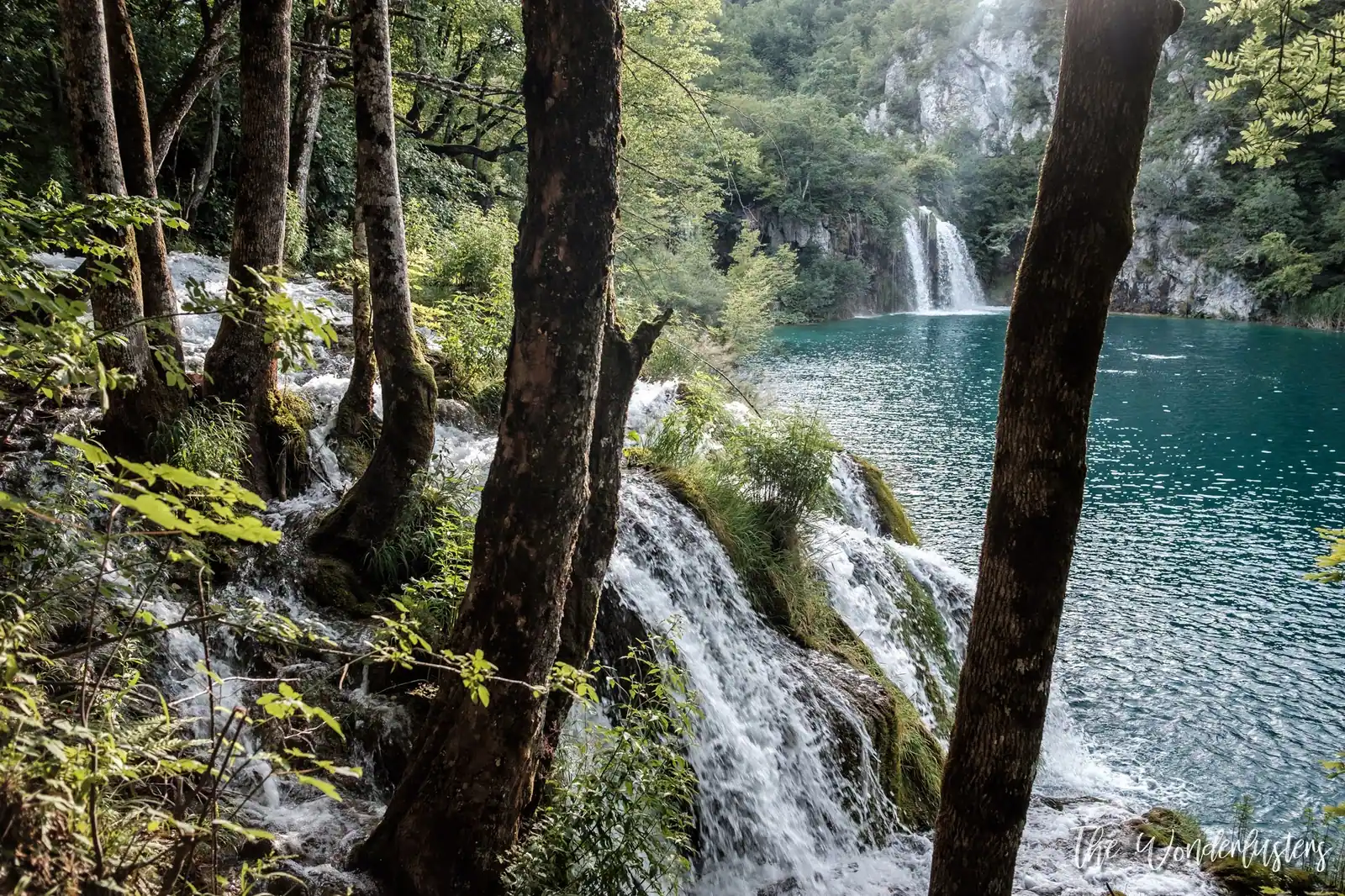
Of all the national parks we have visited, Plitvice Lakes National Park is among the most beautiful. Its sixteen lakes are linked by 92 natural waterfalls, and the water is remarkably clear, ranging from emerald green to turquoise blue. This UNESCO World Heritage Site is a true natural masterpiece and a must-see in Croatia.
2026 update: The park strongly recommends buying tickets in advance on its official webshop. Each ticket is valid for a set entry time, and tickets are sold at the entrance only if some are still available (source).
Split and Klis Fortress
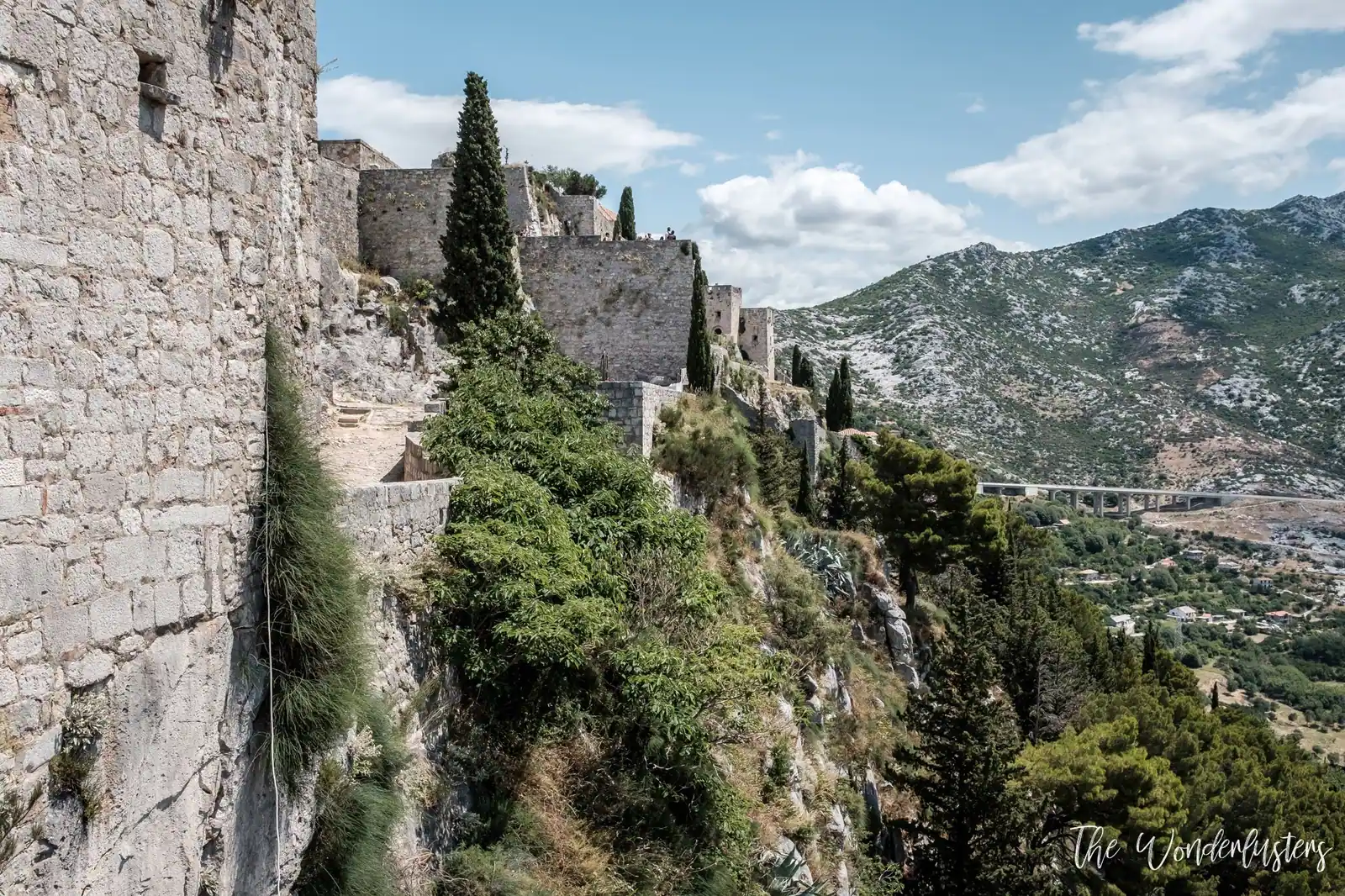
Founded in the 8th century, Klis Fortress is truly impressive. From its heights, we had a superb panoramic view over Split.
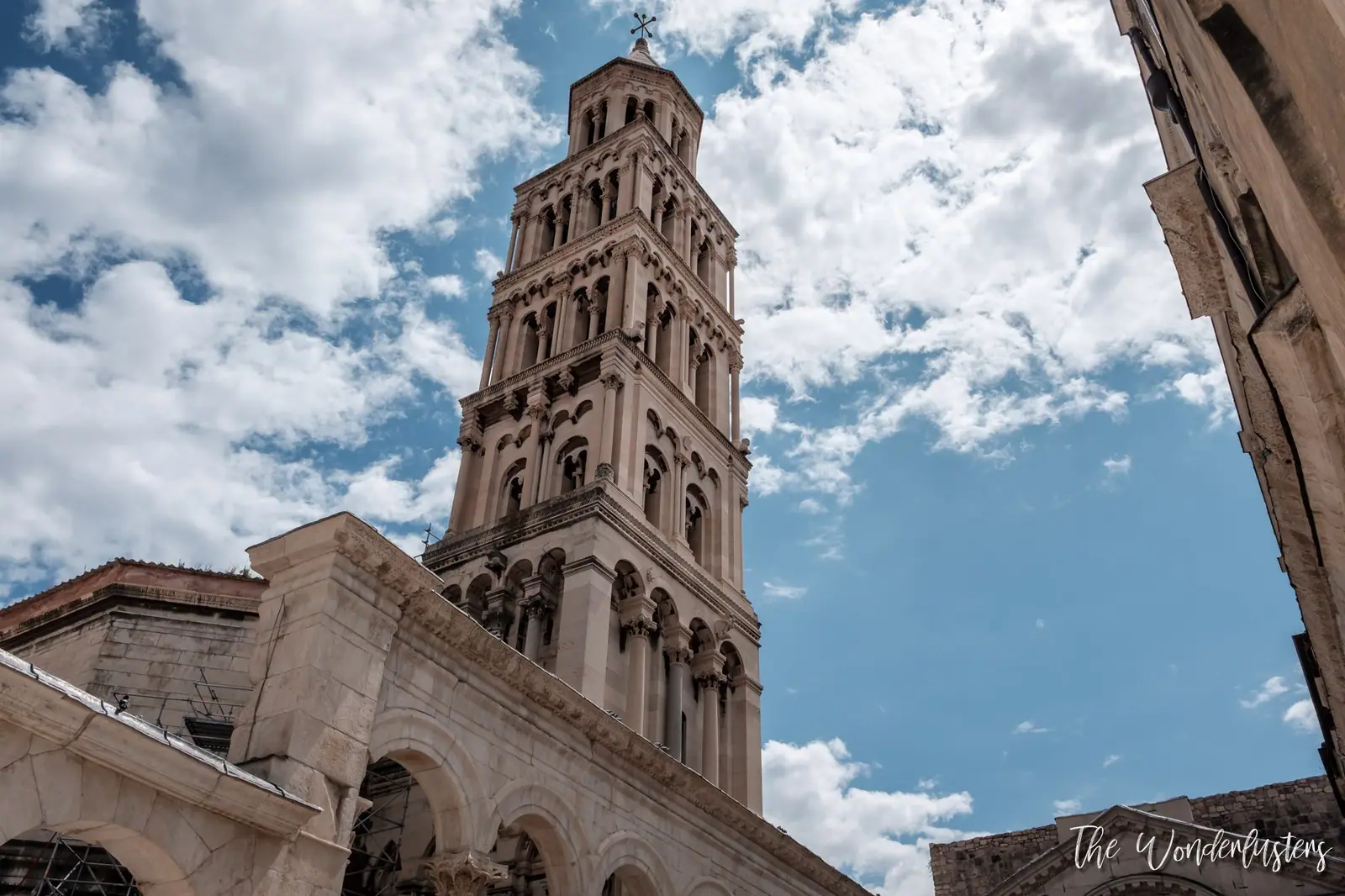
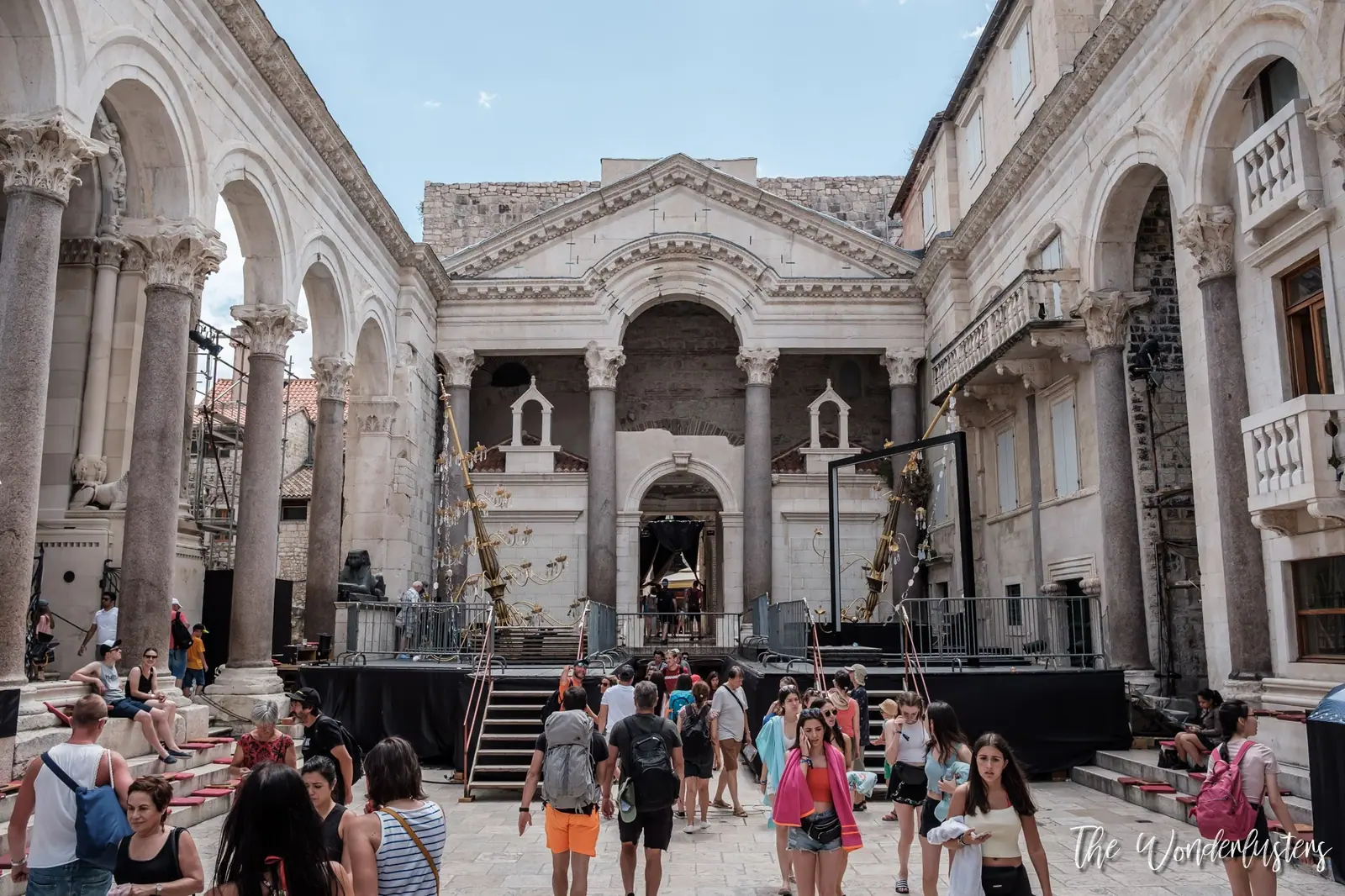
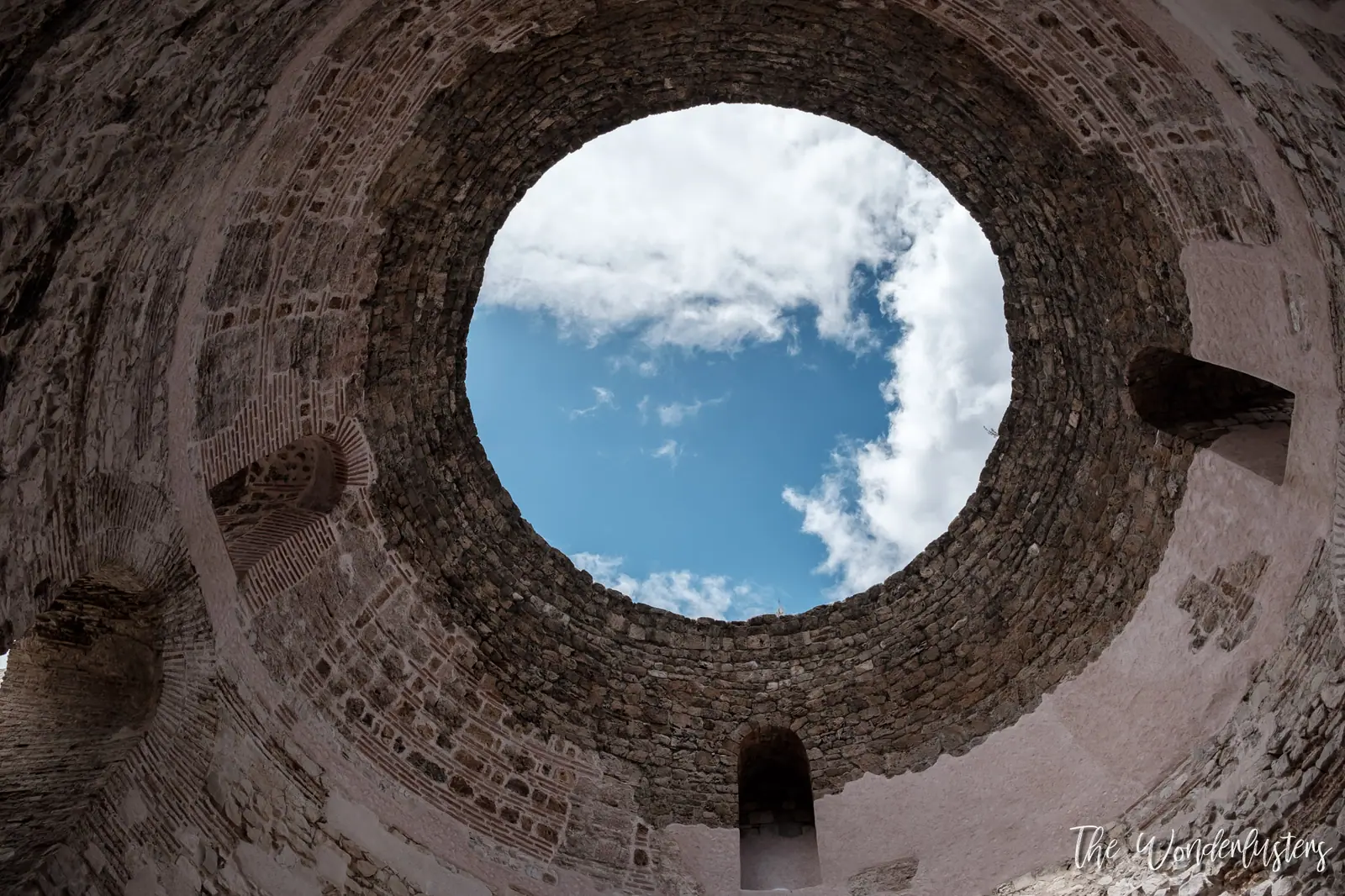
Split, the second-largest city in Croatia, has the unusual distinction of having been built inside, and then around, the enormous palace of the Roman emperor Diocletian, a UNESCO World Heritage Site.
Trogir
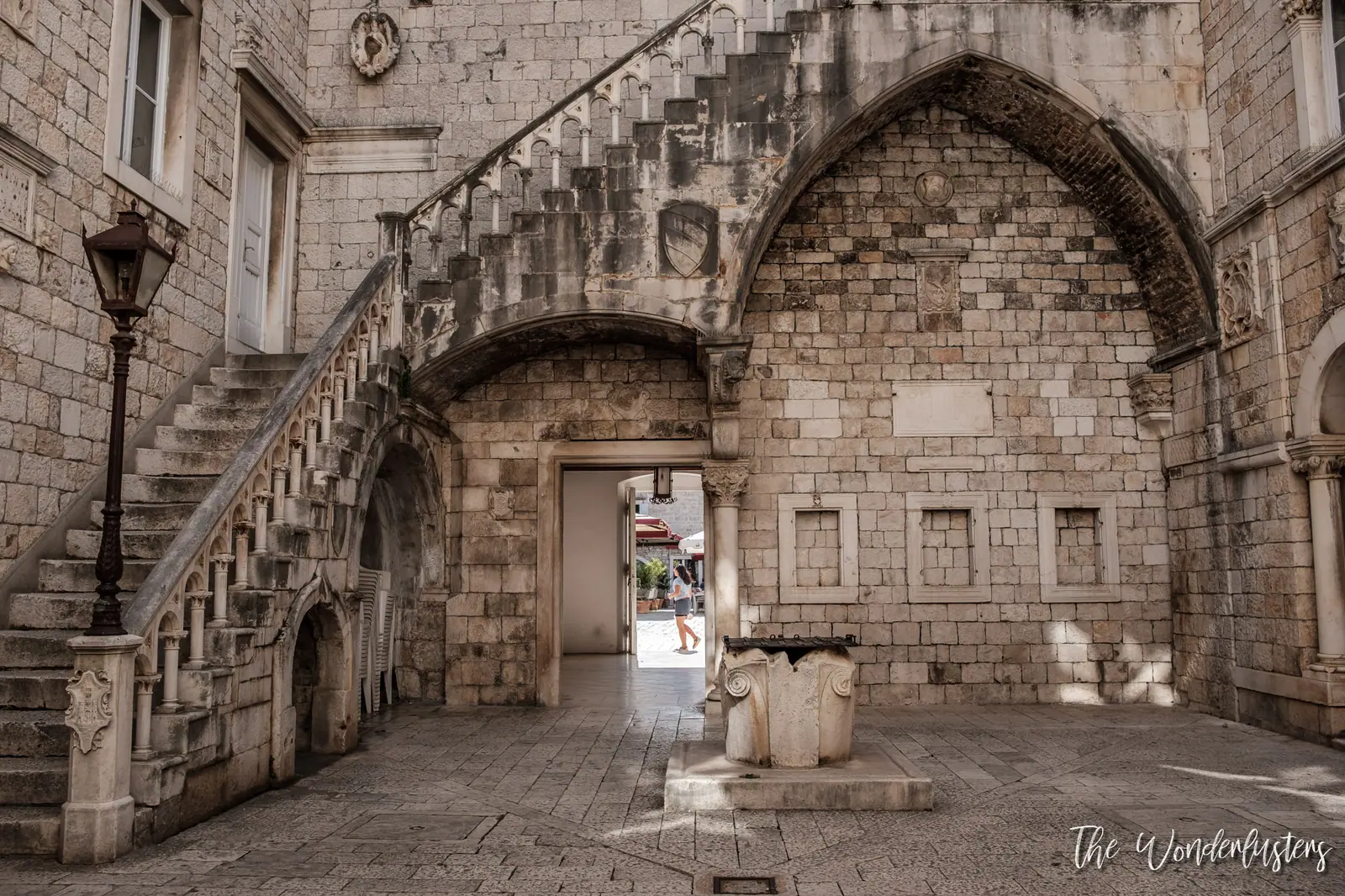
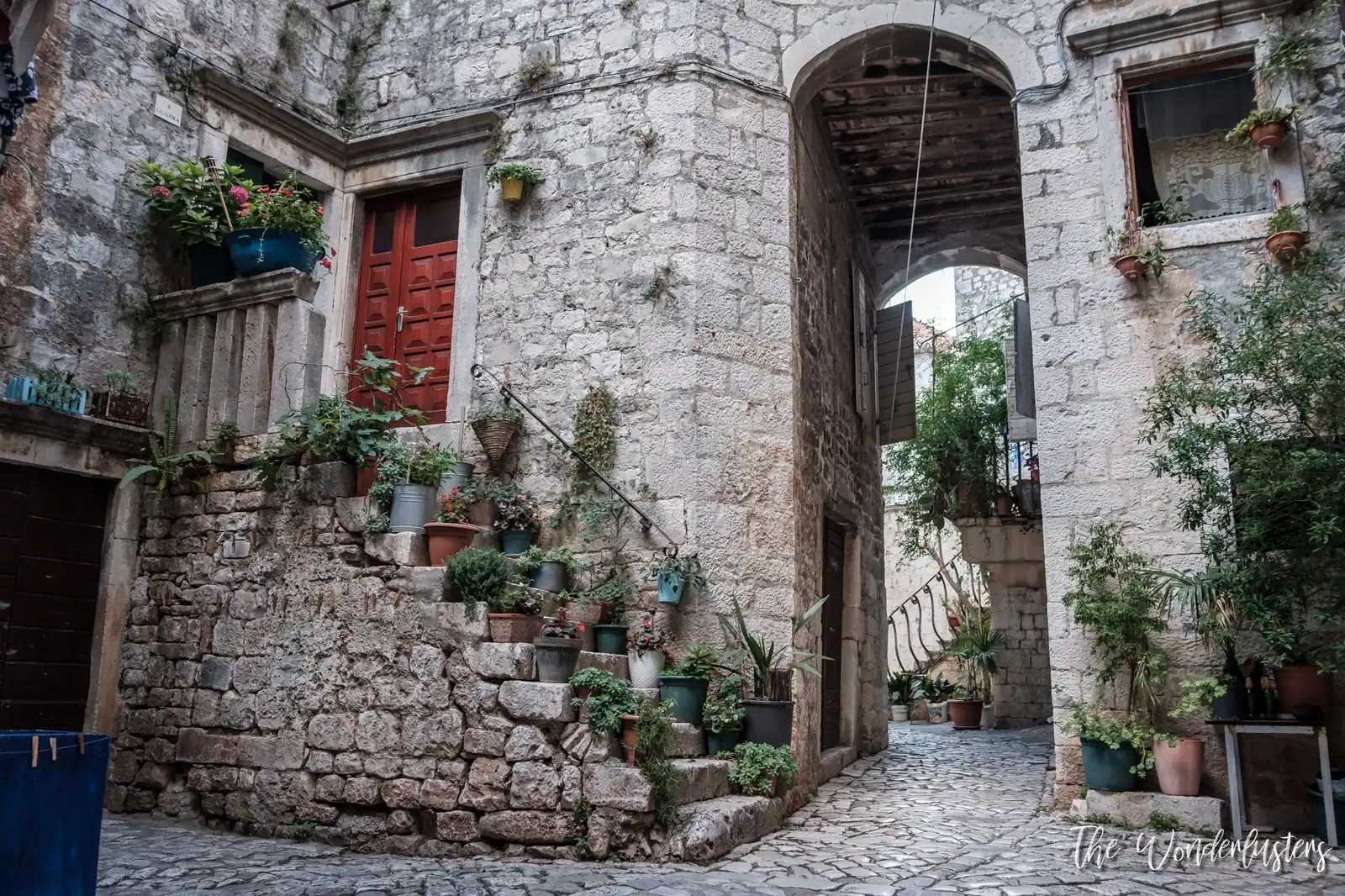
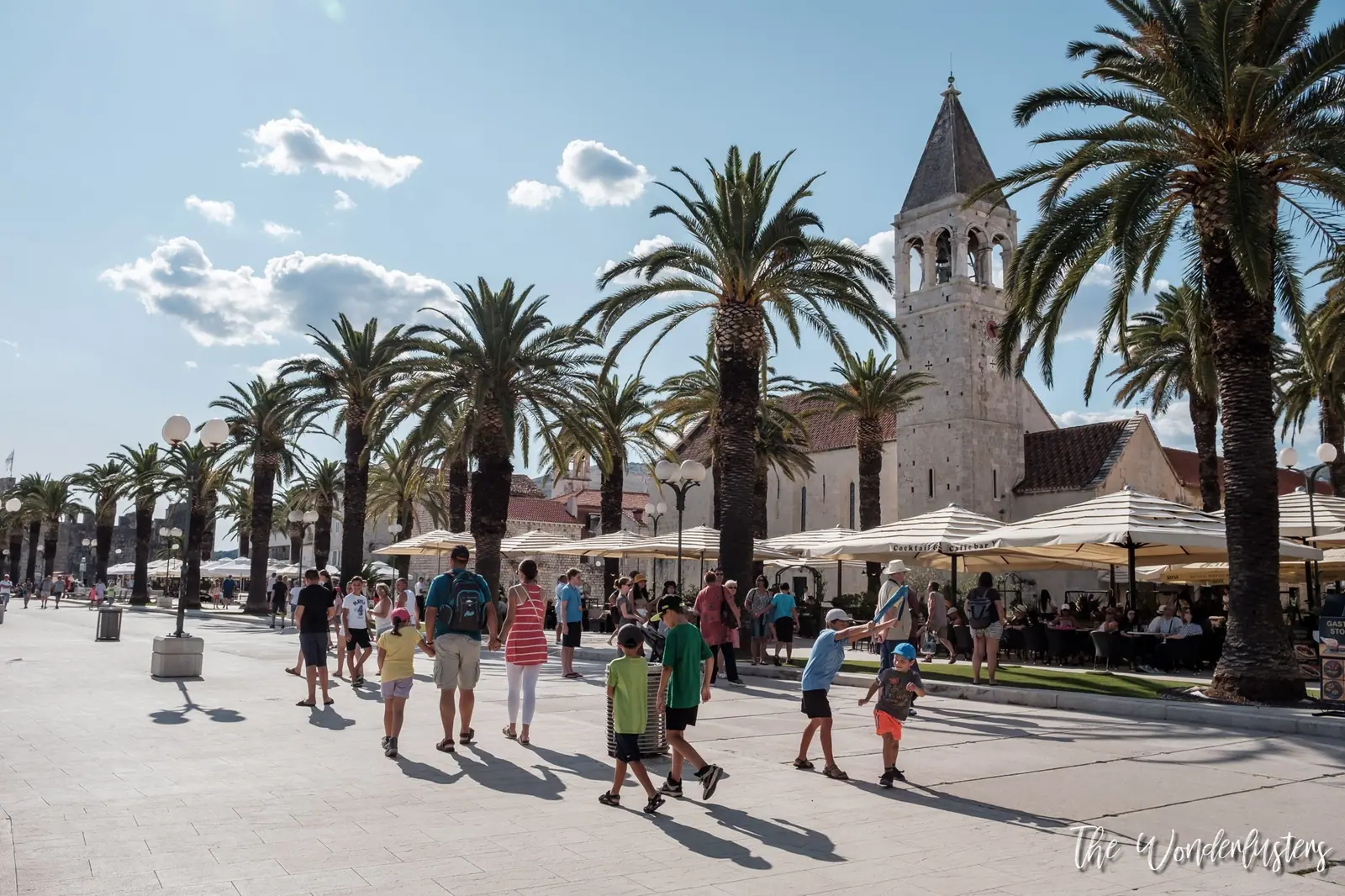
The historic town of Trogir, another UNESCO site, was built on an island. It has one of the highest densities of churches in the world and fine Romanesque, Renaissance and Baroque buildings.
Šibenik
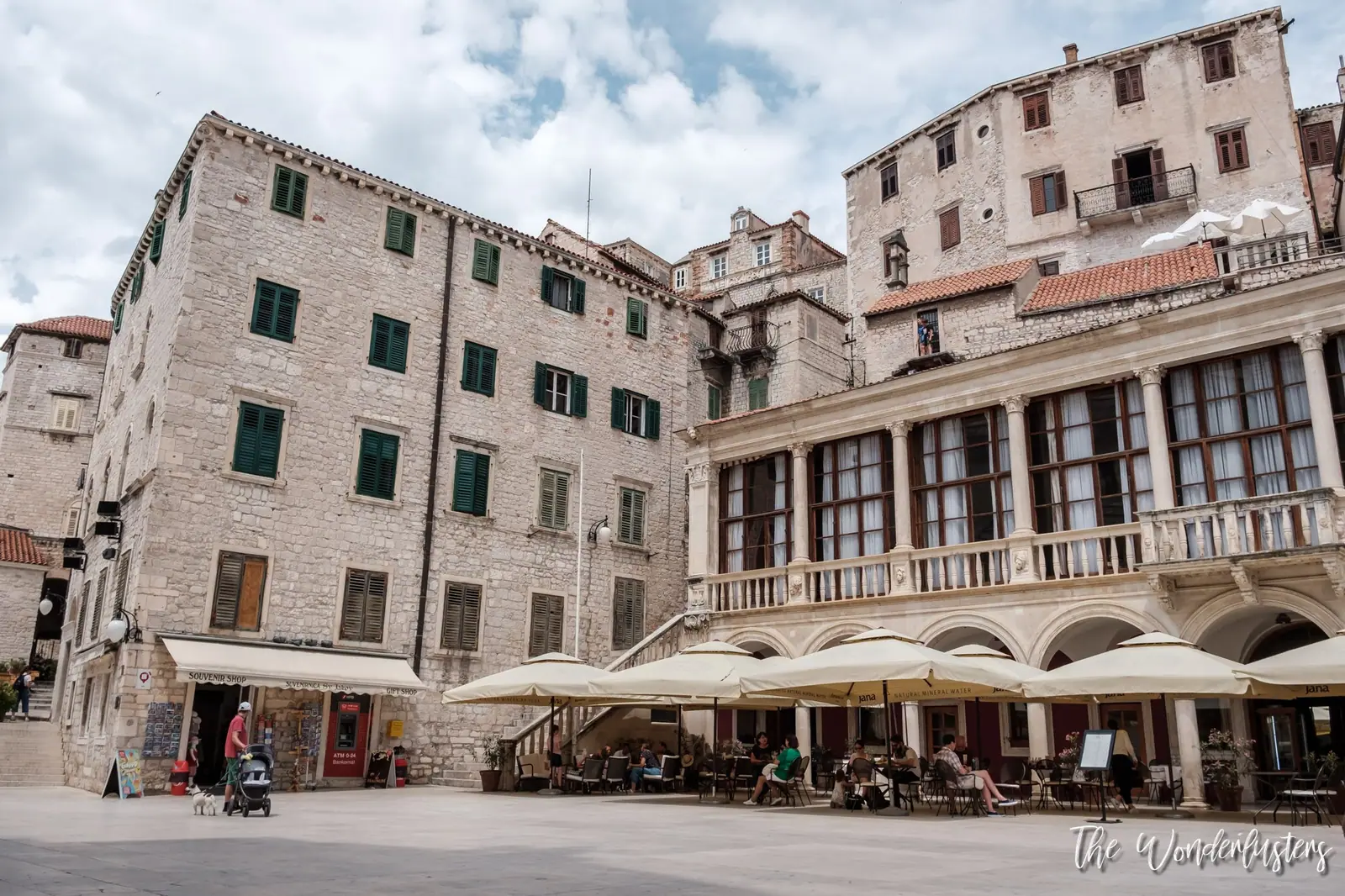
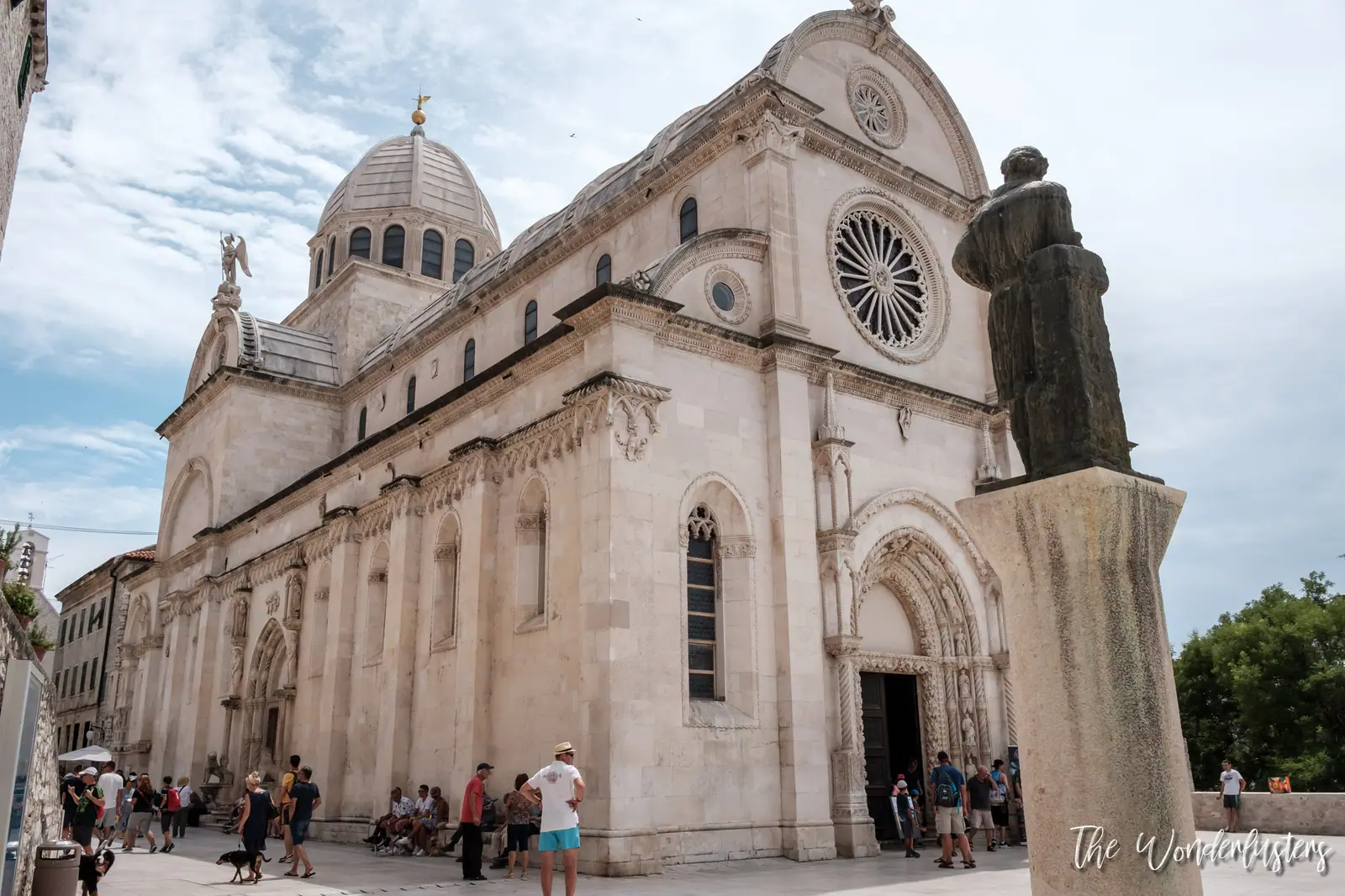
In Šibenik, we visited the Cathedral of St. James (a UNESCO site), an Italian Renaissance monument built entirely of stone, vault included.
Novi Vinodolski
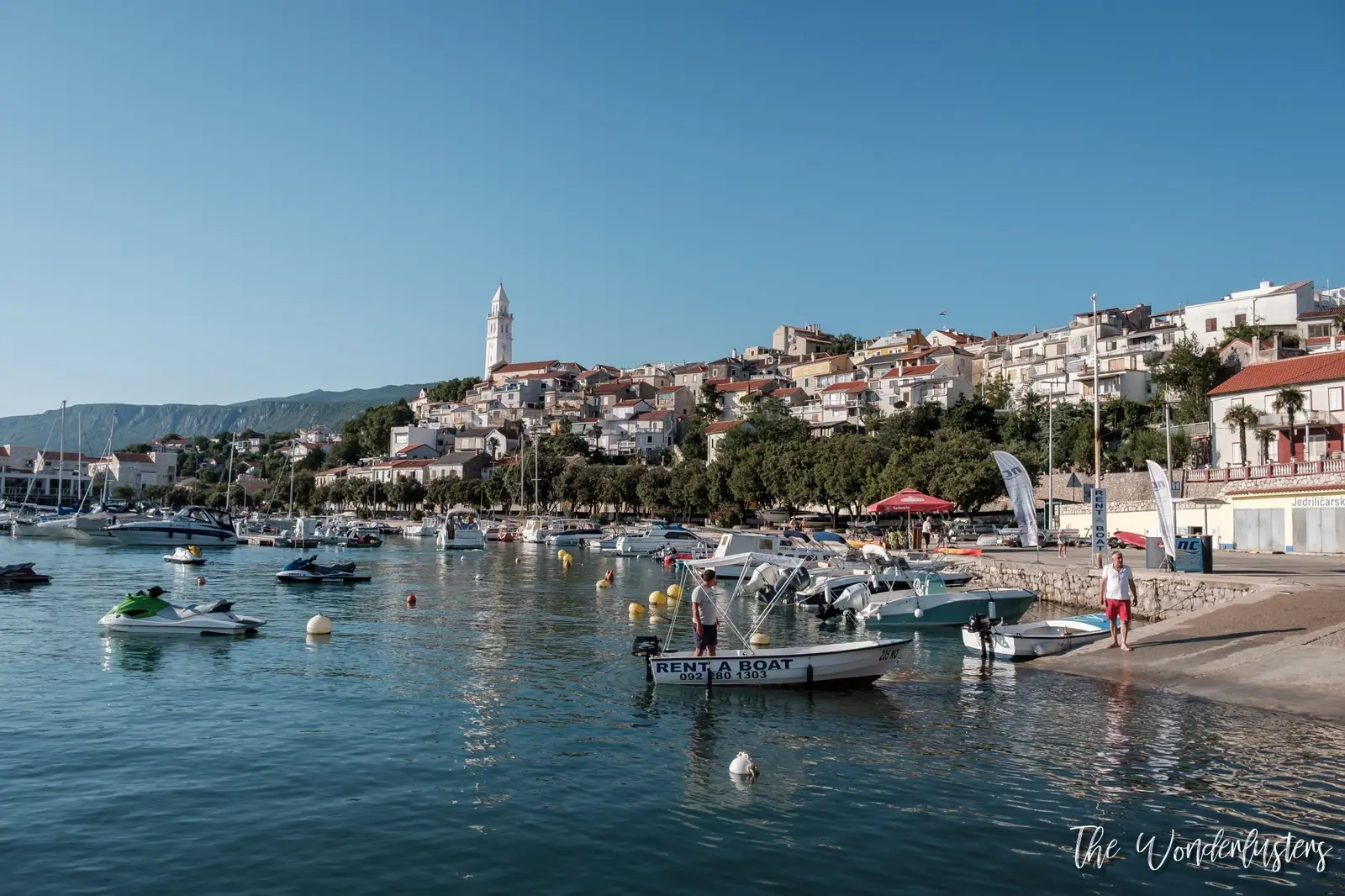
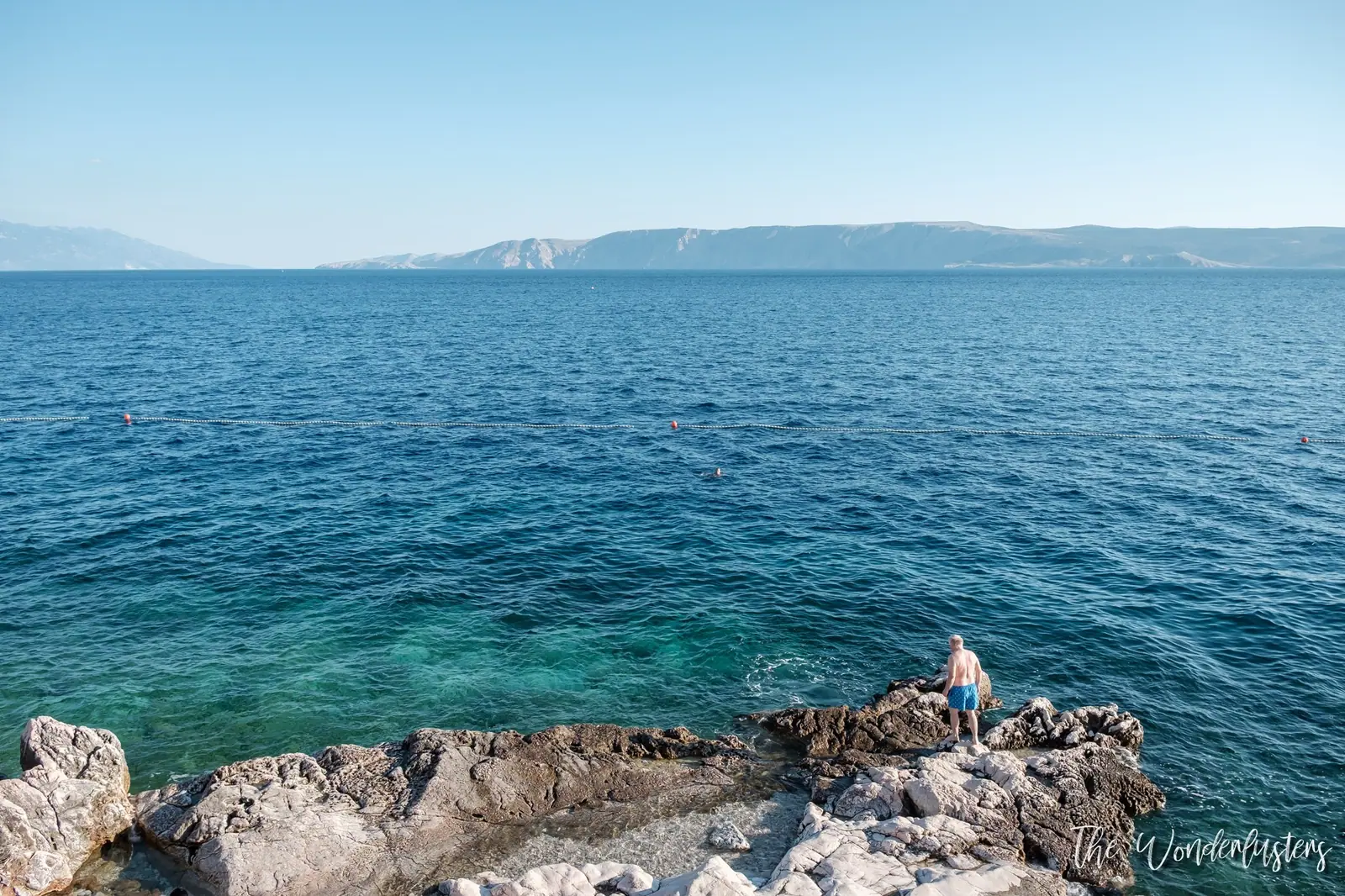
Novi Vinodolski is a quiet little town with a sweeping view over the sea. We spent our last 4 nights in Croatia there.
Pula
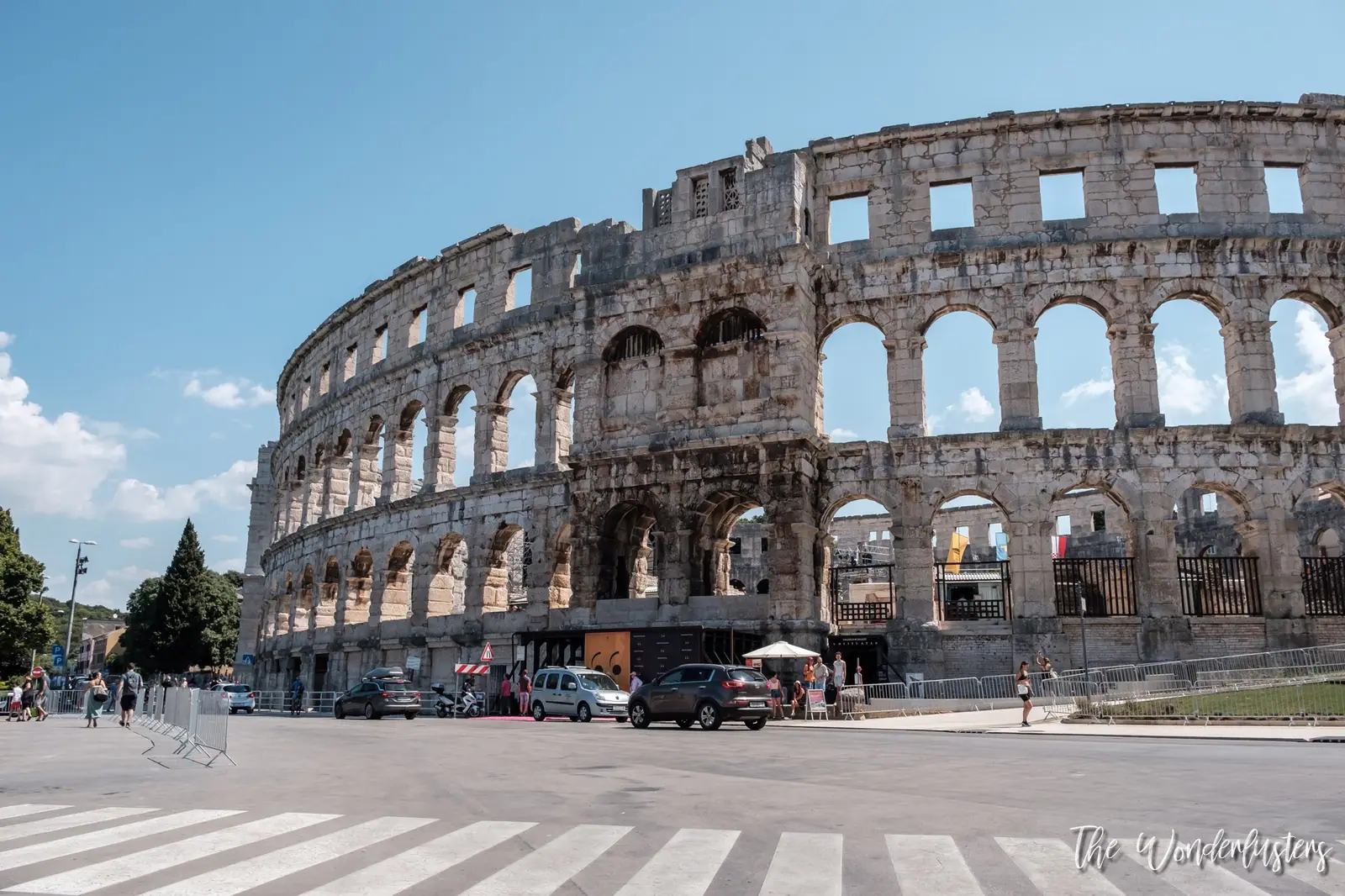
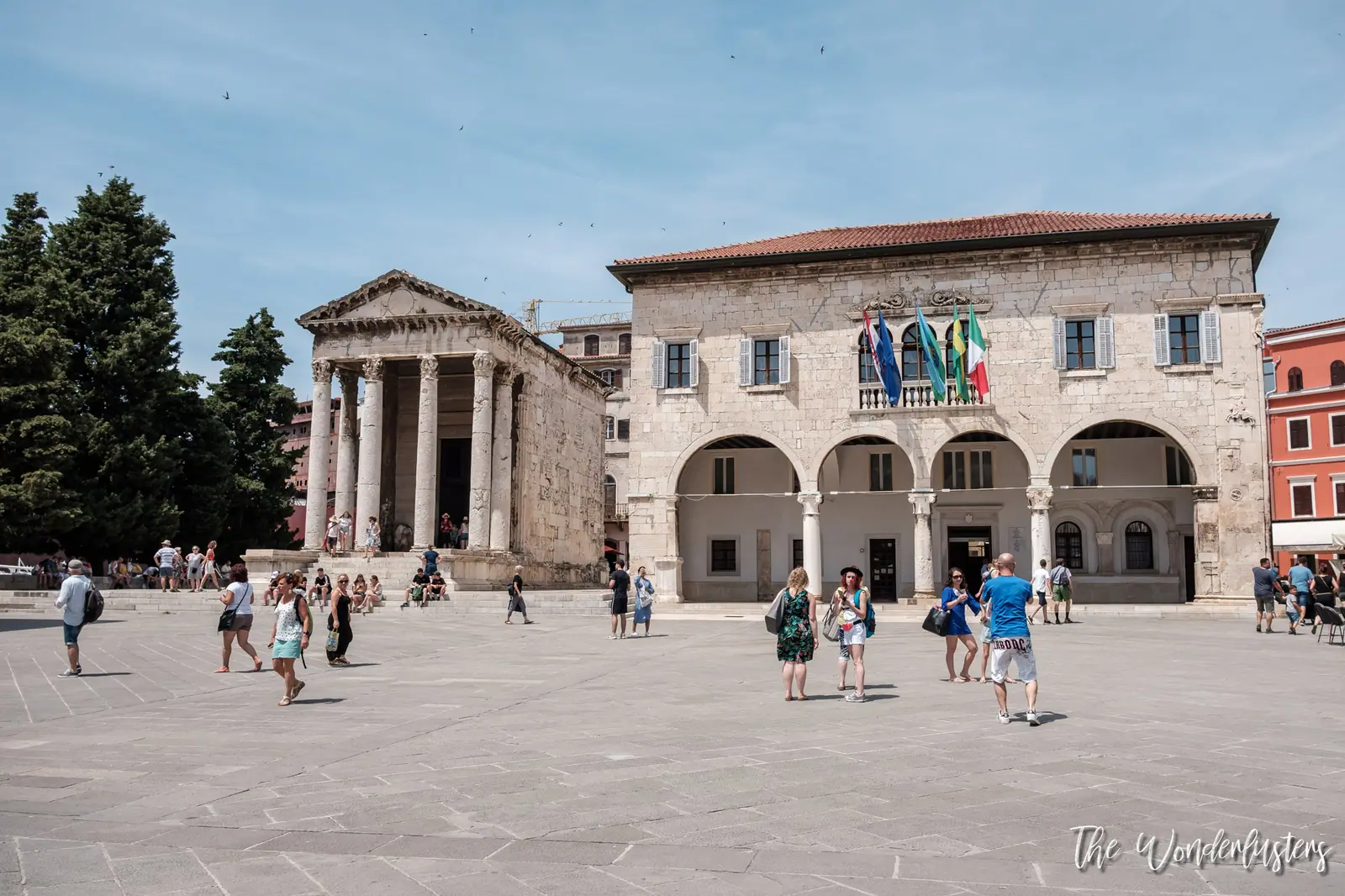
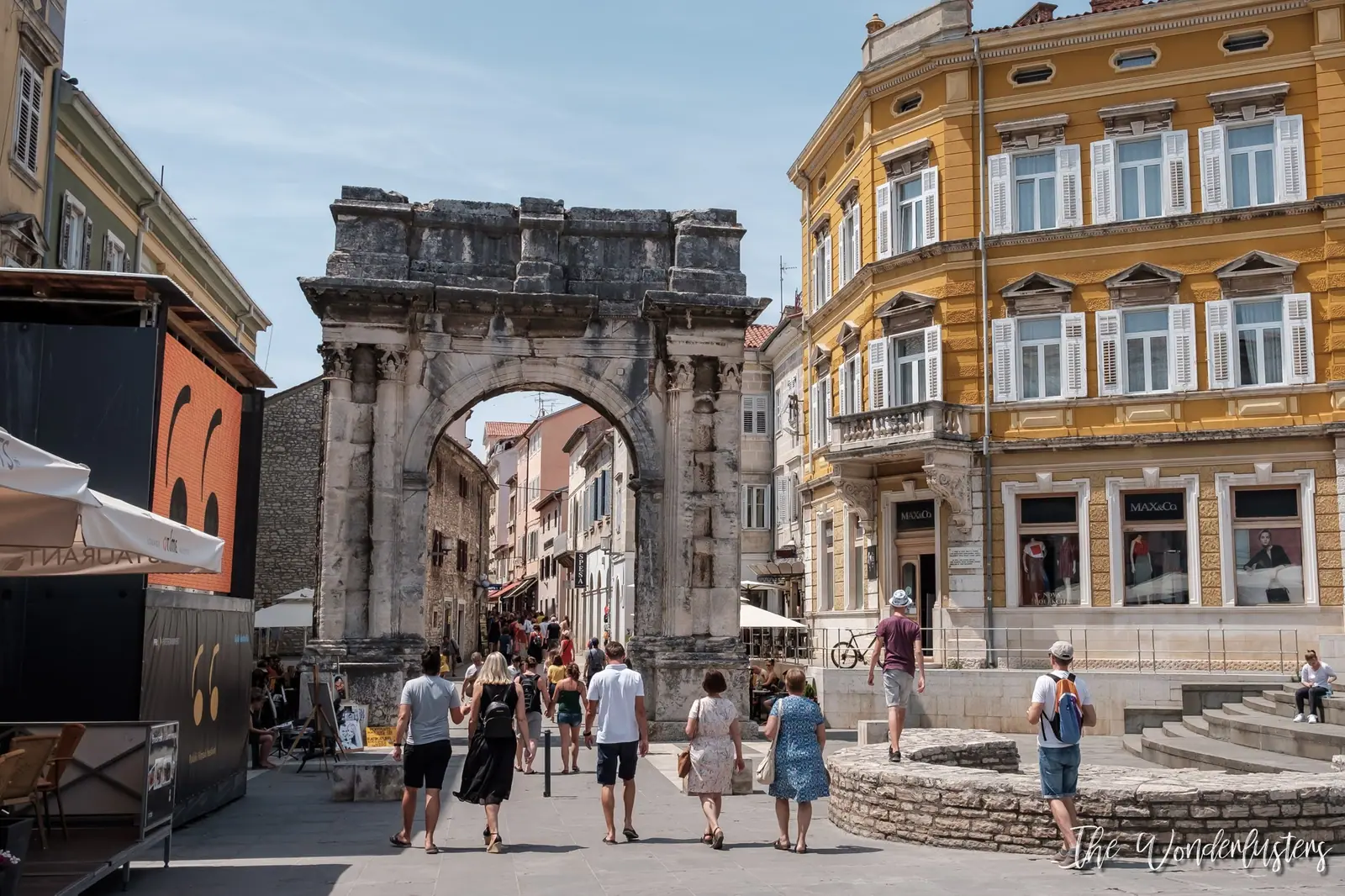
Pula is a seaside town at the southern tip of the Istrian peninsula. It is known for its sheltered harbour, its beaches and its Roman ruins, including a majestic and remarkably well-preserved Roman amphitheatre.
Rovinj
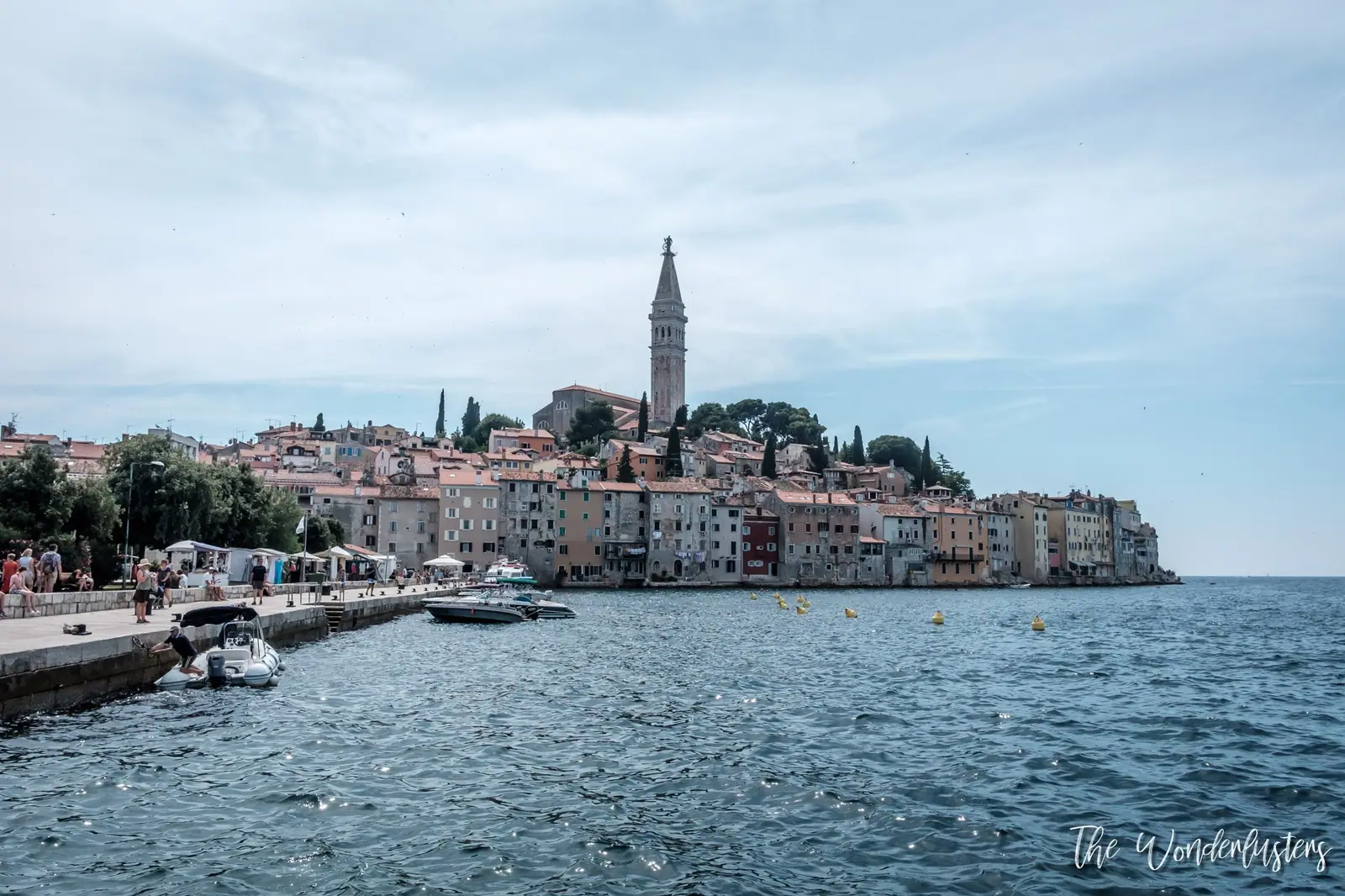
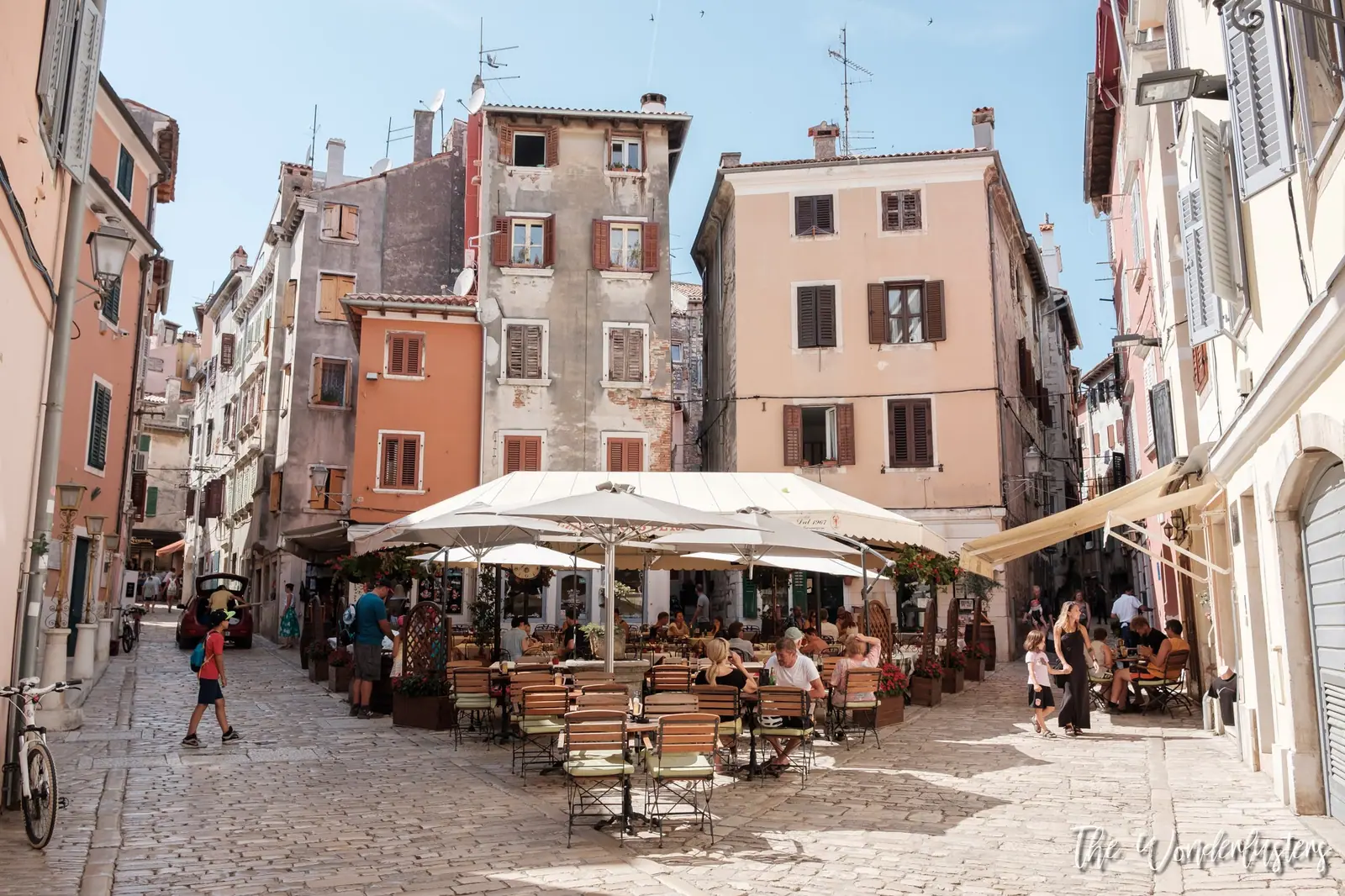
One of our favourite towns in Croatia was Rovinj, nicknamed the “Little Venice of Croatia”. Originally built on an island, it was later connected to the mainland. The view of the old town is sublime, and walking its streets feels like being in Italy.
Selce, Krk and Senj
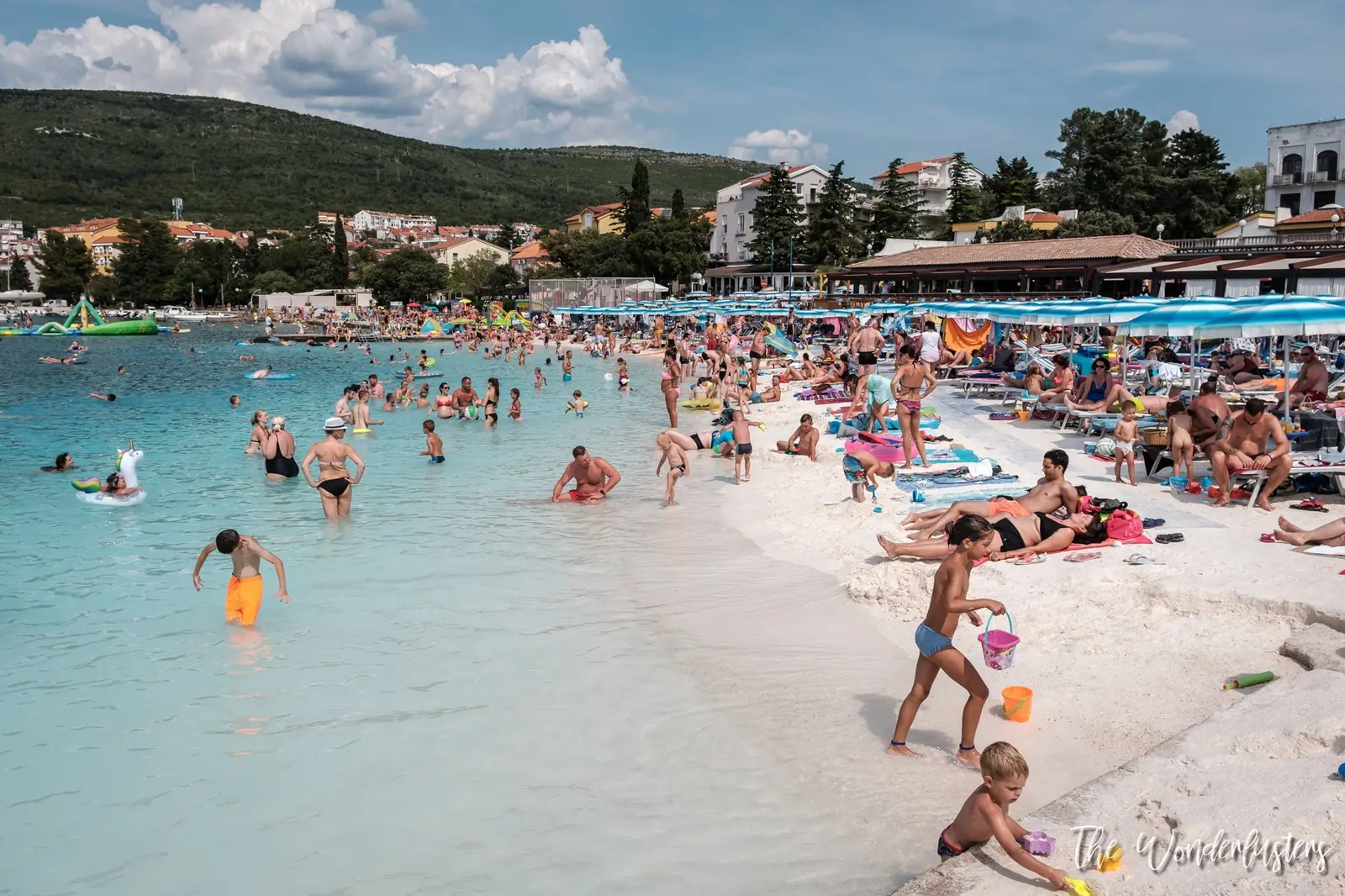
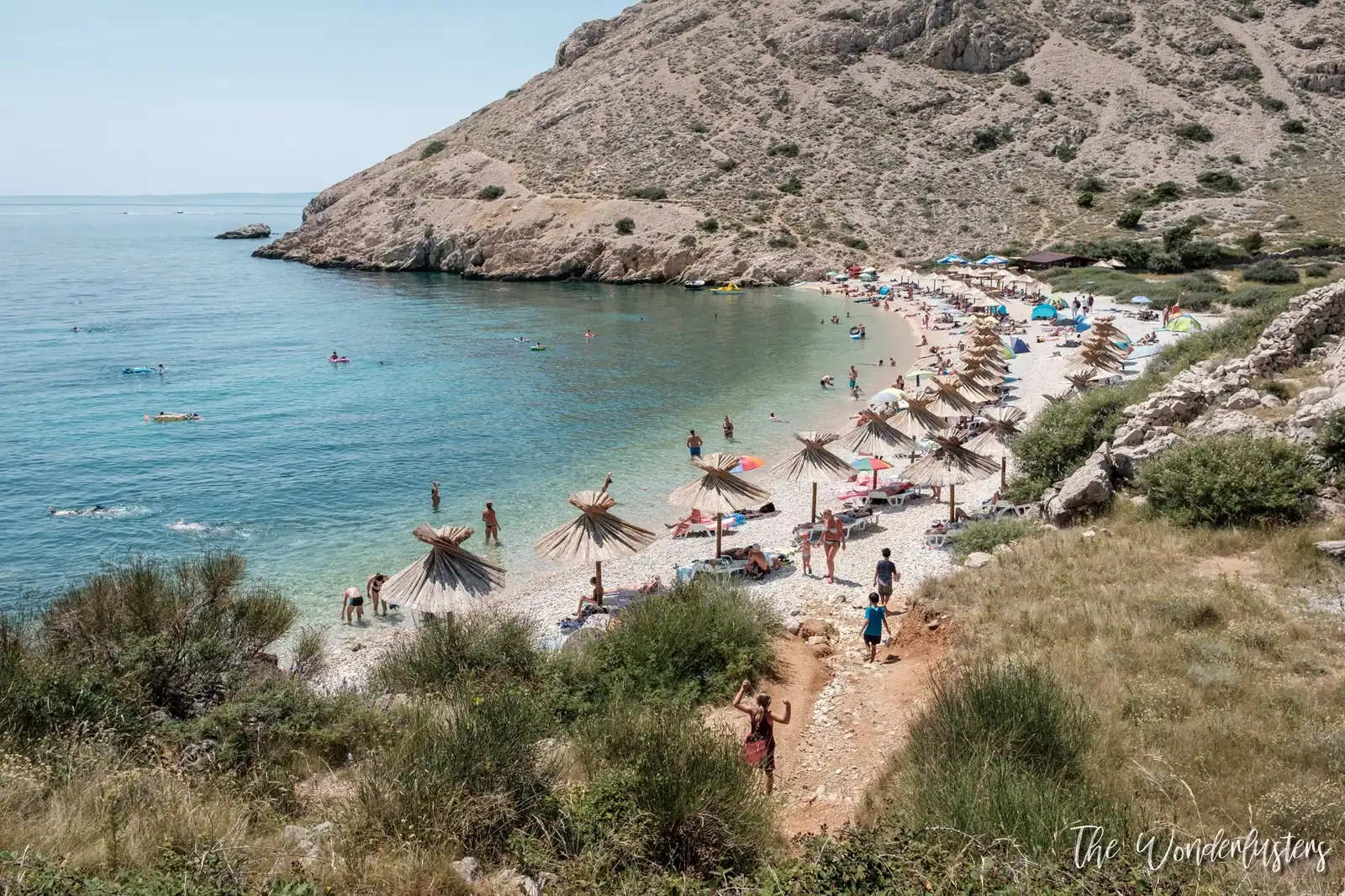
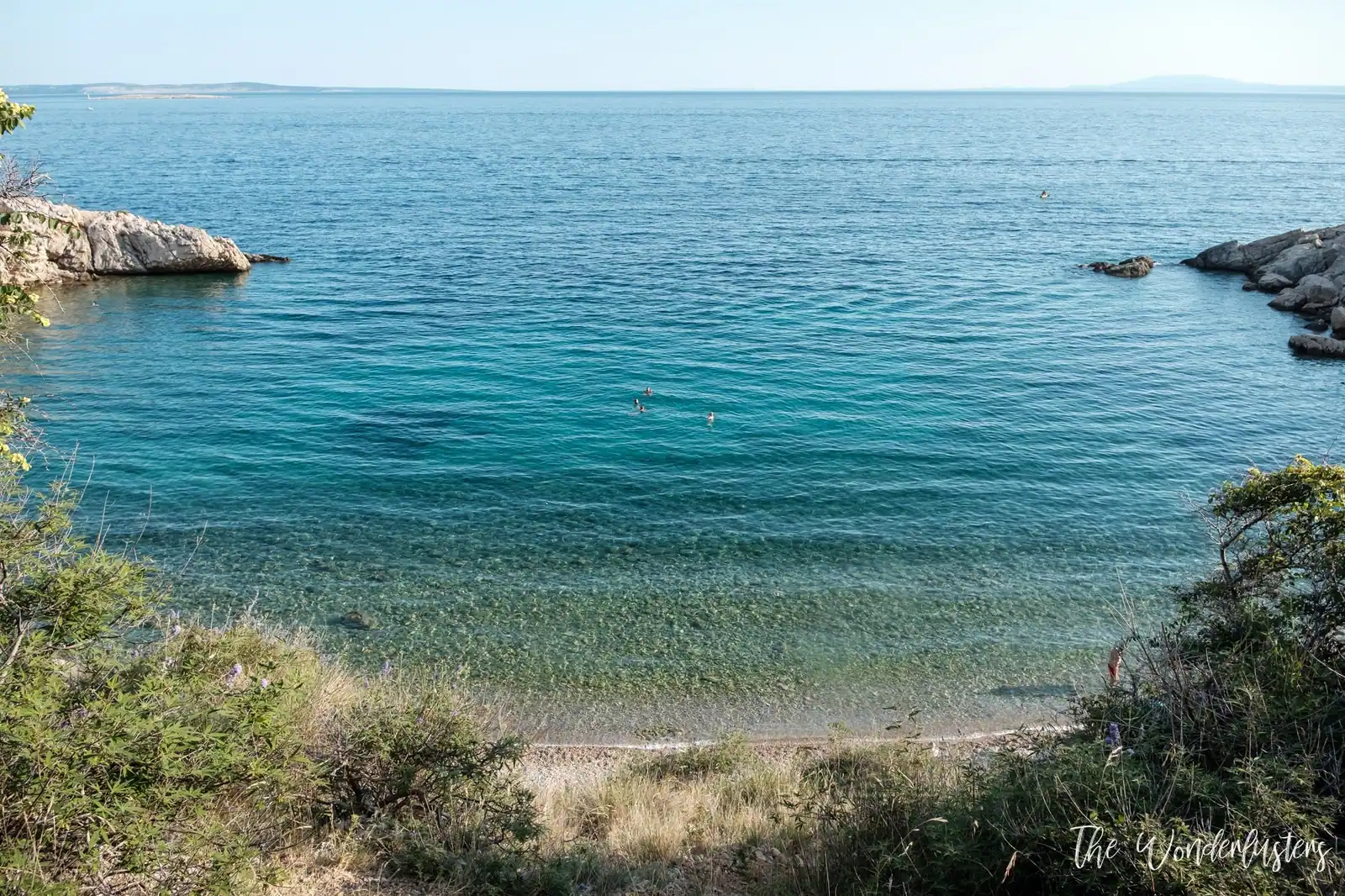
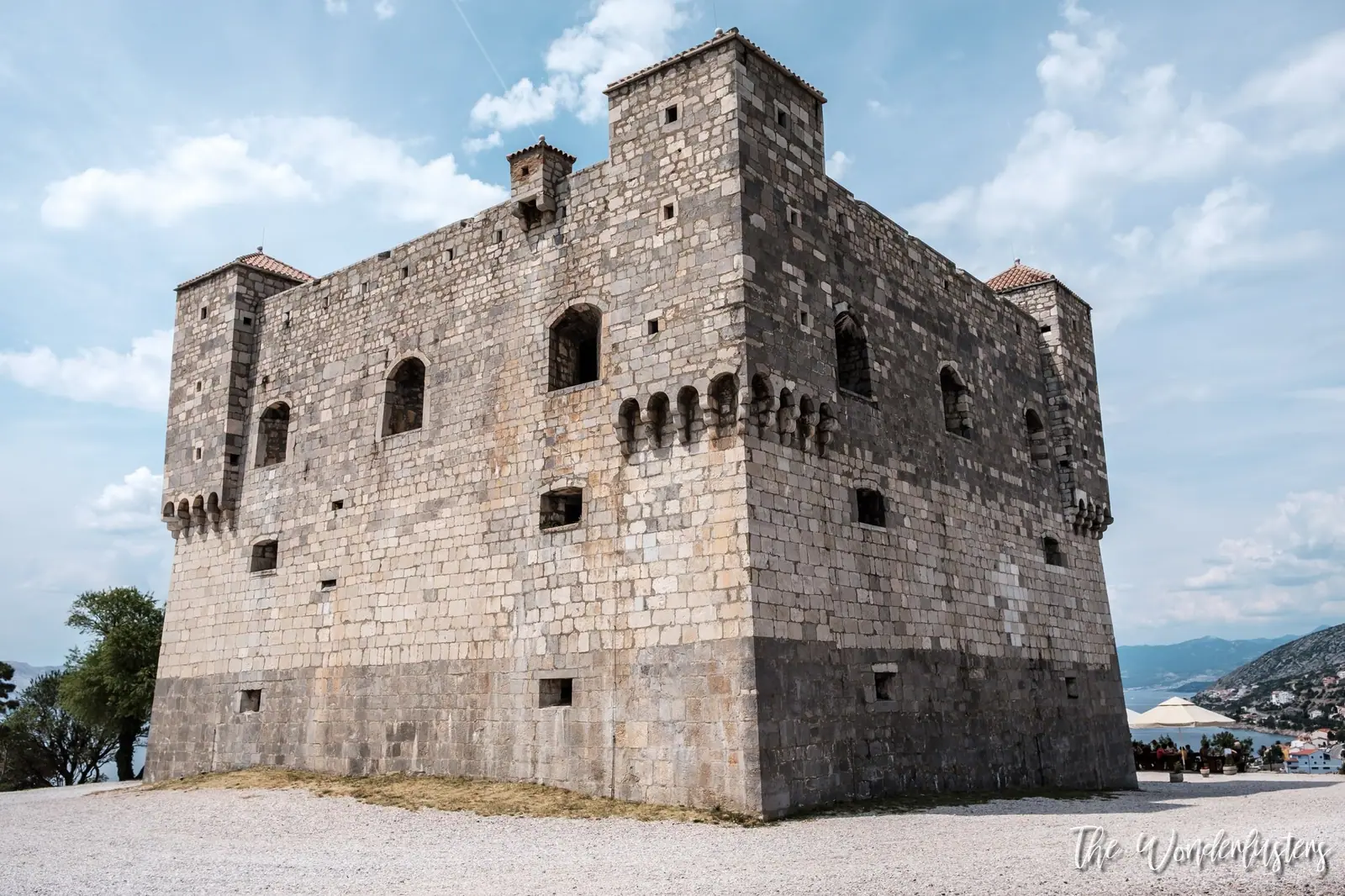
Near Novi Vinodolski, we enjoyed beautiful beaches with clear turquoise water in Selce and on the island of Krk, although they were packed in a way we have only ever seen in Europe. The Nehaj Fortress, overlooking the sea in Senj, is also worth the detour.
How to Plan a Road Trip in Croatia
Itinerary: Zadar and Novi Vinodolski
We used Zadar and Novi Vinodolski as base camps for day trips along the Croatian coast. That is how we visited Nin, Plitvice, Split, Trogir, Šibenik (pronounced “shibenik”), Pula, Rovinj and the island of Krk (pronounced “kelk”).
Accommodation
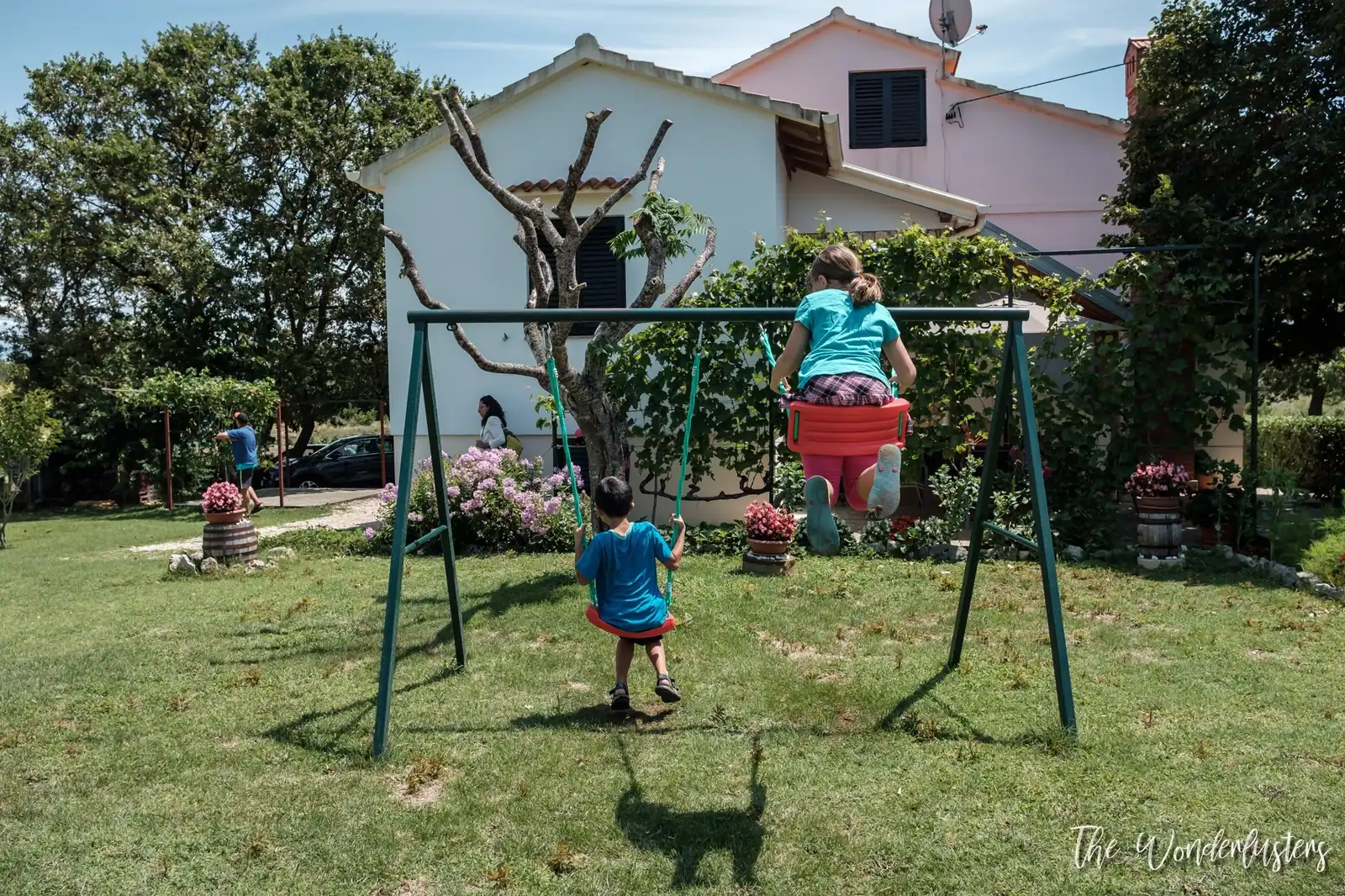
We rented Airbnb places in Zadar (6 nights) and Novi Vinodolski (4 nights). In Zadar, we stayed in a lovely house whose very attentive owner treated us to fruit, vegetables and eggs every morning.
Getting Around by Car
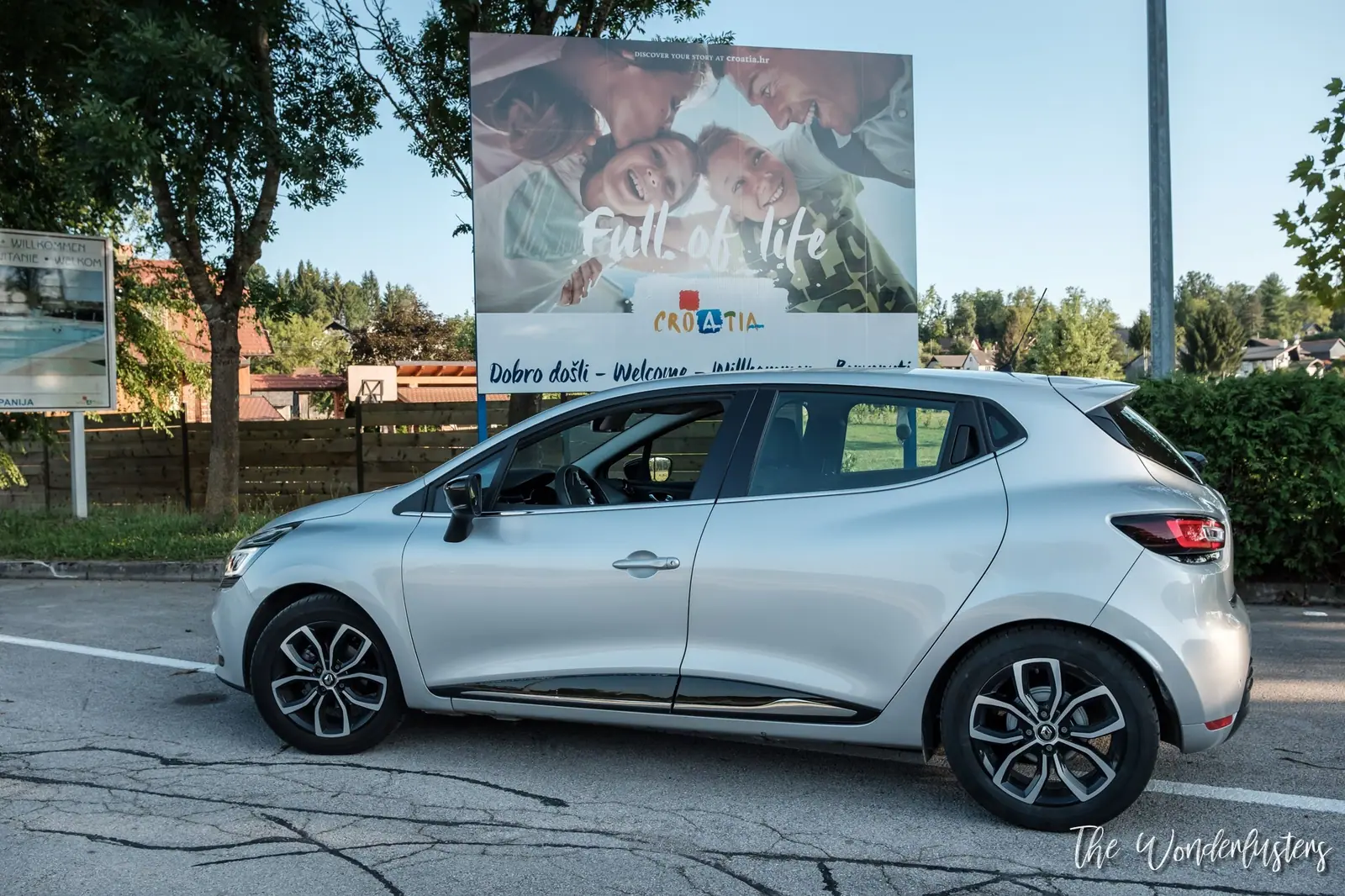
In Croatia, we drove the car we had rented in Italy.
2026 update: Croatia joined the Schengen Area on January 1, 2023, and checks at its land and sea borders with other Schengen countries were lifted (source).
What to Eat in Croatia
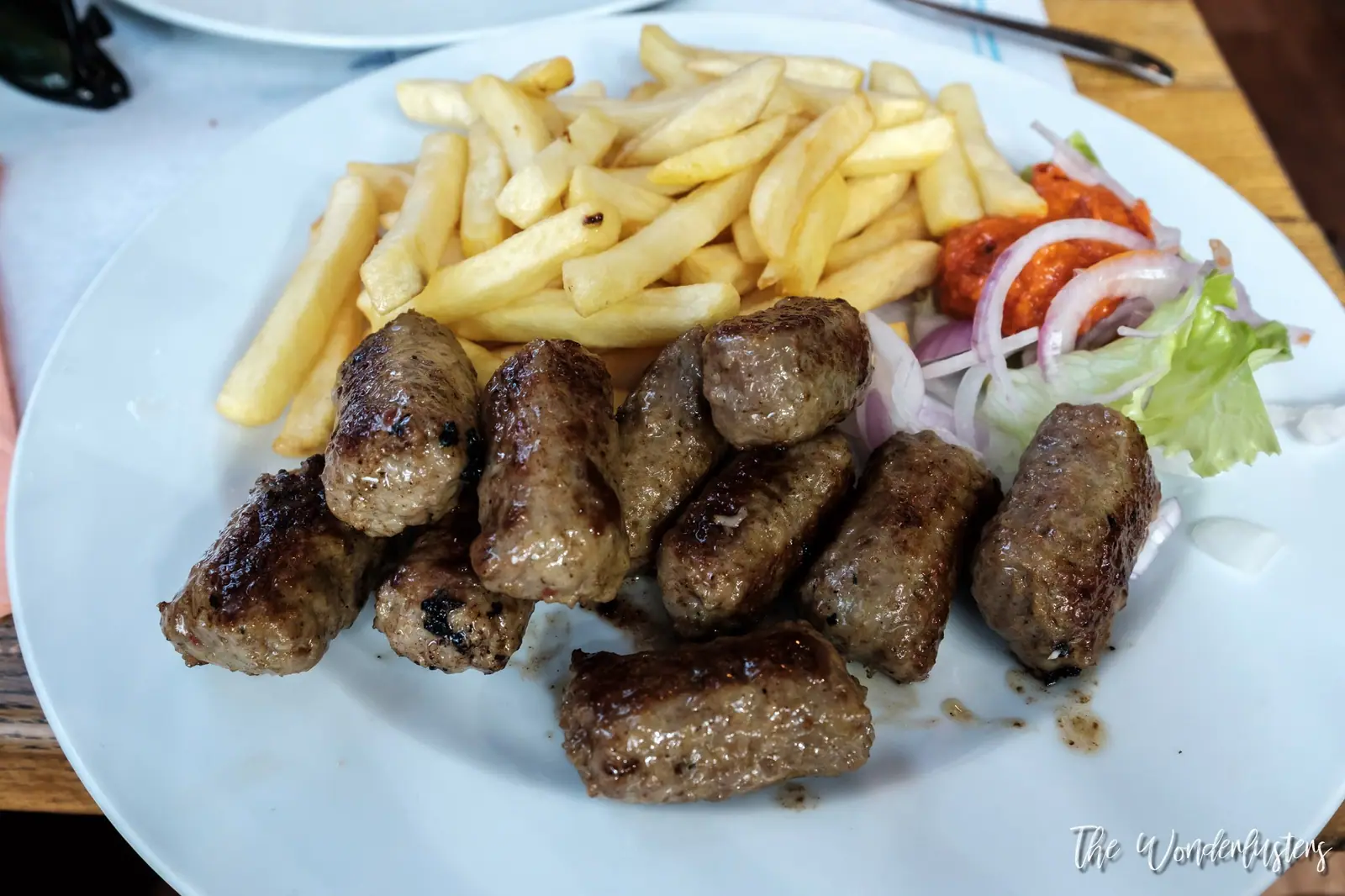
Croatian cuisine varies a lot: each region has its own culinary traditions, influenced by neighbouring countries (Austria, Hungary, Turkey, Italy and the Balkans). Croatians eat a lot of meat. We enjoyed čevapčići, a dish from Bosnia and Herzegovina that Croatians have adopted as their own.
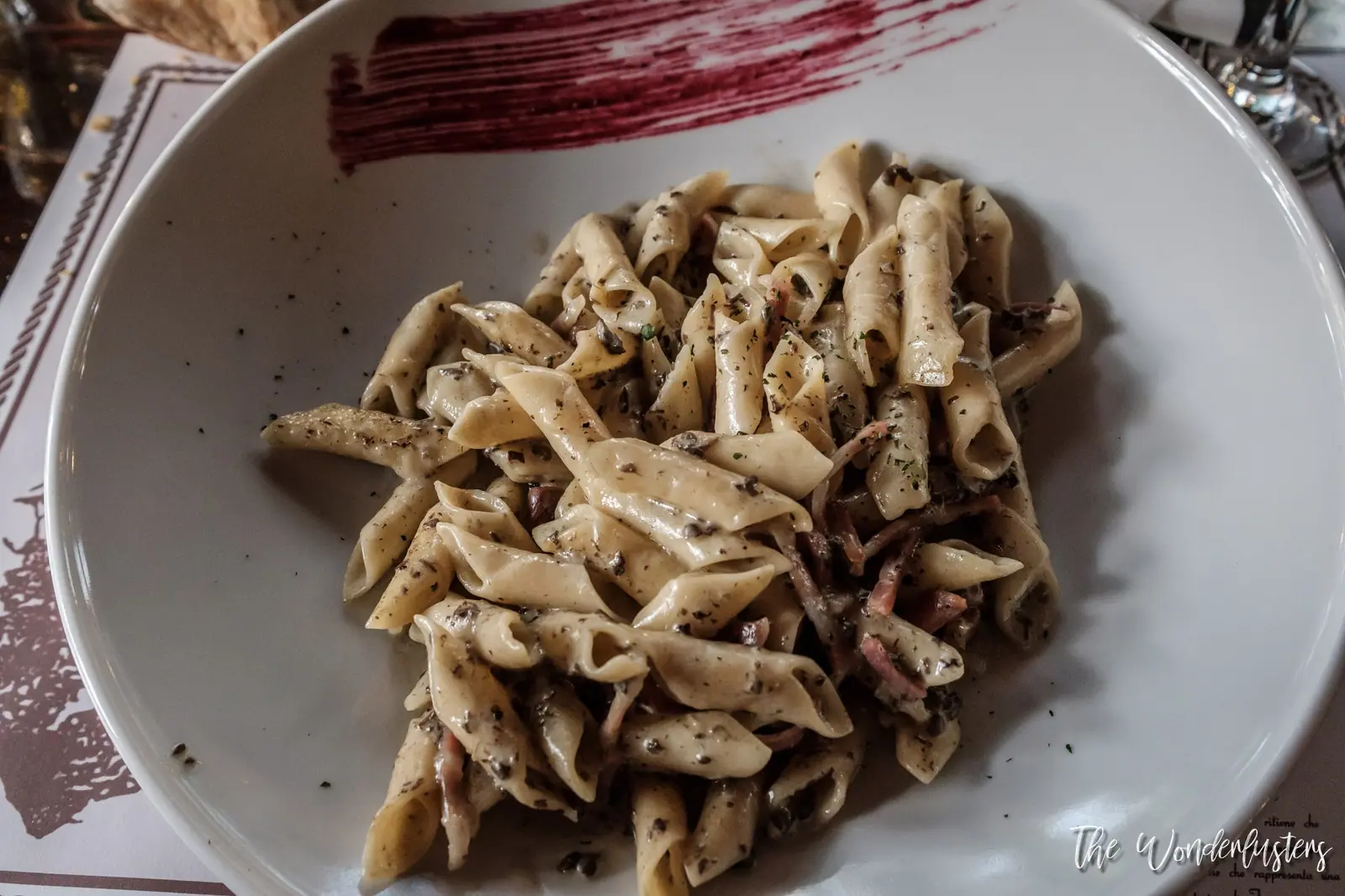
Truffles are common in Istria, and we often saw them in pasta dishes.
We also saw plenty of odojak, roast suckling pig, turning on spits along the roads.

How Much Does 9 Days in Croatia Cost?
Croatia is not cheap, but it is usually not very expensive either. Our stay cost our family of four:
- 9411 HRK (1,431 USD) in total;
- 1046 HRK (159 USD) per day;
- 261 HRK (40 USD) per person per day.
Amounts were paid in Croatian kuna. US-dollar equivalents use the average exchange rate during our trip (July 10 – 20, 2019): 1 USD = 6.58 HRK.
2026 update: Croatia adopted the euro on January 1, 2023, replacing the kuna at a fixed conversion rate of 1 EUR = 7.53450 HRK; prices in Croatia are now in euros (source).
Breakdown by category:
| Expense Category | Amount Spent |
|---|---|
| Flights | 0 HRK (0 USD) |
| Accommodation | 3952 HRK (601 USD) |
| Transport (including gas, tolls, parking) | 2749 HRK (418 USD) |
| Eating out | 1317 HRK (200 USD) |
| Groceries | 843 HRK (128 USD) |
| Activities | 550 HRK (84 USD) |
| Total | 9411 HRK (1,431 USD) |
Conclusion
We left Croatia with unforgettable memories. Life along the coast is wonderfully pleasant, and the Croatians we met were extremely warm. We would go back without hesitation, especially since many places are still on our list, including Zagreb, Dubrovnik and the islands of Brač, Hvar, Vis, Korčula and Mljet, which we could not fit in this time.
That’s it for Croatia! Next stop: Spain!
Questions travellers ask
How many days did you spend in Croatia?
We spent 9 days in Croatia in July 2019, based in Zadar (6 nights) and Novi Vinodolski (4 nights), with day trips along the coast.
How much does a trip to Croatia cost for a family?
Our 9 days in Croatia cost our family of four 9411 HRK (1,431 USD), or 1046 HRK (159 USD) per day and 261 HRK (40 USD) per person per day, with no flights since we drove from Italy.
What are the must-see places in Croatia?
Our favourites were Plitvice Lakes National Park, Diocletian's Palace in Split, Trogir, Šibenik Cathedral, the Roman amphitheatre in Pula, Rovinj and the Sea Organ in Zadar.
How did you get around Croatia?
We drove the car we had rented in Italy, using Zadar and Novi Vinodolski as bases for day trips. We covered 1776 km by car and on foot.
Does Croatia still use the kuna?
No. Croatia adopted the euro on January 1, 2023, at a fixed rate of 1 EUR = 7.53450 HRK. We paid in kuna during our 2019 trip.