EuropeSeptember 20198 min read
11 Places to Visit in Southern Spain (With Itinerary and Budget)
In short
We spent 16 days in Spain in summer 2019, driving a rental car from Madrid through Valencia and Murcia to Andalusia (Granada, Ronda, Córdoba, Seville), with a side trip to Gibraltar and a return via Salamanca. Using Marriott points for most hotels, our family of four spent 1,518 EUR (about 1,691 USD at 2019 rates), making Spain the cheapest of the 24 European countries we visited that year.
- Dates
- 2019-07-22 to 2019-08-05; 2019-08-11 to 2019-08-12
- Number of days
- 16
- Cities we visited
- Madrid, Valencia, Murcia, Granada, Ronda, Gibraltar, Cordoba, Sevilla, Salamanca
- Inbound
- Italy by plane
- Outbound
- France by plane
- Mode of transport
- Rental car
- Distance travelled (car & foot)
- 2447 km
- Number of photos taken
- 7700 (481 per day)
- Currency
- The Euro (1,00 EUR = 1.11 USD)
We spent 16 days in Spain in summer 2019, driving a rental car from Madrid to Valencia, down the coast to Murcia, then through Andalusia (Granada, Ronda, Córdoba and Seville) with a stop in Gibraltar, and back to Madrid via Salamanca. For our family of four, the stay cost 1,518 EUR (about 1,691 USD at 2019 rates), making Spain the cheapest of the 24 European countries we visited that year. Here are the 11 places we loved, our itinerary and our full budget.
When we visited in 2019, Spain was the second most visited country in the world after France, and we quickly understood why. The country is full of beauty and offers something for everyone.
11 Places to Visit in Southern Spain
Madrid
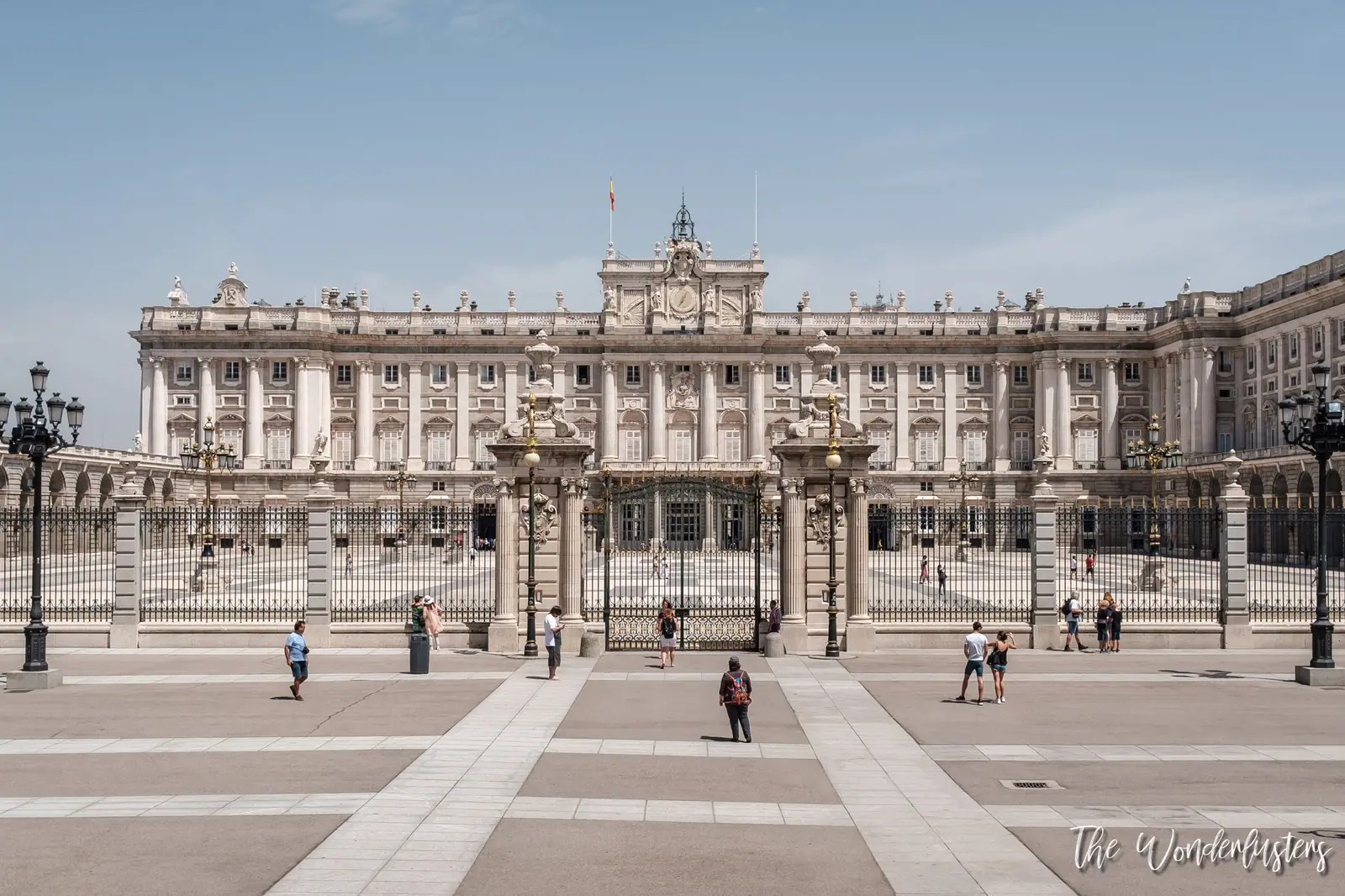
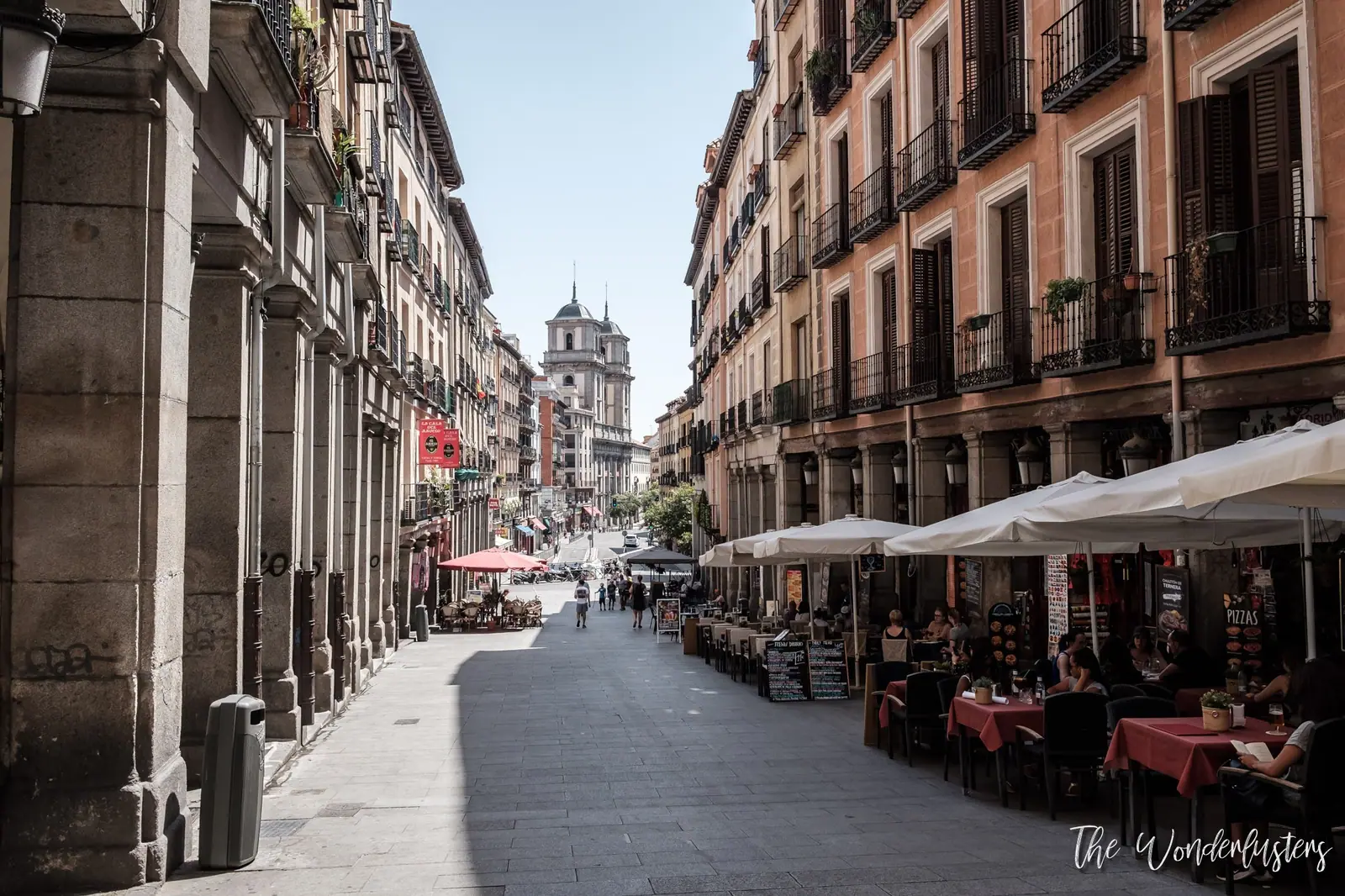
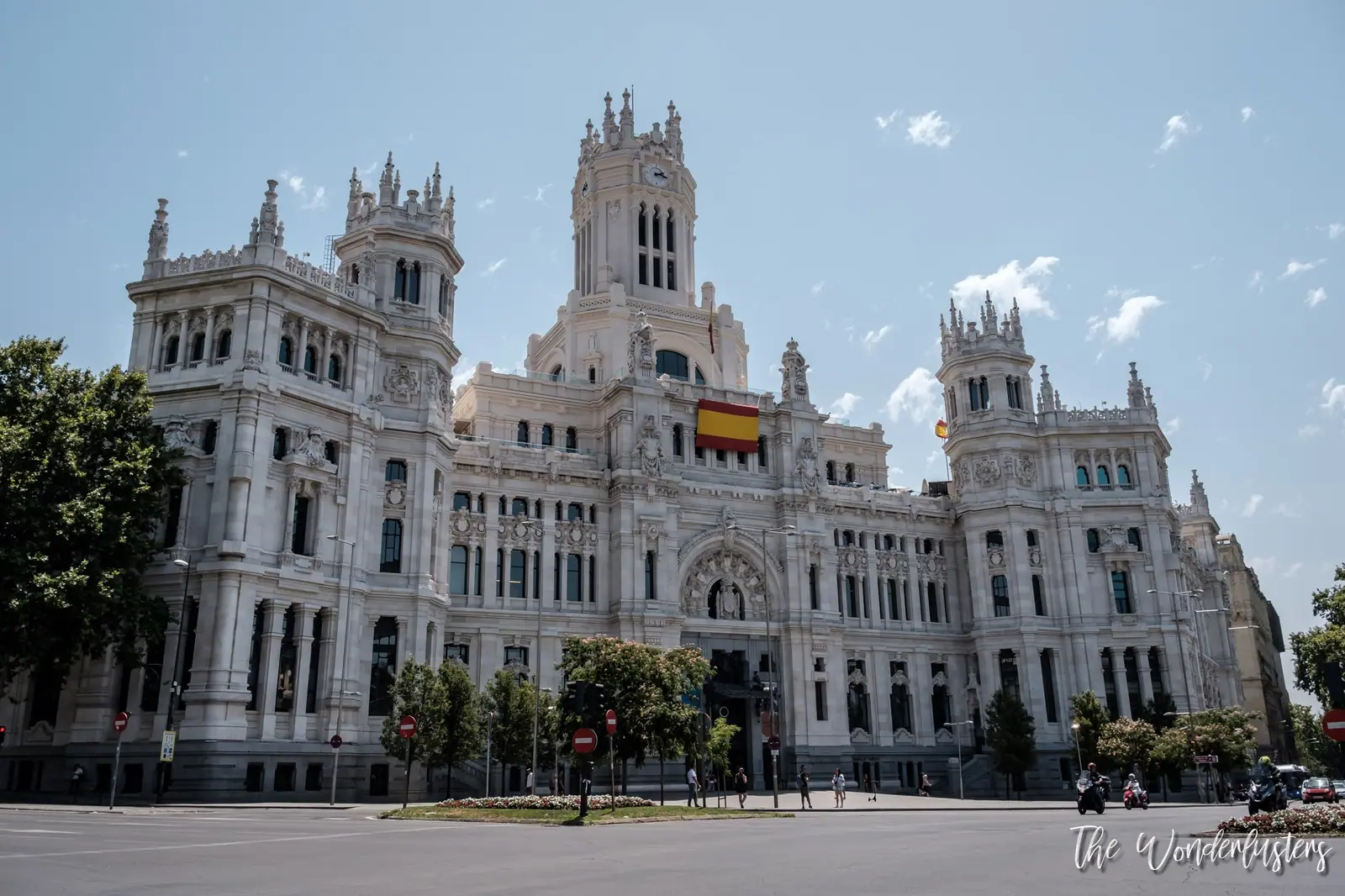
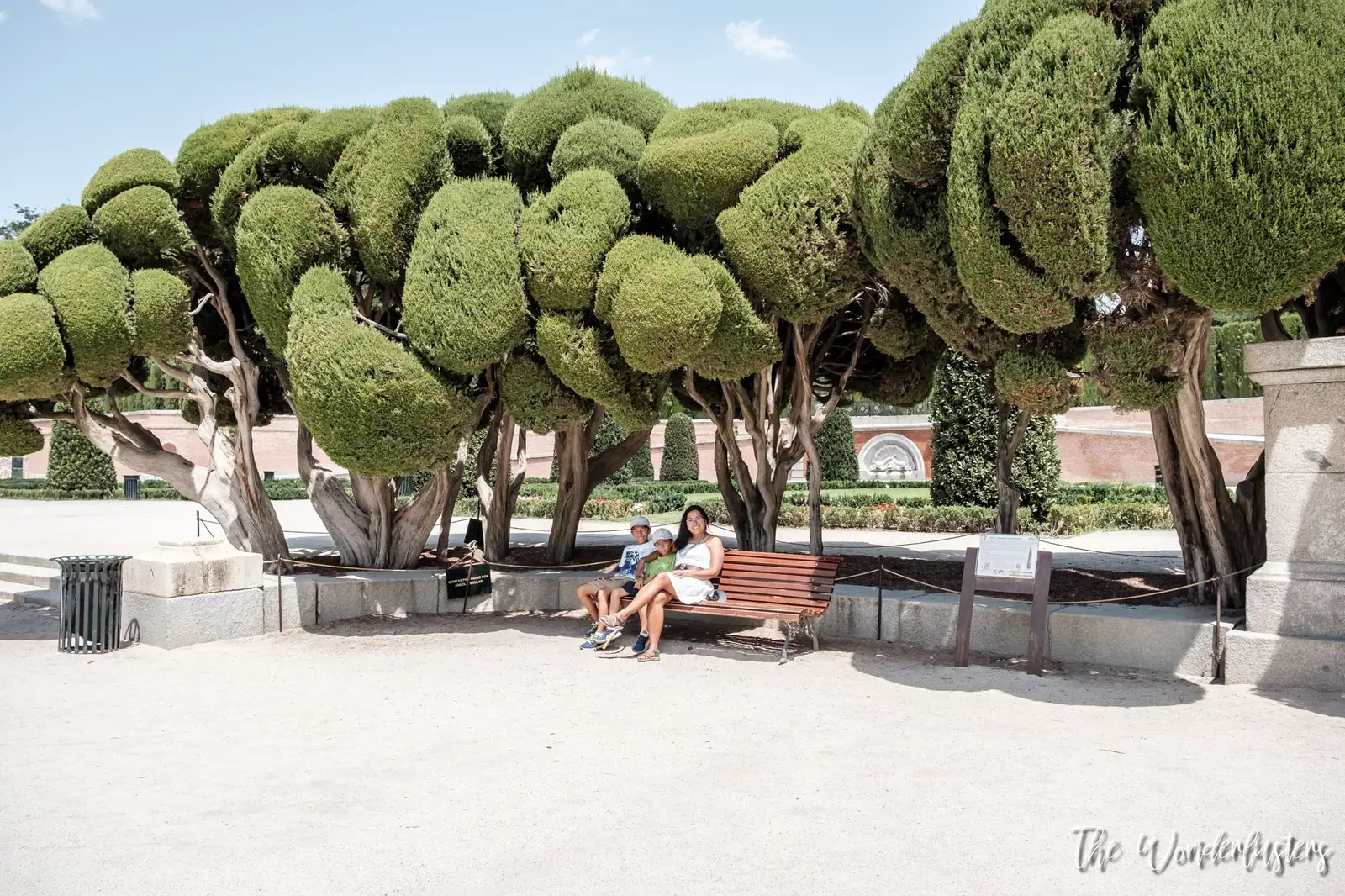
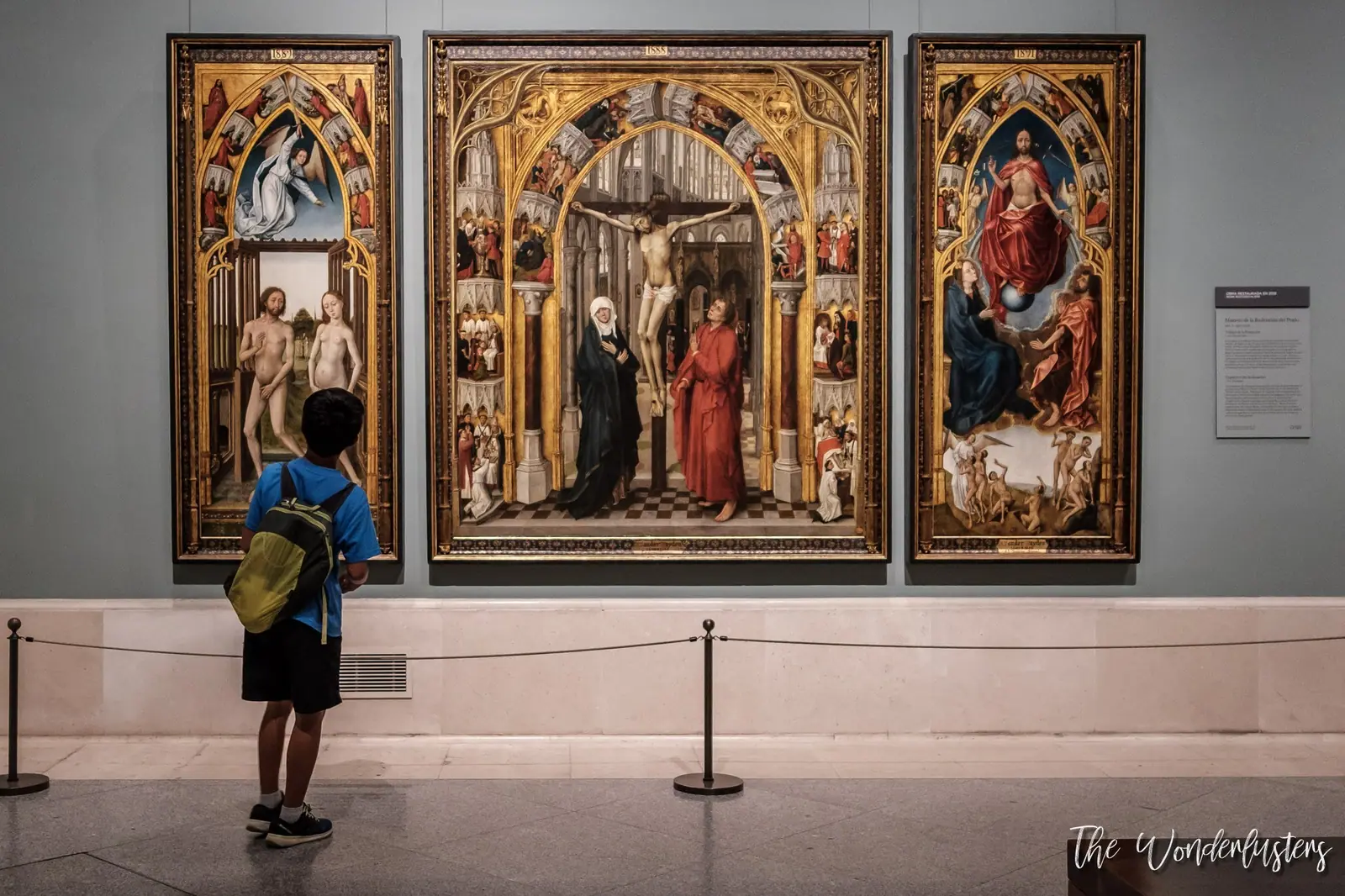
Madrid lives to the rhythm of football, with two giants of the game, Real Madrid and Atlético Madrid, but it has plenty to offer beyond the stadiums. The Royal Palace, the cathedral, Retiro Park, Plaza Mayor, Gran Vía and the famous Prado Museum are all worth a visit.
Valencia
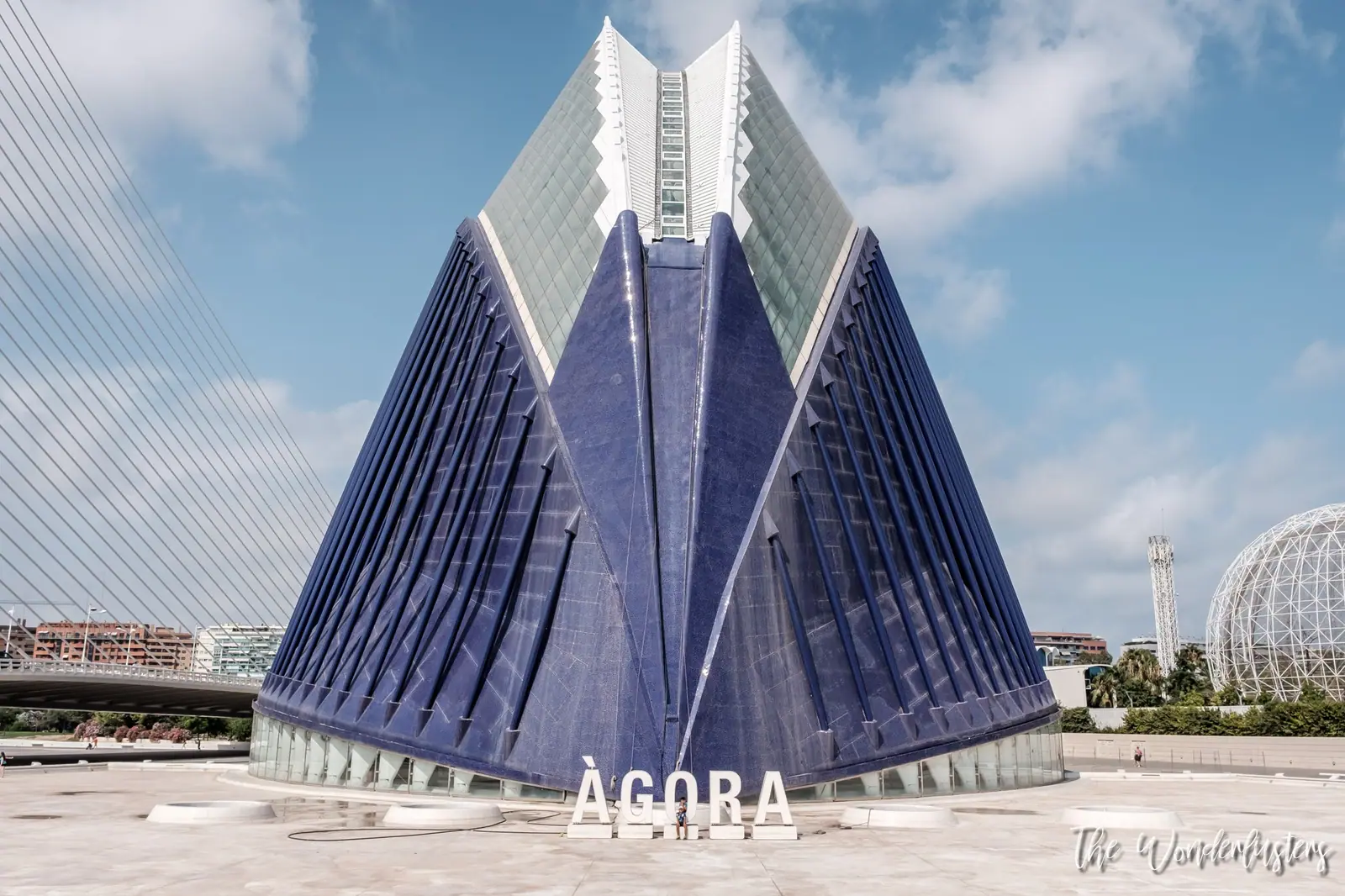
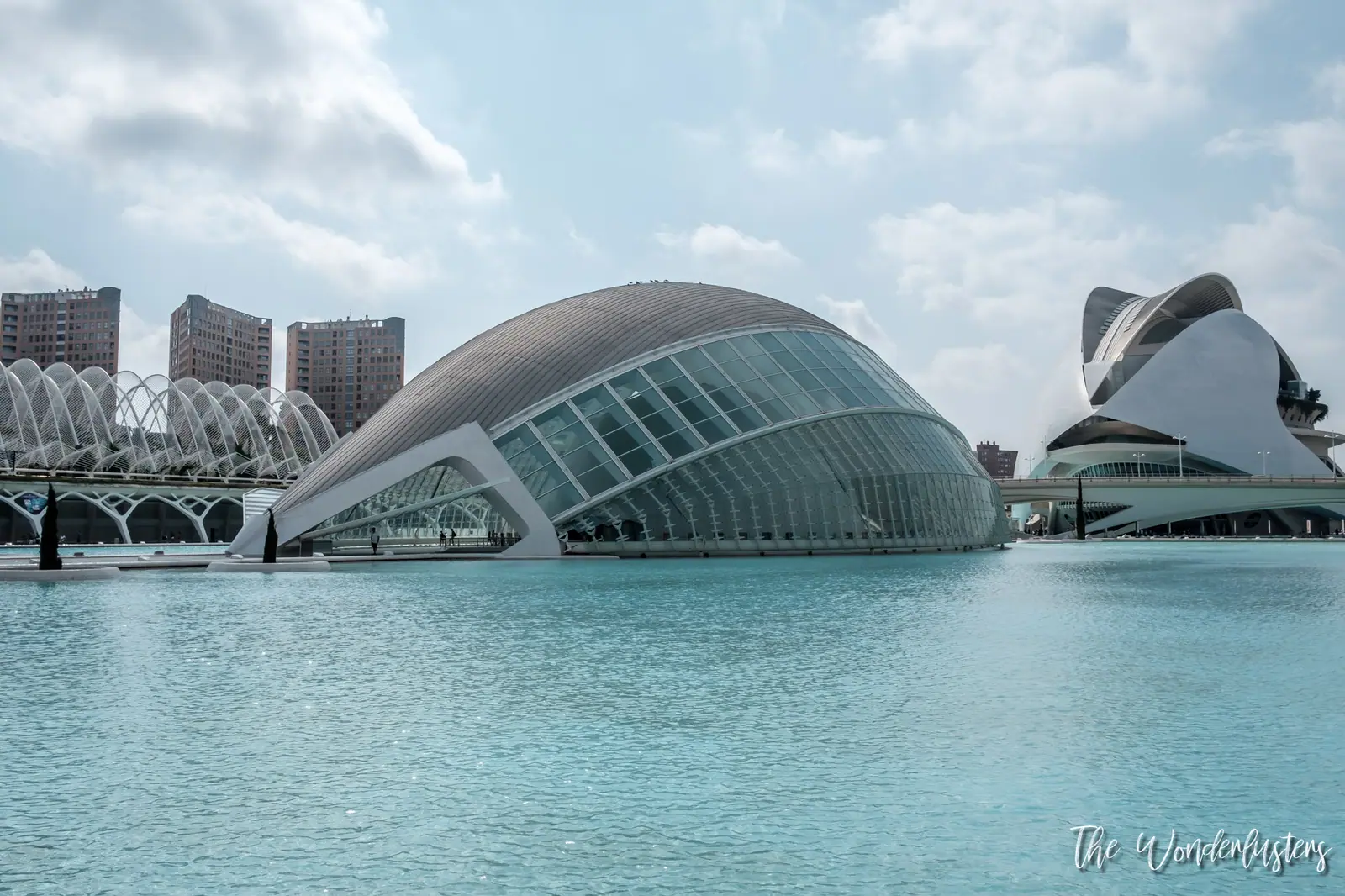
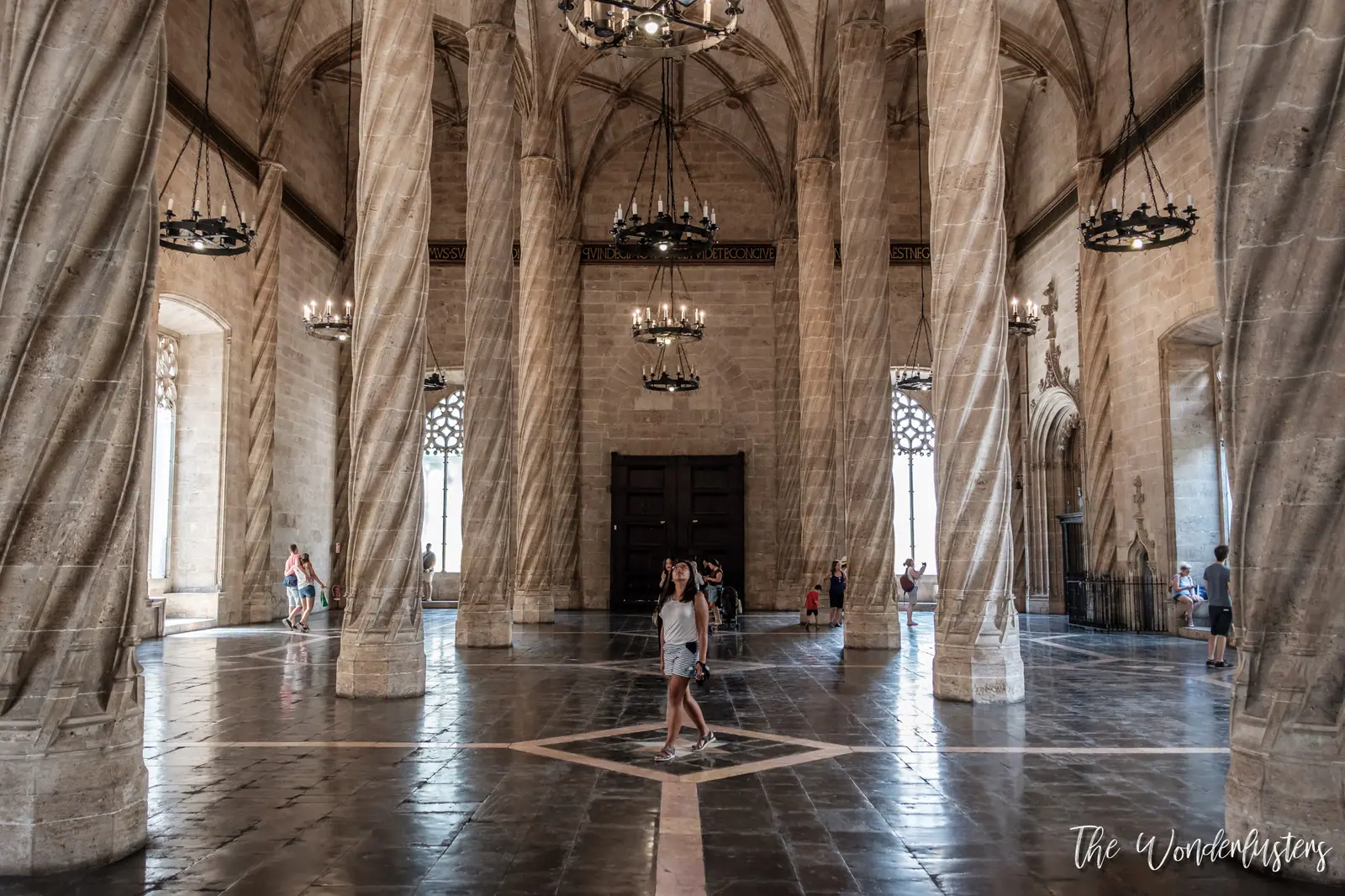
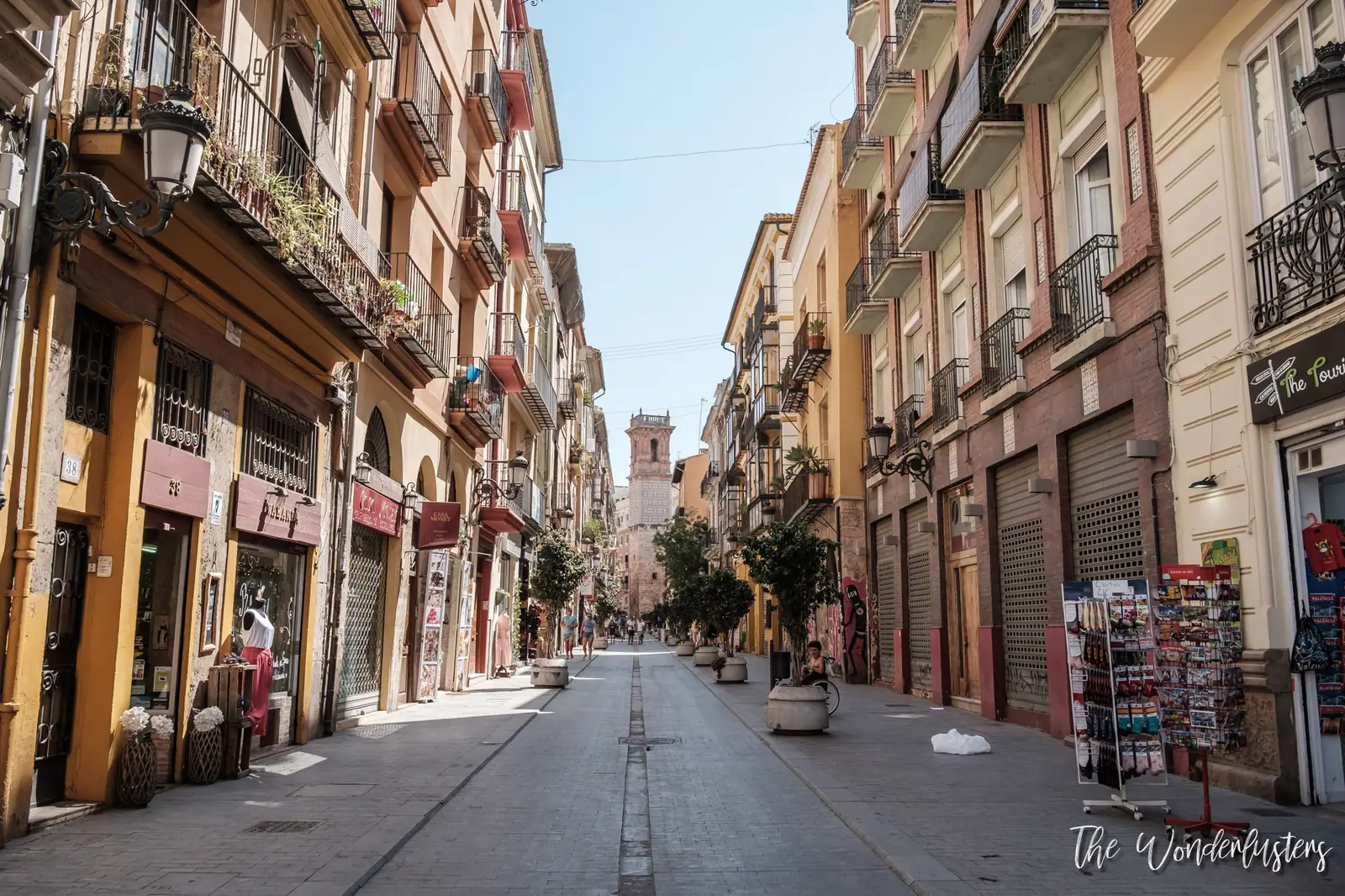
Valencia, Spain’s third-largest metropolitan area, pleasantly surprised us. The city has a remarkable architectural heritage and is best known for the futuristic buildings of its City of Arts and Sciences. In the historic district, the Silk Exchange (La Lonja de la Seda), a UNESCO World Heritage Site, was a trading hall in the 15th century and reflects the city’s economic power in the Mediterranean at the time.
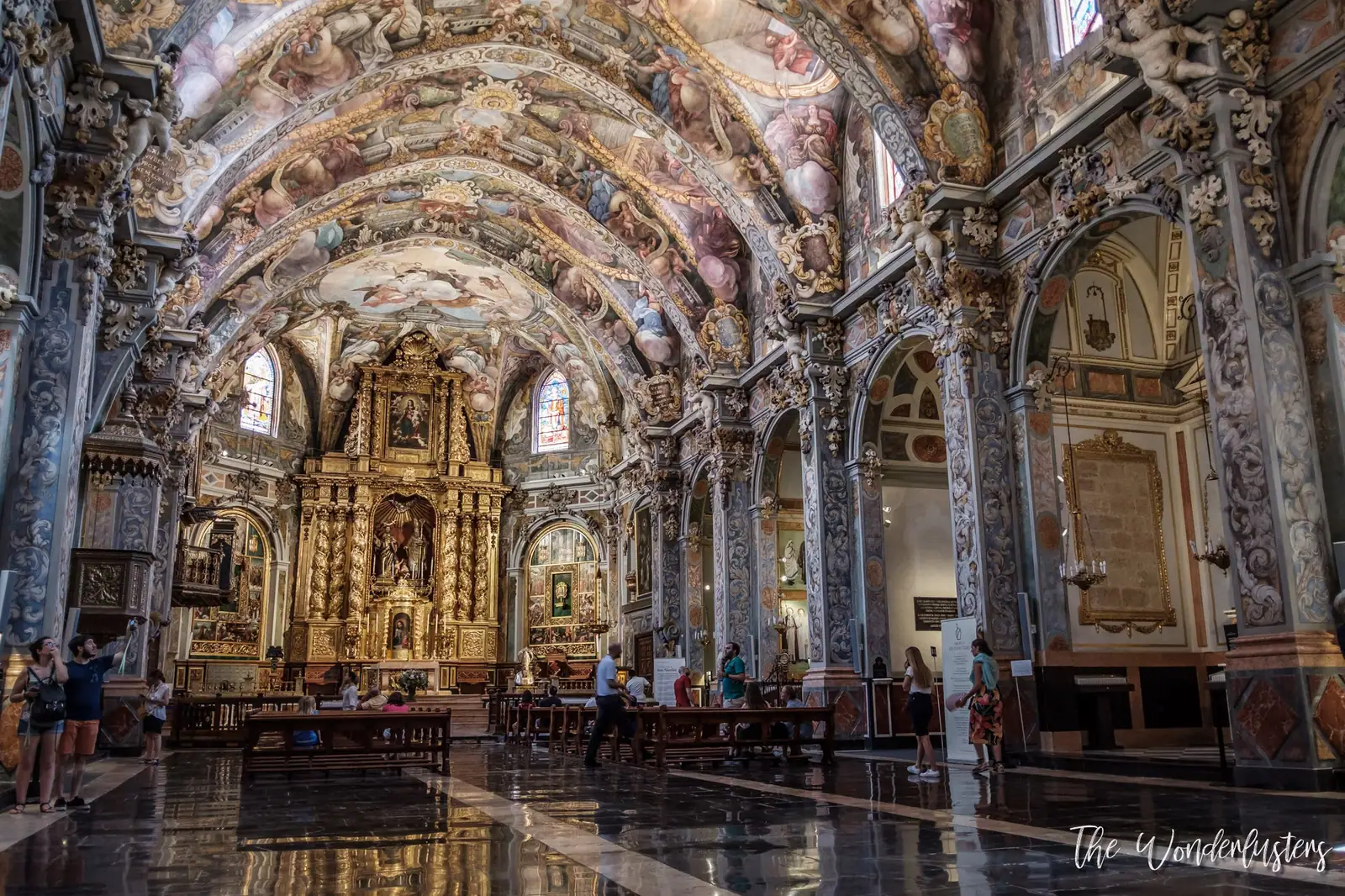
We didn’t miss the Church of San Nicolás, nicknamed the “Valencian Sistine Chapel” for its ceiling frescoes. It’s a real beauty!
Alicante
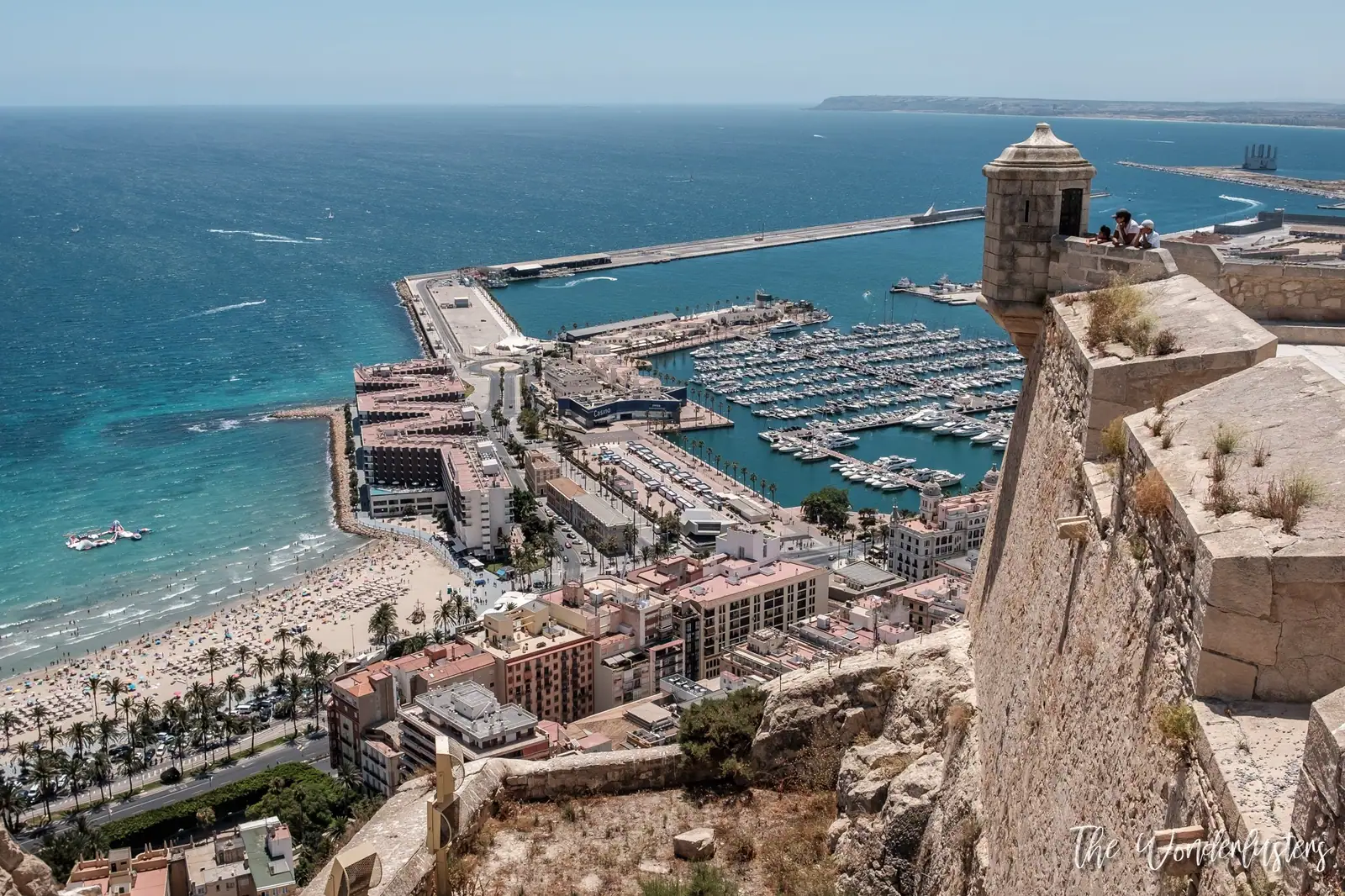
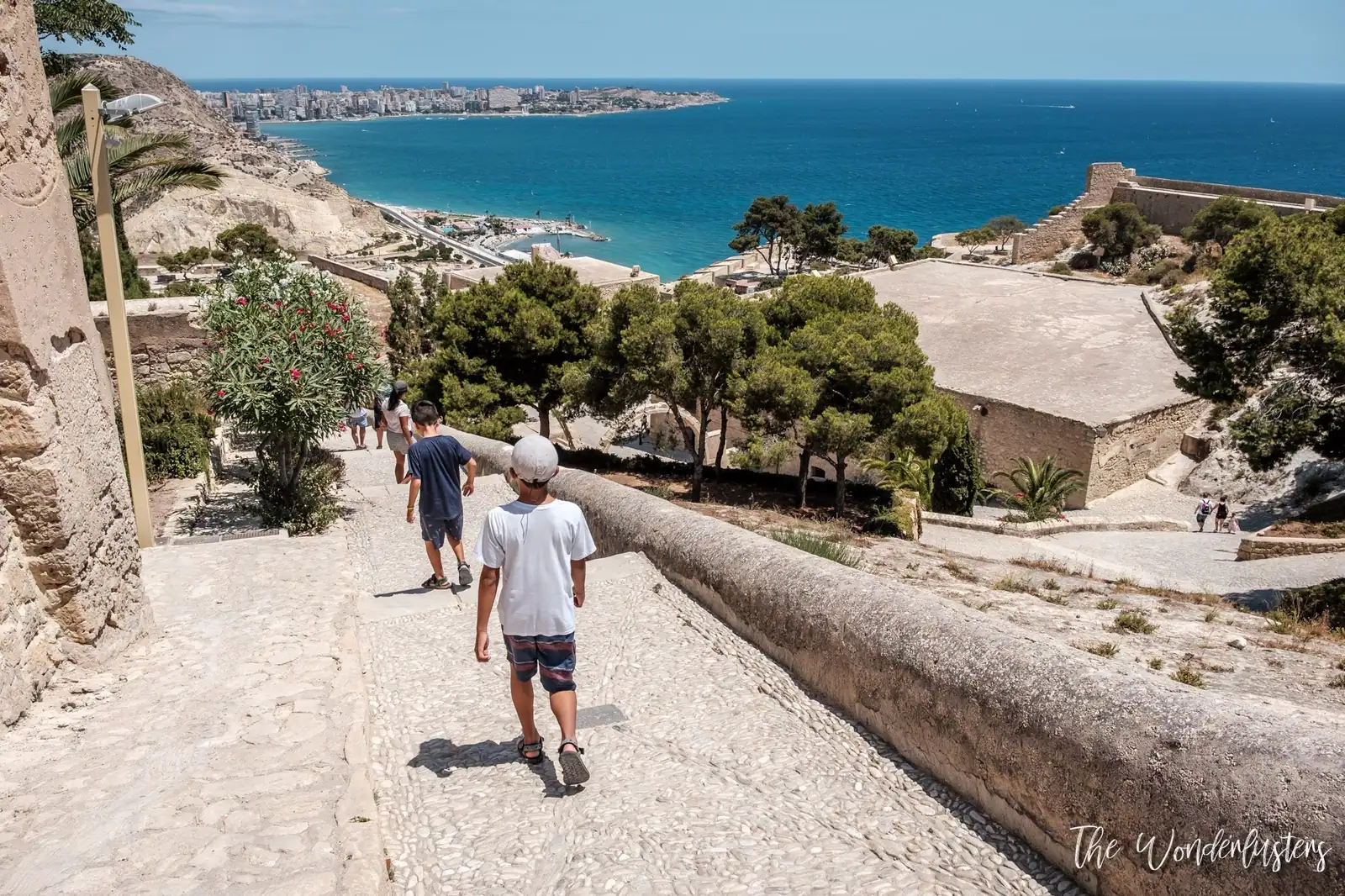
In Alicante, we visited Santa Bárbara Castle. Perched on a huge rock, it offers a sweeping view over the whole city and the sea!
Elche
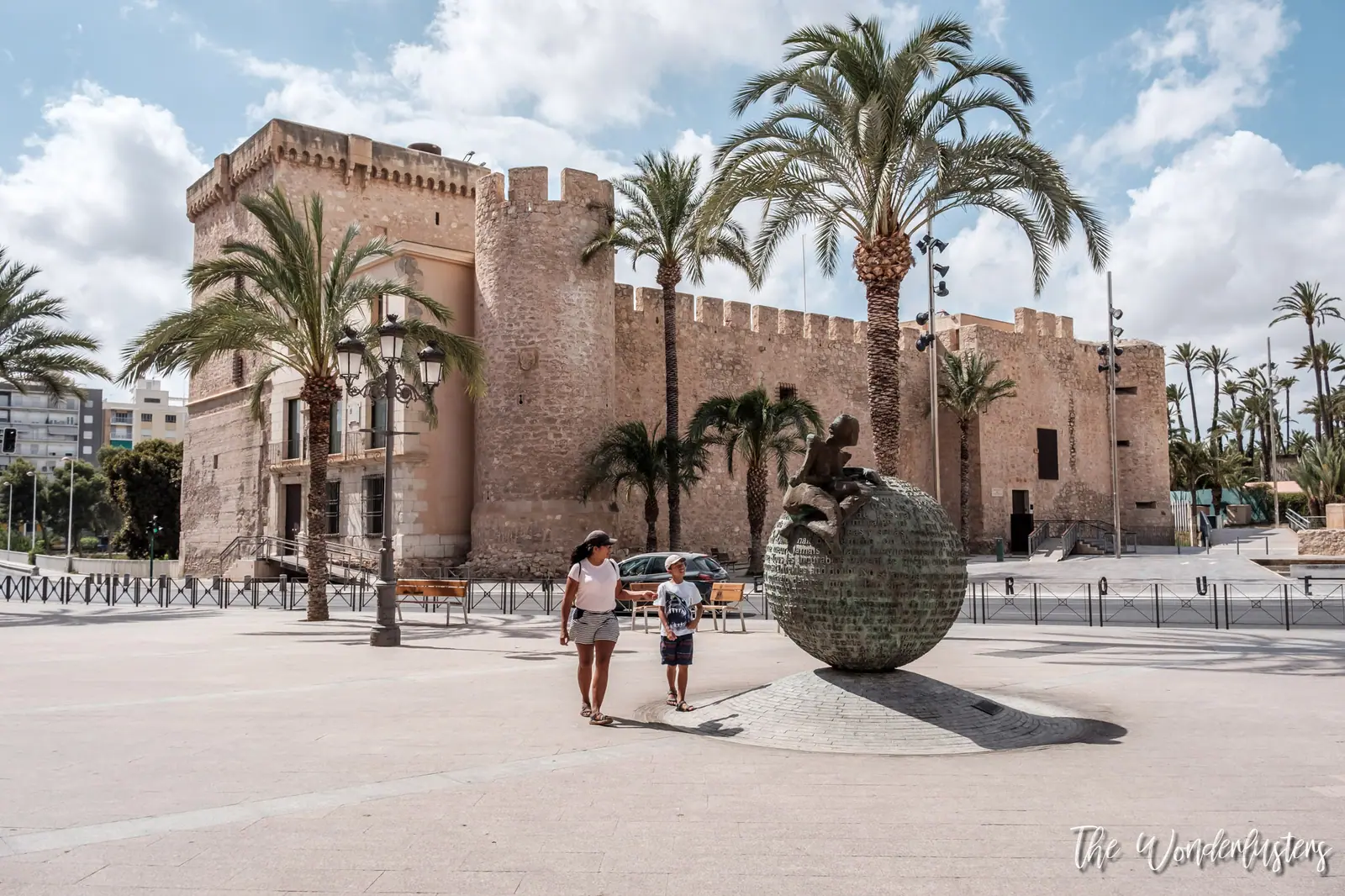
On the way to Murcia, a road sign reading “Elche, World Heritage City” made us curious enough to stop. What a lovely UNESCO discovery: we walked through the middle of the largest palm grove in Europe. The city was built in an oasis, a real exotic garden of thousands of palm trees!
Murcia
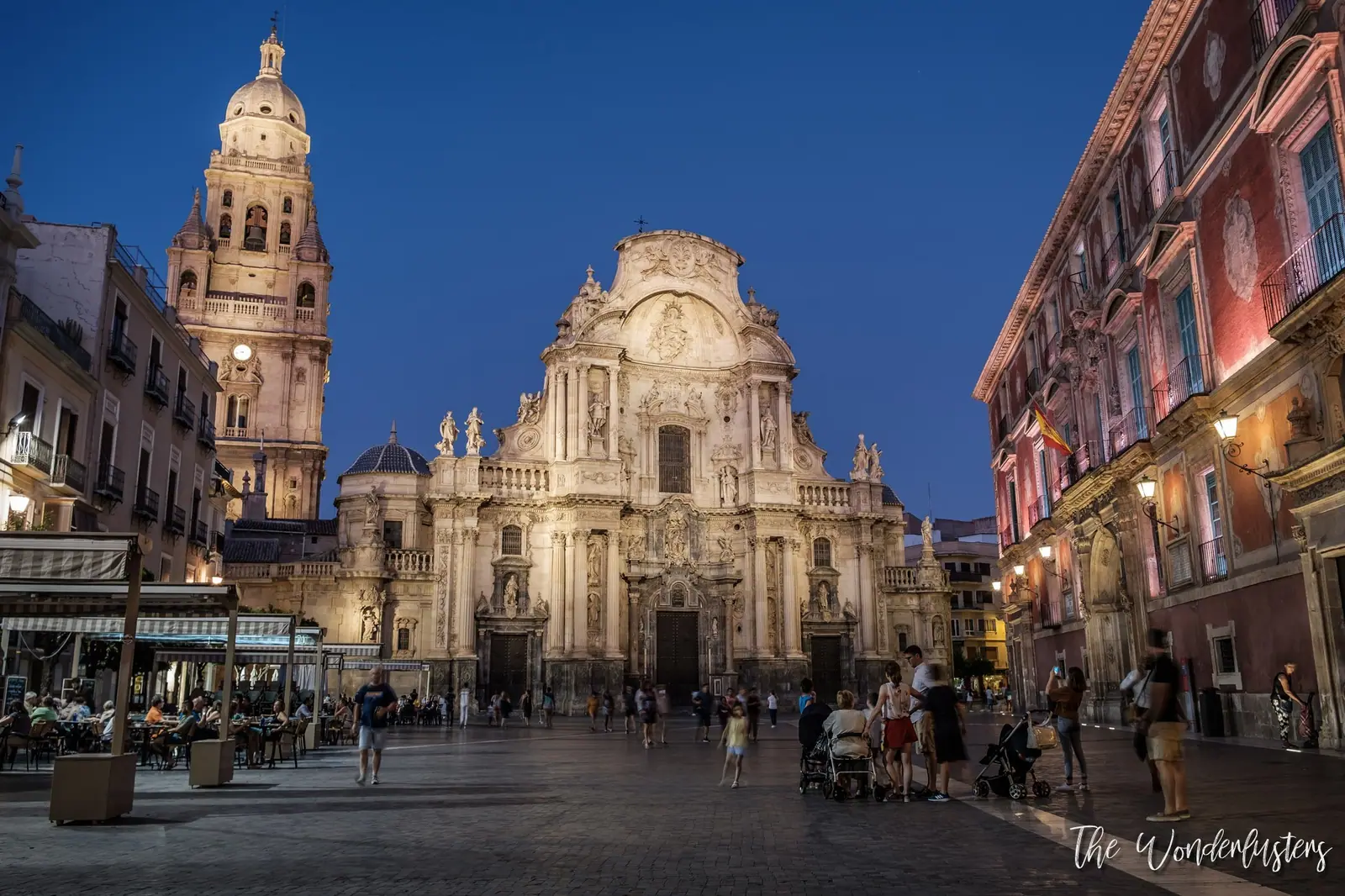
In the center of Murcia stands the Cathedral of Saint Mary, a huge 14th-century building we enjoyed visiting. The Murcia region is nicknamed the orchard of Europe for its fruit and vegetable production, and driving across this fertile plain is fascinating.
Granada and the Alhambra
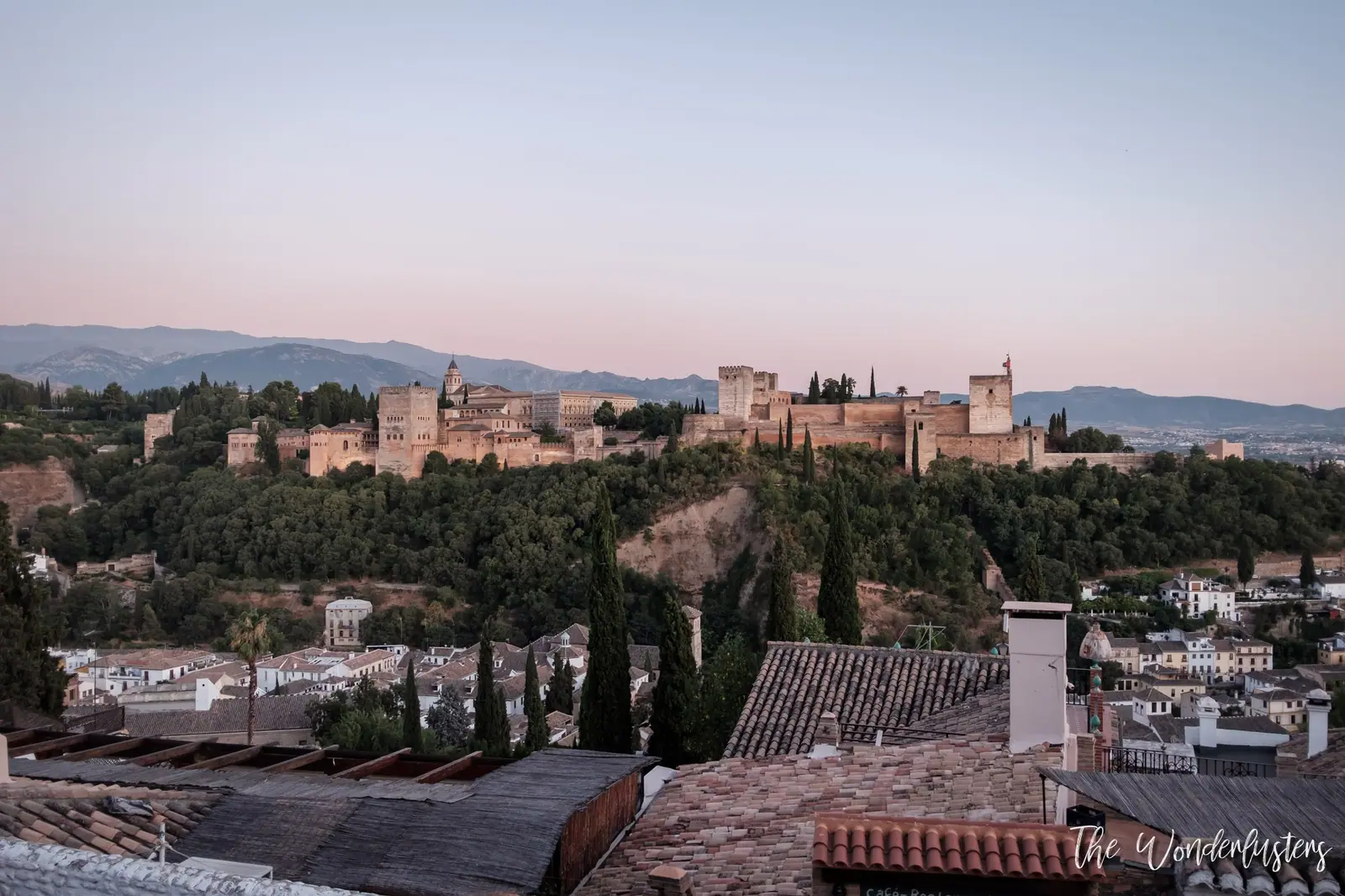
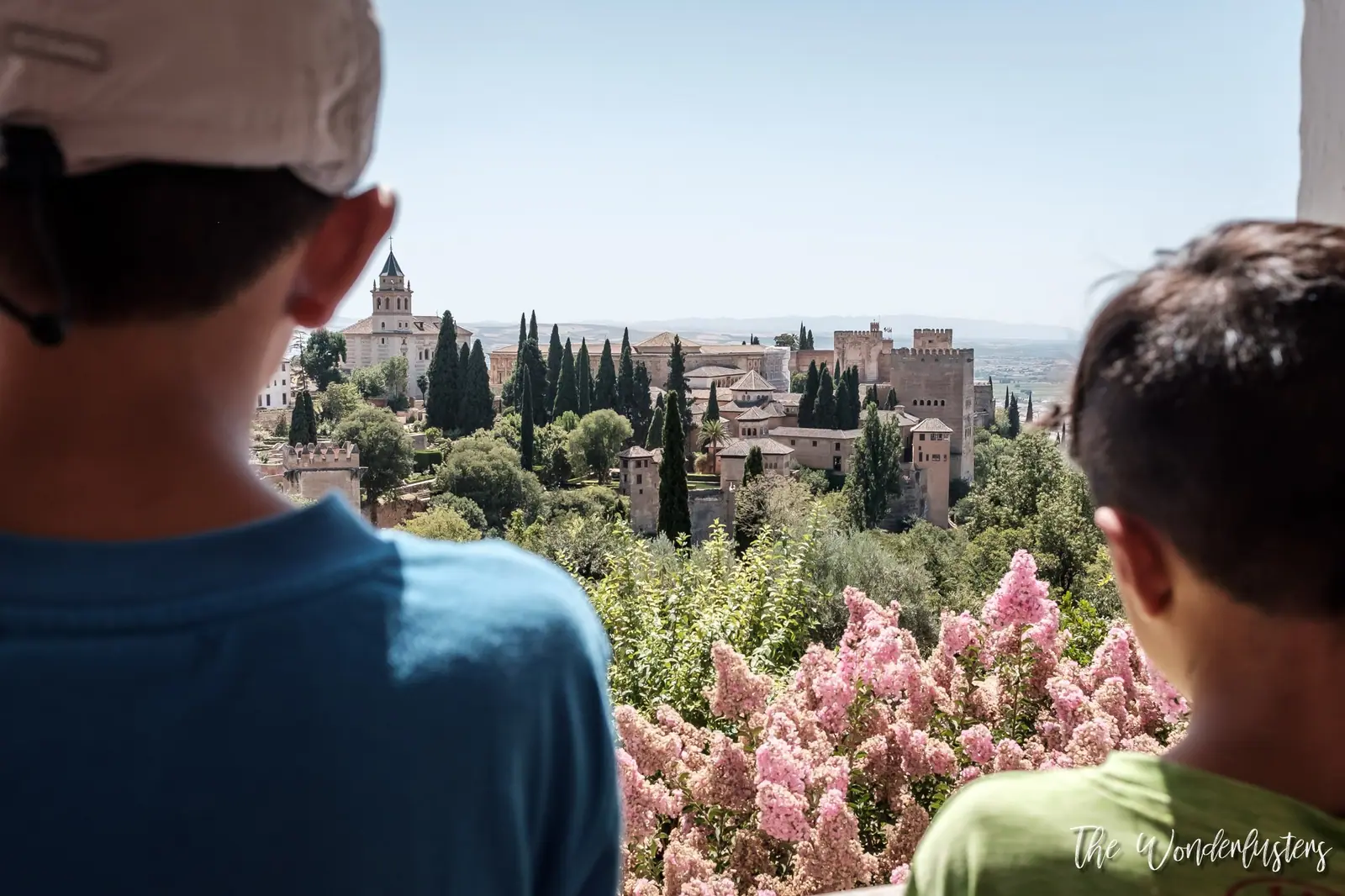
Did you know that the Muslims conquered the Iberian Peninsula and ruled there for nearly 8 centuries? The Nasrid dynasty, which held the Emirate of Granada, was defeated in 1492, ending the Reconquista. The majestic hilltop citadel of the Alhambra, now a UNESCO World Heritage Site, is the most prestigious legacy of the Muslim presence in Spain.
The Alhambra of Granada has four parts:
- The Alcazaba, or citadel;
- The Nasrid Palaces;
- The Generalife, the summer palace of the Nasrid princes;
- The Palace of Charles V, added by the Castilian victors after the Reconquista.
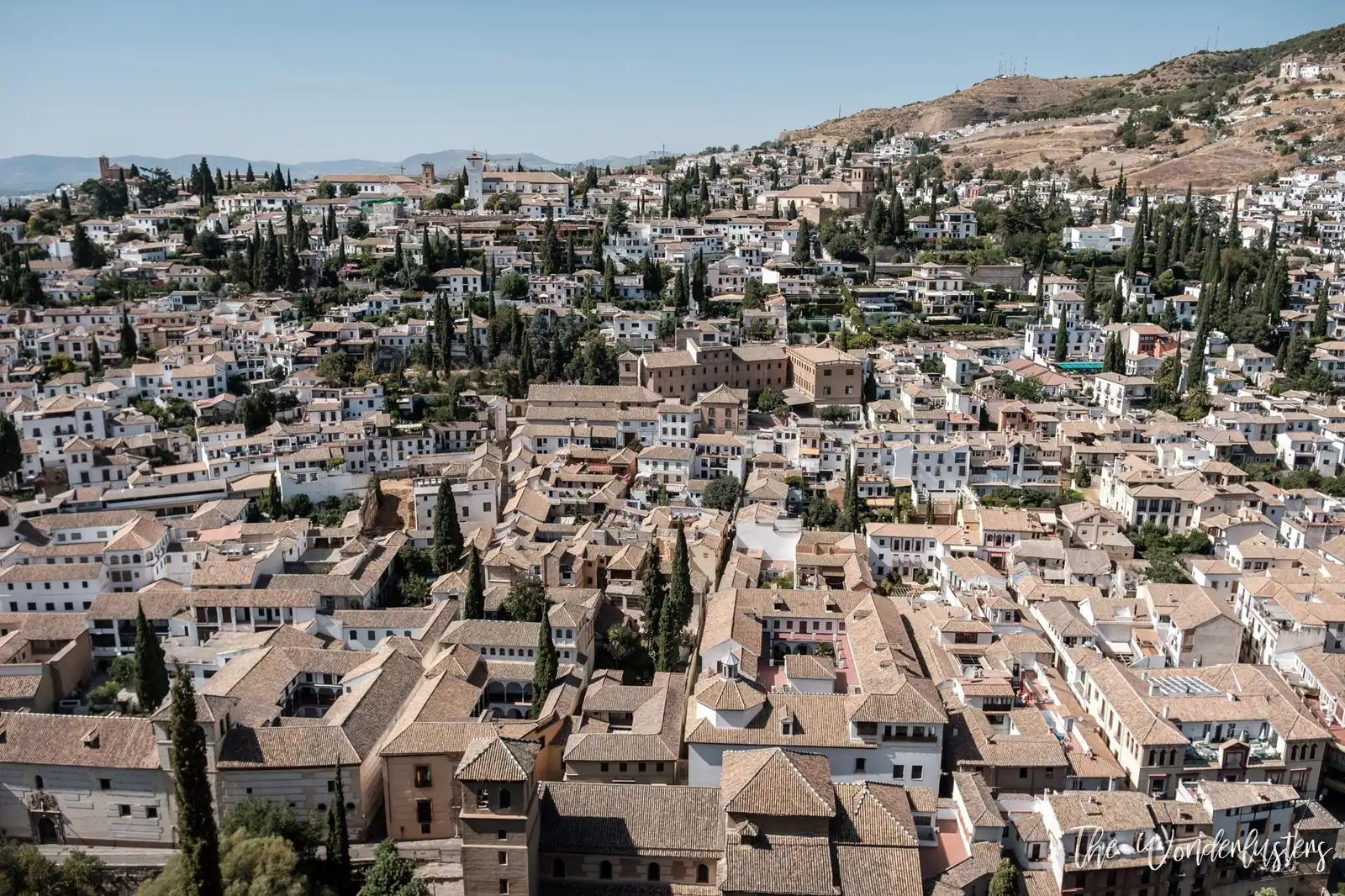
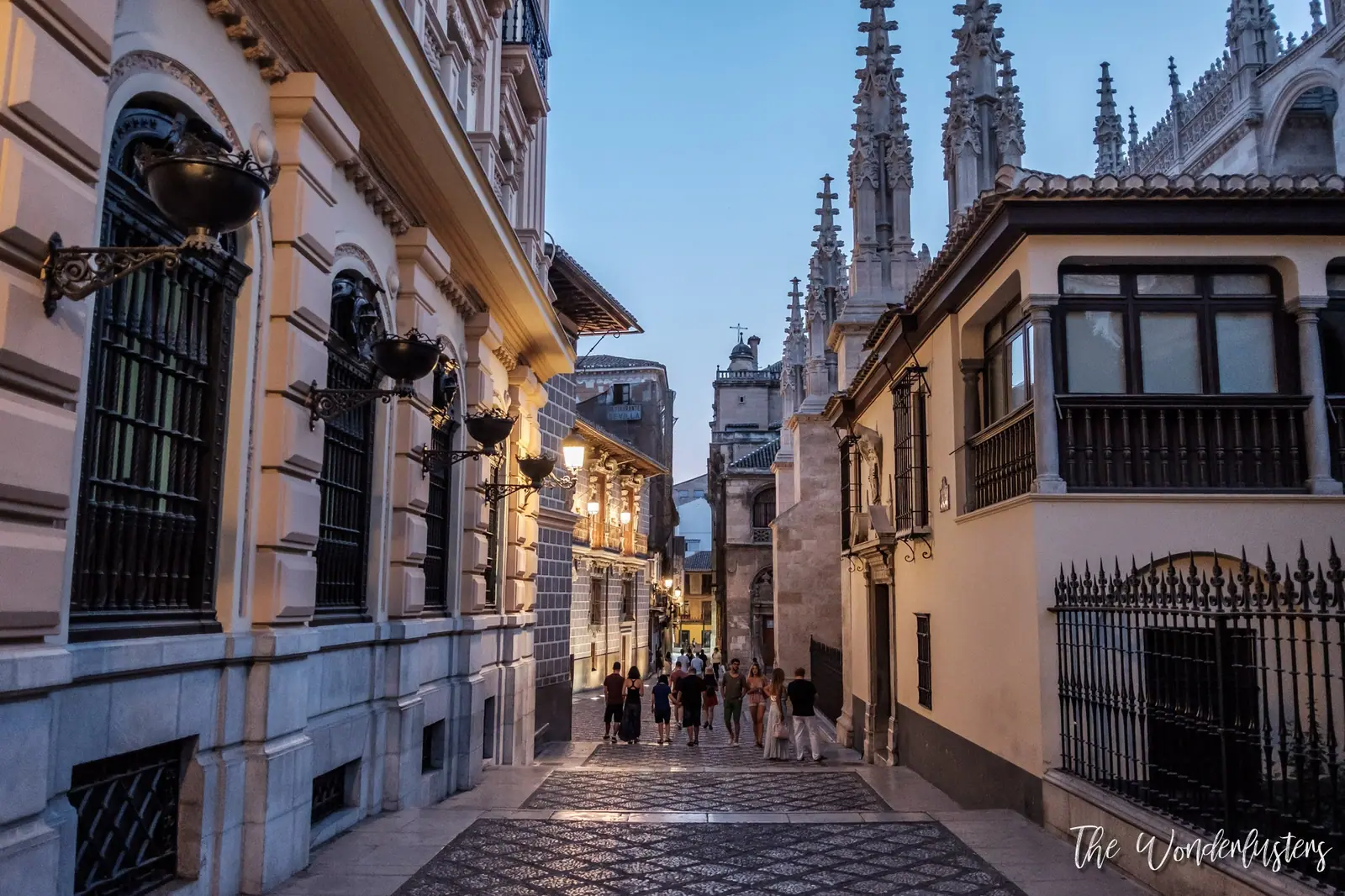
The Alhambra is simply sublime!
Ronda
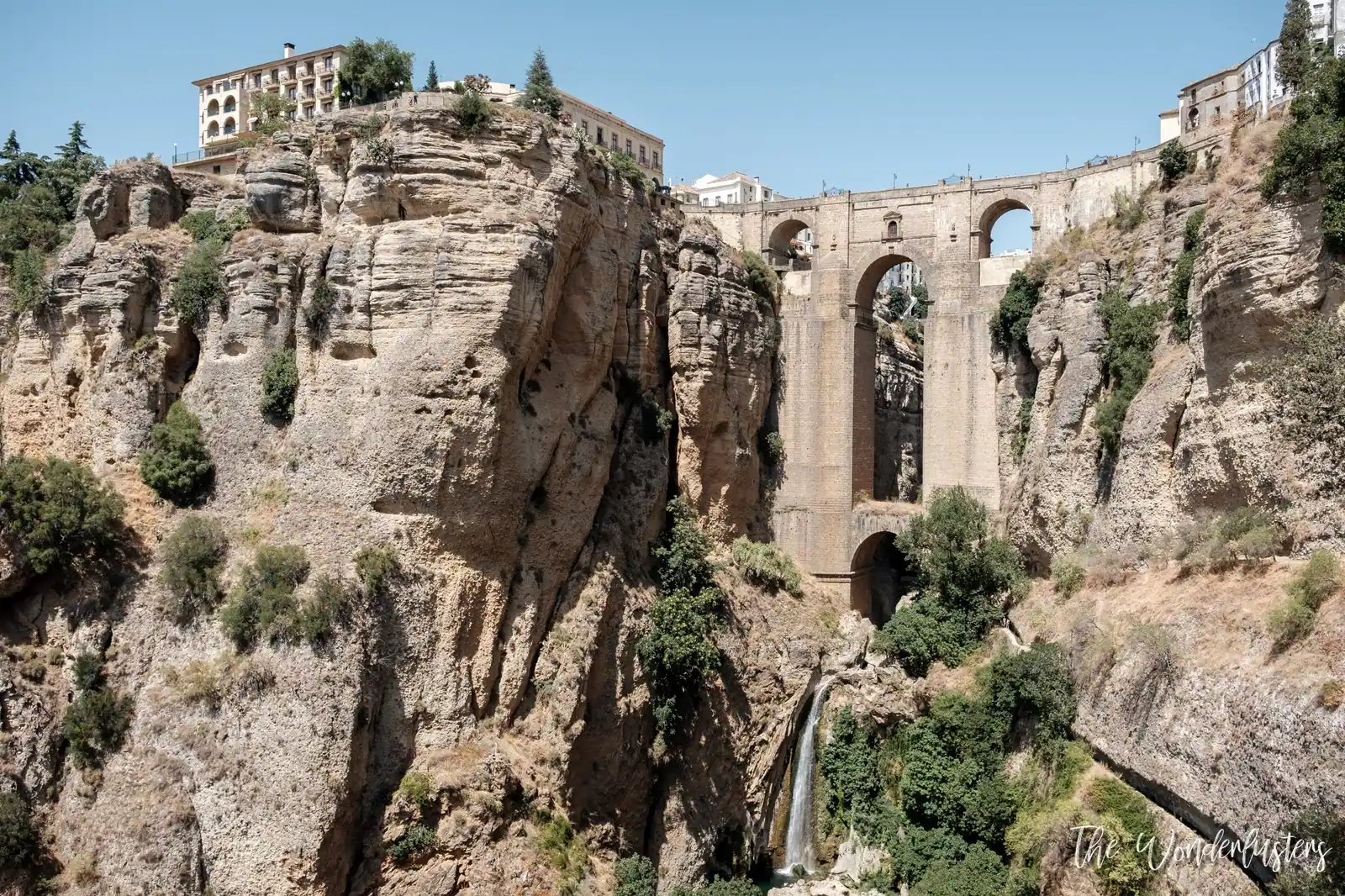
Ronda is one of those places that fire the imagination. It is the birthplace of the corrida, the well-known Spanish bullfighting tradition. But the city’s true emblem is the Puente Nuevo (New Bridge), which spans the El Tajo gorge that splits the town in two. Ronda has some of the most magnificent viewpoints we have ever seen.
Gibraltar
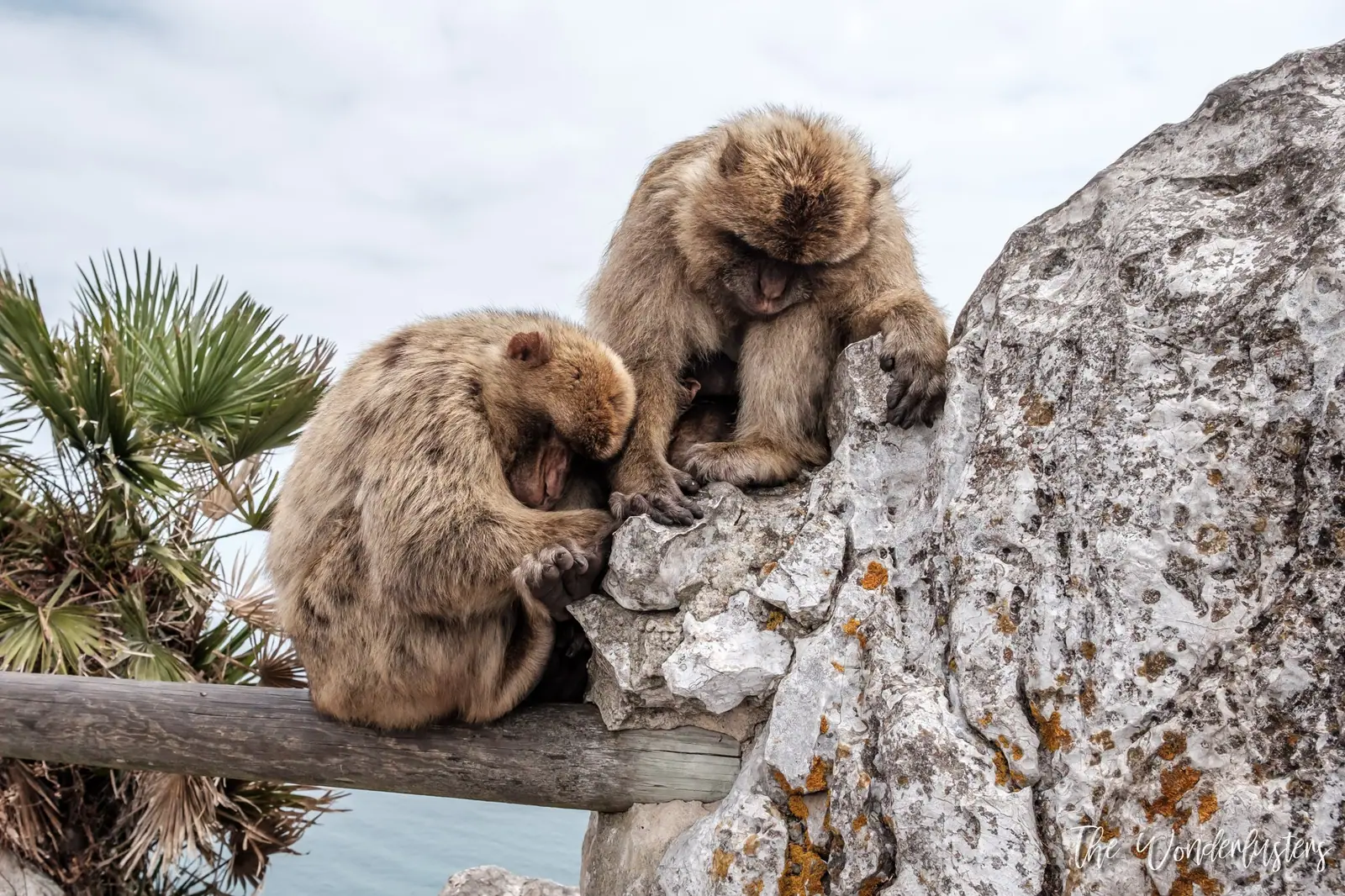
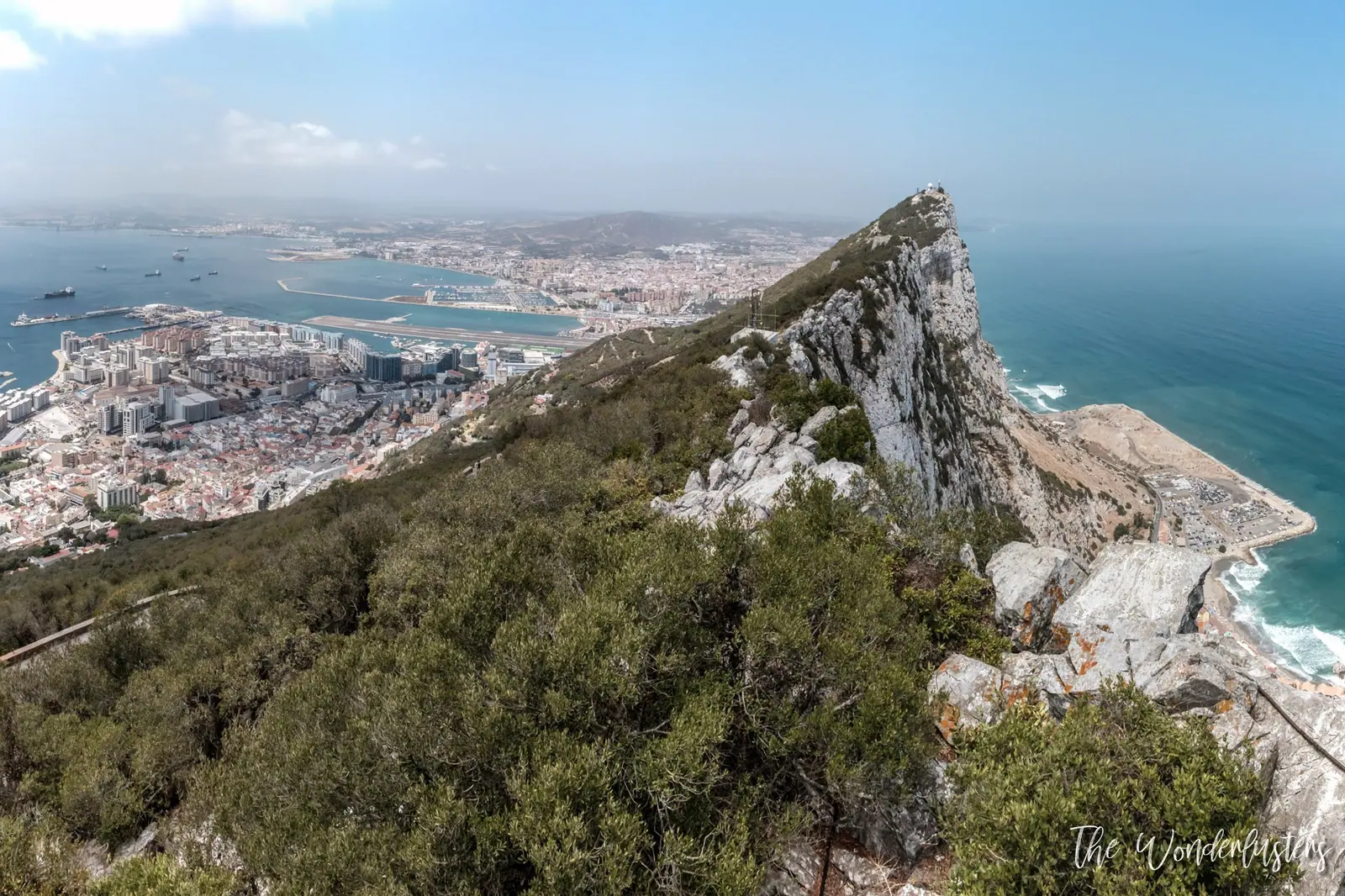
We stayed two nights in La Línea de la Concepción, which let us walk into Gibraltar. From the border, it took us only 20 minutes to reach the Top of the Rock, by bus and then by cable car. Up there live some 300 free-roaming Barbary macaques, the same ones we had seen in Morocco. The morning clouds gave way to sunshine and a splendid view in the afternoon.
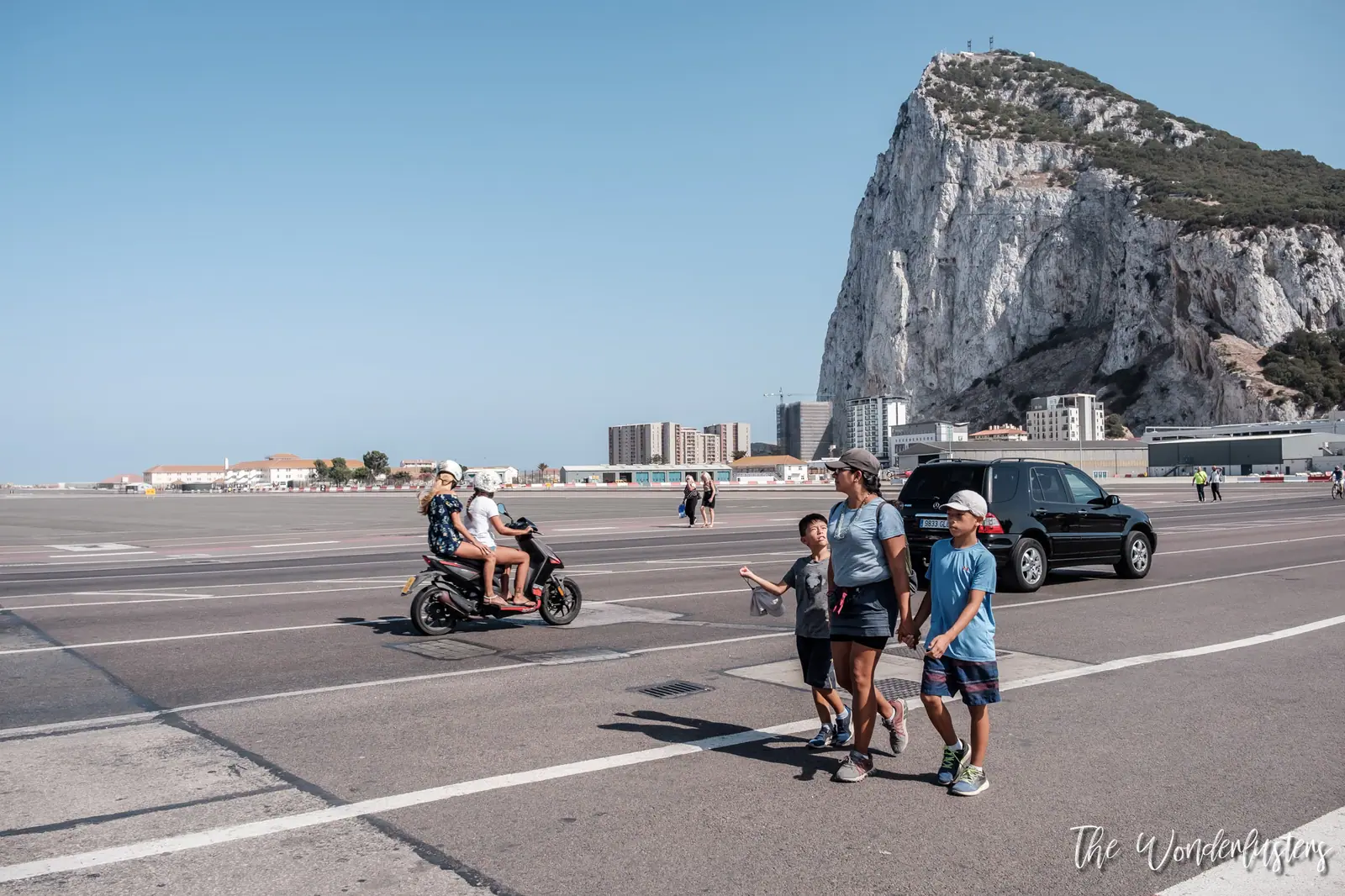
To end the day, we went down to explore the town, which reminded us a lot of England: its distinctive architecture, fish and chips pubs and restaurants, red phone booths, bowler-hatted police officers and British shop signs. English is spoken and you pay in pounds sterling, but cars drive on the right. Oh, and we walked across the airport runway to get back to the Spanish border. That was a strange experience!
2026 update: The Gibraltar Cable Car is closed for a full refurbishment and is expected to reopen in 2027 (Gibraltar Nature Reserve).
2026 update: Since July 15, 2026, under the UK–EU agreement on Gibraltar, the fence and routine passport checks at the Spain–Gibraltar land border have been removed; checks now take place at Gibraltar’s airport and port (Al Jazeera).
Córdoba
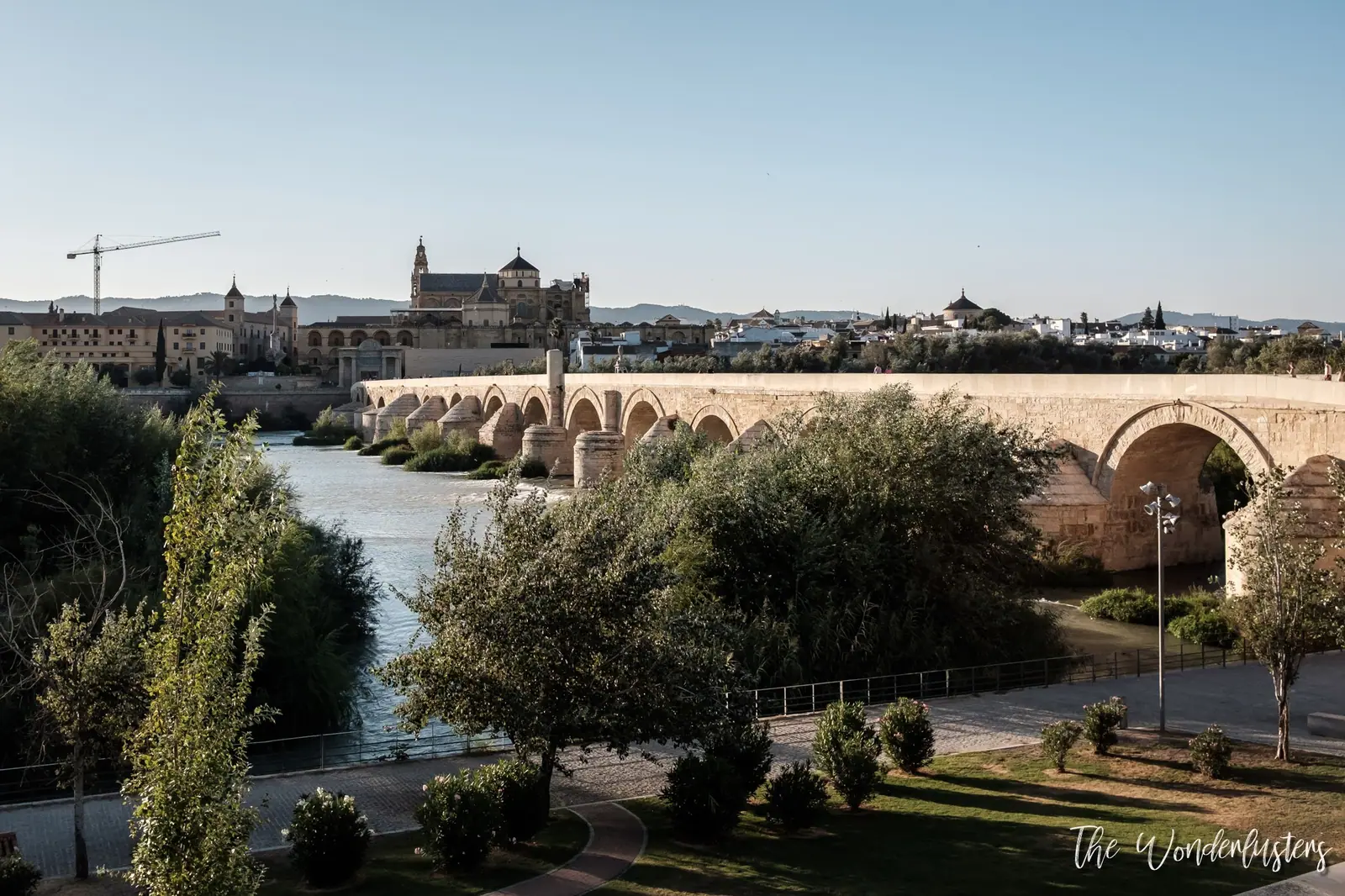
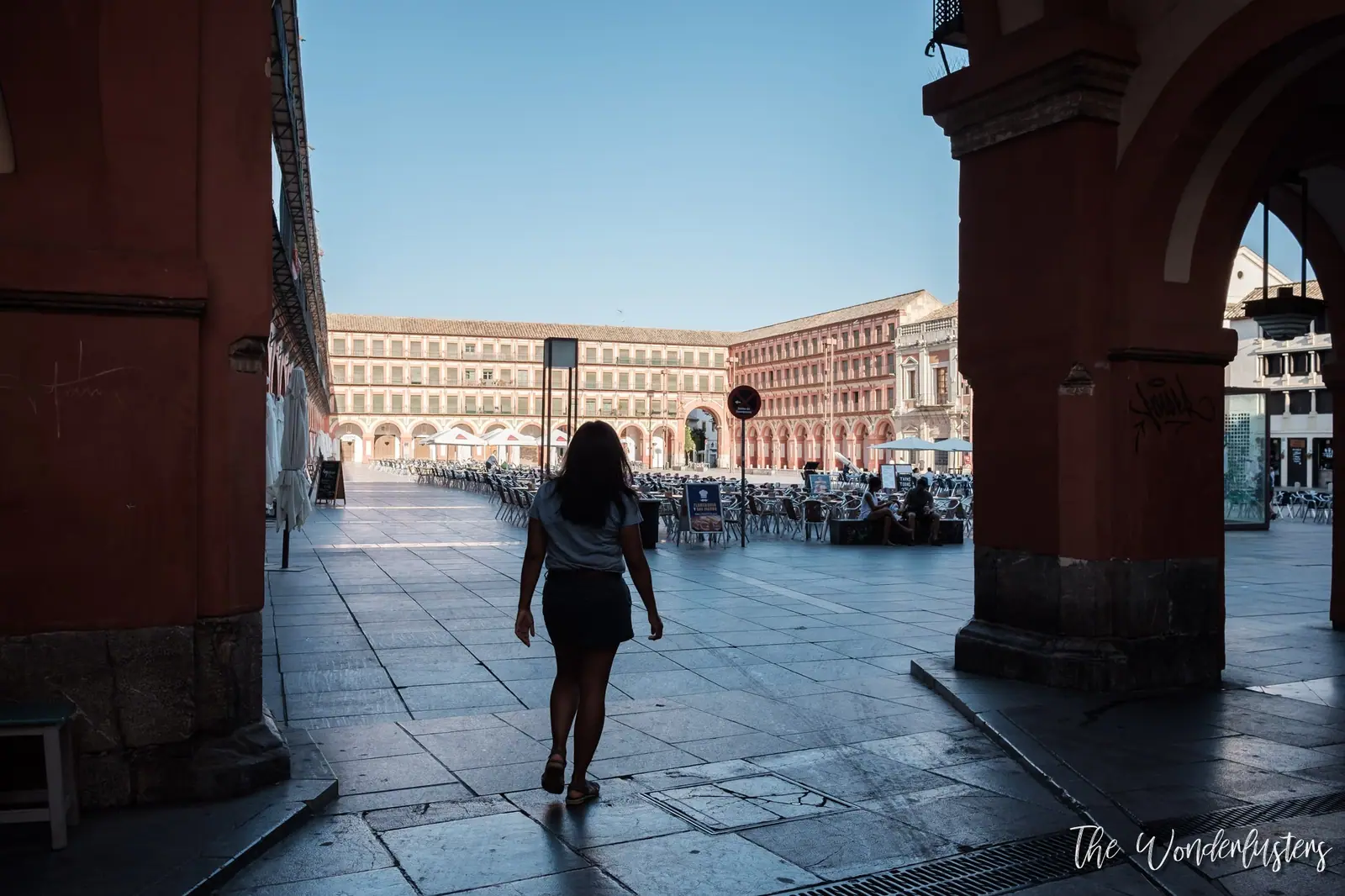
Next, back to Andalusia and the city of Córdoba. Like its neighbor Granada, Córdoba has a rich architectural and cultural heritage tied to several centuries of Muslim presence. At its peak in the 10th century, it was among the most populous cities in the West and shone for its scientific development.
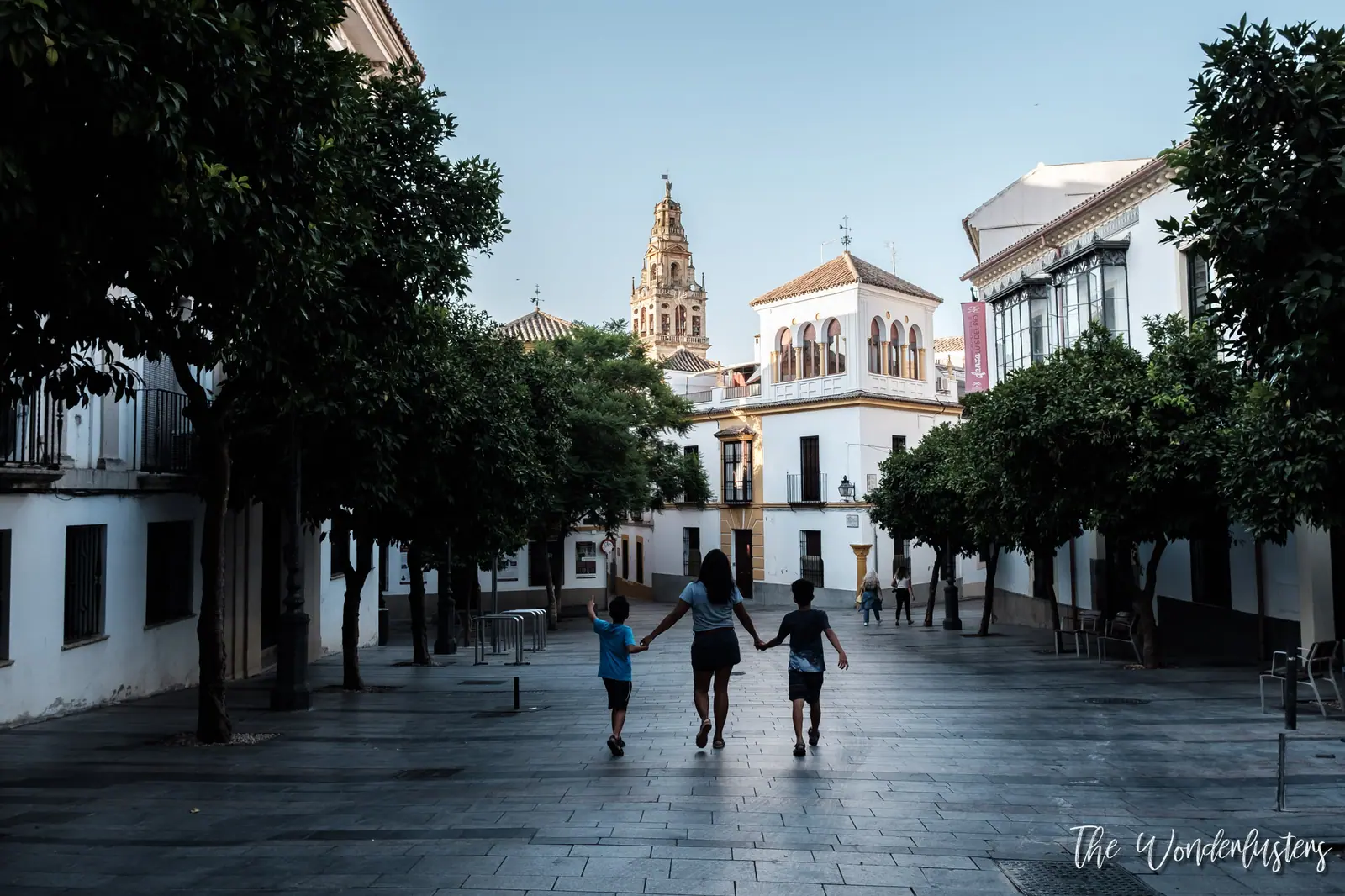
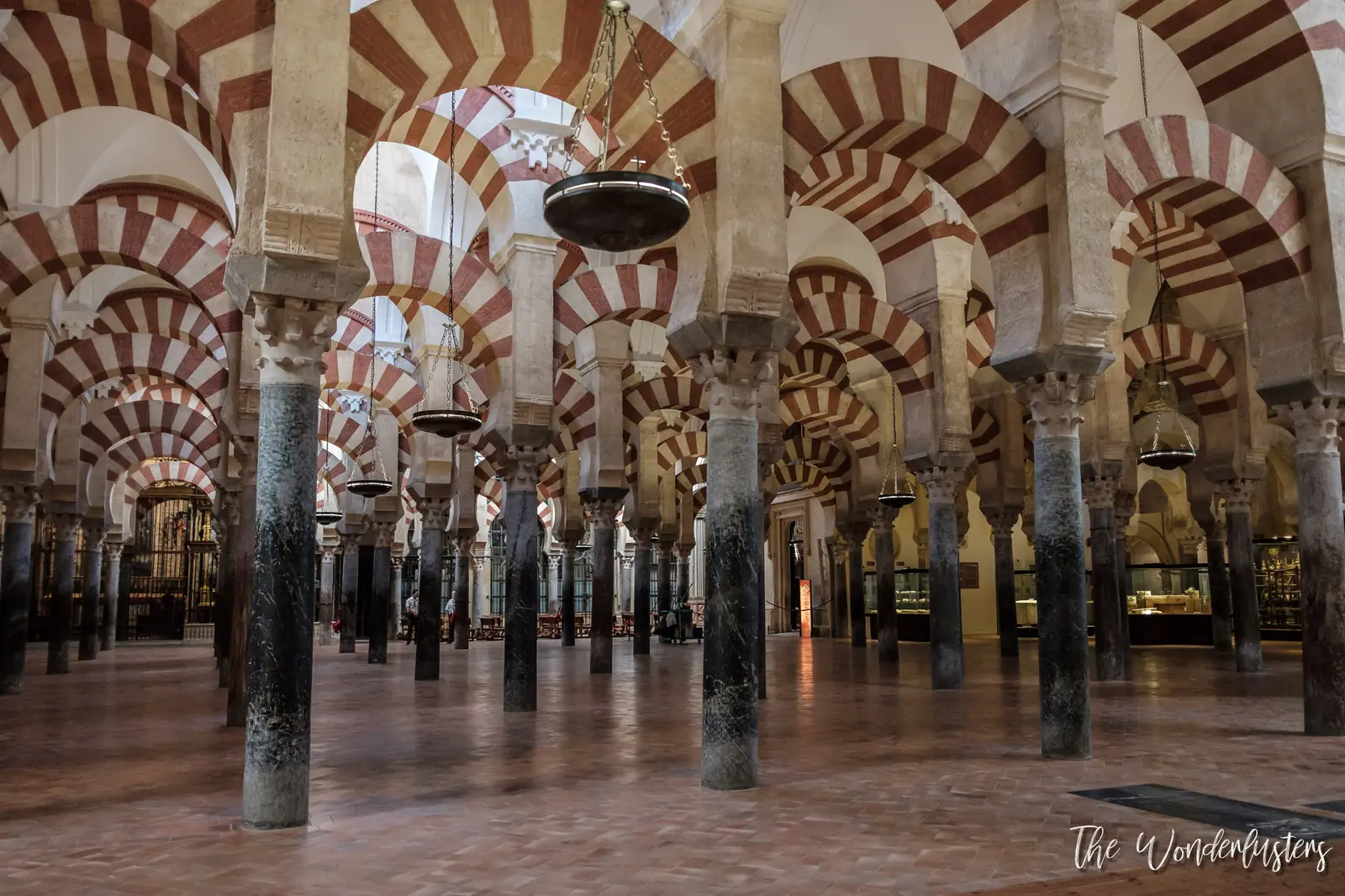
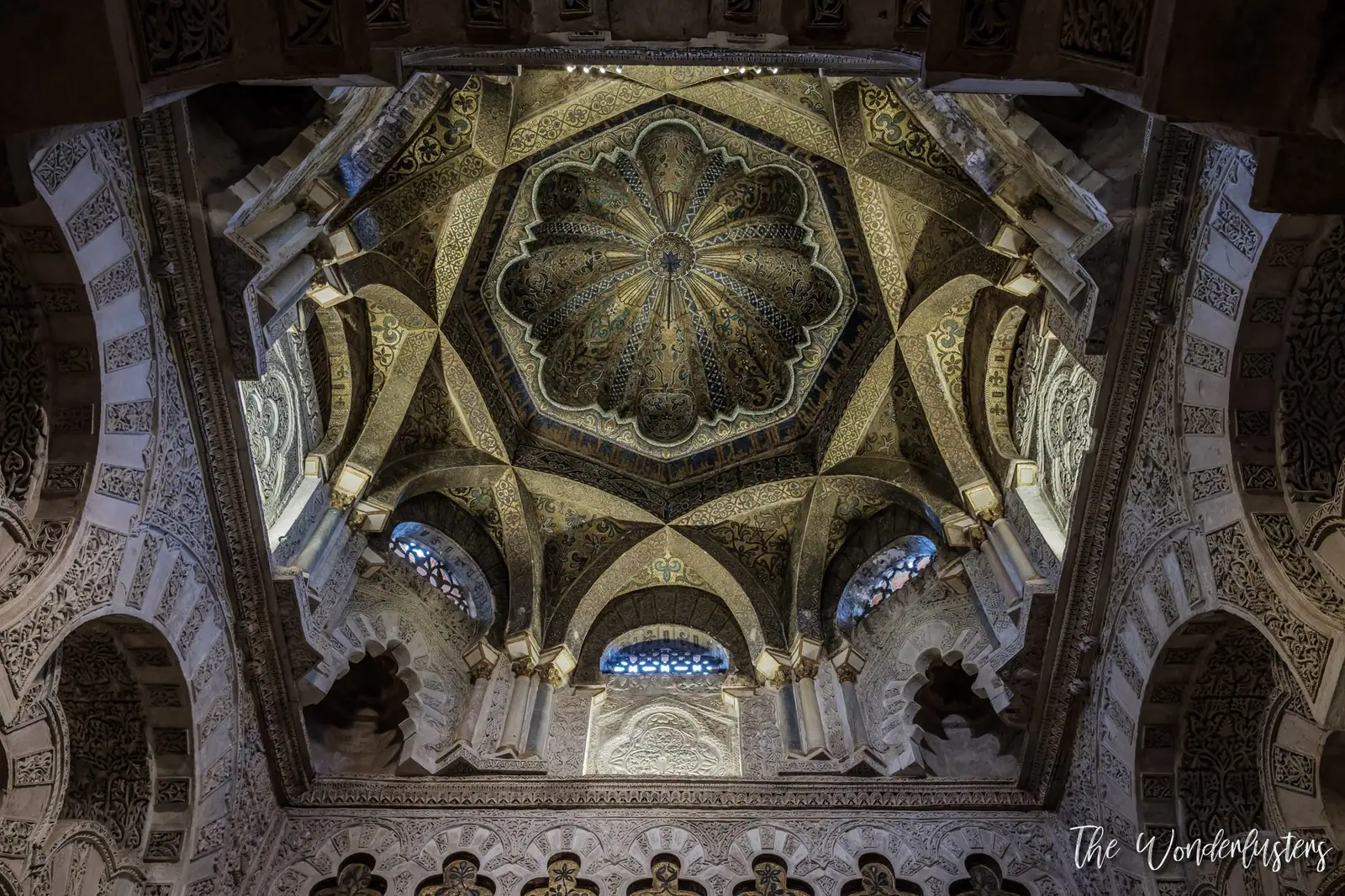
Its Mosque-Cathedral is a truly unusual masterpiece that reflects the different cultures that followed one another in Córdoba. We enjoyed walking around it and through the historic center, a UNESCO World Heritage Site. The Roman bridge is absolutely magnificent.
Seville
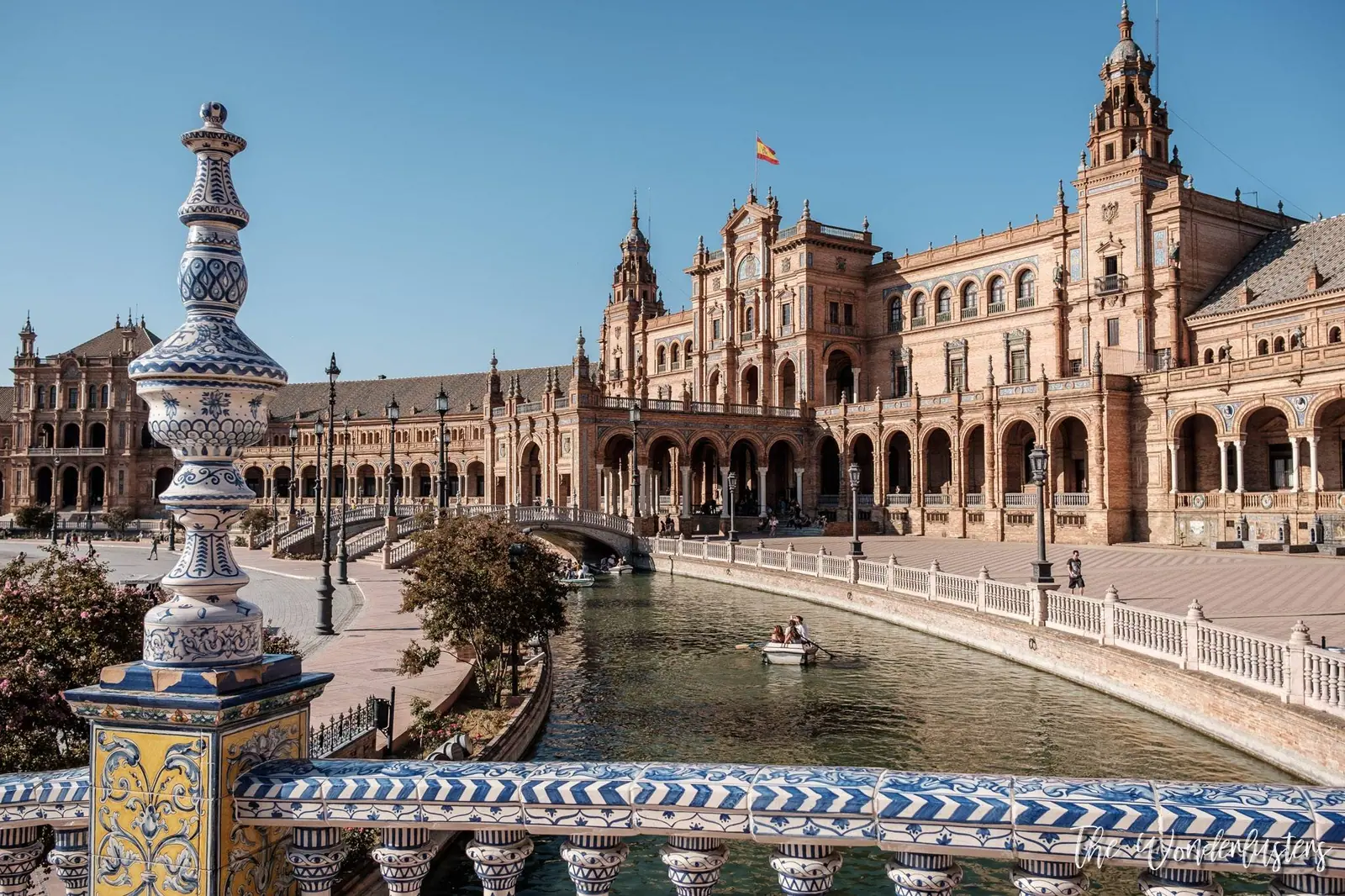
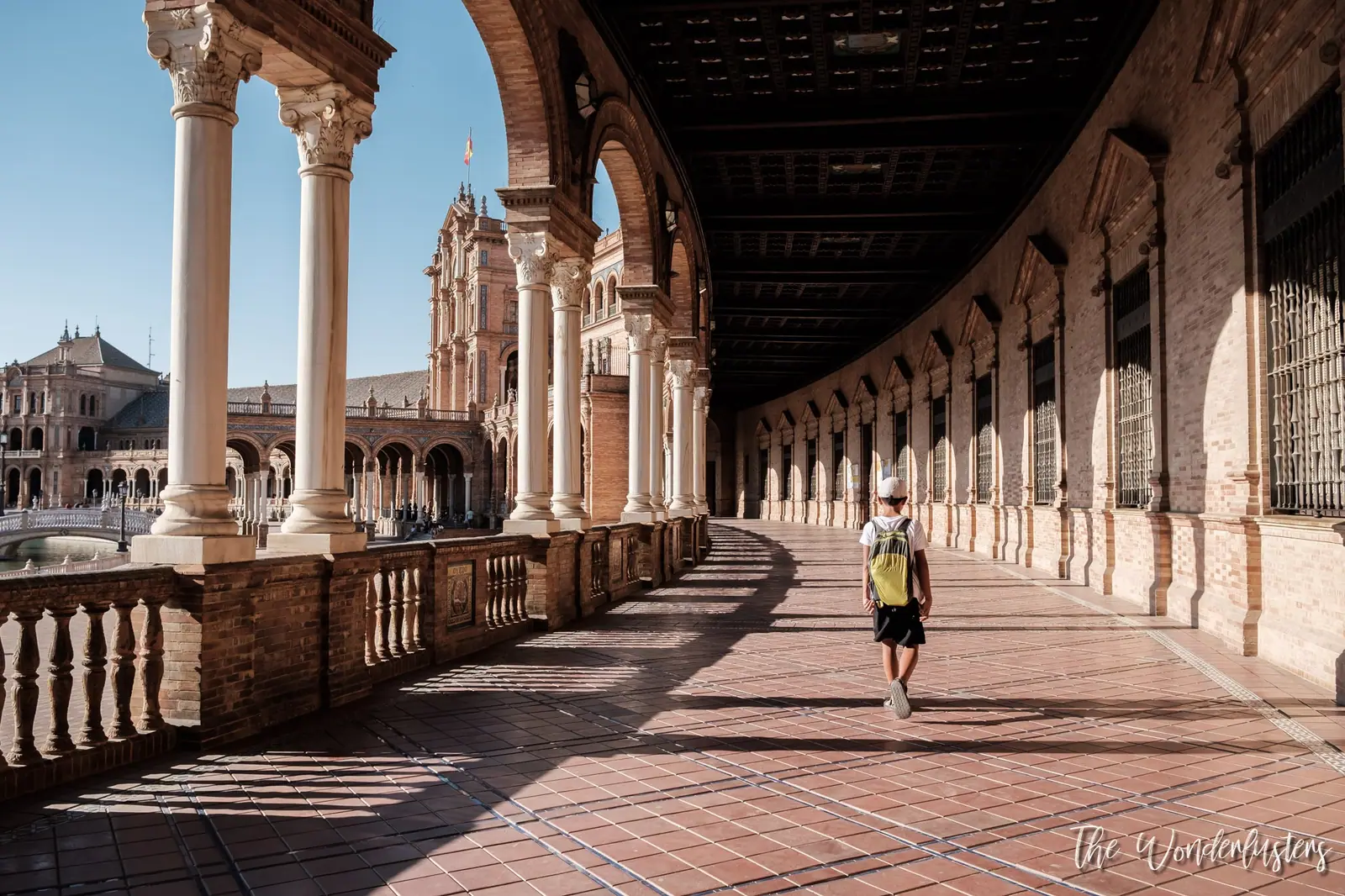
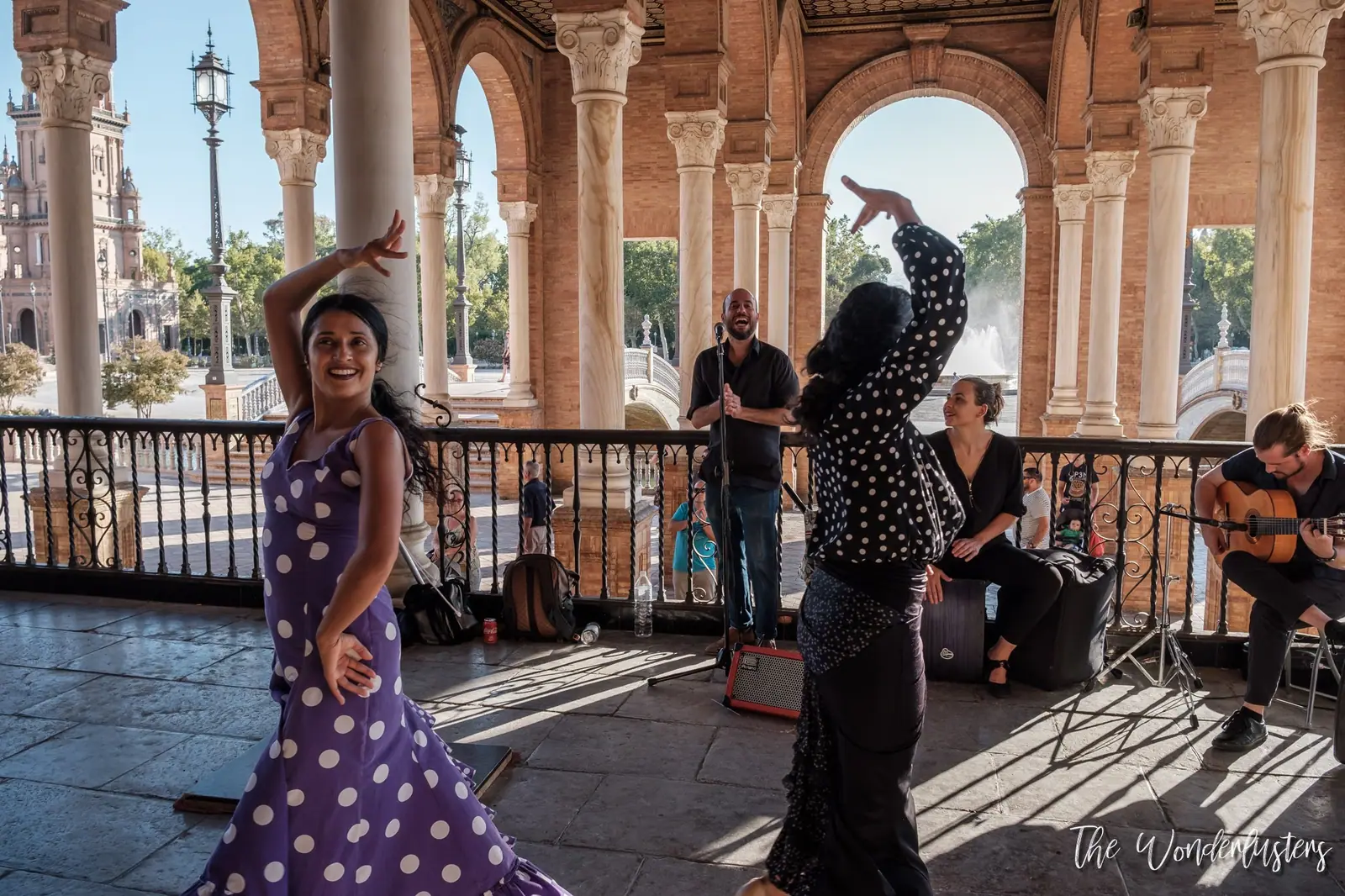
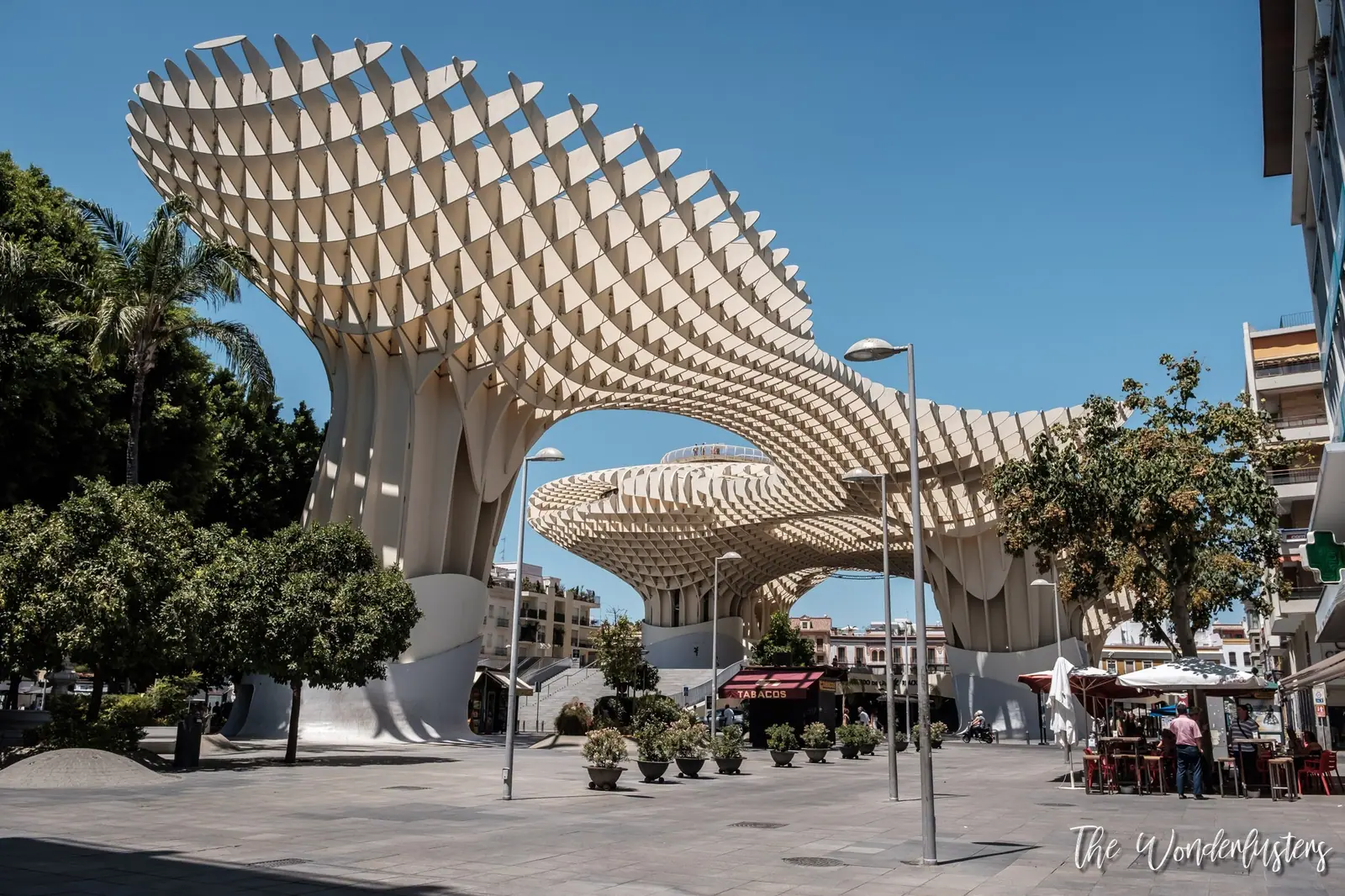
Seville is magical! We spent hours wandering the extraordinary Plaza de España at sunset. The semi-oval square features a palace, towers, pillars, arches, tiled benches, pools and a large central fountain. Flamenco dancers were performing while we were there, and it was great!
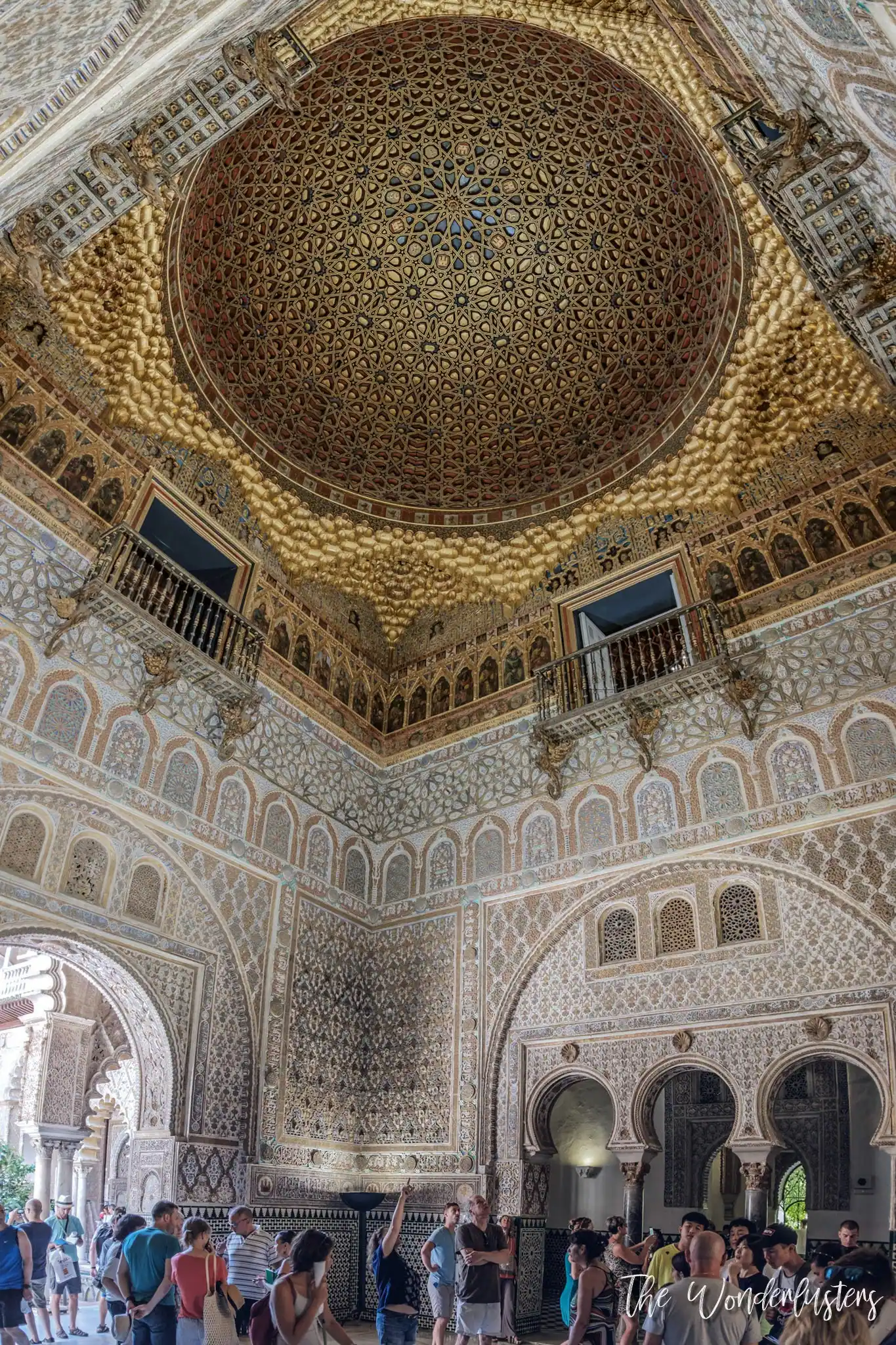
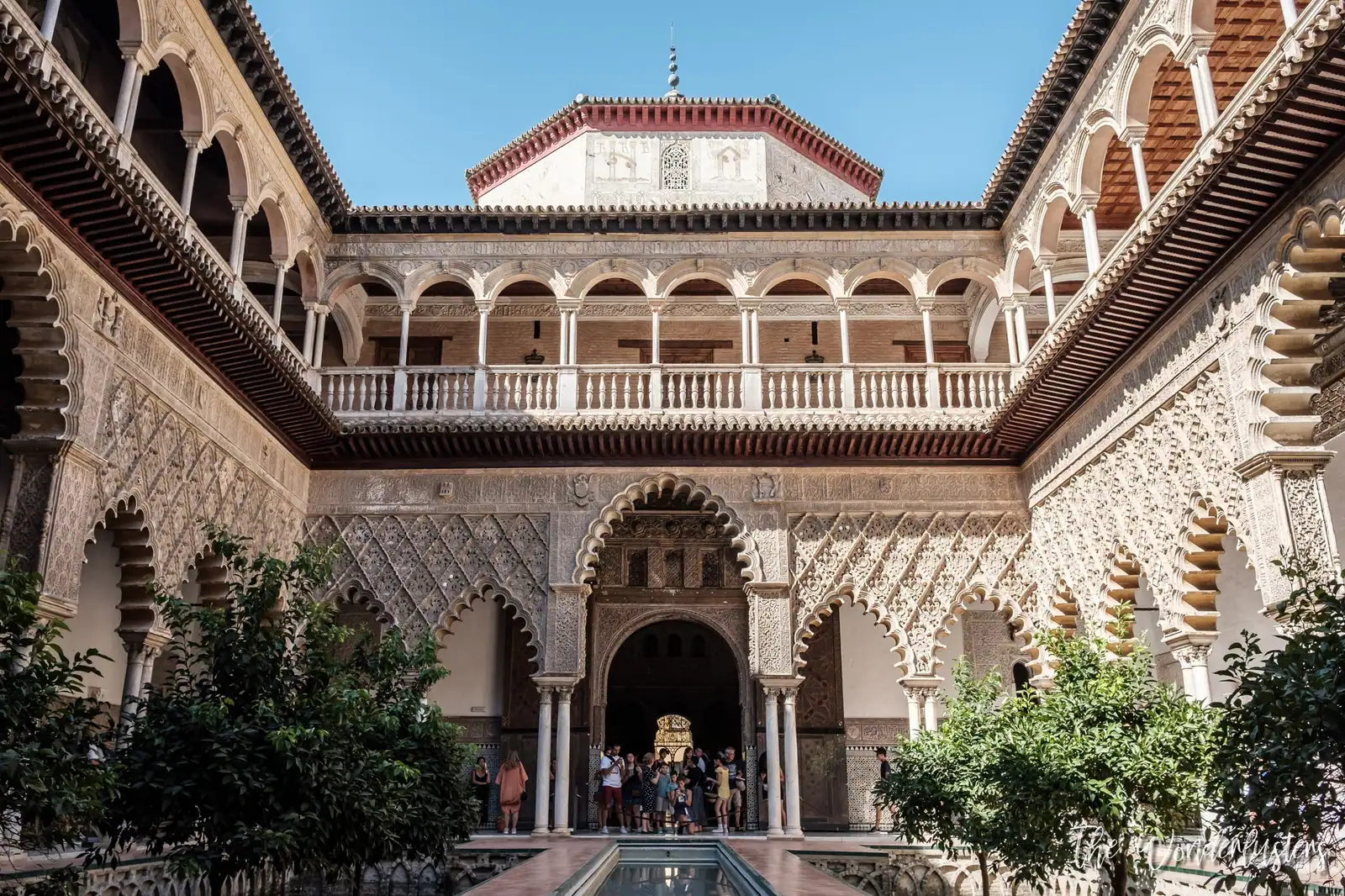
One of the city’s major attractions is its Real Alcázar, a fortified palace built by the Umayyads during the period of Muslim rule. As in Granada and Córdoba, the beauty of the architecture captivated us.
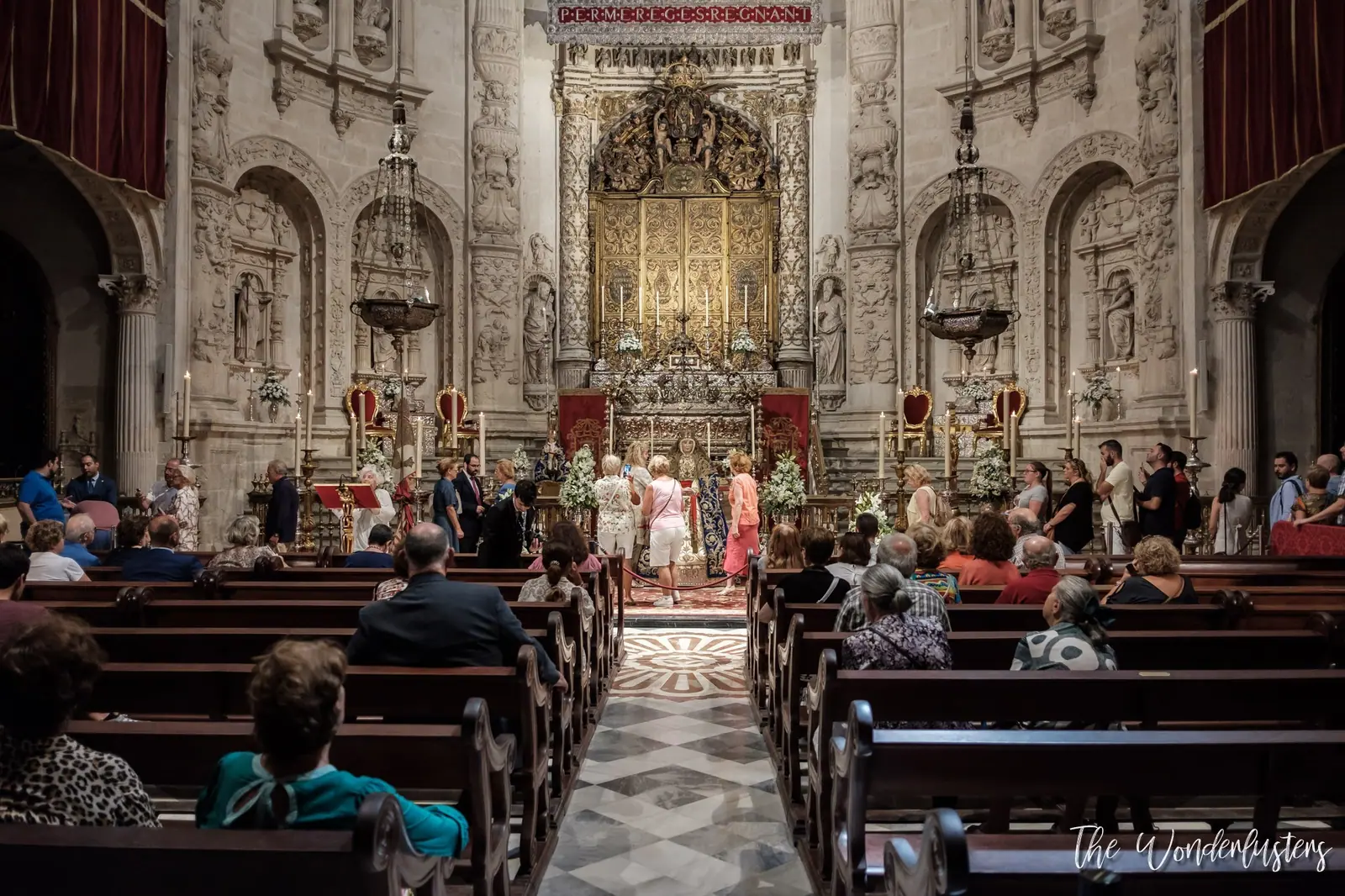
Seville Cathedral is one of the largest churches in the world and holds the tomb of Christopher Columbus. Many Spaniards are deeply rooted in the Catholic faith, and we witnessed an unusual scene during our visit: that day, the Royal Chapel welcomed worshippers, some of whom had waited patiently for hours for the chance to kiss the hand of the Virgin of the Kings (Virgen de los Reyes), patron saint of Seville.
Salamanca
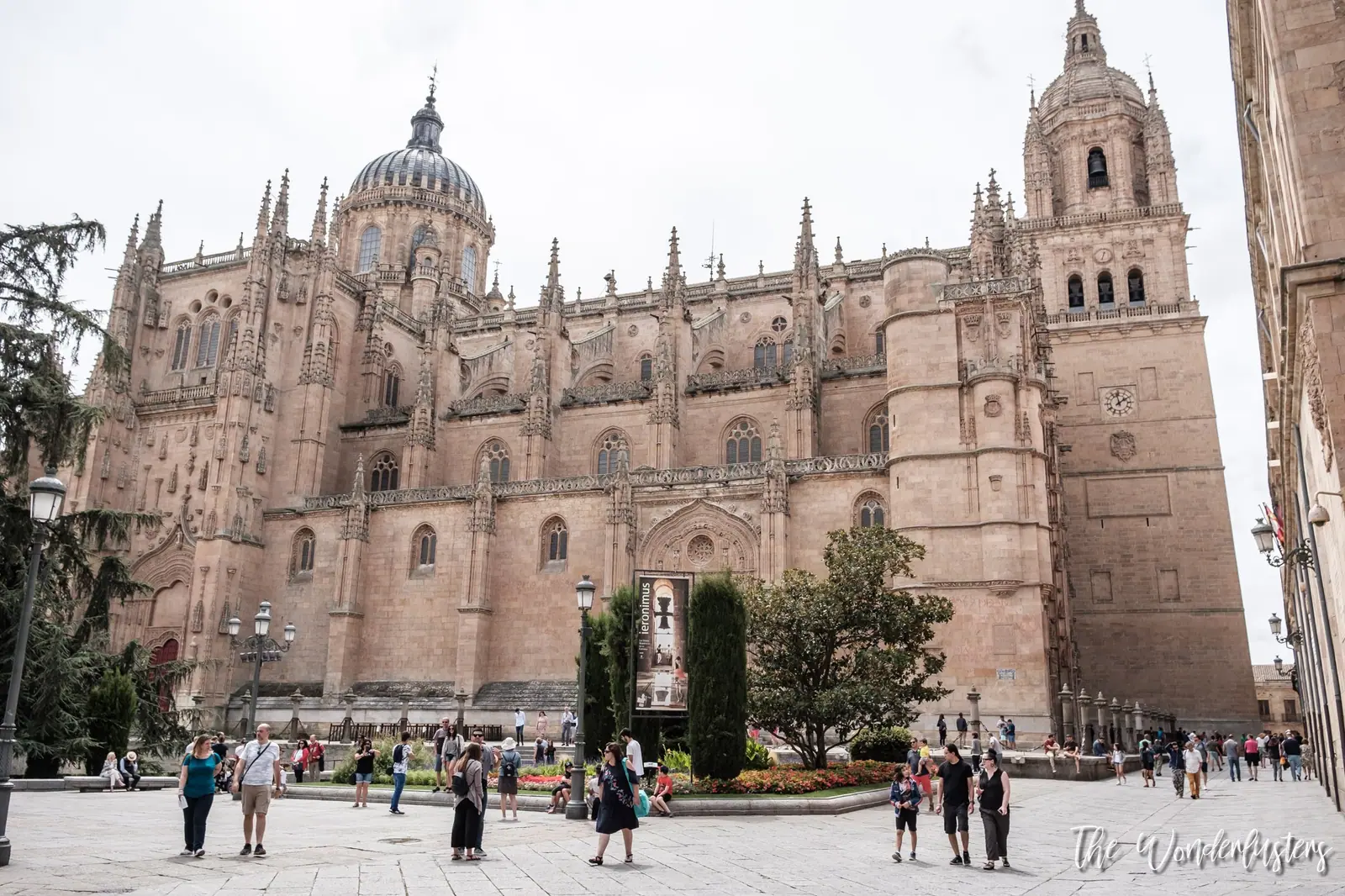
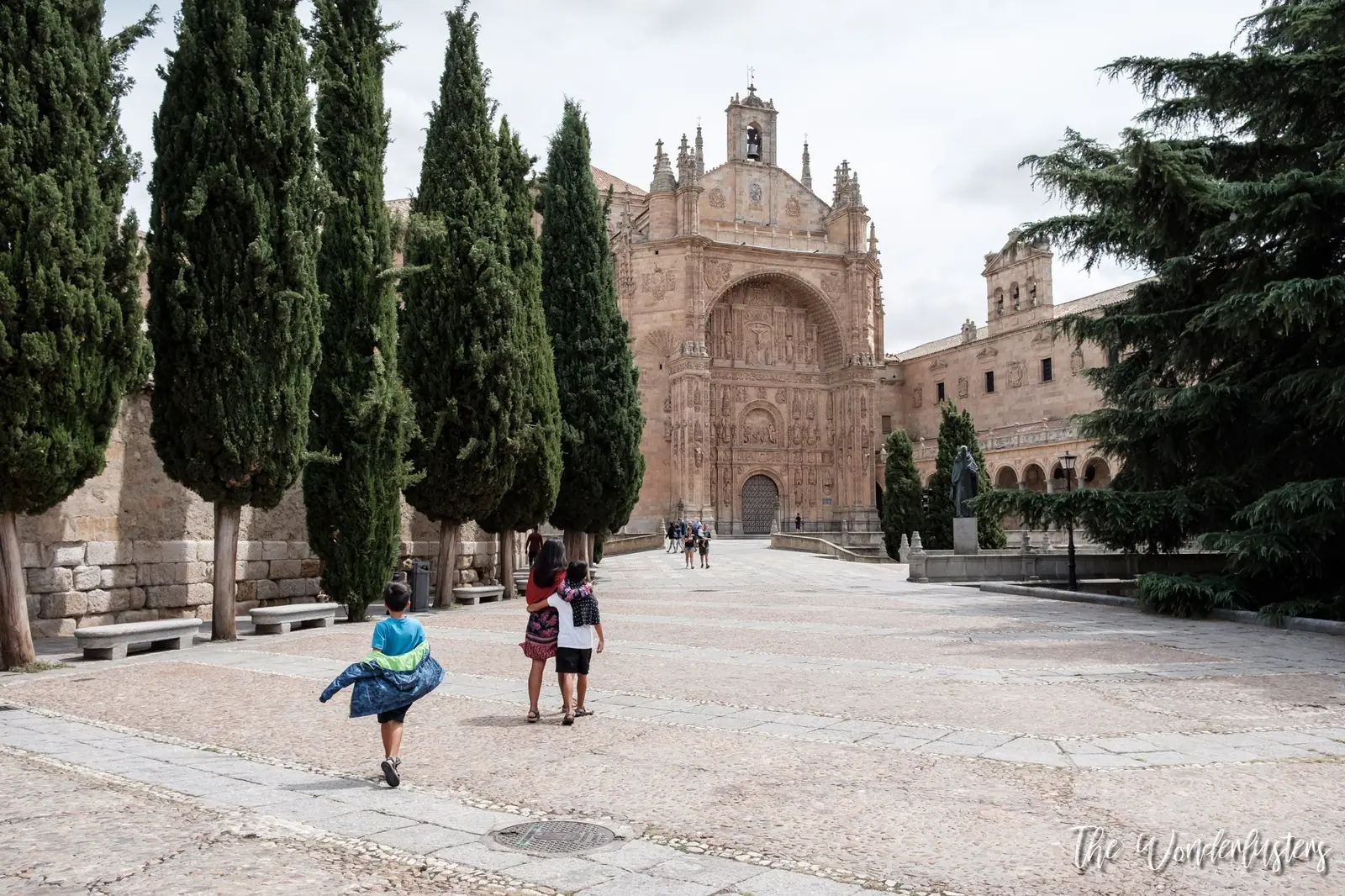
Back in Spain after Portugal, we stopped in Salamanca to see its Plaza Mayor, its cathedral and the oldest university in Spain.
Planning Your Southern Spain Road Trip
Itinerary: 16 Days from Madrid
Before this trip, the only part of Spain we knew was Barcelona and its surroundings (Montserrat and the Costa Brava). This time, our goal was to see as many sights as possible in the south of the country, with Madrid as our arrival and departure point. That led us to a two-part itinerary, broken up by a one-day visit to Gibraltar and five days in Portugal.
We spent 16 days in Spain in total, split as follows:
- Madrid, the capital: 4 days;
- Valencia: 2 days;
- Alicante: 1/2 day;
- Elche: 1/2 day;
- Murcia: 1/2 day;
- Granada: 2 days;
- Ronda: 1/2 day;
- Gibraltar: 1 day;
- Córdoba: 2 days;
- Seville: 2 days;
- Portugal: 5 days;
- Salamanca: 1/2 day;
- Madrid: 1/2 day.
Accommodation: Marriott Points and Two Apartments
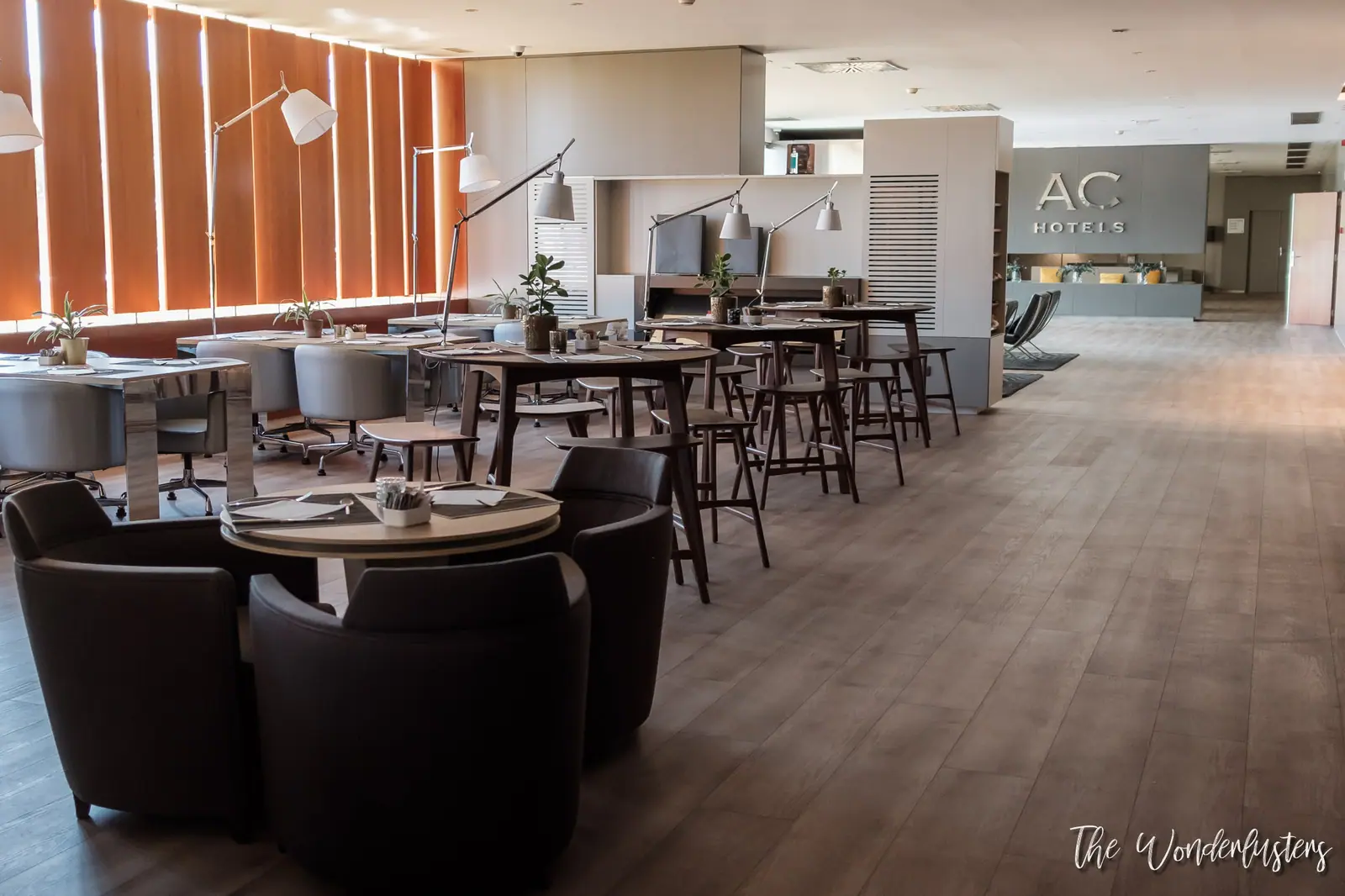
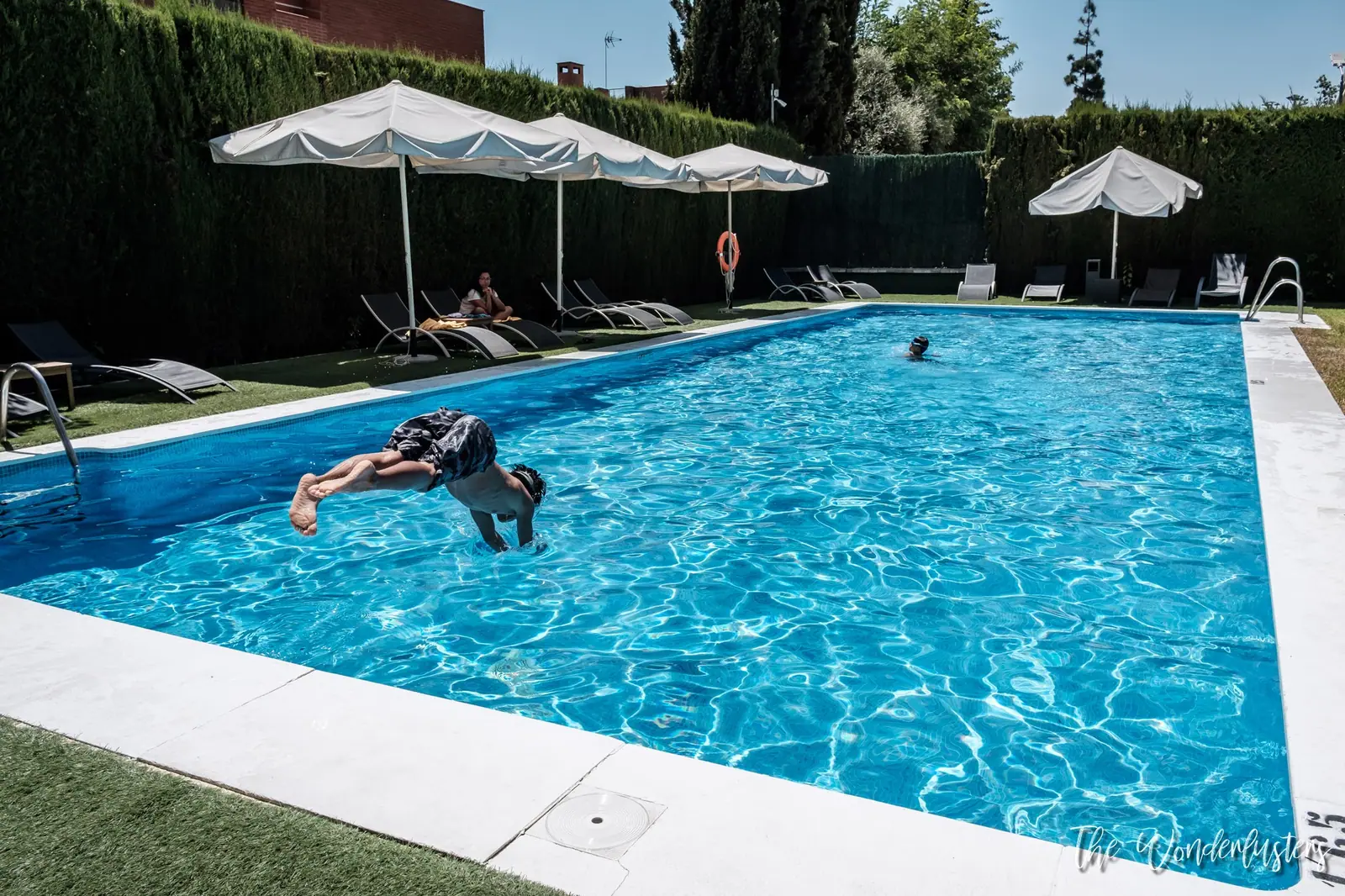
If you live in North America, you are among the lucky ones who, like us, can get credit cards that earn points and save you a great deal on travel. Spain was one of those countries where we could stay almost exclusively in Marriott Bonvoy category 1 and 2 hotels, the ones that required the fewest points. Proof: for our 15 nights in Spain, we spent only 147,00 EUR (163.74 USD) on accommodation. We used our points at these hotels:
- AC Hotel San Sebastian de los Reyes (Madrid), category 1 or 7500 points;
- AC Hotel Valencia, category 1 or 7500 points;
- AC Hotel Murcia, category 1 or 7500 points;
- AC Hotel La Linea (Gibraltar), category 1 or 7500 points;
- AC Hotel Sevilla Forum, category 2 or 12500 points.
2026 update: Marriott Bonvoy dropped its award chart in March 2022: free nights are now priced dynamically by destination, date and demand rather than by fixed hotel category (NerdWallet).
The icing on the cake: thanks to our Bonvoy Platinum status, earned partly through our American Express Platinum credit card, all these hotels gave us room upgrades and breakfast credits, not to mention excellent service.
If you are curious, here are the other destinations where, as in Spain, we were able to stay for free in many category 1 and 2 hotels: Turkey, the United Arab Emirates, Taiwan, Hong Kong and Malaysia.
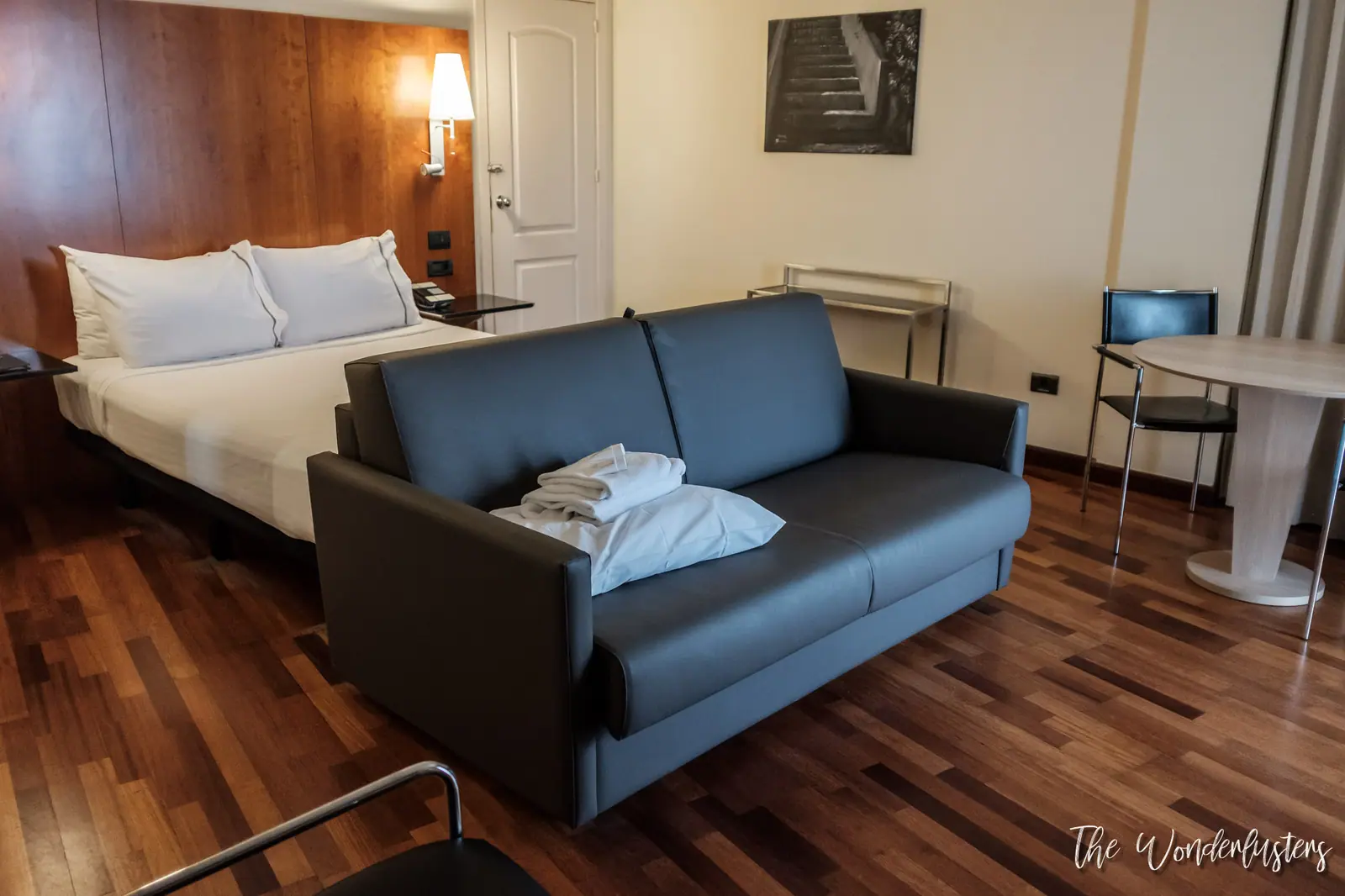
Here is the breakdown of the 147,00 EUR (163.74 USD) we spent on accommodation:
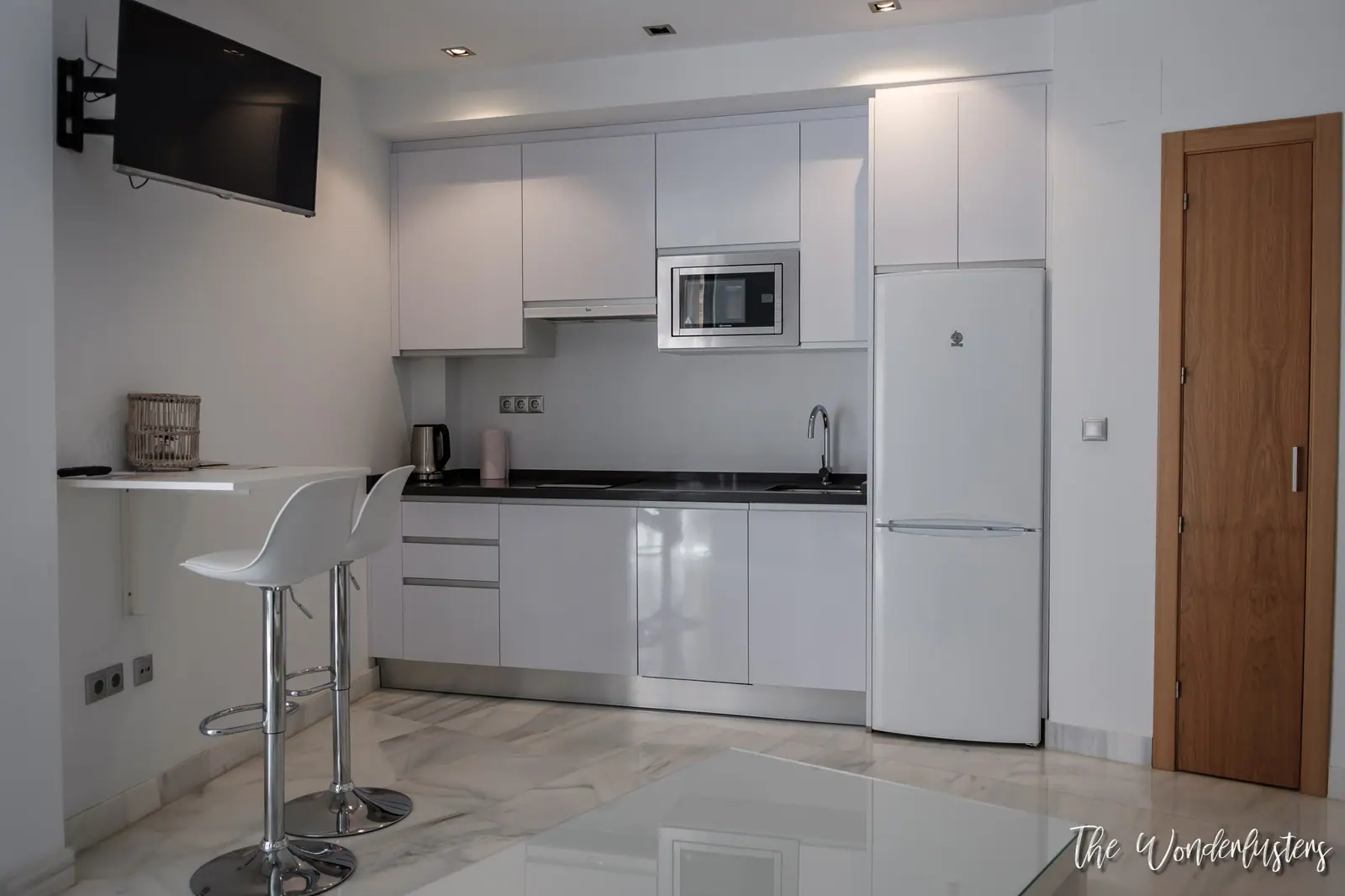
- 2 nights in a beautiful apartment in Granada: only 32,00 EUR (35.64 USD) per night;
- 2 nights in a beautiful apartment in Córdoba: only 41,50 EUR (46.23 USD) per night.
We booked both apartments on Booking.
Getting Around by Rental Car
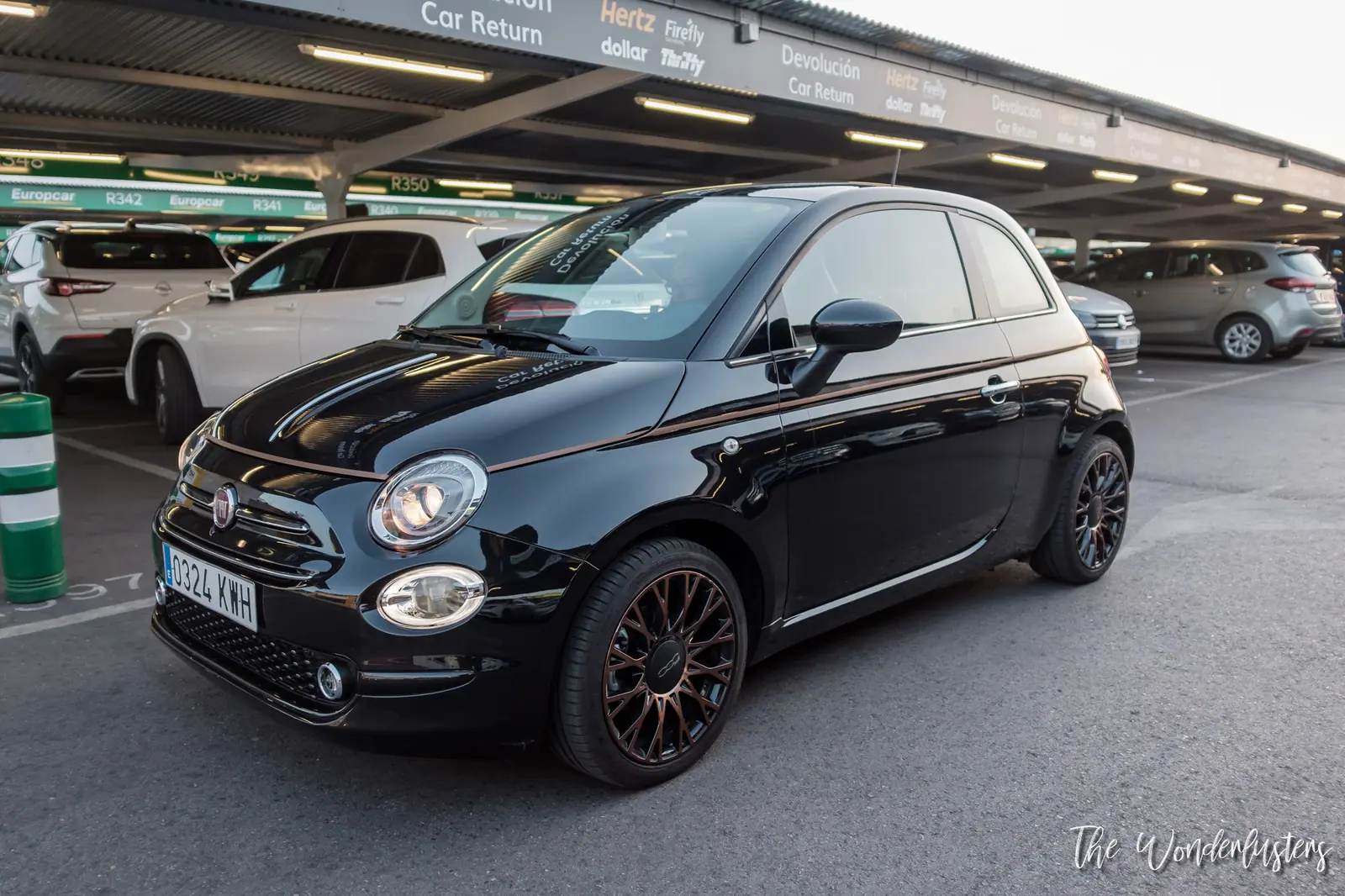
The Fiat 500 we rented for our 21 days in Spain and Portugal cost us 288,00 EUR (320.80 USD), or only 13,71 EUR (15.27 USD) per day. We were also surprised to find that much of Spain’s motorway network was free to use, which is rare in Europe.
What to Eat in Spain
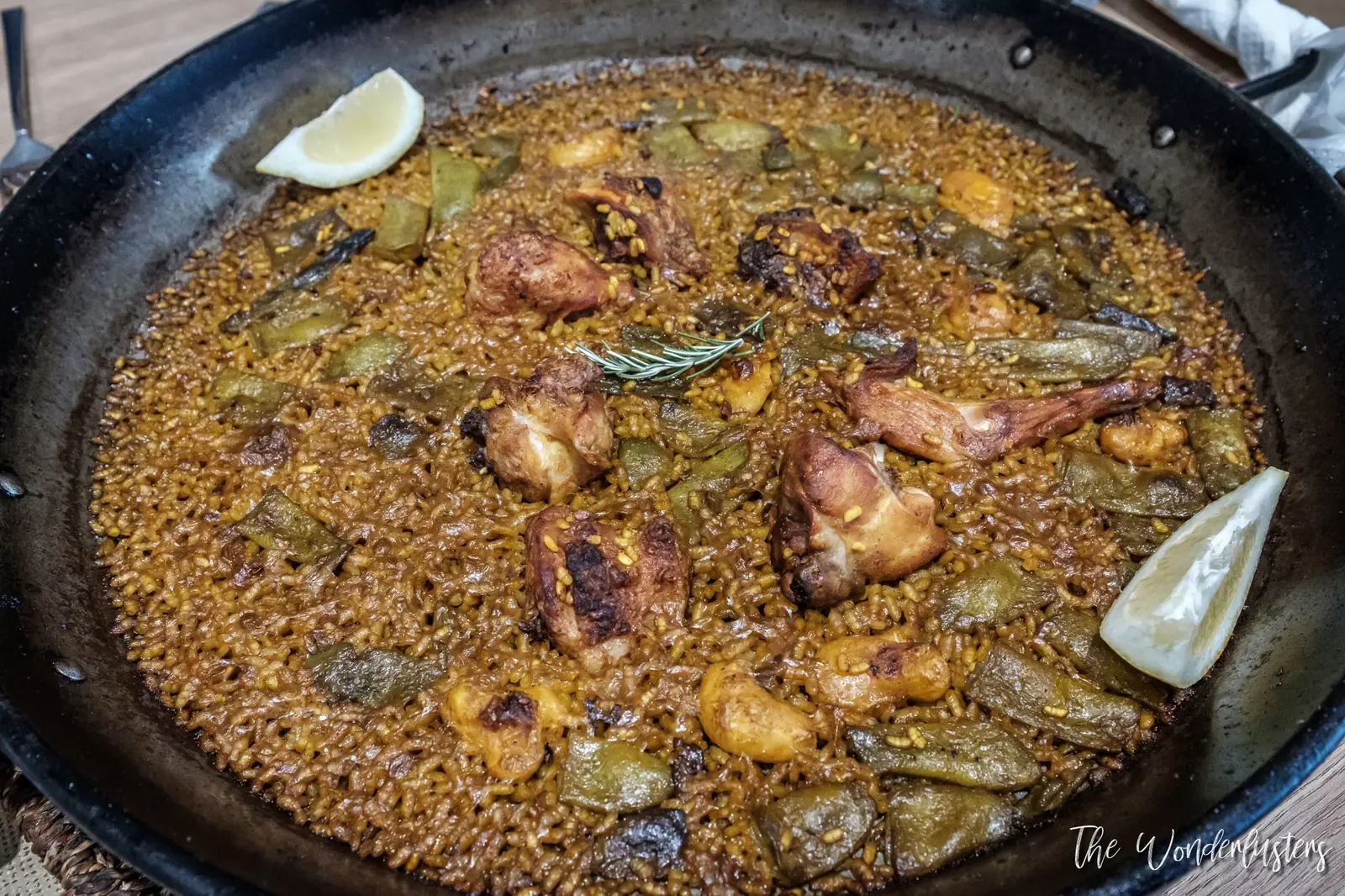
The world-famous Spanish dish we were most eager to try was paella. We enjoyed it in Valencia, where it originated.
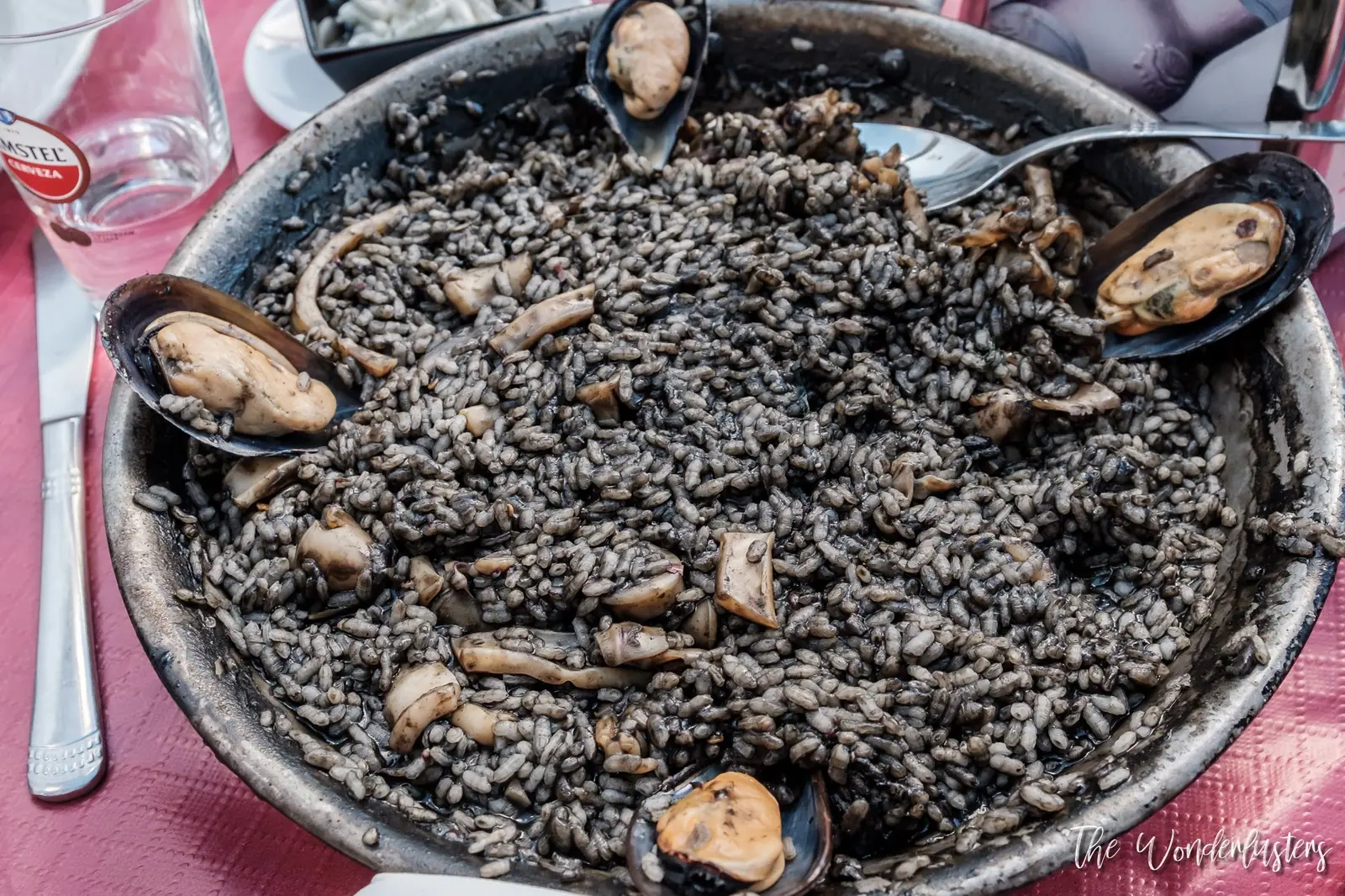
Another typical Valencian dish is arroz negro, rice colored black with cuttlefish ink.
Meat specialties are very popular in Spain, much to the delight of our taste buds.

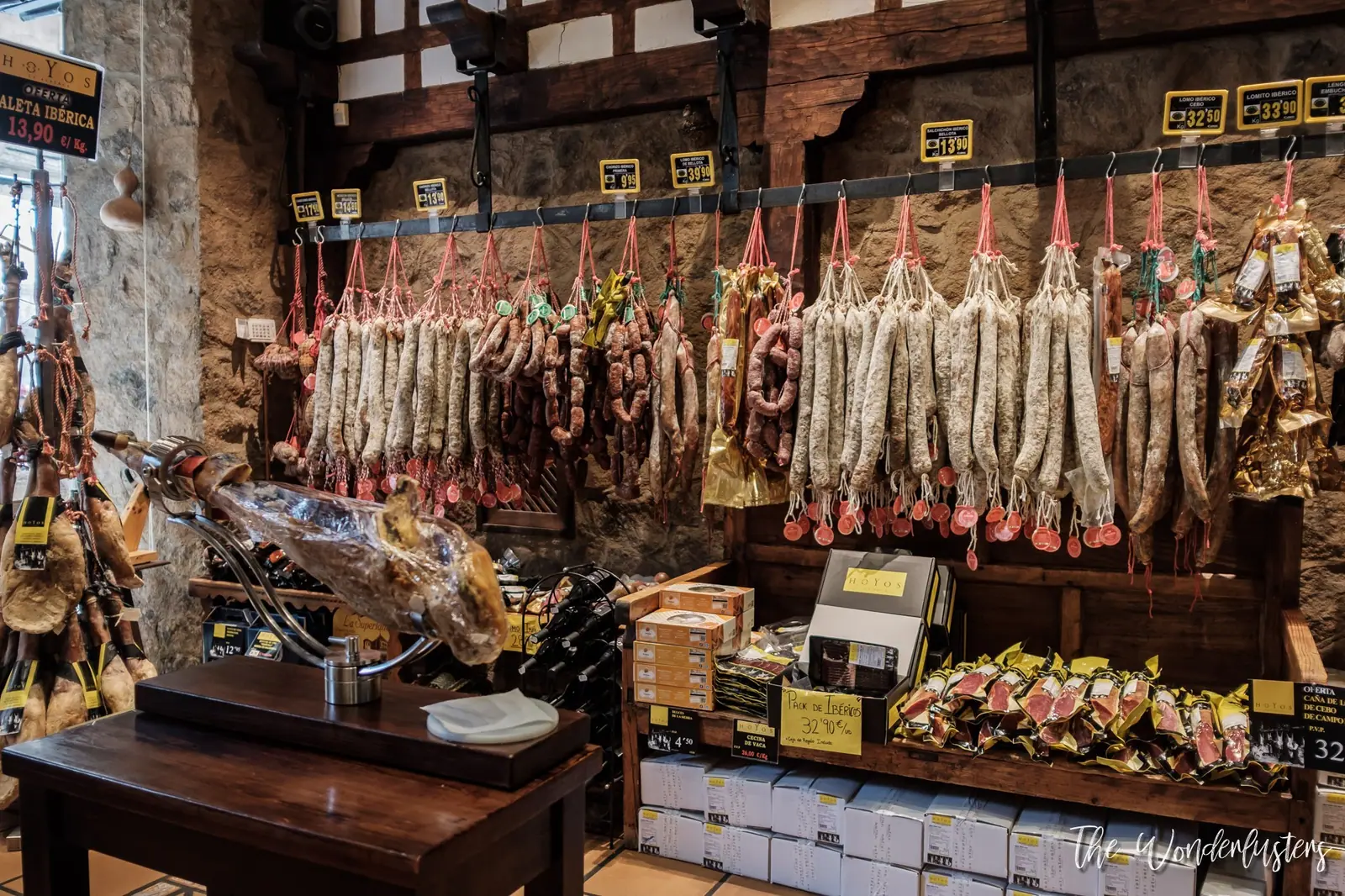
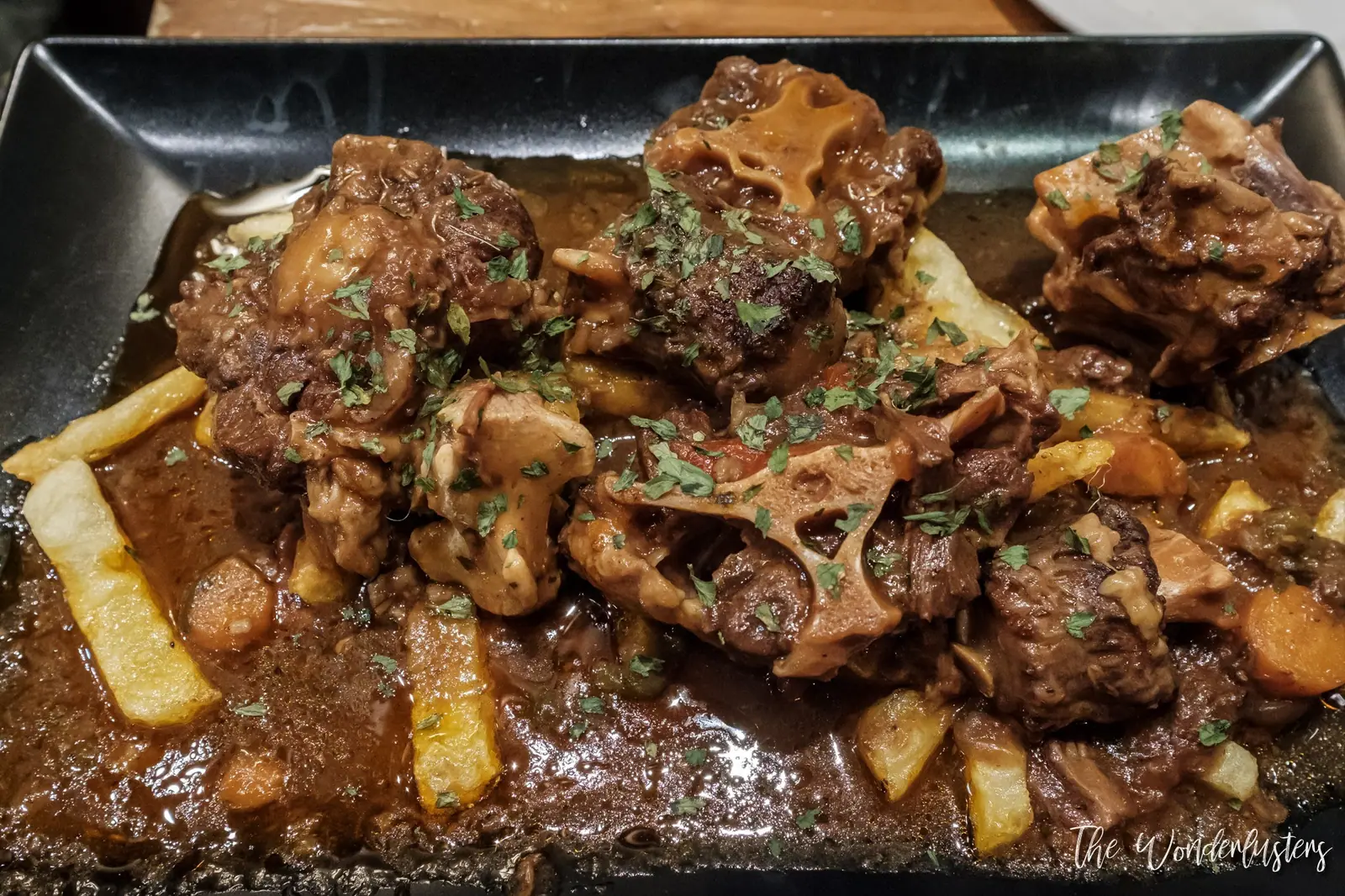
All over Spain, tapas are eaten at the table or, more often, standing up, in the friendly, social and festive atmosphere Spanish restaurants are known for.

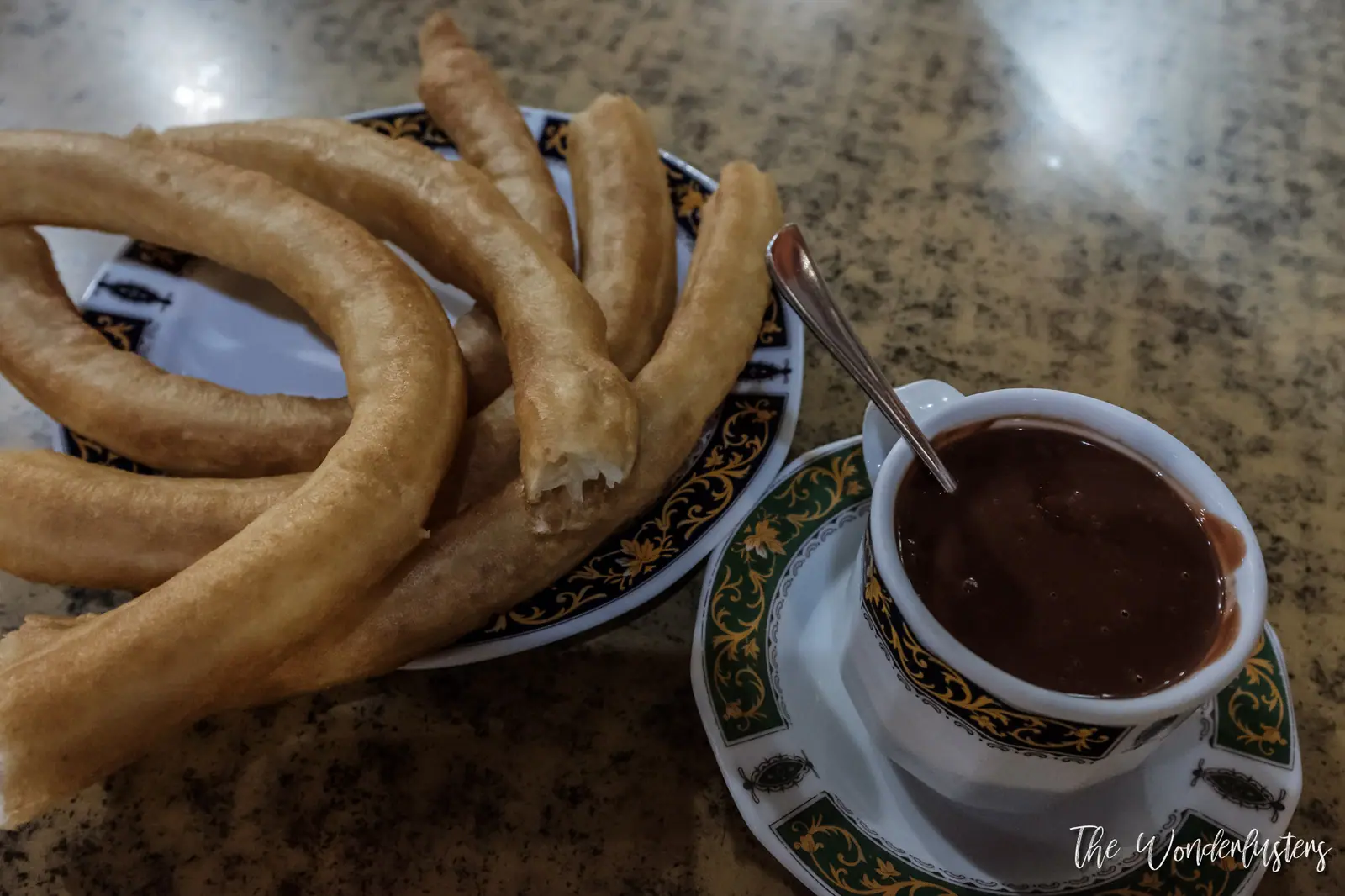
We tried Spanish churros with thick hot chocolate. Yummy!
How Much Does 16 Days in Spain Cost?
As you may have guessed, our stay in Spain didn’t require us to sell a kidney! Spain was the cheapest of the 24 European countries we visited that year. For our family of 4, our stay cost:
- 1.518,00 EUR (1,690.89 USD);
- 95,00 EUR (105.82 USD) per day;
- 24,00 EUR (26.73 USD) per person and per day.
Amounts were paid in euros. US-dollar equivalents use the average exchange rate during our trip (July 22 – August 5, 2019): 1 EUR = 1.11 USD.
In detail:
| Expense Category | Amount Spent |
|---|---|
| Flights | 115,00 EUR / 128.10 USD |
| Accommodation | 147,00 EUR / 163.74 USD |
| Transport (including gas, tolls, parking) | 528,00 EUR / 588.14 USD |
| Eating out | 323,00 EUR / 359.79 USD |
| Groceries | 257,00 EUR / 286.27 USD |
| Activities | 149,00 EUR / 165.97 USD |
| Total | 1.518,00 EUR / 1,690.89 USD |
Conclusion
Spain is one of our favorite European countries. Sixteen days were definitely not enough in this wonderful country: there are so many places worth visiting that we could have spent months exploring them all!
In the next post, we wrap up our tour of the Iberian Peninsula with Portugal!
Questions travellers ask
How many days did you spend in Spain?
We spent 16 days in Spain in 2019 (July 22 to August 5, then August 11 to 12), with five days in Portugal in between. We started and ended in Madrid.
How much did 16 days in Spain cost for a family of four?
Our stay cost 1,518 EUR (about 1,691 USD at 2019 rates): 95 EUR per day, or 24 EUR per person per day, including flights, accommodation, rental car, food and activities.
Which places did you visit in Southern Spain?
Madrid, Valencia, Alicante, Elche, Murcia, Granada, Ronda, Gibraltar, Córdoba, Seville and Salamanca.
How did you pay so little for accommodation in Spain?
We stayed mostly in Marriott Bonvoy category 1 and 2 AC Hotels using points, and paid cash only for two apartments booked on Booking, in Granada and Córdoba: 147 EUR for 15 nights. Marriott has since replaced its categories with dynamic award pricing.
How did you get around Spain?
We rented a Fiat 500 for our 21 days in Spain and Portugal. It cost 288 EUR (320.80 USD), or 13.71 EUR per day, and much of the Spanish motorway network was free to use.