AfricaSeptember 201910 min read
3 Weeks in Morocco: 14 Stunning Places to Visit
In short
We spent 22 days in Morocco in June and July 2019, driving a rental-car loop from Marrakech through Casablanca, Rabat, Tangier, Chefchaouen, Fez, the Erg Chebbi dunes at Merzouga, the Todgha and Dades gorges, Aït Ben Haddou and Essaouira. Highlights included the blue medina of Chefchaouen, a night in a Sahara camp and Jemaa el-Fna square. The trip cost our family of four 21,585 MAD (2,261 USD).
- Dates
- 2019-06-16 to 2019-07-08
- Number of days
- 22
- Cities we visited
- Casablanca, Rabat, Asilah, Tangier, Tetouan, Chefchaouen, Meknes, Fes, Merzouga, Ouarzazate, Essaouira, Marrakech
- Inbound
- From France by plane
- Outbound
- To Italy by plane
- Mode of transport
- Rental car
- Distance travelled (car, foot)
- 2936 km
- Number of photos taken
- 7600 (345 per day)
- Currency
- The Moroccan Dirham (1 USD = 9.55 MAD)
We spent 22 days in Morocco in June and July 2019, on a rental-car loop from Marrakech through Casablanca, Rabat, Tangier, Chefchaouen, Fez, the Sahara dunes of Merzouga, the High Atlas gorges and Essaouira. The whole stay cost our family of four 21585 MAD (2,261 USD). Here are the 14 places we loved most, followed by our itinerary, accommodation, food and budget.
Morocco dazzled us with its nature, culture, architecture and food. It was also the only African country on our world tour.
14 Stunning Places to Visit in Morocco
Casablanca: the Hassan II Mosque
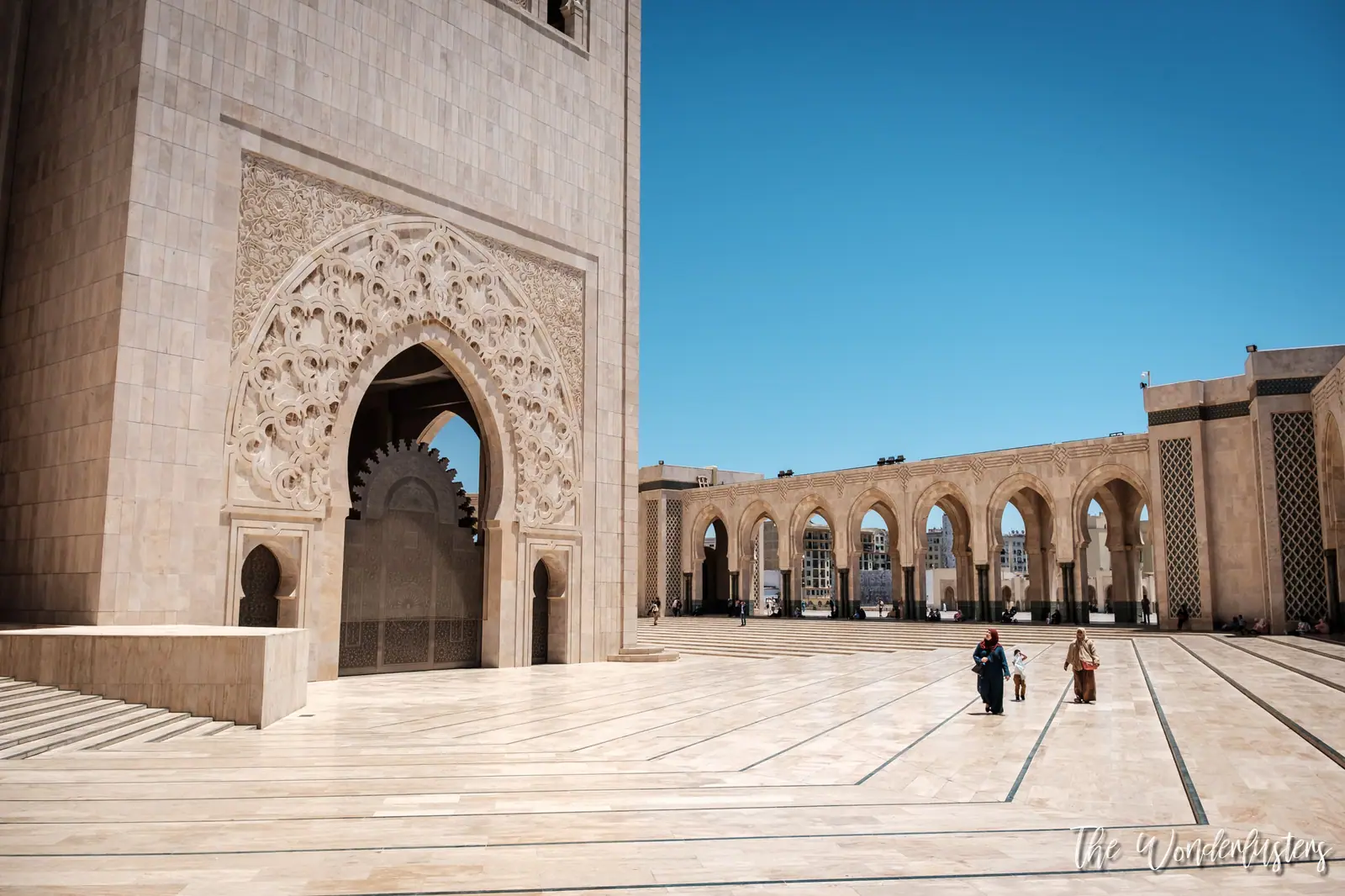
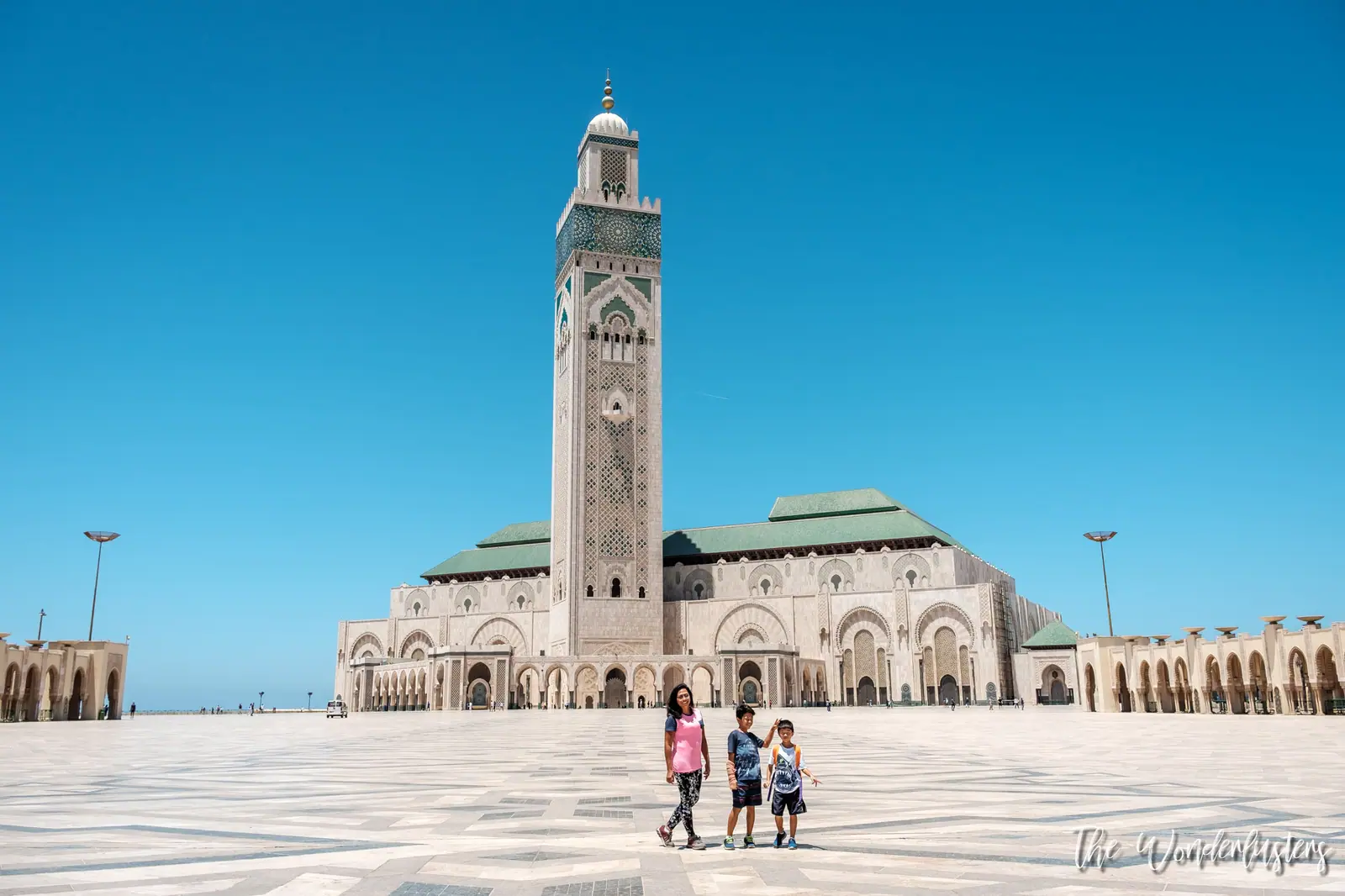
On our way from Marrakech to Rabat, we made a quick stop in Casablanca to see the Hassan II Mosque and its 210-metre minaret. It is one of the largest mosques in the world, and it is partly built over the sea.
Rabat: the Medina and the Kasbah of the Udayas
The medina (the old city) of Rabat won us over with its beauty, its atmosphere and the smells of its souk, which reminded us at times of Turkey and at times of the Greek islands. The atmosphere and the scenery change completely from morning to evening, and every street corner held something new.
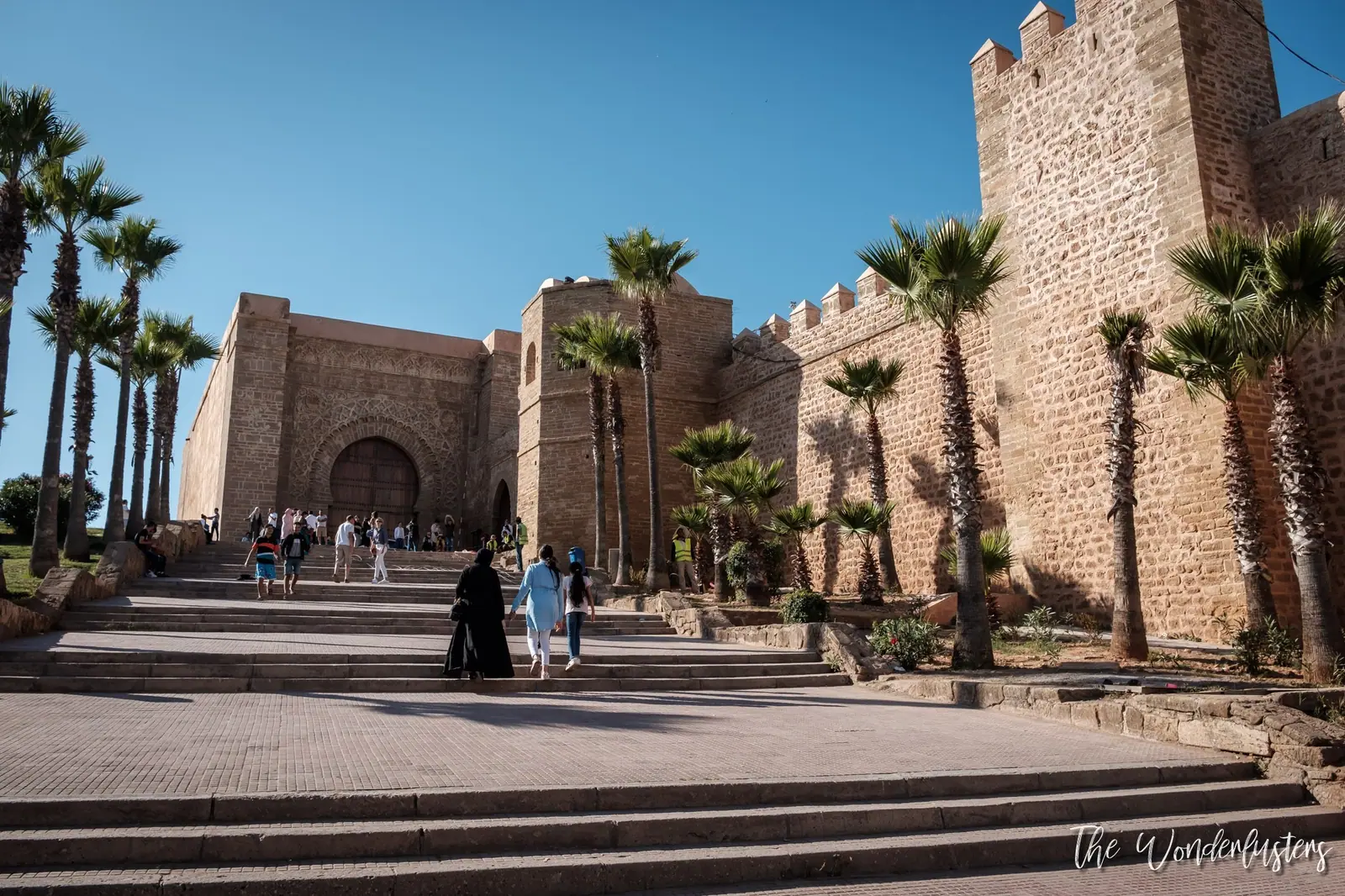
The Kasbah of the Udayas is a 12th-century Berber fortress. The view of the sea and the beaches from its heights is magnificent, and its narrow white-and-blue lanes have an air of Mykonos and Santorini.
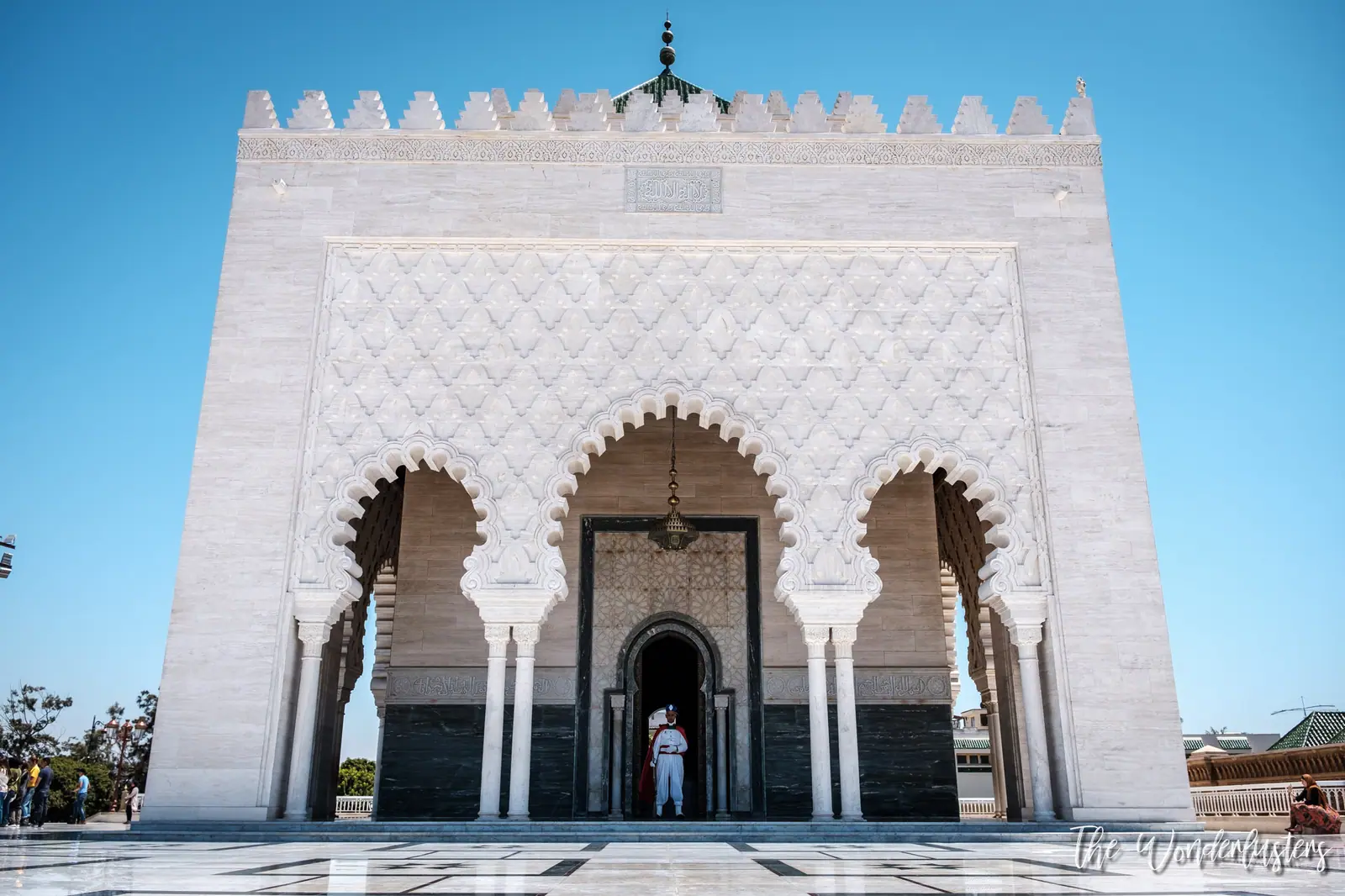
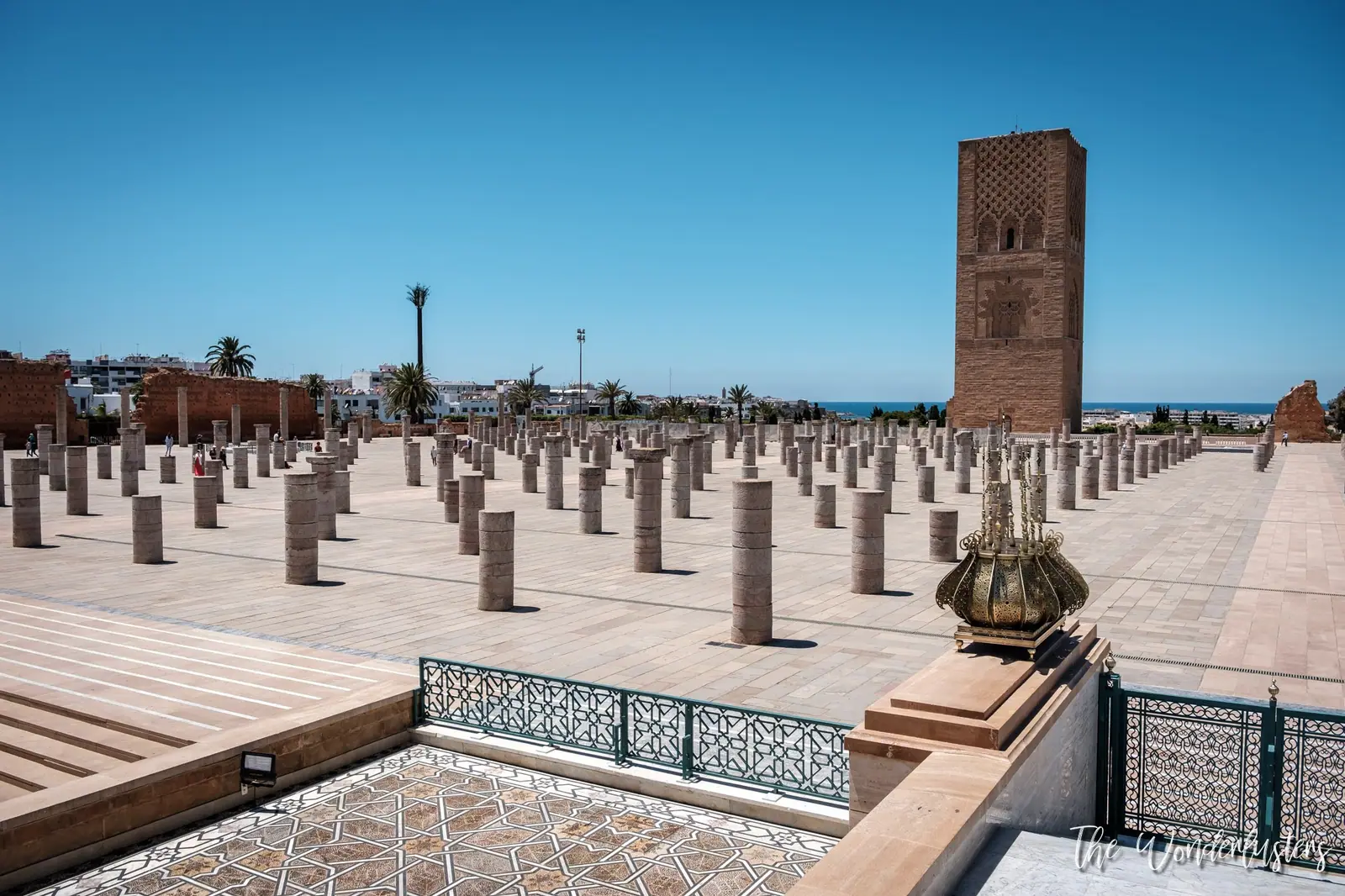
The Mohammed V Mausoleum is a royal tomb that houses the tombs of King Mohammed V (grandfather of King Mohammed VI) and his sons, Prince Moulay Abdallah and King Hassan II. On the mausoleum’s esplanade stands the Hassan Tower, the minaret of an unfinished 12th-century mosque.
Asilah
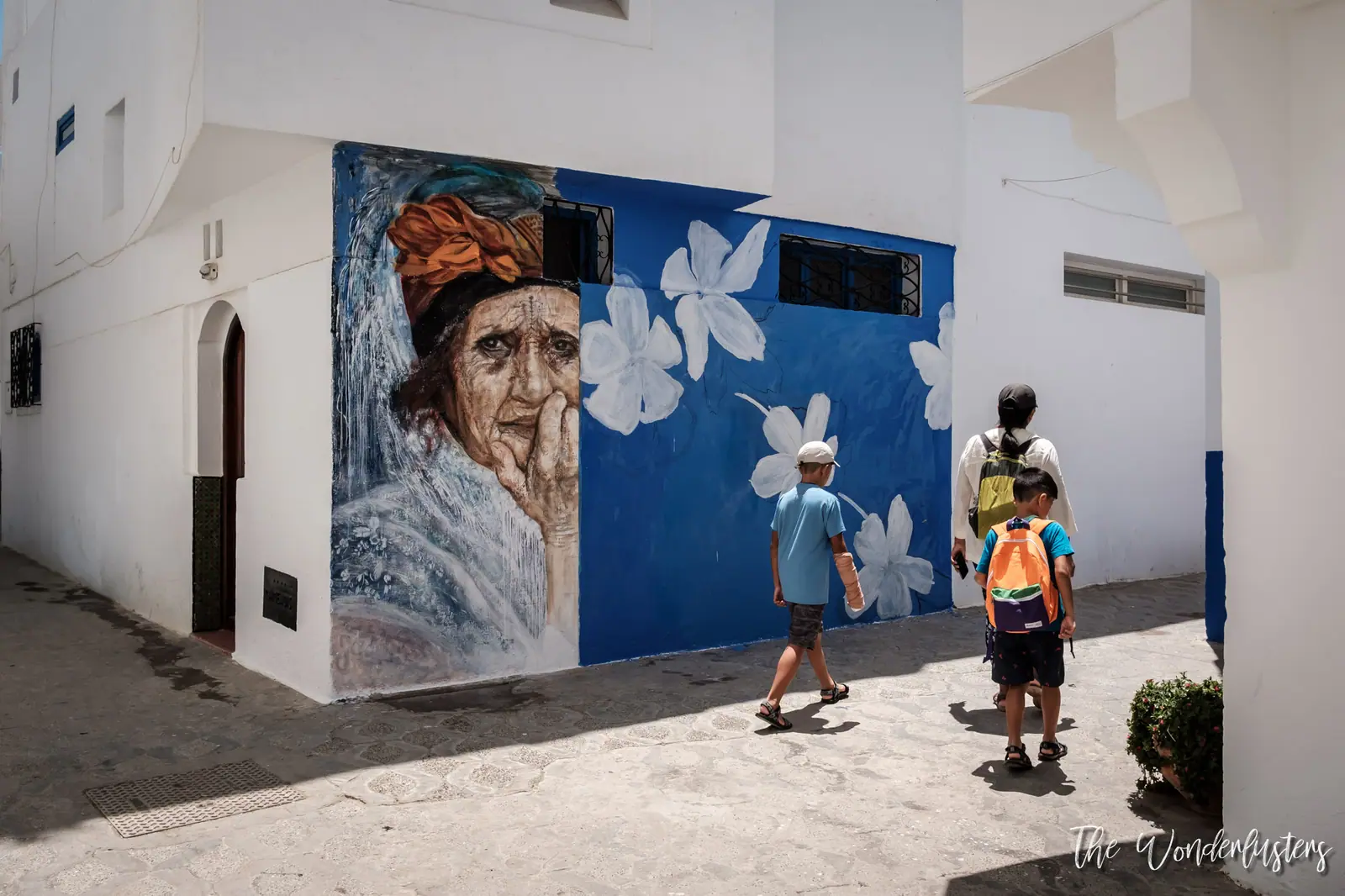
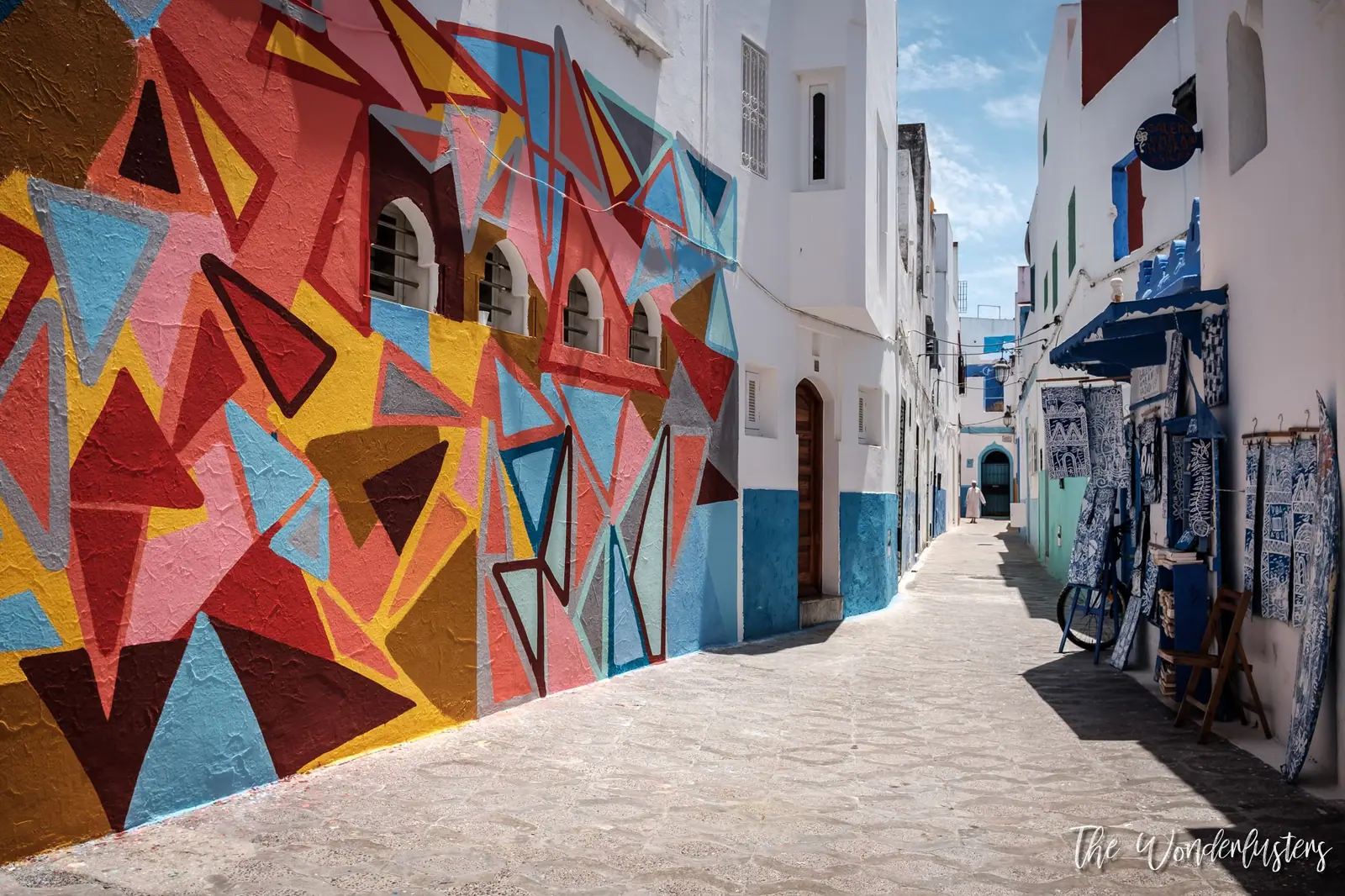
Heading towards Tangier, we stopped in Asilah, nicknamed “the pearl of Morocco”. This small fortified town on the ocean stands out for the immaculate white of its houses, yet it didn’t feel very touristy. We enjoyed getting lost in the medina and admiring the many murals on its walls.
Tangier and the Caves of Hercules
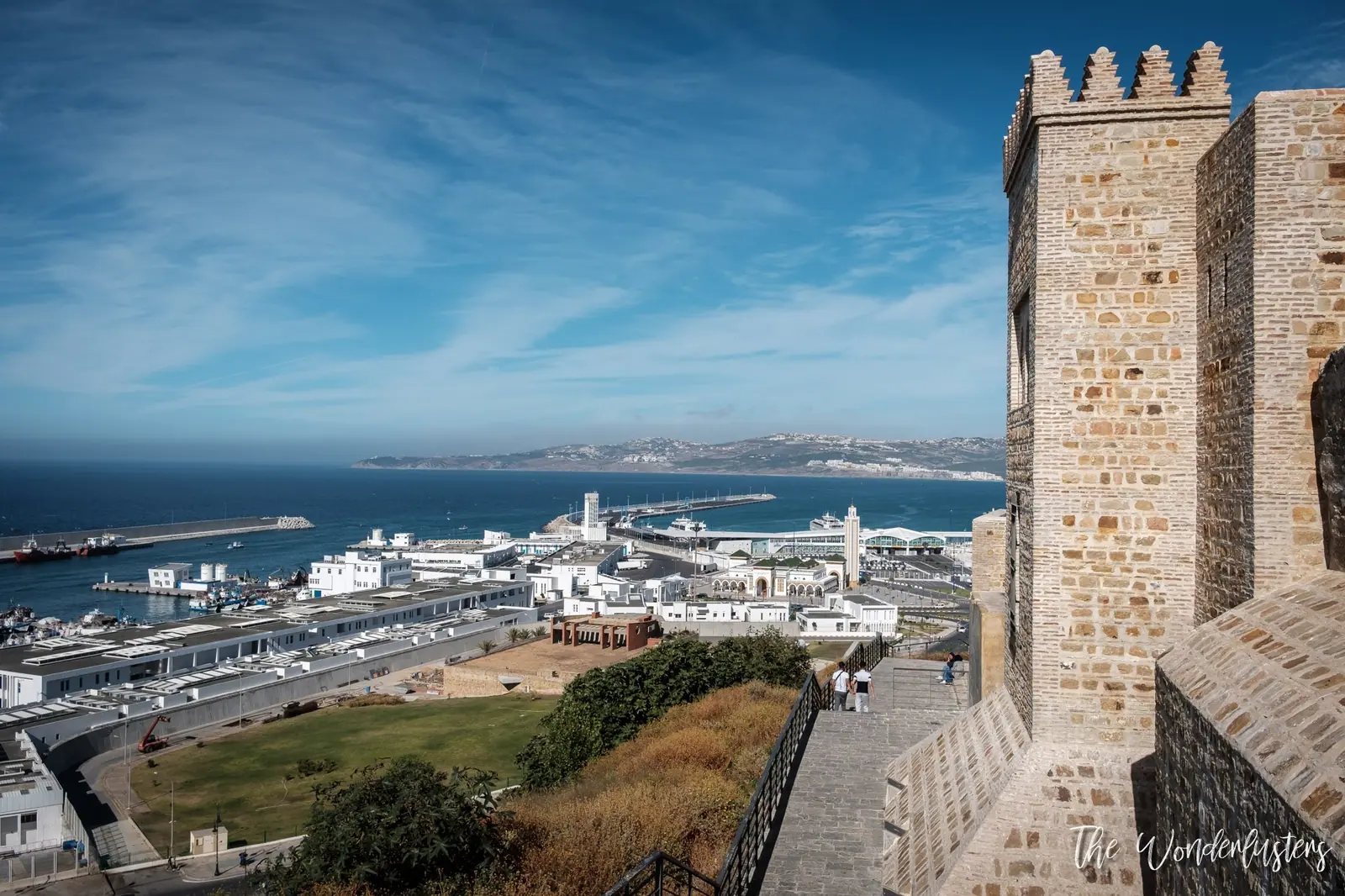
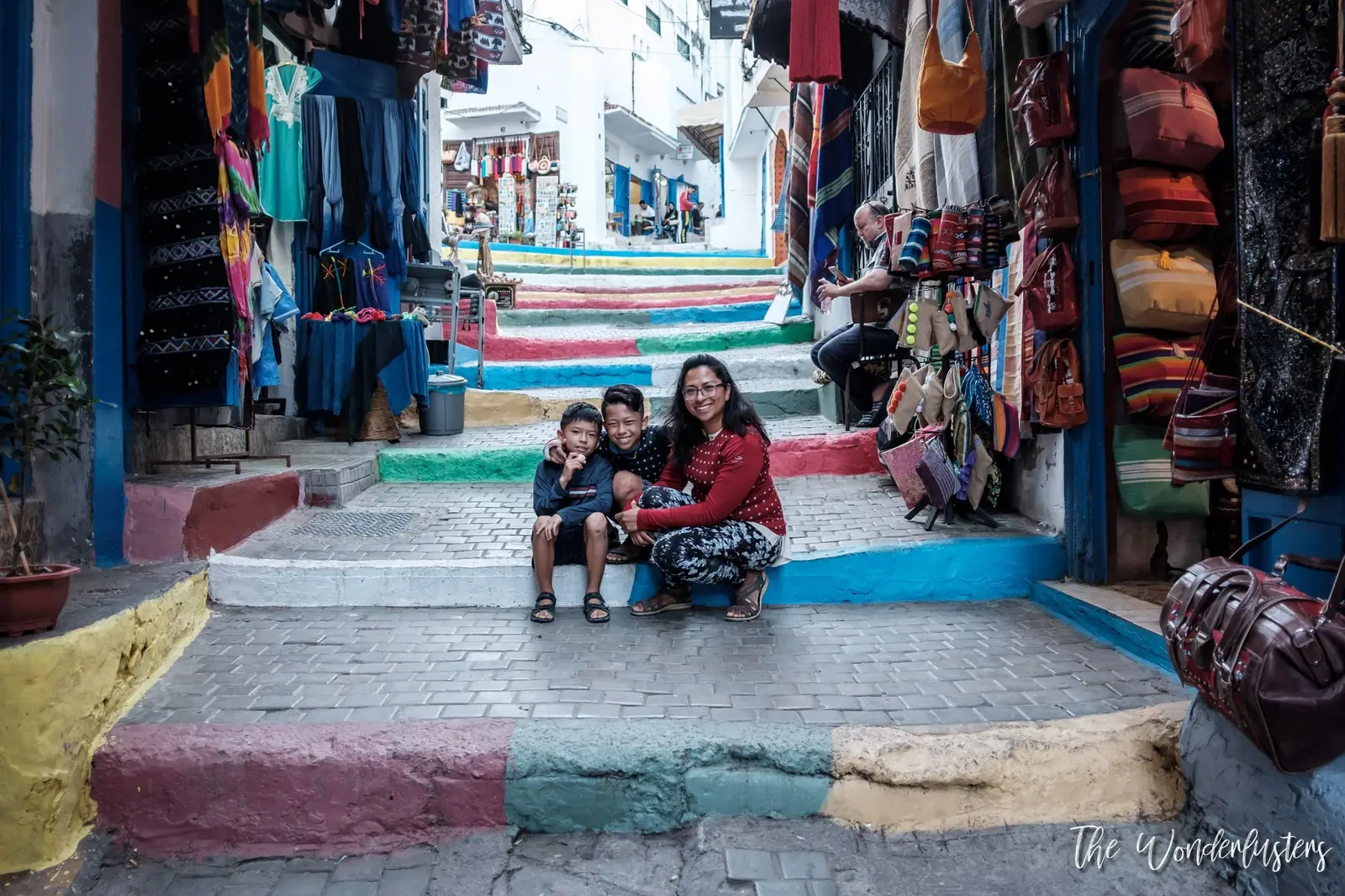
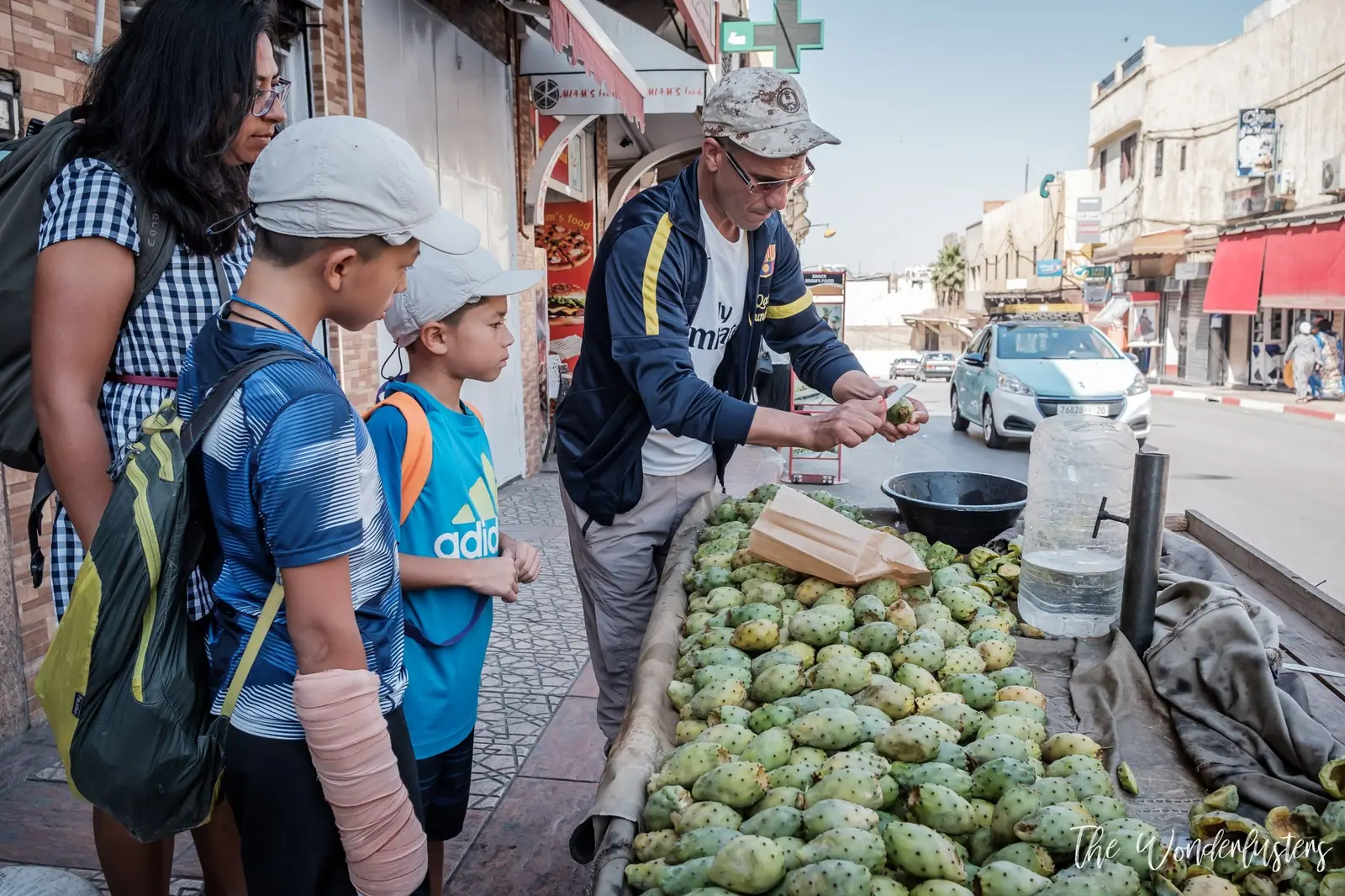
Tangier sits at the northern tip of Morocco, a few kilometres from Spain. It is one of the country’s main economic centres, and you can feel it. Once again, we stayed right in the heart of the medina, where people spoke to us in Spanish. We loved sipping mint tea on the Petit Socco square while watching life go by. The fresh figs and oranges were a real treat, and cheap too!
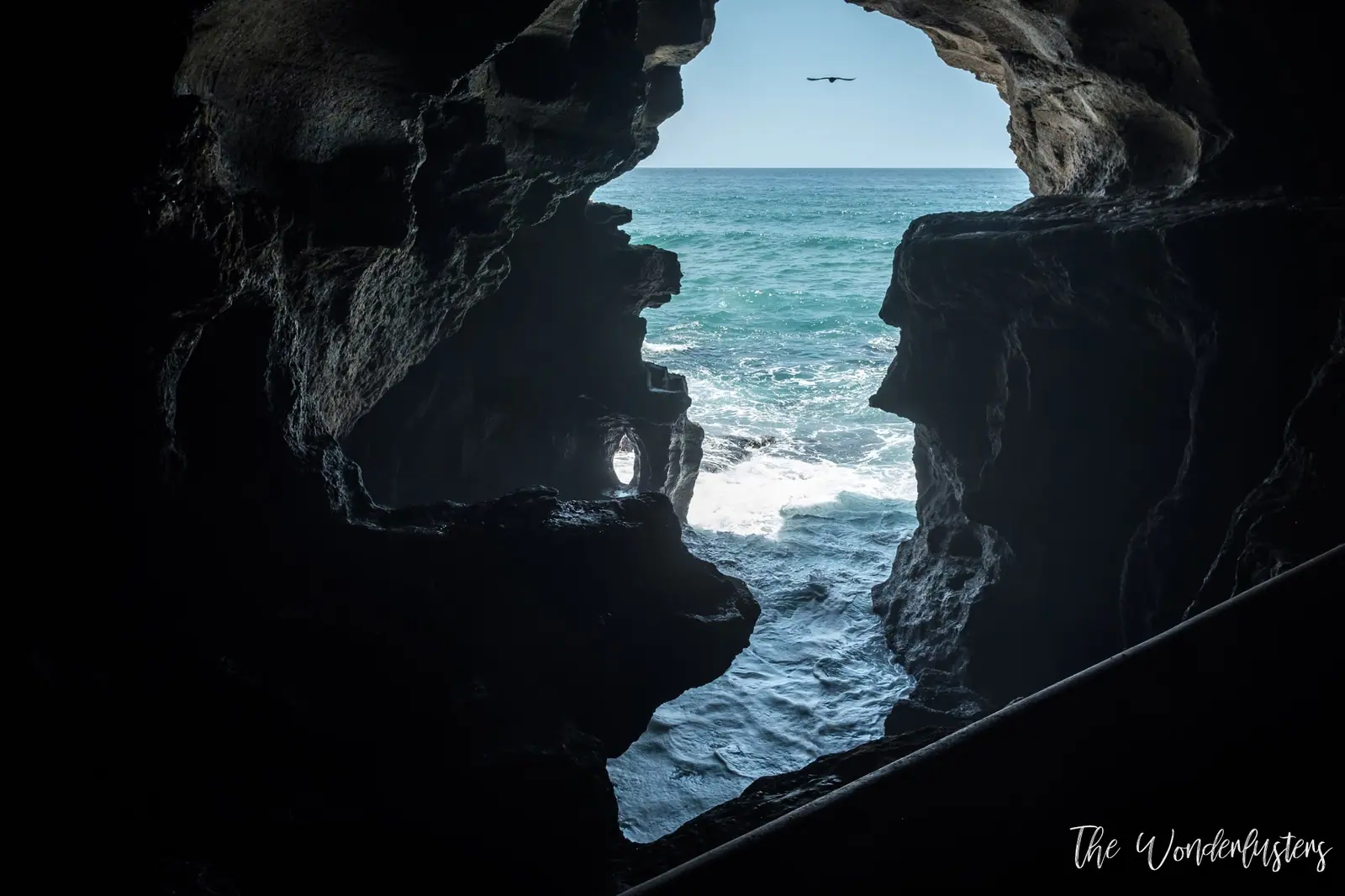
On the Greek island of Naxos, we had visited the cave of Zeus. In Tangier, we visited the one of his son, Hercules (Heracles to the Greeks). According to legend, Hercules rested in this cave after his 11th labour, killing the 100-headed dragon to seize the apples of immortality. The Caves of Hercules, next to the King of Morocco’s summer palace, lie beneath Cape Spartel, where the Atlantic Ocean meets the Mediterranean Sea.
Tetouan
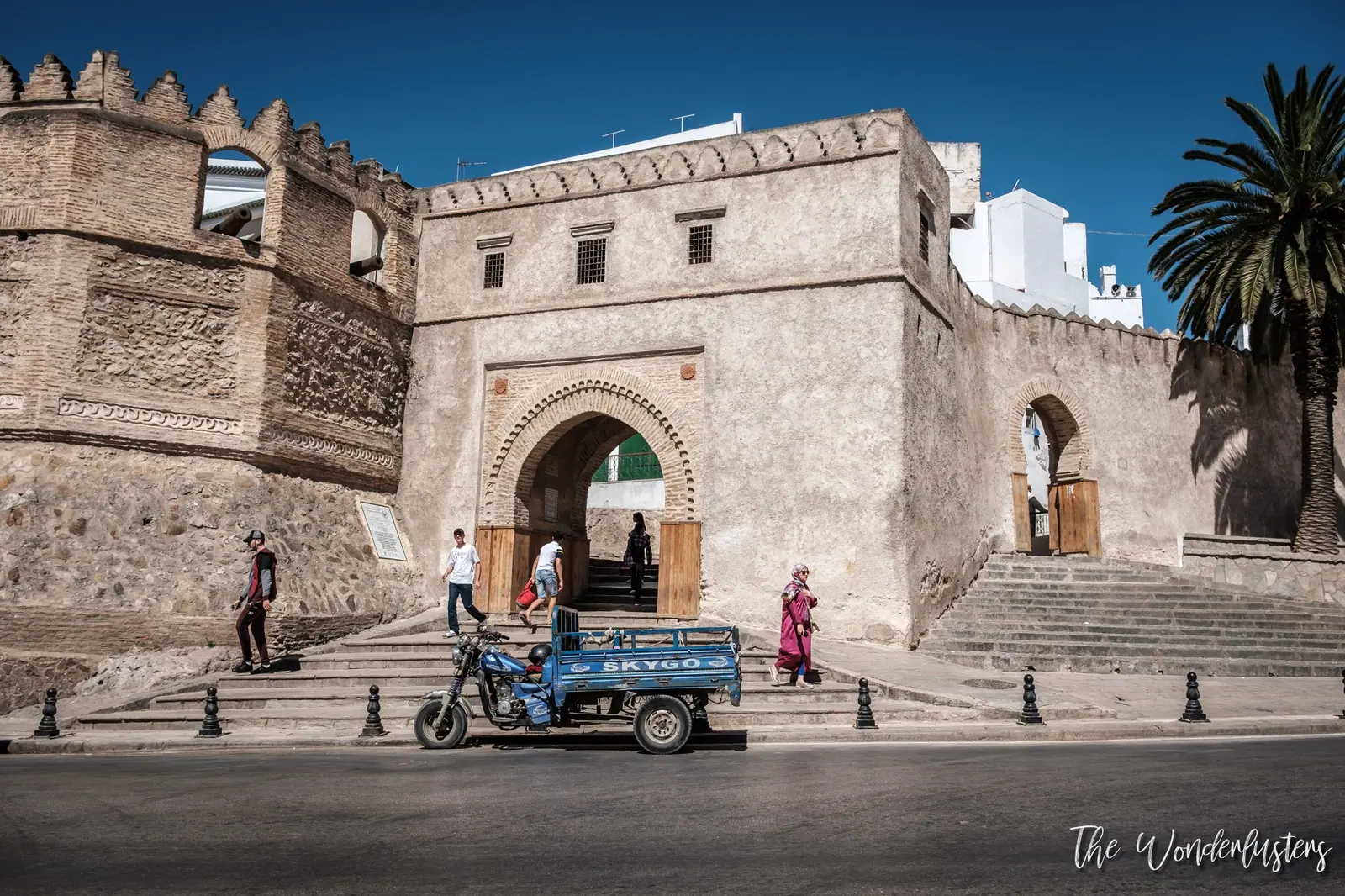
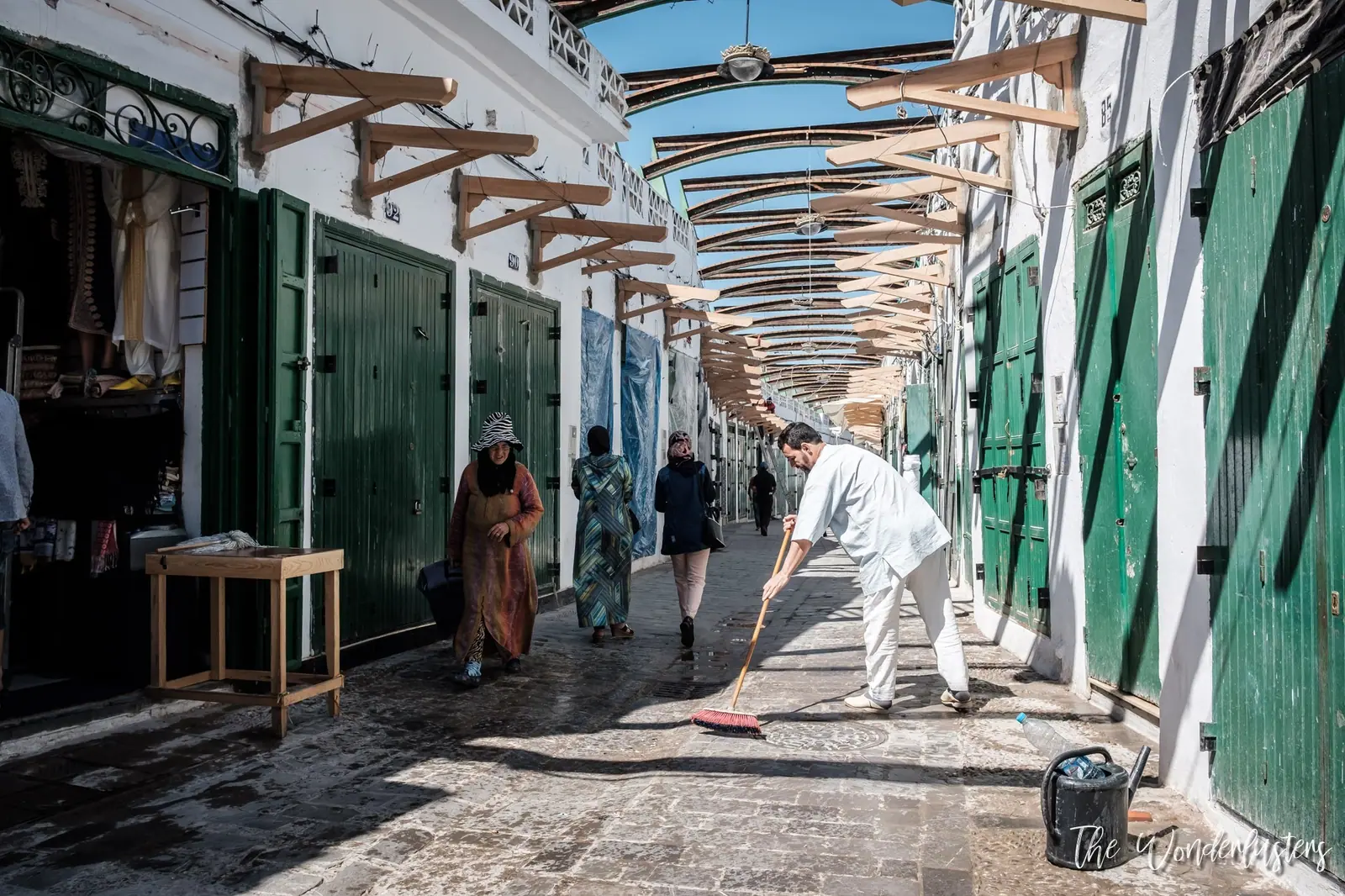
In Tetouan, we explored the medina which, according to UNESCO, is “one of the smallest of the Moroccan medinas, but unquestionably the most complete”, largely untouched by later outside influences. After walking it, we can only agree.
Chefchaouen, the Blue Pearl
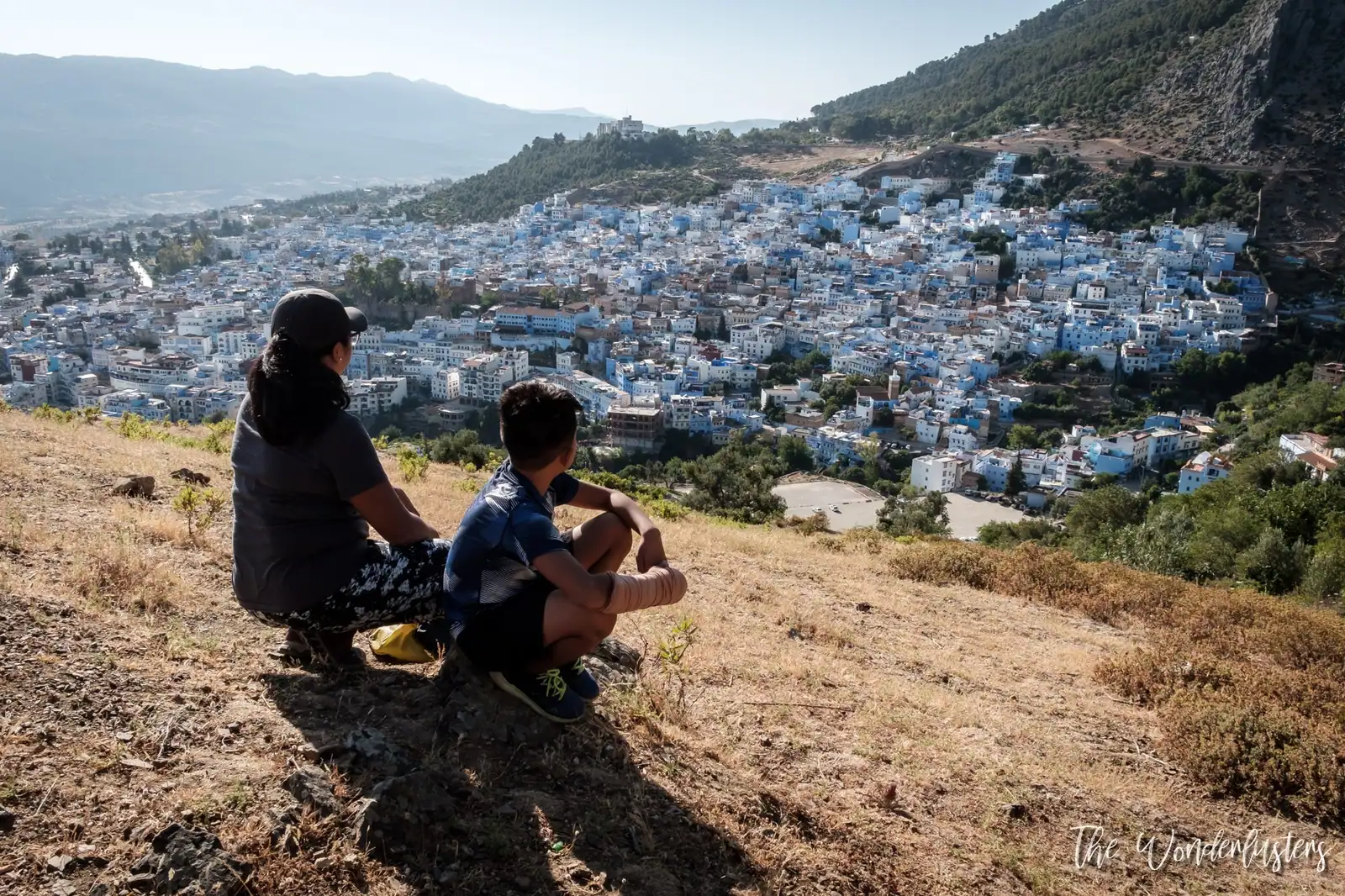
Chefchaouen had made me dream through photos online long before our trip. It was in my top 3 wanderlust destinations, alongside Cappadocia (Turkey) and Santorini (Greece), and once again the real thing exceeded all my expectations.
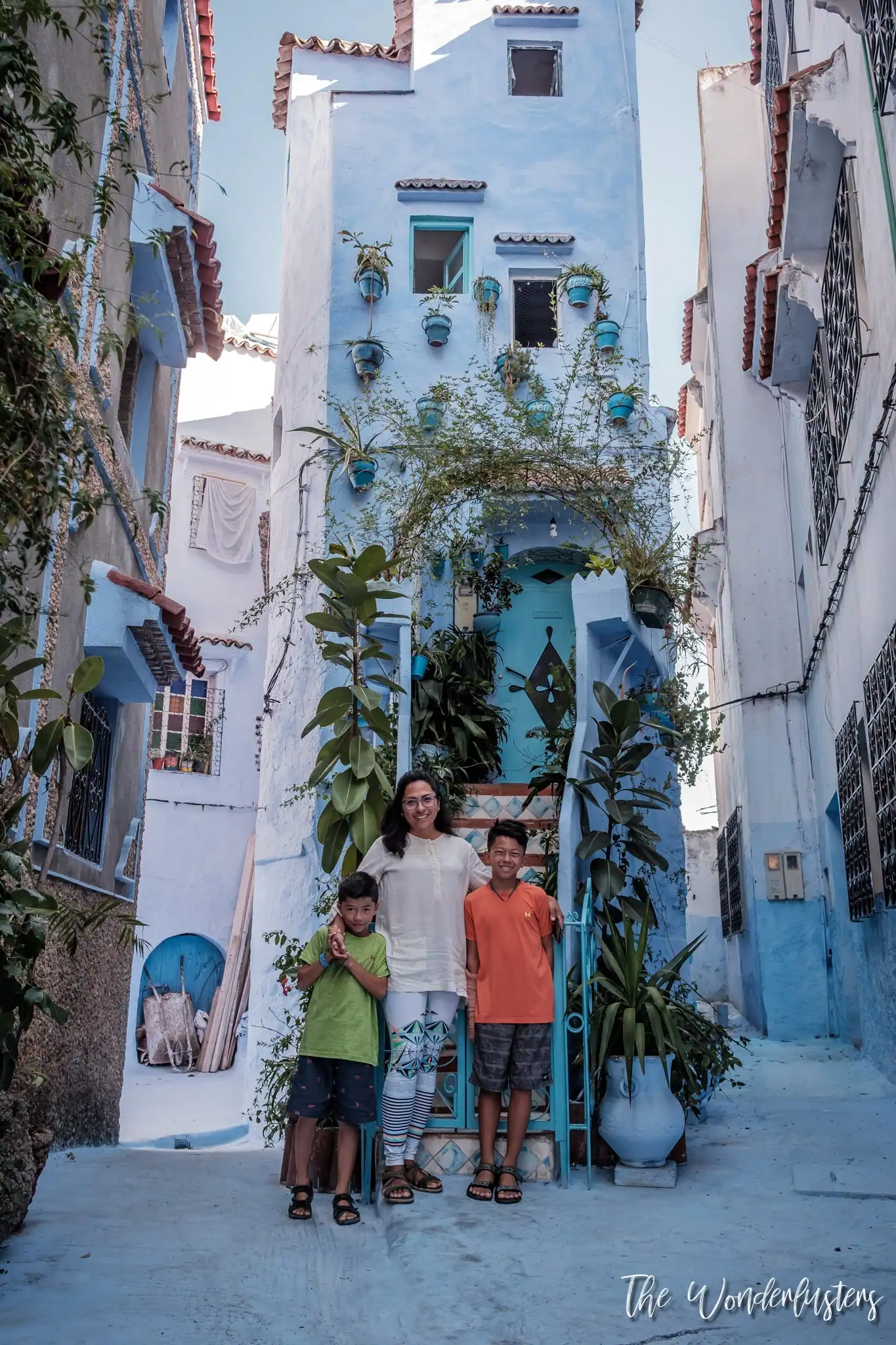
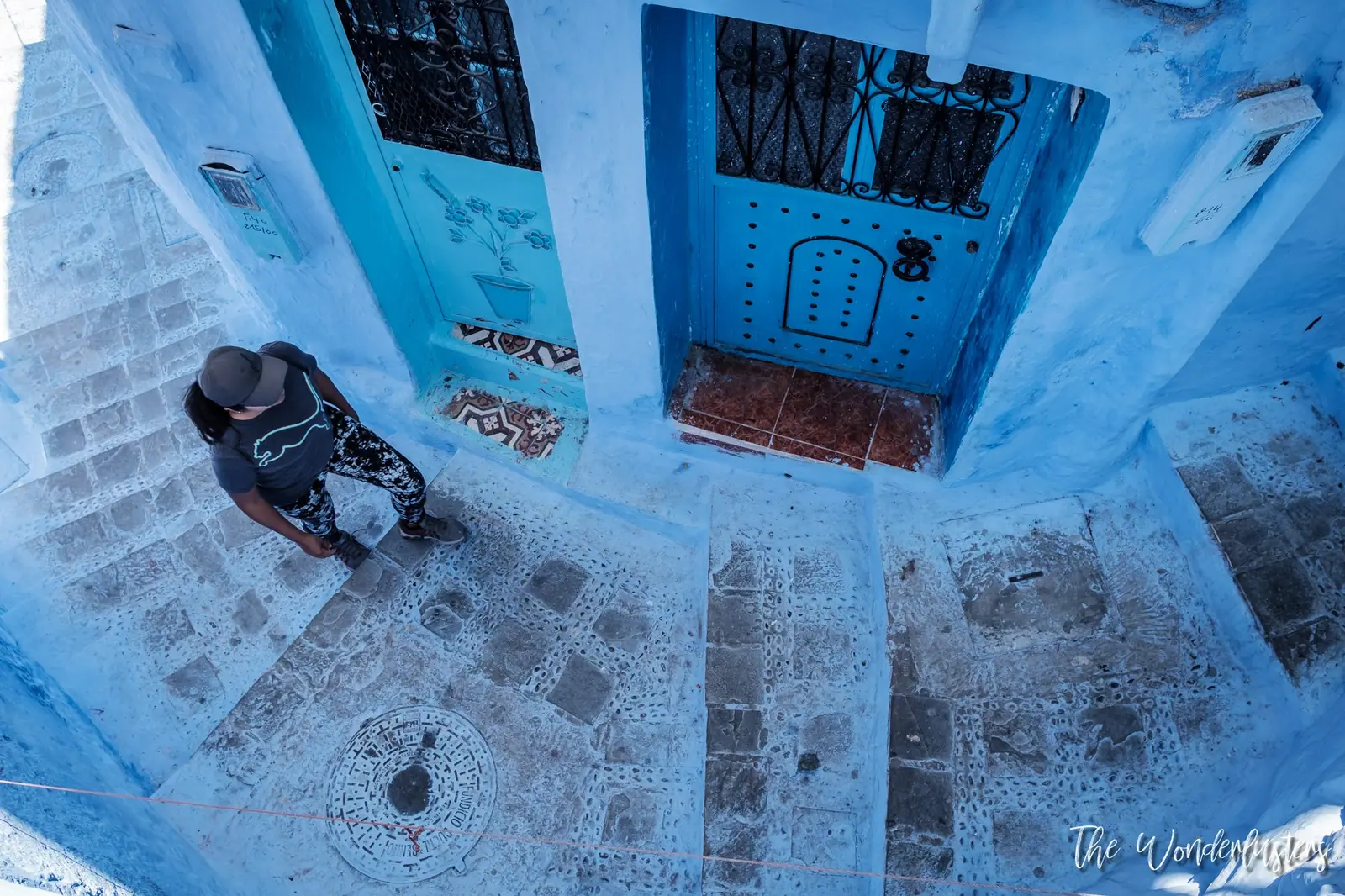
Chefchaouen is a small tourist town perched in the Rif Mountains. The houses of its medina are painted in every shade of blue, which is why it is called the “blue pearl of Morocco”. It is a paradise for photography lovers.
Volubilis and Moulay Idriss Zerhoun
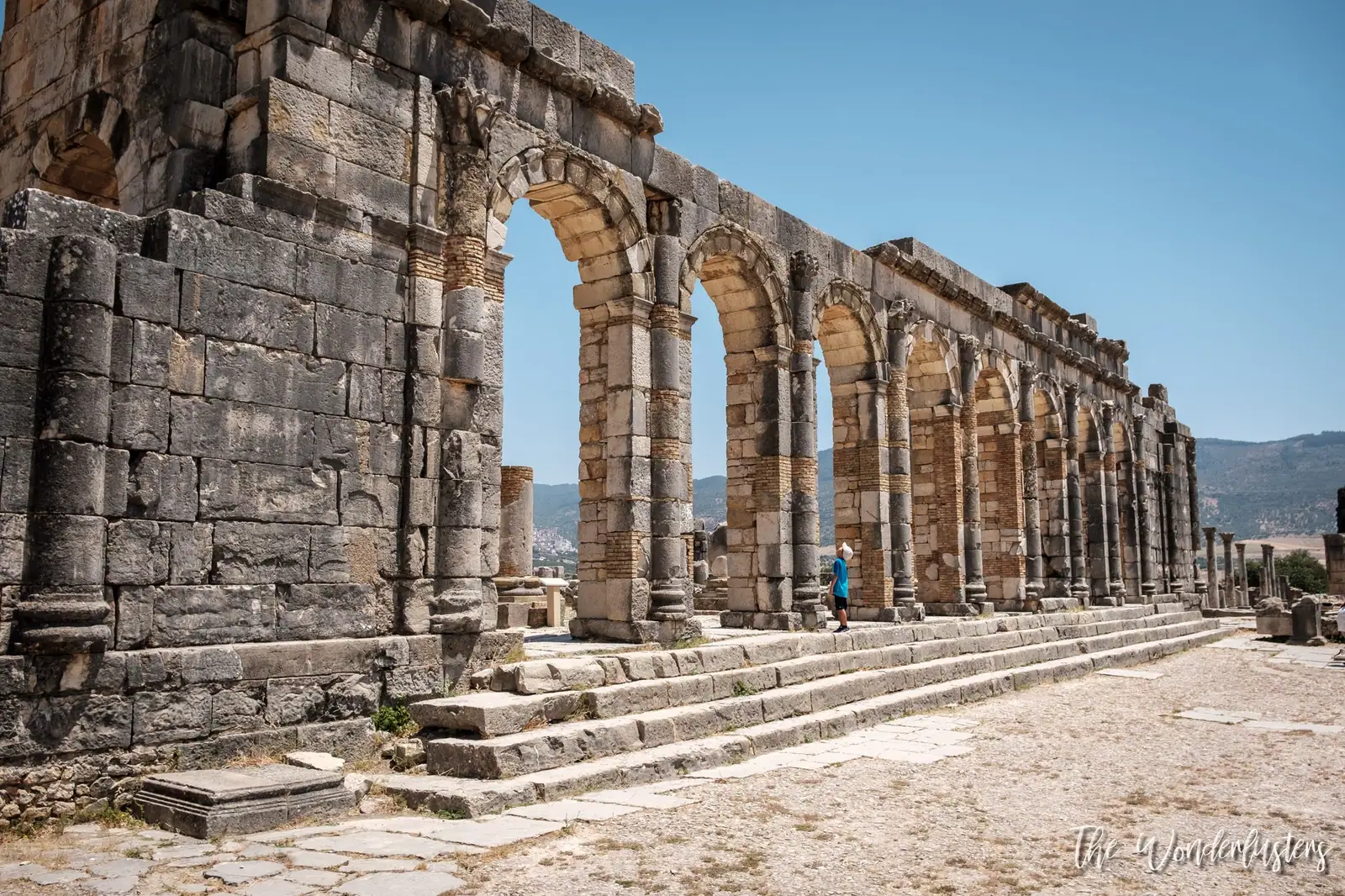
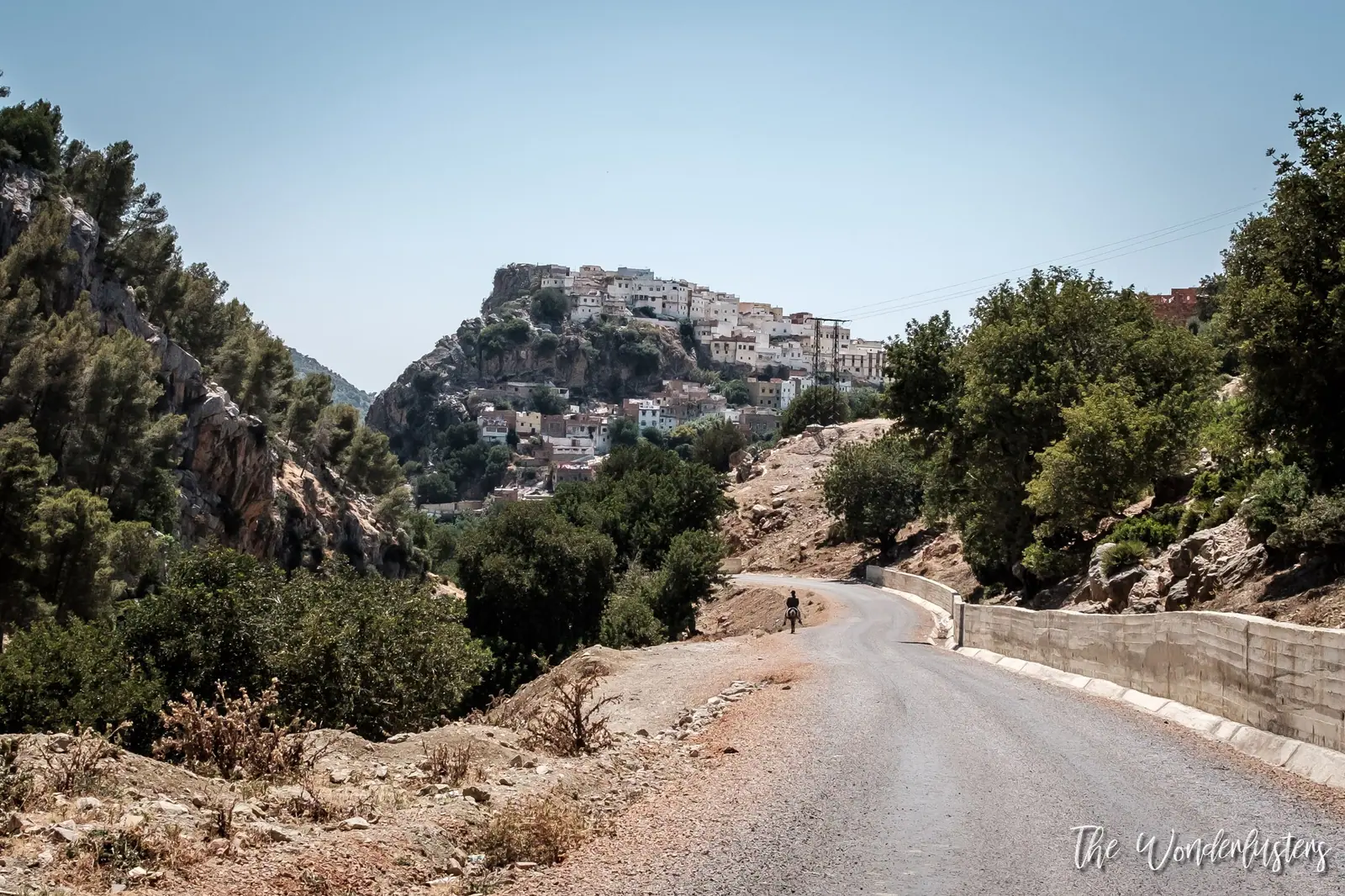
Volubilis is an ancient city of Berber origin that was later taken by the Romans, which is why its ruins look like those found all around the Mediterranean. In the 8th century, it became the seat of the Idrisid dynasty, founded by Idris I. A descendant of the Prophet Muhammad credited with bringing Shiism to the region, Idris I is considered the founder of Morocco. His mausoleum is in the lovely town of Moulay Idriss Zerhoun, a few minutes from Volubilis.
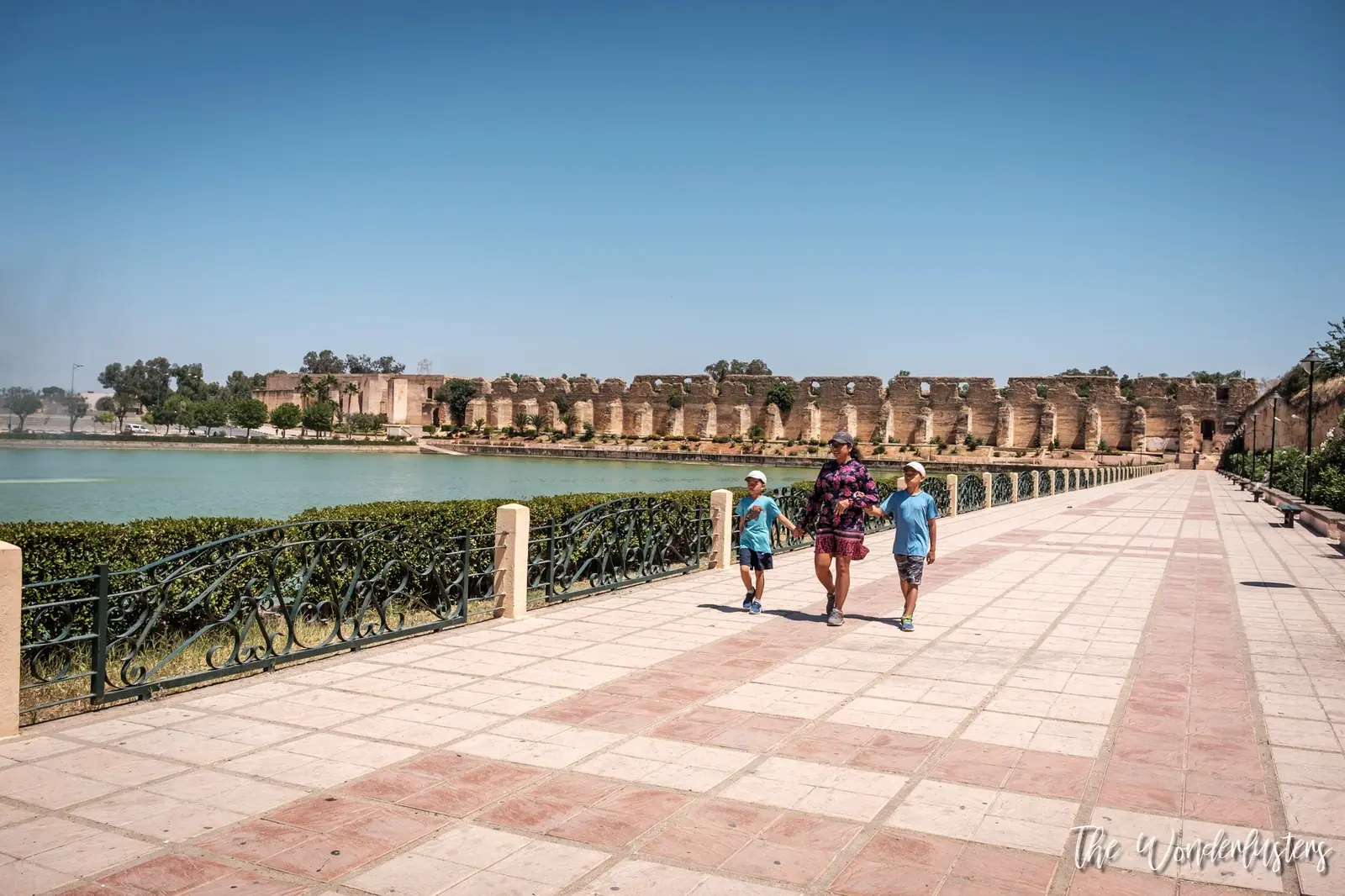
Meknes
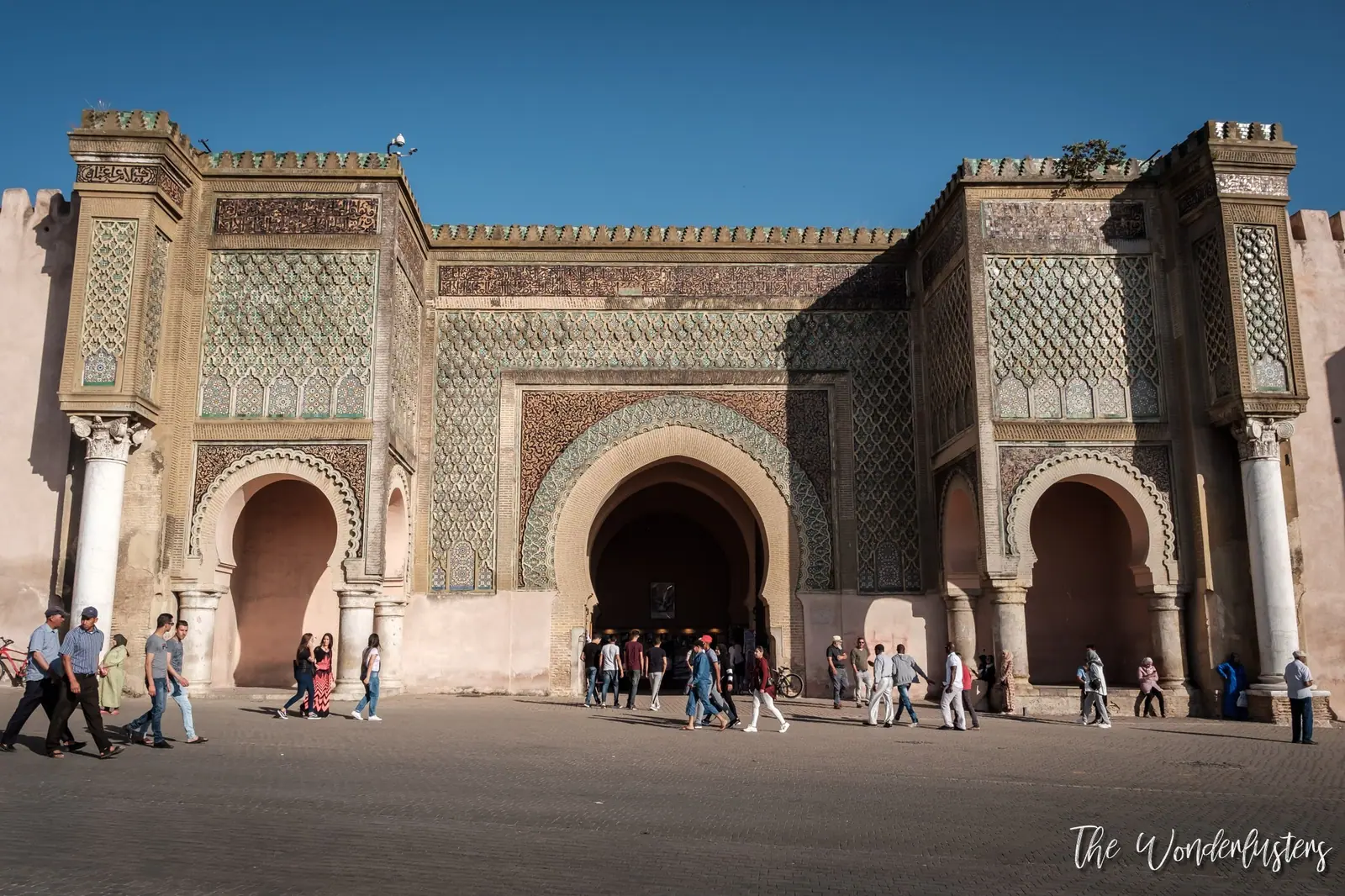
Meknes is one of Morocco’s 4 imperial cities, with Fez, Marrakech and Rabat. Its medina has stood the test of time and remains steeped in tradition.
Fez
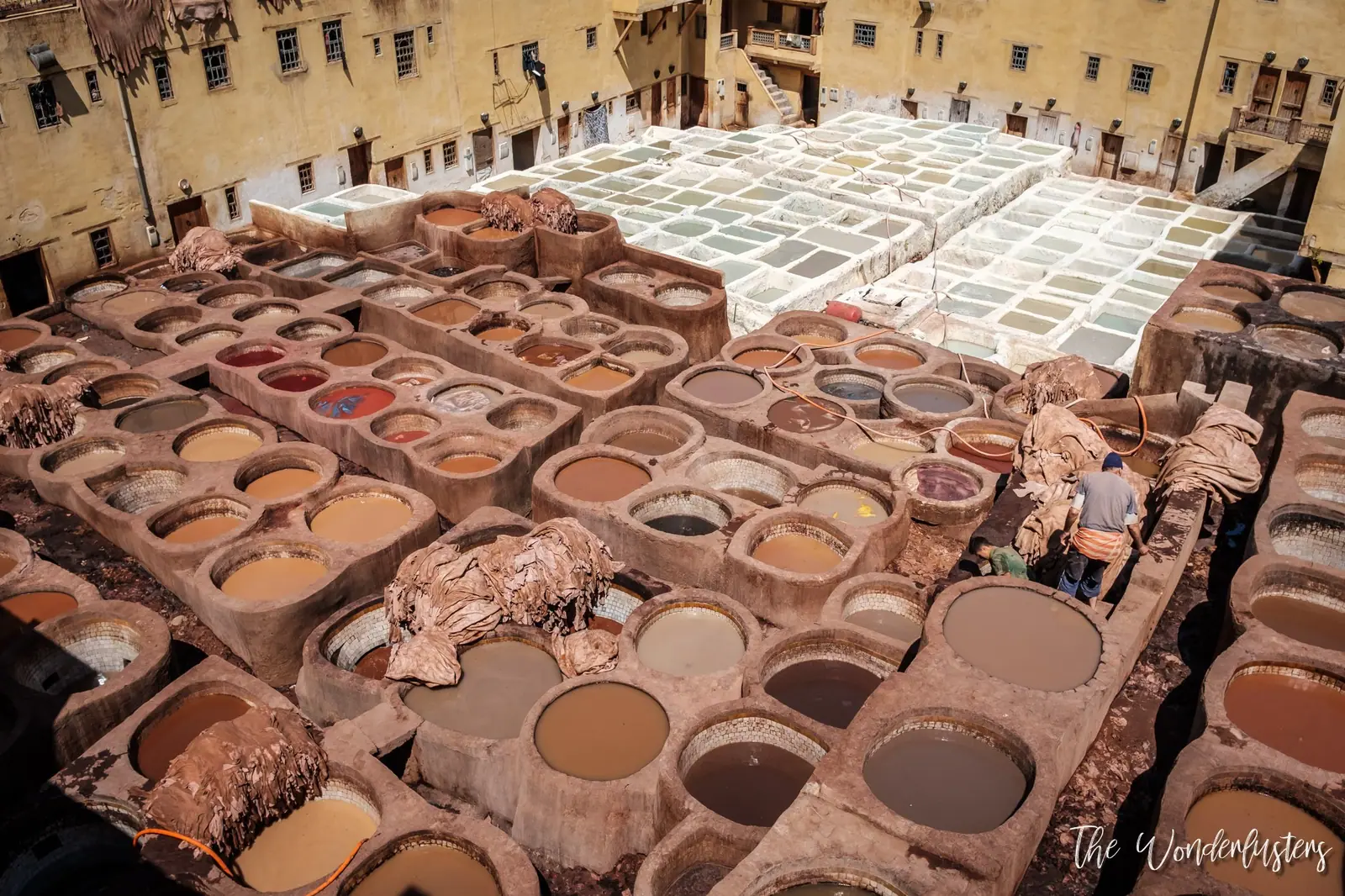
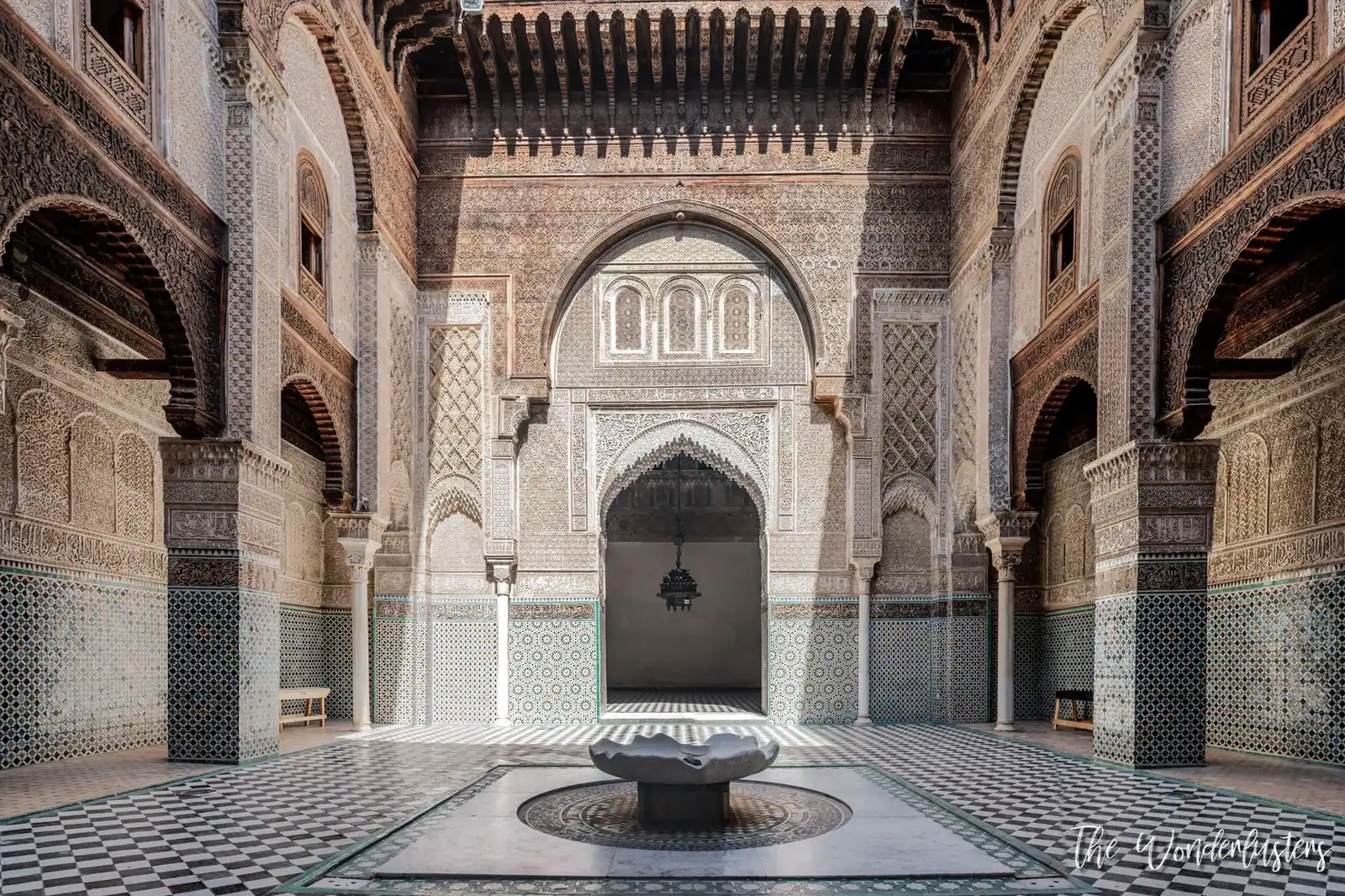
The history of Fez is closely tied to that of Morocco. Of the 4 imperial cities, it held the title of capital the longest, as its nicknames suggest: the Athens of Africa, the Queen of the Maghreb, the Mecca of the West. It is home to Al Quaraouiyine University, considered the world’s oldest university still in operation. The leather tanneries in the medina are an incredible sight.
Merzouga and the Erg Chebbi Dunes
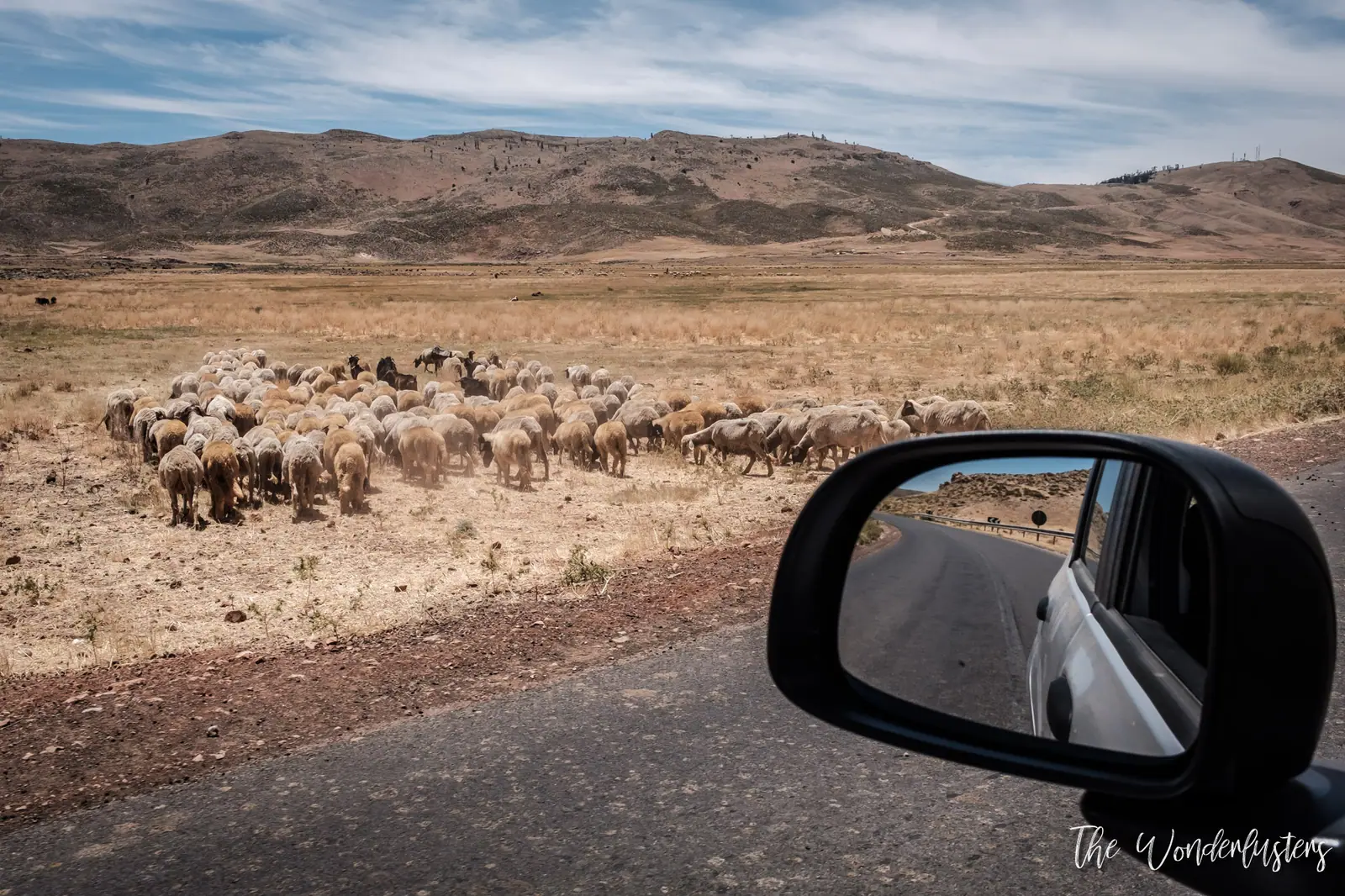
The road from Fez to Merzouga is a feast for the eyes, with:
- the village of Ifrane and its Alpine-style architecture;
- a cedar forest with Barbary macaques;
- a huge water reservoir in the middle of the Atlas Mountains;
- Rissani and its souk, which felt like stepping back in time;
- many picture-perfect oases, canyons and villages.
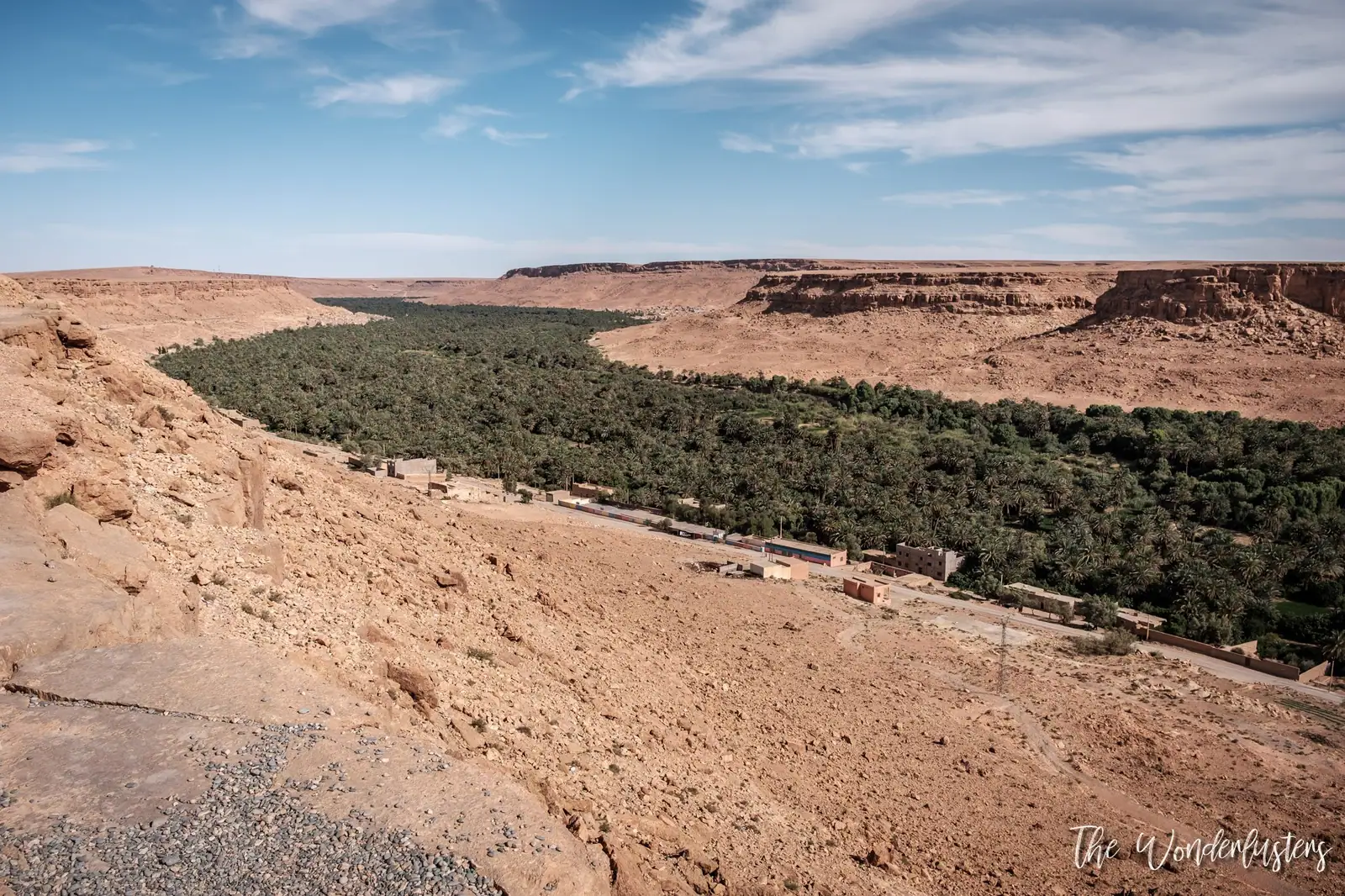
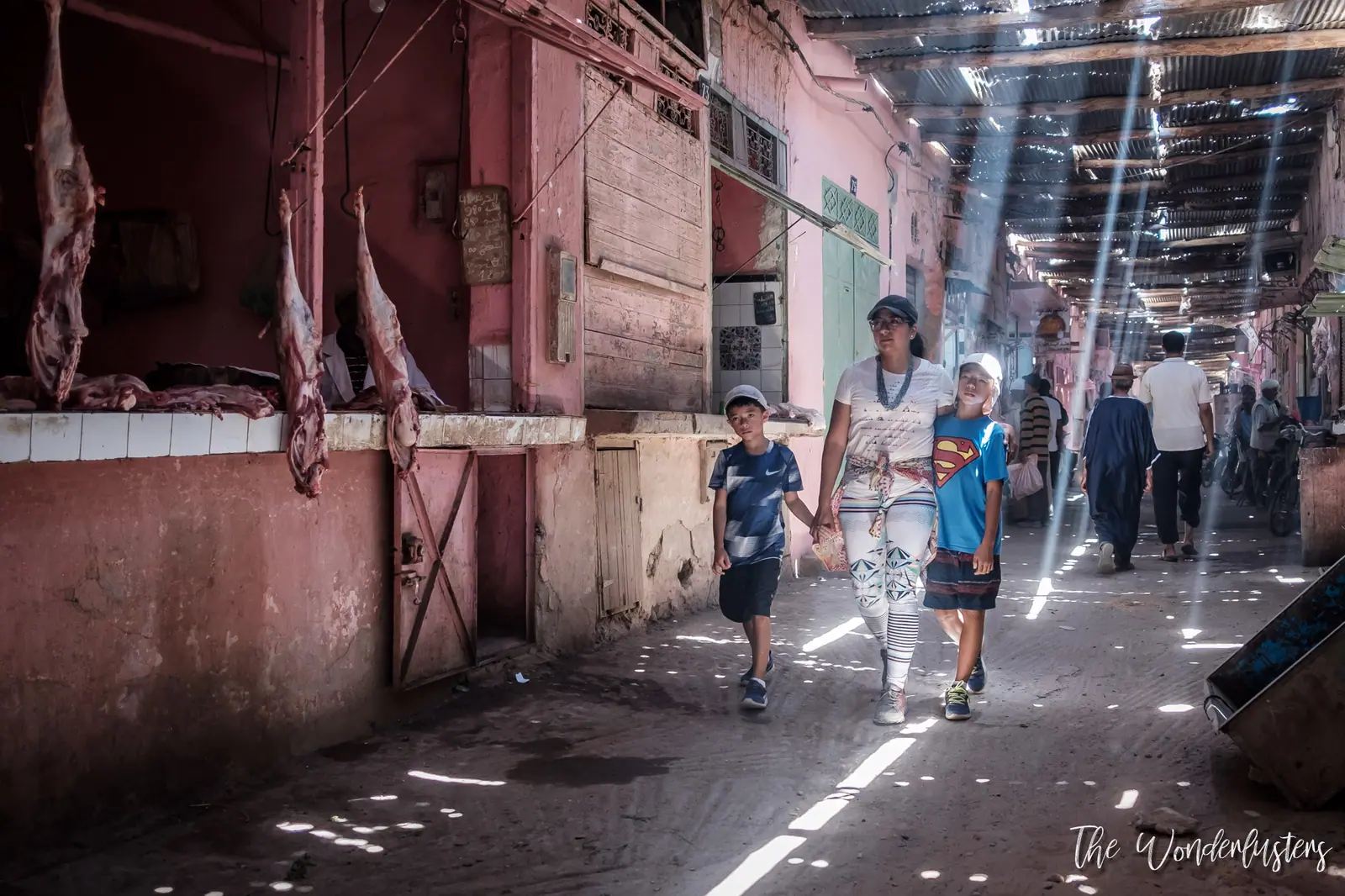
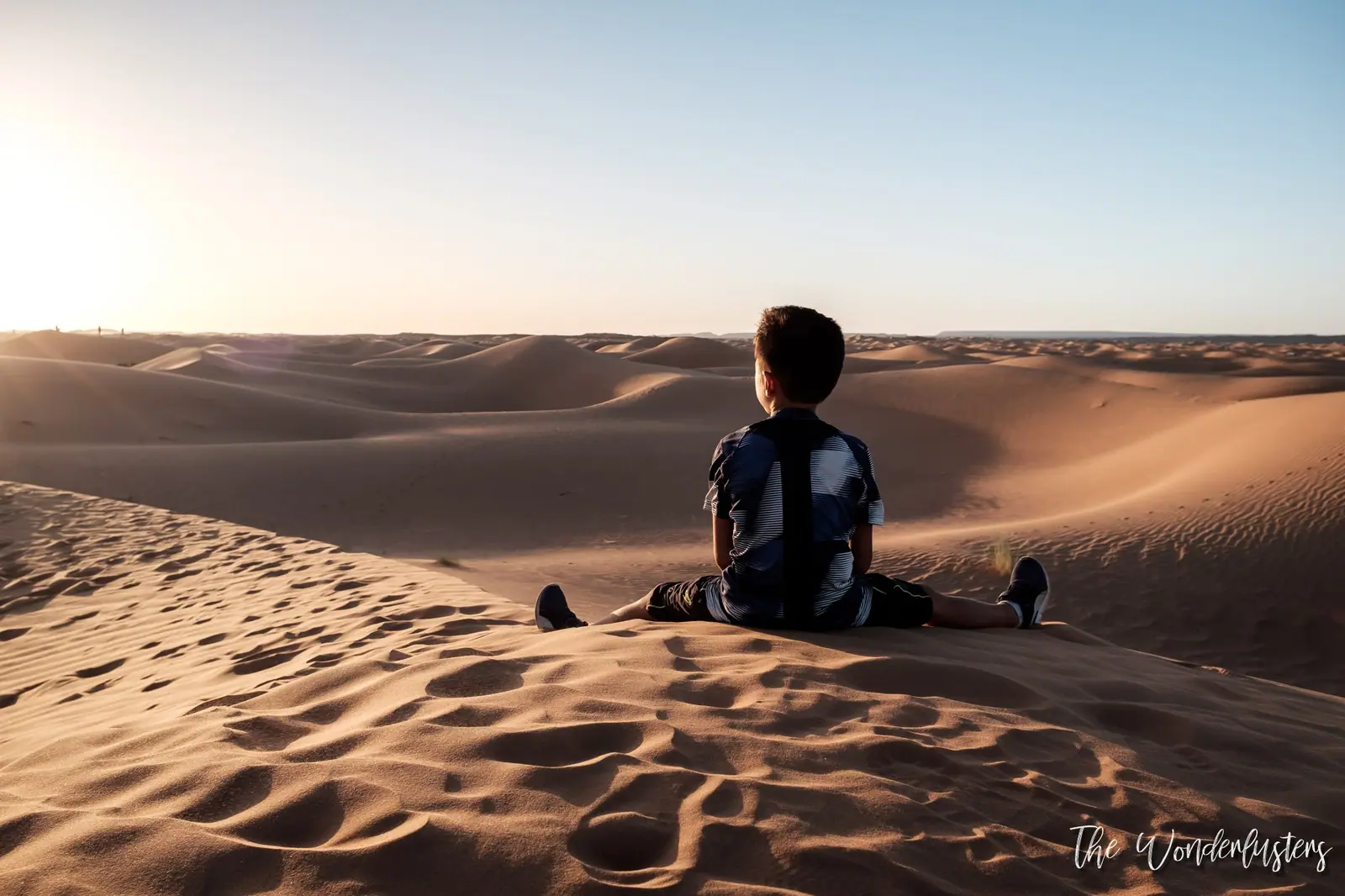
At the same time, Europe was breaking temperature records because of a heat wave coming from Morocco, and we decided to walk straight into the fire. We settled at the gateway to the Sahara, at the foot of the giant sand dunes of Erg Chebbi, in Merzouga. That early summer, temperatures reached 46 degrees. The air was so dry that our sweat evaporated instantly: we drank 4 litres of water a day and hardly needed the toilet. My lips cracked and the boys took turns having nosebleeds. And yet, we had a blast!
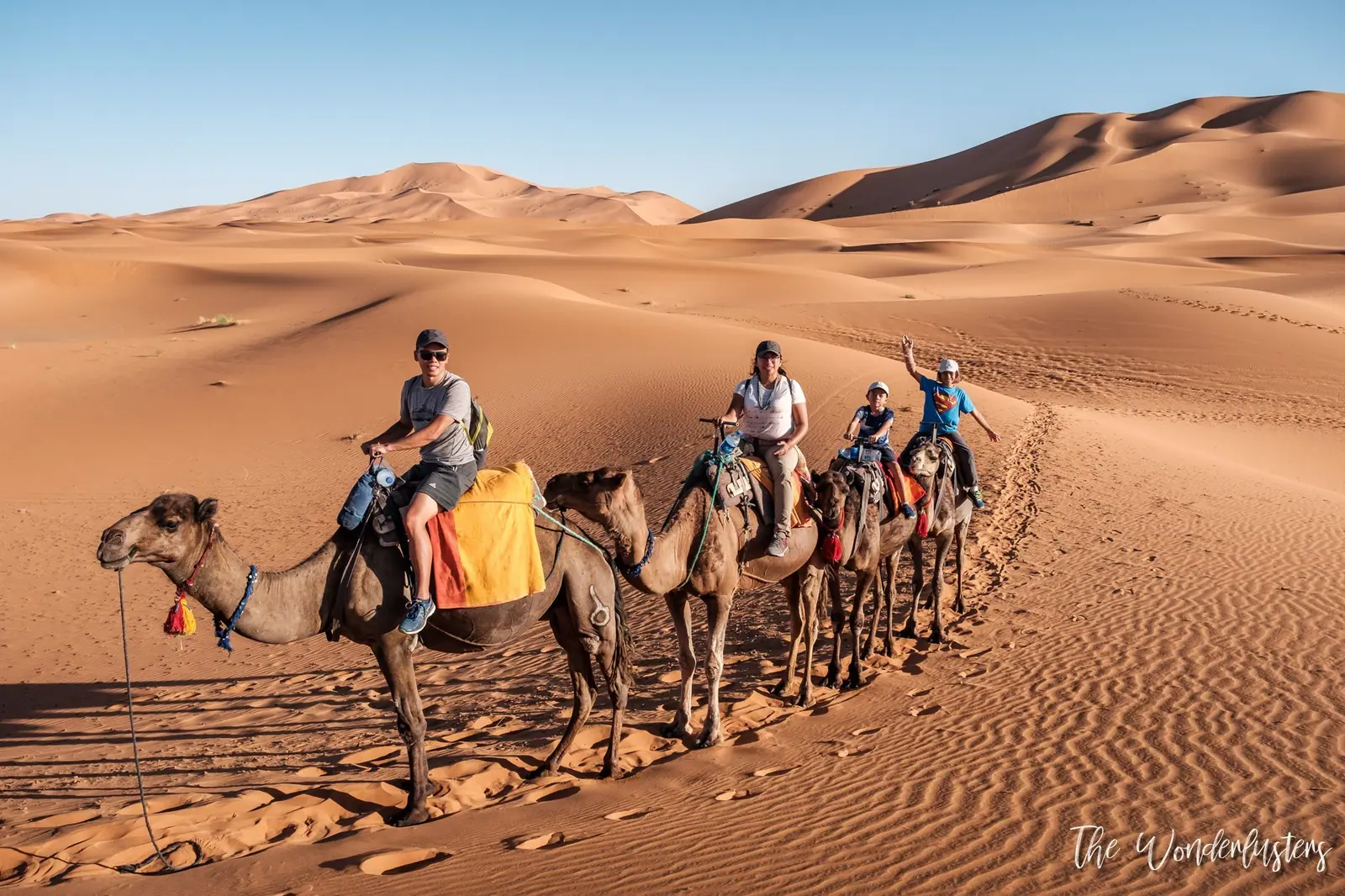
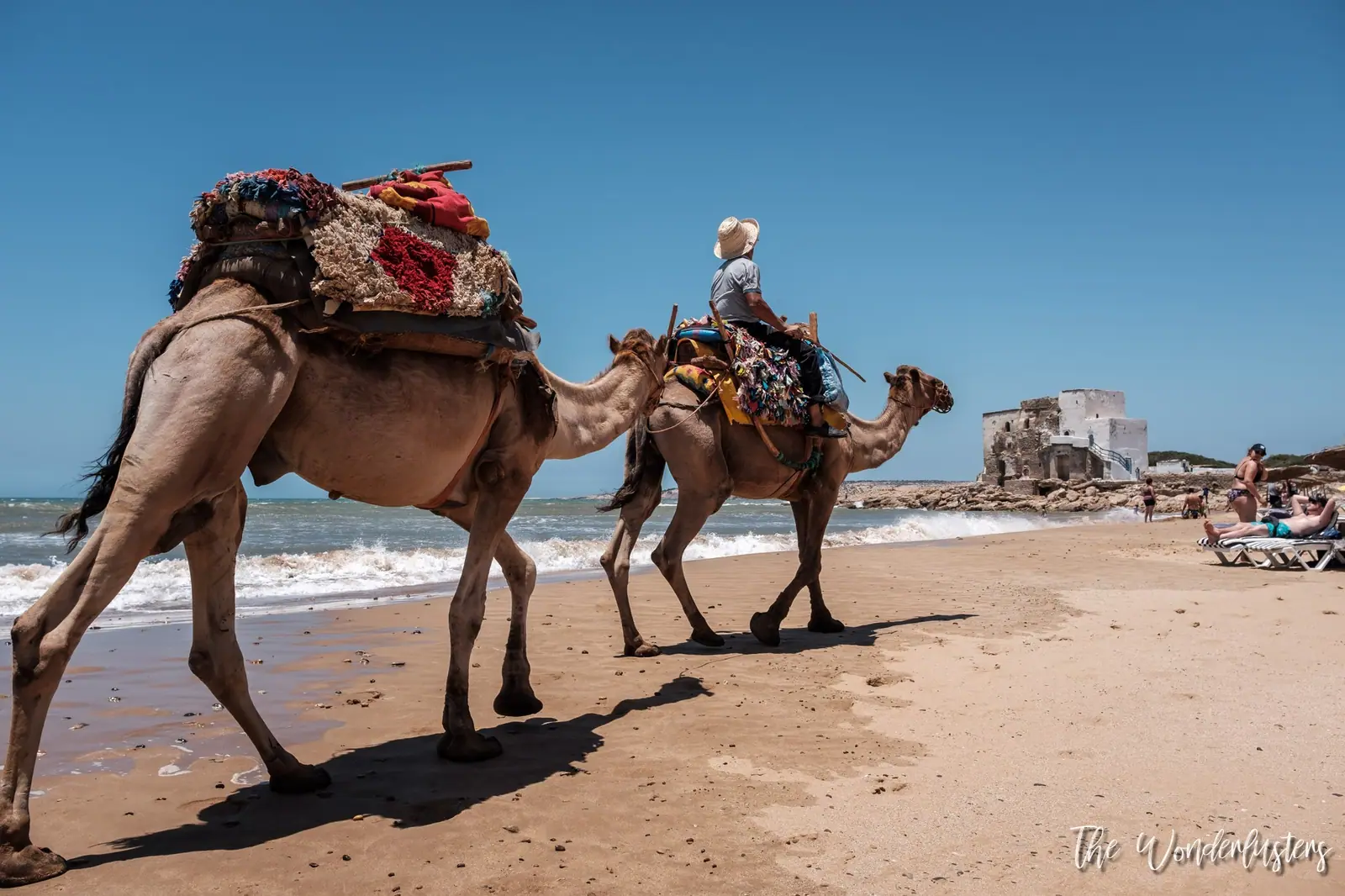
Since the start of our trip, we had already had some amazing desert experiences: meeting the Bedouins in Jordan’s Wadi Rum, watching torrential rain fall on the sand dunes of Oman, or being attacked by swarms of flies in the Australian outback. This one was special. First, because the dunes, some over 150 metres high, were monumental. Then, because we reached our camp across the dunes on camelback, under a magnificent sunset. And finally, because we saw the most fabulous starry sky of our lives. My camera was overheating, I couldn’t stop pressing the shutter!
Todgha and Dades Gorges
Our Moroccan road trip continued along the winding roads of the High Atlas, known for its scenery of oases, villages and kasbahs. For nature lovers and road-trippers, it’s a sure hit.
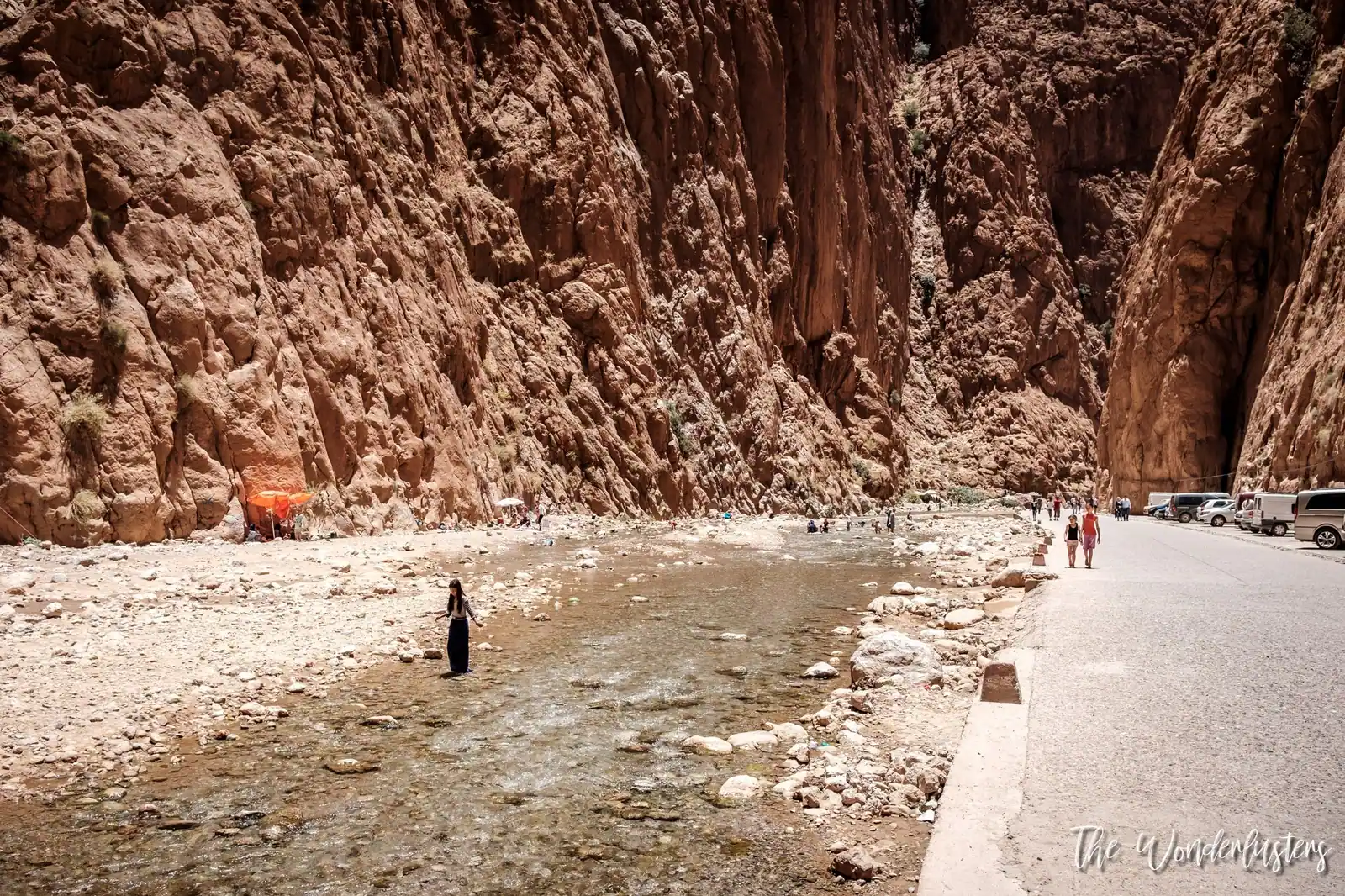
The Todgha Gorges are a series of canyons with imposing limestone walls up to 400 metres high.
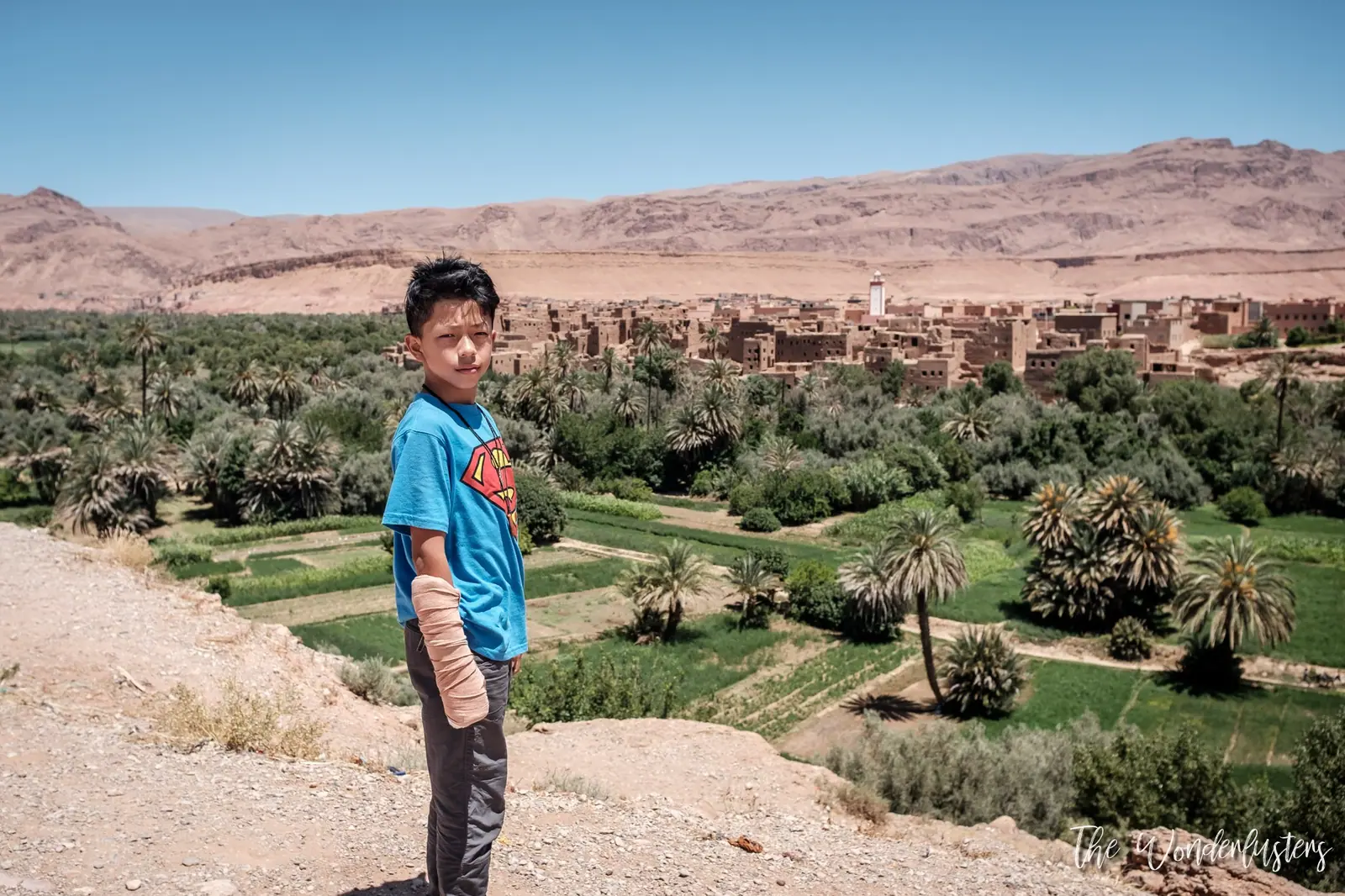
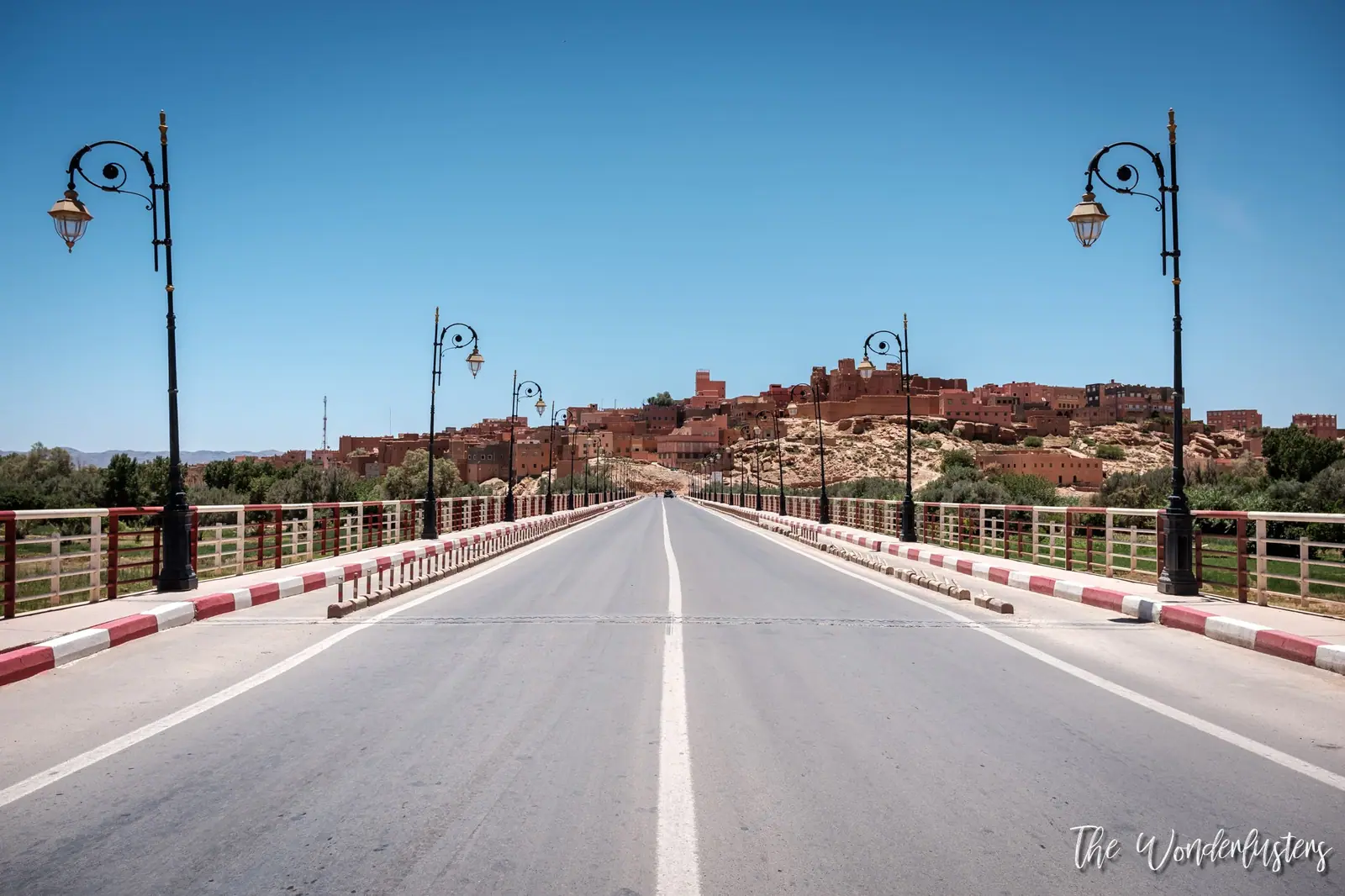
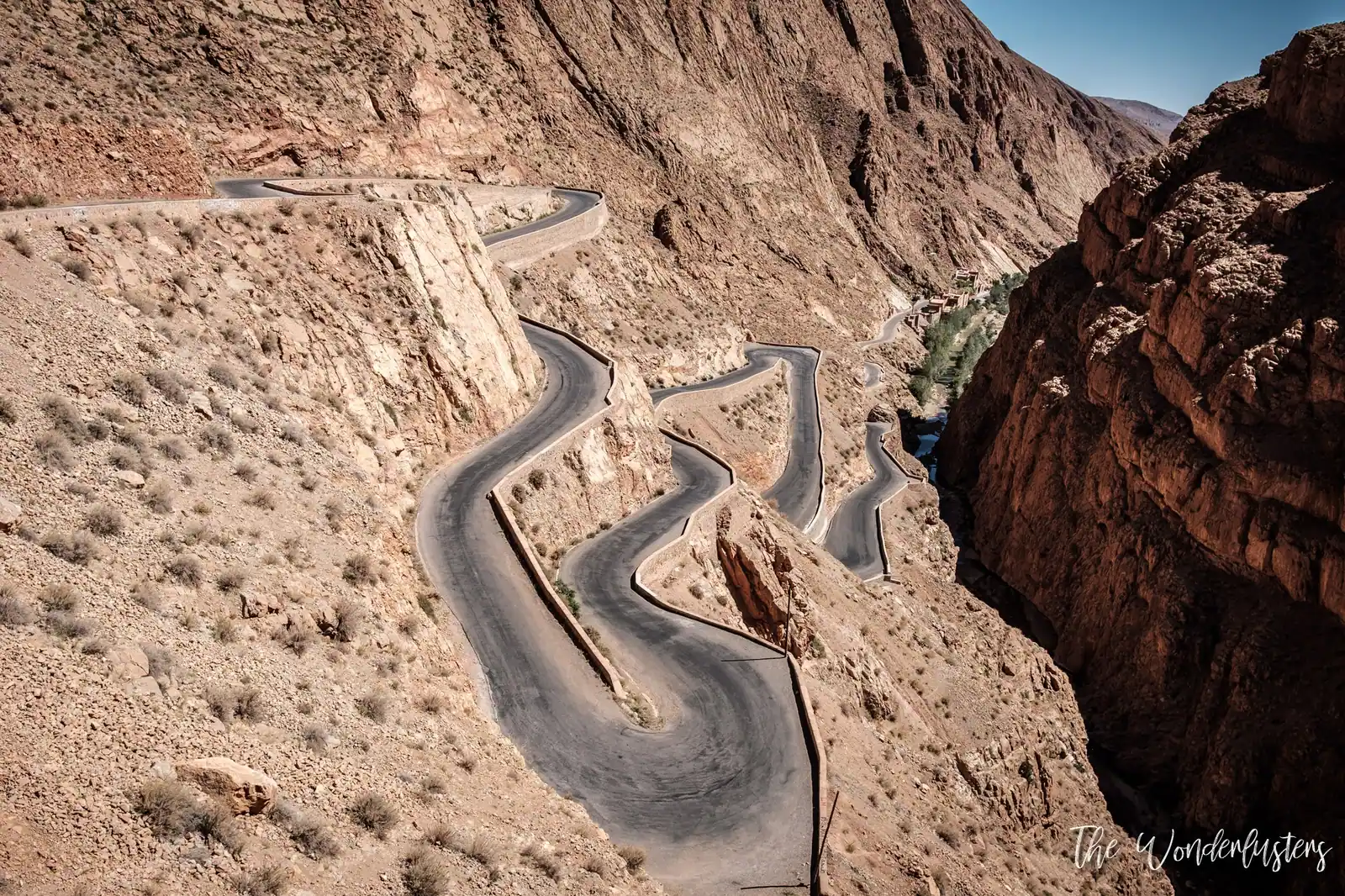
Not far away, the Dades Gorges road is one of the most scenic we have ever driven. We stopped on an extremely winding stretch to take in the most spectacular viewpoint.
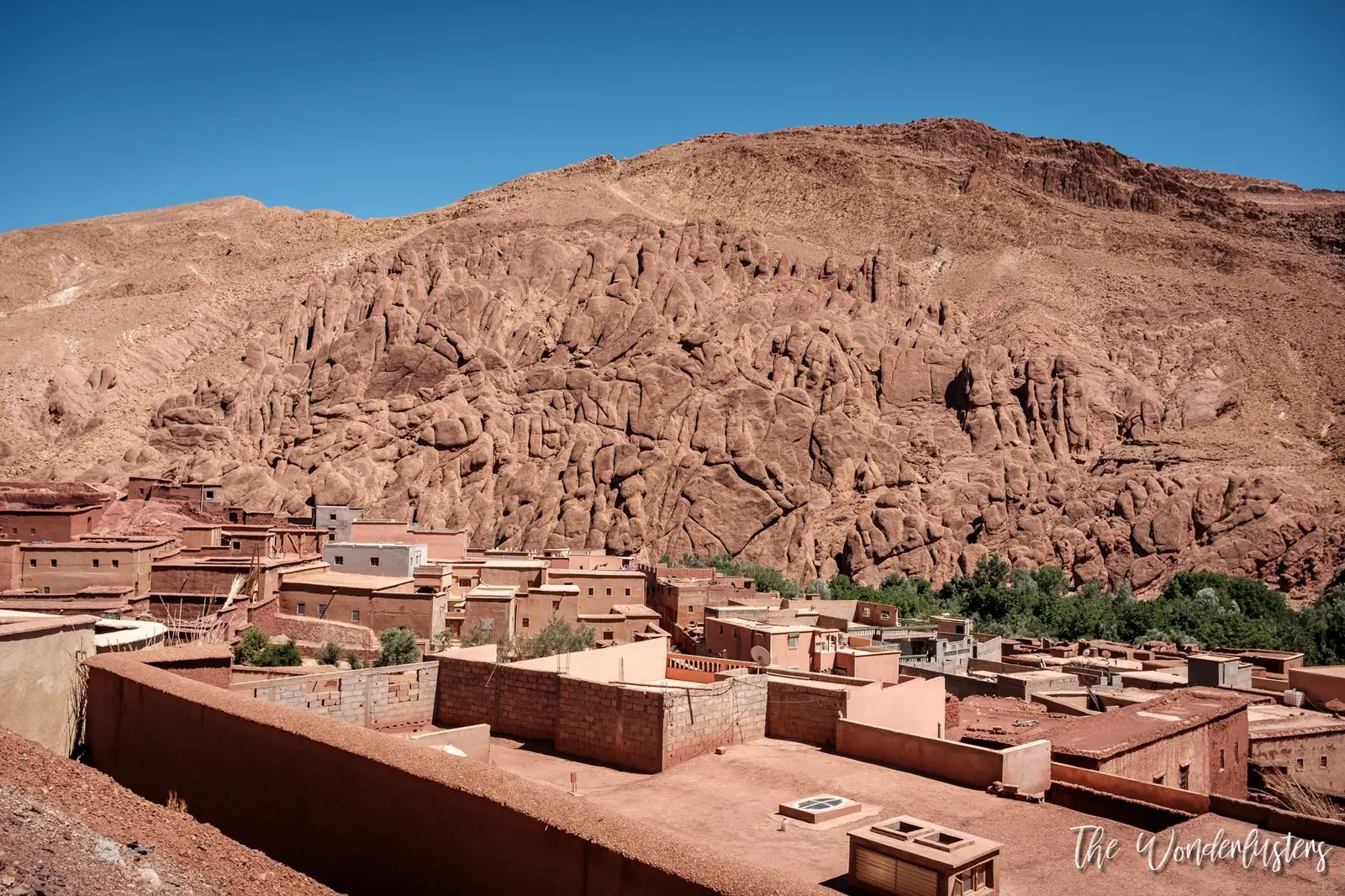
We also remember the “Monkey Fingers”, rock formations that look oddly like… monkey fingers.
Aït Ben Haddou
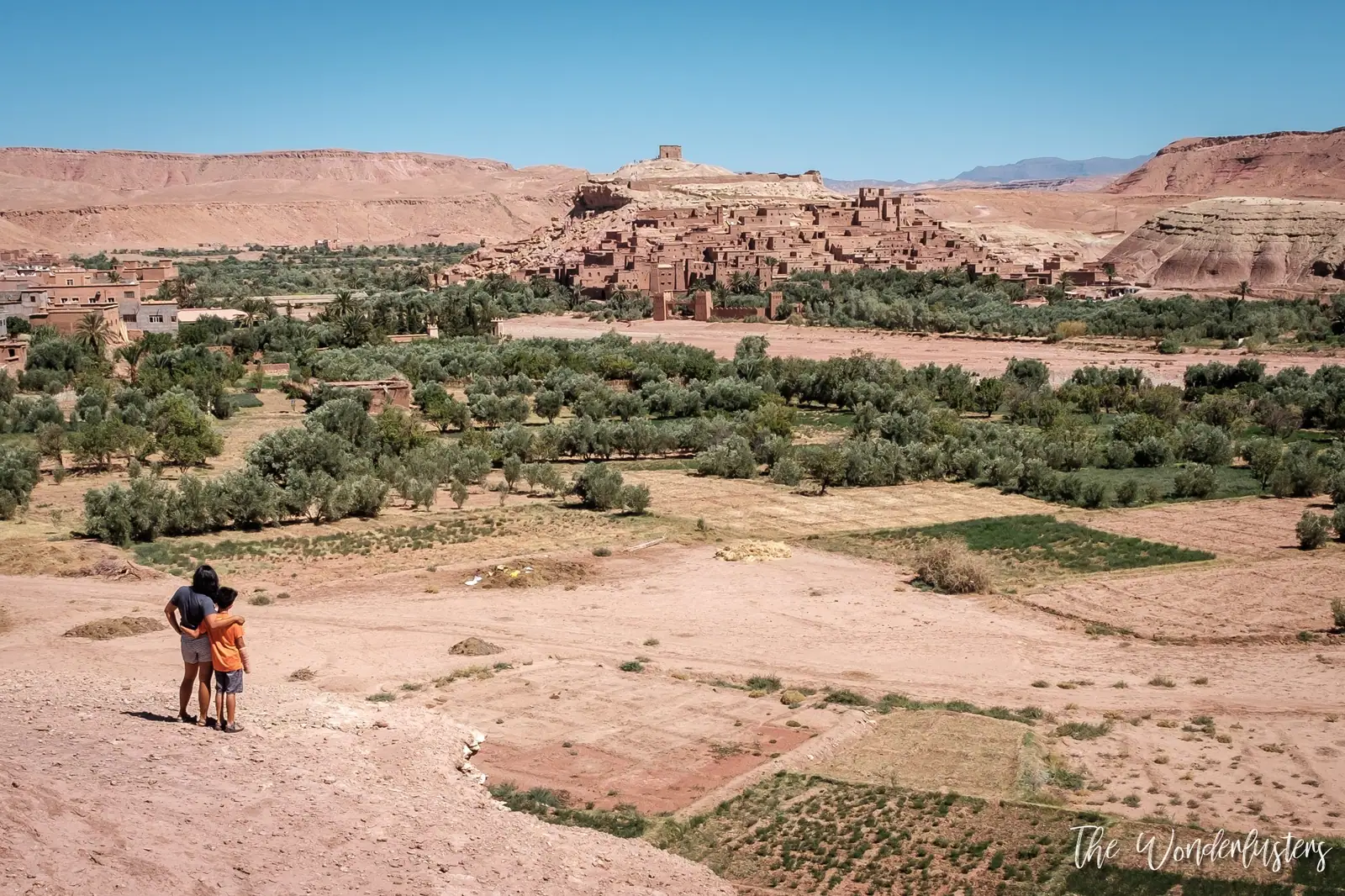
Near Ouarzazate, we wouldn’t have missed Aït Ben Haddou, a fortified Berber village built on a hillside, compared to Mont-Saint-Michel during the French protectorate. Now a UNESCO World Heritage Site, it is known as a filming location for Lawrence of Arabia, The Last Temptation of Christ, Gladiator, Babel and season 3 of Game of Thrones.
2026 update: The Al Haouz earthquake of September 2023 left several buildings of the ksar of Aït Ben Haddou cracked, and its collective granary was reported seriously damaged (The Art Newspaper).
Essaouira
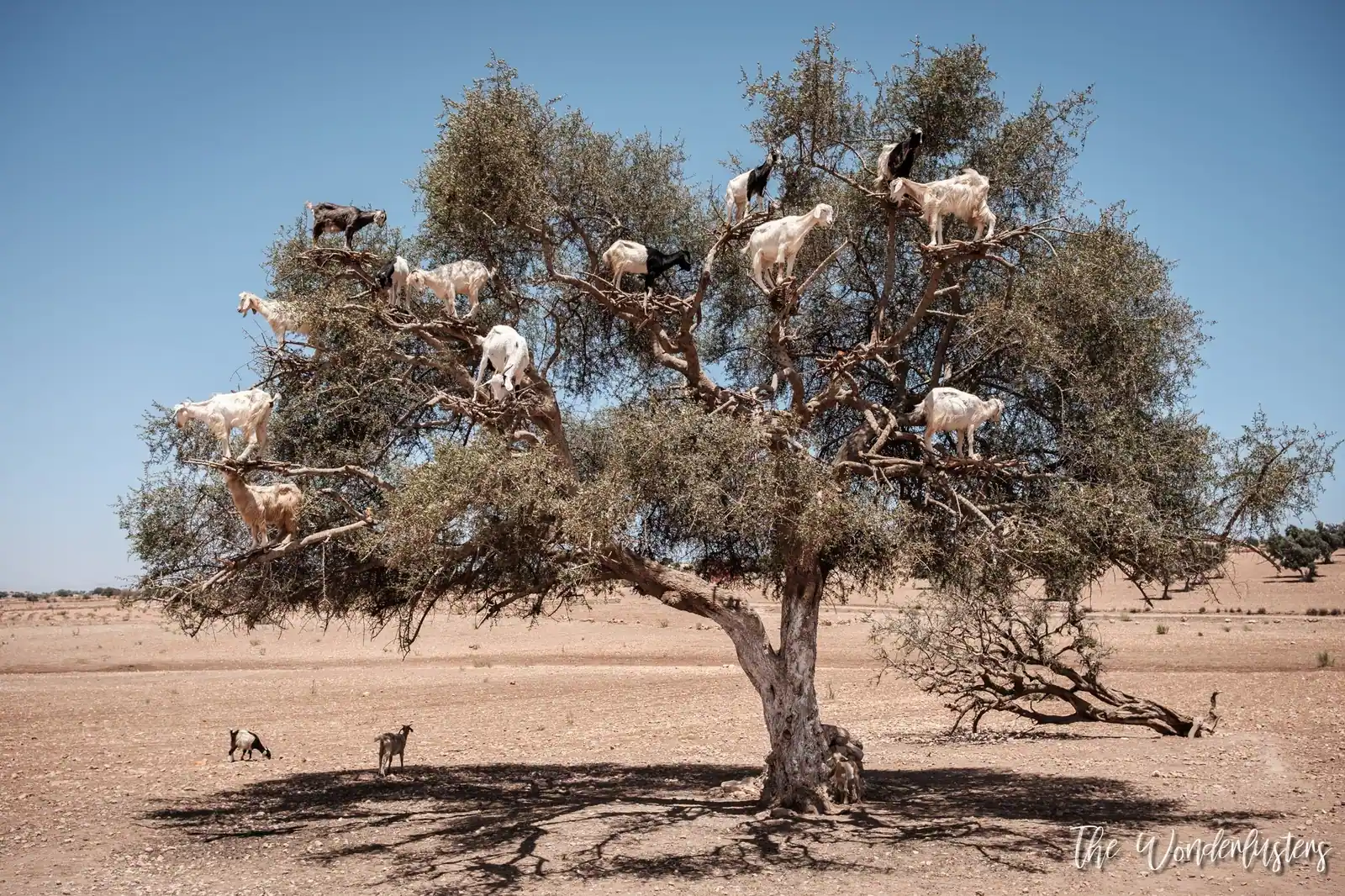
Around Essaouira, argan trees stretch as far as the eye can see. Goats feast on the leaves and fruit of this tree, which locals cultivate to produce argan oil. Morocco is the world’s main producer.
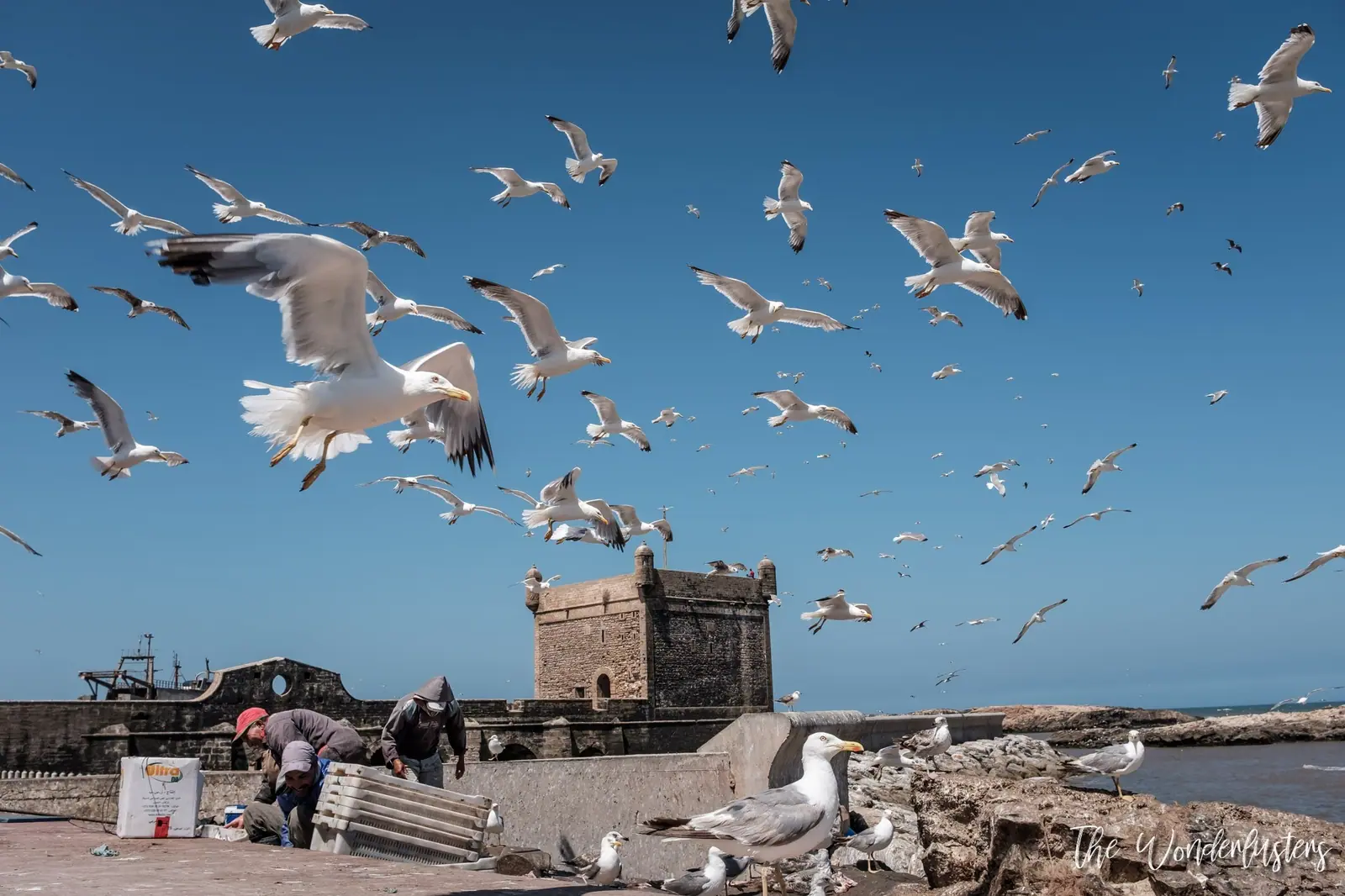
On the Atlantic coast, the quiet little town of Essaouira already existed in Phoenician times. If the name doesn’t ring a bell, maybe Mogador will. At its height, under Portuguese administration, Mogador was the country’s diplomatic capital and most important port. Its imposing fortress and huge port still bear witness to that glorious past.
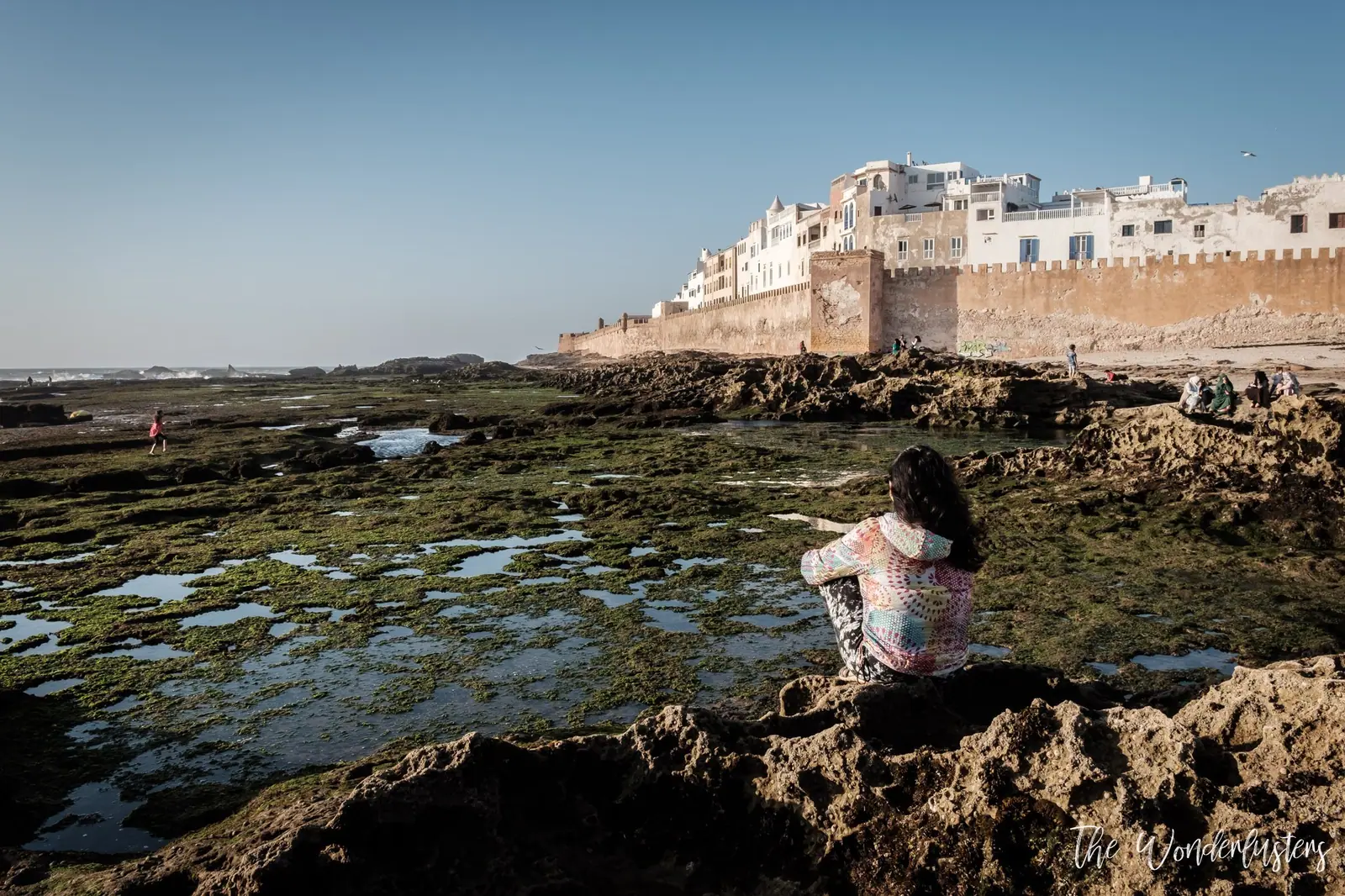
We loved strolling through its medina, now a UNESCO World Heritage Site. In the morning, the boats come back to unload their catch, and the port fills with fish merchants and thousands of seagulls.
Marrakech and Jemaa el-Fna
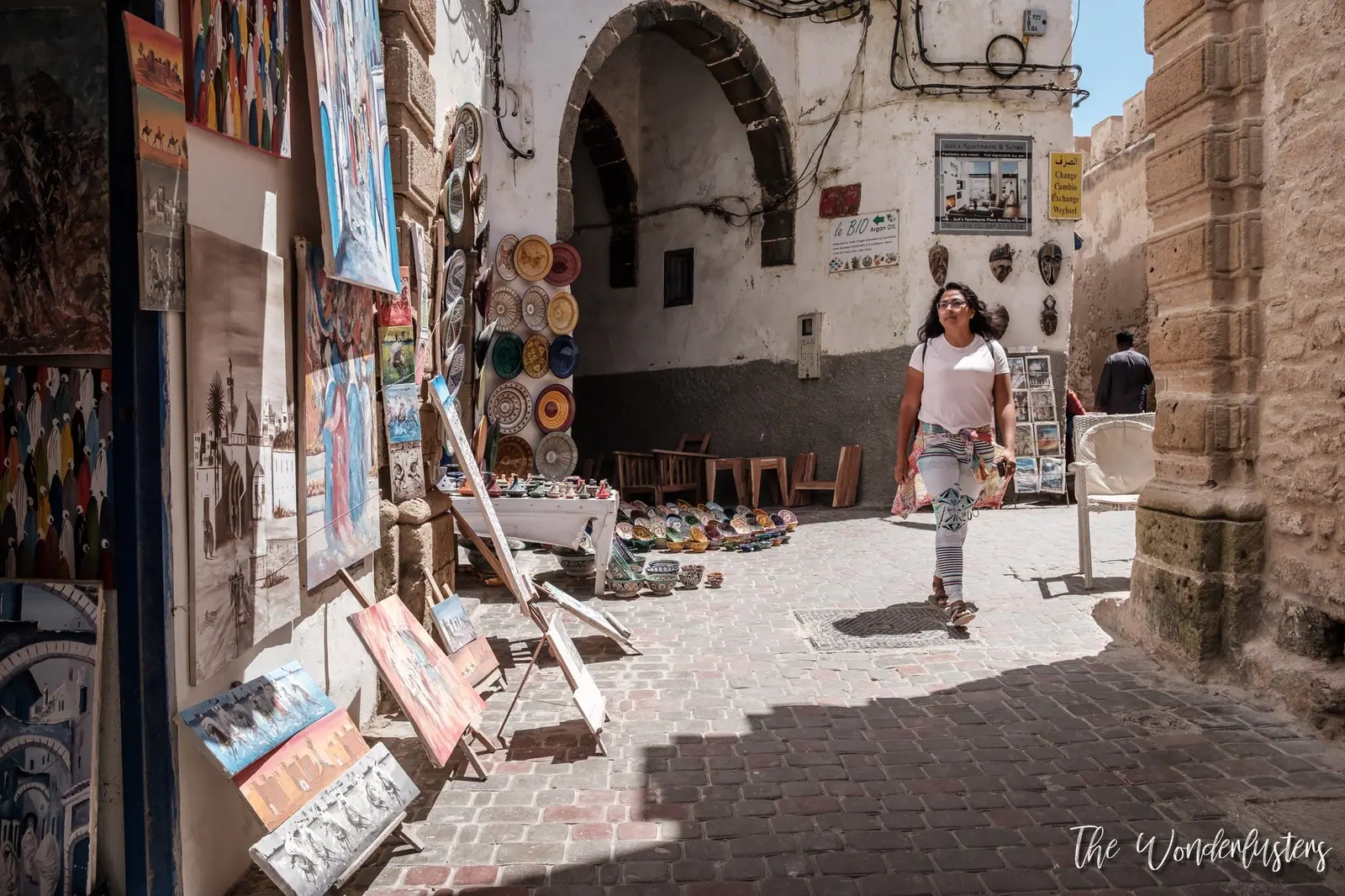
Marrakech is Morocco’s most touristy city, and we understand why. The ochre city has an intoxicating charm, and its medina (a UNESCO World Heritage Site) and souk are magnificent.
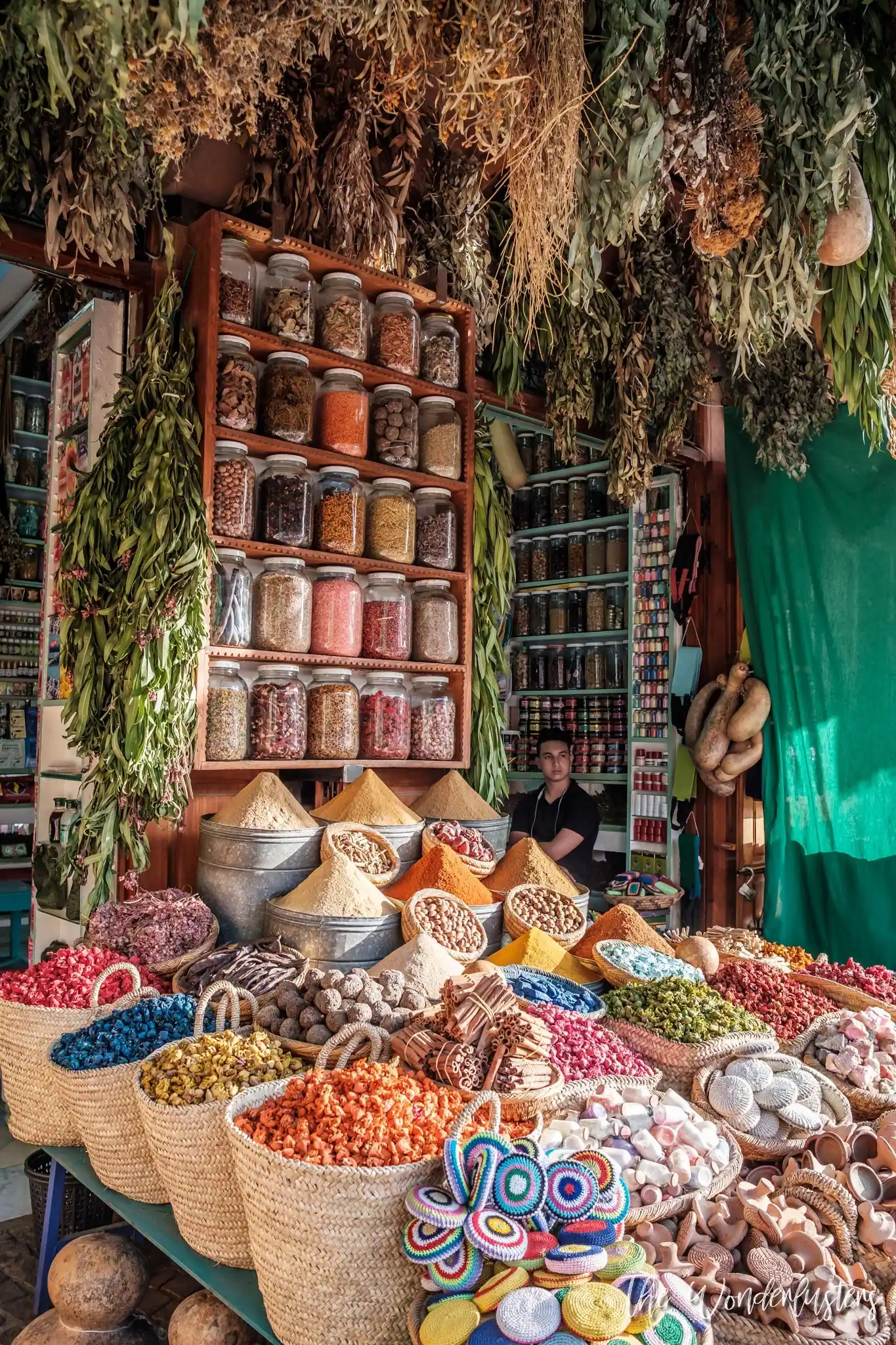
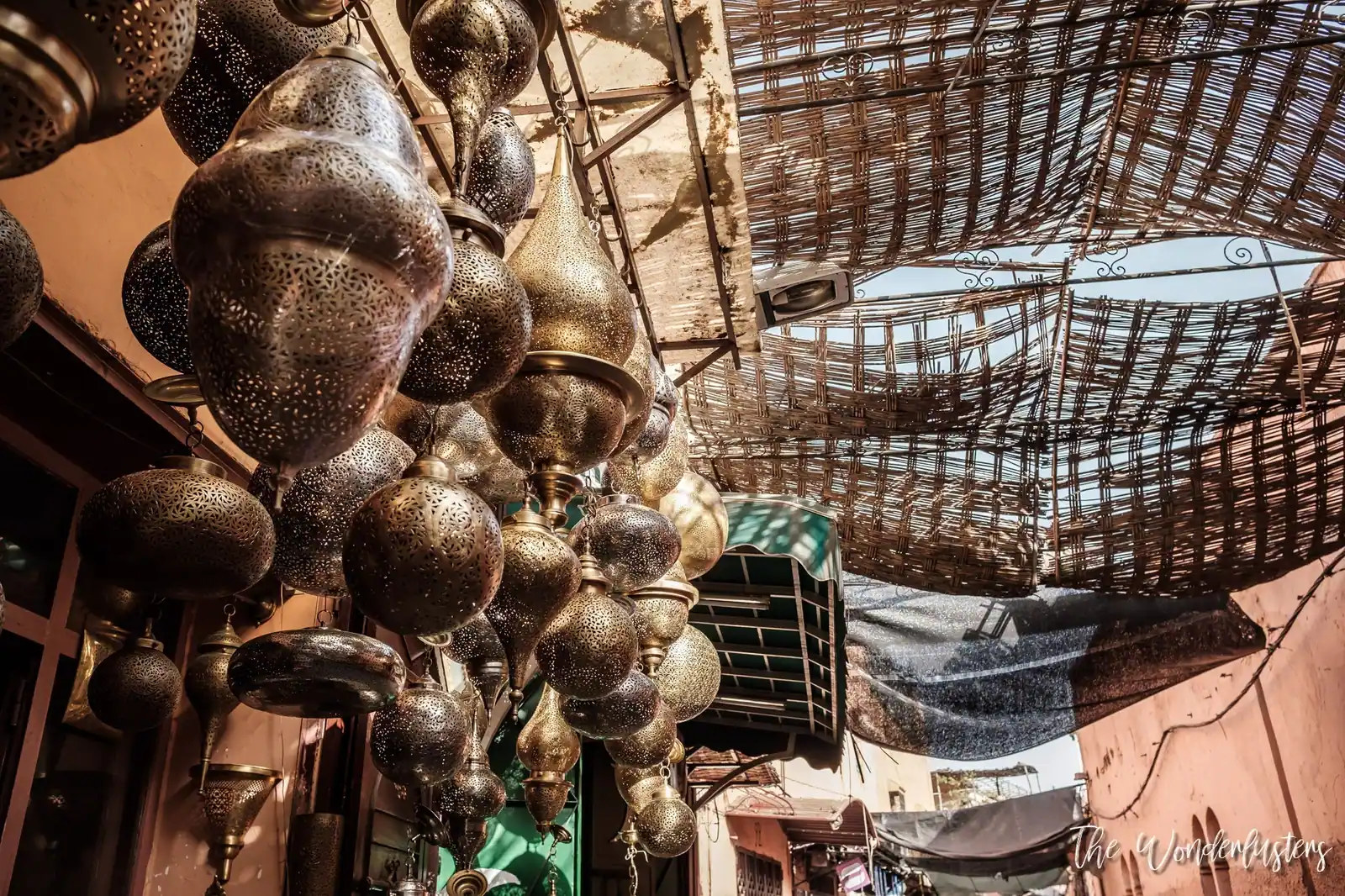
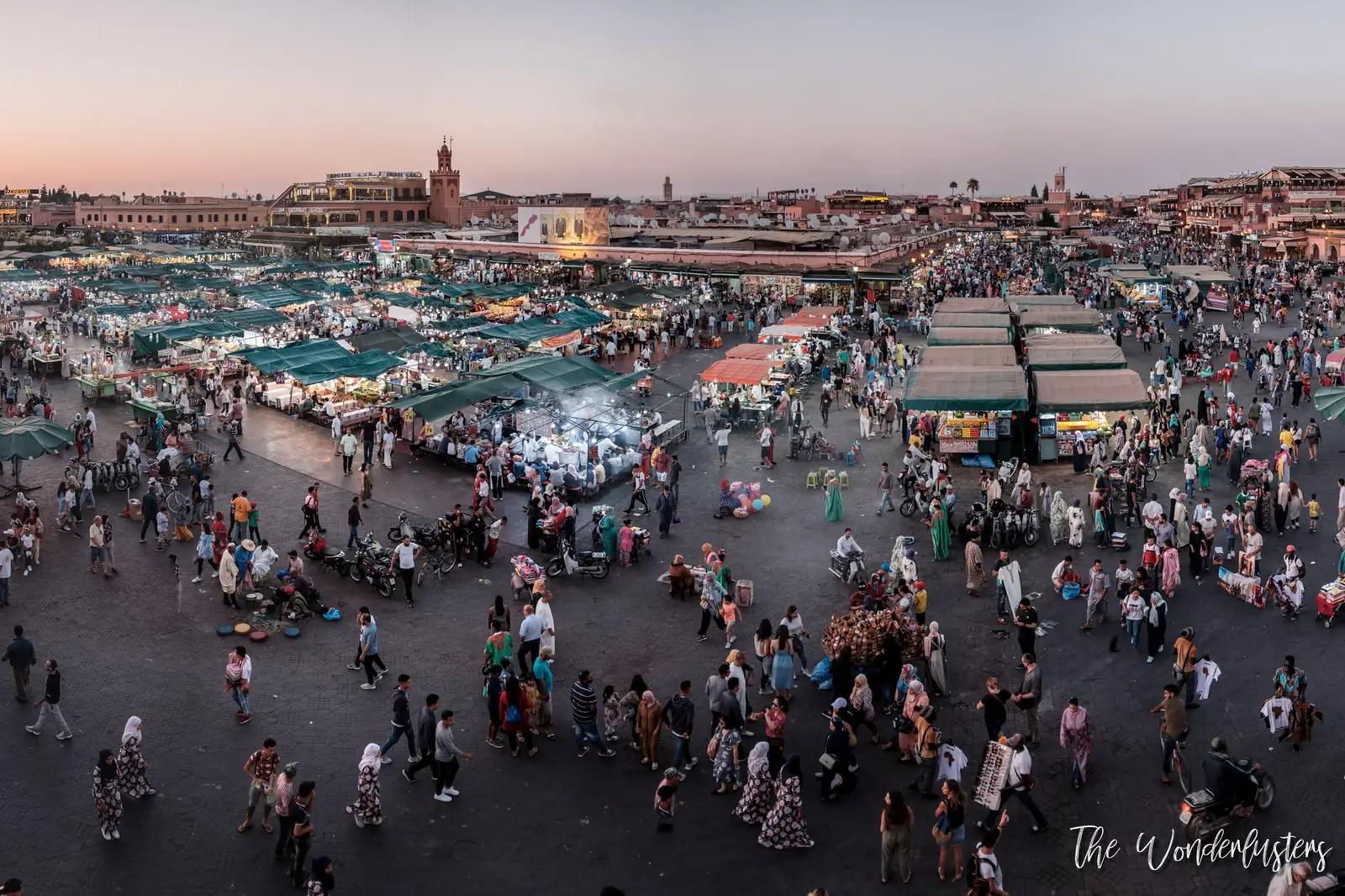
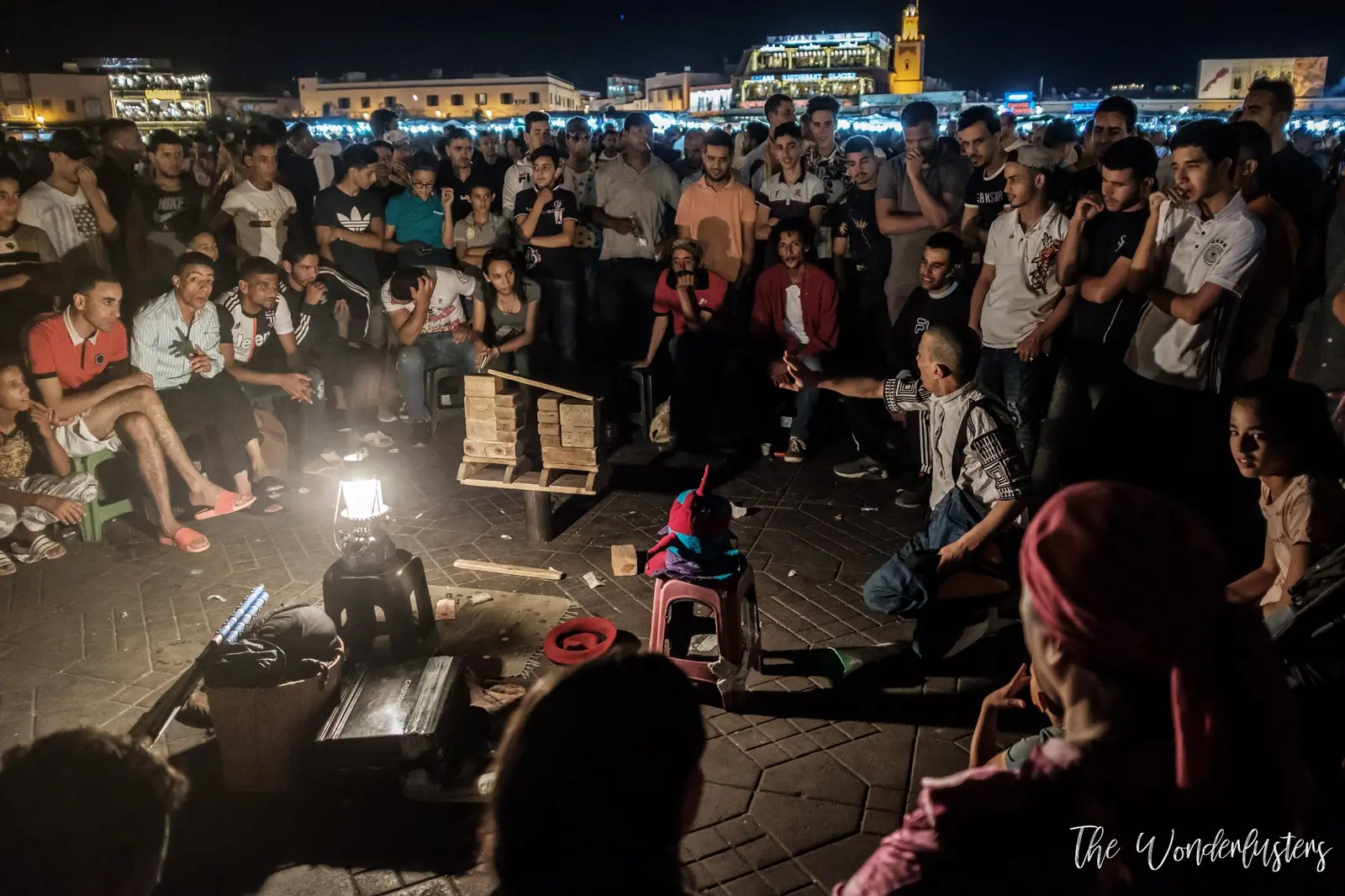
Jemaa el-Fna square is packed with snake charmers, fire-eaters, monkey handlers, street vendors, storytellers, dancers and fortune tellers. Every sensation is multiplied: the smells of spices, street food and horse droppings blend endlessly, while the noise of the crowd, songs and cymbals rises as one. Walking through it, we felt dozens of eyes on us. Every photo I took became a chance for the people in my frame to ask for a few dirhams. We were approached from all sides to have a drink, a meal or a horse ride, to buy a trinket or to give a coin. At every step, someone threw me a “Ni Hao”, a “Japan”, a “Malaysia”, a “Thailand” or a “Jackie Chan”. In the evening, the excitement peaks. Jemaa el-Fna is one of the most exotic places we have ever been.
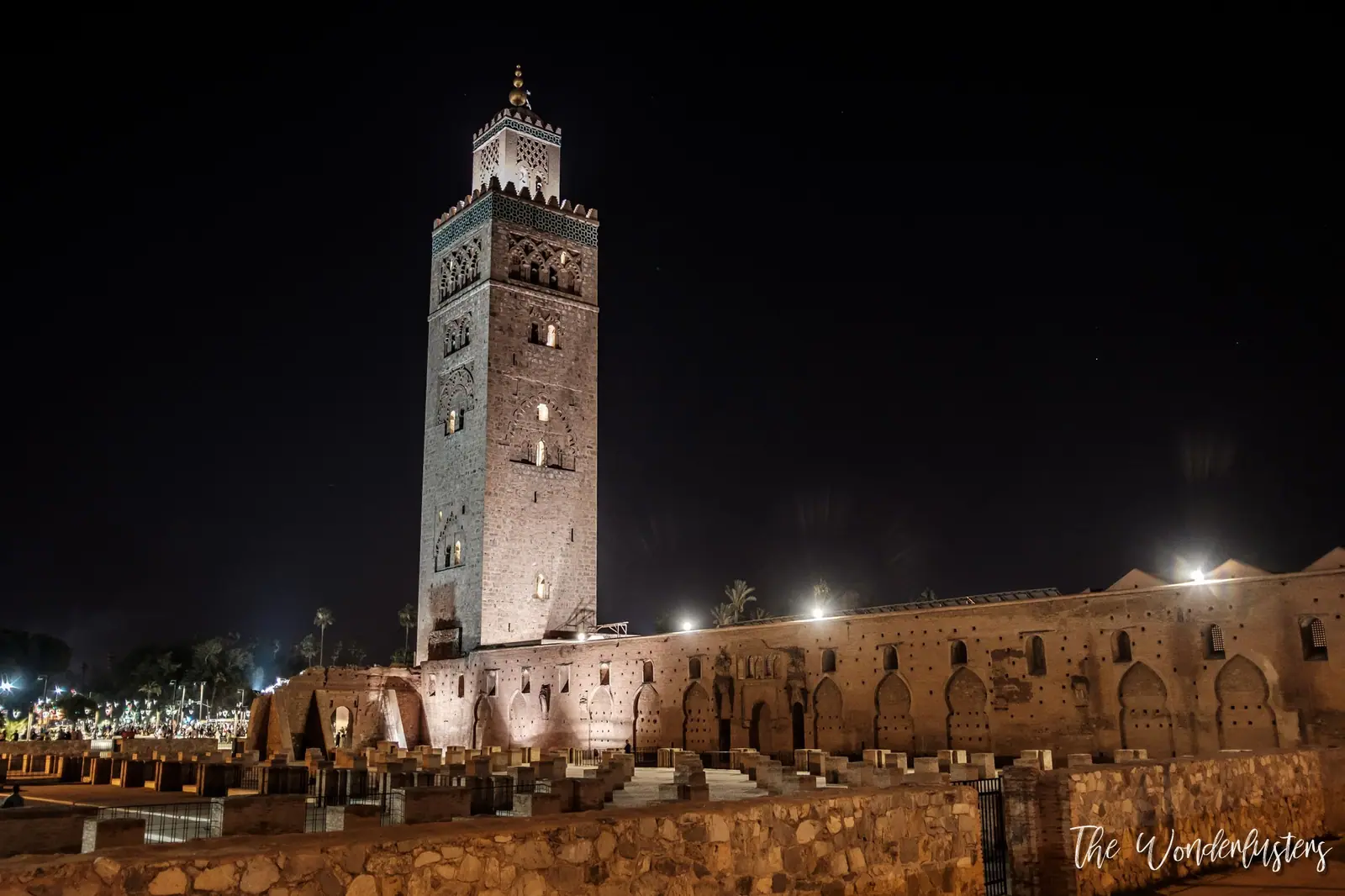
2026 update: The Al Haouz earthquake of September 8, 2023 damaged parts of Marrakech’s medina: the Koutoubia minaret was cracked, the minaret of the Kharbouch mosque on Jemaa el-Fna was almost completely destroyed, and sections of the historic walls collapsed (The Art Newspaper).
How to Plan 3 Weeks in Morocco
Itinerary: A Road Trip Loop from Marrakech
After landing in Marrakech, we set off right away on a road trip around the country in our rental car. Our route: Marrakech, Casablanca, Rabat, Tangier, Tetouan, Chefchaouen, Volubilis, Meknes, Fez, Merzouga, the Todgha and Dades gorges, Ouarzazate, Aït Ben Haddou, Essaouira and back to Marrakech. By the end of our stay, we had visited 8 of the 9 Moroccan sites then on the UNESCO World Heritage List.
Where We Stayed
Most of the time, we chose to stay in the medinas, right among the city’s attractions, in lively neighbourhoods with easy access to shops. Hotel prices were generally very affordable on Booking.com.
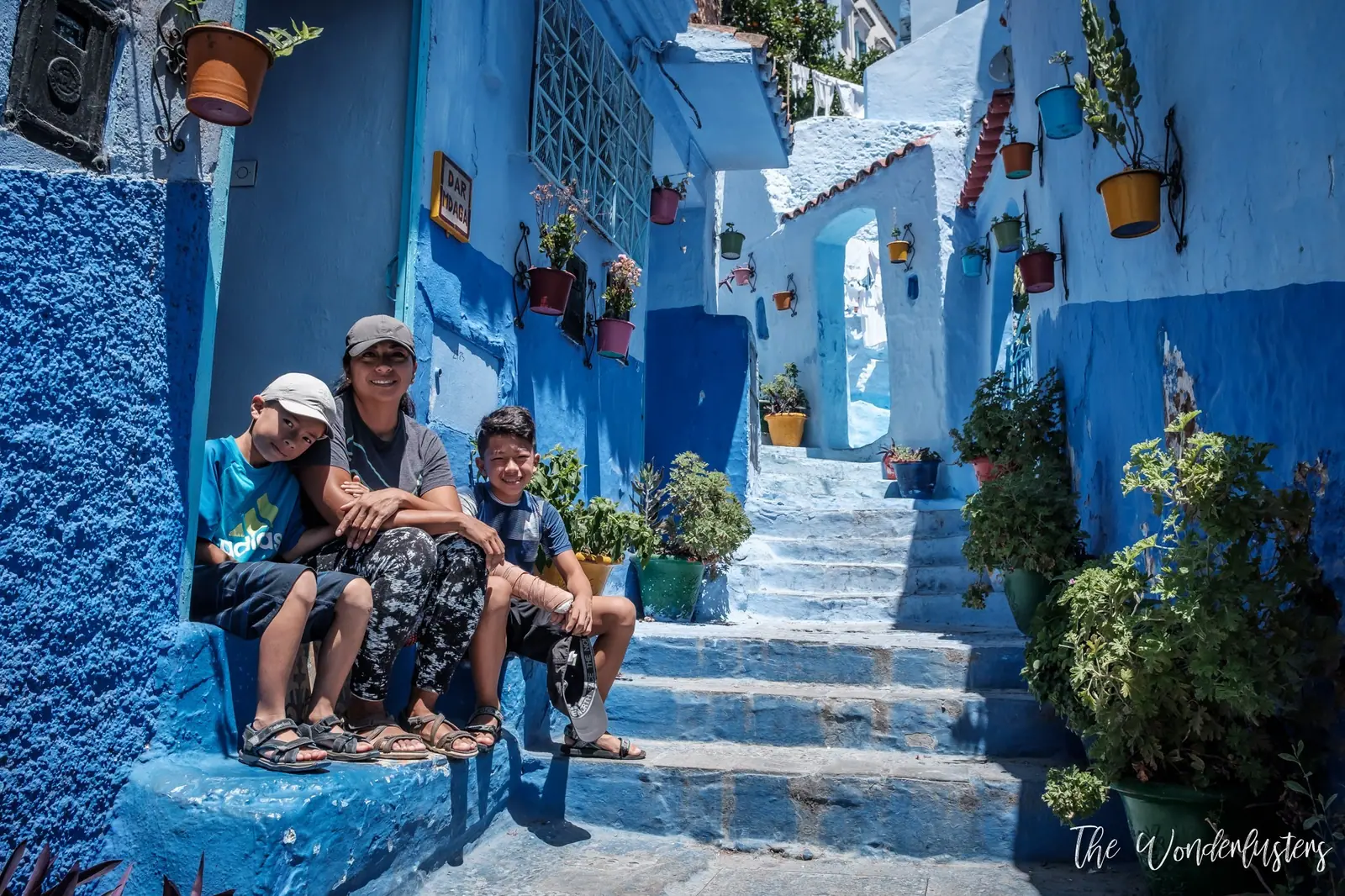
In the medina of Chefchaouen, by pure chance, the steps of the apartment we rented for 2 nights led onto the most Instagrammed alley in the city, perhaps in all of Morocco. Every time we walked out, several cameras were pointed at us. We felt like the Queen of England leaving Buckingham Palace!
In Meknes, we spent two nights in a riad (a traditional house) with sublime architecture and an extraordinarily kind owner. We highly recommend Riad Hiba in Meknes.
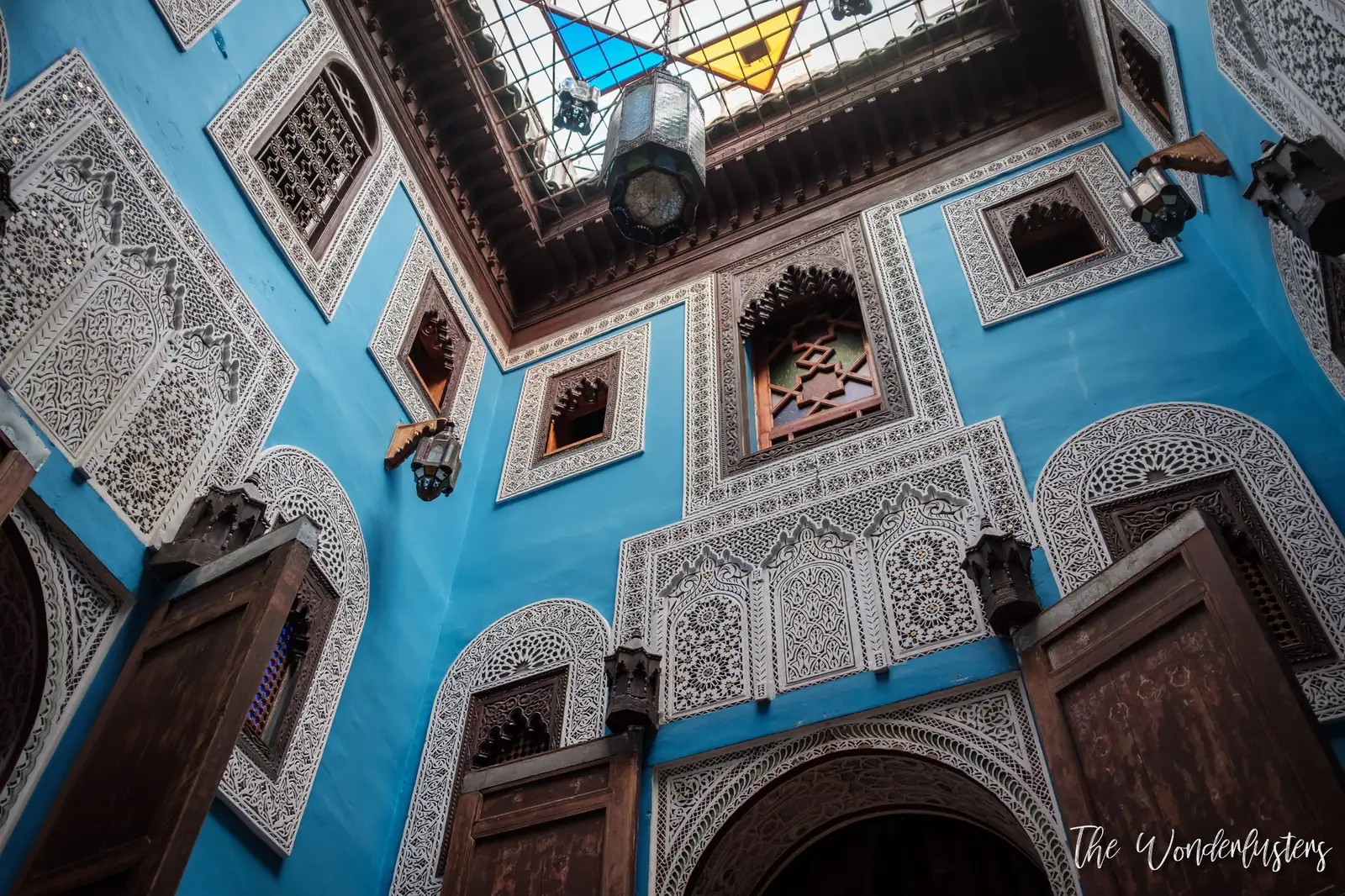
In Fez, we treated ourselves to a touch of luxury at the 5-star Fes Marriott Hotel Jnan Palace, where we were upgraded to a superb junior suite: a 250 USD-per-night value, for 17500 Bonvoy points.
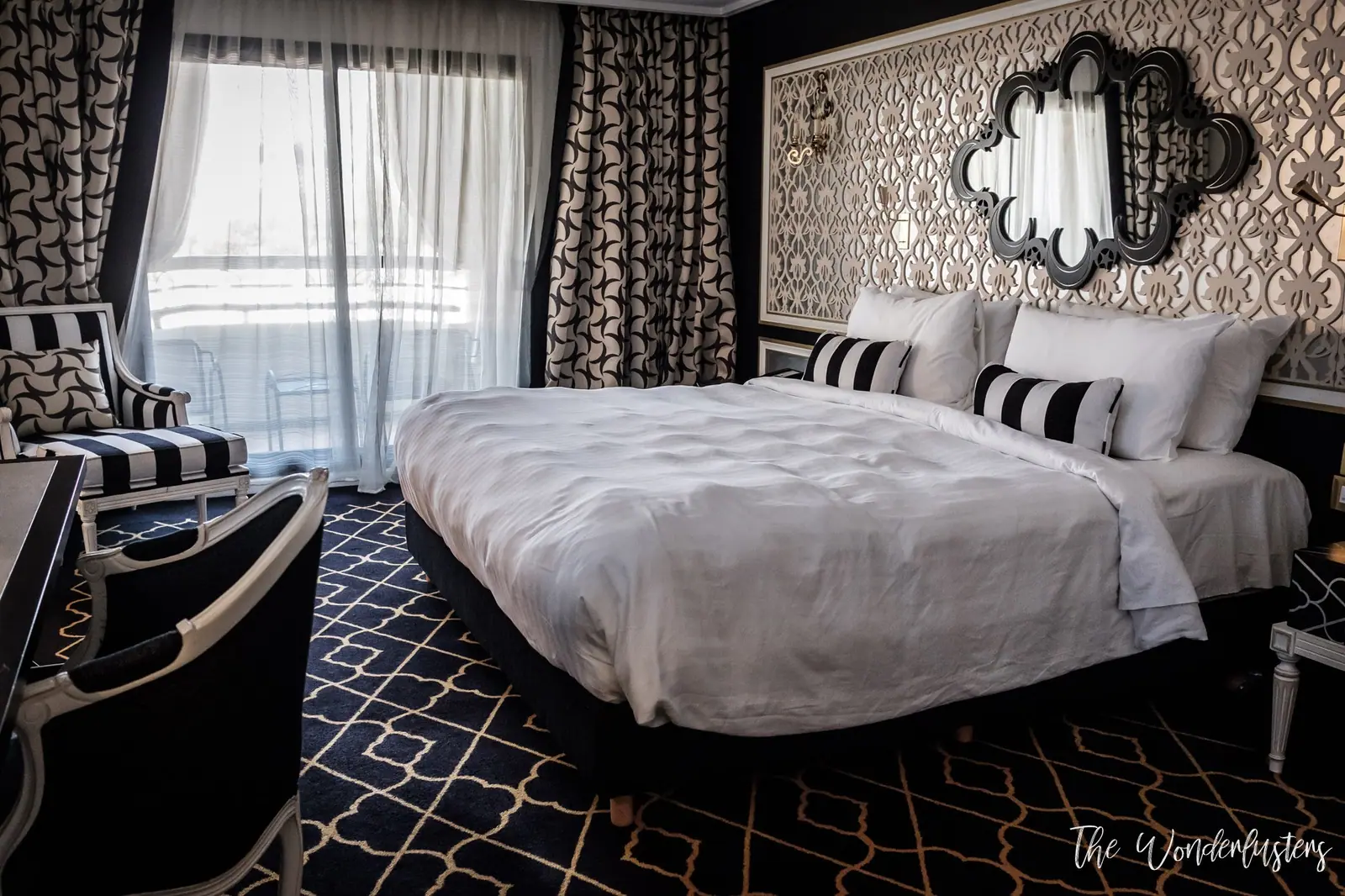
In Merzouga, we spent one night in a camp reachable only by camel or by jeep. A candlelit dinner, a campfire to the rhythm of Berber music and a magnificent starry sky made it an extraordinary experience. And then there was the sunrise (photo below)!
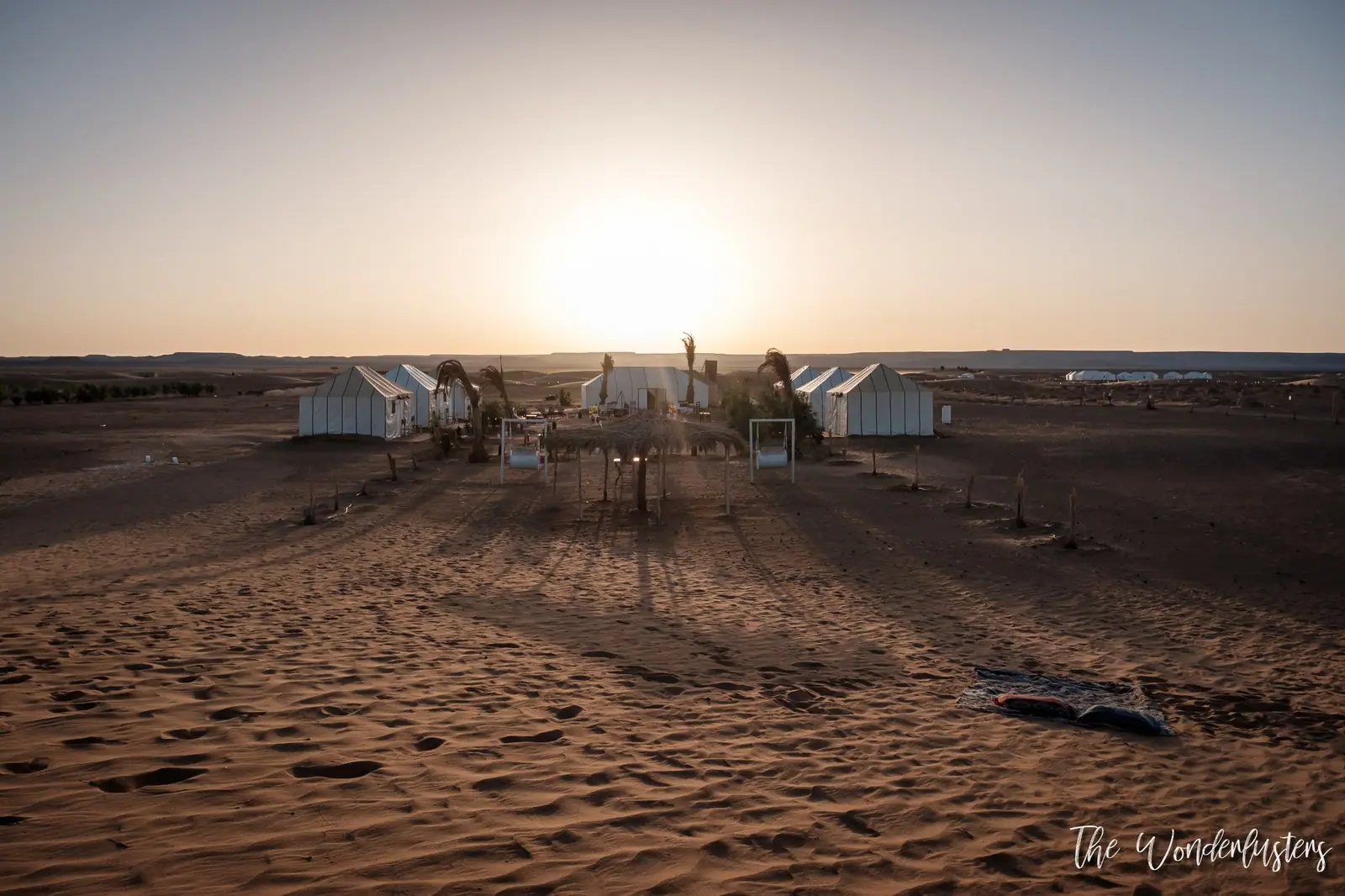
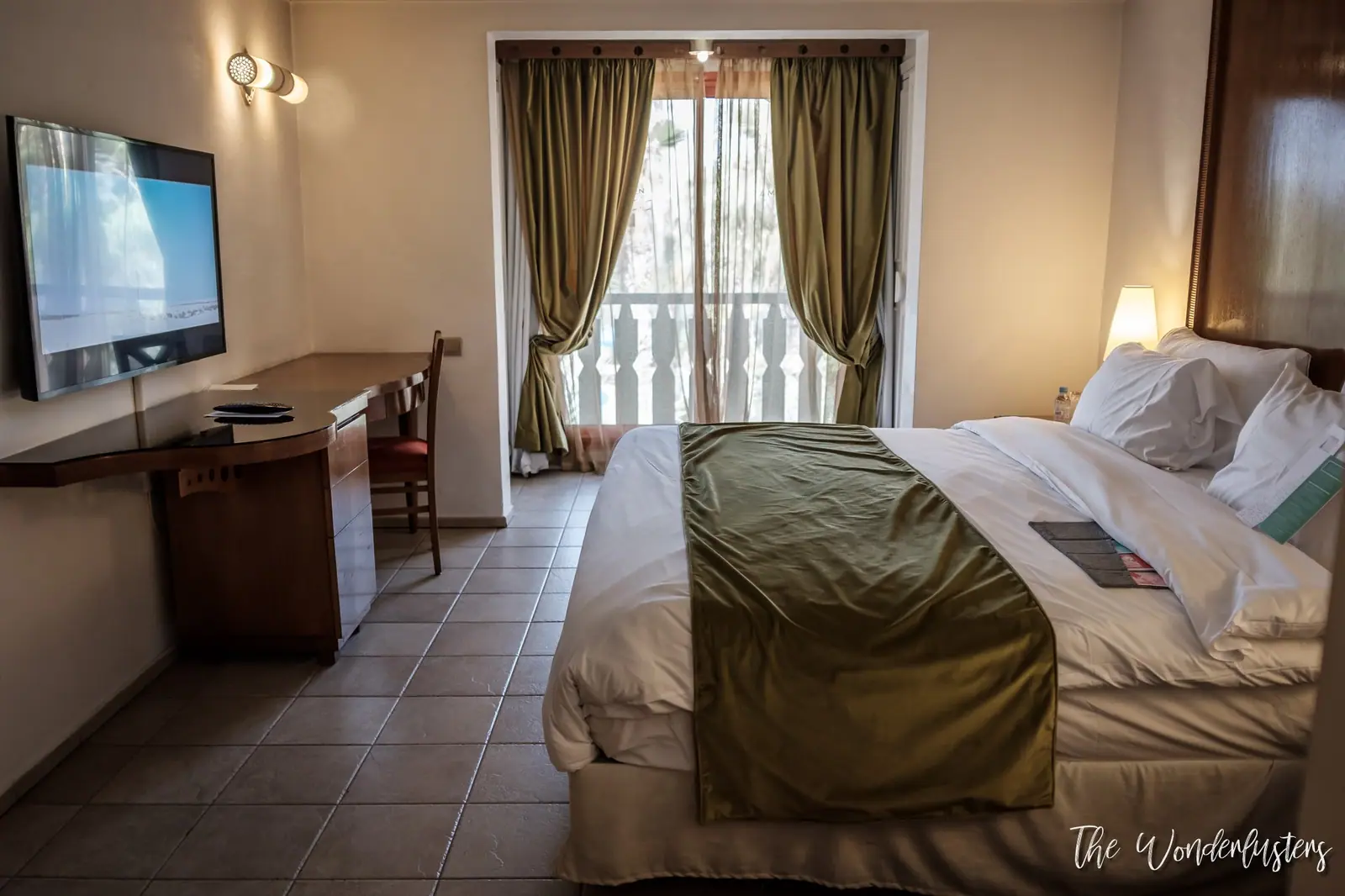
In Marrakech, we were upgraded to an Ambassador Suite at Le Méridien N’Fis, a category 2 Marriott hotel: a 330 USD-per-night value, for 12500 points.
2026 update: Marriott Bonvoy has since dropped its award categories: since March 2022, points prices vary with the hotel’s cash rate, so the amounts we paid are no longer a reliable guide (The Points Guy).
Getting Around by Rental Car
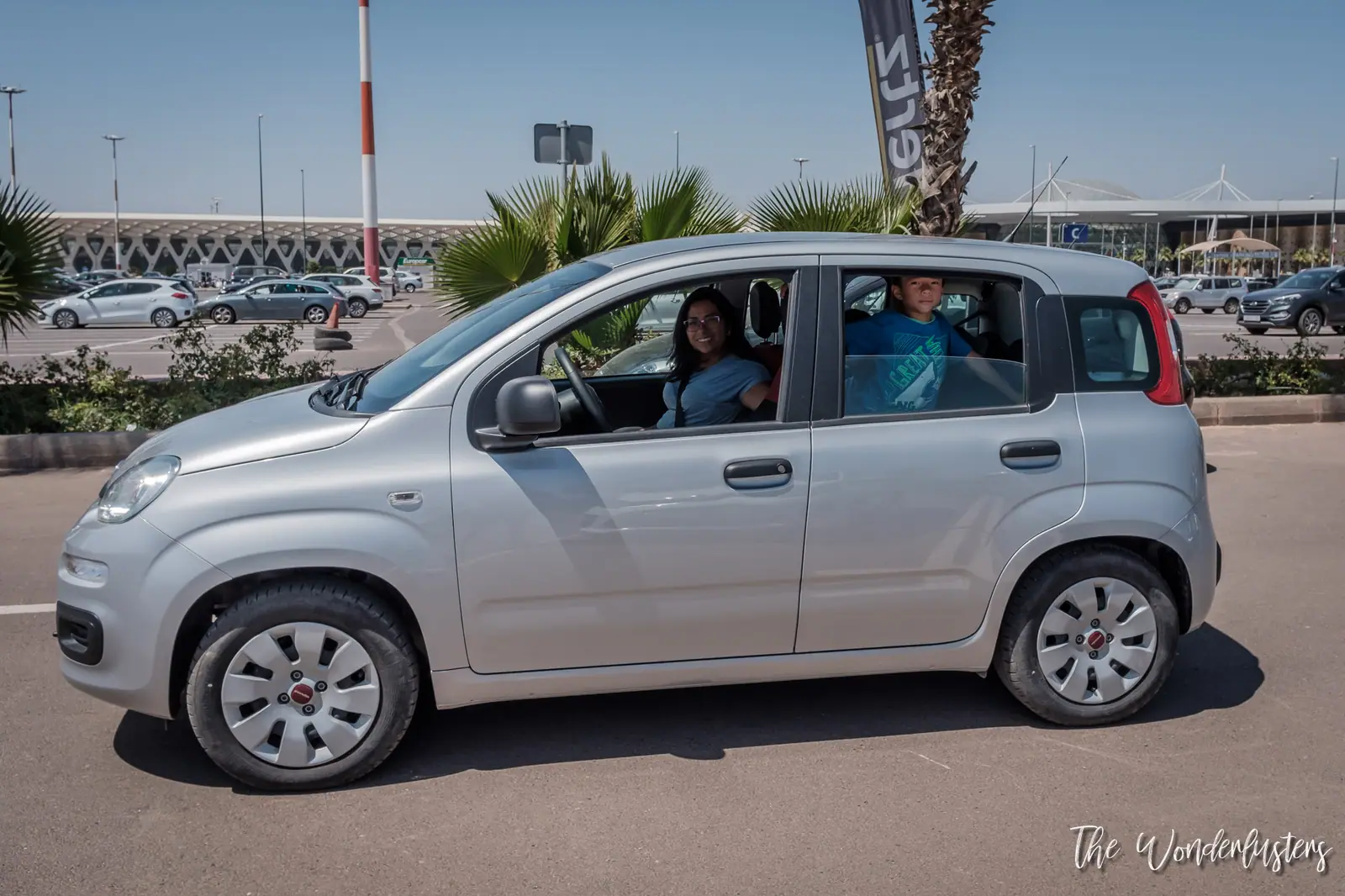
From Marrakech, we rented a small Fiat Panda to tour the country.
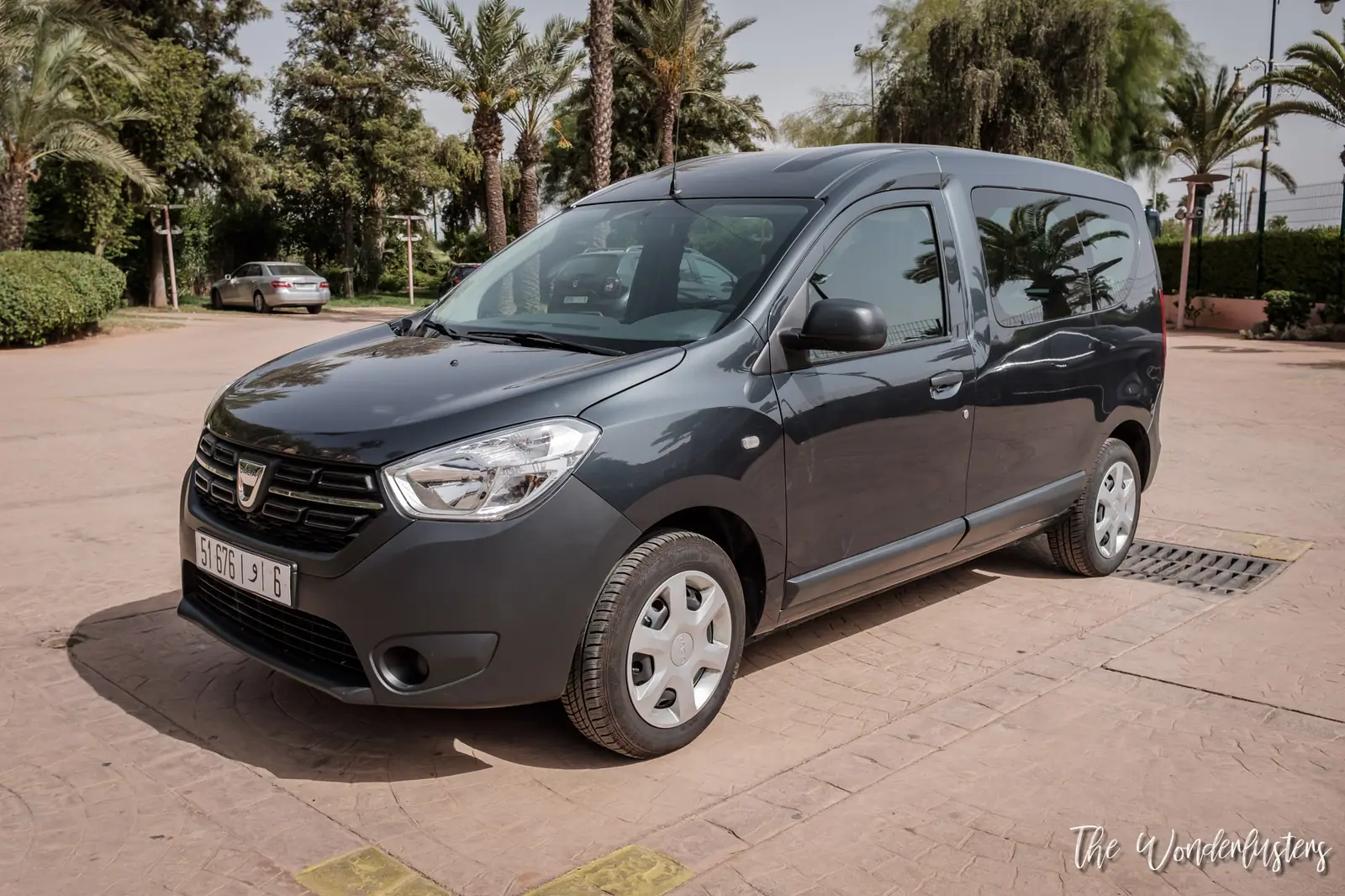
For the second part of our stay, getting around Marrakech and Essaouira, we switched to a Dacia Dokker.
What to Eat in Morocco
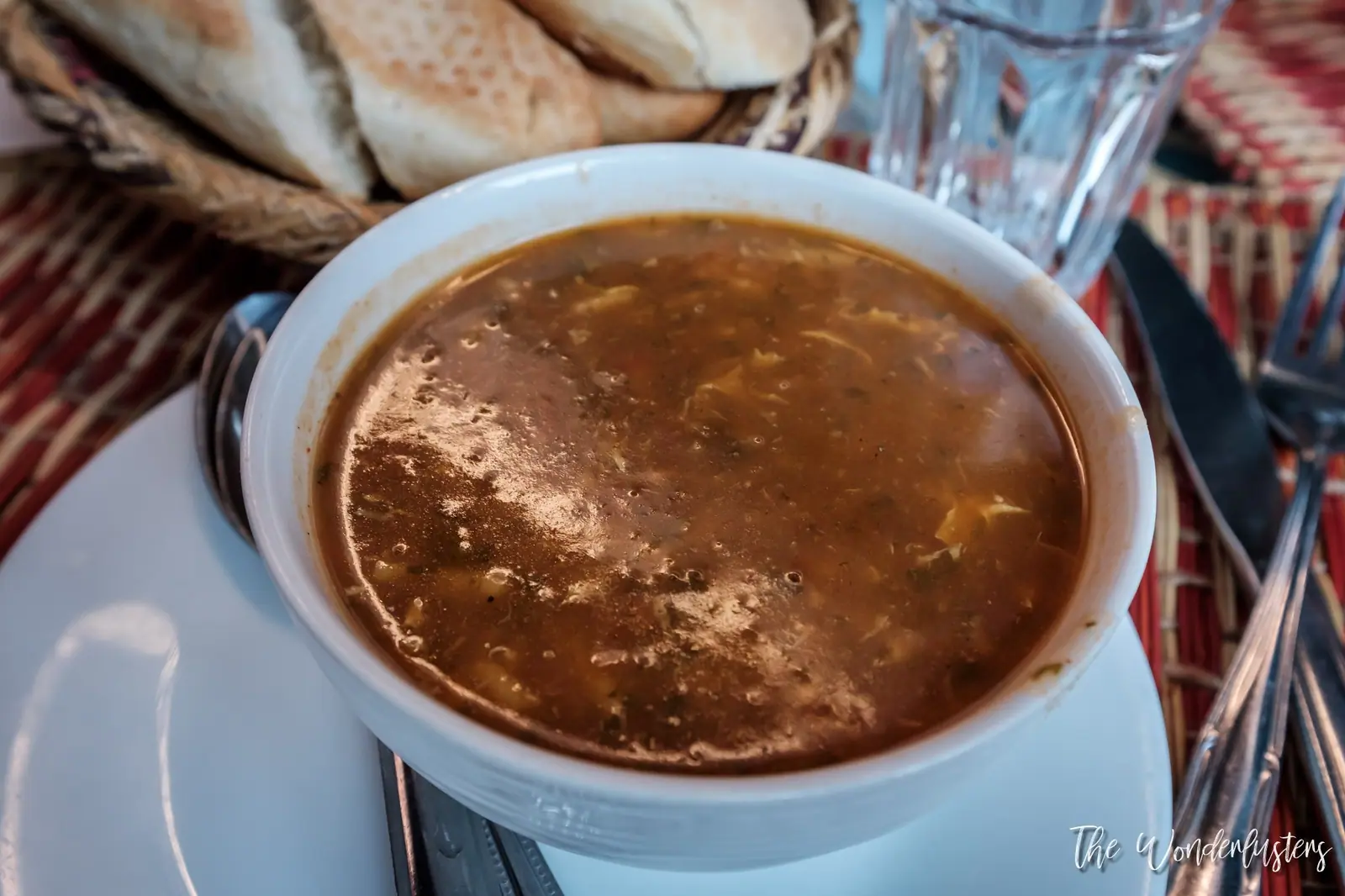
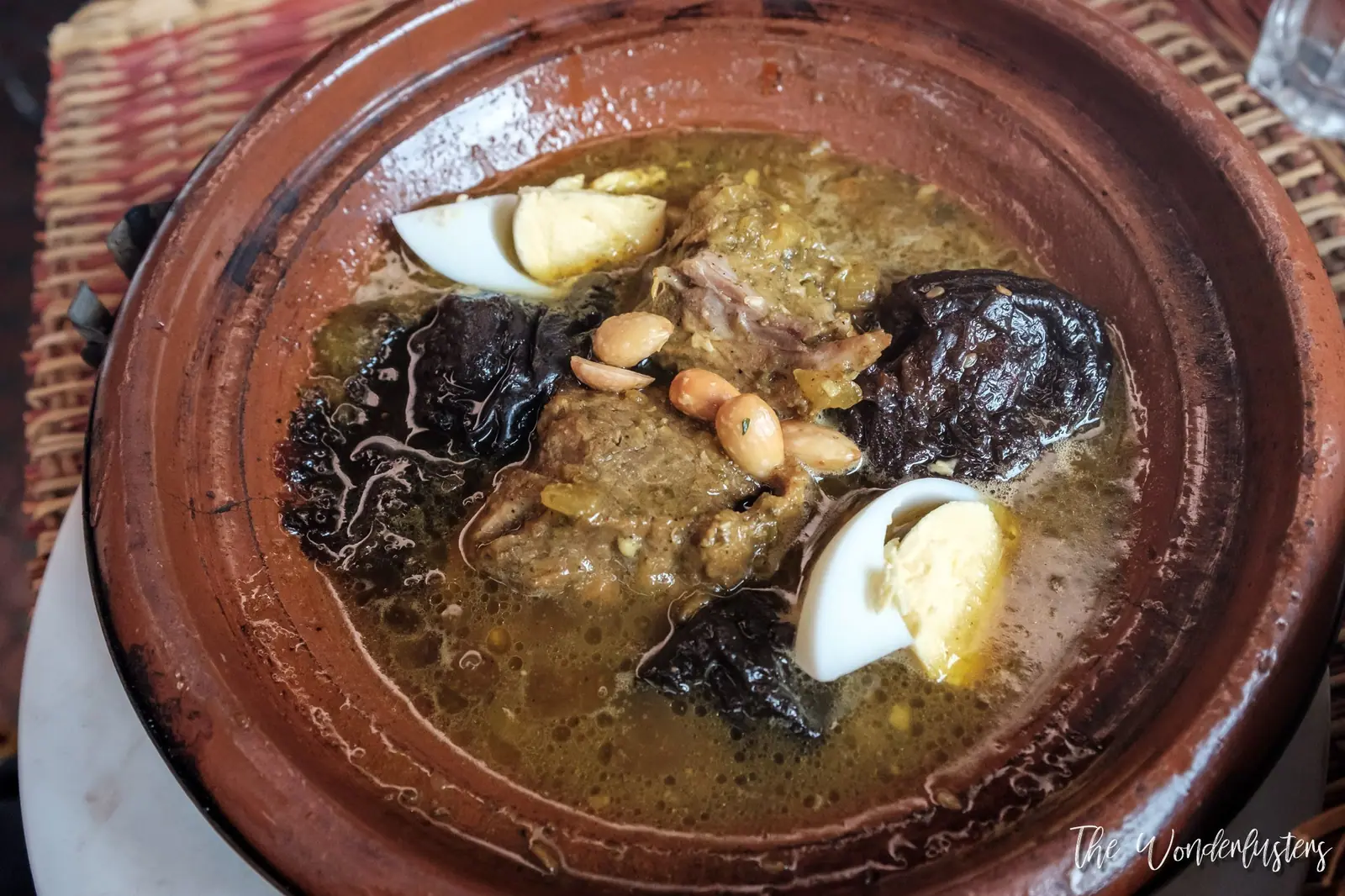
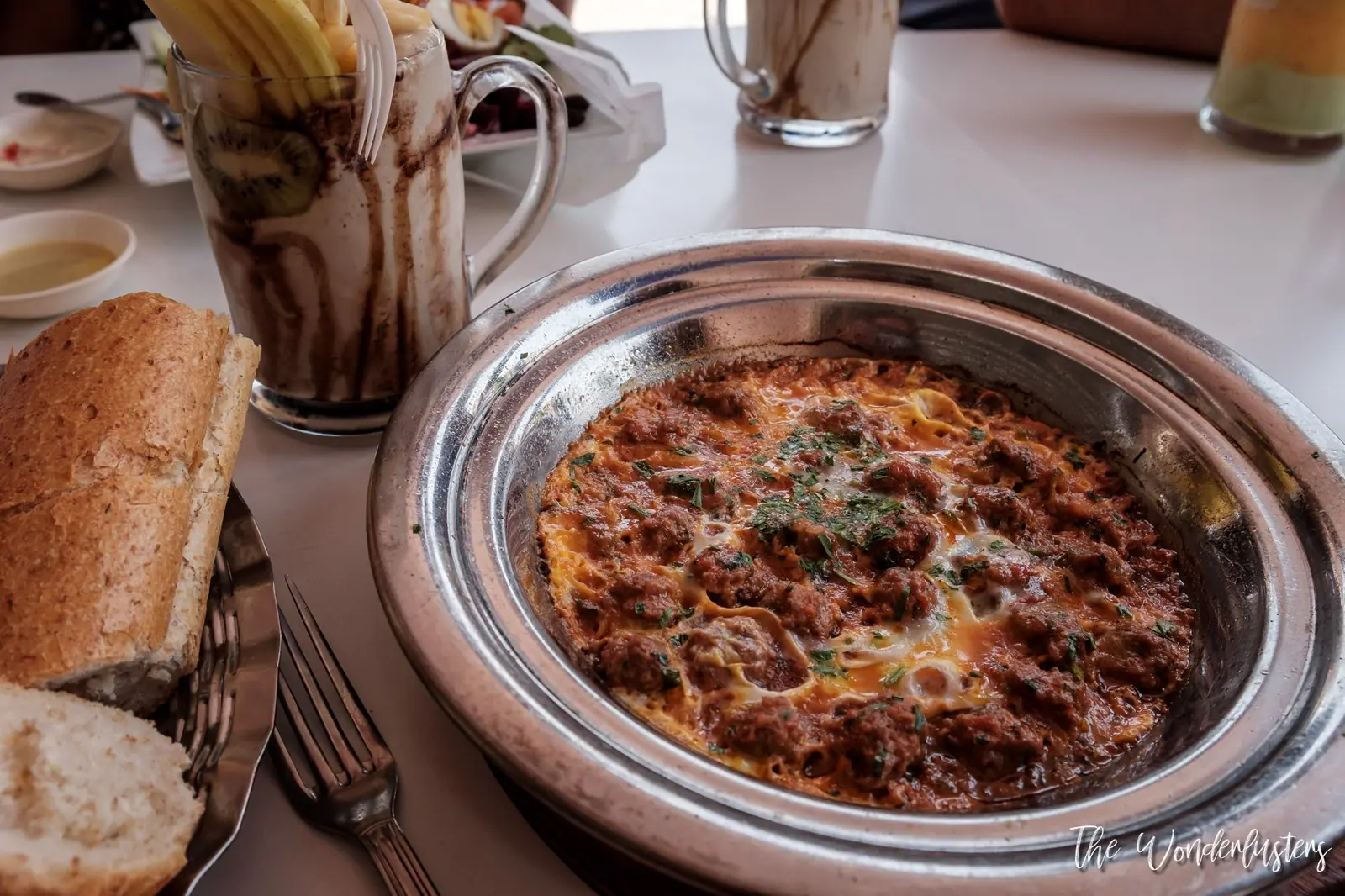
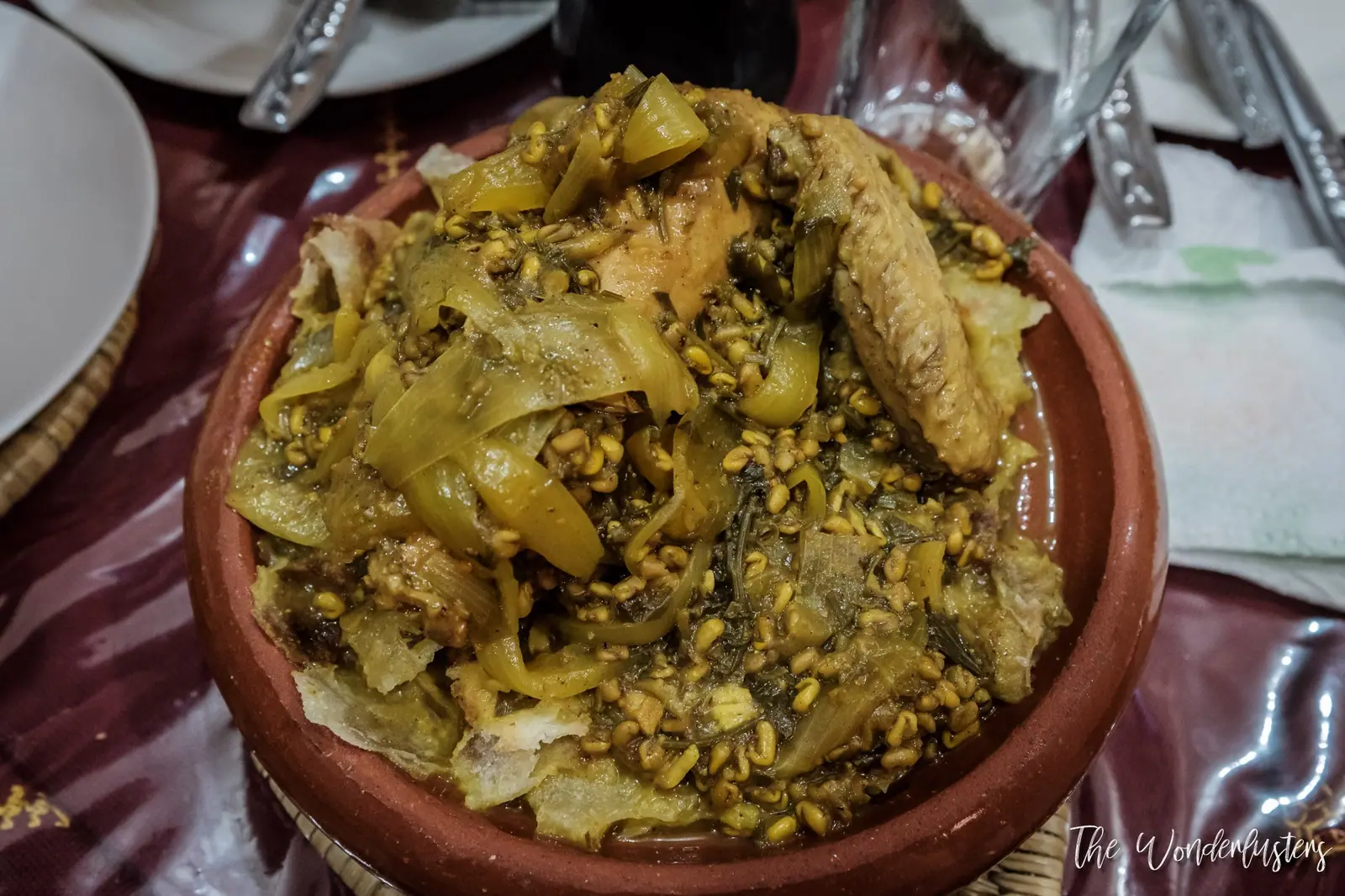
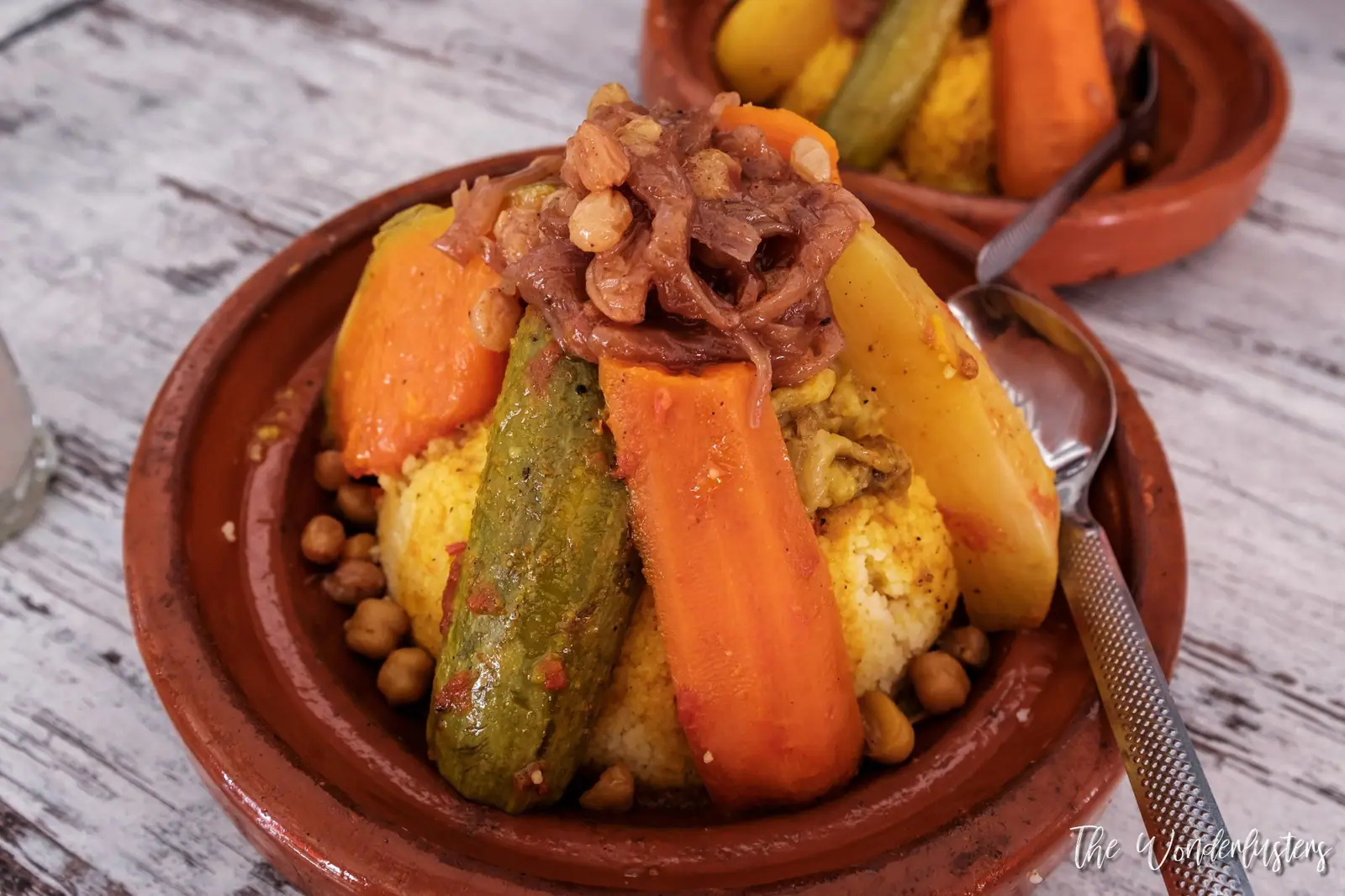
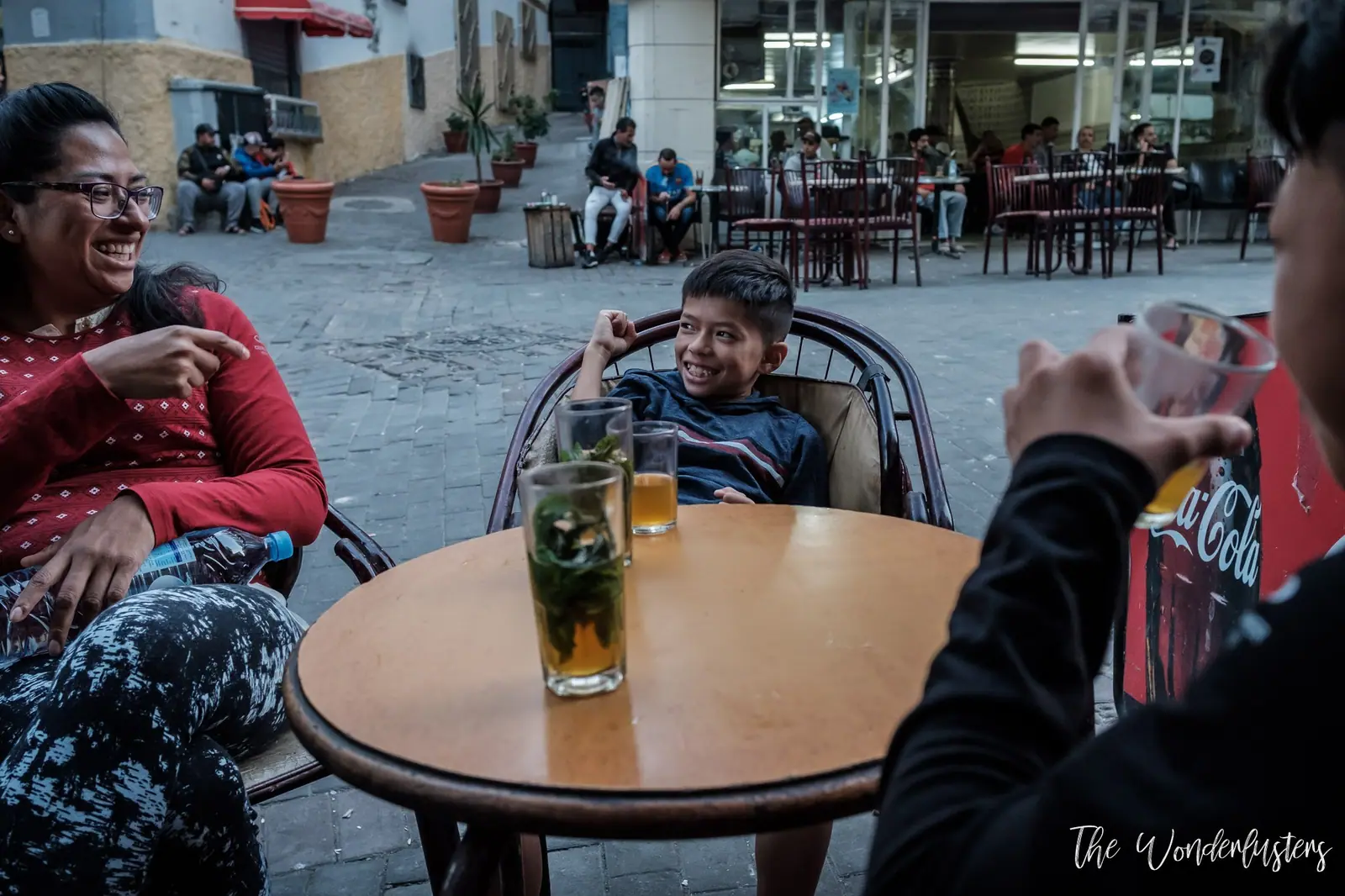
Harira, tagine, rfissa, couscous… Moroccan cuisine is generous and delicious. We became addicted to mint tea after every meal, and at any other time of day!
How Much Does 3 Weeks in Morocco Cost?
In souks all over Morocco, merchants kept telling us “It’s cheap!”. At the time, we didn’t believe them. Only after leaving the country did I realize they were right: Morocco is really cheap. The cost of our stay for our family of 4:
- 21585 MAD (2,261 USD);
- 981 MAD (103 USD) per day;
- 245 MAD (25.66 USD) per person per day.
Amounts were paid in dirhams. US-dollar equivalents use the average exchange rate during our trip (June 16 – July 8, 2019): 1 USD = 9.55 MAD.
In detail:
| Expense Category | Amount Spent |
|---|---|
| Flight | 2338 MAD (245 USD) |
| Accommodation | 6547 MAD (686 USD) |
| Transport (including gas) | 6790 MAD (711 USD) |
| Eating out | 4010 MAD (420 USD) |
| Groceries | 1565 MAD (164 USD) |
| Activities | 335 MAD (35 USD) |
| Total | 21585 MAD (2,261 USD) |
Conclusion
To be honest, we didn’t expect such grand landscapes and such a variety of climates in Morocco. The country enchanted us far beyond our expectations, and we warmly recommend it to everyone.
And now it’s time for gelato and espresso as we fly to… Italy!
Questions travellers ask
How long did you spend in Morocco and what was your itinerary?
We spent 22 days in Morocco, from June 16 to July 8, 2019, on a rental-car loop from Marrakech: Casablanca, Rabat, Asilah, Tangier, Tetouan, Chefchaouen, Volubilis, Meknes, Fez, Merzouga, the Todgha and Dades gorges, Ouarzazate, Aït Ben Haddou, Essaouira and back to Marrakech.
How much does 3 weeks in Morocco cost?
For our family of four, 22 days in Morocco cost 21,585 MAD (2,261 USD), or 981 MAD (103 USD) per day and 245 MAD (25.66 USD) per person per day, including flights, accommodation, car rental and gas, food and activities.
How did you get around Morocco?
We rented a car in Marrakech: a small Fiat Panda for the tour of the country, then a Dacia Dokker for Marrakech and Essaouira. We covered 2,936 km by car and on foot.
Where can you sleep in the Sahara in Morocco?
We spent one night in a camp in the Erg Chebbi dunes near Merzouga, reachable only by camel or by jeep, with a candlelit dinner, a campfire with Berber music and a spectacular starry sky.
Was Marrakech affected by the 2023 earthquake?
Yes. The Al Haouz earthquake of September 8, 2023 damaged parts of Marrakech's medina: the Koutoubia minaret was cracked, the minaret of the Kharbouch mosque on Jemaa el-Fna was almost completely destroyed, and sections of the historic walls collapsed.